

NPA Practice Test
Updated for September 2026The National Phlebotomy Association Certification (NPA) is one of the most recognized credentials for phlebotomists. Aspiring healthcare professionals who want to specialize in blood collection and lab testing often seek this certification to advance their careers. As a vital part of the healthcare system, certified phlebotomists ensure that blood samples are properly collected, handled, and transported to laboratories. Obtaining the NPA certification not only enhances your credibility but also opens doors to various job opportunities and career advancement in the field. In this article, we will explore the NPA certification process, its benefits, and key information you need to know before taking the exam.
Advanced nursing candidates can reinforce their specialty knowledge and critical reasoning with our ASCP phlebotomy exam 2026, aligned to national certification standards.
Nursing assistants preparing for advanced credentialing can strengthen their clinical knowledge by working through the AANP practice test, which covers patient assessment and primary care scenarios.
NPA Practice Test Questions
Prepare for the NPA - National Phlebotomy Association Certification exam with our free practice test modules. Each quiz covers key topics to help you pass on your first try.
NPA Blood Collection Techniques & Procedures
NPA Exam Questions covering Blood Collection Techniques & Procedures. Master NPA Test concepts for certification prep.
NPA Infection Control & Safety Standards
Free NPA Practice Test featuring Infection Control & Safety Standards. Improve your NPA Exam score with mock test prep.
NPA Laboratory Practices & Specimen Handling
NPA Mock Exam on Laboratory Practices & Specimen Handling. NPA Study Guide questions to pass on your first try.
NPA Patient Interaction & Communication
NPA Test Prep for Patient Interaction & Communication. Practice NPA Quiz questions and boost your score.
NPA Anatomy & Physiology of the Circulator...
NPA Questions and Answers on Anatomy & Physiology of the Circulatory System. Free NPA practice for exam readiness.
NPA Clinical Assessment Methods
NPA Mock Test covering Clinical Assessment Methods. Online NPA Test practice with instant feedback.
NPA Diagnostic Procedures
Free NPA Quiz on Diagnostic Procedures. NPA Exam prep questions with detailed explanations.
NPA Documentation Standards
NPA Practice Questions for Documentation Standards. Build confidence for your NPA certification exam.
NPA Medical Ethics and Law
NPA Test Online for Medical Ethics and Law. Free practice with instant results and feedback.
NPA Patient Communication
NPA Study Material on Patient Communication. Prepare effectively with real exam-style questions.
NPA Patient Safety Protocols
Free NPA Test covering Patient Safety Protocols. Practice and track your NPA exam readiness.
Key Takeaways
Free NPA Practice Test Online
What is NPA Certification? The National Phlebotomy Association (NPA) certification is a credential awarded to professionals who meet the education and experience requirements in phlebotomy.
Eligibility Requirements: To be eligible for the NPA certification, candidates must meet specific prerequisites such as completing an accredited phlebotomy training program and obtaining hands-on clinical experience.
Examination Process: The NPA certification exam consists of written tests and practical assessments to evaluate a candidate’s proficiency in blood collection and handling procedures.
Career Benefits: NPA certification increases job prospects, salary potential, and recognition in the phlebotomy field.
Continuing Education: NPA-certified professionals are required to complete continuing education to maintain their certification status.
Those interested in medical administrative roles alongside patient care will benefit from the AAMA practice test, covering clinical procedures, pharmacology, and medical law.

What is the National Phlebotomy Association Certification (NPA)?
The National Phlebotomy Association Certification (NPA) is a professional credential that validates a phlebotomist's skills and knowledge in blood collection. NPA certification is granted by the National Phlebotomy Association, a well-established organization in the healthcare sector that provides certification exams and training for phlebotomists. This certification ensures that individuals are well-prepared to perform critical tasks like blood collection, processing samples, and ensuring patient safety during medical procedures.
Phlebotomists with NPA certification are recognized for their commitment to maintaining high standards in the medical field, ensuring that they can competently perform their duties. The certification also demonstrates a professional's commitment to continued learning and development, making it an essential credential in a competitive job market.
NPA Key Concepts
What is the passing score for the NPA exam?
Most NPA exams require 70-75% to pass. Check the official exam guide for exact requirements.
How long is the NPA exam?
The NPA exam typically allows 2-3 hours. Time management is critical for success.
How should I prepare for the NPA exam?
Start with a diagnostic test, create a 4-8 week study plan, and take at least 3 full practice exams.
What topics does the NPA exam cover?
The NPA exam covers multiple domains. Review the official content outline for the complete list.
NPA Certification Requirements
To qualify for the NPA Certification, candidates must meet specific educational and experiential requirements. Below are the general criteria to become eligible for certification:
Education: Applicants must have completed a phlebotomy training program that is accredited by a recognized organization or institution. The training should include theoretical knowledge as well as practical hands-on experience in blood collection techniques.
Clinical Experience: Phlebotomists must typically complete a certain number of successful venipuncture and capillary puncture procedures as part of their training. This ensures that they are well-versed in proper techniques and patient care protocols.
Age & Background: Candidates must be at least 18 years old and possess a clean background check, ensuring they meet the ethical standards required for healthcare professionals.
Once these requirements are met, candidates can proceed to apply for the NPA Certification Exam.
National Phlebotomy Association Certification Overview
The National Phlebotomy Association (NPA) is one of the oldest phlebotomy credentialing bodies in the United States, founded in 1978 and headquartered in Hyattsville, Maryland. NPA certification requires completion of a 160-hour classroom program plus 200 hours of clinical externship, followed by a written and practical exam covering venipuncture, capillary collection, specimen handling, and patient interaction.
NPA Exam Format and Passing Score
The NPA written exam contains 200 multiple-choice questions covering anatomy, infection control, order of draw, and legal issues, with a passing score of 70 percent. Candidates must also demonstrate 100 successful venipunctures and 25 capillary sticks during their externship before sitting for certification.
The NPA Certification Exam: What to Expect
The NPA Certification Exam is designed to evaluate a candidate’s knowledge and practical skills in phlebotomy. The exam consists of two parts:
Written Exam: This section evaluates the theoretical understanding of phlebotomy concepts such as anatomy, blood collection procedures, infection control, safety standards, and handling of specimens.
Practical Assessment: In this section, candidates are tested on their ability to perform phlebotomy procedures in a real-life scenario. This part of the exam ensures that the candidate can competently collect blood samples using safe and efficient methods.
The exam is typically administered in both online and in-person formats, and candidates must achieve a passing score to receive their NPA certification. The passing score is determined by the National Phlebotomy Association.
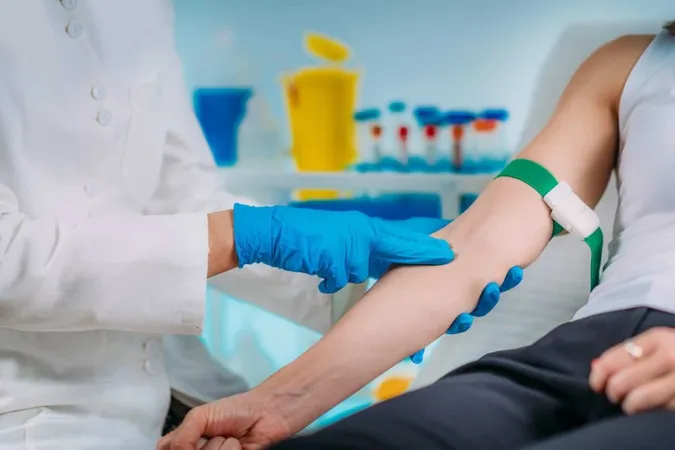
Benefits of NPA Certification
There are several benefits to obtaining NPA certification for phlebotomists, including:
Increased Job Opportunities: Employers prefer hiring certified professionals, as NPA certification ensures that phlebotomists have met the highest standards of competence.
Higher Earning Potential: Certified phlebotomists often earn higher salaries compared to their non-certified counterparts. Certification reflects a higher level of expertise and can make individuals more competitive in the job market.
Professional Recognition: NPA certification adds credibility and prestige to your resume, making you a more attractive candidate for job positions in hospitals, clinics, and laboratories.
Job Security and Career Advancement: As certified professionals, phlebotomists have better job security and the potential for career advancement opportunities within healthcare organizations.
Maintaining Your NPA Certification
To maintain your NPA certification, phlebotomists must complete a certain amount of continuing education and recertification every few years. This ensures that certified phlebotomists stay updated on the latest advancements in medical procedures, safety protocols, and best practices in blood collection.
Continuing education can be achieved through various sources, such as online courses, workshops, or conferences related to phlebotomy and healthcare. By staying current with new developments, NPA-certified phlebotomists demonstrate their commitment to providing the highest quality of care to patients.

Conclusion
The National Phlebotomy Association Certification (NPA) is a valuable credential for individuals looking to establish or advance their career in phlebotomy. With the NPA certification, phlebotomists gain a competitive edge in the job market, enhance their earning potential, and prove their ability to perform blood collection procedures safely and effectively. Certification also opens the door to continued professional development and career advancement, making it an essential step for anyone serious about pursuing a career in phlebotomy. If you're considering phlebotomy as a career or aiming to advance your current qualifications, obtaining the NPA certification is an investment in your future success.
- +Industry-recognized credential boosts your resume
- +Higher earning potential (10-20% salary increase on average)
- +Demonstrates commitment to professional development
- +Opens doors to advanced career opportunities
- −Exam preparation requires significant time investment (4-8 weeks)
- −Certification fees can be $100-$400+
- −May require continuing education to maintain
- −Some employers may not require certification
NPA Questions and Answers
About the Author

Registered Nurse & Healthcare Educator
Johns Hopkins University School of NursingDr. Sarah Mitchell is a board-certified registered nurse with over 15 years of clinical and academic experience. She completed her PhD in Nursing Science at Johns Hopkins University and has taught NCLEX preparation and clinical skills courses for nursing students across the United States. Her research focuses on evidence-based exam preparation strategies for healthcare certification candidates.
Join the Discussion
Connect with other students preparing for this exam. Share tips, ask questions, and get advice from people who have been there.
View discussion (9 replies)