
Women's Health Nurse Practitioner Programs Online: Complete Training Guide and Requirements
Women's health nurse practitioner programs online explained. Requirements, top programs, costs & certification. Start your WHNP career today! 🎯
Pursuing women's health nurse practitioner programs online gives registered nurses a flexible, career-transforming pathway into one of healthcare's most specialized and rewarding roles. Women's Health Nurse Practitioners, commonly called WHNPs, focus exclusively on the reproductive, gynecologic, and primary care needs of women across the entire lifespan — from adolescence through menopause and beyond. Online programs make this advanced degree achievable without relocating or leaving your current nursing position, which is a significant advantage for working nurses with family or financial obligations.
The demand for WHNPs has grown steadily over the past decade as healthcare systems recognize the value of specialized, gender-focused care. According to the Bureau of Labor Statistics, nurse practitioner employment overall is projected to grow 38 percent through 2032 — far outpacing almost every other occupation in the United States. Within that broader trend, women's health specialization stands out because it addresses persistent gaps in access to OB-GYN care, particularly in rural and underserved communities where specialist shortages are most acute. WHNPs frequently step in to fill that gap as autonomous or collaborative practitioners.
Online WHNP programs typically lead to a Master of Science in Nursing (MSN) or Doctor of Nursing Practice (DNP) degree with a women's health concentration. Both credential levels prepare graduates to sit for the national certification examination administered by the National Certification Corporation (NCC), which awards the WHNP-BC designation. Some programs are entirely online in their didactic components, while clinical hours are completed locally at preceptor-approved sites — a hybrid model that works well for nurses who already work in healthcare settings.
Before choosing a program, it is important to understand what distinguishes a women's health NP from a family nurse practitioner or midwife. WHNPs are not certified nurse midwives (CNMs), even though their scopes of practice overlap in prenatal and postpartum care. A WHNP's primary authority lies in outpatient gynecology, reproductive endocrinology, family planning, sexually transmitted infection management, and menopausal health. Many WHNPs also develop expertise in oncology screening, pelvic floor disorders, and urinary incontinence — areas that affect millions of women but are frequently undertreated.
Admission requirements for online WHNP programs are consistent across most accredited institutions. Applicants typically need an active RN license, a BSN from an accredited program, a minimum GPA of 3.0, and at least one to two years of clinical nursing experience. Some programs — especially those leading to a DNP — require prior graduate coursework or a completed MSN. Letters of recommendation, a professional goal statement, and sometimes a personal interview round out most application packages. Understanding these requirements early helps prospective students position themselves competitively.
The structure of online WHNP curricula reflects the complexity of women's health across life stages. Core coursework typically covers advanced health assessment, pathophysiology, pharmacology, reproductive anatomy, gynecologic oncology, prenatal and postpartum care, and evidence-based clinical decision-making. Beyond clinical science, students engage with healthcare policy, research methods, and population health — skills that make WHNPs effective advocates and leaders in their clinical settings. Programs accredited by the Commission on Collegiate Nursing Education (CCNE) or the Accreditation Commission for Education in Nursing (ACEN) carry the highest credibility with employers and state licensing boards.
Financial considerations are equally important when evaluating programs. Tuition for online WHNP programs ranges from roughly $18,000 at public state universities to over $55,000 at private institutions for the entire program. However, many students qualify for federal financial aid, employer tuition reimbursement, or specialty scholarships through organizations like the Association of Women's Health, Obstetric and Neonatal Nurses (AWHONN). Weighing program cost against earning potential — WHNPs earn a median salary between $100,000 and $120,000 annually — makes the investment compelling for most candidates.
Women's Health NP Programs by the Numbers

How to Become a Women's Health Nurse Practitioner Online
Earn Your BSN and RN License
Research Accredited Online Programs
Complete Graduate Didactic Coursework
Fulfill Clinical Practicum Hours
Graduate and Apply for NCC Certification
Obtain State Licensure as an APRN
Admission to an online women's health nurse practitioner program is competitive, and understanding each requirement in detail gives you a meaningful edge. Every accredited graduate nursing program requires applicants to hold a current, unrestricted RN license in the state where they plan to practice or study. This requirement is non-negotiable — it verifies that you have the foundational clinical competency to handle graduate-level coursework and patient care responsibilities. Your license status is verified through the Nursys database, so any pending disciplinary actions or encumbrances could jeopardize your application.
Academic transcripts play a major role in the review process. Most programs set a minimum undergraduate GPA of 3.0 on a 4.0 scale, though competitive applicants typically present GPAs closer to 3.5 or above. If your undergraduate GPA falls below the threshold, some programs allow you to demonstrate academic capability through prerequisite graduate coursework, particularly in statistics or research methods, taken at the community college or university level. Strong performance in those courses can meaningfully offset a lower undergraduate GPA.
Clinical experience requirements vary more widely than most applicants expect. Some programs require only one year of RN experience, while others — particularly DNP programs — expect three or more years. Beyond raw years, the quality and relevance of your experience matter enormously. Applicants with direct experience in labor and delivery, outpatient gynecology, reproductive endocrinology, or women's health clinics are viewed more favorably than those without any exposure to the specialty. If your current position is in another area, consider requesting a unit transfer or picking up per diem shifts in a women's health setting before applying.
Letters of recommendation are another critical piece of the application. Most programs request two to three letters, ideally from a nursing supervisor, a physician or NP colleague who has observed your clinical performance, and a faculty member if you have recent academic experience. Vague, generic letters carry little weight. Strong recommendations speak specifically to your clinical judgment, communication skills, leadership potential, and readiness for advanced practice. Brief your recommenders thoroughly on the program you are applying to and the specific skills you want highlighted.
The personal statement or goal essay is your opportunity to explain why you are passionate about women's health nursing and why this particular program aligns with your career trajectory. Admissions committees read hundreds of essays each cycle, so specificity matters. Instead of broad statements about wanting to help women, describe a particular clinical encounter that crystallized your commitment to the specialty, explain how the program's curriculum addresses a gap in your knowledge, and outline how you plan to contribute to women's health in your community after graduation. A well-crafted 600-word statement can elevate an otherwise average application.
Some programs require a graduate record examination (GRE) score, though this requirement is becoming less common as schools shift to holistic review processes. If a program you are targeting requires the GRE, aim for scores at or above the 50th percentile in verbal and quantitative reasoning. Many test preparation resources are available online, and a six- to eight-week study commitment is typically sufficient for nurses who have been away from standardized testing for a few years. Check each program's GRE policy individually, since requirements differ even within the same university system.
Interviews, when required, are typically conducted via video conference for online programs. Preparation should focus on articulating your clinical philosophy, demonstrating awareness of current women's health policy issues such as maternal mortality disparities, abortion access legislation, or rural healthcare shortages, and explaining how your specific background equips you to address those challenges as an advanced practice provider. Practicing responses to competency-based questions with a colleague or mentor is the most effective preparation strategy.
Online WHNP Programs: Format, Clinical Training, and Costs
Most online WHNP programs deliver didactic content asynchronously, meaning you watch recorded lectures, complete readings, and participate in discussion boards on your own schedule within weekly deadlines. Synchronous elements — live video seminars, case review sessions, and virtual office hours — typically occur once or twice per week and are recorded for students in different time zones. This format suits working nurses who need to balance full-time employment with graduate study, and most programs are explicitly designed around a working professional's schedule.
Simulation technology has significantly improved the quality of online clinical training. High-fidelity virtual patients, standardized patient video scenarios, and asynchronous OSCE (objective structured clinical examination) assessments allow students to practice clinical decision-making before entering real patient care settings. Several programs use platforms like Shadow Health or vSim for Nursing to build diagnostic reasoning and patient communication skills. While virtual simulation cannot fully replace bedside experience, it effectively closes knowledge gaps between academic coursework and clinical practicum rotations.
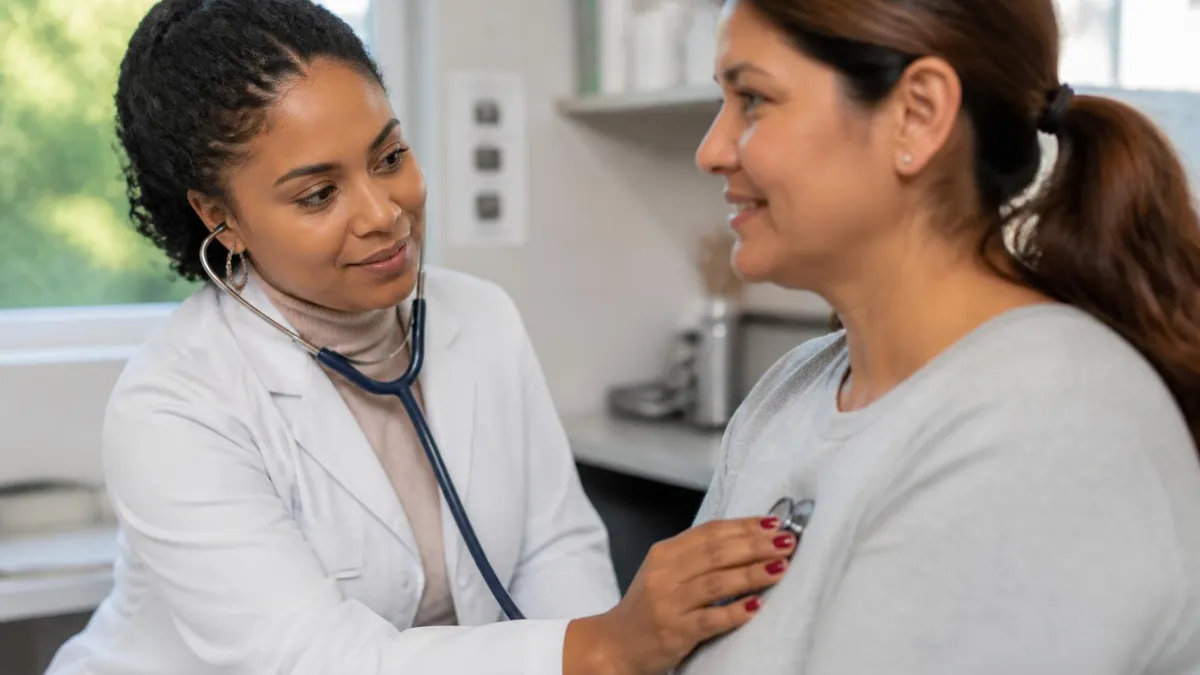
Online WHNP Programs: Advantages and Trade-Offs
- +Flexibility to study while maintaining full-time RN employment and income
- +Access to nationally accredited programs regardless of geographic location
- +Lower overall cost compared to on-campus programs due to eliminated commute and relocation expenses
- +Asynchronous coursework accommodates night-shift nurses and those with family responsibilities
- +Technology-enhanced simulation builds clinical reasoning skills before live patient care
- +Growing employer acceptance of online NP degrees from CCNE-accredited programs
- −Students must self-arrange clinical placements, which is challenging in rural or underserved areas
- −Reduced face-to-face peer interaction may limit networking and collaborative learning opportunities
- −Requires strong self-discipline and time management to meet weekly deadlines without in-person accountability
- −Virtual simulation cannot fully replicate complex hands-on procedural skills like IUD insertion or colposcopy
- −Some states have clinical placement restrictions that limit which online programs are available to residents
- −Technology issues, internet outages, or learning management system problems can disrupt study schedules
WHNP Certification and Licensure Checklist
- ✓Confirm your chosen program holds current CCNE or ACEN accreditation before applying.
- ✓Verify the program is approved for students residing in your state by checking the program's state authorization list.
- ✓Maintain an active, unrestricted RN license throughout the duration of your graduate program.
- ✓Track all clinical hours using a detailed log that includes patient type, diagnoses, and procedures performed.
- ✓Identify and confirm a qualified women's health preceptor at least one semester before your first clinical rotation begins.
- ✓Review the NCC WHNP-BC exam content outline and map it to your program's curriculum early in your studies.
- ✓Register for the WHNP-BC examination within six months of graduation to maintain eligibility and certification momentum.
- ✓Submit official transcripts and your NCC credential to your state board of nursing to obtain APRN licensure.
- ✓Apply for a DEA registration if your state grants prescriptive authority, which is required to prescribe controlled substances.
- ✓Join AWHONN and the NCC recertification registry to stay current on continuing education requirements every three years.
NCC WHNP-BC Exam: First-Time Pass Rates and Preparation
The NCC WHNP-BC exam has a first-time pass rate of approximately 85–90 percent for graduates of accredited programs, but candidates who use structured review resources — including practice question banks, focused content review, and timed mock exams — consistently outperform those who rely on coursework memory alone. Beginning exam preparation at least eight weeks before your scheduled test date is the most reliable predictor of first-attempt success.
The salary and career outlook for Women's Health Nurse Practitioners is genuinely strong, and the data support a confident long-term investment in this specialization. According to national compensation surveys from the American Association of Nurse Practitioners (AANP) and salary aggregators including the Bureau of Labor Statistics, WHNPs earn a median base salary between $100,000 and $120,000 annually. In high-demand states like California, New York, and Washington, experienced WHNPs in full-practice-authority settings can exceed $140,000 per year, particularly in academic medical centers or private reproductive health practices.
Geographic variation is one of the most significant factors shaping WHNP compensation. States with full practice authority — meaning WHNPs can diagnose, treat, and prescribe without a mandatory physician collaboration agreement — tend to offer higher salaries because the scope of independent practice translates directly into billing power. Oregon, Colorado, Arizona, and New Mexico are examples of full-practice-authority states where WHNPs can operate independent clinics and command market-rate fees for services. Restricted-practice states, where a collaborative practice agreement is legally required, may offer somewhat lower salaries depending on how the agreement structure affects billing and reimbursement.
Employer type also shapes compensation meaningfully. WHNPs employed by hospital systems or large integrated health networks often receive robust benefits packages including paid malpractice insurance, retirement contributions, continuing education allowances, and paid time off — benefits that can add $15,000 to $25,000 in total compensation value above base salary. WHNPs in private OB-GYN or reproductive endocrinology practices may receive higher base salaries but fewer benefits. Those who establish independent practices face startup costs and administrative burdens but retain a larger share of revenue per patient encounter.
Specialty focus within women's health creates further income differentiation. WHNPs who develop expertise in fertility and reproductive endocrinology, menopausal hormone therapy, oncology survivorship clinics, or minimally invasive gynecologic procedures often command premium compensation because these sub-specialties require advanced training and serve patient populations with limited provider options. Similarly, WHNPs willing to work in federally qualified health centers (FQHCs) or rural health clinics may qualify for loan forgiveness programs through the National Health Service Corps, effectively increasing their net compensation by tens of thousands of dollars over a repayment period.
Career advancement opportunities are another compelling dimension of the WHNP specialty. Experienced practitioners frequently move into roles as clinical education coordinators, program directors at nursing schools, policy advisors for women's health advocacy organizations, or quality improvement leads within hospital systems. The DNP degree — increasingly the preferred terminal practice degree — opens doors to executive clinical leadership positions that combine direct patient care with systems-level influence. Some WHNPs pursue academic faculty appointments, which allow them to maintain a part-time clinical practice while teaching the next generation of advanced practice nurses.
The business case for WHNPs has also been validated by outcomes research. Studies published in journals including the Journal of Midwifery and Women's Health consistently show that WHNP-led care produces patient outcomes comparable to physician-led care in outpatient gynecology, with patients reporting higher satisfaction scores related to communication, time spent with the provider, and responsiveness to concerns. These findings have driven health system investment in WHNP positions as a cost-effective, quality-preserving solution to specialist shortages — a dynamic that reinforces job security and negotiating leverage for credentialed practitioners.
Looking forward, demographic trends strongly favor sustained demand for WHNP services. The aging of the US population means a growing cohort of women navigating perimenopause, menopause, and post-menopausal health management — areas where WHNPs are uniquely qualified. Simultaneously, ongoing policy debates around reproductive rights and access to contraception have elevated the visibility and importance of women's health providers who can serve as trusted, consistent points of care. WHNPs positioned at the intersection of clinical excellence and community advocacy are particularly well placed to lead in this environment.

Not all online WHNP programs are authorized to enroll students in every US state. Before submitting an application, confirm that the program holds active state authorization in your state of residence — this is separate from national accreditation. Additionally, verify whether the program assists with clinical placement or requires students to self-arrange, since finding a qualified women's health preceptor can take three to six months in competitive or rural markets. Enrolling without confirming these details can delay graduation and licensure significantly.
Choosing the right online WHNP program from the dozens now available requires a systematic evaluation framework rather than relying on rankings or name recognition alone. The single most important filter is accreditation status. Programs accredited by the Commission on Collegiate Nursing Education (CCNE) or the Accreditation Commission for Education in Nursing (ACEN) meet rigorous standards for curriculum design, faculty qualifications, clinical placement oversight, and student outcomes. State boards of nursing and national certification bodies like the NCC require graduation from an accredited program before granting licensure or certification — there is no workaround for this requirement.
Program WHNP-BC pass rates are another critical data point. Reputable programs publish first-time certification pass rates in their outcomes data or student consumer information disclosures. A program with a first-time pass rate below 80 percent should raise questions about curriculum quality, faculty expertise, or the rigor of clinical preparation. Conversely, programs consistently achieving 90 percent or higher first-time pass rates are demonstrating that their training translates directly into certification success — which is ultimately the metric that matters for your career launch.
Faculty credentials and clinical currency are often overlooked by applicants focused on tuition cost and program length. Online NP programs should be taught by faculty who hold active APRN licenses, maintain or have recently maintained clinical practices, and publish or present in their specialty areas. Faculty who are disconnected from current clinical practice may teach outdated protocols or miss emerging evidence — a meaningful concern in a field like women's health where treatment guidelines for hormonal contraception, hormone replacement therapy, and HPV vaccination evolve frequently. Review faculty bios carefully and look for recent clinical and research activity.
Student support services matter more in online programs than in traditional campus settings because isolation and lack of in-person access to advisors can derail otherwise capable students. Evaluate whether the program assigns a dedicated academic advisor, offers writing support centers, provides library access to full-text clinical databases like CINAHL and PubMed, and has a responsive financial aid office. Programs that provide a structured new-student orientation and assign a peer mentor during the first semester have measurably better retention rates — a sign of institutional investment in student success.
Technology infrastructure is a practical concern that many applicants underestimate. A reliable learning management system, low-latency video conferencing for synchronous sessions, and well-maintained clinical simulation platforms are baseline requirements. Ask programs about their technical support availability — ideally 24/7 — and whether students are required to purchase specific software or hardware. Some programs provide laptop stipends or software licenses as part of program fees; others do not. If you have an older computer or inconsistent internet access, budget for upgrades before the program begins to avoid avoidable disruptions.
Program length and part-time options are significant quality-of-life considerations for working nurses. Most MSN-level WHNP programs can be completed in two to three years at a part-time pace of two courses per semester. DNP programs typically add one to two additional years.
Some programs offer an accelerated track for full-time students that compresses the MSN into 18 to 24 months, though these tracks require reducing or eliminating work hours. Realistic planning around your financial situation, family obligations, and current job demands is essential before committing to an accelerated timeline, as burnout is a real risk that prolongs rather than shortens time to completion.
Finally, consider post-graduation support. Some programs facilitate introductions to hiring partners or maintain alumni networks that provide informal mentorship and job referrals. While these networks vary widely in their activity level, a school with a robust alumni community in your geographic market can provide meaningful early-career advantages. Attending virtual information sessions for programs you are seriously considering and directly asking current students and recent graduates about their experience is the most reliable way to assess program culture, faculty responsiveness, and the practical quality of the education you will receive.
Maximizing your success in an online WHNP program begins before classes start, with deliberate preparation during the months between acceptance and orientation. Start by refreshing your foundational nursing science knowledge, particularly anatomy and physiology of the female reproductive system, pharmacology basics, and research methodology. Many students who struggle in the first semester of graduate school do so not because of the advanced content but because the foundational knowledge required to apply that content is rusty. Even dedicating two hours per week to review in the months before enrollment can make a meaningful difference in your early performance.
Time management is the skill that most differentiates successful online graduate students from those who fall behind. The flexibility of asynchronous coursework is a genuine benefit, but it also requires you to impose your own structure. Create a weekly study schedule at the start of each semester, block clinical practicum days in your calendar as non-negotiable, and treat assignment deadlines as firm rather than approximate.
Many online NP students find that studying in the same physical space at the same time each day — even for 90 minutes — builds the cognitive routine that makes sustained academic engagement sustainable alongside work and family life.
Building a support community within your cohort is undervalued but powerful. Online programs can feel isolating if you do not actively create connections with classmates. Participate genuinely in discussion boards, form a small study group for case analysis, and exchange contact information with peers who are in similar geographic areas — you may eventually share preceptor contacts or work in overlapping healthcare markets. The relationships you build during your program often become your first professional network as a new WHNP, and some of the most valuable referrals and mentoring relationships in advanced practice nursing originate from graduate school cohort bonds.
Approaching your clinical practicum with a learner's mindset rather than a performer's mindset accelerates skill development dramatically. New WHNP students sometimes feel pressure to appear competent immediately, which paradoxically slows learning by making them reluctant to ask questions or admit uncertainty. Your preceptor expects a learning curve — what they observe and assess is your clinical reasoning process, your willingness to seek guidance when uncertain, and your ability to integrate feedback. Bring prepared differential diagnoses to each encounter, volunteer to present cases, and debrief every complex patient interaction to extract the maximum educational value from each practicum hour.
Preparation for the WHNP-BC examination should begin in earnest during your final clinical semester, not after graduation. The NCC exam covers gynecology, obstetrics, reproductive health, pharmacology, and professional role — content that aligns closely with program curriculum but requires a different retrieval strategy than writing papers or preparing case presentations. Using a dedicated WHNP review resource such as the NCC's own content outline, supplemented by a question bank that mimics the computer-adaptive format, builds both content recall and test-taking strategy simultaneously. Aim to complete 300 to 500 practice questions before sitting for the actual exam.
Once certified, the transition from RN to WHNP can feel disorienting even for experienced nurses. The autonomy of the NP role — writing orders, making independent diagnoses, explaining treatment options — is exhilarating but also carries weight that is qualitatively different from the collaborative model of staff nursing.
New WHNPs benefit enormously from formal mentorship arrangements with experienced practitioners, whether through their employer's onboarding program, a state NP association mentorship program, or an informal relationship with a senior WHNP in their practice setting. Seeking mentorship proactively rather than waiting for it to be offered is the hallmark of a new NP who will thrive in the role.
Staying current in women's health is a professional obligation that begins the day you receive your WHNP-BC credential. NCC recertification requires 45 continuing nursing education contact hours over a three-year period, but the most effective practitioners far exceed that minimum. Following evidence-based guidelines from ACOG, NAMS, and the American Sexual Health Association, attending national AWHONN conferences, and engaging with peer-reviewed literature through a journal club or self-directed reading practice ensures that your clinical care reflects the best available evidence — which ultimately is the foundation of both patient safety and professional credibility.
NP Questions and Answers

Do Nurse Practitioners Work in Hospitals? A Complete Guide to NP Work Settings
Aesthetic Nurse Practitioner Jobs: Roles, Salary, Skills, and How to Launch a Career in Medical Aesthetics in 2026

Aesthetic Nurse Practitioner Certification: Complete Career Guide for 2026

Nurse Practitioner Taxonomy Code: Complete 2026 Guide to NPI Classification, Specialty Codes, and Billing Compliance

Family Nurse Practitioner Remote Jobs: Complete 2026 Guide to Telehealth Careers
About the Author

Registered Nurse & Healthcare Educator
Johns Hopkins University School of NursingDr. Sarah Mitchell is a board-certified registered nurse with over 15 years of clinical and academic experience. She completed her PhD in Nursing Science at Johns Hopkins University and has taught NCLEX preparation and clinical skills courses for nursing students across the United States. Her research focuses on evidence-based exam preparation strategies for healthcare certification candidates.