
Women's Health Nurse Practitioner: Career Guide 2026 September
Women's health nurse practitioner guide — ✅ scope of practice, education pathway, certification, settings, compensation, and career advancement.

A women's health nurse practitioner (WHNP) is an advanced practice registered nurse specializing in providing comprehensive primary and reproductive healthcare to women across their lifespan, from adolescence through menopause and beyond. WHNPs deliver care that includes annual exams, contraception counseling and management, pregnancy care (in some practice settings), gynecologic problem evaluation, sexually transmitted infection diagnosis and treatment, breast health assessments, menopause management, and various other women's health services. The WHNP role represents one of the most popular nurse practitioner specialties for those drawn specifically to women's healthcare delivery.
This guide walks through the WHNP role including scope of practice, educational pathway, certification requirements, work settings, compensation, career development, and how WHNPs differ from related practitioners like family nurse practitioners and OB/GYN physicians. Information here applies broadly across the United States with notes where state regulations create differences. Whether you're considering WHNP education as a career direction, a current FNP wondering about adding women's health certification, or a healthcare consumer wanting to understand who provides your gynecologic care, this overview covers the essentials of the WHNP role.
The WHNP specialty emerged from the broader nurse practitioner movement that began in the 1960s, with women's health emerging as a distinct specialty area in subsequent decades. The role has grown substantially as women's preventive healthcare has expanded and as healthcare delivery has shifted toward more accessible primary care providers for routine gynecologic services. Many women now receive their primary gynecologic care from WHNPs rather than OB/GYN physicians, particularly for routine annual exams, contraception management, and uncomplicated reproductive health concerns. WHNPs and OB/GYNs typically work collaboratively, with WHNPs handling routine care and complex cases referred to physicians.
Women's Health Nurse Practitioner Quick Facts
Education: MSN or DNP with WHNP focus. Certification: National Certification Corporation (NCC) Women's Health Nurse Practitioner-Board Certified (WHNP-BC). State licensure: APRN license in practice state. Scope: Primary care for women across lifespan, gynecology, contraception, prenatal care (varies by state). Settings: OB/GYN practices, women's health clinics, family planning, college health, hospitals. Median pay: Approximately $115,000-$130,000+ depending on region and setting. Education timeline: 6-8 years total from BSN to WHNP licensure (BSN + RN experience + MSN/DNP).
The WHNP scope of practice covers comprehensive women's healthcare across the lifespan. Adolescent care includes initial gynecologic exams, contraception counseling, sexual health education, and various developmental concerns. Adult women's health includes annual well-woman exams, breast and pelvic examinations, contraception management across all available methods, sexually transmitted infection prevention and treatment, and various gynecologic problem evaluation. Pregnancy care varies by state — some WHNPs provide complete prenatal and postpartum care, others focus on preconception and postpartum without managing labor and delivery. Menopause management, hormone therapy, and post-menopausal women's health complete the lifespan coverage.
Specific clinical activities WHNPs perform daily include patient assessment with focused women's health histories, physical examinations including breast and pelvic exams, ordering and interpreting diagnostic tests (Pap smears, HPV tests, STI screening, mammograms, ultrasounds), prescribing medications including hormonal contraception and various other women's health medications, performing procedures within scope (IUD insertions and removals, endometrial biopsies, colposcopy in some practices, basic gynecologic procedures), patient education about reproductive health and contraception options, and care coordination with OB/GYN physicians for complex cases requiring physician management.
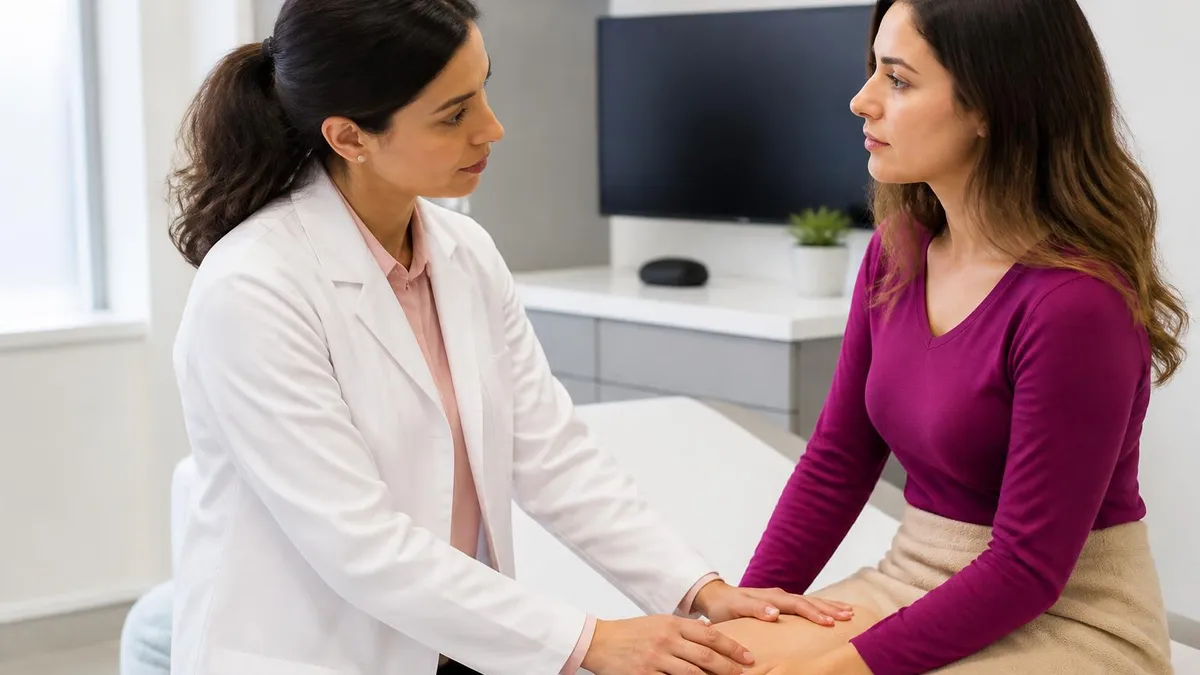
WHNP Practice Areas
Comprehensive preventive visits including breast/pelvic exam, Pap smears, screening discussions.
All contraceptive methods: pills, patches, rings, injections, IUDs, implants, sterilization counseling.
Sexually transmitted infection screening, treatment, partner notification, counseling.
Preconception, prenatal (varies by state), postpartum care. Some WHNPs deliver babies.
Symptom assessment, hormone therapy, alternative treatments, related health monitoring.
Abnormal bleeding, pelvic pain, infections, vulvar issues, breast concerns evaluation.
The educational pathway to becoming a WHNP follows the standard nurse practitioner education sequence with women's health specialization. Begin with Bachelor of Science in Nursing (BSN) — typically 4-year undergraduate degree. Pass NCLEX-RN for registered nurse licensure. Build clinical experience as RN, often in women's health settings (labor and delivery, postpartum, gynecology) — typically 1-3+ years before WHNP school admission, though some programs accept new graduates.
Apply to MSN or DNP program with WHNP focus. Complete graduate coursework and supervised clinical hours in women's health settings. Sit for national certification exam through National Certification Corporation (NCC). Apply for state APRN licensure with WHNP recognition.
WHNP graduate programs typically require 500-700 clinical hours specifically in women's health settings. Coursework covers advanced pathophysiology, advanced pharmacology, advanced health assessment (the standard NP foundation courses), plus women's health-specific content including reproductive endocrinology, contraception, gynecologic conditions, prenatal care, gynecologic procedures, and various other specialty topics. Programs vary in length from 2 years (full-time MSN) to 3-4 years (DNP or part-time MSN). Quality programs maintain partnerships with women's health practices providing diverse clinical experiences across the various settings where WHNPs ultimately practice.
NCC certification through the WHNP-BC examination is the standard credential for WHNP practice. The examination tests knowledge across the full WHNP scope including gynecology, obstetrics (preconception through postpartum), primary care for women, sexually transmitted infections, contraception, and various other women's health content. Pass rates for first-time test takers from accredited programs typically run 80-90%+. Certification is initially valid for 3 years and requires continuing education for renewal. Most WHNP positions require WHNP-BC certification — without it, employment opportunities are substantially limited despite having graduated from a WHNP program.
1. Earn Bachelor of Science in Nursing (BSN) — 4 years. 2. Pass NCLEX-RN, obtain RN license. 3. Build RN experience in women's health settings (1-3+ years typically). 4. Apply to and complete MSN or DNP program with WHNP focus (2-4 years). 5. Complete 500-700 clinical hours in women's health settings. 6. Pass NCC WHNP-BC certification examination. 7. Apply for state APRN license with WHNP recognition. Total time: 6-8+ years from starting BSN.
WHNP work settings include several common practice environments. OB/GYN private practices represent the most common setting — WHNPs see routine annual exams, contraception visits, and uncomplicated gynecologic problems while physicians focus on complex cases, surgeries, and high-risk pregnancies. Women's health clinics and family planning organizations like Planned Parenthood employ many WHNPs providing specialized reproductive health services. College and university health services employ WHNPs serving student populations. Hospital outpatient clinics provide another common setting. Public health departments at county levels often employ WHNPs delivering women's health services to underserved populations.
Compensation for WHNPs varies by region and setting. Bureau of Labor Statistics data for nurse practitioners overall shows median pay around $126,260 annually (2022). WHNPs specifically often earn somewhat less than the all-NP median — typically $115,000-$130,000+ in current markets — because women's health practice settings (private OB/GYN offices, family planning) tend to pay less than acute care settings (hospitals, ICUs, ERs) where many NPs earn higher rates. Geographic variation is substantial — major metropolitan areas typically pay 20-30% more than rural areas with corresponding cost-of-living adjustments. Specialty WHNPs (urogynecology, infertility) often earn premium compensation versus general WHNP practice.
Career development for WHNPs follows several common paths. Many begin in OB/GYN practices building general clinical experience for several years. Some progress to specialty roles in urogynecology, fertility, oncology gynecology, or various other subspecialty areas. Others move to academic settings teaching WHNP students. Some pursue doctoral education (DNP or PhD) leading to faculty positions, leadership roles, or research careers. Independent practice opportunities exist in states with full practice authority for nurse practitioners. Each path supports career-long professional development with diverse opportunities suited to different interests and life circumstances over careers spanning many decades.

WHNP scope of practice varies substantially by state. Full practice authority states (~27): WHNPs practice independently — assess, diagnose, prescribe without physician supervision. Reduced practice states: Require collaborative agreement with physician. Restricted practice states: Require physician supervision throughout practice. Pregnancy care varies: Some states allow WHNPs to manage labor and delivery; others restrict to prenatal/postpartum only. Verify your state: Before accepting positions or planning practice, verify specific WHNP scope in your state through the state board of nursing.
For users considering WHNP careers, several factors warrant honest reflection. Drawing specifically to women's health is essential — the role is highly specialized and unsuited for those wanting broader populations. Comfort with women's reproductive and sexual health topics is required — discussions and exams are intimate and require emotional maturity. Communication skills with diverse women across cultures, ages, and backgrounds matter substantially. Patience with women navigating complex personal decisions about contraception, pregnancy, and various reproductive choices. The ability to provide care while respecting patient autonomy without imposing personal views about reproductive choices that vary widely across patients.
For users specifically drawn to nurse-midwifery rather than WHNP, important distinctions exist. Certified Nurse-Midwives (CNMs) are different APRN credential focused specifically on pregnancy, labor and delivery, and postpartum care plus newborn care. CNMs deliver babies as primary care provider in many practice settings. WHNPs typically don't deliver babies in most settings (though some scopes overlap). The educational pathway differs — separate CNM programs and certification through American Midwifery Certification Board. Choose between WHNP and CNM based on whether you want comprehensive women's health (WHNP) or specifically pregnancy/birth focus (CNM) as your career direction.
For users wanting to understand current trends in WHNP practice, several developments matter. Telehealth has expanded WHNP practice options dramatically post-pandemic — many gynecologic visits including contraception management and certain follow-ups work well via video conference. Long-acting reversible contraception (IUDs, implants) has become primary recommendation for many patients, with WHNPs handling much of this insertion and management work. Health equity issues including disparities in women's health outcomes by race and socioeconomic status receive increasing attention. Reproductive rights legal landscape changes continue affecting practice in various ways across different states with varying restrictions.
Becoming a WHNP Action Steps
- ✓Verify women's health is your specific career interest (vs broader FNP scope)
- ✓Earn Bachelor of Science in Nursing (BSN) — 4-year undergraduate degree
- ✓Pass NCLEX-RN to obtain registered nurse licensure
- ✓Build clinical experience as RN, ideally in women's health settings
- ✓Research and apply to MSN or DNP programs with WHNP focus
- ✓Complete graduate coursework and 500-700 clinical hours in women's health
- ✓Sit for and pass NCC WHNP-BC certification examination
- ✓Apply for state APRN license with WHNP recognition
- ✓Begin career in OB/GYN practice or other women's health setting
- ✓Pursue continuing education and potential subspecialty development
For users transitioning from other NP specialties to WHNP, the process typically involves additional certification rather than complete program redo. Family Nurse Practitioners (FNPs) interested in deeper women's health focus can complete post-graduate certificate programs adding WHNP credentials — typically 12-24 months of additional coursework and clinical hours building on existing FNP foundation. Adult-Gerontology NPs face similar pathway. Pediatric NPs typically need substantial additional education to add WHNP since the populations differ substantially. The post-graduate certificate route is faster than complete WHNP program for already-credentialed NPs but still requires meaningful additional commitment.
For users considering WHNP work in different practice settings, characteristics vary substantially. OB/GYN practices typically offer steady patient volume, predictable scheduling, and team support but may have productivity pressure. Family planning clinics offer mission-driven work serving diverse populations but may have higher patient volumes per day. College health offers academic-calendar work patterns with extended summer breaks. Public health offers comprehensive benefits and pension typically but lower base pay. Each setting has trade-offs around schedule, compensation, autonomy, mission alignment, and various other factors that affect individual practitioner satisfaction.
For patients wondering about choosing a WHNP for their care, several considerations help. WHNPs provide comprehensive women's healthcare for routine and many complex needs, generally with longer appointment times than physicians and more emphasis on patient education. For routine annual exams, contraception management, and uncomplicated gynecologic concerns, WHNP care typically equals physician care in quality and patient satisfaction. For complex cases (high-risk pregnancies, surgeries, advanced procedures), referral to OB/GYN physicians provides specialty expertise. Most WHNP practices coordinate with physicians for complex needs, providing patients with appropriate care level for each situation.
For users wanting to maximize their WHNP career, several strategies support advancement. Develop subspecialty expertise in areas like fertility, urogynecology, or oncology gynecology that command premium compensation. Build experience with specific procedures (IUD insertions, colposcopy, endometrial biopsies) that distinguish you from less procedurally-skilled WHNPs. Pursue continuing education aggressively given rapidly evolving women's health practice. Build leadership through professional associations including National Association of Nurse Practitioners in Women's Health (NPWH). Network with peers across practice settings for ongoing learning opportunities. Each strategy supports career growth and earning potential beyond standard WHNP practice.
For aspiring WHNPs comparing programs, several quality factors help selection. Accreditation through Commission on Collegiate Nursing Education (CCNE) or Accreditation Commission for Education in Nursing (ACEN) is essential. NCC examination pass rates published by programs indicate graduate preparation quality. Clinical placement quality affects practical skill development — schools with strong partnerships with diverse women's health practices provide better clinical experiences than those with limited placement options. Faculty expertise matters — current practitioners bring practical perspective beyond purely academic faculty. Cost varies substantially across programs — total costs from $30,000 (state schools) to $100,000+ (private universities) for complete graduate education.
The future of WHNP practice will continue evolving with women's healthcare trends. Telehealth continues integrating into routine practice. Reproductive rights legal landscape affects practice variation across states. Integration with genetic counseling for hereditary cancer screening expands. Mental health integration for issues including postpartum depression and various anxiety/mood concerns becomes more central to WHNP practice. Technology integration including AI-assisted screening, clinical decision support, and various other tools changes daily practice. Stay current with evolving practice through professional associations, continuing education, and ongoing engagement with the women's health practice community.
The bottom line on WHNP careers: this specialty offers meaningful clinical work serving women's healthcare needs across the lifespan with reasonable compensation, multiple practice settings, and various career advancement paths. The pathway requires commitment to nursing education plus specialized graduate training plus certification, with total investment of 6-8+ years from starting nursing school. For those drawn specifically to women's health and willing to invest in the educational pathway, WHNP careers provide rewarding professional work with strong job market support across most U.S. regions where women's healthcare services are needed regularly.

WHNP Quick Facts
WHNP Daily Activities
Comprehensive history taking and physical exams including breast and pelvic examinations.
Pap smears, HPV tests, STI screening, mammograms, ultrasounds, lab tests.
Hormonal contraception, antibiotics, hormone therapy, various women's health medications.
IUD insertions/removals, endometrial biopsies, colposcopy in some practices, contraceptive implants.
Reproductive health, contraception options, pregnancy planning, menopause management.
Referrals to OB/GYN physicians, oncologists, fertility specialists for complex cases.
For users wondering about the daily realities of WHNP work, several characteristics emerge from practitioner experience. Patient interactions are often deeply personal — discussions of intimate health concerns, contraception choices, reproductive decisions, and various sensitive topics require emotional intelligence and respect. Visits typically last 15-45 minutes depending on visit type — annual exams longer than focused contraception visits. Documentation requirements are substantial including comprehensive notes for each visit. Insurance pre-authorization and various administrative tasks take time beyond direct clinical work. Most WHNPs find the work meaningful despite the administrative burden, with patient relationships and clinical impact providing genuine satisfaction.
For users considering WHNP work in challenging settings (rural areas, underserved populations), several considerations apply. Rural areas often have shortages of women's healthcare providers, creating opportunities for WHNPs willing to practice there. Federal programs like National Health Service Corps offer loan repayment for WHNPs serving in shortage areas. Practice in rural settings often requires broader scope (handling more cases independently rather than referring) due to limited specialty access. Underserved urban populations also benefit from WHNP services through community health centers and similar programs. Each context has rewarding aspects and challenges; match your circumstances and career goals to appropriate practice settings.
For users dealing with the specific challenges of women's health practice in restrictive abortion law states, several considerations apply. WHNPs in these states must navigate evolving legal landscape carefully. Practice scope around miscarriage management, ectopic pregnancy treatment, and various other situations may have legal implications. Continuing education on legal requirements has become essential. Some WHNPs in these states limit certain practice elements; others continue providing legal care navigating restrictions carefully. The legal landscape continues evolving and warrants close attention from practitioners in affected states throughout their careers.
For users considering WHNP versus OB/GYN physician training, the decision involves substantial differences. OB/GYN physicians complete medical school plus 4-year residency — approximately 8-9 years post-college total. They perform surgeries, manage high-risk pregnancies, and have broader scope including all women's health complications. WHNPs complete graduate nursing education — approximately 2-4 years post-RN with prior nursing background. They focus on routine care, contraception, and uncomplicated cases. Compensation differs substantially — OB/GYN physicians earn $250,000-$400,000+ versus WHNP $115,000-$130,000+. The longer training and higher cost of physician education weighs against the higher eventual compensation in personal financial planning for the career path.
WHNP Career: Pros and Cons
- +Meaningful work serving women's healthcare needs across lifespan
- +Competitive compensation with strong job market
- +Multiple practice settings and specialty paths
- +Shorter education than physician training (6-8 vs 12+ years)
- +Direct patient relationships and clinical impact
- −Limited to women patients — narrower than FNP
- −Lower compensation than physician for similar work
- −Substantial student debt from nursing education
- −State scope variations create career complexity
- −Documentation burden across all settings
NP Questions and Answers
About the Author

Registered Nurse & Healthcare Educator
Johns Hopkins University School of NursingDr. Sarah Mitchell is a board-certified registered nurse with over 15 years of clinical and academic experience. She completed her PhD in Nursing Science at Johns Hopkins University and has taught NCLEX preparation and clinical skills courses for nursing students across the United States. Her research focuses on evidence-based exam preparation strategies for healthcare certification candidates.