
Skills Needed to Be a Nurse Practitioner: Complete Career Guide 2026 October
Discover the essential skills needed to be a nurse practitioner in 2026 October. Clinical, leadership & communication competencies explained. 🎯
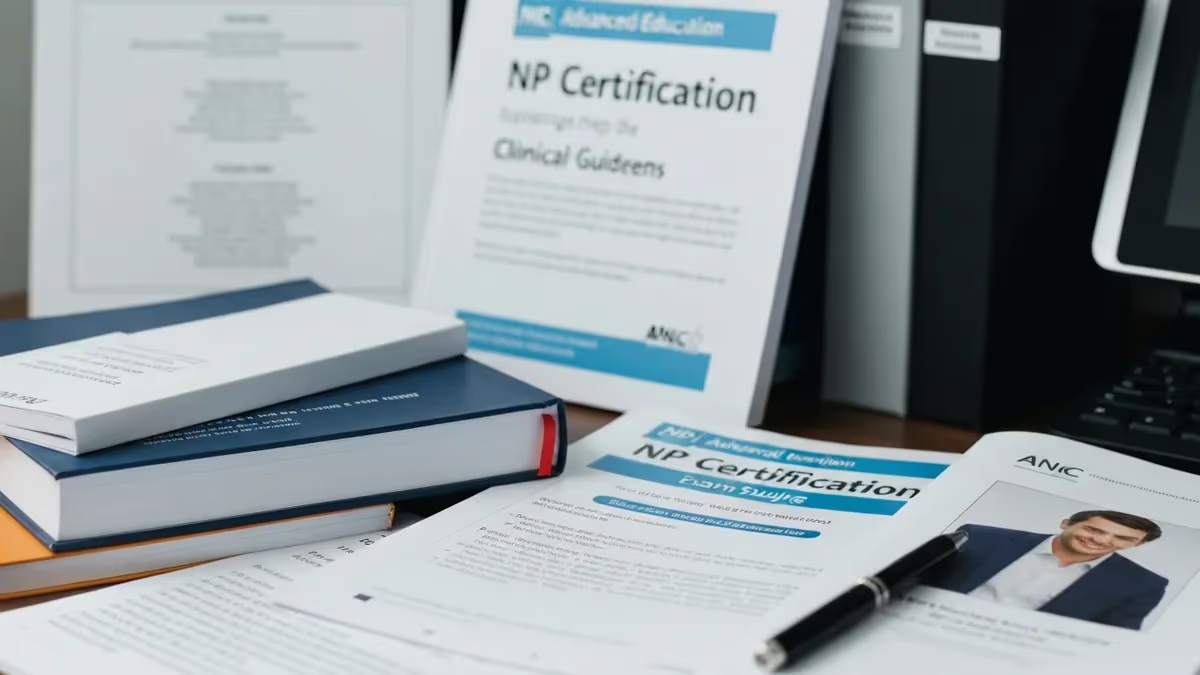
The skills needed to be a nurse practitioner extend far beyond memorizing pharmacology tables or mastering physical assessment techniques. Becoming a successful NP demands a carefully layered combination of advanced clinical knowledge, sharp diagnostic reasoning, empathetic communication, and the leadership capacity to advocate for patients across complex healthcare systems. Whether you are a registered nurse considering graduate school or a student mid-program wondering what employers actually look for, understanding these competencies early gives you a concrete roadmap for professional development.
Clinical assessment is the cornerstone of NP practice. Unlike RNs who implement physician orders, nurse practitioners independently evaluate patients, synthesize diagnostic data, and establish treatment plans. This requires a thorough command of pathophysiology, the ability to interpret laboratory results and imaging studies, and the judgment to recognize when a patient's condition is deteriorating before the numbers fully confirm it. Developing this level of diagnostic acuity takes years of deliberate practice across diverse patient populations and clinical settings.
Critical thinking sits directly beneath every clinical decision an NP makes. On any given shift, a family nurse practitioner might see a two-year-old with a fever, a 45-year-old with newly elevated blood pressure, and an elderly patient whose dementia has progressed. Each case demands that the provider move rapidly between data gathering, hypothesis generation, and evidence-based decision making — all while managing time pressure and patient anxiety. Strong critical thinking skills allow NPs to hold ambiguity without freezing and to act decisively when the clinical picture is still incomplete.
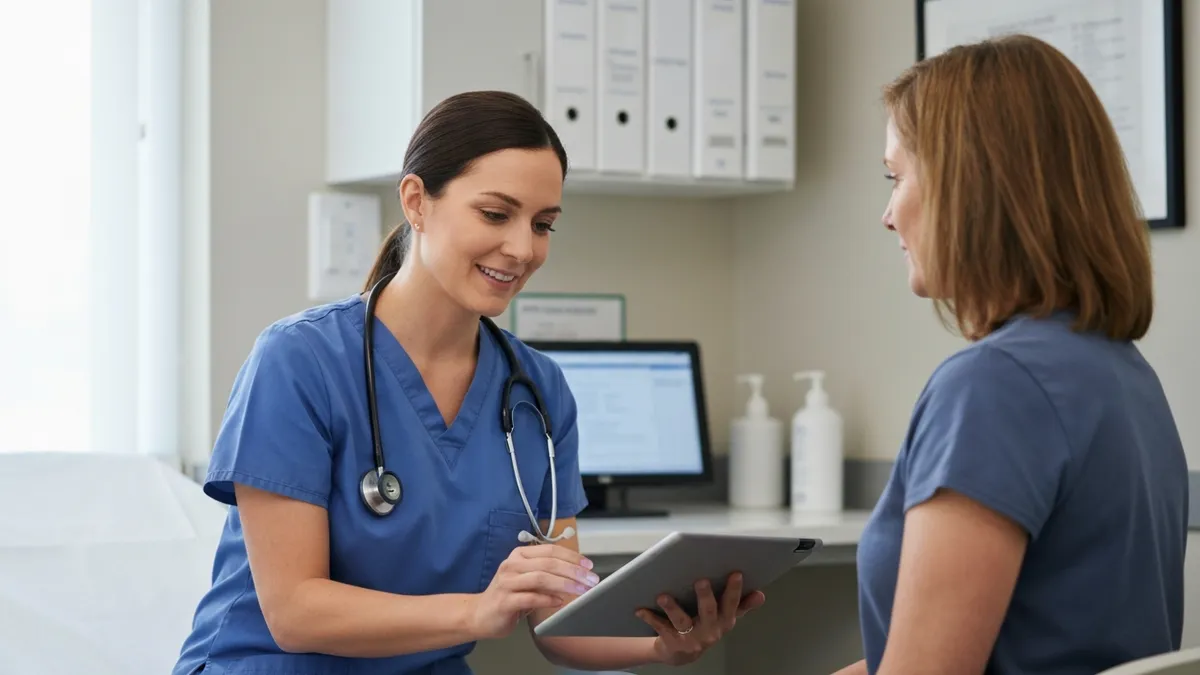
Communication skills are equally non-negotiable. Nurse practitioners must explain complex diagnoses to patients who may have limited health literacy, negotiate treatment plans with specialists who hold differing clinical opinions, and document encounters thoroughly enough to satisfy payers, legal standards, and quality improvement teams simultaneously. The NP who can translate medical jargon into plain language — and then listen carefully enough to catch what the patient did not say — consistently achieves better adherence and outcomes than colleagues who rely purely on technical expertise.
Leadership and advocacy form a third pillar. NPs frequently serve as the primary — and sometimes only — provider for underserved communities, rural populations, and patients navigating fragmented healthcare. This position requires the confidence to make independent decisions, the humility to consult collaborating physicians when appropriate, and the systemic awareness to push for policy changes that remove barriers to care. Many NPs discover that these advocacy skills matter as much to patient welfare as any clinical intervention they can order.
Emotional resilience and self-regulation round out the foundational skill set. Healthcare is inherently stressful: providers encounter death, suffering, moral distress, and administrative burdens daily. NPs who build deliberate coping strategies — whether through peer support, supervision, mindfulness practices, or structured debriefing after difficult cases — sustain longer, more effective careers than those who rely solely on willpower. Understanding your own emotional responses is not a soft skill; it is a patient safety competency that directly influences clinical judgment under pressure.
This guide explores all the skills for nurse practitioner excellence in depth, from technical clinical competencies to the interpersonal and leadership qualities that separate a good NP from a great one. You will find concrete strategies for developing each skill, honest assessments of where new NPs typically struggle, and links to practice resources that can sharpen your readiness before certification exams and during your early career years.
Nurse Practitioner Skills & Career — By the Numbers

Core Clinical Competencies Every NP Must Master
Performing comprehensive head-to-toe physical exams, interpreting findings in the context of a patient's history, and identifying subtle clinical signs that differentiate benign conditions from serious pathology — the foundation of independent NP practice.
Understanding drug mechanisms, interactions, contraindications, and dosing across the lifespan. NPs hold prescriptive authority in all 50 states and must confidently prescribe, adjust, and deprescribe medications while monitoring for adverse effects.
Reading lab panels, interpreting EKGs, analyzing imaging reports, and synthesizing diagnostic findings into a coherent clinical picture. NPs must know which tests to order, when to defer, and how to communicate results to patients clearly.
Developing long-term care plans for patients with diabetes, hypertension, COPD, heart failure, and mental health conditions. Effective chronic disease management requires goal-setting, shared decision-making, and consistent follow-up protocols.
Depending on specialty, NPs perform wound care, joint injections, biopsies, laceration repairs, pelvic exams, and minor surgical procedures. Procedural competency requires supervised practice and ongoing skill maintenance throughout a career.
Critical thinking and diagnostic reasoning are the intellectual engines behind safe NP practice. When a patient presents with chest pain, the NP cannot simply order a troponin and wait — they must simultaneously consider the probability of acute coronary syndrome against musculoskeletal strain, GERD, pulmonary embolism, and anxiety, all while taking a focused history, performing a targeted exam, and managing the patient's fear. This kind of parallel processing requires a mental framework that goes well beyond memorized differential diagnoses.
Developing strong diagnostic reasoning begins with pattern recognition built through repetitive exposure to real clinical presentations. During NP training, students rotate through clinical sites precisely to accumulate these patterns — the way a patient with heart failure positions themselves upright, the quality of the cough that signals asthma versus post-nasal drip, the subtle changes in a pediatric patient's affect that suggest serious illness rather than a simple viral infection. The more patterns an NP internalizes, the faster and more accurately they can narrow a differential in practice.
Evidence-based practice is inseparable from diagnostic reasoning. NPs must know not only what the evidence says about a given treatment but also how to appraise that evidence critically. A study sponsored by a pharmaceutical manufacturer deserves different weighting than a large randomized controlled trial published in a peer-reviewed journal. Understanding statistical concepts like number needed to treat, confidence intervals, and absolute versus relative risk allows NPs to translate research findings into honest, nuanced recommendations for individual patients whose circumstances never perfectly match the study population.
Clinical judgment — the ability to integrate evidence with patient values, resource constraints, and contextual factors — is what separates a competent provider from an exceptional one. A guideline may recommend a specific first-line treatment, but the NP who recognizes that a patient's insurance status, health literacy, or living situation makes that recommendation impractical will achieve better real-world outcomes by adapting the plan accordingly. This kind of individualized problem-solving cannot be taught from a textbook alone; it develops through reflective practice and mentorship.
Time management is an underappreciated dimension of critical thinking in clinical settings. Outpatient NPs commonly see 18 to 24 patients per day, which means each encounter must be efficient without feeling rushed. Developing efficient documentation habits, mastering the use of clinical decision support tools embedded in electronic health records, and learning to triage complexity within the visit — knowing which problems to address today versus at follow-up — are practical skills that protect both patient safety and provider well-being.
Risk stratification is another critical competency that directly affects patient outcomes. Not every patient with a headache needs a CT scan, but the NP must identify the red flag features — sudden onset, worst headache of life, focal neurological deficits, fever with meningismus — that change the clinical calculus entirely. Learning validated risk stratification tools like the Ottawa Rules, CURB-65, or PHQ-9 provides structure for these decisions and creates a defensible, systematic approach that can be documented and communicated to colleagues.
Understanding the limits of one's own knowledge and recognizing when to consult or refer is perhaps the highest expression of clinical judgment. New NPs often struggle with this, fearing that asking for help signals incompetence. In reality, the NP who consistently seeks appropriate consultation demonstrates the professional maturity and situational awareness that defines excellence. Reviewing the skills for nurse practitioner roles versus physician assistant roles can help clinicians understand scope-of-practice boundaries that guide these consultation decisions.
Communication Skills for Nurse Practitioners
Effective patient communication begins before the NP enters the room. Reviewing the chart, noting the patient's preferred language, education level, and prior adherence history creates a mental profile that shapes how the provider introduces themselves and frames the clinical conversation. Research consistently shows that patients retain only about 20% of what they are told during a medical encounter, which means NPs must prioritize the most critical information, use plain language, and confirm understanding through teach-back techniques rather than simple yes-or-no questions.
Motivational interviewing is a communication framework that NPs find especially valuable for behavior change conversations — helping patients reduce smoking, increase physical activity, or adhere to medication regimens. Unlike traditional advice-giving, motivational interviewing meets patients where they are, explores their ambivalence, and builds intrinsic motivation for change. NPs who master this technique report significantly improved patient satisfaction scores and better chronic disease outcomes than those who rely on directive counseling approaches alone.
Advantages and Challenges of the NP Skill Set
- +Broad scope of practice allows NPs to provide comprehensive, autonomous care across most primary and specialty settings
- +Strong earning potential with median salary exceeding $126,000 annually and significant upside in specialty or high-demand markets
- +High job satisfaction driven by deep, continuous patient relationships and measurable impact on health outcomes
- +Versatility across specialties — family, acute care, pediatrics, psychiatry, women's health — allows career pivots without starting over
- +Growing full practice authority in 23+ states reduces administrative barriers and increases professional autonomy
- +Skills in chronic disease management position NPs as essential providers as the US population ages rapidly
- −Steep learning curve transitioning from RN to independent provider role — clinical reasoning at NP level takes years to develop
- −Prescriptive authority comes with significant liability exposure requiring continuous pharmacology education and careful documentation
- −Emotional labor demands are substantial — managing complex psychosocial situations and delivering difficult news causes cumulative burnout risk
- −Scope of practice varies by state, creating confusion when NPs relocate or practice via telehealth across state lines
- −Continuing education and certification renewal requirements demand significant time and financial investment throughout a career
- −Administrative burdens including prior authorizations, insurance appeals, and EHR documentation consume a disproportionate share of clinical time
Pros and Cons at a Glance
| Pros | Cons |
|---|---|
| Broad scope of practice allows NPs to provide comprehensive, autonomous care across most primary and specialty settings | Steep learning curve transitioning from RN to independent provider role — clinical reasoning at NP level takes years to develop |
| High job satisfaction driven by deep, continuous patient relationships and measurable impact on health outcomes | Prescriptive authority comes with significant liability exposure requiring continuous pharmacology education and careful documentation |
| Versatility across specialties — family, acute care, pediatrics, psychiatry, women's health — allows career pivots without starting over | Emotional labor demands are substantial — managing complex psychosocial situations and delivering difficult news causes cumulative burnout risk |
| Skills in chronic disease management position NPs as essential providers as the US population ages rapidly | Scope of practice varies by state, creating confusion when NPs relocate or practice via telehealth across state lines |
Essential NP Skills Checklist: Are You Ready?
- ✓Perform and document a complete head-to-toe assessment independently and accurately
- ✓Develop a prioritized differential diagnosis for common acute and chronic presentations
- ✓Prescribe, adjust, and deprescribe medications safely using current evidence-based guidelines
- ✓Interpret laboratory results, EKGs, and radiology reports in a clinical context
- ✓Apply motivational interviewing techniques during patient behavior-change conversations
- ✓Use SBAR format effectively for interprofessional handoffs and specialist consultations
- ✓Navigate EHR systems to document, order, and coordinate care with efficiency
- ✓Apply validated risk stratification tools to guide clinical decision-making
- ✓Recognize when to consult or refer rather than managing beyond your competency
- ✓Demonstrate cultural humility and adapt communication style to diverse patient populations
Clinical Hours Are Not Enough — Reflection Is What Builds Mastery
Research on clinical expertise shows that accumulated hours alone do not predict NP performance — it is deliberate, reflective practice that accelerates skill development. After every complex encounter, take five minutes to ask what you would do differently and why. NPs who build this habit during training consistently outperform peers with equal or greater clinical exposure by the time they reach independent practice.
Building the skills needed to be a nurse practitioner begins in formal education but continues throughout an entire career. The MSN and DNP programs that prepare NPs are designed to move students from the role of skilled bedside nurse to independent clinical provider — a shift that requires not just new content knowledge but a fundamentally different way of thinking about patient problems and professional responsibility. Understanding what these programs actually develop, and where their limitations lie, helps NP students make the most of their training experience.
Graduate NP programs typically include coursework in advanced pathophysiology, advanced pharmacology, and advanced health assessment — the three foundational sciences that undergird clinical practice. These courses are demanding precisely because they must bring students to a level of understanding sufficient to make independent diagnostic and therapeutic decisions. Students who approach these courses as content to be memorized rather than frameworks to be internalized often find that their clinical knowledge does not transfer reliably to novel patient presentations encountered in practice.
Clinical practicums — the supervised patient care hours required for NP licensure — are where textbook knowledge gets tested against clinical reality. The AANP and ANCC both require a minimum of 500 clinical hours for certification, though many programs require significantly more. The quality of these hours matters enormously. Students who seek preceptors in high-volume, diverse clinical settings, who actively seek out challenging cases rather than avoiding complexity, and who engage their preceptors in regular feedback conversations develop clinical skills far more rapidly than those who simply accumulate hours without intentional reflection.
Simulation technology is increasingly integrated into NP education to bridge the gap between classroom learning and clinical application. High-fidelity mannequins, standardized patient encounters, and virtual clinical environments allow students to practice history-taking, physical examination, and clinical decision-making in a safe setting where mistakes carry no patient consequences. Research consistently shows that simulation-based training improves both technical procedural skills and non-technical competencies like communication and team coordination when integrated thoughtfully into a curriculum.
Post-graduate fellowship programs represent a newer but rapidly growing pathway for developing specialty-specific NP skills. Similar to physician residency programs, NP fellowships provide one to two years of supervised practice in a specific specialty — emergency medicine, oncology, psychiatry, or critical care — with structured didactic education alongside intensive clinical experience. Graduates report significantly higher confidence in clinical decision-making and lower burnout rates during early practice compared to NPs who transition directly to independent practice after graduation.
Continuing education requirements ensure that NP skills do not stagnate after certification. The AANP requires 75 continuing education hours for every five-year recertification cycle, with specific requirements around pharmacology content. However, the most effective ongoing skill development goes beyond minimum CE requirements — engaging with professional journals, attending specialty conferences, participating in quality improvement initiatives at your practice site, and seeking peer consultation on complex cases all contribute to continuous clinical growth.
Mentorship relationships provide perhaps the most underutilized resource for NP skill development. New NPs who identify experienced mentors — whether formal through employer programs or informal through professional networks — report higher job satisfaction, faster skill acquisition, and lower rates of early career burnout. A good mentor provides not just clinical guidance but perspective on the professional identity transition from RN to NP, helping new providers develop the confidence to exercise their full scope of practice while maintaining appropriate humility about the limits of their expertise.
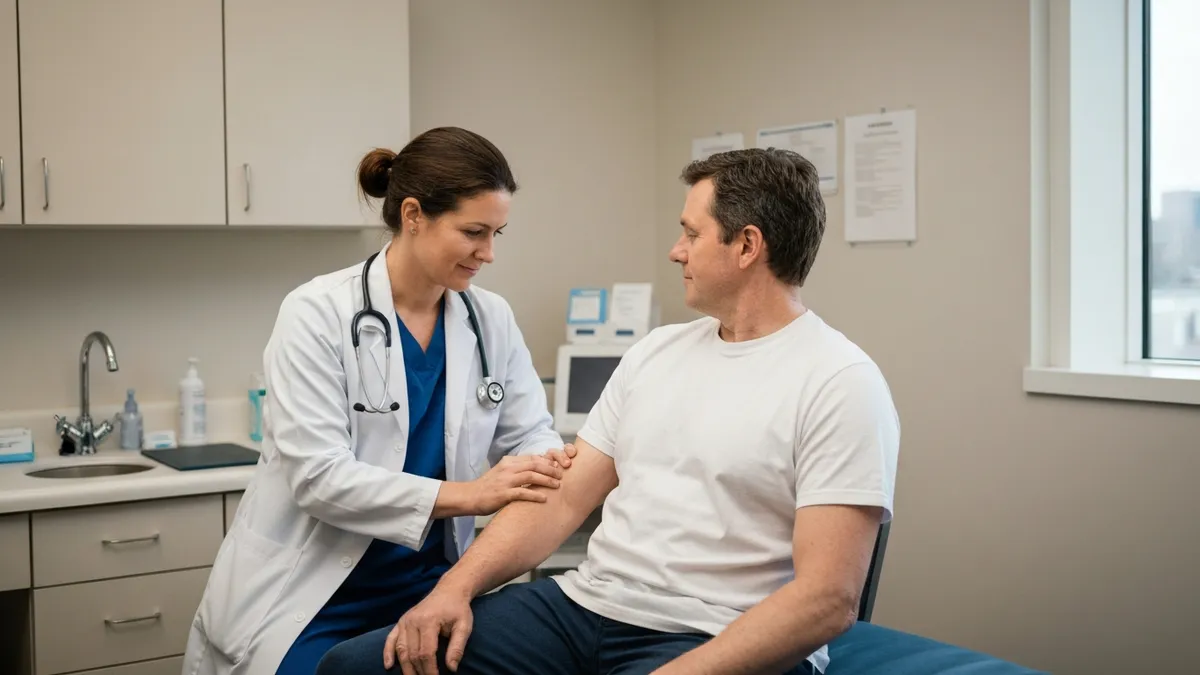
Both the AANP (ANCC and AANP boards) require a minimum of 500 supervised clinical hours before you can sit for NP certification exams. Many state licensing boards and employers verify these hours independently. Ensure your preceptors document your clinical hours contemporaneously using program-approved forms — retroactive documentation is frequently challenged and can delay licensure by months.
Advancing your NP career requires strategic investment in the skills that matter most to employers, patients, and the healthcare system as a whole. The first few years of NP practice are a critical window for consolidating clinical competency, establishing professional reputation, and making intentional choices about specialty focus and practice setting that will shape the trajectory of your career for decades. Understanding which skills command the highest market value — and which are most closely tied to patient outcomes — allows you to prioritize your professional development time effectively.
Specialty certification is one of the most direct investments in career advancement available to NPs. Beyond the basic ANCC or AANP family, adult-gerontology, or pediatric certifications, specialty credentials in areas such as oncology (AOCNP), emergency medicine (ENP-C), or diabetes management (BC-ADM) signal focused expertise to employers and patients alike. Specialty certified NPs earn significantly higher salaries on average and report greater professional recognition, though the additional examination preparation and continuing education requirements demand a meaningful time commitment.
Technology fluency is becoming an increasingly critical NP competency as healthcare delivery evolves. Telehealth platforms, remote patient monitoring devices, AI-assisted diagnostic tools, and digital therapeutics are reshaping how NPs interact with patients. Providers who develop comfort with these technologies early — learning not just how to use them but how to evaluate their evidence base and integrate them thoughtfully into care — will be better positioned as healthcare systems accelerate their digital transformation in the coming decade.
Business and practice management skills represent a significant gap in traditional NP education that entrepreneurial NPs must fill through self-directed learning. Understanding billing and coding, negotiating employment contracts, interpreting productivity metrics, and managing a panel effectively are competencies that directly affect both career earnings and practice sustainability. NPs who open independent practices must also understand malpractice insurance structures, state corporate practice of medicine laws, and the administrative requirements of insurance credentialing — a body of knowledge far removed from the clinical curriculum.
Leadership development positions NPs for influence beyond direct patient care. Chief nursing officer roles, clinical director positions, health policy advisory committees, and academic faculty appointments all provide opportunities for NPs to shape healthcare at a systems level. Organizations like the American Association of Nurse Practitioners offer leadership academies and policy fellowships specifically designed to build these competencies, and many major health systems have internal leadership development tracks for high-performing advanced practice providers.
Research and quality improvement literacy allows NPs to contribute to the evidence base that guides clinical practice. NPs who can design and conduct quality improvement projects — reducing hospital readmissions, improving chronic disease control rates, or decreasing medication errors — demonstrate value to employers that extends well beyond individual patient care. For NPs pursuing academic careers, understanding research methodology, grant writing, and manuscript preparation opens doors to faculty positions and the opportunity to shape the next generation of NP education.
Networking within the NP professional community provides access to job opportunities, collaborative practice arrangements, continuing education resources, and the peer support that sustains long careers. State NP associations, specialty organizations, and informal peer groups all serve this function. NPs who invest in these relationships find that professional visibility within their specialty community creates opportunities — speaking invitations, consulting roles, board positions — that would never appear on a job posting board.
Finally, understanding how your specialty's scope of practice landscape is evolving at the state and federal level keeps you ahead of regulatory changes that can either expand or restrict your professional options. Advocacy for full practice authority, participation in state legislative processes, and engagement with professional organizations working on scope-of-practice issues are not just civic duties — they are strategic investments in the conditions that allow NPs to practice to the full extent of their training and deliver the highest value to patients and communities who need them most.
Preparing for NP certification exams is itself a skill-building exercise that pays dividends well beyond passing the test. The ANCC Family Nurse Practitioner exam and the AANP FNP-C exam both assess not just content knowledge but the ability to apply that knowledge to complex clinical scenarios — exactly the kind of higher-order reasoning that competent NPs use in practice every day. Approaching exam preparation as clinical skill development rather than test-taking strategy produces both better pass rates and better-prepared providers.
Effective NP exam preparation begins with an honest self-assessment of knowledge gaps. Most candidates have areas of relative strength — often aligned with their clinical background — and areas of significant weakness. A new graduate who worked as a cardiac RN before NP school may be confident in cardiovascular pathophysiology but less comfortable with pediatric development, dermatology, or women's health. Identifying these gaps early and allocating study time accordingly produces better outcomes than simply working through review materials in a linear, undifferentiated fashion.
Practice questions are the most effective study tool for NP certification preparation, provided they are used correctly. The goal is not to memorize correct answers but to understand why each option is right or wrong and to recognize the clinical reasoning pattern that the question is testing. After each incorrect answer, NPs should ask: What did I misunderstand about the pathophysiology? What assessment finding should have changed my answer? How will I approach similar presentations in clinical practice? This analytical approach transforms practice questions from a testing mechanism into a genuine learning tool.
Spaced repetition — reviewing material at increasing intervals as it becomes more familiar — is the most evidence-based approach to long-term retention of clinical content. Digital flashcard systems like Anki implement spaced repetition algorithms automatically, allowing NP students to maintain large volumes of pharmacology, pathophysiology, and assessment content without the inefficiency of reviewing already-mastered material at the same frequency as genuinely difficult content. Building a personal Anki deck of high-yield NP content during didactic coursework creates a study resource that remains valuable through certification and beyond.
Simulated full-length practice exams taken under timed, realistic conditions serve a dual purpose: they identify content weaknesses and build the psychological stamina required to perform at a high level across 150 to 200 questions over three to four hours. NP students who practice under exam conditions — no phone, no breaks, strict time limits — report significantly less test anxiety on exam day and perform more consistently than those who study exclusively in relaxed, untimed environments. The physical and cognitive demands of a certification exam are real and deserve deliberate preparation.
Study groups provide accountability, diverse perspectives on difficult clinical content, and the opportunity to teach and reinforce your own understanding by explaining concepts to peers. Research on learning consistently shows that the act of teaching is one of the most powerful consolidators of knowledge — when you can explain a concept clearly enough that a colleague understands it, you truly understand it yourself. NP students who form consistent, focused study groups with two to four peers show higher pass rates on first certification attempt than those who study exclusively in isolation.
Finally, attending to physical and mental health during the NP certification preparation period directly affects cognitive performance. Sleep deprivation, chronic stress, and poor nutrition impair exactly the kind of flexible, integrative thinking that certification exams and clinical practice both demand. NPs who build sustainable study schedules that protect sleep, incorporate physical activity, and include deliberate recovery time are not being self-indulgent — they are optimizing the biological conditions that make learning and high-stakes performance possible.
Sample NP - Nurse Practitioner Practice Questions
Try these questions from our free NP - Nurse Practitioner practice tests. The correct answer and an explanation follow each question.
A nurse practitioner screens a 55-year-old male smoker for abdominal aortic aneurysm (AAA). Per USPSTF guidelines, what is the recommended screening test and frequency?
- A. CT angiography once at age 55
- B. One-time abdominal ultrasound between ages 65–75
- C. Annual abdominal ultrasound starting at age 50
- D. Duplex ultrasonography every 5 years starting at age 50
Answer: B. One-time abdominal ultrasound between ages 65–75
The USPSTF recommends one-time abdominal ultrasound screening for AAA in men aged 65–75 who have ever smoked (≥100 cigarettes lifetime).
A nurse practitioner calculates a patient's Framingham Risk Score at 18%. Which medication class should be discussed in addition to lifestyle modification?
- A. ACE inhibitor
- B. Statin therapy
- C. Aspirin only
- D. Beta-blocker
Answer: B. Statin therapy
A 10-year Framingham cardiovascular risk ≥10% (high risk) warrants statin therapy discussion in addition to lifestyle changes per primary prevention guidelines.
A nurse practitioner prescribes metformin for a patient with type 2 diabetes. Which condition is an absolute contraindication to metformin use?
- A. eGFR < 30 mL/min/1.73m²
- B. BMI > 35 kg/m²
- C. Age > 65 years
- D. HbA1c > 9%
Answer: A. eGFR < 30 mL/min/1.73m²
Metformin is contraindicated when eGFR falls below 30 mL/min/1.73m² due to the risk of lactic acidosis from drug accumulation.
An NP calculates the number needed to treat (NNT) as 20. How should this be communicated to a patient?
- A. 20 patients must be treated for one additional patient to benefit from the treatment
- B. The treatment is 20% effective at preventing the outcome
- C. 20% of patients will experience side effects
- D. The treatment reduces risk by 20 percentage points
Answer: A. 20 patients must be treated for one additional patient to benefit from the treatment
NNT represents the number of patients who must receive the treatment for one additional patient to experience a benefit compared to the control.
NP Questions and Answers
Nurse Practitioner vs Physician Assistant: Side-by-Side
How Long to Become a Nurse Practitioner: 6-8 Year Timeline
Travel Nurse Practitioner Salary: 2026 Pay Guide, Contract Rates, Stipends, and How to Maximize Your Earnings
Nurse Practitioner Taxonomy Code: Complete 2026 Guide to NPI Classification, Specialty Codes, and Billing Compliance

Family Nurse Practitioner Remote Jobs: Complete 2026 Guide to Telehealth Careers
About the Author

Registered Nurse & Healthcare Educator
Johns Hopkins University School of NursingDr. Sarah Mitchell is a board-certified registered nurse with over 15 years of clinical and academic experience. She completed her PhD in Nursing Science at Johns Hopkins University and has taught NCLEX preparation and clinical skills courses for nursing students across the United States. Her research focuses on evidence-based exam preparation strategies for healthcare certification candidates.