
Orthopedic Nurse Practitioner: Career Overview, Duties, and How to Break In
💡 Everything about the orthopedic nurse practitioner role: daily duties, education requirements, salary, certifications, and how to launch your career in 2026 September.

An orthopedic nurse practitioner is an advanced practice registered nurse who specializes in the assessment, diagnosis, and management of musculoskeletal conditions ranging from acute fractures and sports injuries to chronic degenerative joint disease. These clinicians work in hospital orthopedic units, outpatient orthopedic clinics, sports medicine practices, and surgical centers, providing care that spans pre-operative evaluation, post-operative follow-up, pain management, and long-term rehabilitation planning. Demand for this specialty has surged as the U.S. population ages and musculoskeletal conditions become one of the leading drivers of disability and healthcare expenditure.
The orthopedic NP role is not simply a physician-extender position. These practitioners conduct independent assessments, order and interpret diagnostic imaging such as X-rays, MRIs, and CT scans, prescribe medications including controlled substances in most states, and perform minor procedures including joint injections and wound care. In many high-volume orthopedic practices, the NP is the primary point of contact for patients managing conditions like osteoarthritis, rotator cuff injuries, lumbar radiculopathy, and total joint replacement recovery.
If you are deciding between advanced practice roles, understanding how scope of practice differs is critical. Compared to a physician assistant, an orthopedic nurse practitioner typically follows a nursing model of care that emphasizes holistic patient education, disease prevention, and care coordination alongside clinical management. This distinction matters when choosing a training pathway and understanding how you will function within a given orthopedic team.
Orthopedic NPs must master a broad knowledge base that includes anatomy, biomechanics, pharmacology of analgesics and anti-inflammatories, surgical principles, and rehabilitation science. They regularly collaborate with orthopedic surgeons, physical therapists, occupational therapists, radiologists, and case managers to ensure patients receive coordinated, evidence-based care. In many states with full practice authority, experienced orthopedic NPs can manage complex patients with significant autonomy.
The financial and professional rewards of this specialty are substantial. Orthopedic NPs consistently rank among the higher-paid NP subspecialties, with national median salaries regularly exceeding $125,000 per year and top earners in surgical-heavy practices reaching well above $150,000. Beyond compensation, orthopedic practice offers procedure variety, strong surgeon mentorship, and clear career progression into leadership, education, and research roles within musculoskeletal health systems.
Preparation for orthopedic NP practice begins during graduate education and is reinforced through clinical rotations, board certification, and continuing professional development. Certification bodies such as the Orthopedic Nurses Certification Board (ONCB) offer the Orthopedic Nurse Practitioner Certified (ONPC) credential, which signals advanced competency to employers and patients alike. Understanding the certification landscape, daily clinical expectations, and realistic salary benchmarks will help aspiring orthopedic NPs plan their careers with confidence.
This guide covers every dimension of the orthopedic nurse practitioner career: typical daily duties, educational and licensure requirements, certification pathways, salary data by setting and region, the benefits and challenges of the role, and practical steps to land your first orthopedic NP position. Whether you are a nursing student exploring specialty tracks or an experienced RN ready to make the NP leap, this article provides the concrete roadmap you need.
Orthopedic Nurse Practitioner by the Numbers

Education & Certification Requirements
The foundation for all NP pathways. Most MSN and DNP programs require a BSN from an accredited program, plus an active RN license. Some accelerated BSN-to-DNP programs exist for career changers with non-nursing bachelor's degrees.
Most orthopedic-focused NP programs and hiring managers expect 2–3 years of RN experience in orthopedics, surgery, or a closely related medical-surgical setting before or during graduate school enrollment.
A Master of Science in Nursing (MSN) or Doctor of Nursing Practice (DNP) with an acute care or family NP focus is required. DNP programs are increasingly the standard and take 3–4 years post-BSN.
Pass the ANCC Adult-Gerontology Acute Care NP (AGACNP-BC) or AANP exam, then pursue the ONCB ONPC credential for orthopedic specialty recognition. Recertification is required every 5 years.
Obtain NP licensure in your practice state and, because orthopedic patients frequently need opioid and controlled-substance prescriptions, a DEA registration is essential for full clinical scope.
The daily clinical life of an orthopedic nurse practitioner is fast-paced, procedure-rich, and intellectually demanding. In a typical outpatient orthopedic clinic, an NP may see 20–30 patients per day, managing everything from new consultations for knee pain and shoulder instability to post-operative checks following total hip replacements and arthroscopic surgeries. Each encounter requires quick, accurate clinical reasoning anchored in anatomy, imaging interpretation, and knowledge of evidence-based treatment algorithms.
A morning in the clinic often begins with reviewing imaging studies ordered at prior visits. The orthopedic NP evaluates plain X-rays to assess fracture healing, joint space narrowing, or hardware positioning after surgery. When a patient presents with persistent shoulder pain unresponsive to conservative care, the NP orders and then interprets an MRI, identifying a rotator cuff tear pattern, grading its severity, and deciding whether to escalate to surgeon referral or continue with physical therapy and subacromial steroid injection. This level of imaging literacy distinguishes advanced musculoskeletal practitioners from general NPs.
Procedure competency is a major component of orthopedic NP practice. Common procedures include corticosteroid injections into joints and bursae, aspiration of joint effusions, platelet-rich plasma (PRP) injections in sports medicine settings, suture removal, wound assessment and debridement, application and removal of casts and splints, and durable medical equipment prescriptions including braces and crutches. Some orthopedic NPs in surgical settings assist in the operating room, participating in procedures such as fracture fixation and joint replacement under attending surgeon supervision.
Post-operative management is another pillar of the orthopedic NP's scope. Following a total knee arthroplasty, for example, the NP monitors the patient through standardized care pathways that include pain management optimization, anticoagulation to prevent deep vein thrombosis, wound surveillance for signs of infection, and coordination with physical therapists to ensure early ambulation. Recognizing early signs of complications — such as periprosthetic joint infection, wound dehiscence, or pulmonary embolism — and escalating appropriately is a critical safety skill.
Patient education is woven throughout every encounter. Orthopedic conditions are largely chronic and significantly influenced by patient behavior: activity modification, weight management, exercise adherence, and medication compliance all affect outcomes. The NP spends considerable time counseling patients on bone health, fall prevention, proper splint and cast care, post-operative precautions such as weight-bearing restrictions and dislocation precautions, and the realistic expectations for recovery timelines after surgery. Effective patient communication directly improves satisfaction scores and reduces costly readmissions.
In hospital-based roles, orthopedic NPs often serve on inpatient fracture services or joint replacement programs. Here the workload includes admitting consults for hip fractures in elderly patients, managing perioperative medical issues like blood pressure control and anticoagulation reversal, coordinating with anesthesia for pre-op assessments, and working with case managers and social workers on safe discharge planning. The pace is intense but the clinical variety is exceptional, making hospital orthopedics a popular training ground for NPs early in their specialty careers.
Keeping current with orthopedic innovations is an ongoing professional obligation. Biologics, computer-assisted navigation in surgery, robotic joint replacement systems, and novel imaging techniques continue to reshape musculoskeletal medicine. Orthopedic NPs who engage with continuing medical education, attend orthopedic conferences, and participate in journal clubs within their practices are better positioned to counsel patients on cutting-edge options and maintain the clinical credibility that earns physician-partner trust within the care team.
Orthopedic NP Salary, Settings, and Career Paths
Orthopedic nurse practitioners earn significantly above the general NP median. In private orthopedic group practices, experienced NPs typically earn $115,000–$145,000 annually, with production bonuses in busy surgical groups pushing total compensation above $160,000. Hospital-employed orthopedic NPs, including those on trauma or joint replacement services, commonly fall in the $120,000–$150,000 range, often with comprehensive benefits packages, retirement matching, and CME allowances that add meaningful value beyond base salary.
Academic medical centers and VA facilities offer slightly lower base salaries — typically $105,000–$130,000 — but offset this with stronger loan repayment programs, structured mentorship, protected research time, and access to complex case volumes that accelerate professional development. Sports medicine-focused NPs affiliated with professional athletic organizations or university sports programs often command premium pay, with some positions exceeding $170,000 when including team coverage stipends and performance bonuses tied to athlete outcomes.

Is an Orthopedic NP Career Right for You?
- +High earning potential with median salaries well above the general NP average, especially in surgical-heavy practices
- +Significant procedural variety including injections, casting, wound care, and OR assistance opportunities
- +Strong collaboration with orthopedic surgeons, PTs, and OTs in high-functioning interdisciplinary teams
- +Clear patient outcomes — fractures heal, joint replacements restore mobility, and progress is visible and measurable
- +Rapidly growing demand driven by aging Baby Boomers, obesity-related joint disease, and sports medicine expansion
- +Multiple practice settings available — clinic, hospital, sports medicine, ASC, VA — offering schedule flexibility
- −Requires substantial RN experience in orthopedics or surgery before most employers will hire at the NP level
- −Physically demanding — prolonged standing, patient transfers, and OR time contribute to musculoskeletal strain
- −High-acuity surgical complications require rapid recognition and decision-making under pressure
- −On-call requirements in hospital-based and trauma orthopedic roles can disrupt work-life balance
- −Ongoing learning burden is heavy — imaging, biologics, new surgical techniques, and device updates require continuous education
- −Patient population includes many chronic pain patients, requiring strong skills in setting realistic expectations and navigating opioid prescribing responsibilities
How to Land Your First Orthopedic NP Job
- ✓Complete 2–3 years of RN experience in orthopedics, medical-surgical, or perioperative nursing before applying to NP programs.
- ✓Select an MSN or DNP program with accredited acute care or family NP tracks and negotiate orthopedic-focused clinical rotation sites.
- ✓Log at least 200 clinical hours in orthopedic outpatient or inpatient settings during your NP program practicum.
- ✓Pass your primary NP board exam (ANCC AGACNP-BC or AANP FNP-C) within six months of graduation.
- ✓Sit for the ONCB Orthopedic Nurse Practitioner Certified (ONPC) exam once you meet the clinical hour requirement.
- ✓Build a portfolio highlighting orthopedic clinical experiences, any research or QI projects, and procedural competency documentation.
- ✓Network actively with orthopedic surgeons, spine surgeons, and sports medicine physicians at conferences, grand rounds, and professional associations like the National Association of Orthopaedic Nurses (NAON).
- ✓Apply for new-graduate NP programs or fellowship-style training positions at academic orthopedic centers, which provide structured mentorship and faster competency development.
- ✓Negotiate a supervision and collaborative practice agreement with a supervising orthopedic surgeon before your start date in restrictive practice states.
- ✓Obtain DEA registration early — controlled substance prescribing is essential in orthopedic pain management and cannot wait weeks after hire.
The ONPC Credential Commands a Salary Premium
Orthopedic NPs who hold the ONCB's Orthopedic Nurse Practitioner Certified (ONPC) credential report average salaries 8–12% higher than non-certified peers in the same role and setting, according to NAON workforce surveys. Employers in high-volume surgical practices specifically list the ONPC as a preferred qualification, and many academic medical centers offer a $2,000–$5,000 annual bonus or certification maintenance stipend for credentialed NPs. Pursuing the ONPC within two years of hire is one of the highest-ROI career moves available to an early-career orthopedic NP.
Understanding how the orthopedic nurse practitioner role compares to other musculoskeletal and advanced practice clinician roles helps you position yourself strategically in the job market and within your clinical team. The closest comparison is the orthopedic physician assistant (PA), a role that shares significant scope overlap with the orthopedic NP but follows a medical training model rather than a nursing one. Both orthopedic NPs and PAs perform evaluations, prescribe medications, interpret imaging, and perform procedures. The primary practical differences lie in educational philosophy, independent practice rights, and career ladder structure.
From a pure scope of practice standpoint, in the 27 states plus Washington D.C. that grant full practice authority to NPs, an experienced orthopedic NP can operate entirely independently — opening their own practice, ordering any diagnostic study, and prescribing any medication within their training — without a supervising physician. PAs, by contrast, are required to practice under physician supervision in all states regardless of experience level, a structural difference that affects both practice autonomy and legal liability considerations for employers in some markets.
Compared to a physiatrist (physical medicine and rehabilitation physician), the orthopedic NP has less surgical involvement but broader primary care and chronic disease management scope. Physiatrists typically do not perform surgery but focus intensively on functional restoration through interventional procedures and rehabilitation medicine. Orthopedic NPs in surgical practices bridge these worlds — managing the medical complexity of surgical candidates while facilitating smooth recovery trajectories that ultimately optimize functional outcomes in ways that mirror physiatric goals.
Within hospital systems, orthopedic NPs increasingly fill roles once occupied by first-year orthopedic surgery residents, particularly in facilities that have reduced resident hours under ACGME duty hour restrictions. These NPs round on post-operative inpatients, manage complications, write discharge summaries, and communicate with families — essentially functioning as the day-to-day clinical continuity on the service. This hospitalist-style orthopedic NP role is among the fastest-growing positions in academic medical centers and is typically compensated at the high end of the NP salary range.
Sports medicine represents a distinct subspecialty lane within orthopedic NP practice. Sports medicine NPs work with recreational and competitive athletes of all ages, managing acute injuries like ligament tears, stress fractures, and concussions, as well as overuse syndromes such as tendinopathy and bursitis. These practitioners often work alongside athletic trainers and team physicians and may have event-day coverage responsibilities at games, races, or competitions. The sports medicine NP role demands expertise in return-to-play protocols, performance medicine, and youth sports injury patterns — a niche that commands premium compensation and strong professional satisfaction.
Spine is another high-demand orthopedic subspecialty for NPs. Lumbar and cervical spine conditions are among the most common reasons patients seek orthopedic care, and spine-focused NPs develop deep expertise in radiculopathy diagnosis, spinal stenosis management, epidural steroid injection coordination, and pre-surgical spine patient optimization. In busy spine surgery practices, the NP often manages a panel of 300–500 post-surgical spine patients independently, monitoring for adjacent segment disease, hardware failure, and pseudarthrosis while coordinating imaging surveillance and physical therapy referrals.
Pediatric orthopedics is a unique and rewarding subspecialty that focuses on developmental dysplasias, growth plate injuries, scoliosis monitoring, and congenital limb differences in children and adolescents. Pediatric orthopedic NPs must adapt their assessment and communication style for both pediatric patients and anxious parents, and they must be familiar with age-specific normal variants on imaging that would appear pathological in adults. This subspecialty typically requires additional exposure to pediatric clinical settings and is available at children's hospitals and academic medical centers with dedicated pediatric orthopedic programs.
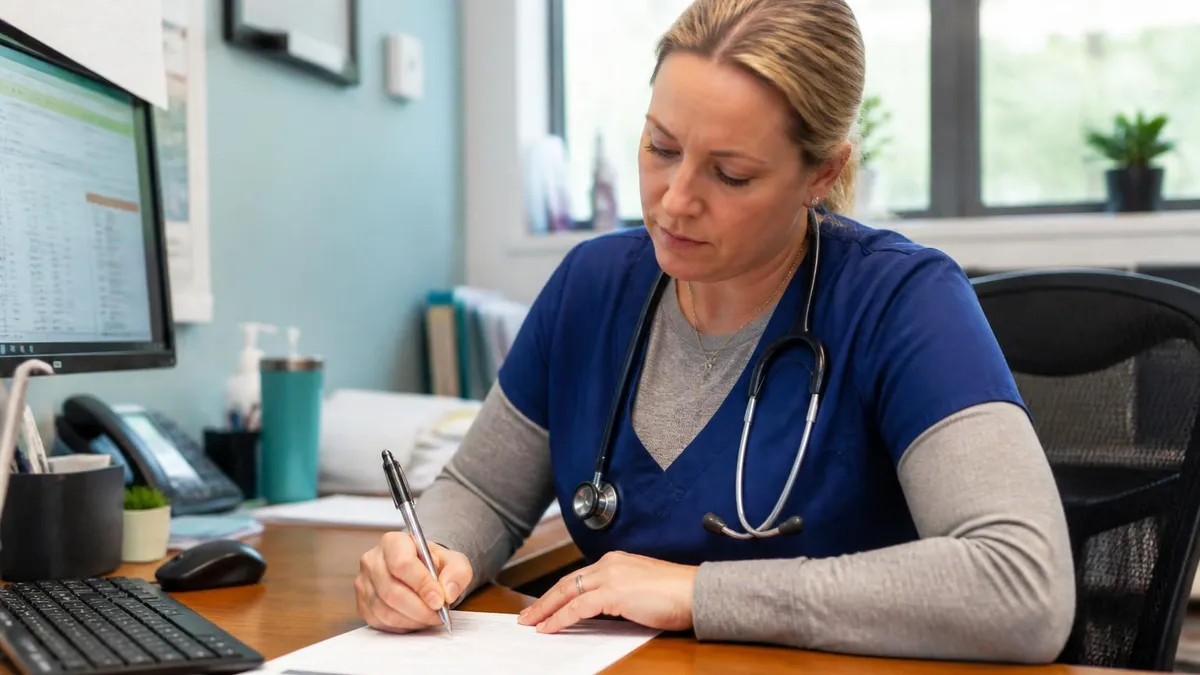
Orthopedic NP practice heavily involves opioid and controlled-substance prescribing for acute and chronic pain management. In the 23 states that still require a collaborative practice agreement with a supervising physician, you must have that agreement finalized and on file with your state board before you can prescribe Schedule II–V medications. Accepting a job offer without confirming your collaborative physician agreement, DEA registration, and state NP license transfer timeline can delay your start date by 60–90 days and create significant problems for your new employer.
Certifications and continuing education form the professional backbone of a high-performing orthopedic nurse practitioner career. Beyond your initial board certification, specialty credentials signal clinical depth, satisfy employer credentialing requirements, and often translate directly into salary premiums. The orthopedic NP credential landscape includes both broad recognition credentials and narrower procedure-specific certifications that together define a comprehensive professional portfolio.
The Orthopedic Nurse Practitioner Certified (ONPC) credential issued by the Orthopedic Nurses Certification Board is the gold standard for this specialty. Eligibility requires a current NP license, 2,000 hours of orthopedic NP clinical practice within the past three years, and passage of a 175-question multiple-choice examination covering musculoskeletal anatomy, orthopedic conditions, pharmacology, surgical management, and post-operative care. The exam is offered via computer at Pearson VUE testing centers, and candidates report that imaging interpretation questions — particularly plain radiograph and MRI pattern recognition — represent the most challenging section.
The National Association of Orthopaedic Nurses (NAON) offers the Orthopaedic Nurse Certified (ONC) credential, which is open to NPs with orthopedic nursing experience. While designed primarily for RNs, many early-career orthopedic NPs obtain the ONC as a stepping stone while accumulating the clinical hours needed for the ONPC. Some employers accept the ONC as evidence of orthopedic specialty competency during the candidate's first two years in an NP role before ONPC eligibility is established.
Procedure-specific training certifications add further value. The American College of Rheumatology and various sports medicine associations offer joint injection training courses that result in competency documentation orthopedic employers value. Ultrasound-guided injection certification has become increasingly important as evidence demonstrates higher accuracy and better outcomes with image-guided versus landmark-guided injections. NPs who complete formal musculoskeletal ultrasound training — typically a 16–40 hour structured program — are significantly more competitive for high-volume procedural positions.
Continuing medical education (CME) requirements for NP recertification vary by certifying body. The ANCC requires 75 contact hours of continuing education over a five-year recertification cycle for the AGACNP-BC, while the ONCB requires 45 continuing education hours specifically in orthopedic nursing content over the ONPC five-year cycle. Attending the NAON Annual Congress, the American Academy of Orthopaedic Surgeons (AAOS) Annual Meeting, and specialty-specific symposia on topics like shoulder arthroplasty or spine biologics fulfills continuing education requirements while providing direct access to the latest evidence and technology updates.
Online education platforms have expanded CME accessibility for orthopedic NPs. The NAON and Orthopedic Nursing Certification Board both offer online modules covering topics from fracture classification systems to post-operative complication recognition. Medscape Orthopedics, UpToDate's musculoskeletal section, and the AAOS OrthoInfo platform are regularly updated with evidence-based clinical content that practicing orthopedic NPs can use for both education and patient counseling. Integrating regular online learning into weekly practice habits — even 30 minutes twice weekly — compounds over a career into a substantial knowledge advantage.
Leadership development education is a frequently overlooked dimension of orthopedic NP professional growth. Programs offered through the American Association of Nurse Practitioners (AANP) leadership institute, hospital-based clinical leadership tracks, and executive MBA or healthcare administration degrees equip high-performing orthopedic NPs to move into roles as practice directors, service line leaders, and C-suite clinical officers. Given that orthopedic service lines represent some of the highest revenue generators in hospital systems, orthopedic NPs with leadership credentials are well-positioned for administrative career advancement with significant compensation upside.
Practical success as an orthopedic nurse practitioner depends not just on clinical knowledge but on the habits, relationships, and systems you build during the early years of your career. New orthopedic NPs who proactively seek mentorship from their supervising surgeons, attend as many procedures as possible, and volunteer for call coverage build a clinical depth and professional reputation that pays dividends for decades. The orthopedic specialty rewards intellectual curiosity and procedural confidence — both of which are developed through intentional exposure, not passive observation.
Master your imaging interpretation early. Radiograph and MRI reading are skills that separate competent orthopedic NPs from excellent ones. Invest in a quality musculoskeletal radiology atlas, request informal teaching sessions with your facility's radiologists, and use every imaging review encounter as a learning opportunity. Apps like OsiriX Lite and web-based radiology teaching files available through academic medical centers offer free self-directed imaging practice that accelerates pattern recognition in ways that no textbook can replicate on its own.
Develop your documentation efficiency from day one. Orthopedic NPs who see 25–30 patients daily cannot afford to spend 20 minutes on each note. Invest early in learning your EMR's orthopedic note templates, use structured data capture for physical exam findings, and create personalized smartphrases for your most common diagnoses and procedure notes. Efficient documentation protects your time, reduces after-hours work, and improves billing accuracy — all of which contribute to your professional sustainability and your practice's financial health.
Build strong relationships with physical therapists in your referral network. PT relationships are foundational to good orthopedic NP practice because the majority of musculoskeletal conditions are managed non-surgically, and the quality of conservative care directly influences outcomes. Knowing which PTs in your area specialize in shoulder rehabilitation, which have sports-specific expertise, and which have availability for urgent post-operative patients allows you to prescribe PT referrals with precision rather than using a generic order that leaves patients navigating the system alone.
Understand the business of orthopedic practice, especially if you work in a private group. Orthopedic practices are high-overhead enterprises with expensive imaging equipment, implant costs, and surgical facility fees. Understanding how your clinical productivity — measured in relative value units (RVUs) or revenue generated — affects your compensation and the practice's financial health helps you advocate effectively for resources, negotiate fair contracts, and make informed decisions about partnership or employment arrangements as your career advances.
Patient communication in orthopedics requires particular skill around pain and surgical expectations. Patients presenting for orthopedic care are often in pain, anxious, and worried about whether they will need surgery or lose function. An orthopedic NP who communicates prognosis clearly, sets realistic recovery timelines, and explains conservative versus surgical decision criteria builds the patient trust that drives satisfaction scores, compliance, and referrals. Structured communication frameworks such as AIDET (Acknowledge, Introduce, Duration, Explanation, Thank you) and motivational interviewing techniques are worth formalizing early in your career.
Finally, invest in your own musculoskeletal health. The physical demands of orthopedic NP practice — prolonged standing, OR table positioning, patient transfers — make practitioners vulnerable to the very conditions they treat. Regular strength training, attention to ergonomics at your workstation, and prompt treatment of any work-related strain or injury will protect your ability to practice at full capacity for the entirety of your career. The orthopedic NPs who sustain long, productive careers are those who apply the same evidence-based musculoskeletal health principles to themselves that they recommend to their patients every day.
NP Questions and Answers
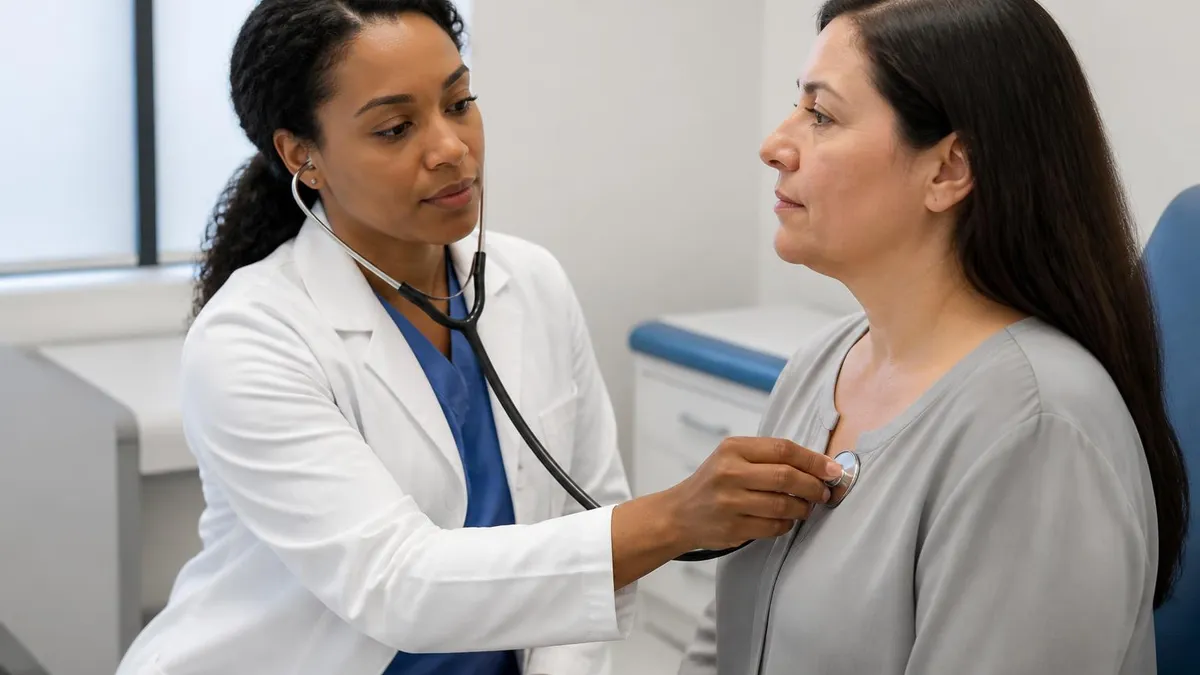
Nurse Practitioner vs Physician Assistant: Side-by-Side
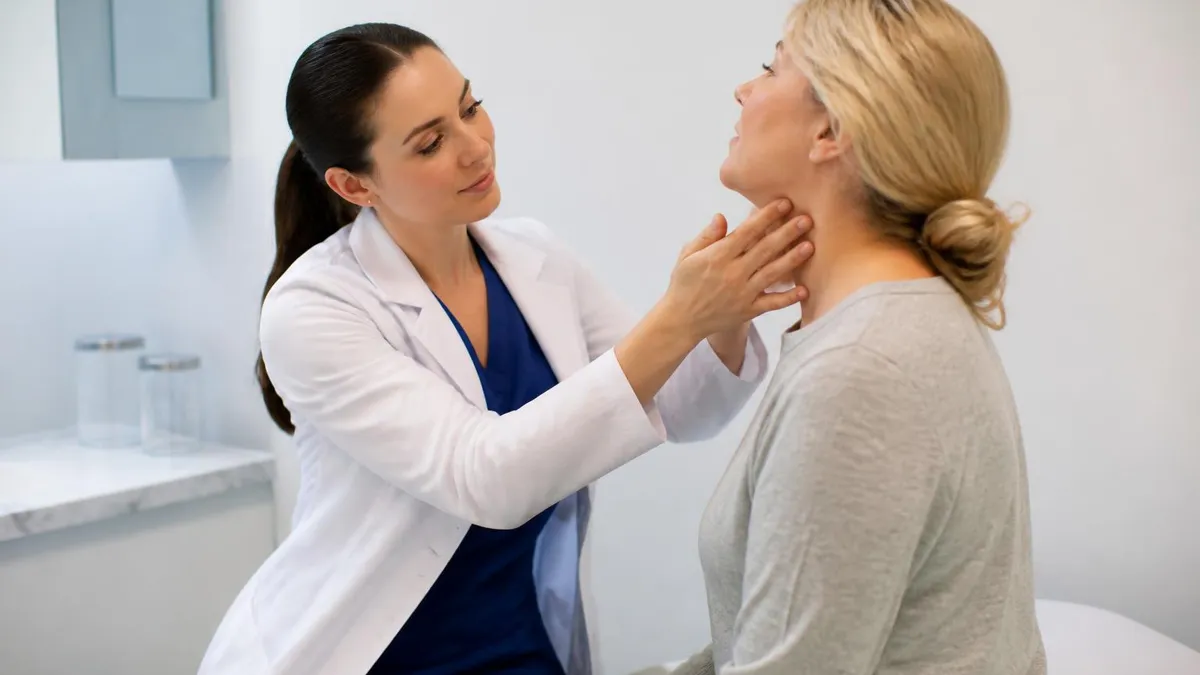
How Long to Become a Nurse Practitioner: 6-8 Year Timeline

Travel Nurse Practitioner Salary: 2026 Pay Guide, Contract Rates, Stipends, and How to Maximize Your Earnings

Nurse Practitioner Taxonomy Code: Complete 2026 Guide to NPI Classification, Specialty Codes, and Billing Compliance

Nurse Practitioner to MD Degree: Complete 2026 Guide to Bridge Programs, Costs, and Career Paths
About the Author

Registered Nurse & Healthcare Educator
Johns Hopkins University School of NursingDr. Sarah Mitchell is a board-certified registered nurse with over 15 years of clinical and academic experience. She completed her PhD in Nursing Science at Johns Hopkins University and has taught NCLEX preparation and clinical skills courses for nursing students across the United States. Her research focuses on evidence-based exam preparation strategies for healthcare certification candidates.