
Nurse Practitioner Classes: Complete Guide to NP Coursework, Requirements, and Program Types
🎓 Explore nurse practitioner classes, required coursework, program types, and clinical hours. Your complete guide to NP education in 2026 October.

Nurse practitioner classes form the academic and clinical backbone of one of the most rewarding careers in modern healthcare. Whether you are an RN considering a graduate degree or a student just beginning to map out a long-term plan, understanding exactly which courses you will take, how they are structured, and what they demand of you is the first critical step. NP programs blend rigorous scientific theory with direct patient-care skills, preparing graduates to diagnose illness, prescribe medications, and manage complex chronic conditions independently in most U.S. states.
The typical Master of Science in Nursing (MSN) or Doctor of Nursing Practice (DNP) program requires between 42 and 75 credit hours of specialized coursework, spread across two to four years of full- or part-time study. Core didactic content covers advanced pathophysiology, pharmacology, and health assessment — three foundational pillars that every accredited program must include. Beyond those pillars, specialty tracks such as family practice, pediatrics, psychiatry, and acute care add discipline-specific coursework that can run an additional 15 to 20 credits.
Clinical hours are equally important. Accreditation standards set by the Commission on Collegiate Nursing Education (CCNE) and the Accreditation Commission for Education in Nursing (ACEN) require a minimum of 500 supervised clinical hours, though most programs exceed 600 and DNP programs often require 1,000 or more. These hours happen in real practice settings — primary care clinics, hospital wards, community health centers — where students apply classroom theory under the mentorship of licensed preceptors.
Choosing the right program hinges on more than name recognition. You need to evaluate delivery format (on-campus, hybrid, or fully online), accreditation status, preceptorship support, pass rates on national certification exams, and total cost of attendance. Programs that boast high AANP or ANCC board exam pass rates typically run structured, evidence-based curricula that mirror what certification bodies actually test — meaning the course content you absorb directly translates to exam readiness.
This guide breaks down every category of nurse practitioner class you can expect to encounter, from core graduate nursing theory to population-specific clinical practica. We will also examine how online NP programs compare with traditional brick-and-mortar institutions, what prerequisites you need before enrolling, and how to make the most of your didactic time so that you enter clinical rotations fully prepared. If you have ever wondered whether understanding one subject area first accelerates learning in another, the answer for NP students is almost always yes — pathophysiology and pharmacology reinforce each other in ways that compound your clinical reasoning.
One area many prospective students overlook is how NP preparation differs from physician assistant training. If you are weighing your options, reviewing a side-by-side comparison through an article like nurse practitioner classes versus PA coursework can clarify which credential aligns with your professional goals, timeline, and preferred scope of practice. Both paths are demanding, but the NP route builds directly on an RN foundation, which many working nurses find accelerates their ability to contextualize graduate-level material.
By the end of this article you will have a detailed map of every course category, a realistic picture of the workload involved, actionable study strategies, and a clear understanding of what program type fits your life. Whether you ultimately pursue an MSN-FNP, a post-master's certificate, or a full DNP, the information here will help you walk into your first graduate seminar with confidence — and walk out of your final clinical rotation ready to sit for boards.
Nurse Practitioner Classes by the Numbers

Core Nurse Practitioner Class Requirements
Covers disease mechanisms at the cellular and organ-system level. Students learn how altered physiology manifests as clinical signs, enabling accurate differential diagnosis. Typically 3–4 credits and a prerequisite for all clinical courses.
Examines drug mechanisms, pharmacokinetics, prescribing principles, and patient safety. Students practice writing drug plans for complex patients across the lifespan. Usually 3–4 credits; heavily tested on AANP and ANCC boards.
Builds systematic head-to-toe exam skills, diagnostic reasoning, and documentation of physical findings. Lab components involve standardized patients and simulation. Typically 3–4 credits with a co-requisite clinical practicum.
Teaches critical appraisal of clinical research, quality improvement methodology, and translation of evidence into practice protocols. Essential for DNP capstone projects and CCNE accreditation standards.
Explores the legal, ethical, and regulatory landscape of advanced practice nursing, including full-practice-authority legislation, reimbursement models, and interprofessional collaboration frameworks.
Beyond the three core pillars, nurse practitioner programs layer in specialty-track coursework that differentiates an FNP graduate from a psychiatric NP or an acute care NP. Specialty courses account for roughly 15 to 25 additional credits and are where programs diverge most dramatically from one another. A family nurse practitioner track will include dedicated courses in pediatric primary care, women's health across the lifespan, geriatric management, and chronic disease management in outpatient settings. Each of these courses builds a distinct patient-population competency that maps directly to the population-focused certification exam you will sit for after graduation.
Psychiatric mental health nurse practitioner (PMHNP) programs add coursework in psychopathology, psychopharmacology, psychotherapy modalities, and trauma-informed care. These courses are longer and more clinically intensive than their FNP equivalents because PMHNP graduates are expected to provide both medication management and therapeutic intervention — a dual role that demands unusual depth in both neuroscience and behavioral theory. Students in PMHNP tracks typically complete between 700 and 900 clinical hours, with placements in inpatient psychiatry, outpatient behavioral health, and community mental health centers.
Acute care tracks for adult-gerontology or pediatric populations focus heavily on critical care pathophysiology, advanced cardiac life support, ventilator management, hemodynamic monitoring, and procedures such as central line placement and intubation. These courses require hospital-based clinical placements, which can be harder to secure than outpatient primary care sites. Many acute care NP students rely on their existing hospital employment to negotiate preceptorships, so maintaining strong professional relationships with physicians and NPs in your current workplace is a strategic advantage before enrollment.
Elective coursework varies widely by program but often includes options in integrative medicine, telehealth practice, LGBTQ+ healthcare, addiction medicine, and healthcare informatics. While electives may feel optional, they can significantly strengthen a job application in a competitive market. An FNP who completed a telehealth elective, for example, enters the remote job market with documented training that peers may lack. Thoughtful elective selection is a form of career positioning, not just schedule-filling.
DNP programs add a substantial executive or scholarly layer on top of clinical specialty content. Courses in healthcare systems leadership, population health analytics, quality improvement project design, and healthcare finance are standard. The DNP capstone project — a practice-improvement initiative rather than a research dissertation — requires students to apply these leadership courses to a real clinical problem at their practice site. DNP students typically spend one to two full semesters on capstone development, which demands strong organizational and project-management skills alongside clinical expertise.
Post-master's certificate programs offer a focused path for NPs who already hold one specialty certification and want to add another. A certified FNP who wants to add a PMHNP credential, for instance, can complete a post-master's certificate in 12 to 18 months by taking only the courses and clinical hours specific to the new specialty. These certificates are accredited independently and count toward a second board certification, making them one of the most efficient ways to expand scope without starting a full degree from scratch.
Understanding the full arc of specialty coursework before you enroll helps you ask the right questions during program shopping: How many credits are specialty-specific? Does the program offer the electives that align with your career goals? What percentage of graduates pass their specialty certification exam on the first attempt? How does the program compare with others in terms of preceptorship support for harder-to-place clinical sites? Programs that answer these questions transparently are programs that have thought carefully about student outcomes.
Online, Hybrid, and On-Campus NP Program Formats
Fully online NP programs deliver all didactic coursework through asynchronous video lectures, discussion boards, and virtual simulations. Students arrange their own clinical preceptors, which gives flexibility but also places the burden of site-finding on the student. Reputable online programs accredited by CCNE — such as those offered by Johns Hopkins, Walden, or Frontier Nursing University — maintain rigorous academic standards and boast competitive board pass rates despite the remote format. Expect to spend 15 to 20 hours per week on coursework during peak semesters.
The primary drawback of fully online programs is preceptor procurement. Many require students to secure their own clinical sites, which can take months and may fall through unexpectedly. Some programs offer preceptor-matching assistance, but this service varies widely in quality. Before enrolling in any online program, ask directly how many students successfully placed in clinical rotations within their home region last year — and what support the program provides if a placement falls through within 30 days of a rotation start date.
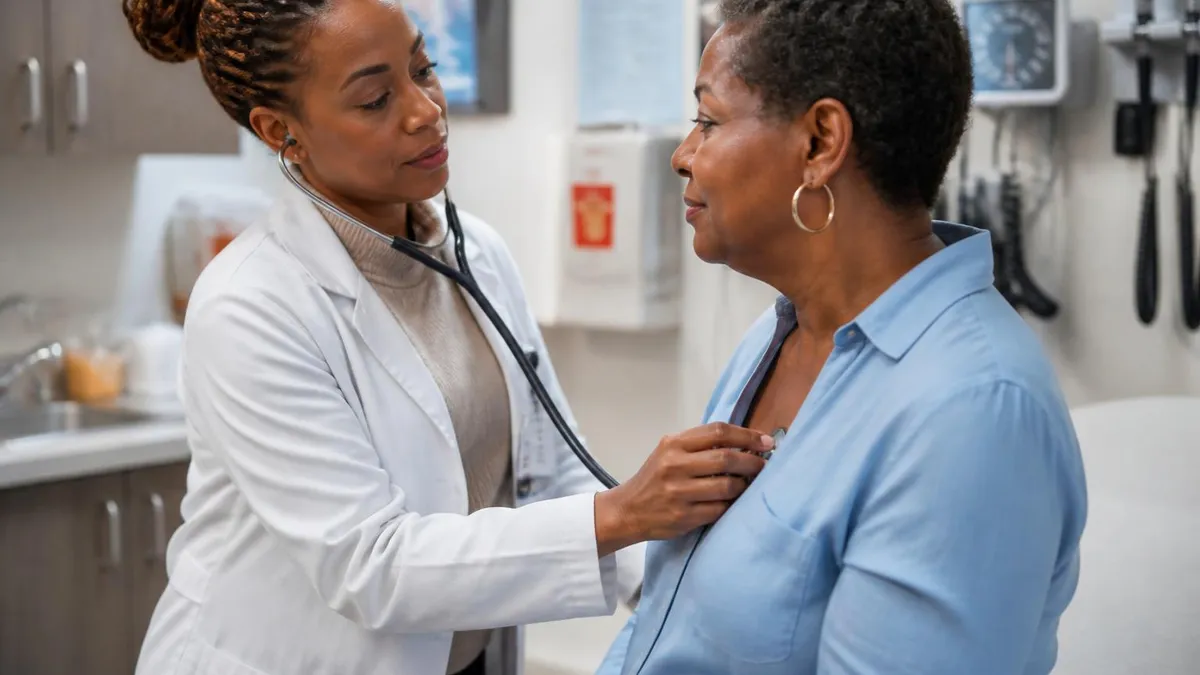
Pros and Cons of Pursuing Nurse Practitioner Classes
- +Significant salary increase over RN level — median NP income exceeds $126,000 annually
- +Independent prescribing authority in full-practice-authority states opens solo practice options
- +Diverse specialty tracks allow you to follow your clinical passion from FNP to PMHNP to AGACNP
- +Growing demand means job security — NP roles are projected to grow 45% through 2033
- +Graduate coursework deepens clinical reasoning in ways that make you a better bedside clinician immediately
- +Online and hybrid formats let working RNs complete degrees without leaving their jobs or cities
- −Total cost of attendance can reach $70,000–$90,000 for DNP programs at private universities
- −Securing clinical preceptors is stressful and time-consuming, especially in rural or underserved areas
- −Heavy workload — most students report 15–25 hours per week of study on top of full-time employment
- −Restricted practice states require physician collaboration agreements that limit independent authority
- −Online program quality varies widely; poorly accredited programs can hurt board exam preparation
- −Post-graduation board exam preparation adds 2–4 months of intensive study after an already demanding program
NP Program Enrollment Checklist: Are You Ready?
- ✓Hold an active, unencumbered registered nurse (RN) license in your state of practice.
- ✓Earn a BSN from a regionally accredited institution with a minimum 3.0 GPA.
- ✓Accumulate at least 1–2 years of direct patient care RN experience in a relevant clinical setting.
- ✓Request official transcripts from all undergraduate and graduate institutions attended.
- ✓Complete GRE requirements if the program requires them (many programs have waived this post-2020).
- ✓Draft a personal statement that articulates your clinical specialty goal and long-term career vision.
- ✓Secure two to three letters of recommendation from clinical supervisors or nursing faculty.
- ✓Verify that your target program holds CCNE or ACEN accreditation before submitting any application.
- ✓Research preceptorship policies — confirm whether the program helps place students or requires self-placement.
- ✓Create a budget covering tuition, fees, simulation lab costs, clinical travel, and exam registration.
The Big Three Courses Determine Board Exam Readiness
Advanced pathophysiology, pharmacology, and health assessment are not just gatekeeping prerequisites — they are the direct source material for 60 to 70 percent of AANP and ANCC board exam questions. Students who master these three courses before entering clinical rotations consistently outperform peers who treat them as obstacles to clear rather than foundations to build. Revisit your core course notes during board prep, not just specialty review books.
Clinical hours are where nurse practitioner coursework transforms from academic exercise into professional competence. The 500-hour minimum set by accreditation bodies is best understood as a floor, not a target. Most high-performing programs require 650 to 750 hours for MSN tracks and 1,000 or more for DNP students. These hours are divided across at least two distinct clinical settings and, in specialty tracks, must include exposure to the full population the certification exam covers — meaning an FNP student must log hours with pediatric, adult, and geriatric patients regardless of personal preference.
Preceptors — the licensed NPs or physicians who supervise students during clinical rotations — are among the most influential figures in an NP student's education. A skilled preceptor does far more than sign off on hours; they model real-time clinical reasoning, explain the gap between textbook presentations and actual patient behavior, and introduce students to the informal knowledge base that separates competent clinicians from exceptional ones. Choosing your preceptors strategically, when possible, is one of the highest-use decisions you will make during your program.
Most programs divide clinical hours into a diagnostic reasoning practicum, a management practicum, and a synthesis or capstone practicum. The diagnostic phase emphasizes history-taking, physical examination, and generating differential diagnoses. The management phase shifts focus to treatment planning, prescribing, follow-up design, and patient education. The capstone practicum integrates both skills in a setting that mirrors the student's intended post-graduation practice environment, giving them a true preview of independent NP practice before boards.
Simulation labs supplement real clinical hours in virtually every accredited program. High-fidelity mannequins, standardized patients, and virtual reality platforms allow students to practice rare but critical scenarios — anaphylaxis management, acute respiratory failure, pediatric sepsis — without waiting for those cases to appear in a real rotation. Programs that invest heavily in simulation infrastructure tend to produce graduates who are calmer and more systematic under pressure, a quality that preceptors and employers consistently rank as one of the most valuable clinical attributes in a new NP.
Clinical documentation is a skill set that deserves dedicated attention during your rotations. The way you write a SOAP note, code an encounter for billing, craft a referral letter, or document informed consent has direct legal and financial consequences in professional practice. Many new NP graduates are surprised to discover that documentation errors are among the most common sources of malpractice exposure. Ask your preceptors to review your notes critically, not just for clinical accuracy but for the kind of precision that protects both the patient and the provider in any future legal review.
Interprofessional collaboration competencies are increasingly woven into NP clinical experiences. Students who rotate through team-based care settings — patient-centered medical homes, accountable care organizations, federally qualified health centers — practice communicating with pharmacists, social workers, dietitians, and physicians in structured care teams. This experience directly prepares graduates for the collaborative practice models that dominate today's healthcare delivery landscape, and it builds the communication skills that separate good clinicians from great ones.
Managing the transition from clinical student to independent practitioner is itself a course that no program formally teaches but every NP must pass. The final weeks of your synthesis practicum are the right time to begin thinking about how you will handle your first solo patient panel, how you will triage clinical questions after graduation when you no longer have a preceptor two feet away, and how you will build a peer network of fellow NPs and consulting physicians who can serve as your informal continuing education engine for years after you leave your program.

Not all NP programs that advertise CCNE or ACEN accreditation are currently in good standing. Before submitting an application, visit the official CCNE accreditation directory at aacnnursing.org and verify your program's current status. Programs on accreditation warning or probation may produce graduates who are ineligible to sit for AANP or ANCC certification exams — invalidating years of study and tens of thousands of dollars of tuition investment. Always confirm accreditation status independently, never solely from the school's own website.
Passing the AANP or ANCC certification exam is the final academic hurdle after completing your nurse practitioner classes, and the preparation strategy you adopt in your last semester will determine whether you cross that finish line on the first attempt. Both exams test the same broad domains — assessment, diagnosis, plan, and evaluation — but they differ in style. The AANP exam is more clinically focused and scenario-driven, while the ANCC exam incorporates more theory, research, and professional issues questions. Most faculty recommend choosing based on your program's alignment and your personal test-taking strengths.
Board prep typically begins 8 to 12 weeks before your exam date and should include a structured review course, a full-length question bank, and targeted review of your weakest subject areas. High-yield topics that appear across virtually every review course include cardiovascular pharmacology, dermatology differentials, pediatric developmental milestones, thyroid disorders, diabetes management, sexually transmitted infections, and mental health screening tools. Students who spend the majority of their prep time passively re-reading notes tend to underperform compared with those who practice thousands of questions under timed, exam-like conditions.
Understanding your personal baseline before starting formal board prep is one of the most efficient things you can do. Take a full-length, untimed diagnostic practice exam in your first week of prep, categorize your wrong answers by content domain, and allocate your review hours proportionally to your weakest areas. A student who misses 60 percent of cardiovascular questions but only 20 percent of musculoskeletal questions should spend three times as many hours on cardiology review. This data-driven approach produces faster score improvement than attempting to review every domain equally.
Question analysis — understanding not just why the right answer is right but why each wrong answer is wrong — is the highest-use study skill for NP board preparation. When you miss a question, resist the urge to simply note the correct answer and move on. Instead, reconstruct the clinical reasoning behind every distractor. This forces deep encoding of the differential-diagnosis logic that the exam tests and dramatically reduces the chance of falling for similar distractors on exam day. Students who practice this discipline consistently pass at rates 10 to 15 percentage points higher than peers who review answers passively.
Time management during the actual exam is a distinct skill that practice questions build directly. Both the AANP and ANCC exams allow approximately one minute per question. Students who have practiced thousands of timed questions arrive at the testing center with an internalized pace that prevents the panic-driven time loss that derails otherwise well-prepared candidates. If you finish a practice session consistently needing 90 seconds per question, you have identified a critical gap that requires intervention — either faster elimination of obvious distractors or deeper automaticity in recognizing high-yield clinical patterns.
Peer study groups can accelerate board preparation when structured around active recall rather than collective note review. A group that runs weekly case presentations — where one member presents a patient scenario and others generate a differential and management plan before checking the answer — practices the same analytical process the exam demands. Groups that meet only to commiserate or passively compare notes provide social support but minimal academic use. Choose your study partners based on their commitment to active learning, not proximity or familiarity.
After passing boards, the work of lifelong learning begins. NPs are required to complete continuing education (CE) credits every five years for recertification — 100 hours for AANP, 75 for ANCC — a significant but manageable commitment when built into an annual learning habit rather than crammed before a deadline.
The strongest NPs treat CE not as a compliance checkbox but as a professional investment, selecting content that directly addresses gaps in their current practice or prepares them for a scope expansion they are planning. The habits you build during your nurse practitioner classes — curiosity, evidence appraisal, systematic reasoning — are the same habits that will make you an excellent clinician for decades to come.
Building a sustainable study routine during your NP program is arguably as important as the content you learn within it. Graduate nursing courses are designed to be demanding, and students who treat each week as a fresh sprint rather than a leg of a marathon often burn out by mid-program.
The most successful NP students develop a weekly rhythm: dedicated reading blocks, active recall sessions on lecture material, and protected recovery time that allows the brain to consolidate new information. Research on spaced repetition consistently shows that reviewing material at increasing intervals — day one, day three, day seven, day fourteen — produces retention rates far superior to a single long review session before an exam.
Note-taking strategy matters more in graduate school than it did in undergraduate nursing. Passive transcription of lecture slides does little to build clinical reasoning; structured note-taking formats that force you to articulate relationships between concepts — such as the Cornell method or concept mapping — produce deeper learning and more useful study materials.
A concept map linking a disease mechanism in pathophysiology to its drug target in pharmacology to its assessment finding in health assessment creates an integrated mental model that fires as a unit during clinical decision-making, exactly the kind of thinking that both board exams and real patient care require.
Managing the emotional demands of NP school is a topic rarely addressed in program orientations but critically important for completion and wellbeing. Studies of graduate nursing students consistently find improved rates of anxiety, imposter syndrome, and compassion fatigue, particularly among students who are simultaneously working full-time and caring for families.
Identifying the early warning signs of burnout — persistent fatigue, reduced empathy, declining academic motivation — and responding with intentional self-care is not a luxury but a professional necessity. Programs that offer counseling services, peer mentoring, and faculty advising are investing in student success in a way that pays dividends at the certification exam and beyond.
Financial planning during NP school deserves the same systematic attention you give to academic planning. Federal student loans, institutional scholarships, NURSE Corps Loan Repayment Program awards, employer tuition assistance, and state workforce grants are all potential funding sources that students often fail to fully exploit. The HRSA NURSE Corps Scholarship Program, for instance, covers tuition, fees, and a stipend in exchange for a service commitment at a critical shortage facility — an arrangement that simultaneously finances education and positions graduates in high-need communities where NPs make the greatest health impact per provider.
Technology fluency is increasingly a prerequisite for effective NP practice, and many programs are now embedding health informatics, telehealth platform competency, and electronic health record training into their curricula. Students who approach these technology components as core clinical skills — rather than administrative nuisances — graduate better prepared for the care delivery environments they will actually work in. Knowing how to efficiently navigate an EHR, generate a quality-improvement report, and conduct a synchronous telehealth visit are now as foundational to NP practice as reading a chest X-ray or interpreting a complete blood count.
The transition from student to clinician involves a profound identity shift that many NPs describe as the most disorienting aspect of their early career. Moving from being supervised at every step to bearing independent legal and ethical responsibility for patient outcomes creates a psychological adjustment that no clinical rotation fully prepares you for.
New NPs are strongly advised to seek out practice environments that offer structured orientation, accessible consulting physicians, and peer support networks. A supportive first practice setting during the initial 6 to 12 months of independent practice is one of the strongest predictors of long-term career satisfaction and clinical confidence.
Finally, engaging with the broader NP professional community — through membership in the American Association of Nurse Practitioners, attendance at specialty conferences, and participation in state chapter advocacy — connects you to a network of peers who can provide mentorship, career opportunities, and collective voice on legislative issues that directly affect your scope of practice.
The NP profession has expanded its authority significantly over the past two decades through organized advocacy, and the practitioners who benefit most from those gains are those who contributed to earning them. Your professional engagement, beginning even during your nurse practitioner classes, is an investment in both your own career and the future of the profession.
NP Questions and Answers
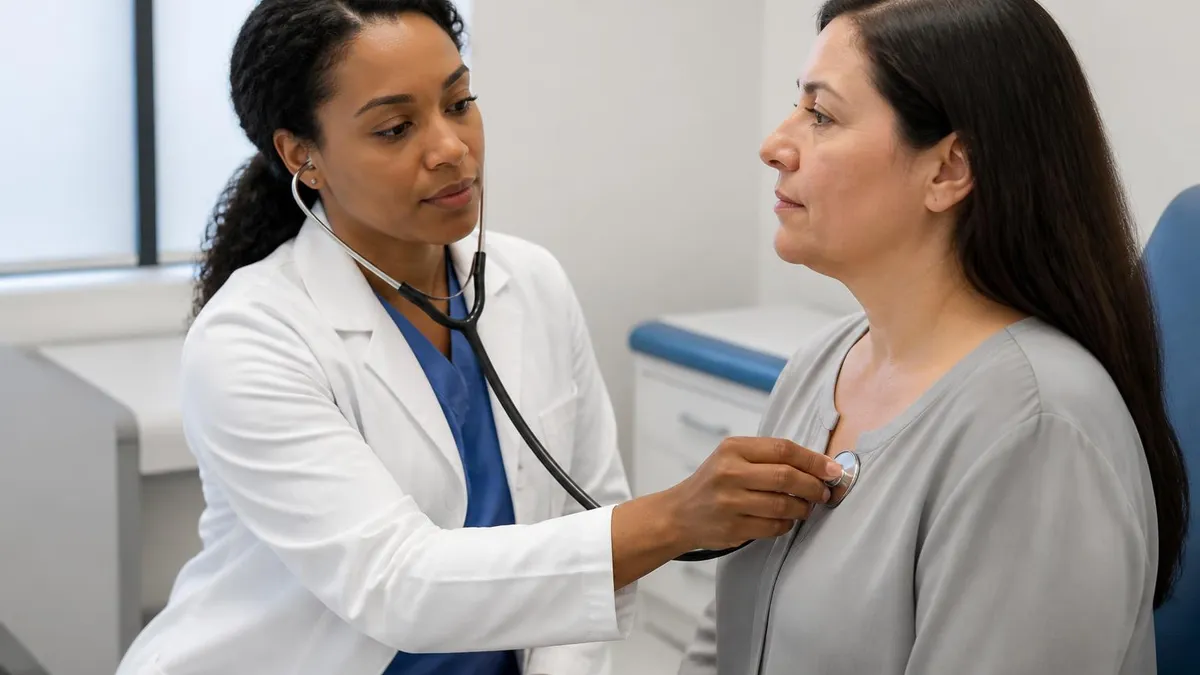
Nurse Practitioner vs Physician Assistant: Side-by-Side
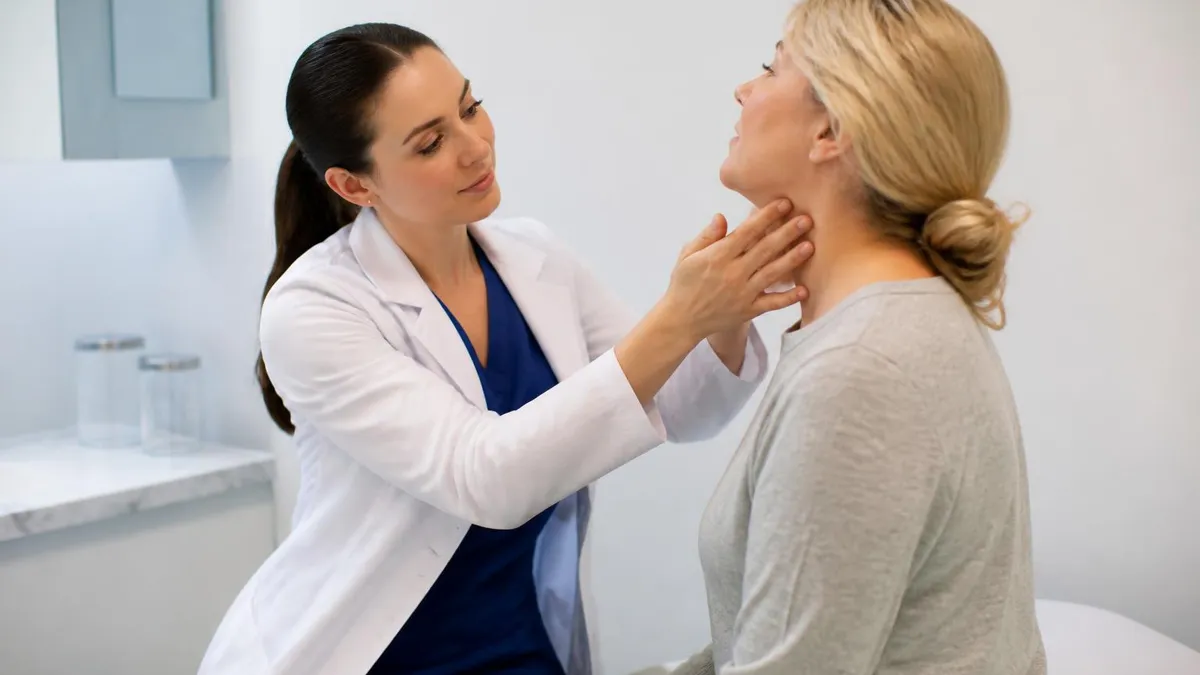
How Long to Become a Nurse Practitioner: 6-8 Year Timeline

Travel Nurse Practitioner Salary: 2026 Pay Guide, Contract Rates, Stipends, and How to Maximize Your Earnings

Nurse Practitioner Taxonomy Code: Complete 2026 Guide to NPI Classification, Specialty Codes, and Billing Compliance

Family Nurse Practitioner Remote Jobs: Complete 2026 Guide to Telehealth Careers
About the Author

Registered Nurse & Healthcare Educator
Johns Hopkins University School of NursingDr. Sarah Mitchell is a board-certified registered nurse with over 15 years of clinical and academic experience. She completed her PhD in Nursing Science at Johns Hopkins University and has taught NCLEX preparation and clinical skills courses for nursing students across the United States. Her research focuses on evidence-based exam preparation strategies for healthcare certification candidates.