
Notario Publico en el Bronx: Todo lo que Necesitas Saber sobre el Notary Public
What is a notary public? Find a notario publico en el Bronx, learn costs, services & how to become certified. Free practice exam inside! ✅
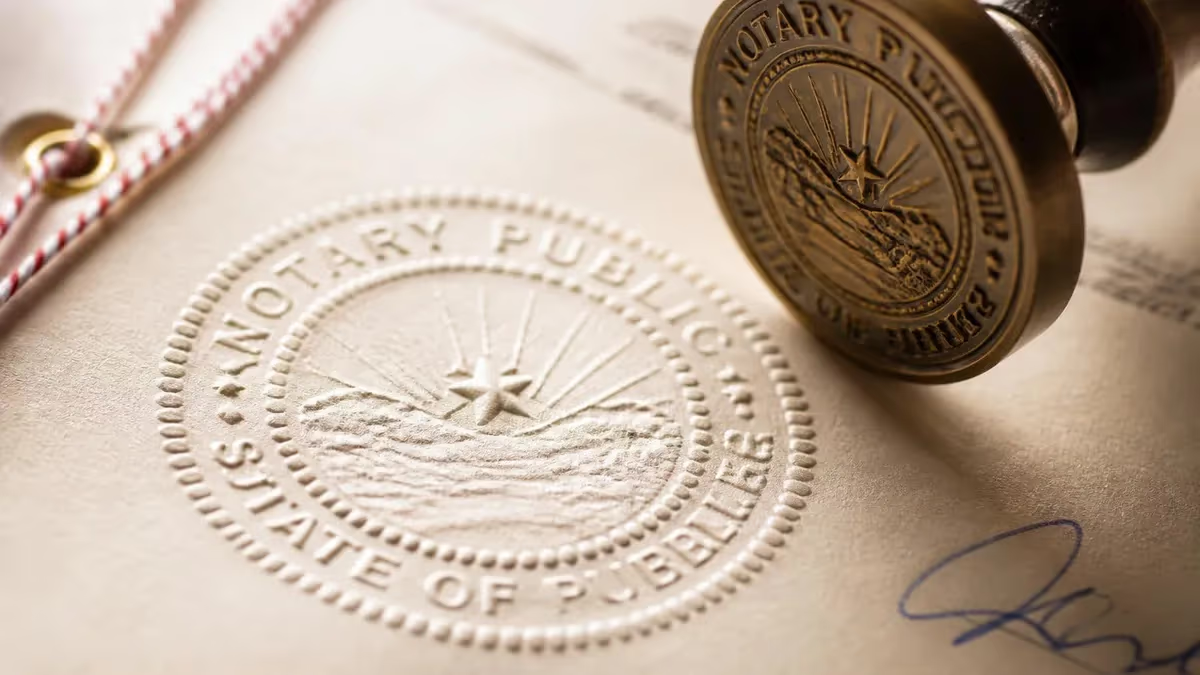
Understanding what is a notary public is essential for anyone navigating legal documents in New York City, and if you live or work in the Bronx, knowing where to find a reliable notario publico en el bronx can save you significant time, money, and stress. A notary public is a state-commissioned official authorized to witness the signing of important documents, administer oaths, and verify the authenticity of signatures. In a borough as diverse and document-intensive as the Bronx, notary services are in constant demand from residents handling everything from real estate transactions to immigration affidavits.
The Bronx is home to one of the largest Spanish-speaking communities in the United States, and the term notario publico is widely used throughout the borough. However, it is critically important to understand that the American notario publico — the notary public — is a fundamentally different role from the notario publico in Latin American countries, where the title refers to a licensed attorney with broad legal powers.
In the United States, a notary public is not a lawyer and cannot provide legal advice, draft legal documents, or represent anyone in court. Confusing the two can lead to serious legal and financial harm.
In New York State, becoming a notary public requires passing the notary public exam, a written test administered by the New York Department of State. The exam covers topics including the legal duties of a notary, proper notarization procedures, applicable state laws, and ethical standards. Once licensed, a New York notary public can perform notarizations anywhere within the state, including the five boroughs of New York City. This means that a notary licensed in Manhattan can legally notarize documents for a resident of the Bronx, and vice versa.
Finding notary services in the Bronx is easier than many people realize. Notary publics operate out of banks, law offices, UPS stores, public libraries, and even mobile services that come directly to your home or office. Many people are surprised to learn that notary public in Bank of America branches is a standard service offered to account holders at no charge, making it one of the most convenient options for those who already bank there. Credit unions, community banks, and insurance agencies throughout the Bronx also frequently employ licensed notaries as part of their customer service offerings.
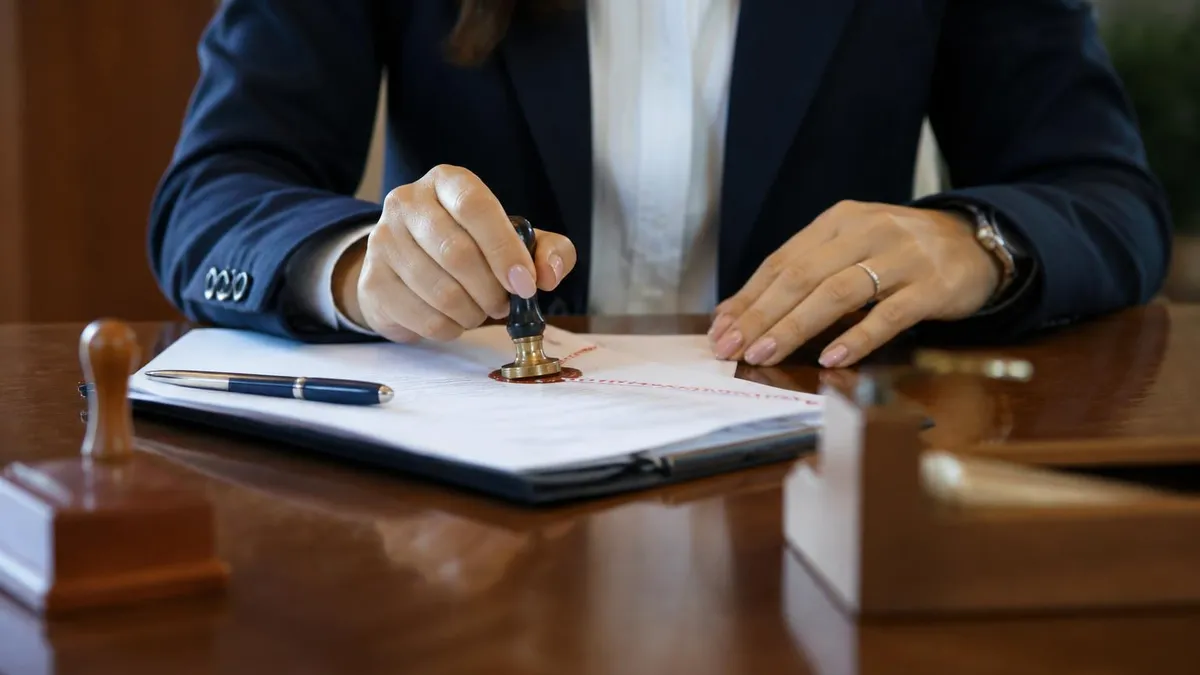
The notary public stamp and notary public seal are two of the most recognizable elements of a notarized document. In New York, notaries are required by law to use a rubber stamp or embossed seal that includes their name, commission number, and the county in which they are commissioned. The notary public seal serves as an official mark of authenticity, and documents bearing it are recognized by courts, government agencies, employers, and financial institutions across the country. Understanding what these marks mean helps you verify that a document has been properly authenticated.
If you are interested in how to become a notary public in New York, the pathway is relatively straightforward compared to many other states. You must be at least 18 years old, a legal resident of New York or have a principal place of business in the state, and you must pass the required written examination.
The notary public exam tests your knowledge of New York Notary Public Law and related statutes. After passing, you submit an application to the Department of State along with the required fee, and upon approval you receive your commission. Many aspiring notaries choose to take a preparatory course before sitting for the exam.
Whether you need a document notarized today or you are planning to become a commissioned notary yourself, this comprehensive guide covers everything you need to know about notary public services in the Bronx and throughout New York State. From locating free public notary near me options to understanding the full licensing process, we have organized this resource to answer your most pressing questions about notary publics, the notario publico role in American law, and how to prepare for and pass the New York notary public exam.
Notary Public in New York by the Numbers
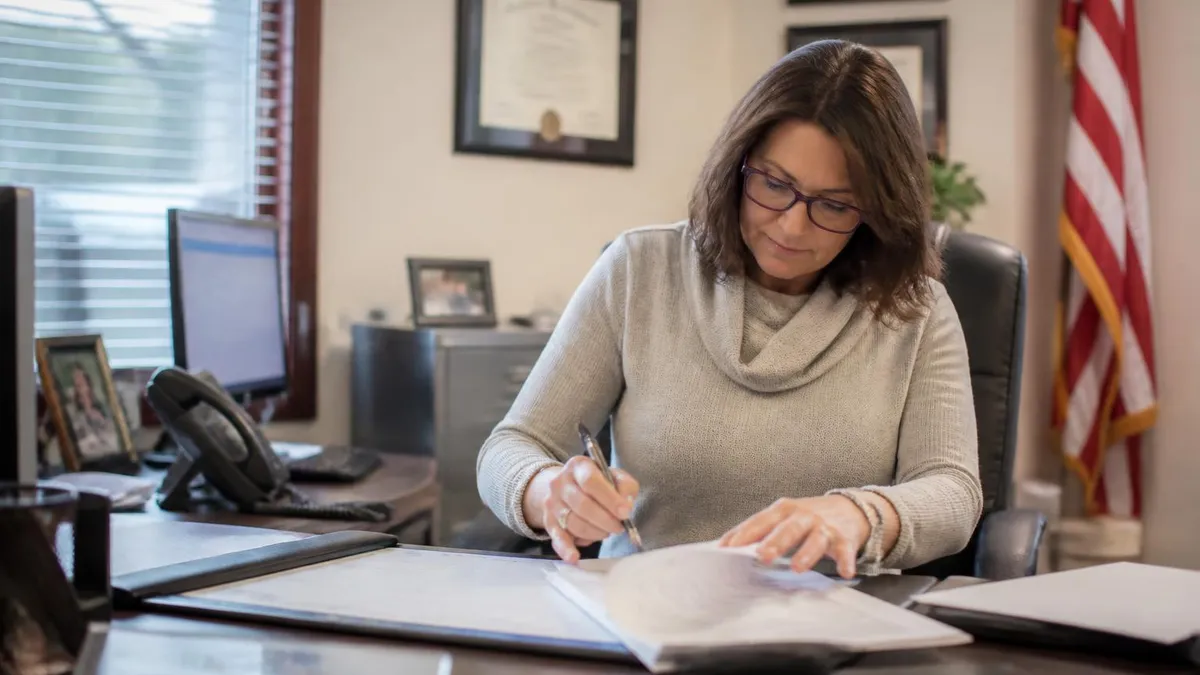
Notary Public Services Available in the Bronx
Many Bronx bank branches — including Bank of America, Chase, Wells Fargo, and local credit unions — offer free notary public services to account holders. This is one of the most accessible options for residents who need standard document notarizations quickly and at no cost.
Several Bronx Public Library branches offer free or low-cost notary services during scheduled hours. The New York Public Library system serves Bronx residents at locations including Mott Haven, Fordham, and Pelham Bay. Appointments are typically required, so call ahead before visiting.
Mobile notaries travel to your home, office, hospital, or other location at a scheduled time. This service is especially valuable for elderly or disabled residents who cannot easily travel. Mobile notaries in the Bronx charge a travel fee in addition to the per-signature notarization fee.
UPS Store locations and FedEx Office centers across the Bronx routinely offer walk-in notary services for a small per-document fee. These locations often have extended hours, including evenings and weekends, making them convenient for working residents who need a notary outside of standard business hours.
New York now allows remote online notarization (RON), enabling residents to connect with a licensed notary via secure video call. This option is ideal for documents that do not legally require physical presence and is increasingly popular for real estate closings, estate planning, and business agreements.
Learning how to become a notary public in New York is a goal shared by thousands of professionals and entrepreneurs across the Bronx each year. The process begins with verifying that you meet the state's basic eligibility requirements: you must be at least 18 years old, be a resident of New York State or have a principal place of business in the state, and you must not have any disqualifying criminal convictions. If you meet these criteria, you are eligible to apply for a notary public commission through the New York Department of State, Division of Licensing Services.
The most critical step in the application process is passing the notary public exam. This 40-question, multiple-choice examination is administered by the Department of State and covers the full scope of New York notary law, including definitions and duties, the Notary Public License Law, real property law as it relates to notaries, and ethical conduct. The exam is not extraordinarily difficult, but it does require focused study. Many candidates who fail the first time do so because they underestimated the specificity of the legal questions or did not study the relevant statutes carefully enough.
Preparation for the notary public exam typically takes between one and four weeks, depending on how much time you can dedicate to studying each day. The New York Department of State publishes a free official Notary Public License Law booklet, which is the primary source document for the exam. Candidates are strongly encouraged to read this booklet thoroughly, highlight key definitions, and memorize important fees, time limits, and procedural requirements. Many successful candidates also use practice tests to gauge their readiness before sitting for the official exam.
Once you pass the exam, you must complete the application form and submit it along with a $60 application fee to the Department of State. The application requires your legal name, residential address, county of commission, and confirmation that you meet all eligibility criteria. Processing time varies, but most applicants receive their commission certificate within four to six weeks. Your commission is valid for four years, after which you must renew by submitting a new application and fee — renewal does not require retaking the exam.
After receiving your commission certificate, you should obtain your official notary public stamp and notary public seal. New York law requires that your stamp or seal include your name exactly as it appears on your commission, your commission number, and the words indicating you are commissioned in a specific New York county. Stamps are available from office supply stores and online vendors, typically costing between $15 and $40. You will also want to maintain a notary journal to record your notarizations, even though New York does not currently mandate this practice — it is considered best practice for liability protection.
Many Bronx residents who become notaries do so to supplement their income or to add value to their existing professional role. Attorneys, real estate agents, mortgage brokers, office managers, and healthcare workers frequently obtain notary commissions because document notarization arises regularly in their fields. As a notary public in New York, you are permitted to charge a maximum of $2 per signature notarized. While this fee cap is modest, high-volume notaries — especially mobile notaries who charge travel fees — can generate meaningful supplemental income over the course of a year.
It is also worth noting that becoming a notary opens the door to additional certifications and professional services. New York Signing Agents, for example, are notaries who have completed additional training to help real estate loan closings. Loan signing agents typically earn between $75 and $200 per closing assignment, making it one of the most financially rewarding paths for experienced notaries. Several training organizations in the Bronx and online offer loan signing agent certification programs for notaries who want to expand into this specialty area of notary practice.
Understanding the Notary Public Exam: Format, Topics & Scoring
The New York notary public exam consists of 40 multiple-choice questions drawn from the official Notary Public License Law booklet. Candidates are given one hour to complete the exam, and a minimum score of 70% — meaning at least 28 correct answers — is required to pass. The exam is offered at Department of State offices and authorized testing locations throughout New York City, including sites accessible to Bronx residents. Registration is done online through the Department of State's licensing portal, and fees are paid at the time of registration.
Questions on the exam vary in difficulty and specificity. Some questions test straightforward definitions — for example, asking what a jurat is or describing the function of an acknowledgment. Other questions present scenario-based situations where candidates must apply their knowledge of New York law to determine the correct notarial action. Time management is important: most candidates find 40 questions in 60 minutes comfortable, but overthinking individual questions can cause unnecessary anxiety. Review the official study booklet at least twice before your exam date to maximize your score.
Pros and Cons of Becoming a Notary Public in New York
- +Low barrier to entry — only requires passing one 40-question exam and paying a $60 fee
- +Four-year commission provides long-term professional credential without frequent renewal
- +Adds significant value to existing careers in law, real estate, healthcare, and finance
- +Mobile notary and loan signing agent specialties offer strong supplemental income potential
- +Commission is valid statewide — you can notarize documents anywhere in New York
- +Remote online notarization (RON) authorization allows flexible, location-independent work
- −New York caps the notarization fee at just $2 per signature, limiting direct income from standard notarizations
- −Notaries bear personal liability for errors, omissions, or misconduct during notarizations
- −The American notary public role is far more limited than the Latin American notario publico, causing confusion among immigrant clients
- −No legal authority to provide legal advice or draft documents — frustrated clients may expect more than notaries can legally offer
- −Commission must be renewed every four years with a new application and fee payment
- −High competition in densely populated areas like the Bronx means standing out as a mobile notary requires marketing effort
Notarization Checklist for Bronx Residents: Before You Visit a Notary
- ✓Bring a valid, government-issued photo ID such as a driver's license, passport, or state ID card.
- ✓Do NOT sign the document before meeting with the notary — the signing must be witnessed in person.
- ✓Confirm the document is complete with no blank spaces before presenting it for notarization.
- ✓Bring all parties required to sign the document — notaries cannot notarize a signature that is not witnessed.
- ✓Know the type of notarization needed: acknowledgment, jurat, or oath — ask the requesting agency if unsure.
- ✓Check whether the notary charges a fee and bring cash or another accepted payment method.
- ✓If using a bank notary, verify that your branch offers the service and confirm hours before visiting.
- ✓For library notary services, call ahead to confirm appointment availability and required identification.
- ✓Bring any supporting documents required by the requesting agency alongside the document being notarized.
- ✓If the document is in a foreign language, ask whether the notary needs a certified translation attached.
American Notary ≠ Latin American Notario Publico
In Latin America, a notario publico is a highly trained attorney with the authority to draft legal contracts, transfer property, and provide full legal representation. In the United States, a notary public is a much more limited role — they witness signatures and verify identities but cannot give legal advice or prepare legal documents. If someone advertises as a notario publico in the Bronx and offers legal services, this may constitute the unauthorized practice of law, which is illegal and potentially harmful to clients.
Understanding the costs associated with notary public services in the Bronx helps you plan accordingly and avoid overpaying for routine notarizations. New York State law sets a maximum fee of $2 per signature notarized. This is one of the lowest caps in the country, and it means that a standard single-signature document should never cost more than $2 in notarization fees alone. However, notaries who provide mobile services or work through commercial businesses may charge additional fees for travel, convenience, or administrative costs — these add-ons are legal as long as they are disclosed upfront and the client agrees.
One of the most popular options for free notary public near me searches in the Bronx is the local bank branch. Notary public in Bank of America is a standard, complimentary service for account holders, and Chase, Citibank, TD Bank, and many credit unions offer similar benefits. The key caveat is that bank notaries typically serve their own customers only, so you will need to have an account at that institution. If you do not have a bank account, consider visiting a credit union where membership requirements are often broader and community-focused.
Public libraries represent another excellent source of free notary public near me services in the Bronx. The New York Public Library system operates multiple Bronx branches and has historically offered notary services either free of charge or for a nominal fee. Hours and availability vary by branch and season, and some locations require advance appointments. Calling ahead or checking the NYPL website before visiting will save you a wasted trip. Library notary services are especially valuable for seniors, students, and low-income residents who need notarizations for government applications, school enrollment documents, or social service forms.
For more complex notarization needs — such as real estate closing documents, estate planning paperwork, or multi-page contracts requiring multiple notarized signatures — a professional mobile notary or signing agent may be the most practical option. Mobile notaries in the Bronx typically charge between $25 and $100 per appointment, which may include travel fees and multiple notarizations within a single visit. While this is more expensive than a bank or library notary, the convenience of having a professional come to your location at a scheduled time is often worth the cost for complex or time-sensitive documents.
Remote online notarization, now legal in New York, offers another cost-effective and convenient alternative for eligible documents. RON platforms connect clients with licensed notaries via secure video call, allowing the entire notarization to take place digitally. Fees for RON services typically range from $10 to $25 per session, which includes electronic recording of the notarization for audit purposes. Not all documents can be notarized online — certain real estate transactions, wills, and court documents may still require physical presence — so always verify with the requesting institution before scheduling an online notarization.
When budgeting for notary services in the Bronx, it helps to categorize your needs by urgency and complexity. Routine documents like permission slips, affidavits, and single-page certifications can almost always be handled for free or at minimal cost through a bank or library. Multi-document transactions, contracts requiring witness signatures, or situations requiring rapid turnaround warrant the investment in a professional mobile notary. For ongoing business needs — such as regular contract notarizations or corporate document processing — establishing a relationship with a reliable Bronx-area notary can simplify your operations and reduce per-document costs over time.
Some community organizations in the Bronx also periodically offer free notarization days as part of their legal aid and community support programs. Legal services organizations, tenant rights groups, immigrant assistance centers, and civic organizations sometimes partner with licensed notaries to provide free or low-cost services to underserved community members. Checking with organizations like the Bronx Legal Services, BronxWorks, or local community development corporations can connect you with these resources when they are available, particularly during periods when demand for legal document assistance spikes, such as tax season or enrollment periods for public programs.

Notario fraud is a serious and widespread problem in immigrant communities throughout the United States. Unlicensed individuals who falsely claim to offer legal services as a notario publico can cause devastating harm — ruining immigration applications, triggering deportation orders, and draining clients of thousands of dollars in fraudulent fees. In New York, only licensed attorneys may provide immigration legal services. If someone who is not a licensed attorney is charging you for immigration help, report them to the New York State Attorney General's Office immediately.
The distinction between a notario publico in the Latin American legal tradition and a notary public under American law is one of the most important concepts for Bronx residents — particularly immigrants from Spanish-speaking countries — to fully understand.
In countries like Mexico, Colombia, Brazil, and most of Central and South America, the notario publico is a highly educated legal professional, often equivalent to a senior attorney, who holds significant governmental authority. These individuals can draft legally binding contracts, handle property transfers, authenticate birth and death records, and perform a wide range of legal functions that carry the full weight of government recognition.
In contrast, the American notary public is a ministerial officer whose sole function is to deter fraud in the signing of important documents. A notary public does not evaluate the content of a document, does not advise the signer on its legal implications, and does not guarantee that the underlying transaction is legal or fair.
The notary's role is narrow but important: to verify the identity of the person signing, to confirm that the signer is acting voluntarily and appears to be of sound mind, and to witness and authenticate the signature itself. The notary public stamp or seal affixed to the document confirms only that these procedural steps were followed.
This fundamental difference in roles creates a dangerous gap in understanding that unscrupulous individuals exploit regularly in immigrant communities. Someone advertising as a notario publico in the Bronx may lead Spanish-speaking clients to believe they are receiving the same broad legal services they would receive in their home country. In reality, an unauthorized individual providing immigration advice, drafting contracts, or preparing court filings is committing the unauthorized practice of law under New York State law — a serious crime that can result in felony charges for the practitioner and catastrophic legal consequences for the client.
If you need legal help with an immigration application, a housing dispute, a business contract, or any other legal matter, you must work with a licensed New York State attorney, not simply a notary. Organizations like the Bronx Defenders, Legal Aid Society, and Make the Road New York provide free or low-cost legal assistance to qualifying Bronx residents. These organizations are staffed by licensed attorneys who can legally advise you on your rights and represent your interests — something no notary public, regardless of how many years of experience they claim, is authorized to do.
That said, the legitimate services of a licensed notary public in the Bronx are genuinely valuable and should not be dismissed. When you need a document notarized — whether it is an affidavit for a court proceeding, a parental consent form for travel, a power of attorney, a bank form, or any other document requiring authenticated signatures — a licensed notary public performs a crucial fraud-prevention function. The notary's signature, stamp, and commission information provide government-recognized verification that the signer appeared in person, presented valid identification, and signed voluntarily.
Notarized documents are recognized across institutional boundaries in ways that non-notarized documents are not. Courts, government agencies, financial institutions, foreign consulates, and international bodies all recognize the legal significance of a properly notarized document.
For Bronx residents who need to send documents to foreign governments — for example, authenticating a power of attorney for use in the Dominican Republic, Mexico, or another country — notarization is typically the first step in a chain that also includes apostille certification by the New York Department of State. Understanding this process is particularly important for transnational families who regularly manage legal and financial affairs across international borders.
For Bronx residents who want to ensure they are working with a legitimate, licensed notary public, the New York Department of State maintains a publicly searchable online database of all currently commissioned notaries in the state. You can search by name or county to verify that the person offering notary services holds a valid, current commission. This simple verification step — which takes less than two minutes — can protect you from notario fraud and ensure that your notarized documents will be recognized as legally valid by any institution that reviews them. Always verify before signing.
Preparing for the New York notary public exam requires a structured approach that combines thorough reading of the official materials with consistent practice testing. The most common mistake candidates make is reading the Notary Public License Law booklet only once and assuming they have absorbed the material well enough to pass.
In reality, the exam is designed to test precise knowledge of specific statutory provisions — including exact dollar amounts for fees, specific time periods for filing requirements, and the precise language used to define notarial acts. Candidates who read the booklet multiple times and can recall these details with confidence are the ones who pass on their first attempt.
Creating a structured study schedule is one of the most effective strategies for exam preparation. If you have two weeks before your exam date, dedicate the first week to reading and understanding the material and the second week to intensive practice testing. Aim for at least one full-length practice test per day during the second week, reviewing every incorrect answer to understand both why your answer was wrong and why the correct answer is right. This active review process — rather than simply re-reading material — is how long-term retention is built and how exam confidence is developed.
Pay particular attention to the sections of the Notary Public License Law that cover fees, time limits, and disqualifying factors. The exam frequently tests whether candidates know that the maximum notarization fee in New York is $2 per signature, that a notary commission is valid for four years, that applicants must be at least 18 years old, and that certain criminal convictions disqualify applicants from receiving a commission. These details are highly testable because they are specific, unambiguous, and directly relevant to the practical exercise of notary duties.
Another important area to master before the exam is the difference between the two most common types of notarial acts: acknowledgments and jurats. An acknowledgment is a notarial act in which the signer confirms to the notary that they signed the document voluntarily and that the signature is their own — the signer does not need to sign in the notary's presence, but they must personally acknowledge the signature.
A jurat, in contrast, requires the signer to sign the document in the notary's presence and to swear or affirm under oath that the contents of the document are true. Confusing these two acts is one of the most common mistakes made by both exam candidates and newly commissioned notaries.
Identification verification is another topic covered on the exam and a critical aspect of real-world notary practice. A notary must verify the identity of every person who appears before them for a notarization. Acceptable forms of identification in New York include state-issued driver's licenses, non-driver identification cards, U.S. passports, and other government-issued photo identification with a physical description and either a signature or a photograph.
Notaries are not required to know the signer personally, but they must be satisfied that the identification presented is genuine and current. Accepting a questionable or expired ID is a risk that can expose the notary to professional discipline.
Ethical considerations are woven throughout the notary public exam, reflecting the significant trust that society places in commissioned notaries. A notary must never notarize a document in which they have a direct financial interest, must never pressure or coerce a signer, and must never notarize the signature of a person who is clearly intoxicated, confused, or acting under duress.
If a signer does not speak English, the notary must be able to communicate sufficiently to confirm the signer's identity and willingness to sign — using an interpreter is permissible but should be approached cautiously and documented carefully. These ethical standards are not just exam topics; they are the foundation of the notary's professional integrity.
Finally, candidates should be aware that passing the notary public exam is just the beginning of a learning process. Real-world notarizations involve nuances, edge cases, and situations that no exam can fully anticipate.
Many experienced New York notaries recommend keeping a personal reference copy of the Notary Public License Law booklet available during your early months of practice, joining professional associations like the American Society of Notaries or the National Notary Association, and taking advantage of continuing education opportunities even though they are not required for renewal in New York. Building a reputation as a thorough, knowledgeable, and ethical notary is the foundation of a lasting and respected career in this important profession.
Notary Public Questions and Answers

Public Library Notary: Where to Find Free Notary Services Near You
Notary Public Training: Complete 2026 Guide to Requirements, Certification & Exam Prep

Remote Notary Public: The Complete Guide to Online Notarization in 2026

How to Become a Notary Public: Complete State-by-State Training Guide

NC Notary Public Course: Complete Training Guide for North Carolina
About the Author
Notary Public Law Expert & State Notary Exam Specialist
Georgetown University Law CenterAttorney Sarah Williams is a licensed attorney and National Notary Association (NNA) certified notary with a Juris Doctor from Georgetown University Law Center. She has 13 years of experience in notarial law, document authentication, and real estate closings. Sarah coaches candidates through state notary public examinations, notary signing agent certification, and loan signing agent training programs.