
NCCCO Certification Cost: Complete 2026 October Fee and Budget Breakdown
💡 NCCCO certification cost explained: exam fees, practical tests, training, recertification and ways to save, plus how crane pay compares with forklift roles.
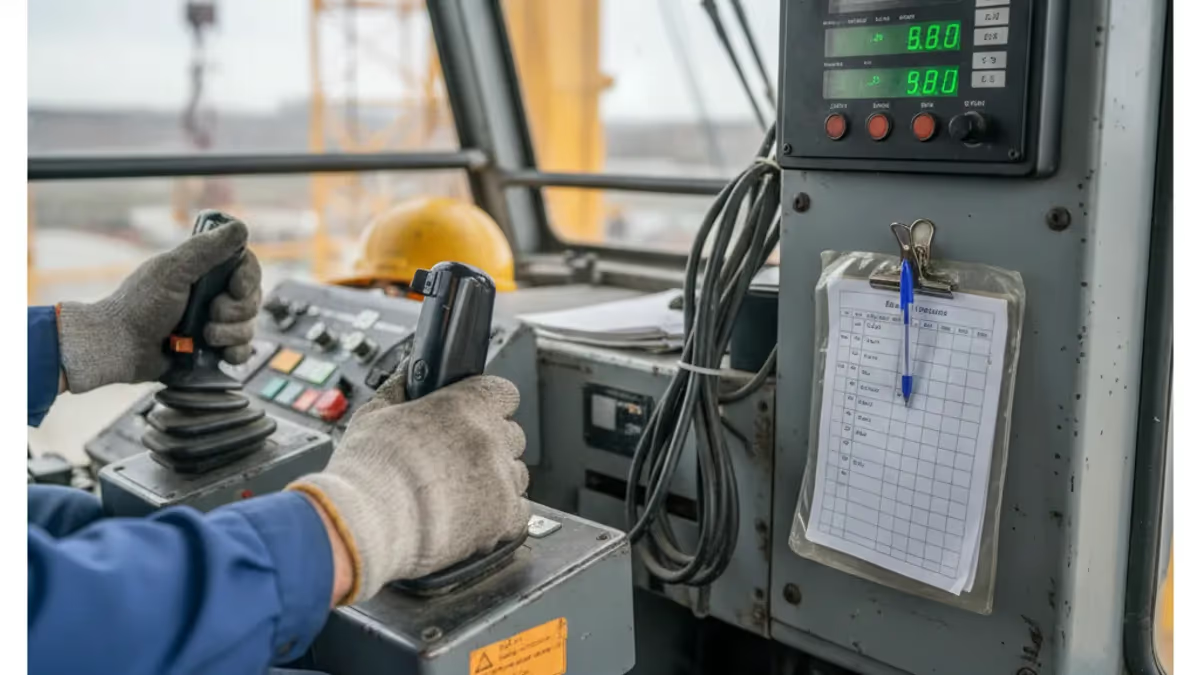
Understanding NCCCO certification cost is the first step for anyone weighing a move into crane work, and the total is bigger than a single exam fee. Candidates pay for written exams, a practical exam, medical screening, training, study materials, travel, and eventually recertification. Add those pieces together and a realistic budget runs from roughly $600 for an experienced operator who trains on the job to $6,000 or more for someone buying a full classroom course. This guide breaks down every line item.
The National Commission for the Certification of Crane Operators, known simply as the nccco, administers the most widely recognized crane operator credential in the United States. OSHA's crane standard requires operators to be qualified, and most employers satisfy that duty by demanding an accredited certification. Because the card follows you from job to job, contractors, ports, utilities, and steel erectors routinely list it as a requirement. That portability is exactly why the fees deserve careful planning before you register.
Many readers arrive here after searching for forklift certification, so a quick comparison helps. A forklift operator can usually finish employer-based training and a practical evaluation in a single day for little or nothing. Crane work is different. Heavier loads, longer booms, and far greater consequences for mistakes mean a national written exam, a hands-on skills test, and a five-year renewal cycle. Higher stakes explain the higher price, and they also explain the higher pay that follows.
Pay is the other half of the equation. Crane operator salary figures from the Bureau of Labor Statistics put the national median for crane and tower operators in the mid-$60,000s, with union mobile and tower crane operators in busy metro areas often earning well above $90,000 once overtime and benefits are counted. Compared with a typical total outlay of a few thousand dollars, the certification can pay for itself within the first few months of steady full-time work.
Costs also vary by who is paying. Many employers, unions, and apprenticeship programs cover exam fees completely, while independent candidates carry everything personally. A heavy equipment operator who already holds a CDL or years of rigging experience may skip expensive classroom training entirely. A newcomer arriving through trade school jobs pipelines may need the full package. Knowing which category you fall into is the fastest way to estimate your real number instead of guessing from a headline fee.
This article walks through each expense in order: written exam fees, practical exam fees, training courses, medical requirements, recertification, and hidden extras such as travel and unpaid time off work. You will also find a comparison of training routes, a pros and cons list, a checklist for lowering your total, and ten frequently asked questions. Fee schedules change, so confirm current amounts on the official NCCCO website before paying anything. Treat the ranges here as planning estimates, not quotes.
As you read, keep one principle in mind: the cheapest route is the one you only pay for once. Failing a written exam or practical test means paying again, often with extra travel. Spending a little on quality practice tests and a focused study plan costs far less than a retake. The free quizzes below let you check your readiness on crane stability, power lines, and load dynamics before you commit any exam dollars.
NCCCO Certification Cost by the Numbers
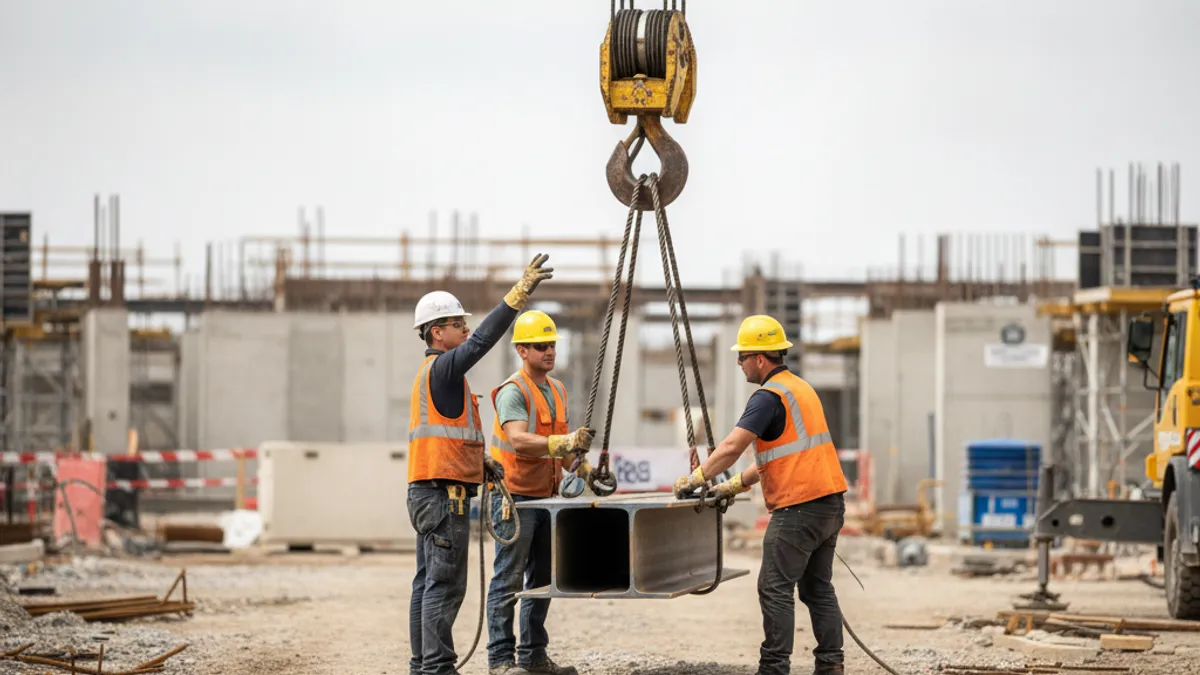
NCCCO Certification Cost Breakdown (Planning Estimates)
Every nccco certification path starts with the written side: a Core Examination covering safety, site setup, technical knowledge, and load chart basics, plus at least one specialty exam such as Telescopic Boom Fixed Cab, Telescopic Boom Swing Cab, or Lattice Boom Truck Crane. Fees are charged per exam, so each specialty you add raises the bill. As a planning range, expect roughly $200 to $400 for the core plus one specialty written exam, including the application.
Next comes the practical exam, which is where prices diverge most. Practical tests are delivered at accredited test sites using real cranes, and each site sets its own price based on crane time, proctor labor, and insurance. A candidate might see charges from about $150 at a union training center to $500 or more at a commercial site. Always ask whether the quote includes practice time, since extra seat time on the test crane can add hundreds of dollars.
Timing matters because the NCCCO process has defined eligibility windows. After you pass the written exams, you generally have a limited period to pass the practical exam before the written results expire. If you miss that window, you repeat the written exams and pay again. Scheduling the written and practical tests within a few weeks of each other protects your investment and keeps what you learned about load charts fresh in memory.
Retake fees deserve a line in your budget. If you fail a written exam, you pay a retake fee and wait for the next available testing window. Failing the practical exam means paying the test site again, and sometimes a separate scheduling charge. Many candidates fail the practical not from poor skill but from nerves or unfamiliar equipment, so paying for practice time on the same model crane is inexpensive insurance against a second fee.
Test center convenience also affects the total. Written exams are offered through computer-based testing centers in most states and through paper sessions at some employers and training sites. If the nearest center is two hours away, fuel and a hotel night can add $100 to $250. Candidates in rural states should compare several accredited locations and choose the written and practical combination that minimizes travel, rather than comparing only the sticker prices of each exam.
Specialty choice changes both the price and the paycheck. Tower crane, overhead crane, and articulating crane certifications each carry their own fee structures and practical requirements. A crane operator who adds a second specialty often pays an additional written fee and a second practical fee, but gains access to many more job openings. Employers frequently reimburse extra specialties, so ask your supervisor before paying out of pocket to expand your credentials.
Finally, remember that exam fees are a modest slice of your first-year spending. Training, medical clearance, and lost wages on test days usually outweigh the paperwork charges. A fair rule of thumb is that exams make up 25 to 35 percent of the total for self-funded candidates who skip classes, and under 10 percent for those who attend a full course. Build your budget around the bigger items first, then layer in the exam fees.
Heavy Equipment Operator Training Routes Compared
The cheapest route for most people is an employer-sponsored one. Contractors that run cranes daily often pay for the written exams, practical exam, and even paid study time, because an uncertified operator cannot legally run their equipment. Your out-of-pocket cost can be close to zero, and you earn wages while learning. The trade-off is that you usually begin as an oiler, signal person, or rigger and wait for an opening.
To get hired into that pipeline, show up with a safety orientation course such as OSHA 10 or OSHA 30, a clean driving record, and a willingness to start at the bottom. Ask during interviews whether the company reimburses certification and whether you must stay a set period afterward. Some employers require repayment if you leave within a year, so read any training agreement closely before signing.

Is NCCCO Certification Worth the Cost?
- +Nationally recognized card accepted by employers in every state
- +Opens higher-paying crane operator roles than general labor
- +Supports compliance with OSHA operator qualification rules
- +Valid for five years before renewal is needed
- +Employers and unions often reimburse exam fees
- +Adds credibility compared with forklift-only or informal training
- −Total cost can reach several thousand dollars if self-funded
- −Practical exam fees vary widely by test site
- −Failing any part means paying retake fees
- −Each added specialty increases total cost
- −Recertification expenses return every five years
- −Travel and time off work add hidden costs
Checklist to Lower Your NCCCO Certification Cost
- ✓Ask your employer or union in writing whether exam fees are reimbursed.
- ✓Check the current NCCCO fee schedule on the official website before registering.
- ✓Get quotes from at least three accredited practical exam sites.
- ✓Book the written and practical exams within a few weeks of each other.
- ✓Complete a free safety orientation course such as OSHA 10 before applying.
- ✓Study load charts daily with free practice tests instead of buying expensive courses.
- ✓Buy practice time only on the crane model you will be tested on.
- ✓Choose test sites close to home to avoid hotel and fuel costs.
- ✓Compare grants, veteran benefits, and workforce programs that fund training.
- ✓Keep every receipt, since some certification costs may be tax deductible.
One failed exam can erase your savings
A single failed practical exam can cost $200 to $500 in fees plus a missed workday, which often exceeds the price of a focused prep session. Spend your money on preparation first and exam attempts second.
Cost only makes sense next to earnings. Crane operator salary data from the Bureau of Labor Statistics shows a national median for crane and tower operators in the mid-$60,000s, and that figure hides a wide spread. Entry-level operators in low-cost regions may start near $45,000, while experienced tower crane and heavy-lift operators in cities like New York, Chicago, or Seattle can clear $100,000 with overtime. Certification is often the gate between those tiers.
Compare that with other equipment careers. A typical forklift operator earns roughly $38,000 to $46,000 a year, and forklift truck operators in warehouses often reach the ceiling of their pay band quickly. Moving from forklift to crane work raises the ceiling substantially, but it requires the investment described above. For many workers, a four- to five-figure certification expense that adds $15,000 or more in annual pay is among the best returns in the skilled trades.
Consider a simple payback example. Suppose a self-funded candidate spends $3,500 on a course, exams, and a medical check, then lands a job paying $8 more per hour than their previous warehouse position. At 2,000 hours a year, that is $16,000 in added gross pay. Even after taxes, the certification pays for itself in roughly three to four months. Employers who sponsor your exams recover the cost even faster through productivity.
Many beginners ask about free options. Retail programs such as home depot free training are real, but they target skills like product knowledge, pro services, and basic trades, not crane credentials. They can still help you build general job readiness and a resume, particularly if you are exploring trade school jobs. For the crane card itself, expect to rely on an employer, union, workforce board, or your own savings to cover the exam fees.
A safety orientation course is the cheapest credential worth adding before you apply. OSHA 10-hour construction cards typically cost $60 to $100 online, and many job sites will not let you on the premises without one. Employers read it as proof that you take hazards seriously, which matters when they are deciding who to sponsor for expensive crane exams. Think of it as a low-cost signal that makes the larger investment far more likely to be funded.
Regional demand changes the equation too. Wind energy, infrastructure bills, data center construction, and port expansion have kept crane operators in short supply across much of the country. When demand is high, employers compete by offering sign-on bonuses and tuition reimbursement. Search job boards for crane operator and oiler openings in your area, note how many list NCCCO as required, and use that evidence to decide how aggressively to invest in your own credential.
Finally, think about career trajectory beyond the first job. Certified operators move into lead operator, site supervisor, rigging foreman, and trainer roles, each with higher pay and less physical strain. Those later promotions rarely require new fees beyond recertification, which means the initial cost is the largest financial hurdle you will face. Once the first card is in your wallet, additional earning power accrues for decades on a small recurring investment.
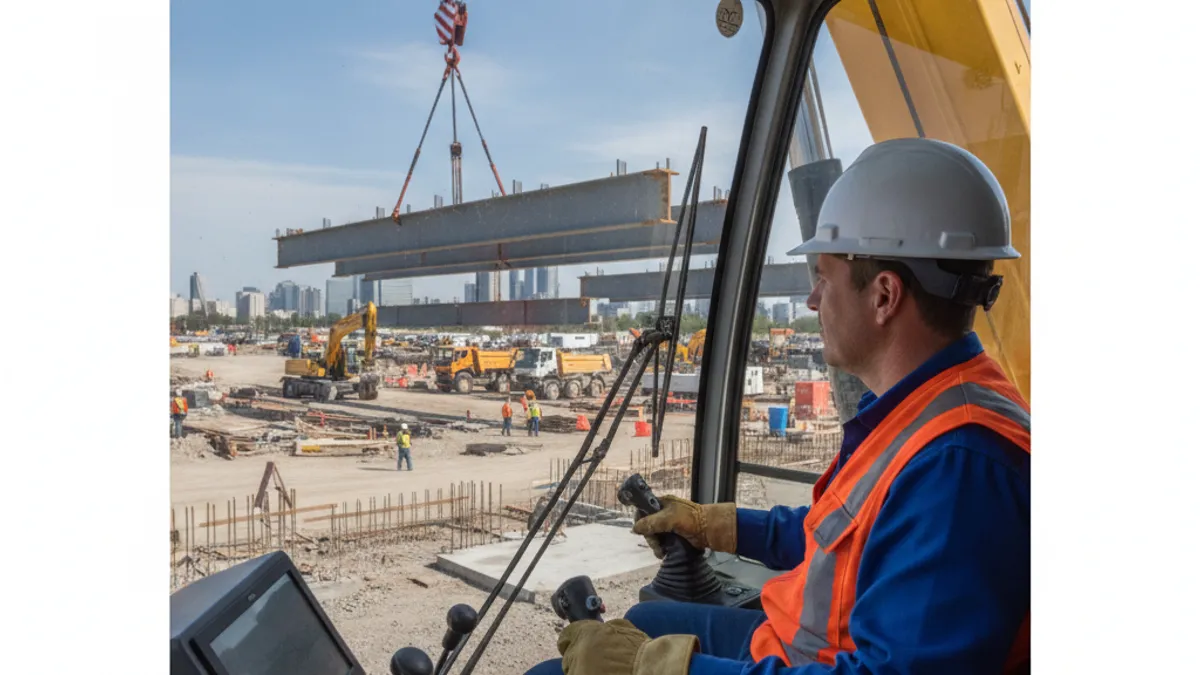
The dollar ranges in this article are planning estimates. NCCCO and accredited test sites update fees periodically, and practical exam prices differ by location. Always verify the current amounts on nccco.org and with your chosen test site before submitting payment.
Certification is not a one-time purchase. Your credential is valid for five years, and renewing it requires a recertification application, a fee, and proof of continued qualification, along with passing the recertification written exam in many cases. Budget roughly $300 to $500 for that cycle as a planning estimate. Missing the renewal window can force you to retake the full exam sequence, which costs far more, so mark your expiration date on a calendar a year ahead.
Medical qualification is a requirement that surprises first-time applicants. Candidates must meet physical and vision standards, and many employers require a documented medical evaluation, often $75 to $150 at an occupational clinic. Drug screening is separate and usually paid by the employer, but independent candidates sometimes need to cover it. Handle the medical exam early, because discovering a vision or hearing issue after paying exam fees is both stressful and expensive.
Study materials add a smaller but real line item. Load chart books, rigging manuals, and printed handbooks can total $50 to $200. Free resources reduce this a lot: the official NCCCO candidate handbook is available online, and practice tests let you rehearse the exact question styles. A strong crane certification study routine mixes charts, components review, and timed quizzes, which costs little but delivers the highest score improvement per dollar.
Lost wages are the largest hidden cost for working adults. A written exam may take a half day, a practical a full day, and a prep course several days or weeks. If you are paid hourly and your employer does not cover time off, the missed income can exceed the fees themselves. Negotiate paid training days when you can, and schedule exams on regular days off whenever possible to prevent income loss.
Travel and lodging also add up. Practical exam sites are not located in every county, and candidates sometimes drive three or four hours or fly for a specific crane type. Add meals, fuel, and a hotel night, and a $300 exam can become a $550 day. Ask training providers whether they offer on-site testing for groups, which some employers organize to cut per-person costs dramatically.
Insurance and employer policy details can matter as well. Some companies require operators to maintain certification as a condition of employment and will deduct unreimbursed exam costs from final pay if you quit early. Others expect you to carry a certificate wallet card and keep a log of crane hours. Read your offer letter and company handbook carefully so that the sponsorship you receive does not carry a surprise repayment clause later.
Plan for continuing education, too. Even outside recertification, safety refreshers, signal person qualification, and rigger training make you more valuable and sometimes carry modest fees of $100 to $300 each. These add-ons are optional, yet many high-paying crane jobs expect them. Treat them as part of a long-term career budget rather than a one-time exam cost, and revisit that budget each time you renew your card.
The most effective way to cut your total is to prepare so well that you pass everything on the first attempt. Start with a realistic timeline, such as four to six weeks, and study in short daily sessions instead of cramming. Focus first on load charts and capacity calculations, because they appear on both the Core and specialty written exams. A candidate who masters charts early usually finds the remaining topics far more manageable.
Use official materials as your backbone. The NCCCO website publishes candidate handbooks, content outlines, and sample questions for every exam, all free to download. Match each content domain to your study calendar and check them off as you complete practice sets. Pair the handbook with a reputable nccco crane certification practice test so that you learn the real question formats, not just the theory behind them.
Build practical skills deliberately. If you can borrow or rent crane time, rehearse the practical exam tasks: pre-use inspection, setup, load handling through the course, and shutdown procedure. Practice smooth, controlled movements and clear communication with a signal person. Examiners reward precision and safety over speed, so slow down, check each step, and treat every touched cone or missed signal as a lesson you can fix before test day.
Choose your test site strategically. Call two or three accredited sites and ask about price, scheduling, crane models, and whether they allow familiarization time. A slightly more expensive site that lets you warm up on the test crane may save you a retake fee. Also ask about cancellation policies, since rescheduling at the last minute can forfeit part of your payment and delay your certification by weeks.
Take care of logistics the week before. Confirm your photo ID, confirmation email, test location, and arrival time. Sleep well, eat a real breakfast, and bring comfortable work boots and gloves if the practical requires them. Arriving rushed raises stress and mistakes, and stress is a leading cause of avoidable failures. A calm candidate who has rehearsed the process tends to outperform a more experienced but flustered one.
Look for funding before you spend. State workforce development boards, veterans programs, WIOA grants, and union training funds often pay for certification-related training for eligible applicants. Ask your local American Job Center what is available, and apply before you register for exams, since many programs cannot reimburse costs already paid. A single phone call or visit can turn a $3,000 expense into a few hundred dollars out of pocket.
Finally, keep records and plan ahead. Save receipts for exams, training, medical visits, and tools, because some may be deductible depending on your tax situation and employer reimbursement. Set a reminder to start recertification a year before expiration. If you are weighing options between forklift certification and a crane career, remember that the extra preparation and fees are an investment in a higher pay ceiling and broader job security across construction and industrial work.
NCCCO Questions and Answers

About the Author

Certified Crane Operator & Skilled Trades Exam Specialist
Ferris State UniversityRobert Martinez is a Journeyman Ironworker, NCCCO-certified crane operator, and forklift trainer with a Bachelor of Science in Construction Technology from Ferris State University. He has 21 years of ironworking, rigging, and heavy equipment operation experience across high-rise and industrial construction sites. Robert prepares candidates for crane operator, rigger, forklift, and skilled trades certification examinations.
Join the Discussion
Connect with other students preparing for this exam. Share tips, ask questions, and get advice from people who have been there.
View discussion (8 replies)