

NBCC Practice Test
Updated for September 2026The National Board for Certified Counselors (NBCC) certification is a respected credential in the counseling field, recognized across the United States. This certification is an indication of a counselor's expertise, ethical standards, and commitment to providing quality care to clients. NBCC certification can enhance a counselor’s professional credibility, improve career prospects, and open doors to higher salaries and new job opportunities.
Founded in 1982, the NBCC has played a pivotal role in setting standards for counseling practice. Through its certification programs, it offers an avenue for counselors to demonstrate their competency and specialization in areas such as clinical mental health, school counseling, addiction counseling, and more. This article provides an in-depth look at the NBCC certification process, its benefits, and how it can help elevate your career as a professional counselor.
Free NBCC Practice Test Online
Key Takeaways:
What is NBCC Certification?
The National Board for Certified Counselors (NBCC) certification is a credential that demonstrates a counselor’s proficiency and ethical standards in their field, offering various certifications based on specialization.Certification Requirements:
To become certified, candidates must meet education and experience requirements, pass the appropriate exams, and adhere to a code of ethics. Different certification types are available depending on a counselor’s area of practice.
Types of NBCC Certifications:
NBCC offers certifications for different counseling fields, including clinical mental health, addiction counseling, school counseling, and more. These certifications can be used to showcase specific areas of expertise.
Benefits of NBCC Certification:
Certification enhances professional credibility, improves job opportunities, and increases earning potential. It also helps counselors stay updated with industry standards and ethical practices.
Career Opportunities for Certified Counselors:
NBCC certification expands career possibilities in various settings, including mental health clinics, schools, private practices, and government agencies.
Counselors preparing for advanced practice credentials often cross-study with nursing boards, so review our AANPCB practice test to sharpen diagnostic reasoning skills that transfer well to NBCC exam scenarios.
If your career path includes neuropsychological assessment or cognitive evaluation work alongside counseling, the ABCN practice test covers brain-behavior relationships that complement the clinical knowledge tested on the NBCC.
NBCC Practice Test Questions
Prepare for the NBCC - National Board for Certified Counselors exam with our free practice test modules. Each quiz covers key topics to help you pass on your first try.
NBCC Assessment & Diagnosis
NBCC Exam Questions covering Assessment & Diagnosis. Master NBCC Test concepts for certification prep.
NBCC Career Counseling
Free NBCC Practice Test featuring Career Counseling. Improve your NBCC Exam score with mock test prep.
NBCC Counseling Theories & Helping Relatio...
NBCC Mock Exam on Counseling Theories & Helping Relationships. NBCC Study Guide questions to pass on your first try.
NBCC Crisis Intervention & Safety
NBCC Test Prep for Crisis Intervention & Safety. Practice NBCC Quiz questions and boost your score.
NBCC Ethics & Professional Standards
NBCC Questions and Answers on Ethics & Professional Standards. Free NBCC practice for exam readiness.
NBCC Group Counseling & Group Work
NBCC Mock Test covering Group Counseling & Group Work. Online NBCC Test practice with instant feedback.
NBCC Human Growth & Development
Free NBCC Quiz on Human Growth & Development. NBCC Exam prep questions with detailed explanations.
The Role of the NBCC in the Counseling Profession
The National Board for Certified Counselors (NBCC) is a non-profit organization that certifies professional counselors who meet its rigorous standards. By offering certifications in several areas of counseling practice, the NBCC helps ensure that counselors are highly qualified to provide services to clients.
The NBCC certification serves as a seal of approval, confirming that a counselor adheres to ethical standards, follows established best practices, and possesses the knowledge and experience required to help clients effectively. Whether you are a mental health counselor, school counselor, or addiction specialist, obtaining NBCC certification is a significant step in advancing your career.

Types of NBCC Certifications
The NBCC offers multiple certifications, each designed to reflect a counselor’s area of expertise. The main types of NBCC certifications include:
National Certified Counselor (NCC):
The NCC is the most common certification offered by the NBCC and is appropriate for professionals working in general counseling practice. This certification indicates a high level of proficiency in areas such as client assessments, ethical practices, and counseling techniques.Certified Clinical Mental Health Counselor (CCMHC):
The CCMHC certification is for counselors specializing in mental health. This certification is designed for those who provide therapy and treatment for individuals with mental health conditions, including anxiety, depression, and trauma.
Certified School Counselor (CSC):
The CSC certification is intended for counselors who work in educational settings, focusing on student development, academic success, and career counseling. This certification is crucial for those working in schools and school systems.
Certified Addiction Counselor (CAC):
The CAC certification focuses on addiction counseling, equipping counselors to provide treatment and support for individuals with substance abuse issues. It is beneficial for those working in rehabilitation centers or community programs.
Other Specializations:
In addition to the above certifications, the NBCC offers certifications for specific counseling areas, including marriage and family therapy, rehabilitation counseling, and career counseling.
NBCC Key Concepts
What is the passing score for the NBCC exam?
Most NBCC exams require 70-75% to pass. Check the official exam guide for exact requirements.
How long is the NBCC exam?
The NBCC exam typically allows 2-3 hours. Time management is critical for success.
How should I prepare for the NBCC exam?
Start with a diagnostic test, create a 4-8 week study plan, and take at least 3 full practice exams.
What topics does the NBCC exam cover?
The NBCC exam covers multiple domains. Review the official content outline for the complete list.
Certification Requirements
To become certified by the NBCC, candidates must meet several key requirements. These typically include:
Educational Qualifications:
Candidates must have a master’s degree in counseling or a related field from an accredited institution. This education provides the foundational knowledge necessary for counseling practice, including theories, techniques, and ethics.Post-Graduate Experience:
For most NBCC certifications, candidates must complete a specified number of post-graduate supervised counseling hours. These hours provide hands-on experience in working with clients under the guidance of a licensed counselor.
Examinations:
Candidates must pass the relevant NBCC examination for their specialty. For example, the National Counselor Examination (NCE) is required for those seeking the NCC credential, while other certifications may require additional exams specific to the counseling area.
Adherence to Ethical Standards:
Counselors must agree to abide by the NBCC’s Code of Ethics. This code ensures that counselors maintain a high level of professionalism and act in the best interests of their clients at all times.
The Benefits of NBCC Certification
Becoming NBCC certified offers numerous benefits for counselors at all stages of their careers:
Increased Credibility:
NBCC certification serves as a mark of professionalism and competency. It demonstrates to clients, employers, and peers that you meet the highest standards in counseling practice.Enhanced Job Opportunities:
Many employers in the counseling field, including schools, healthcare organizations, and private practices, prefer hiring counselors with NBCC certification. Certification may open doors to a wider range of job opportunities.
Higher Earning Potential:
Certified counselors often earn higher salaries compared to their non-certified counterparts. Employers recognize the value of certified professionals and are willing to offer competitive pay packages.
Career Advancement:
NBCC certification can lead to career advancement opportunities. Certified counselors may be eligible for supervisory roles or specialized positions that require advanced training and knowledge.
Networking and Professional Development:
As an NBCC-certified counselor, you gain access to a network of professionals in the field. The NBCC offers opportunities for ongoing education, conferences, and events to help you stay current with industry trends and continue your professional growth.
Maintaining NBCC Certification
Once certified, counselors must maintain their NBCC credential by participating in continuing education (CE) activities. These activities help ensure that counselors stay informed about new counseling techniques, ethical guidelines, and developments in their specialty areas.
Continuing Education Requirements:
NBCC-certified counselors must complete a specified number of continuing education hours within a certain time frame. This ensures that they are up-to-date with the latest research, technologies, and counseling strategies.Renewal and Recertification:
To maintain their certification, counselors must renew their credential every few years. This process typically involves completing CE requirements, submitting documentation, and paying a renewal fee.
- +Industry-recognized credential boosts your resume
- +Higher earning potential (10-20% salary increase on average)
- +Demonstrates commitment to professional development
- +Opens doors to advanced career opportunities
- −Exam preparation requires significant time investment (4-8 weeks)
- −Certification fees can be $100-$400+
- −May require continuing education to maintain
- −Some employers may not require certification

Conclusion
The National Board for Certified Counselors (NBCC) certification is a significant credential for professional counselors looking to establish themselves as experts in the field. Whether you're a mental health counselor, school counselor, or addiction specialist, becoming NBCC certified enhances your professional standing and opens up a world of career opportunities.
With rigorous educational, experiential, and ethical requirements, NBCC certification ensures that counselors are well-prepared to serve their clients and make a meaningful impact in their communities. By investing in the NBCC certification, counselors gain credibility, increase earning potential, and create pathways for career advancement.
FAQs
What is the NBCC certification?
The NBCC certification is a credential awarded to counselors who meet specific educational, experiential, and ethical requirements. It signifies a counselor’s expertise and professionalism in the counseling field.
How do I become NBCC certified?
To become NBCC certified, you must meet educational requirements, complete post-graduate supervised experience, pass the relevant certification exam, and adhere to the NBCC Code of Ethics.
What are the benefits of NBCC certification?
The benefits include enhanced credibility, better job opportunities, higher salaries, career advancement, and access to professional development and networking opportunities.
How do I maintain my NBCC certification?
To maintain NBCC certification, counselors must complete continuing education requirements and renew their certification periodically.
About the Author
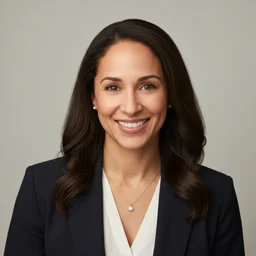
Licensed Counselor & Mental Health Certification Specialist
University of Texas at AustinDr. Angela Ross holds a PhD in Counseling Psychology from the University of Texas at Austin and is licensed as both a Professional Counselor (LPC) and Marriage and Family Therapist (LMFT). With 15 years of clinical and academic experience, she specializes in helping counseling graduates prepare for the NCE, NCMHCE, and state licensure examinations.
Join the Discussion
Connect with other students preparing for this exam. Share tips, ask questions, and get advice from people who have been there.
View discussion (8 replies)