
Naturalization N-400: Complete Study Guide 2026 September
🗨️ Boost your application for naturalization exam score with practice questions and detailed answer explanations. Track your progress with instant feedback.

The N-400 is the form you'll use to apply for U.S. citizenship through naturalization—and it's more than just paperwork. It's the gateway to the rights and responsibilities that come with being an American citizen. Whether you've been a green card holder for three years (married to a U.S. citizen) or five years (all other eligible residents), understanding what this application involves can make the whole process far less stressful.
Let's break down what the N-400 application actually covers, what you need to prepare, and how to study for the civics interview that comes along with it.
What Is Naturalization?
Naturalization is the legal process by which a non-citizen voluntarily becomes a citizen of the United States. Once naturalized, you get the same rights as someone born in the U.S.—including the right to vote, the right to obtain a U.S. passport, and the ability to petition for family members to immigrate.
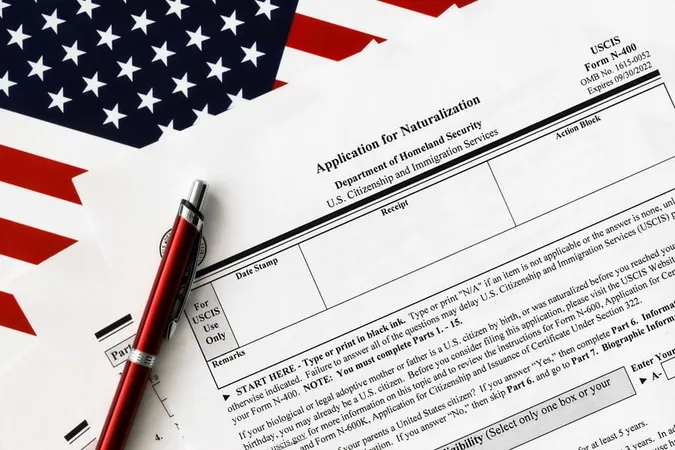
The N-400, officially titled "Application for Naturalization," is the form USCIS uses to evaluate your eligibility. It covers your personal history, immigration history, time in the U.S., and your understanding of English and civics.
Basic Eligibility Requirements
You generally need to meet these criteria before filing:
- Age: You must be at least 18 years old at the time of filing.
- Lawful Permanent Resident (LPR) status: You need a green card. You can't file as a temporary visa holder.
- Residency duration: Five years as a permanent resident (or three years if you've been married to and living with a U.S. citizen during that period).
- Continuous residence: You shouldn't have had any single trip outside the U.S. that lasted more than six months. Extended absences can break your "continuous residence," which restarts the clock.
- Physical presence: At least 30 months out of the last 60 months must have been spent physically inside the U.S.
- Good moral character: USCIS looks at your criminal history, tax filings, and other behaviors over the statutory period.
- English proficiency: You need to read, write, and speak basic English (with some age/disability exceptions).
- Civics knowledge: You must pass a civics test covering U.S. history and government.
Filing the N-400: What to Expect
The application itself is detailed—it runs about 20 pages and asks everything from your work history to whether you've ever been a member of a totalitarian organization. Honest, complete answers are critical. USCIS cross-references your responses with immigration databases, tax records, and law enforcement files.
You can file online through your USCIS account or by mailing a paper form to the appropriate USCIS service center. After filing, you'll receive a receipt notice, then a biometrics appointment, then your interview date. The interview is where everything comes together: the officer reviews your application, tests your English, and administers the civics exam.
The Civics Test Explained
The standard civics test consists of 100 possible questions about U.S. history and government. At your interview, the officer picks 10 of those 100 questions—and you need to answer at least 6 correctly to pass. If you're 65 or older and have been a permanent resident for 20+ years, you only need to study 20 of the 100 questions (marked with an asterisk).
Topics covered include:
- American government (three branches, powers of Congress, the president's role)
- U.S. history (colonial era, Civil War, 20th-century events)
- Integrated civics (state capitals, holidays, national symbols)
The questions aren't trick questions—they're straightforward. But you do need to memorize specific answers. For example, "What are the two major political parties in the United States?" has one correct answer: Democratic and Republican. Paraphrasing won't work here.
Most applicants spend four to eight weeks studying. Flashcards, study apps, and timed practice quizzes are particularly effective because they mimic the pressure of being asked questions aloud.
English Proficiency Requirement
You'll be tested informally throughout the entire interview—not just on a designated test section. The officer observes whether you understand questions, respond appropriately, and can write a simple sentence in English. It's conversational, not academic. If you're nervous about this, practicing everyday English phrases and reading USCIS materials aloud can help you feel more prepared.
Exceptions to the English requirement apply if you're over 50 with 20 years as a permanent resident, or over 55 with 15 years as a permanent resident. These applicants may take the civics test in their native language (with an interpreter) but still must pass the civics portion.
Processing Time and What Happens After Filing
N-400 processing time varies significantly by field office. Nationally, it's averaged anywhere from 8 to 24+ months in recent years, though some field offices process cases faster. You can check your case status online using your receipt number.
After your interview, if approved, you'll receive a notice for your oath ceremony. At the ceremony, you swear the Oath of Allegiance—and at that moment, you become a U.S. citizen. Your green card is collected, and you receive your Certificate of Naturalization. You can then apply for a U.S. passport.
Common Mistakes That Delay or Derail Applications
Several issues cause applications to be denied or significantly delayed:
- Missing supporting documents: Marriage certificates, divorce decrees, travel records, tax returns—you need certified copies, not originals.
- Undisclosed trips abroad: Even short trips matter if they add up. Calculate your days carefully.
- Inconsistencies in your application: If your answers don't match your immigration records, the officer will ask about it. Discrepancies raise red flags.
- Outstanding tax issues: Unpaid taxes or unfiled returns can affect your good moral character determination.
- Criminal history: Even minor convictions must be disclosed. Failing to disclose is worse than the underlying offense in most cases.
How to Study for the N-400 Civics Test
Effective civics test prep doesn't have to be dull. Here's a plan that works for most applicants:
Week 1-2: Read through all 100 questions and answers once. Don't try to memorize yet—just familiarize yourself with what's there. Notice which categories (government structure, founders, amendments) appear most frequently.
Week 3-4: Start active recall. Cover the answer and try to say it out loud before checking. Group questions by theme so connections form naturally—knowing that the Constitution defines the three branches helps you answer multiple questions at once.
Week 5-6: Take timed practice quizzes. Simulate the interview—have someone ask you 10 random questions and answer verbally. This builds the specific muscle memory you need for the actual test environment.
One often-overlooked tip: pay attention to questions where multiple answers are acceptable (like the freedoms guaranteed by the First Amendment) versus questions where only one answer works. Knowing the difference prevents careless errors under pressure.
Practice tests modeled on the USCIS format are one of the best tools available. They let you identify weak spots quickly—and focus your study time where it counts most.
Documents You'll Need to Gather
Preparing your document package early saves a lot of headaches later. Here's what most applicants need:
- Copy of your green card (front and back)
- Passport photos (standard 2x2 inch)
- Tax transcripts or returns for the past 3-5 years
- Travel history records (dates, destinations, duration)
- Marriage certificate (if applying based on marriage to a U.S. citizen)
- Divorce decrees for any prior marriages
- Court records for any criminal history
- Selective service registration (for male applicants who registered)
USCIS provides a full document checklist in the N-400 instructions, which are updated periodically. Always use the most current version of the form—submissions on outdated form versions get rejected.
The Biometrics Appointment
After your application is accepted, USCIS sends you to an Application Support Center (ASC) for biometrics—fingerprints, photo, and signature. This appointment usually takes less than 30 minutes. Your fingerprints are run through FBI databases to check for criminal history. Bring your appointment notice and a valid photo ID.
What Happens at the Interview
The naturalization interview typically lasts 20-30 minutes. The officer will:
- Place you under oath
- Review your N-400 answers line by line
- Ask follow-up questions about your application or background
- Test your English (reading and writing a simple sentence)
- Administer the civics test (10 questions, must get 6 right)
If you pass everything that day, you may receive a decision at the interview. Some cases require additional review, in which case you'll get a written decision by mail. If you fail the civics test (but pass everything else), you get one more chance—a second test within 60-90 days.
Bring the original documents for anything you submitted copies of. The officer may want to see them.
After Approval: The Oath Ceremony
The Oath of Allegiance is the final step. Ceremonies are held at federal courthouses or USCIS field offices—some are small group ceremonies, others are large events with hundreds of participants. You'll formally renounce allegiance to your former country and pledge allegiance to the United States.
Bring your appointment notice and green card to the ceremony. You'll surrender your green card there and receive your Certificate of Naturalization, which is your primary proof of citizenship. Keep it somewhere safe—replacing it is a lengthy process.
Within a week or two after the ceremony, you can apply for a U.S. passport and update your records (Social Security Administration, bank accounts, voter registration). As a new citizen, you're now eligible to vote in all federal, state, and local elections—which is one of the most significant rights naturalization confers.

- +Validates your knowledge and skills objectively
- +Increases job market competitiveness
- +Provides structured learning goals
- +Networking opportunities with other certified professionals
- −Study materials can be expensive
- −Exam anxiety can affect performance
- −Requires dedicated preparation time
- −Retake fees apply if you don't pass




Tips for a Smooth N-400 Process
Beyond studying the civics questions, a few practical steps can make the difference between a smooth application and a frustrating delay.
Keep a travel log. Start recording every trip you take outside the U.S. now—destinations, departure dates, return dates. USCIS asks for trips going back years, and it's easy to forget shorter trips. Your passport stamps help, but passports don't always capture every crossing.
File taxes every year. Even if you don't owe anything, filing demonstrates good moral character and creates a paper trail. If you've missed years, talk to a tax professional about filing late returns before you submit your N-400.
Don't wait until the last minute to gather documents. Some records—like foreign birth certificates or court documents—can take weeks or months to obtain. Start collecting them three to six months before you plan to file.
Practice the civics test out loud. Reading the answers silently is very different from saying them to an officer who's watching you. Verbal rehearsal builds confidence and helps you recall answers under mild stress.
Use practice quizzes regularly. Our N-400 application for naturalization practice tests are structured to mirror the actual USCIS civics exam—10 questions per session, randomized from the full 100-question pool. Regular sessions of 10-15 minutes are more effective than marathon cramming the night before.
The naturalization process can feel bureaucratic and slow, but tens of thousands of people complete it successfully every month. Preparation—for both the paperwork and the civics test—is what separates applicants who pass on the first try from those who face setbacks. Start early, be thorough, and use every study tool available to you.
N-400 Study Tips
What's the best study strategy for N-400?
Focus on weak areas first. Use practice tests to identify gaps, then study those topics intensively.
How far in advance should I start studying?
Most successful candidates begin 4-8 weeks before the exam. Create a structured study schedule.
Should I retake practice tests?
Yes! Take each practice test 2-3 times. Focus on understanding why answers are correct, not memorizing.
What should I do on exam day?
Arrive 30 min early, bring required ID, read questions carefully, flag difficult ones, and review before submitting.
About the Author

Educational Psychologist & Academic Test Preparation Expert
Columbia University Teachers CollegeDr. Lisa Patel holds a Doctorate in Education from Columbia University Teachers College and has spent 17 years researching standardized test design and academic assessment. She has developed preparation programs for SAT, ACT, GRE, LSAT, UCAT, and numerous professional licensing exams, helping students of all backgrounds achieve their target scores.
Join the Discussion
Connect with other students preparing for this exam. Share tips, ask questions, and get advice from people who have been there.
View discussion (9 replies)