
N-400 Traffic Citation: What You Must Disclose 2026 September
Pass your n-400 traffic citation exam on the first attempt. 💡 Practice questions with detailed answer explanations and instant scoring for the 2026 September exam.

Do Traffic Tickets Affect Your N-400 Application?
This is one of the most common questions applicants have about the N-400 — and one of the most misunderstood. The short answer: most minor traffic citations won't disqualify you from naturalization, but you need to understand exactly what USCIS requires you to disclose and why getting this wrong can cause serious problems.
The N-400 asks about your good moral character over the statutory period — typically the five years before filing, or three years if you're married to a U.S. citizen. Traffic citations are part of that picture. The question isn't whether a ticket was minor — it's whether you were ever arrested, cited, charged, or convicted of a crime, including traffic-related offenses.
What the N-400 Actually Asks
The N-400 good moral character section includes this question: Have you EVER been cited, arrested, charged, or detained by any law enforcement officer (including any immigration official or any official of the U.S. Armed Forces) for any reason?
The word ever is significant. It's not limited to the statutory period. It applies to your entire life. Many applicants misread this question or assume it only covers serious crimes. It doesn't.
There are also specific questions about whether you've been cited or charged with any crime, including minor violations. These questions are designed to capture the full picture of your interaction with law enforcement — not just convictions, not just arrests, but citations too.
Which Traffic Citations Must Be Disclosed
Here's where it gets more nuanced. USCIS has provided guidance that minor traffic infractions — like speeding tickets that resulted only in a fine and no court appearance, or parking violations — generally don't need to be listed. The key distinction is between infractions and misdemeanors or violations that required a court appearance.
That said, the safest practice — and what most immigration attorneys recommend — is to disclose everything and let USCIS decide what's relevant. The risk of non-disclosure is far greater than the risk of disclosing a minor ticket. If USCIS finds a citation you didn't list, even an innocent parking ticket, it can raise questions about your candor — and candor is itself a good moral character issue.
Definitively disclose: any traffic offense that resulted in an arrest, any DUI or DWI, any reckless driving charge, any offense that required a court appearance, any offense where you paid a fine through the court (not just mailed a check to the DMV), and any offense that resulted in a license suspension or revocation.
DUI and DWI: A Separate Category Entirely
If you've had a DUI or DWI, that's not a simple traffic citation situation. A single DUI can be a conditional bar to good moral character during the statutory period, and multiple DUIs can permanently affect your ability to naturalize. This is an area where you should speak with an immigration attorney before filing your N-400 — not after. The timing and circumstances of the offense matter significantly for the waiver analysis.
Key Takeaway: N-400 certification demonstrates expertise in this field. Most candidates spend 4-8 weeks preparing with practice tests before taking the exam.
What USCIS Checks During N-400 Processing
When you file the N-400, USCIS runs background checks through multiple databases: the FBI's criminal history database, the DHS Automated Biometric Identification System (IDENT), and state criminal records. These checks pull a broad range of records — not just federal felonies, but state-level misdemeanors, court records, and in many cases, traffic court records for more serious violations.
USCIS also cross-references your answers against what their checks reveal. If you said no to a disclosure question and the background check shows an arrest or citation, that inconsistency must be addressed at your interview. An officer will ask about it directly. Explaining that you forgot about a 10-year-old traffic ticket is different from explaining why you answered no to a question that clearly covers citations.
The immigration officer who interviews you has discretion to evaluate your candor as a good moral character factor. Applicants who appear to have answered questions strategically — rather than honestly — face additional scrutiny.
How to Handle Past Traffic Citations on the N-400
Pull your driving record from your state DMV before you file. This gives you a concrete document showing your history rather than relying on memory. If you've lived in multiple states, pull records from each. Your driving record will show citations, dispositions, and any license actions — exactly what you need to answer the N-400 questions accurately.
For each citation or arrest on your record, note: the date, the charge, what happened (fine paid, court appearance, conviction, dismissal), and whether it resulted in any other consequence. Organize this list before completing the N-400 so you're not guessing while filling out the form.
If you have records you can't fully reconstruct — older citations where the court no longer has records, for example — document your attempts to obtain the records and bring that documentation to your interview. USCIS recognizes that old records aren't always available. What they don't accept is a pattern of omission.
What Happens at the N-400 Interview if You Have Traffic Citations
If you've disclosed traffic citations properly, the interview process is typically straightforward for minor violations. The officer reviews what you listed, may ask briefly about the circumstances, and moves on. The disclosure itself demonstrates the honesty that good moral character requires.
If you have more serious traffic-related history — a DUI, reckless driving with injury, vehicular manslaughter — expect more detailed questioning and potentially a request for additional documentation: court records, disposition papers, proof of completed probation or sentence. Bring these to your interview even if not specifically requested.
The LASD officer's job at the N-400 interview isn't to find reasons to deny you — it's to evaluate whether you meet the good moral character standard. Most applicants with minor traffic histories meet that standard easily when they've been forthcoming.
Traffic Citations and the Good Moral Character Standard
Good moral character under immigration law is evaluated holistically. A few speeding tickets over five years don't establish bad moral character. What can establish it is a pattern — habitual disregard for traffic laws resulting in serious incidents, multiple DUI arrests, or falsification of your application about your traffic history.
Minor citations paid and forgotten, when properly disclosed, are essentially irrelevant to the naturalization analysis. What matters is honesty. USCIS is evaluating whether you're the kind of person who follows rules, tells the truth, and takes civic responsibility seriously. Disclosing a decade-old traffic ticket actually demonstrates those qualities — because you could have omitted it and didn't.

N-400: Pros and Cons
- +N-400 credential is recognized by employers and industry professionals
- +Higher earning potential compared to non-credentialed peers
- +Expanded career opportunities and professional advancement
- +Structured learning path builds comprehensive knowledge
- +Professional development that stays current with industry standards
- −Preparation requires significant time and study commitment
- −Associated costs for exams, materials, and renewal fees
- −Continuing education needed to maintain credentials
- −Competition for advanced positions can be challenging
- −Requirements and standards may vary by state or region

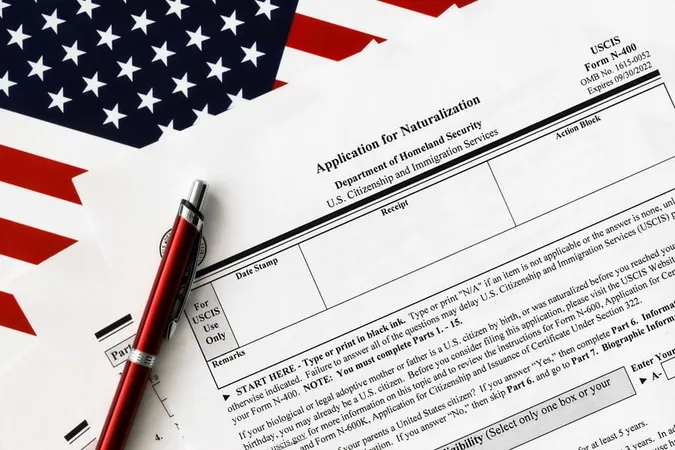



The Bottom Line on Traffic Citations and Your N-400
Don't let confusion about traffic citation disclosure cause you to make a mistake that's harder to fix than the original citation. The rules are actually straightforward once you understand them: disclose citations that involved law enforcement contact beyond a simple mail-in fine, pull your driving record to verify your history, and be honest at your interview.
If you have anything in your traffic history that's more serious than a standard speeding ticket — especially any alcohol-related offense — get an immigration attorney's opinion before filing. The cost of a consultation is trivial compared to the cost of a denied application or a waiver process that could take years.
For most applicants, this is a non-issue. A few traffic tickets properly disclosed, an honest interview, and your good moral character is established. Focus your prep energy on the civics test, get your documentation organized, and file when you're ready.
About the Author

Educational Psychologist & Academic Test Preparation Expert
Columbia University Teachers CollegeDr. Lisa Patel holds a Doctorate in Education from Columbia University Teachers College and has spent 17 years researching standardized test design and academic assessment. She has developed preparation programs for SAT, ACT, GRE, LSAT, UCAT, and numerous professional licensing exams, helping students of all backgrounds achieve their target scores.
Join the Discussion
Connect with other students preparing for this exam. Share tips, ask questions, and get advice from people who have been there.
View discussion (9 replies)