
N-400 Processing Time Atlanta: What to Expect in 2026 September
📗 Prepare for the application for naturalization certification. Practice questions covering all exam domains with explanations and instant feedback.

N-400 Processing Time in Atlanta: Current Estimates
If you filed your N-400 Application for Naturalization and your case is assigned to the Atlanta Field Office, you're probably watching your processing timeline closely. Processing times for naturalization applications vary significantly by field office, and Atlanta has historically ranged from 8 to 18 months depending on application volume, staffing, and interview scheduling backlogs.
The most current processing time data is available directly from USCIS's case processing times page (uscis.gov/processing-times). USCIS updates this page monthly, and the Atlanta Field Office's times are listed separately from the national average. The figures you find there represent the time within which USCIS has completed 80% of cases — meaning some cases finish faster and some take longer.
As of 2025, many major field offices including Atlanta are processing N-400s in the 12–18 month range, though some applicants with straightforward cases have reported shorter timelines. Interview scheduling is typically the longest part of the process after filing, and Atlanta's interview availability depends heavily on current demand and staffing levels at that office.
Factors That Affect Your Atlanta N-400 Processing Time
Not all N-400 applications move through USCIS at the same pace. Several factors influence how quickly your case progresses:
Application completeness: Incomplete applications or missing supporting documents are one of the biggest causes of delay. USCIS will issue a Request for Evidence (RFE) if your application is missing required documentation, which can add months to your timeline. A careful, complete initial filing is the best thing you can do to protect your timeline.
Background check clearance: All naturalization applicants undergo FBI background checks and database screenings. Most clear quickly, but some applicants experience security check holds that pause case processing for extended periods. USCIS doesn't always communicate clearly about security hold delays, which can make the wait confusing.
Interview scheduling: Interview slots at the Atlanta Field Office are limited by available officer time. High-demand periods — often after USCIS fee increases go into effect and application volume spikes, or after budget cycles affect staffing — can create backlogs that push interview dates months further out.
Case complexity: Applicants with criminal history (even minor traffic violations), prior immigration violations, extended absences from the US, or other flags in their record typically experience longer processing as officers gather additional information and conduct enhanced review.
Application category: Spouses of US citizens filing under the three-year continuous residence requirement have a separate processing track from standard five-year applicants, but processing time differences between the two are typically modest.
Understanding the processing time factors gives you realistic expectations and helps you identify whether your case is genuinely delayed or simply within normal range.
How to Check Your N-400 Case Status
You can track your N-400 case status online using the USCIS case status tool at uscis.gov. You'll need your receipt number, which is printed on the Form I-797 Notice of Action you received after USCIS accepted your application.
Common status messages you may see:
- Case Was Received: Your application arrived and was accepted. This is the starting point.
- Case Is Being Actively Reviewed: An officer has picked up your file. This doesn't mean a decision is imminent — review can take months.
- Appointment Notice Was Mailed: USCIS has scheduled your biometrics or interview appointment. Check your mail and USCIS online account immediately.
- Case Was Approved: Your naturalization has been approved. You'll receive a notice for your oath ceremony.
- Case Was Denied: Your application was denied. The notice will explain why and outline appeal options.
USCIS also has a myUSCIS online account system where you can receive electronic notifications and view case updates. If you haven't already set up an account linked to your receipt number, doing so gives you faster notification than waiting for paper mail.
What to Do If Your Atlanta Case Seems Stuck
If your case has been pending significantly longer than the published processing time for the Atlanta Field Office, you have options:
Submit a case inquiry: USCIS allows you to submit an online inquiry (or call their contact center at 1-800-375-5283) if your case has exceeded the published processing time. USCIS typically responds within 30 days with an update. This doesn't automatically move your case forward, but it creates a record and can sometimes prompt a review.
Submit an e-Request: Through your myUSCIS account, you can submit an e-Request for a status update. This is the official formal mechanism for asking USCIS to look into your case.
Congressional inquiry: Your US Congressional representative's office has a constituent services team that can submit an inquiry to USCIS on your behalf. This often gets more traction than individual applicant inquiries. Contact your representative's office, explain that you're a constituent with a pending immigration application, and ask about the congressional inquiry process.
Writ of mandamus: If your case has been pending for an extraordinarily long time — typically 2+ years with no explanation — some applicants pursue a writ of mandamus lawsuit in federal court to compel USCIS to adjudicate the case. This is a last resort and typically requires an immigration attorney.
The Atlanta Naturalization Interview
Once your Atlanta N-400 is approved for interview, you'll receive a notice with the date, time, and specific office location. The Atlanta Field Office is located at 2150 Parklake Drive NE, Atlanta, GA 30345. Bring your interview notice, your Green Card, a valid government-issued photo ID, your passport(s), and any original documents you submitted with your application (or originals of any copies you submitted).
The naturalization interview typically takes 30–60 minutes. A USCIS officer will verify your application information, ask questions about your background and answers on the N-400, administer the civics test (10 questions from a list of 100, with 6 correct answers required to pass), and conduct the English reading and writing portions of the test.
If you're well-prepared for the civics portion, the interview is usually straightforward. The questions come from the official USCIS civics question list, which is public and available to study in advance. There are no surprises on the test itself — the content is fully disclosed.
Some applicants are approved at the interview and proceed to the oath ceremony quickly. Others receive a status of "continued" if the officer needs additional documentation or time to review a complex issue. A continued case isn't a denial — it means the officer isn't ready to decide yet.
After Your Interview: The Oath Ceremony
If your Atlanta interview results in approval, you'll be scheduled for an oath ceremony. USCIS conducts both court ceremonies (at a federal courthouse, typically the largest ceremonies with dozens to hundreds of applicants) and administrative ceremonies (at the USCIS field office). In Atlanta, both types occur.
The wait between interview approval and oath ceremony ranges from a few weeks to a few months depending on ceremony scheduling. Administrative ceremonies at the field office tend to happen faster than court ceremonies, which require coordination with the court's schedule.
At the oath ceremony, you'll take the Oath of Allegiance, surrender your Green Card, and receive your Certificate of Naturalization — the document that officially makes you a US citizen. Keep this document in a safe place. You'll need it to apply for a US passport and to prove your citizenship status.
While you're waiting for your N-400 to process, preparing thoroughly for the civics test is one of the most productive ways to use that time. Working through uscis naturalization practice materials, reviewing US history and government, and practicing the civics questions means you'll walk into the interview confident rather than anxious.

- +Validates your knowledge and skills objectively
- +Increases job market competitiveness
- +Provides structured learning goals
- +Networking opportunities with other certified professionals
- −Study materials can be expensive
- −Exam anxiety can affect performance
- −Requires dedicated preparation time
- −Retake fees apply if you don't pass

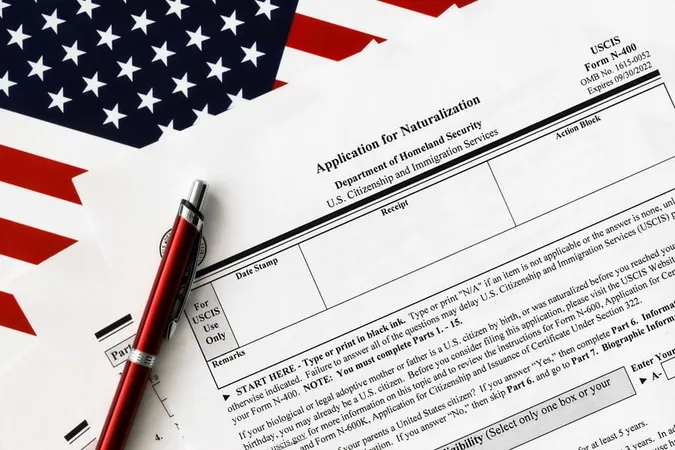



Preparing for the Civics Test While You Wait
The civics test is one component of the naturalization interview that you can completely control — and that's genuinely good news. The 100 civics questions are published by USCIS and available for free on their website. Every question on your interview will come from that list. No surprises, no trick questions.
Using the waiting period to master the civics material means you walk into your Atlanta interview having already eliminated one major variable. Officers notice prepared applicants. Confident, accurate answers to civics questions signal that you're genuinely invested in citizenship — not just checking a box.
The uscis form preparation doesn't end at filing. Between filing and interview, review your answers, keep supporting documents organized, and stay current on any address or contact changes (which must be reported to USCIS). An interview officer may ask about anything on your application, so knowing what you submitted matters.
For applicants worried about the English language requirement, the reading and writing portions of the test are basic — single sentences drawn from a list of vocabulary words USCIS publishes in advance. Practicing those specific vocabulary words is efficient targeted preparation. Many free study apps and flashcard sets are built specifically from the USCIS civics and English vocabulary lists.
The path to US citizenship is long, but the steps are clear. Atlanta processing times are real and sometimes frustrating — but for most applicants who file complete, accurate applications and prepare for the interview, the outcome is approval. Patience, preparation, and good documentation are the three things most within your control throughout this process.
N-400 Study Tips
What's the best study strategy for N-400?
Focus on weak areas first. Use practice tests to identify gaps, then study those topics intensively.
How far in advance should I start studying?
Most successful candidates begin 4-8 weeks before the exam. Create a structured study schedule.
Should I retake practice tests?
Yes! Take each practice test 2-3 times. Focus on understanding why answers are correct, not memorizing.
What should I do on exam day?
Arrive 30 min early, bring required ID, read questions carefully, flag difficult ones, and review before submitting.
About the Author

Educational Psychologist & Academic Test Preparation Expert
Columbia University Teachers CollegeDr. Lisa Patel holds a Doctorate in Education from Columbia University Teachers College and has spent 17 years researching standardized test design and academic assessment. She has developed preparation programs for SAT, ACT, GRE, LSAT, UCAT, and numerous professional licensing exams, helping students of all backgrounds achieve their target scores.
Join the Discussion
Connect with other students preparing for this exam. Share tips, ask questions, and get advice from people who have been there.
View discussion (9 replies)