
N-400 Interview Questions: What to Expect at Your Naturalization Interview
Boost your n-400 interview questions exam score with practice questions and detailed answer explanations. 🗨️ Track your progress with instant feedback.

The N-400 naturalization interview is one of the final steps in the process of becoming a US citizen. After submitting the N-400 application and completing biometrics, applicants wait for a USCIS interview notice that schedules their appointment at the local USCIS field office. At the interview, a USCIS officer evaluates whether the applicant meets the requirements for naturalization — including physical presence, continuous residence, good moral character, English language ability, and knowledge of US history and civics — through direct examination of the application and testing.
Preparation for the N-400 interview is important because the interview covers your personal history, legal history, and knowledge of the United States in a formal, recorded examination setting. The interview is conducted under oath — the officer administers an oath before beginning, and your answers are legally sworn statements. Providing false or inaccurate answers during the interview, even if the information in the application itself was accurate, constitutes a serious legal violation. Knowing what to expect from the interview, practicing your responses to common questions, and reviewing your N-400 application thoroughly before the appointment all contribute to a successful outcome.
The tone of a USCIS naturalization interview is formal but not adversarial in most cases. Officers are trained to conduct the interview professionally and to give applicants an opportunity to clarify answers or correct misunderstandings. Most applicants who have prepared thoroughly, answered honestly, and meet the eligibility requirements find the interview to be a manageable experience.
Applicants who arrive with unrealistic expectations — either expecting the interview to be casual and informal or expecting it to be an intimidating interrogation — often feel more anxious than those who understand what the interview actually involves and approach it with appropriate preparation and composure.
Applicants who are not yet fully prepared for the English or civics test components of the interview may request a continuance — a delay of the interview to allow additional time for preparation. However, continuances add significant time to the naturalization process and should only be requested when genuinely necessary.
Most applicants who have diligently prepared using the official USCIS civics study materials and have practiced speaking, reading, and writing in English find the language and civics components of the interview to be achievable. Requesting a continuance is a formal step with procedural implications and should not be used simply because the applicant is nervous — nervousness is normal and manageable with practice.
One aspect of the interview that surprises many applicants is that the officer conducts a thorough review of your entire N-400 application, not just the civics and English tests. The interview is conducted under oath, meaning all your responses are sworn statements. Officers have access to your complete immigration file, including your original visa petitions, prior removal proceedings if any, and all information you submitted with the N-400. Being thoroughly familiar with every answer you provided on the application — especially Part 12 regarding good moral character — is as important as knowing the civics answers.
The location of your interview is determined by the USCIS field office that has jurisdiction over your home address. Processing times and interview scheduling vary significantly by field office. Some offices are scheduling interviews within six months of filing, while others are taking over a year. You can check current processing times on the USCIS website using your receipt notice number. Once your interview is scheduled, you will receive an interview notice (Form I-797C) by mail, which specifies the date, time, and location of your appointment and lists exactly which documents to bring.

A significant portion of the N-400 interview consists of the officer going through your completed N-400 application with you section by section. The officer reads or paraphrases the questions from each section of the form and asks you to confirm that your answers are accurate. This process serves two purposes: it verifies the accuracy of the information in your application, and it serves as a practical test of your ability to understand and respond to questions in English.
Part 12 of the N-400 — the Good Moral Character section — contains questions that officers pay particular attention to during the interview. This section includes questions about criminal history, drug use, alcohol-related issues, immigration violations, prior removals from the US, affiliations with organizations, and other matters that could affect a naturalization applicant's good moral character determination. Officers are trained to ask follow-up questions when an applicant's answer to a good moral character question indicates potential issues, so applicants should be prepared to explain any yes answers in detail.
Common application review questions during the N-400 interview include confirmation of the applicant's name, address, date of birth, marital history, and employment. Officers also ask about travel outside the United States during the statutory period — specifically whether any single trip was 6 months or longer (which can affect continuous residence) and whether the total time outside the US was less than the required continuous presence threshold. Applicants should review their travel history carefully before the interview and be prepared to explain any trips that were close to the 6-month threshold.
If the officer finds a discrepancy between the application and the applicant's verbal answer during the interview — for example, if the applicant says they have never been arrested but a background check shows an arrest record — the officer will ask follow-up questions to resolve the discrepancy.
Minor clerical errors on the application (such as a wrong date for a trip) can typically be corrected during the interview through a verbal statement and annotation on the application. More substantive discrepancies may require additional documentation, further review, or both. Applicants should not panic if a discrepancy arises — the appropriate response is to honestly explain the situation and provide any clarifying information the officer requests.

The English language test is integrated into the N-400 naturalization interview in two ways. First, the interview itself serves as a practical test of the applicant's English speaking ability — by conducting the entire interview in English and expecting the applicant to answer questions in English, the officer evaluates whether the applicant can understand and respond to everyday English communications. Applicants who have significant difficulty understanding the officer's questions or who cannot respond in English will not pass the speaking component regardless of their performance on reading and writing.
The reading component of the English test requires the applicant to read one sentence from English text correctly. The officer presents three sentences and the applicant must read at least one correctly. The sentences used in the reading test are drawn from USCIS civics content and American history topics — similar to the content covered by the civics test. Applicants who can read simple English sentences clearly and accurately, even if not perfectly fluently, typically pass the reading component. Common practice for the reading test includes reading aloud from USCIS practice materials, civics flashcards, and simple newspaper or magazine articles.
The writing component of the English test requires the applicant to write one sentence in English correctly. The officer dictates three sentences (typically related to US history or civics content) and the applicant must write at least one correctly in English.
Correct writing for this purpose means the sentence is legible and the meaning is clear — minor spelling errors in non-essential words may not be disqualifying, but significant errors that make the sentence unclear or incorrect in meaning can result in a failed writing attempt. Practicing by having a study partner dictate sentences from USCIS practice materials is an effective preparation technique for the writing component.
Some applicants qualify for exemptions from the English language requirement. Applicants who are 50 years old or older and have been permanent residents for 20 years, or who are 55 or older and have been permanent residents for 15 years, are exempt from the English requirement and may take the civics test in their native language. These applicants must still demonstrate good moral character, meet all other naturalization requirements, and pass the civics test — but they can answer the n 400 citizenship questions through a qualified interpreter. This exemption is known colloquially as the 50/20 or 55/15 exception.
N-400 Study Tips
What's the best study strategy for N-400?
Focus on weak areas first. Use practice tests to identify gaps, then study those topics intensively.
How far in advance should I start studying?
Most successful candidates begin 4-8 weeks before the exam. Create a structured study schedule.
Should I retake practice tests?
Yes! Take each practice test 2-3 times. Focus on understanding why answers are correct, not memorizing.
What should I do on exam day?
Arrive 30 min early, bring required ID, read questions carefully, flag difficult ones, and review before submitting.
Using an interpreter at a naturalization interview is only appropriate if you qualify for an English language exemption (50/20 or 55/15 exception) or have a documented medical disability that affects language ability. Bringing a non-qualified interpreter or attempting to use a family member as an interpreter at a standard interview will not be accepted by USCIS and may cause delays. If you believe you qualify for an exemption, consult with an immigration attorney or accredited representative before your interview to confirm your eligibility and the correct procedure.
The civics test portion of the N-400 interview involves the officer asking the applicant up to 10 questions from the official USCIS list of 100 civics questions. The officer stops asking questions as soon as the applicant has answered 6 questions correctly — meaning an applicant who answers the first 6 questions correctly passes the civics test without being asked all 10 questions.
An applicant must answer at least 6 of the 10 questions asked correctly to pass. If the applicant answers fewer than 6 correctly, they fail the civics test and are given a second opportunity to take it at a re-examination appointment, typically within 60 to 90 days.
The 100 civics questions cover four broad categories: American Government (principles, system of government, rights and responsibilities), American History (colonial period and independence, the 1800s, recent American history and other important historical information), and Integrated Civics (geography, symbols, holidays). The specific questions in the USCIS list are publicly available on the USCIS website and should be studied using the official USCIS materials, which include the question, the official answer, and in some cases additional explanation. USCIS also provides free study resources including flashcards, practice tests, and instructional videos specifically designed for naturalization applicants.
Applicants who are 65 years old or older and have been lawful permanent residents for 20 or more years are eligible for the 65/20 exception, which allows them to take a shortened civics test of 20 questions — a subset of the full 100 — rather than the full question pool. This modification acknowledges that older applicants who have been long-term permanent residents may face greater difficulty studying the full 100-question list. Applicants who qualify for this exception should indicate this on their N-400 application and confirm the shortened test format with the USCIS office before their interview.
When you arrive for your interview, remember that the process is designed to verify your eligibility, not to intimidate you. Stay calm, answer each question honestly and directly, and trust your preparation. Thousands of applicants successfully complete their naturalization interviews every week.

N-400 Interview: At a Glance
| Section | Questions | Time | Notes |
|---|---|---|---|
| Application Review | Full N-400 | Under oath | Discrepancies reviewed |
| English Speaking | Ongoing | Throughout interview | Assessed by officer |
| English Reading | Up to 3 sentences | ~5 min | Pass 1 of 3 |
| English Writing | Up to 3 sentences | ~5 min | Pass 1 of 3 |
| Civics Test | 10 of 100 | ~10 min | Pass 6 of 10 |
| 55/15 Exemption | Native language OK | — | Age 55+, 15 yrs LPR |
| 50/20 Exemption | Native language OK | — | Age 50+, 20 yrs LPR |
Effective preparation for the N-400 interview begins with a thorough review of your completed application. Print out your N-400 and read every answer you provided. Officers ask questions directly from the form, and an applicant who hesitates or answers differently than what is written raises immediate concerns. Go through Part 12 (Good Moral Character) question by question and make sure you can explain each answer clearly and accurately. If you answered yes to any question, prepare a brief, honest explanation.
For the civics test, use the official USCIS study materials — the 100 Questions and Answers for the Civics Test. Focus first on questions about current elected officials (President, Vice President, your state's senators and governor) because these answers change and must reflect the situation at the time of your interview, not when you filed. Practice answering all 100 questions by having a family member or friend read them to you randomly, simulating what the officer will do. Flashcard apps and the USCIS practice tool online are both effective study aids.
For the English test, spend time reading the official USCIS reading vocabulary list aloud. Practice writing sentences that use words from the writing vocabulary list — your handwriting must be legible, and the sentence must convey the correct meaning even if minor spelling errors exist. USCIS officers generally accept answers that demonstrate comprehension even with minor imperfections. Speaking practice is best done by answering questions about your N-400 out loud in English every day in the weeks before your interview.
On interview day, arrive 15 to 20 minutes early and bring your interview notice, your green card (Form I-551), a government-issued photo ID, and your passport. Bring any documents relevant to answers on your application — marriage certificates, divorce decrees, tax records, court records for any arrests. Being well-prepared with organized documents demonstrates good faith and helps the interview proceed smoothly. Officers appreciate applicants who are honest, calm, and prepared — the goal of the interview is to confirm that you meet the requirements for citizenship, not to trick you.
Many applicants find it helpful to schedule a mock interview with a friend, family member, or immigration attorney before the real appointment. Have your practice partner read questions directly from the N-400 form and ask you to respond as if under oath. This exercise builds comfort with the formal setting and helps you identify any questions where your memory of your application answers is fuzzy. Some nonprofit immigration legal service organizations offer free or low-cost interview preparation clinics — check with your local community organizations well in advance.
If you have an attorney, confirm well before the interview date whether they will accompany you. Attorneys can observe, take notes, and advise you on questions that may have legal implications, but they cannot answer questions on your behalf. If you do not have an attorney and you have any complications on your application — criminal history, tax issues, membership in any organizations, or extensive travel outside the U.S. — consider at least a one-time legal consultation. A brief review by an experienced immigration attorney can identify issues before the officer does and help you prepare clear, accurate explanations.
- ✓Review your completed N-400 application carefully — know the answers you gave and be prepared to confirm or explain each one
- ✓Study all 100 USCIS civics questions and practice answering them aloud without looking at the answer list
- ✓Practice reading USCIS civics sentences aloud to prepare for the reading test component
- ✓Practice writing sentences dictated by a study partner to prepare for the writing test component
- ✓Review your travel history outside the US and be prepared to explain any trips near the 6-month threshold
- ✓Bring your interview notice, green card, government-issued photo ID, and any requested supporting documents
- ✓Arrive early to the USCIS field office — late arrivals may have their interview rescheduled
- ✓Answer all questions honestly — your responses are sworn statements under oath
- ✓If you do not understand a question, politely ask the officer to repeat or rephrase it
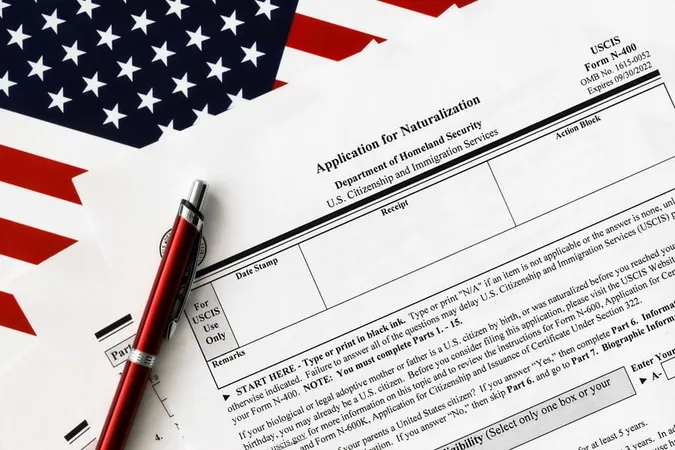



N-400: Pros and Cons
- +N-400 credential is recognized by employers and industry professionals
- +Higher earning potential compared to non-credentialed peers
- +Expanded career opportunities and professional advancement
- +Structured learning path builds comprehensive knowledge
- +Professional development that stays current with industry standards
- −Preparation requires significant time and study commitment
- −Associated costs for exams, materials, and renewal fees
- −Continuing education needed to maintain credentials
- −Competition for advanced positions can be challenging
- −Requirements and standards may vary by state or region
N-400 Questions and Answers
About the Author

Educational Psychologist & Academic Test Preparation Expert
Columbia University Teachers CollegeDr. Lisa Patel holds a Doctorate in Education from Columbia University Teachers College and has spent 17 years researching standardized test design and academic assessment. She has developed preparation programs for SAT, ACT, GRE, LSAT, UCAT, and numerous professional licensing exams, helping students of all backgrounds achieve their target scores.
Join the Discussion
Connect with other students preparing for this exam. Share tips, ask questions, and get advice from people who have been there.
View discussion (9 replies)