
OMNY MTA: How the Tap-to-Pay System Works on New York City Transit
Learn how OMNY MTA works, accepted cards, fare capping, accessibility, and what it means for transit riders and MTA careers. 🟢
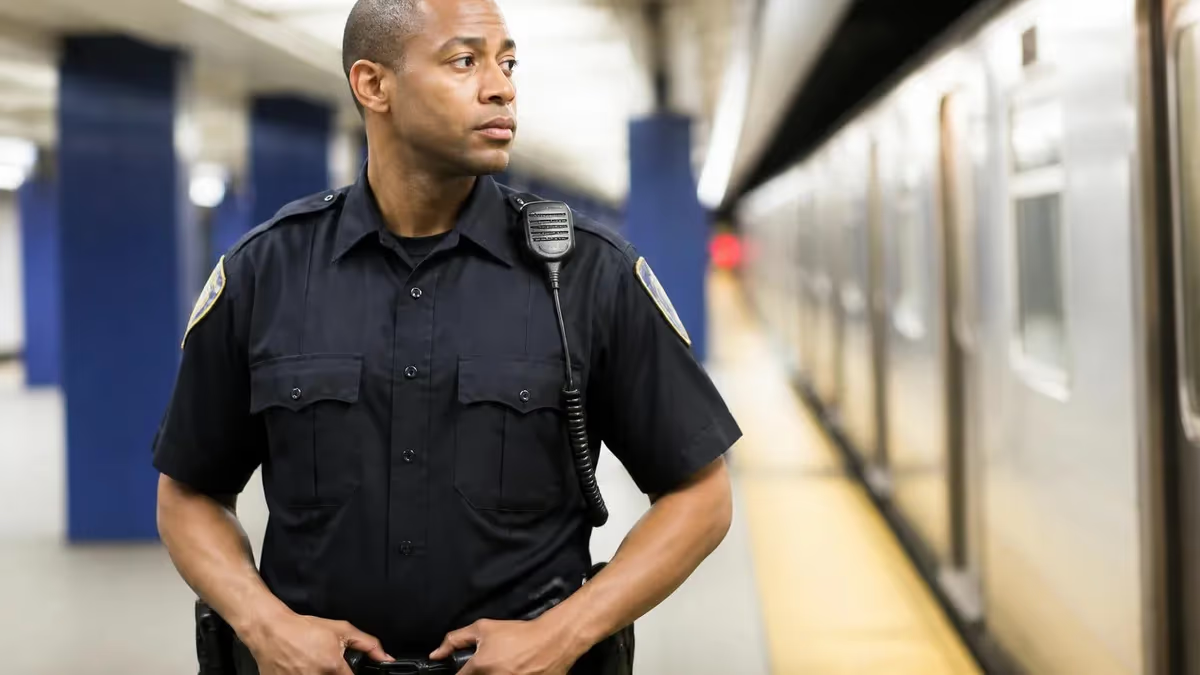
The OMNY MTA fare payment system has transformed how millions of New York City transit riders pay for subway and bus rides. OMNY — which stands for One Metro New York — is a contactless, tap-to-pay platform that replaced the aging MetroCard infrastructure across the entire MTA network.
Instead of swiping a magnetic stripe card, riders simply tap a contactless credit card, debit card, smartphone, or smartwatch against an OMNY reader to pay their fare in under a second. The rollout, which began in 2019 and reached full systemwide deployment by 2023, represents one of the largest modernizations in the MTA's 100-year history.
Understanding how OMNY works matters whether you are a daily commuter, an occasional visitor, or someone exploring omny mta employment opportunities within the transit authority itself. The system affects every aspect of the transit experience — from how fares are collected at turnstiles to how MTA Police officers enforce fare evasion rules on platforms and buses. Transit enforcement personnel must understand the technology to recognize valid payment attempts, distinguish genuine malfunctions from evasion, and interact appropriately with riders who are unfamiliar with contactless payment methods.
OMNY uses Near Field Communication (NFC) technology, the same protocol that powers Apple Pay, Google Pay, and Samsung Pay. When a rider holds a compatible device or card within about an inch of the OMNY reader, the reader establishes a secure, encrypted connection, deducts the correct fare, and signals approval with a green light and a beep — typically in under 500 milliseconds. No account is required for a basic tap, making it immediately accessible to anyone who carries a contactless-enabled payment card, which now includes the vast majority of credit and debit cards issued in the United States.
For riders who want to unlock additional benefits — primarily the weekly fare cap — OMNY does offer a free account at omny.info. Once registered, the system tracks cumulative spending and automatically caps fares at the weekly unlimited threshold, currently set to mirror the cost of a 7-day unlimited MetroCard. This means frequent riders receive the same financial benefit as unlimited card holders without purchasing a separate transit card. Visiting tourists and infrequent riders can tap without an account and still get the correct base fare deducted automatically, which simplifies the payment experience considerably.
The physical OMNY readers are installed at every subway station turnstile, at Select Bus Service fare machines, and on buses throughout the five boroughs and connecting MTA services. Each reader displays a distinctive circular wave symbol — the universal contactless payment logo — so riders can identify valid tap points immediately.
The readers also work with OMNY cards, which are physical contactless cards issued by the MTA for riders who do not have a bank-issued contactless card or prefer a dedicated transit payment device. OMNY cards can be purchased at station vending machines and reloaded online, by phone, or at retail partners.
The transition away from MetroCards has significant operational implications for the MTA as an organization. The agency's fare collection workforce, technology teams, and police department all interact with OMNY daily.
Officers assigned to fare enforcement must be familiar with the visual indicators on OMNY readers — green versus red lights, error codes displayed on screens — so they can accurately assess whether a rider has successfully paid or is attempting to enter without payment. The stakes are meaningful: fare evasion costs the MTA hundreds of millions of dollars annually, and accurate enforcement depends on officers understanding the technology they are overseeing.
Beyond individual rides, OMNY is part of a broader MTA strategy to modernize infrastructure and improve data collection. Because every tap generates a timestamped, anonymized transaction record, the MTA can now study ridership patterns with far greater precision than the old MetroCard system allowed. These insights inform service planning decisions, staffing allocations, and capital investment priorities across the subway, bus, and commuter rail networks. As the MTA continues evolving, OMNY will remain central to how the agency understands, manages, and improves New York City's vast public transportation system.
OMNY MTA by the Numbers
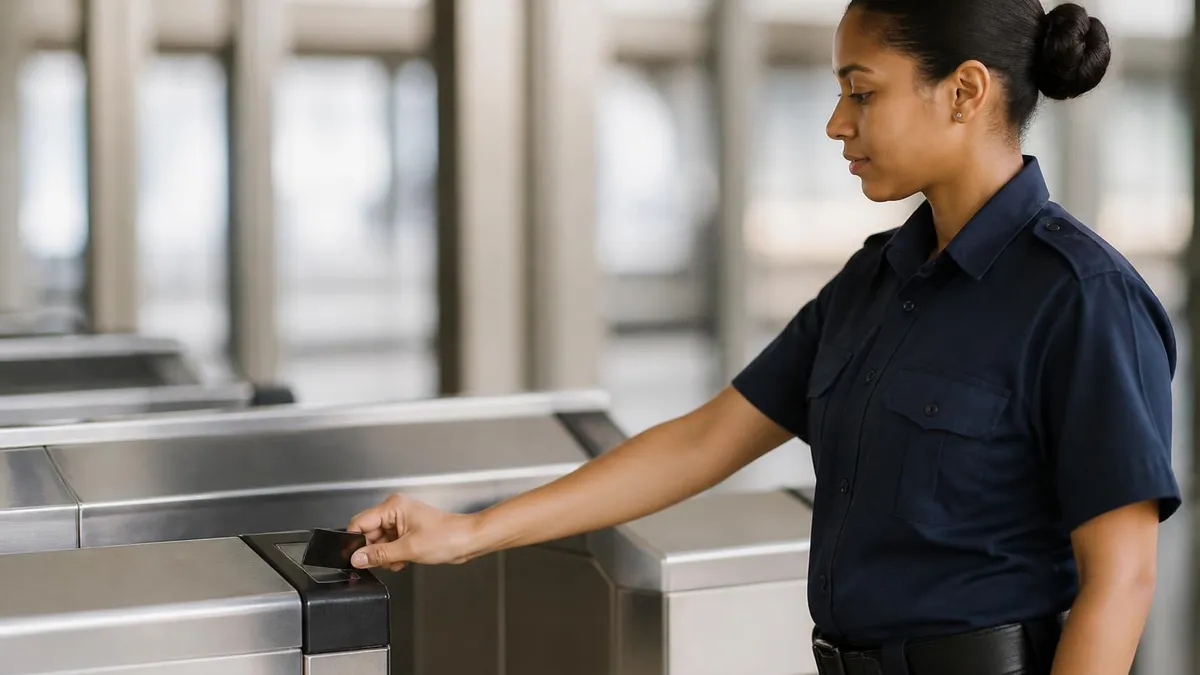
How OMNY Works: Step-by-Step Payment Process
Check your credit card, debit card, or mobile wallet for the contactless wave symbol (four curved lines). Most cards issued after 2019 in the US support NFC payments. iPhones with Apple Pay and Android devices with Google Pay are also compatible.
OMNY readers are mounted on every subway turnstile and bus farebox. Look for the circular OMNY logo with the wave symbol. The reader screen displays 'Tap to Pay' when ready to accept payment from any contactless-enabled device or card.
Hold your card or device within one inch of the reader for half a second. A green light plus a single beep means successful payment. A red light or buzzer means the tap failed — check your card's contactless capability or try again without rotating the card.
Visit omny.info or download the OMNY app to register your payment method. Once linked, the system automatically tracks your weekly spending and caps fares at the unlimited threshold, giving frequent riders the same savings as a 7-day MetroCard.
OMNY provides free bus-to-subway and subway-to-bus transfers within two hours of your first tap. Registered account holders can view their full transaction history, dispute charges, and download monthly statements for expense reporting purposes.
One of OMNY's most rider-friendly features is its automatic fare capping system, which eliminates the need to purchase a specific unlimited pass in advance. Under the capping model, every tap deducts the standard base fare — currently $2.90 per ride — and the system tracks cumulative spending within a Monday-through-Sunday calendar week. Once a rider reaches the equivalent of 12 paid fares in a single week, every subsequent ride within that week is free. This mirrors the cost structure of the old 7-day unlimited MetroCard without requiring riders to commit money upfront or predict how many trips they will take.
The weekly cap resets every Monday at midnight, which is important for riders to understand. A rider who reaches the cap on Thursday enjoys free rides Friday, Saturday, and Sunday — but beginning Monday, the counter resets and full fares resume. This reset cycle incentivizes regular commuters to maintain consistent habits within a calendar week rather than trying to optimize around trip counts. The MTA designed this reset schedule to mirror payroll and work-week patterns that most New Yorkers already organize their lives around, making the cap feel intuitive rather than confusing.
Transfer rules under OMNY are also more generous in practice than many riders realize. When you tap into the subway or board a bus, a two-hour transfer window opens automatically. Any subsequent bus or subway boarding within that window using the same payment method costs nothing beyond your initial fare.
This means a rider who taps into a subway, rides two stops, exits, and then boards a connecting bus within two hours pays only one fare total. The transfer benefit applies to unlimited combinations of buses and subways within the window, making OMNY particularly valuable for riders who chain multiple vehicles for a single trip.
For riders who do not have or cannot use a bank-issued contactless card, the MTA offers dedicated OMNY cards — physical contactless smartcards that function identically to a bank card at any reader. OMNY cards can be purchased at station MetroCard machines (now being rebranded as OMNY machines) for a one-time card fee of $1.00, similar to the old MetroCard surcharge.
Riders load value onto the card at machines, online, or through the OMNY app, and the card participates fully in fare capping when registered to a free OMNY account. This ensures that riders who prefer cash or who lack bank accounts are not excluded from the modern fare system.
Children under 44 inches tall ride free on the subway and local buses regardless of payment method — they do not need to tap at all. Seniors aged 65 and older and riders with qualifying disabilities receive reduced fares through the MTA's Fair Fares and Access-A-Ride programs, which are being integrated into the OMNY platform. These reduced-fare riders receive special OMNY cards programmed with their eligibility, and the system automatically deducts the reduced rate at tap. This integration eliminates the paper-based verification process that previously required riders to present physical ID cards to station agents, streamlining access for vulnerable populations.
The financial impact of OMNY fare capping on individual riders can be substantial. Under the old MetroCard system, a rider who commuted five days a week but also rode on weekends would pay $34 for a 7-day unlimited card.
Under OMNY capping, that same rider pays exactly the same maximum — $34.80, or 12 rides at $2.90 — but a rider who takes only eight rides in a week pays $23.20 rather than the full $34 unlimited price. The system is strictly better than the old unlimited MetroCard for anyone who rides fewer than 12 times per week, and equivalent for anyone who rides 12 or more times.
Businesses and employers have begun exploring OMNY's potential for commuter benefits programs. Because OMNY transactions generate detailed, downloadable records tied to a registered account, employees can now submit accurate transit expense reports without saving paper receipts. Several major New York employers have piloted programs where employees register an OMNY-linked card for pre-tax transit benefits, allowing automatic deduction of qualified commuting expenses. The MTA is working with benefit administrators to fully integrate OMNY into existing pre-tax transit benefit platforms, which could make the system the default fare payment method for the majority of regular commuters within the next few years.
MTA Practice Test Questions
Prepare for the MTA - Police Exam exam with our free practice test modules. Each quiz covers key topics to help you pass on your first try.
MTA Police MCQ
MTA Exam Questions covering Police MCQ. Master MTA Test concepts for certification prep.
MTA Police Reading Comprehension Test
Free MTA Practice Test featuring Police Reading Comprehension Test. Improve your MTA Exam score with mock test prep.
MTA Police Written Test
MTA Mock Exam on Police Written Test. MTA Study Guide questions to pass on your first try.
MTA Community Policing
MTA Test Prep for Community Policing. Practice MTA Quiz questions and boost your score.
MTA Constitutional Rights
MTA Questions and Answers on Constitutional Rights. Free MTA practice for exam readiness.
MTA Criminal Law
MTA Mock Test covering Criminal Law. Online MTA Test practice with instant feedback.
MTA Emergency Response
Free MTA Quiz on Emergency Response. MTA Exam prep questions with detailed explanations.
MTA Investigation Techniques
MTA Test Online for Investigation Techniques. Free practice with instant results and feedback.
MTA Law Enforcement Procedures
MTA Study Material on Law Enforcement Procedures. Prepare effectively with real exam-style questions.
MTA Traffic and Patrol Procedures
Free MTA Test covering MTA Traffic and Patrol Procedures. Practice and track your MTA exam readiness.
MTA Transit System Knowledge
MTA Exam Questions covering MTA Transit System Knowledge. Master MTA Test concepts for certification prep.
OMNY Across MTA Transit Services
OMNY readers are installed at every turnstile in all 472 New York City subway stations, covering the A through Z lines operated by New York City Transit. Every local MTA bus route across Brooklyn, the Bronx, Manhattan, Queens, and Staten Island also accepts OMNY payment at the farebox. Riders tap to enter, and the two-hour free transfer window activates immediately, allowing seamless connections between subway and bus without paying a second fare. The system handles roughly 3.5 million subway taps on an average weekday.
On local buses, riders tap the OMNY reader mounted near the front door when boarding. The reader is positioned at a height accessible to standing adults and wheelchair users. Drivers do not collect fares directly and are not responsible for verifying payment — that responsibility falls to MTA fare inspectors and, for egregious cases, MTA Police officers. The OMNY reader on buses gives visual and audio confirmation of successful payment, and the system logs the boarding location and time for both rider account history and MTA operational data collection purposes.
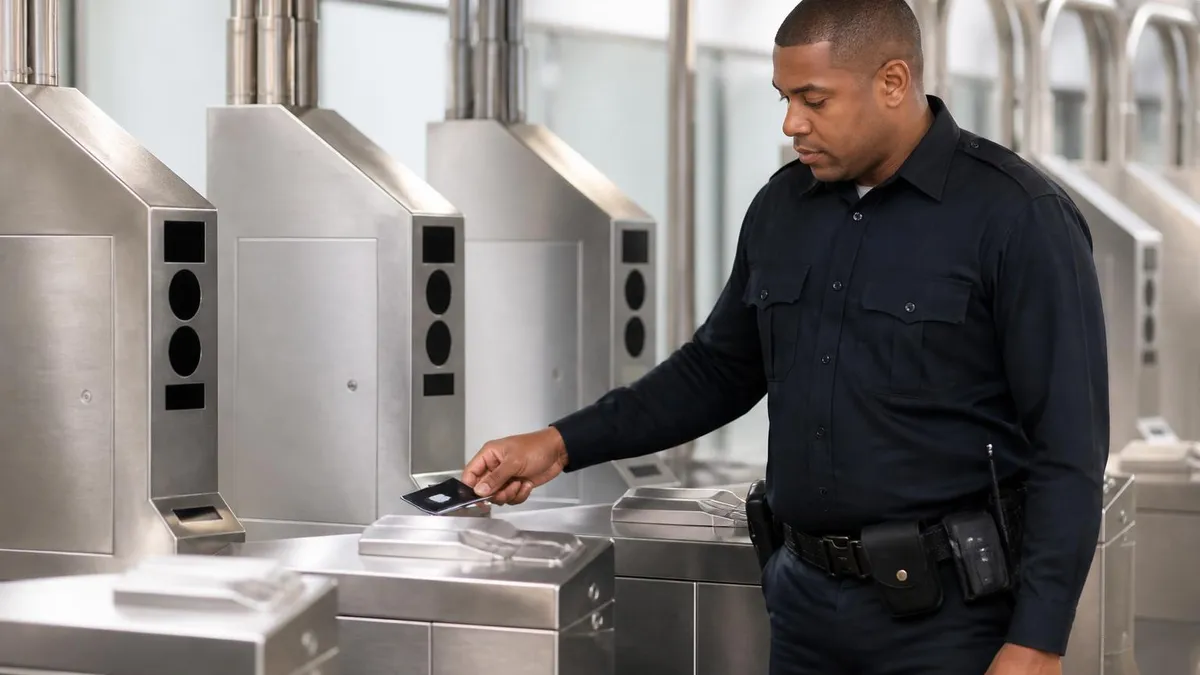
OMNY MTA: Benefits and Drawbacks for Riders
- +No card purchase required — tap immediately with any contactless bank card
- +Automatic weekly fare capping matches the cost of a 7-day unlimited pass
- +Two-hour free transfers between buses and subways without extra taps
- +Detailed transaction history available online for expense tracking
- +Works with Apple Pay, Google Pay, Samsung Pay, and contactless bank cards
- +OMNY cards available for riders without contactless bank accounts
- −Weekly cap resets every Monday, not on a rolling 7-day basis
- −Riders without contactless cards must purchase and reload an OMNY card
- −Full commuter rail (LIRR, Metro-North) integration still incomplete as of 2025
- −No paper receipt at turnstile — digital records only via registered account
- −Express bus fares cap separately from local fares, complicating savings tracking
- −International visitors may incur foreign transaction fees from their home bank
OMNY Rider Checklist: Get the Most From Your MTA Fare
- ✓Check your debit or credit card for the contactless wave symbol before your first ride.
- ✓Download the OMNY app or register at omny.info to activate automatic weekly fare capping.
- ✓Link your payment card to an OMNY account so tap transactions count toward the $34.80 weekly cap.
- ✓Use the same payment method for every trip — switching cards resets fare accumulation tracking.
- ✓Board buses and subways within two hours of your first tap to receive the free transfer benefit.
- ✓Keep your phone battery above 10% if using a mobile wallet — low battery mode can disable NFC.
- ✓If a tap fails, check the reader's screen for an error code before assuming the fare was charged.
- ✓For SBS routes, tap the curb-side validator before the bus arrives — on-board tapping is not available.
- ✓Check your OMNY transaction history weekly to catch any duplicate charges or missed transfer credits.
- ✓Purchase an OMNY card at any subway station if you prefer not to use your bank card directly on transit.
The Weekly Cap Saves Money for Anyone Who Rides 12+ Times Per Week
At $2.90 per ride, a rider reaches the $34.80 weekly fare cap after exactly 12 trips — the same cost as a 7-day unlimited MetroCard. Every ride after that 12th tap is completely free through Sunday midnight. Registering your payment method at omny.info takes under two minutes and activates this automatic benefit with no additional steps required.
MTA Police officers and fare inspectors interact with OMNY technology constantly during their shifts, making familiarity with the system essential for effective transit enforcement. Unlike the old MetroCard era — where fare evasion almost always meant physically jumping a turnstile or tailgating another rider through a gate — the OMNY environment introduces new scenarios that officers must evaluate accurately. A rider who taps and receives a red light may have a legitimate payment issue rather than an evasion attempt, and correctly distinguishing between the two requires understanding what causes each type of failure at an OMNY reader.
OMNY reader failures most commonly result from a card that lacks NFC capability, a mobile wallet that has been disabled due to low battery, a card that is blocked by the issuing bank, or a card that has been placed inside a metal-lined wallet that shields the antenna.
Officers conducting fare enforcement should be aware that genuine NFC failures produce a red light and a specific error message on the reader's small screen — messages like "Card Read Error" or "See Agent" indicate a technical issue rather than an empty card. A card that is declined due to insufficient funds typically produces a different message, which officers can learn to distinguish with training.
Fare evasion remains a serious concern for the MTA, with the agency estimating annual losses exceeding $700 million as of recent reports. While OMNY makes legitimate payment faster and easier than ever, it does not eliminate evasion — riders still bypass turnstiles by jumping, pushing through emergency exit doors, or entering through the exit side. MTA Police are responsible for deterring and penalizing this conduct. Officers who understand OMNY can more confidently approach riders they observe not tapping, explain the system clearly to those who claim confusion, and distinguish first-time mistakes from habitual evasion patterns.
The MTA Police Department has adapted its training curriculum to include OMNY system literacy as a core component. Recruits learn how to identify successful versus failed taps, how to access transaction logs in the field using department-issued devices, and how to direct riders toward OMNY card purchase and account registration when a legitimate payment issue is the root cause of a problem. This training reflects a broader department philosophy: enforcement is most effective when officers can also serve as ambassadors for the transit system, helping riders navigate the technology rather than simply issuing citations.
Select Bus Service routes present unique enforcement challenges under the OMNY model because all payment occurs off-board before the bus arrives. Fare inspectors board SBS buses and request proof of payment — a feature of the OMNY system that riders must understand. Inspectors use handheld scanning devices that can verify tap records tied to a payment credential.
A rider who forgot to tap before boarding cannot simply tap on the bus; the on-board readers do not exist on SBS routes. Officers and inspectors must be prepared to explain this clearly and issue civil summonses when violations occur, which requires confidence in the technical details of how off-board payment and verification work.
Understanding OMNY is also relevant to transit crime patterns. Contactless payment readers have been targeted by skimming devices in other transit systems internationally, and the MTA actively monitors its reader network for tampering. Officers conducting platform patrols are trained to visually inspect readers for signs of overlay devices or unusual attachments. Because OMNY uses tokenized payment — meaning the reader never sees a rider's actual card number — the risk of data theft is substantially lower than older magnetic stripe systems, but physical tampering remains a concern that transit security must address proactively on every patrol.
For anyone studying for the MTA Police exam, a working knowledge of OMNY provides concrete context for scenario-based questions about fare enforcement, technology use, and community interaction.
Exam questions may describe a situation where a rider claims their phone is not working at a turnstile, or where a group of people are entering through an emergency exit — knowing the OMNY system well allows candidates to evaluate these scenarios from a position of genuine operational knowledge rather than abstract theory. This kind of applied understanding often distinguishes strong candidates from those who have only memorized rules without comprehending the environment they will work in.
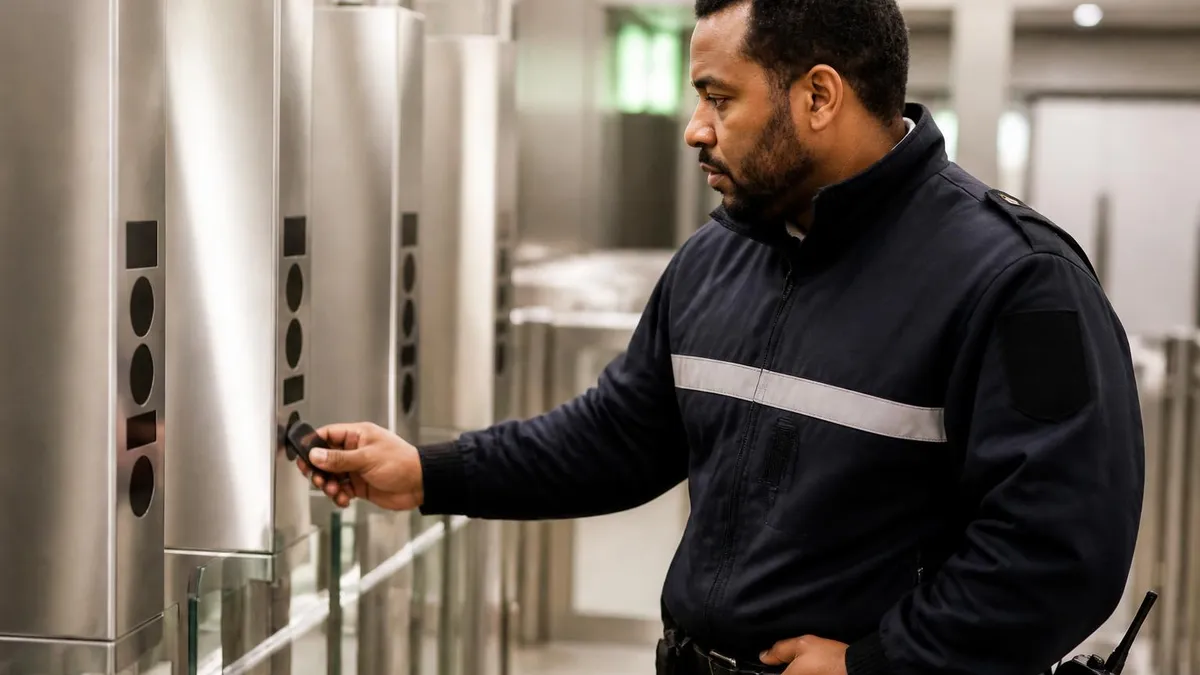
If your OMNY card is lost or stolen, report it immediately at omny.info or by calling 511. The remaining balance on a registered card can be transferred to a replacement — but unregistered OMNY cards function like cash and cannot be refunded or replaced if lost. Always register your OMNY card to protect your balance and qualify for weekly fare capping benefits.
The long-term vision for OMNY extends well beyond the current subway and bus network. The MTA has outlined plans to make OMNY a unified account platform that integrates fare payment, service alerts, trip planning, and rider communication into a single digital relationship between the agency and its customers.
This vision would transform OMNY from a payment terminal into something closer to a comprehensive transit membership — where the agency knows a rider's typical commute, can proactively notify them of delays on their usual route, and can offer targeted discounts or promotional fares based on usage history. The data infrastructure OMNY creates today is the foundation for these future capabilities.
Accessibility improvements are a central priority in OMNY's ongoing development. The MTA's Access-A-Ride paratransit service is being integrated with OMNY so that eligible riders can use the same payment credential for both paratransit trips and fixed-route subway or bus service. This integration simplifies travel for riders with disabilities who currently must manage separate fare media for different service types. Additionally, OMNY readers are being evaluated for audio feedback improvements to assist visually impaired riders, and reader height standards have been reviewed to ensure compatibility with the full range of wheelchair user heights encountered across the system.
The environmental impact of eliminating MetroCards is significant. The MTA distributed approximately 100 million MetroCards per year at peak usage, each made from PVC plastic with embedded magnetic strip material. Transitioning to OMNY eliminates the manufacturing, distribution, and disposal footprint of those cards. Riders who use bank cards or mobile wallets that they already carry produce zero additional plastic waste for transit purposes. The OMNY card itself, for riders who need a dedicated transit card, is built to last years rather than weeks — a single durable OMNY card replaces dozens of disposable MetroCards over a rider's commuting lifetime.
Retail partnerships are expanding OMNY's reach into communities where bank account access is limited. The MTA has partnered with corner stores, pharmacies, and grocery chains across the five boroughs to allow riders to purchase and reload OMNY card value with cash at the register — similar to how prepaid debit cards are sold at retail locations.
This cash-load network is critical for the estimated 10 to 15 percent of New York City residents who are unbanked or underbanked and cannot use a traditional contactless bank card. The MTA has explicitly committed to ensuring that OMNY serves all riders equitably, not just those with access to digital payment infrastructure.
Regional interoperability is another frontier for OMNY. The MTA has participated in discussions with New Jersey Transit, the Port Authority of New York and New Jersey, and other regional transit operators about creating a single tap-to-pay credential that works across all regional rail and bus networks.
Commuters who cross state lines — traveling from New Jersey to New York via NJ Transit and then continuing on the subway — currently must use separate fare media for each system. A unified regional OMNY-compatible platform would allow a single tap credential to follow a rider from their home station in New Jersey to their final subway destination in Manhattan without any additional payment steps or credential switching.
The MTA has also published open data APIs based on OMNY ridership information, allowing transit researchers, urban planners, and civic technologists to analyze anonymized trip patterns at a granularity never before available. Universities, city agencies, and nonprofit organizations have used this data to identify neighborhoods underserved by transit, model the impact of proposed service changes, and evaluate equity implications of fare policy adjustments. The OMNY data ecosystem is becoming an important resource for evidence-based transit planning that extends far beyond the agency itself, influencing how New York City thinks about mobility, land use, and economic development across all five boroughs.
For riders, workers, and job seekers who want to understand the full scope of what the MTA offers — including the technology platforms like OMNY that define modern transit operations — exploring the agency's career opportunities provides valuable context. The MTA employs thousands of technology, operations, and enforcement professionals whose daily work involves systems like OMNY. Whether you are preparing for the MTA Police exam or simply want to understand the transit network you rely on, grasping OMNY's role in the MTA's operations gives you a meaningful foundation for that understanding.
Preparing for any role within the MTA — whether as a police officer, fare inspector, station agent, or technology professional — benefits from a thorough understanding of systems like OMNY that define the agency's daily operations. For MTA Police exam candidates in particular, familiarity with transit technology translates directly into stronger performance on scenario-based test questions.
The written examination frequently includes passages about agency procedures, technology protocols, and enforcement situations that are grounded in the real operational environment of New York City transit. A candidate who rides the subway daily and pays attention to how OMNY readers work already has experiential knowledge that textbook study alone cannot replicate.
When studying for the MTA Police written exam, approach OMNY-related content the same way you would approach any operational procedure: learn the standard process, understand the common failure modes, and know what actions an officer should take in each scenario. For OMNY, the standard process is the tap-and-go payment flow.
Common failure modes include NFC incompatibility, low device battery, blocked cards, and — on SBS routes — failure to pre-board tap. The officer's response in each case ranges from redirecting a rider to an OMNY machine to issuing a civil summons for confirmed evasion. Mapping out these scenarios in advance helps you answer exam questions quickly and confidently.
Reading comprehension questions on the MTA Police exam often use dense, policy-style passages similar to MTA operational directives. Practicing with passages about fare technology, enforcement procedures, and rider interaction protocols builds the close-reading skills the test demands. Pay attention to signal words like "shall," "must," "may," and "should," which carry precise operational meaning in MTA directives. A procedure that "shall" be followed is mandatory; one that "may" be followed is discretionary. These distinctions often determine the correct answer on multiple-choice questions where two options seem similar but differ in whether an action is required or optional.
Time management during the MTA Police written exam is critical. Most candidates find the reading comprehension section the most time-intensive portion because each question requires returning to the passage rather than recalling memorized facts. Develop a habit of reading the questions before the passage — this tells you exactly what information to look for and prevents wasted re-reading. For questions about processes like OMNY payment verification, the answer will almost always be directly stated in the passage rather than requiring inference, so locating the relevant sentence efficiently is the primary skill being tested.
Physical preparation matters alongside written test prep. The MTA Police Candidate Physical Ability Test (CPAT) evaluates cardiovascular fitness, upper body strength, and functional mobility through job-relevant tasks. A common mistake among exam candidates is to focus exclusively on written preparation and neglect the physical component until it is too late to build meaningful fitness.
Begin cardiovascular training — running, cycling, or swimming — at least three months before your scheduled physical test date. Build to 30 minutes of continuous moderate-intensity exercise at least five days per week, which provides the aerobic base needed for the sustained effort required in the physical assessment.
Networking with current MTA employees and MTA Police officers can provide invaluable insider context for the exam process. Many current officers are willing to speak about their experience with the written test, the academy, and the realities of patrol work — insights that no study guide fully captures.
MTA job fairs, community outreach events, and online forums for transit employment candidates are all venues where you can connect with people who have recently navigated the process you are preparing for. This kind of firsthand information helps you set realistic expectations, avoid common preparation mistakes, and stay motivated throughout what can be a multi-month application and testing process.
Finally, remember that the MTA Police exam is a civil service examination, which means your score determines your placement on a hiring list. The higher your score, the earlier you are called for the next stage of the process. A single percentage point difference in exam score can mean the difference between being called in six months versus two years.
This reality makes thorough, systematic preparation not just worthwhile but strategically essential. Use every available practice resource, take timed full-length practice tests, and review every wrong answer to understand the reasoning behind the correct choice — that kind of deliberate practice compounds over weeks into a meaningful scoring advantage.
MTA Questions and Answers
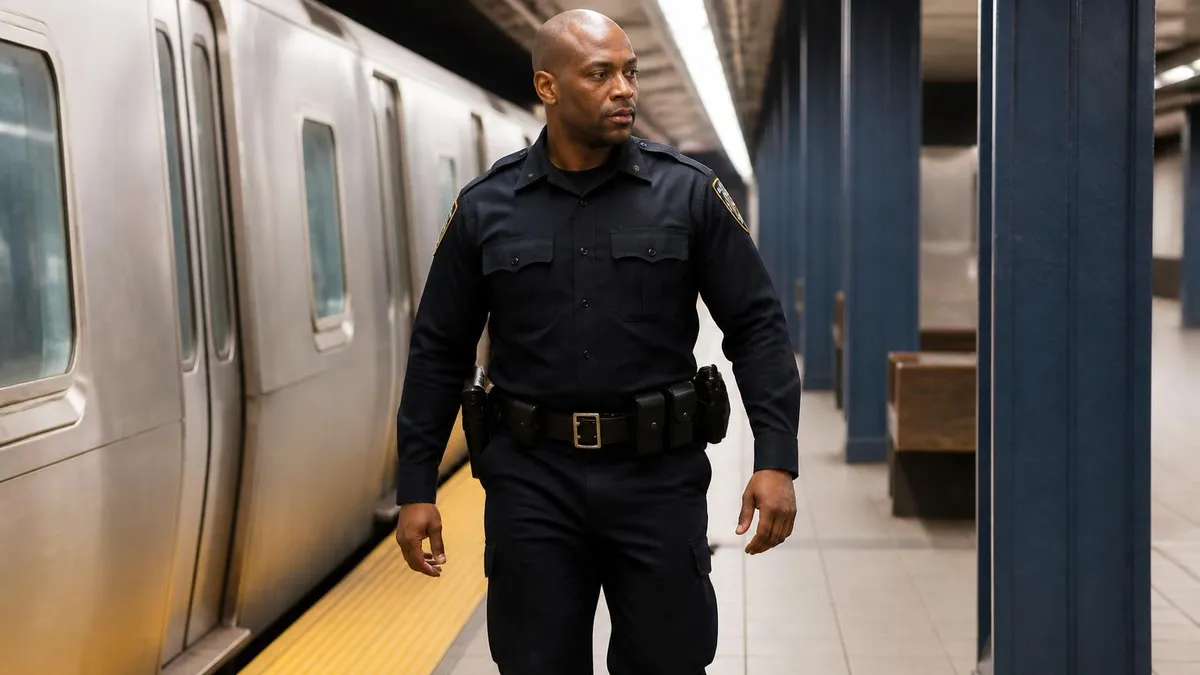
MTA Careers: How to Apply for Jobs at careers.mta.org and Build a Career with the Metropolitan Transportation Authority
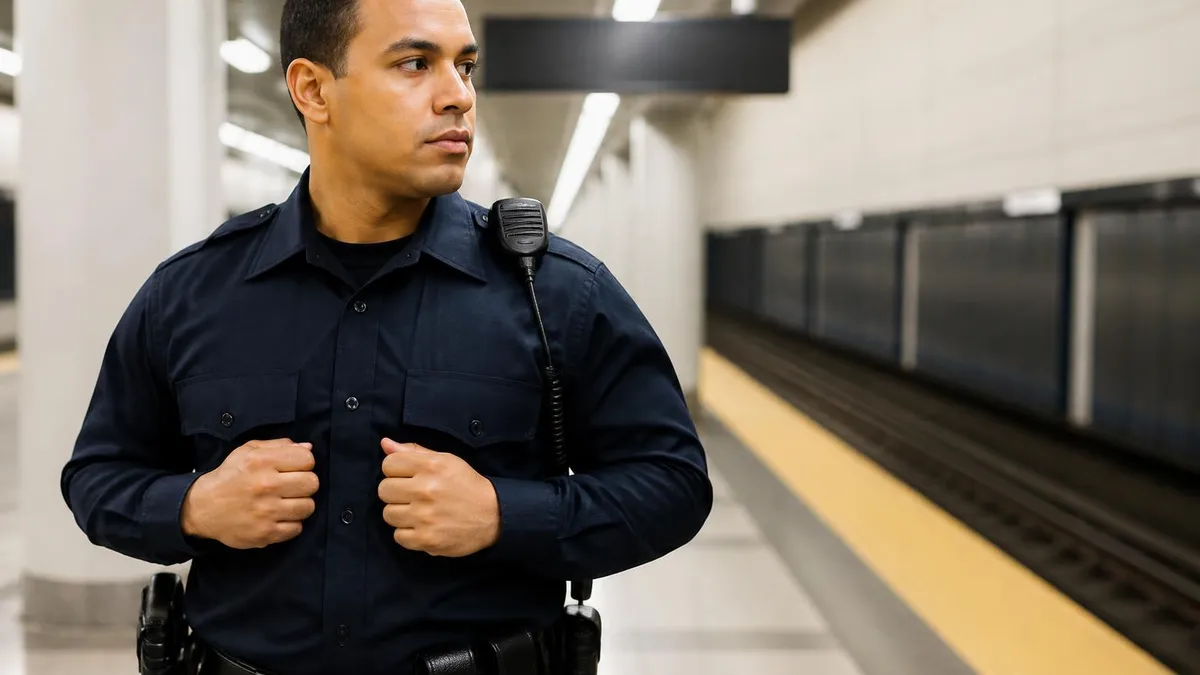
MTA Police Exam: Requirements, Written Test, Physical Agility Test, Academy Training, and Career Path
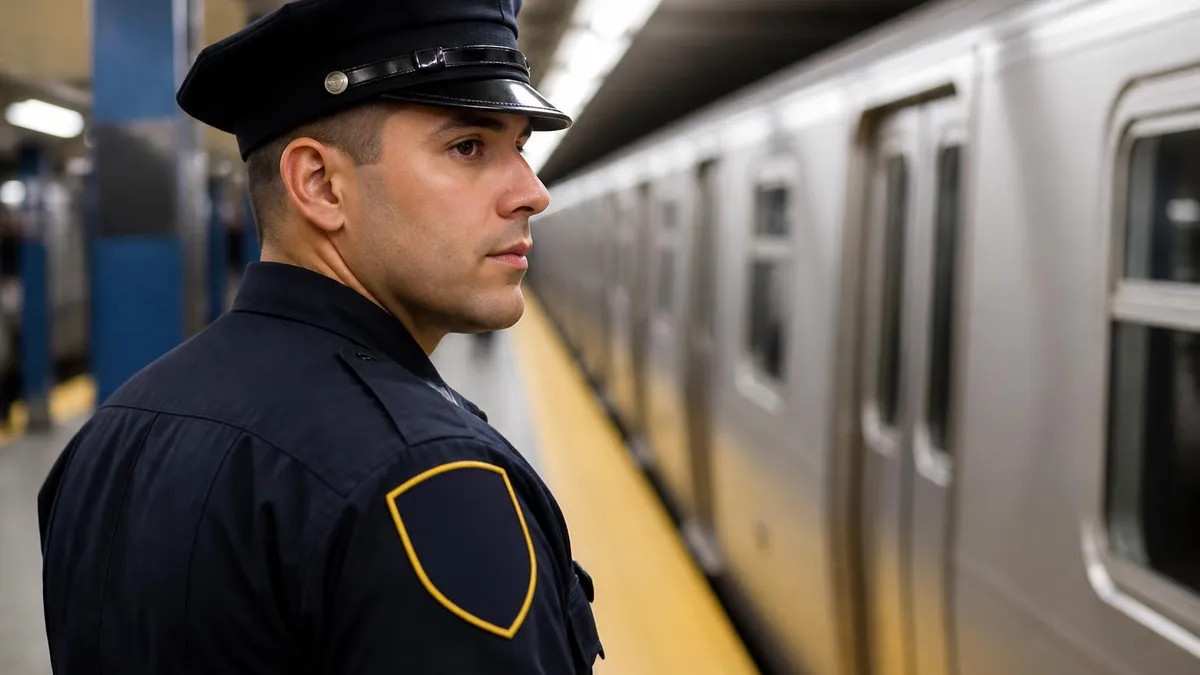
Nassau County Police Exam: Requirements, Written Test, Physical Agility, and How to Pass the Civil Service Test
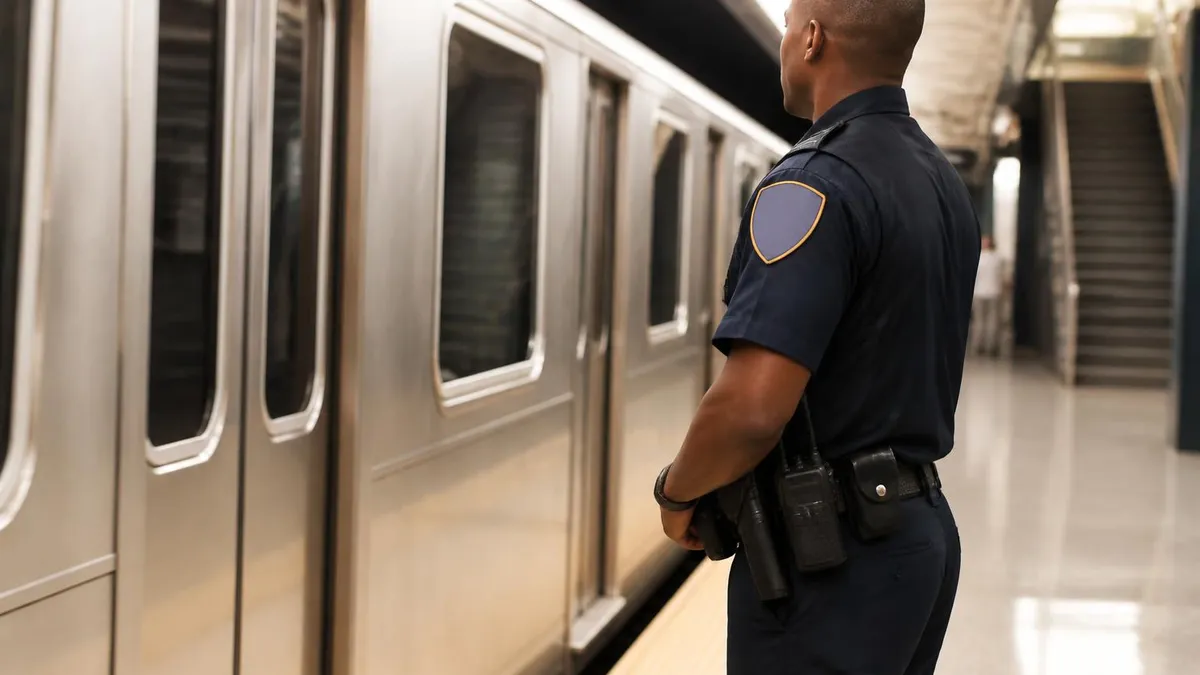
MTA Police Salary: Complete Pay Guide, Benefits, Overtime, Step Increases, and Career Earnings for MTAPD Officers
MTA Congestion Pricing: What It Is, How It Works, and What It Means for New York
About the Author

Educational Psychologist & Academic Test Preparation Expert
Columbia University Teachers CollegeDr. Lisa Patel holds a Doctorate in Education from Columbia University Teachers College and has spent 17 years researching standardized test design and academic assessment. She has developed preparation programs for SAT, ACT, GRE, LSAT, UCAT, and numerous professional licensing exams, helping students of all backgrounds achieve their target scores.