
MTA Museum: A Complete Visitor's Guide to the New York Transit Museum, Exhibits, History, and Connection to MTA Police Operations
🗨️ Explore the MTA museum: New York Transit Museum exhibits, vintage subway cars, history, hours, tickets, and ties to MTA Police operations and transit
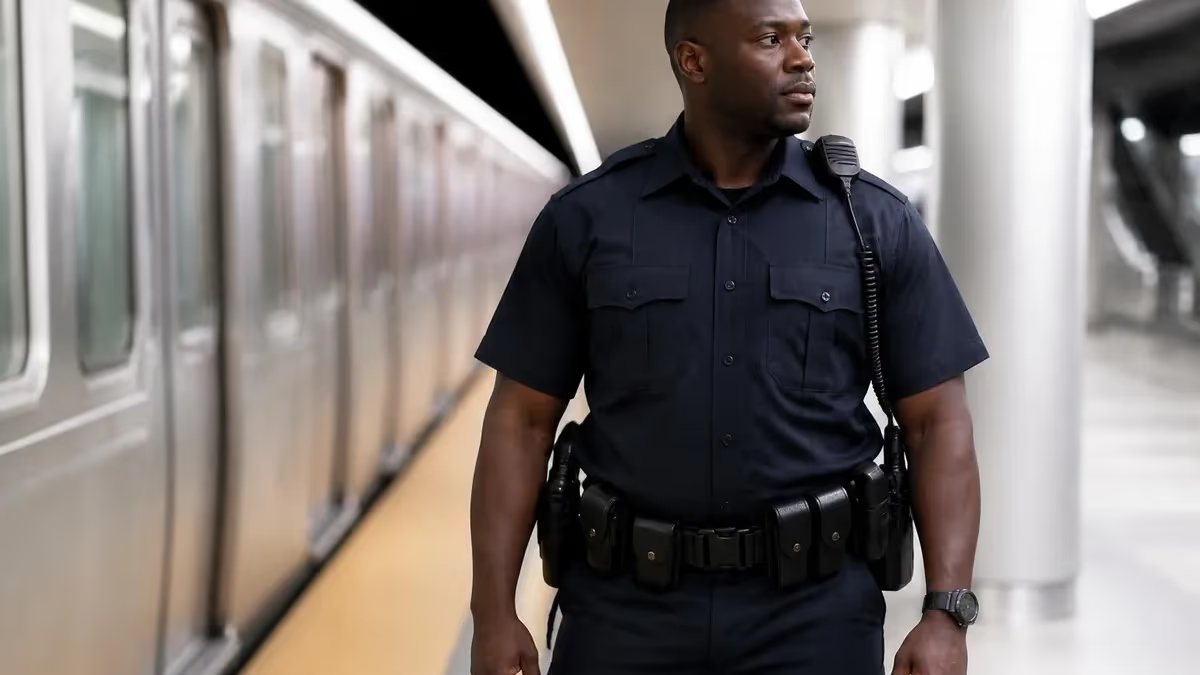
The mta museum, officially known as the New York Transit Museum, is one of the most fascinating cultural institutions in the United States dedicated to preserving the story of urban mass transportation. Housed in a decommissioned 1936 IND subway station in Brooklyn Heights, the museum draws hundreds of thousands of visitors every year who want to walk through nearly a century of transit history, climb aboard restored vintage subway cars, and learn how the Metropolitan Transportation Authority shaped the modern city of New York.
For aspiring transit professionals studying for the MTA Police Exam, the museum offers more than just historical curiosity. It provides essential context about the transit system you will one day be sworn to protect. The museum traces the evolution of subway policing, fare evasion enforcement, signal technology, station design, and emergency response protocols that directly inform how MTA Police officers operate across the region today.
Located at the corner of Boerum Place and Schermerhorn Street in downtown Brooklyn, the New York Transit Museum is operated as a nonprofit educational arm of the MTA. It is the largest museum in the United States devoted to urban public transportation history and one of the premier institutions of its kind worldwide. Exhibits cover buses, subways, commuter rails, bridges, tunnels, and the workers who keep the entire system running twenty-four hours a day.
The mta museum experience is uniquely immersive because the building itself is a working piece of transit history. Visitors descend a real station staircase, pass through restored turnstiles spanning multiple decades, and reach a 60,000-square-foot underground platform where a fleet of vintage subway cars sits ready to be explored. Each car has been meticulously restored to reflect a specific era, complete with period advertisements, lighting fixtures, and signage authentic to its time of service.
Beyond the main Brooklyn location, the museum operates the Transit Museum Gallery Annex inside Grand Central Terminal, where rotating exhibitions reach commuters and tourists who may never make the trip to Brooklyn. Special programs include nostalgia train rides through the active subway system, behind-the-scenes tours of operating facilities, lectures with transit historians, and educational workshops for school groups, families, and senior visitors.
This complete guide covers everything you need to know about visiting the mta museum, including hours, admission prices, accessibility, exhibits, special events, and how the museum connects to broader topics relevant to MTA careers and policing. Whether you are a transit enthusiast, a tourist planning a Brooklyn day trip, an educator looking for field trip ideas, or a candidate preparing for transit employment, this resource will help you make the most of your visit.
We will also explore lesser-known aspects of the museum, such as its archival collections, research library, oral history program, and partnerships with universities and law enforcement training academies. By the end of this guide, you will understand why the New York Transit Museum is considered an essential destination for anyone who wants to truly understand how New York moves and how the agency behind that movement has evolved over more than a century of operation.
MTA Museum by the Numbers
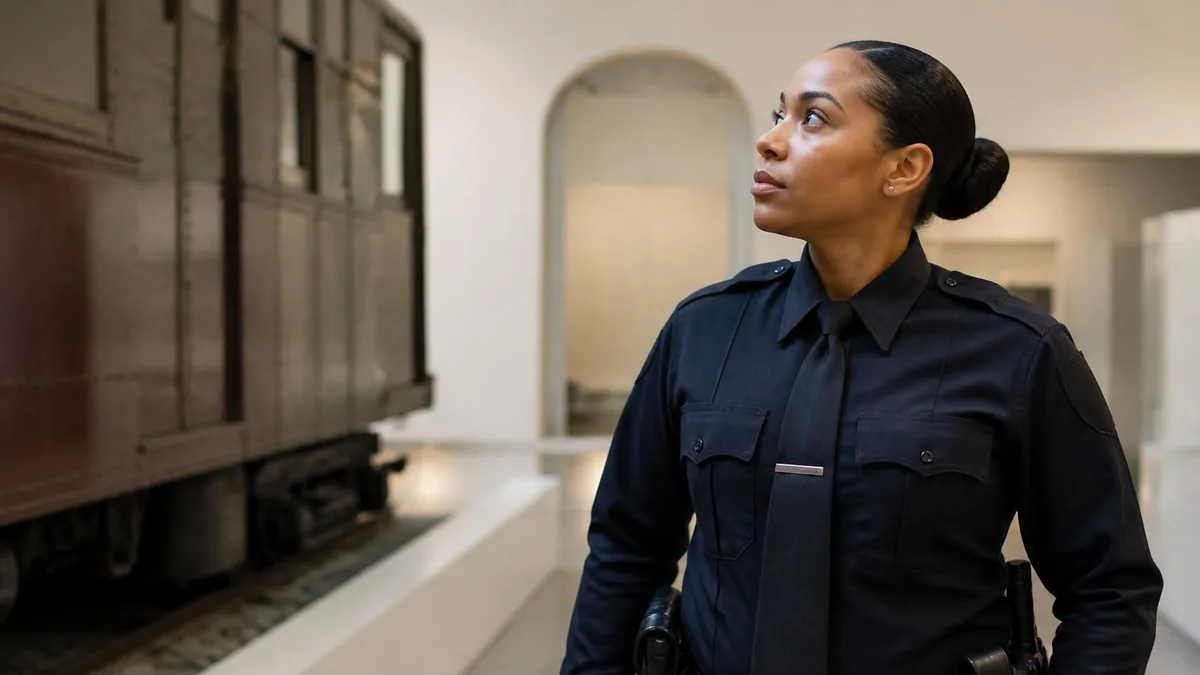
Museum Overview and Founding History
The museum opened in July 1976 as a temporary bicentennial exhibit inside the unused Court Street subway station. Public demand kept it open permanently, transforming a forgotten station into a globally recognized cultural institution.
The main facility sits at Boerum Place and Schermerhorn Street, occupying a 1936 IND station that was decommissioned in 1946. Its authentic architecture makes the museum itself the largest artifact in the collection.
A satellite gallery inside Grand Central Terminal hosts rotating exhibits, photography shows, and a retail store. The annex reaches commuters and visitors who may never travel out to the Brooklyn flagship.
Operated as a nonprofit affiliate of the MTA, the museum relies on admission revenue, membership, donations, and grants. Funds support restoration, preservation, archival research, and free educational programs.
Accredited by the American Alliance of Museums, the institution is widely regarded as the largest museum in the United States dedicated to urban public transportation history and a leader in transit preservation.
The exhibits inside the mta museum span more than a century of transit innovation, beginning with the construction of the first underground rapid transit line that opened in 1904 and continuing through the modern era of contactless OMNY fare payments, automated signal systems, and accessibility upgrades. Visitors who descend into the main gallery encounter a chronological journey that begins at street level with the politics, engineering challenges, and labor history behind digging the original subway tunnels beneath Manhattan and Brooklyn.
One of the most popular exhibits, On the Streets: New York's Trolleys and Buses, traces the transition from horse-drawn omnibuses and electric streetcars to the modern diesel and hybrid bus fleet operated today by MTA New York City Transit and MTA Bus Company. Restored vehicles, fare boxes, route signs, and operator uniforms illustrate how surface transportation evolved alongside the underground network. Anyone planning to pursue MTA careers in operations will find the labor history especially compelling.
The Steel, Stone and Backbone exhibit dives deep into the construction of the subway system, featuring original blueprints, vintage tools, and oral histories from sandhogs and laborers who built the tunnels under dangerous conditions. Photographs from the early twentieth century show immigrant workers using hand drills, dynamite, and steam shovels to carve out the rights of way that still carry millions of passengers every weekday across the five boroughs.
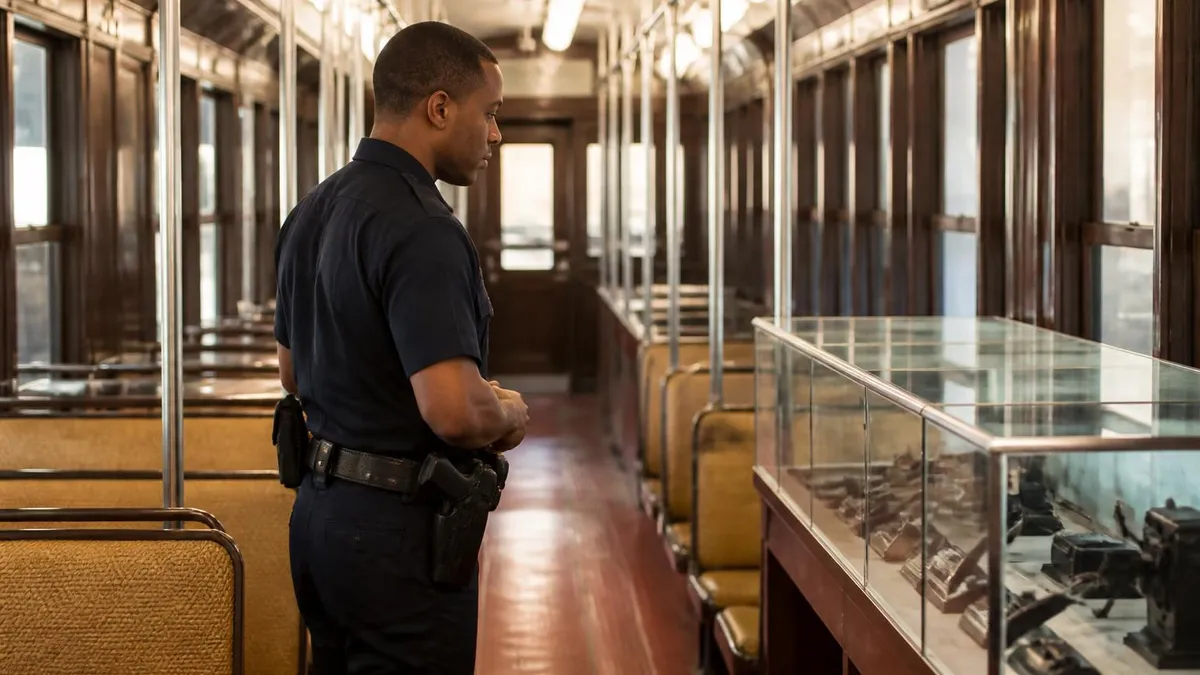
The vintage subway car collection on the lower platform is the museum's signature attraction. The fleet includes wooden BU gate cars from 1907, low-voltage cars from the 1910s, BMT Standards from the 1920s, R-1 through R-9 cars from the IND era, postwar R-types, and pre-stainless examples from the 1960s. Visitors can sit in rattan seats, examine ceiling fans, and read original advertisements that capture daily life across multiple American generations.
Interactive exhibits help younger visitors understand how the system actually works. A signal tower mockup demonstrates how dispatchers route trains, a working turnstile gallery shows the evolution of fare collection from nickel coins to magnetic MetroCards to tap-and-go OMNY readers, and a bus driver simulator lets children sit behind the wheel of a real MTA bus cab pulled directly from a retired vehicle and restored for educational use.
Special temporary exhibitions rotate throughout the year and have covered topics ranging from subway graffiti culture in the 1970s and 1980s, to the history of women working in transit, to engineering responses to Hurricane Sandy in 2012 when much of the system flooded. These rotating shows attract repeat visitors and often feature artifacts that are not part of the permanent collection, including loans from private collectors and other transit museums around the world.
The museum's collection extends well beyond what is on display. Climate-controlled storage facilities hold tens of thousands of objects, including uniforms, badges, signage, photographs, films, and engineering drawings. Researchers, documentary filmmakers, and graduate students regularly request access to these archives, and the museum's curatorial staff publishes scholarly catalogs that contribute to academic understanding of urban infrastructure development across North America.
MTA Practice Test Questions
Prepare for the MTA - Police Exam exam with our free practice test modules. Each quiz covers key topics to help you pass on your first try.
MTA Police MCQ
MTA Exam Questions covering Police MCQ. Master MTA Test concepts for certification prep.
MTA Police Reading Comprehension Test
Free MTA Practice Test featuring Police Reading Comprehension Test. Improve your MTA Exam score with mock test prep.
MTA Police Written Test
MTA Mock Exam on Police Written Test. MTA Study Guide questions to pass on your first try.
MTA Community Policing
MTA Test Prep for Community Policing. Practice MTA Quiz questions and boost your score.
MTA Constitutional Rights
MTA Questions and Answers on Constitutional Rights. Free MTA practice for exam readiness.
MTA Criminal Law
MTA Mock Test covering Criminal Law. Online MTA Test practice with instant feedback.
MTA Emergency Response
Free MTA Quiz on Emergency Response. MTA Exam prep questions with detailed explanations.
MTA Investigation Techniques
MTA Test Online for Investigation Techniques. Free practice with instant results and feedback.
MTA Law Enforcement Procedures
MTA Study Material on Law Enforcement Procedures. Prepare effectively with real exam-style questions.
MTA Traffic and Patrol Procedures
Free MTA Test covering MTA Traffic and Patrol Procedures. Practice and track your MTA exam readiness.
MTA Transit System Knowledge
MTA Exam Questions covering MTA Transit System Knowledge. Master MTA Test concepts for certification prep.
Visiting the MTA Museum: Hours, Tickets, and Access
The New York Transit Museum is open Thursday through Sunday from 10:00 AM to 4:00 PM, with extended summer hours on select weekends. The museum is closed on Mondays, Tuesdays, and Wednesdays for restoration work and educational programming. Major holidays, including Thanksgiving, Christmas Day, and New Year's Day, also bring full closures, so visitors should check the official website before planning a trip.
Standard adult admission costs around $10, with reduced rates of $5 for seniors aged 62 and older and children ages 2 through 17. Children under 2 enter free, and active military personnel receive complimentary admission. Members of the museum enjoy unlimited free entry, discounts in the gift shop, invitations to preview events, and reduced rates on special programs throughout the calendar year.
Should You Visit the MTA Museum?
- +Hands-on access to more than 20 fully restored vintage subway cars spanning over a century
- +Affordable admission compared to most major New York City cultural institutions
- +Excellent for families with children who love trains, buses, and interactive exhibits
- +Located in a real decommissioned 1936 subway station, making the building itself an artifact
- +Easy to reach from Manhattan, Queens, and other Brooklyn neighborhoods using public transit
- +Rotating special exhibits and nostalgia train rides give frequent visitors new content
- +Educational programs serve students, teachers, researchers, and senior community members
- −Closed Monday through Wednesday, which can limit weekday tourist itineraries
- −Main galleries are underground and require stairs or a single elevator for access
- −Smaller than blockbuster Manhattan museums, with a visit typically lasting 90 to 120 minutes
- −Limited on-site dining options require visitors to leave the museum for meals
- −Some vintage cars have narrow aisles that may feel cramped during peak weekend hours
- −Special programs and train rides often sell out weeks in advance and require separate tickets
MTA Museum Visit Preparation Checklist
- ✓Confirm operating hours on the official New York Transit Museum website before traveling
- ✓Purchase advance tickets online during peak weekends to avoid the entry queue
- ✓Wear comfortable shoes because galleries require significant walking and standing on platforms
- ✓Bring a fully charged phone or camera to capture the historic subway car interiors
- ✓Allow at least two hours for a complete self-guided tour of all permanent exhibits
- ✓Review the rotating exhibition calendar to time your visit around special programming
- ✓Check the schedule for nostalgia train rides if you want to experience vintage cars in service
- ✓Plan a nearby lunch stop in Brooklyn Heights or DUMBO since on-site dining is limited
- ✓Bring student, senior, or military identification to qualify for discounted admission rates
- ✓Visit the Grand Central annex on a separate Manhattan day to round out the experience
Arrive at opening to ride vintage cars without crowds
Weekend afternoons can fill the underground platform quickly with school groups and family visitors. Arriving when the doors open at 10:00 AM gives you near-private access to the vintage subway cars, ideal for photography and unhurried exploration of every authentic detail inside each restored vehicle.
The mta museum connects directly to the work of the MTA Police Department in ways many visitors never realize. Several exhibits document the evolution of transit policing from the early days of the Interborough Rapid Transit Company patrols through the formation of the New York City Transit Police, the merger with the NYPD in 1995, and the parallel growth of the MTA Police Department that protects commuter rails, bridges, tunnels, and certain stations across the broader regional network.
Historical photographs in the museum show uniformed officers patrolling platforms in the 1920s and 1930s, when fare evasion, pickpocketing, and unauthorized access to tunnels were the dominant concerns. Exhibits trace how policing strategies evolved through the difficult crime waves of the 1970s and 1980s, the broken windows and quality-of-life enforcement era of the 1990s, and the post-September 11 focus on counterterrorism that defines much of modern transit security planning today.
For candidates preparing for the MTA Police Exam, a visit to the museum can deepen contextual knowledge that often shows up indirectly in written test passages and reading comprehension exercises. Understanding the layout of older station designs, the mechanics of legacy signal systems, and the historical relationship between transit workers and law enforcement provides background that strengthens your performance on situational judgment questions and policy interpretation passages used in the exam.
The museum also hosts occasional programs that bring transit police officers, historians, and policy experts together for public conversations about safety, civil rights, fare enforcement, and the future of policing in an automated transit environment. These events are open to the public and offer rare opportunities to hear directly from active duty officers, retired commanders, and academic researchers who study the unique challenges of policing a system that moves millions of people across multiple jurisdictions every day.
Beyond public programming, the museum's archival collections support active research projects related to transit safety. Engineering drawings of station emergency exits, oral histories from veteran officers, and photographs of historic incidents inform training curricula at police academies throughout the region. This research function makes the institution a quiet but important contributor to the professional development pipeline that prepares new generations of officers to serve the riding public effectively and ethically.
Tourists and casual visitors typically focus on the vintage cars and nostalgic imagery, but anyone with a professional interest in law enforcement should pay attention to the smaller cases that display badges, uniforms, communication equipment, and reports from decades of transit policing. These artifacts tell a story of an evolving profession that has had to balance crime prevention, customer service, civil liberties, and the operational demands of a transit network that never sleeps and never fully closes its doors.
By the time you finish your tour, you should have a richer appreciation of why the MTA Police Department exists as a distinct agency, what makes its mission different from municipal policing, and how the museum itself functions as a kind of institutional memory for the broader transit family. That perspective matters whether you are a future officer, a current employee, a family member of transit workers, or simply a curious citizen who depends on the system every day.
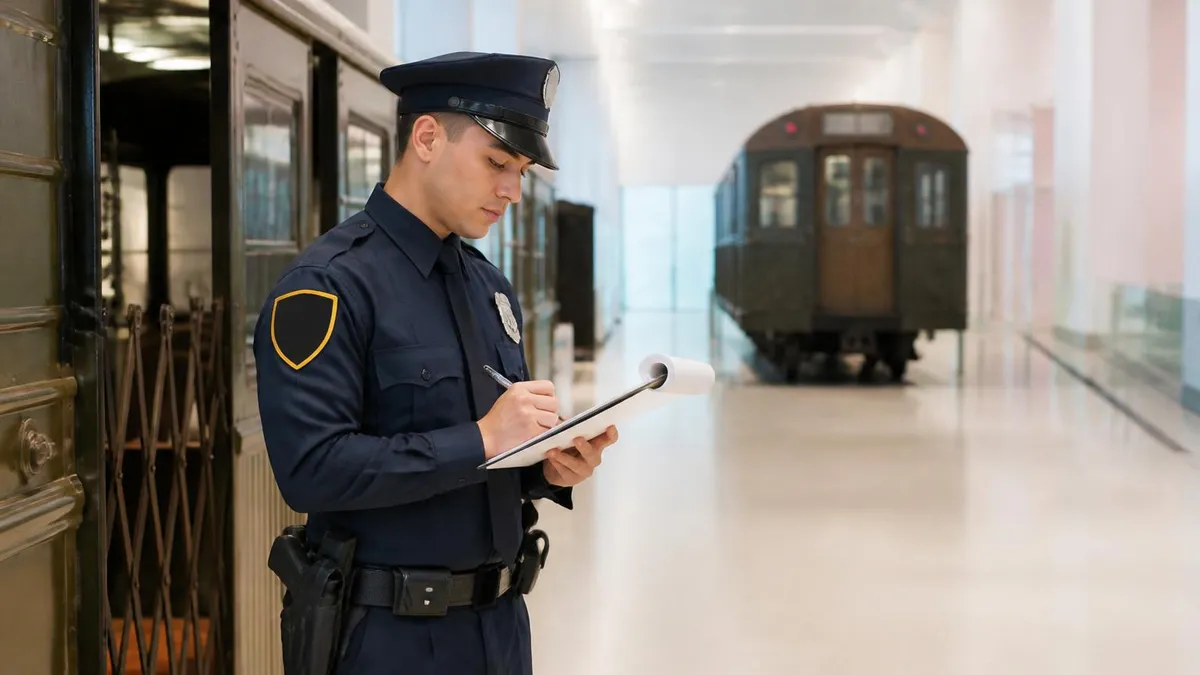
School groups, scout troops, college classes, and professional organizations must book guided tours at least three weeks in advance through the museum's education department. Walk-in groups larger than ten people cannot be guaranteed admission during peak weekends, so advance planning is essential for any organized visit.
Educational programs are at the heart of what the New York Transit Museum does beyond its permanent galleries. The museum's education department runs structured curricula aligned with New York State and New York City public school standards, covering topics in engineering, urban planning, civic history, environmental science, mathematics, and language arts. Programs are available for students from kindergarten through twelfth grade, with specially designed modules for early learners and advanced high school students alike.
Field trips to the Brooklyn flagship typically include a guided tour led by a trained museum educator, time for hands-on exploration of the vintage subway cars, and a structured activity that ties the visit to classroom learning objectives. Teachers receive pre-visit and post-visit materials, vocabulary lists, primary source documents, and discussion guides that extend the learning experience well beyond the day spent at the museum itself, helping educators justify the trip to administrators.
Adult education programs include lectures by transit historians, walking tours of historic neighborhoods, behind-the-scenes facility visits to operating yards and maintenance shops, and hands-on workshops where participants can learn skills such as photographing transit subjects, restoring vintage signage, or interpreting archival documents. Membership programs offer discounted access to these events and often include exclusive previews of new exhibitions before public opening dates arrive on the calendar.
The nostalgia train program is one of the most beloved museum offerings. On scheduled holiday weekends, vintage subway cars from the permanent collection are pulled out of the museum platform and run in regular passenger service on active subway lines. Riders can board these historic trains using a standard MetroCard or OMNY tap and experience what commuting felt like in the 1930s, 1950s, or 1970s, complete with period advertisements still mounted inside the cars.
The museum also maintains an active research library that is open to scholars, journalists, authors, and graduate students by appointment. The library holds tens of thousands of photographs, maps, engineering drawings, annual reports, and ephemera related to every aspect of New York transit history. Visiting researchers have used these collections to produce books, documentary films, academic dissertations, and policy reports that have shaped public understanding of how cities move people effectively and equitably.
Oral history projects collect interviews with retired transit workers, retired police officers, longtime customers, and community members whose lives have been shaped by the system. These recordings are preserved permanently and selectively published online for free public access. Anyone interested in mta employment jobs can listen to firsthand accounts of careers in operations, engineering, maintenance, dispatching, planning, and law enforcement spanning the past several decades.
Community partnerships extend the museum's reach into neighborhoods across the five boroughs and into the surrounding suburbs served by Metro-North Railroad and the Long Island Rail Road. Pop-up exhibits, mobile education vehicles, and traveling lecture series bring transit history directly to community centers, libraries, senior facilities, and public schools that may lack the resources to bring large groups into Brooklyn for a full museum visit.
Making the most of your visit to the mta museum requires a little planning and a willingness to slow down and absorb details that might otherwise pass quickly. Most first-time visitors gravitate immediately to the vintage subway cars on the lower platform, but the upstairs galleries offer equally rich content about buses, trolleys, bridges, tunnels, and the people who built and operated each part of the network across decades of innovation. Try to balance your time across both levels rather than rushing through.
Bring a notebook or use your phone to jot down details that catch your attention, especially if you are studying for transit-related exams or working on academic projects. Period advertisements inside the vintage cars are a particularly rich source of cultural and economic history, with messages from defunct department stores, banks, products, and political campaigns that capture daily life in New York during different eras of the twentieth century in vivid and surprising ways.
If you are visiting with children, look for the family activity stations sprinkled throughout the galleries. These include scavenger hunts, drawing tables, and tactile exhibits designed to keep younger visitors engaged while parents read longer interpretive panels. The museum store at the exit stocks transit-themed books, model trains, postcards, apparel, and toys that make excellent souvenirs and gifts for transit fans of any age across many price points.
Photography is permitted throughout the museum for personal use, including on the lower platform and inside the vintage cars. Tripods and professional lighting equipment require advance permission from the staff. Social media posts using the museum's official tags often get reshared, so visitors who enjoy capturing their experiences have a chance to connect with a broader community of transit enthusiasts, urban historians, and casual fans who follow museum accounts.
Combine your museum visit with other Brooklyn attractions to make a full day in the borough. Brooklyn Heights Promenade offers stunning views of Lower Manhattan, the Brooklyn Bridge is a short walk away for crossing back into Manhattan on foot, and DUMBO's cobblestone streets feature waterfront parks, ice cream shops, and the historic Empire Stores complex. Court Street and Atlantic Avenue have excellent restaurants spanning many cuisines and price points for a memorable post-museum meal.
Repeat visits reward dedicated fans because exhibits rotate, the vintage car fleet occasionally features different cars on the platform, and special programming changes throughout the year. A membership pays for itself quickly if you plan to visit more than two or three times annually, and the supporter benefits help fund restoration work that keeps additional historic vehicles operational for future generations of visitors who care about preserving urban transit heritage in an authentic way.
Finally, consider following up your visit by exploring the museum's online resources, which include digitized photograph collections, downloadable lesson plans, virtual tours, and a popular blog written by curators and educators. These free digital tools extend the museum experience indefinitely and allow you to dive deeper into specific topics that interested you during your in-person visit, building a more complete personal understanding of how New York moves its people every single day of every year.
MTA Questions and Answers
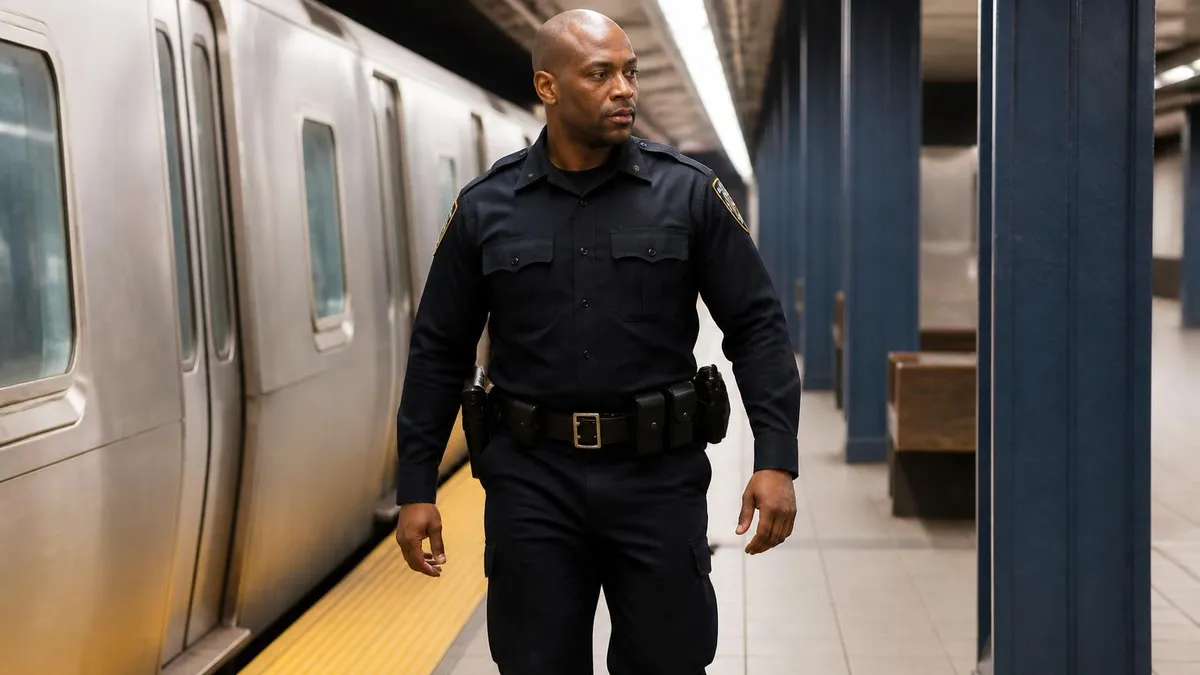
MTA Careers: How to Apply for Jobs at careers.mta.org and Build a Career with the Metropolitan Transportation Authority
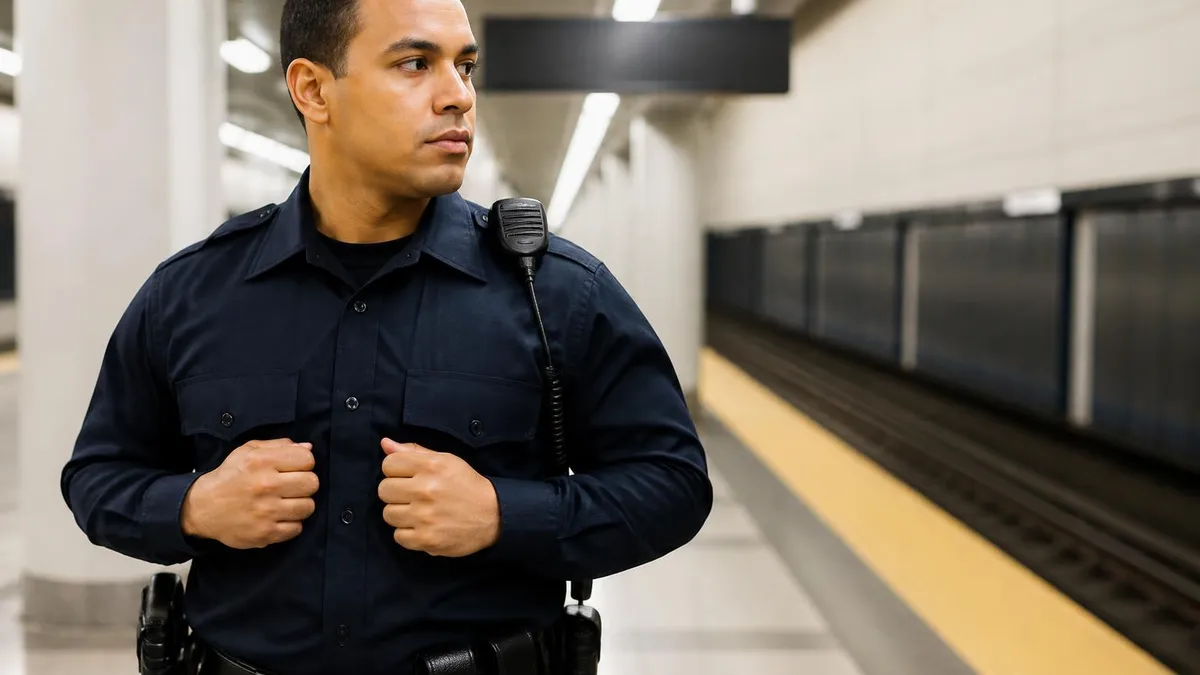
MTA Police Exam: Requirements, Written Test, Physical Agility Test, Academy Training, and Career Path
MTA Police Practice Test
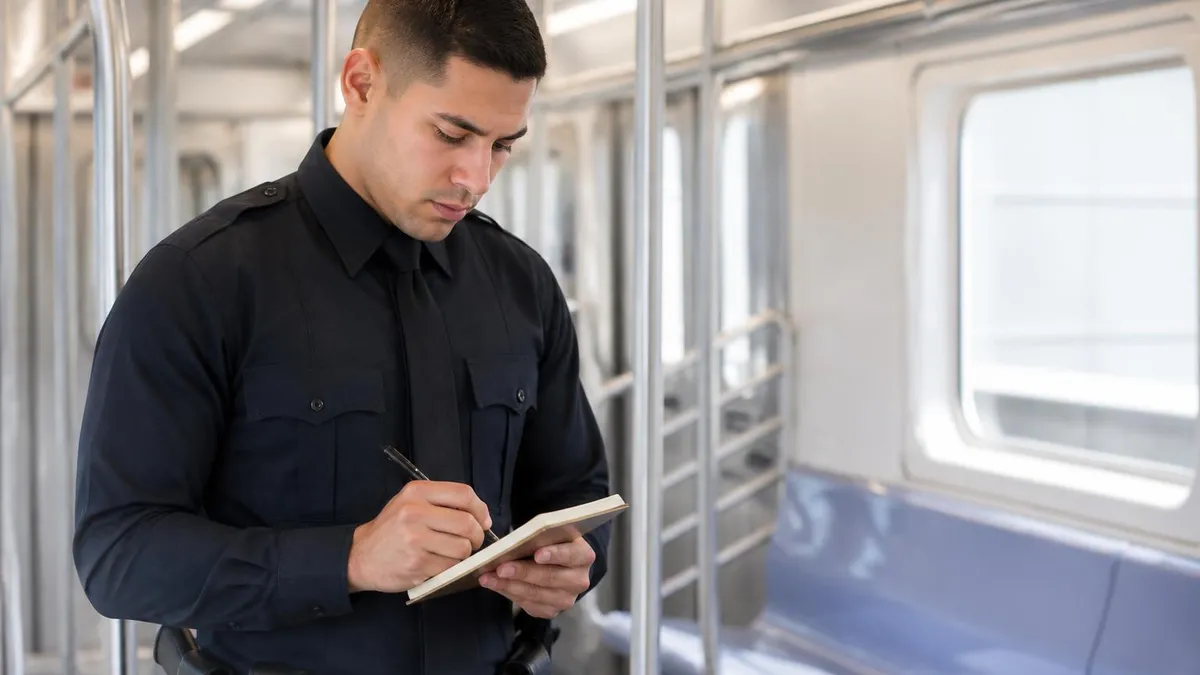
MTA Employment: Jobs, How to Apply, and the Hiring Process
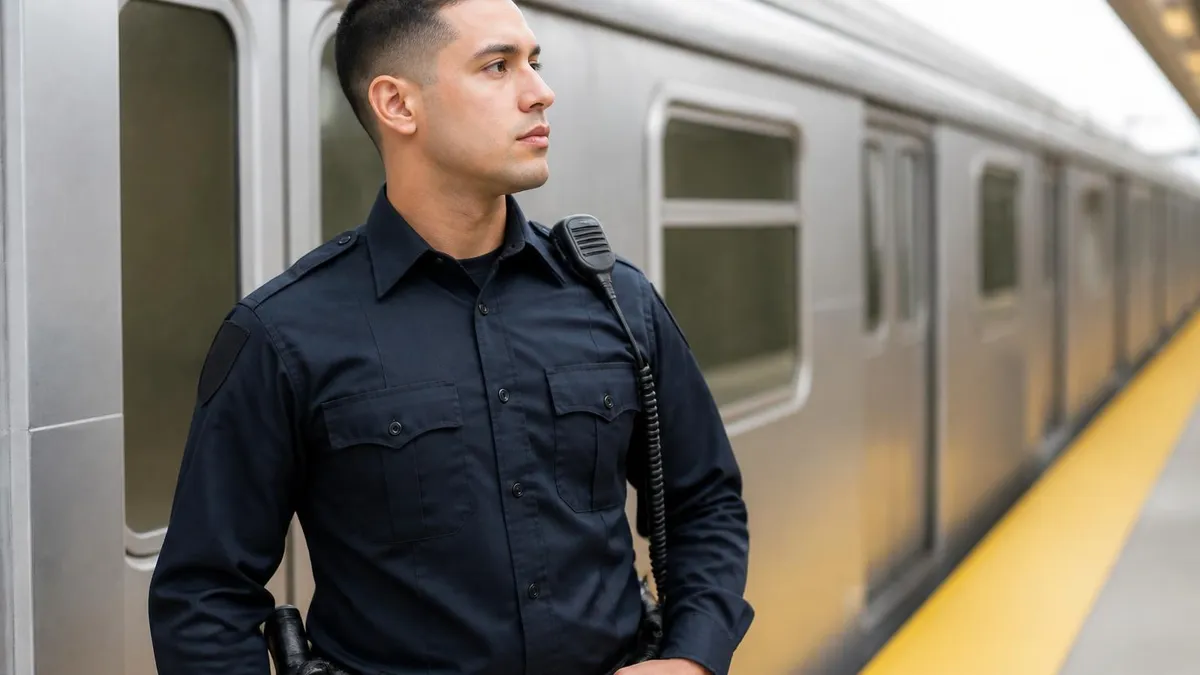
MTA Benefits: Complete Guide to Health Insurance, Pension, Retirement, and Employee Perks at the Metropolitan Transportation Authority
About the Author

Educational Psychologist & Academic Test Preparation Expert
Columbia University Teachers CollegeDr. Lisa Patel holds a Doctorate in Education from Columbia University Teachers College and has spent 17 years researching standardized test design and academic assessment. She has developed preparation programs for SAT, ACT, GRE, LSAT, UCAT, and numerous professional licensing exams, helping students of all backgrounds achieve their target scores.