
MRI Schools: Complete Guide to Programs, Costs, Admissions, and Career Outcomes in the United States
❓ Explore the best MRI schools in the US, including program types, accreditation, costs, admissions requirements, certification paths, and career outcomes.
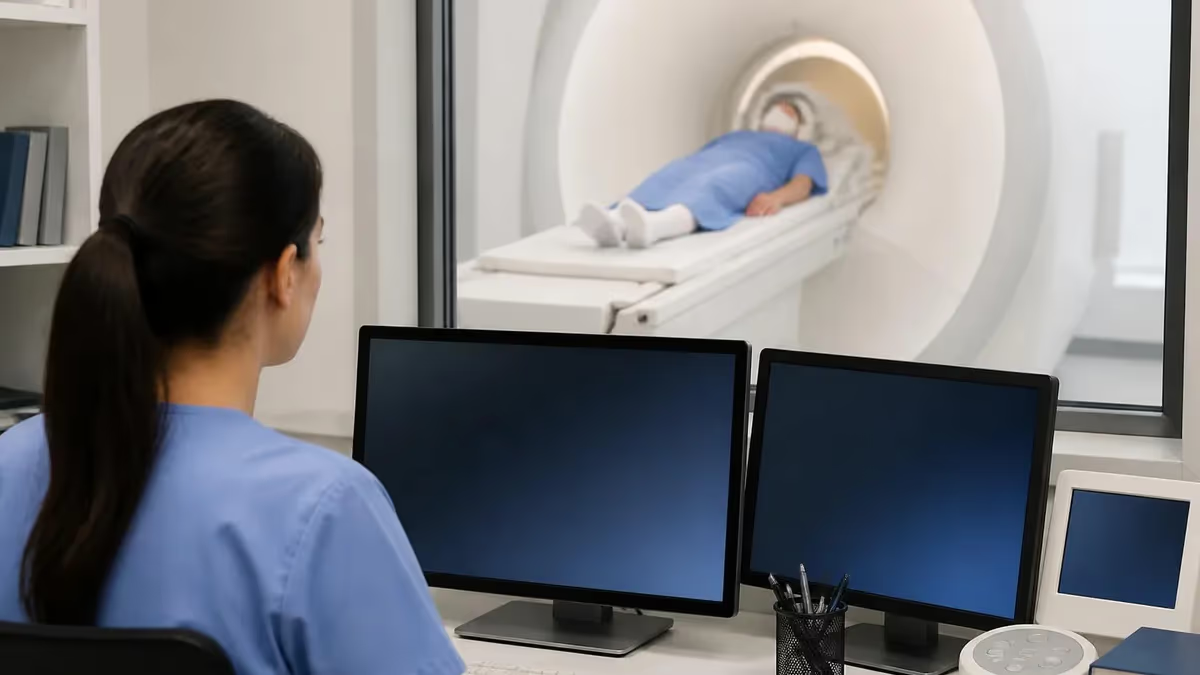
Choosing among the many mri schools in the United States is one of the most consequential decisions a future magnetic resonance imaging technologist will ever make. The right program shapes your clinical confidence, registry pass rate, starting salary, and even the modalities you'll be qualified to perform later in your career. With more than 110 JRCERT-accredited MRI programs and dozens of certificate, associate, and bachelor's tracks scattered across community colleges, hospitals, and universities, the landscape can feel overwhelming for anyone trying to start their journey.
This guide is built for prospective students who want a clear, unbiased breakdown of what MRI school actually involves. We'll walk through program formats, accreditation, prerequisites, tuition ranges, clinical hour requirements, and the certification exams you'll need to pass through the American Registry of Radiologic Technologists or the American Registry of Magnetic Resonance Imaging Technologists. Each section is designed to answer questions students actually type into search engines.
MRI is one of the highest-paid imaging specialties in healthcare, with median salaries reported by the Bureau of Labor Statistics exceeding $83,000 nationally and topping $100,000 in states like California, Oregon, and Massachusetts. Demand continues to grow as outpatient imaging centers expand, cardiac and neuro MRI applications mature, and 3T scanners replace older 1.5T units in community hospitals. That demand makes program quality, clinical placement strength, and registry pass rates the metrics that matter most.
Throughout this article, you'll see practical comparisons between certificate programs designed for working radiologic technologists and full degree programs designed for career changers without a healthcare background. We'll cover hybrid online options, traditional brick-and-mortar campuses, and hospital-based programs that still produce some of the highest-scoring graduates in the country, especially for advanced cross-sectional anatomy.
If you're already working as an X-ray technologist or sonographer, you'll likely qualify for a post-primary MRI certificate that takes 12 to 24 months. If you're starting from scratch, expect a two-year associate degree or four-year bachelor's pathway with general education, physics, anatomy, and patient care coursework before MRI-specific instruction begins. Both paths can lead to the same credential.
You'll also learn how to read between the lines of a school's marketing materials. Pass rates published on JRCERT's standards portal, employment rates at six and twelve months, and job placement statistics tell a much more honest story than glossy brochures. By the end of this guide, you'll have a checklist of questions to ask every admissions counselor before you put down a single deposit.
Finally, we'll touch on how to prepare while you're still applying. Self-study using a structured MRI registry review, anatomy flashcards, and physics primers can dramatically shorten your time to certification once you finish your program and shave months off your job search.
MRI Schools by the Numbers
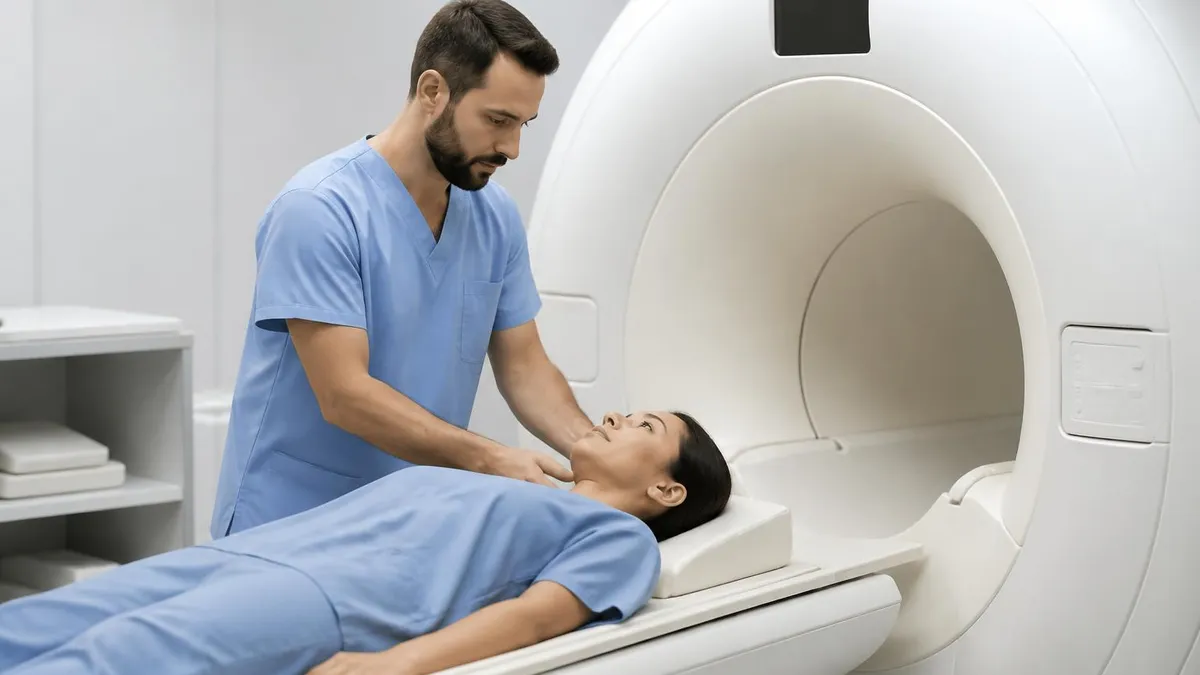
Types of MRI Programs Available
Designed for credentialed radiologic technologists, sonographers, or nuclear medicine techs. Runs 12 to 18 months and focuses entirely on MRI physics, safety, anatomy, and clinical hours, with no general education required.
A two-year program that combines general education with MRI-specific instruction. Best for students entering imaging directly from high school or career changers without prior medical credentials.
Four-year programs in medical imaging or radiologic science with an MRI concentration. Includes leadership, research, and management coursework for students targeting supervisor or educator roles.
Sponsored by major medical centers, these 12 to 24 month programs feature heavy clinical immersion. Often the strongest pass rates because students rotate through high-volume scanners daily.
Didactic content delivered online while clinical hours are completed at an approved local site. Ideal for working technologists who cannot relocate, but require strong self-discipline and documentation.
Admissions requirements vary dramatically depending on the type of MRI program you target, so understanding the prerequisites before you apply can save you a full semester or more. Post-primary certificate programs almost always require an active ARRT credential in radiography, sonography, nuclear medicine, or radiation therapy. Some accept students who hold the ARMRIT credential or a recognized international equivalent, but ARRT-recognized credentials open the widest range of doors at the largest hospital systems.
For associate degree applicants, expect prerequisites in college algebra, anatomy and physiology with lab, medical terminology, English composition, and introductory physics. Most programs want a minimum 2.5 to 3.0 GPA in these prerequisite courses, and competitive applicants typically present a 3.5 or higher. Some schools require the TEAS or HESI entrance exams as well, particularly community colleges with limited cohort seats and large applicant pools.
Bachelor's programs add general education breadth such as psychology, sociology, statistics, and humanities electives. Schools like Oregon Institute of Technology, Weber State University, and Midwestern State University offer popular online bachelor completion tracks for working technologists who already hold an associate degree and an ARRT credential.
Background checks, drug screenings, and immunization records are universal. You will need documentation of MMR, varicella, hepatitis B, Tdap, an annual flu vaccine, and current TB screening. Many clinical sites also require COVID-19 vaccination or an approved exemption, CPR certification through the American Heart Association, and proof of personal health insurance before the first rotation begins.
Job shadowing or observation hours are increasingly required. Twenty to forty hours observing MRI technologists in a clinical setting is common, and admissions committees use these hours to confirm applicants understand the realities of the job — long shifts on your feet, working with claustrophobic patients, lifting limitations, and the constant safety vigilance required around the magnet.
Letters of recommendation typically come from a supervising radiologic technologist, a college science professor, or a clinical instructor who can speak to your work ethic and patient interaction skills. A strong personal statement that explains why MRI specifically — not just imaging in general — sets you apart in a stack of similar applications. Reading about how does an MRI work can sharpen the technical vocabulary you bring to your essay and interview.
Finally, interviews are nearly universal for hospital-based and competitive university programs. Expect behavioral questions about safety, teamwork, handling a difficult patient, and your understanding of the difference between MRI and other modalities. Practicing concise answers and demonstrating awareness of zone-based safety, ferromagnetic screening, and contrast considerations will impress any program director.
MRI Practice Test Questions
Prepare for the MRI - Magnetic Resonance Imaging exam with our free practice test modules. Each quiz covers key topics to help you pass on your first try.
MRI Knowledge
MRI Exam Questions covering Knowledge. Master MRI Test concepts for certification prep.
MRI Physics
Free MRI Practice Test featuring Physics. Improve your MRI Exam score with mock test prep.
MRI Anatomy and Pathology
MRI Test Prep for MRI Anatomy and Pathology. Practice MRI Quiz questions and boost your score.
MRI Anatomy and Positioning
MRI Questions and Answers on MRI Anatomy and Positioning. Free MRI practice for exam readiness.
MRI Contrast Agents
Free MRI Quiz on MRI Contrast Agents. MRI Exam prep questions with detailed explanations.
MRI Patient Care and Positioning
MRI Practice Questions for MRI Patient Care and Positioning. Build confidence for your MRI certification exam.
What You'll Study in MRI Schools
The physics core covers nuclear magnetic resonance, T1 and T2 relaxation, gradient systems, RF coils, k-space, and pulse sequence design. Students learn how spin echo, gradient echo, inversion recovery, and echo planar sequences are constructed, and how each parameter — TR, TE, TI, flip angle, bandwidth — affects image contrast, signal-to-noise ratio, and scan time at both 1.5T and 3T field strengths.
Instrumentation modules dive into superconducting magnets, cryogen safety, shimming, quench procedures, and quality control testing. You'll also study artifacts including chemical shift, motion, aliasing, susceptibility, truncation, and Gibbs ringing, learning to identify each on real images and apply corrective parameter changes. Expect quarterly written and image-identification exams throughout the physics sequence in every accredited program.
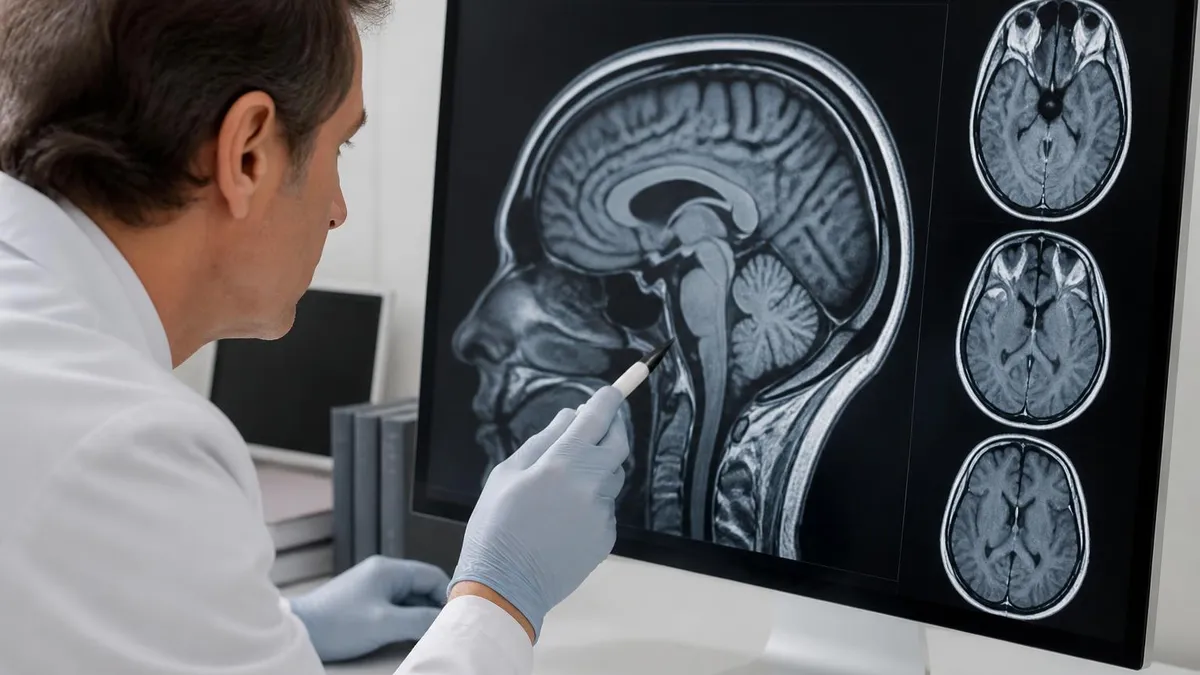
Certificate vs Degree Program: Which Path Is Right?
- +Certificate programs finish in 12-18 months for credentialed techs
- +Lower total tuition often under $12,000
- +Concentrated MRI-only curriculum with no gen ed
- +Strong clinical immersion at sponsoring hospitals
- +Faster return to full-time earning potential
- +Eligible for ARRT post-primary certification
- +Often paid clinical hours at hospital-based programs
- −Bachelor's degrees take four years and cost more
- −General education requirements delay clinical work
- −Highly competitive admission at top universities
- −Online hybrid programs require self-discipline
- −Clinical site placement isn't always guaranteed
- −Some employers prefer degree holders for leadership
- −Relocation may be required for top-ranked programs
Pros and Cons at a Glance
| Pros | Cons |
|---|---|
| Concentrated MRI-only curriculum with no gen ed | Bachelor's degrees take four years and cost more |
| Strong clinical immersion at sponsoring hospitals | General education requirements delay clinical work |
| Faster return to full-time earning potential | Highly competitive admission at top universities |
| Eligible for ARRT post-primary certification | Online hybrid programs require self-discipline |
| Often paid clinical hours at hospital-based programs | Clinical site placement isn't always guaranteed |
Choosing the Right MRI School Checklist
- ✓Confirm JRCERT or regional accreditation status before applying
- ✓Check the program's most recent ARRT MRI pass rate (aim for 80%+)
- ✓Review job placement rates at 6 and 12 months post-graduation
- ✓Tour clinical sites and ask about scanner mix (1.5T vs 3T)
- ✓Verify total clinical hours meet or exceed ARRT minimums
- ✓Compare total tuition including books, fees, scrubs, and dosimeters
- ✓Ask about cohort size and student-to-instructor ratios
- ✓Request contact information for current students or recent graduates
- ✓Confirm financial aid eligibility and scholarship opportunities
- ✓Evaluate program flexibility for working students or family obligations
- ✓Check whether the credential earned is ARRT-eligible or ARMRIT only
- ✓Review faculty credentials and years of clinical MRI experience
Pass Rates Tell the Real Story
JRCERT requires accredited programs to publish their five-year average ARRT MRI pass rate and graduate employment rate. Any program below 75% pass rate or 70% employment should raise serious concerns. Top programs routinely report 90%+ on both metrics.
Costs vary dramatically across mri schools, and understanding the full financial picture before you enroll prevents costly surprises later. Community college certificate programs often run $6,000 to $15,000 in total tuition for state residents, making them the most affordable entry point for working radiologic technologists. Out-of-state students should expect to pay two to three times that amount unless they qualify for a regional exchange agreement like WICHE or the Academic Common Market.
Private universities and hospital-based programs can charge $25,000 to $50,000 for the same certificate, though many hospital programs offset cost through paid clinical rotations, tuition reimbursement agreements, or post-graduation employment contracts. Always ask whether clinical hours are paid, whether scrubs and dosimeters are included, and whether the program requires a separate ARRT application fee or registry review course at completion.
Federal financial aid through FAFSA covers most accredited degree programs and many certificate programs that exceed 600 clock hours. Pell Grants, Direct Subsidized Loans, and Direct Unsubsidized Loans are the most common funding sources. Veterans should explore Post-9/11 GI Bill benefits, which often cover 100% of in-state public tuition plus a monthly housing stipend, dramatically improving the return on investment for service members transitioning to healthcare.
Scholarships specific to medical imaging include the ASRT Foundation Education Awards, the ARRT Educational Scholarship, the AHRA Partners in Learning grants, and numerous state society scholarships. Most award $1,000 to $5,000 per recipient and require active student membership in the sponsoring organization. Applications typically open in late winter for fall enrollment, so plan ahead and apply broadly.
The return on investment for MRI school is among the strongest in allied health. With a median salary near $84,000 and top earners exceeding $110,000, most graduates recoup their total tuition within the first 12 to 18 months of full-time employment. Travel MRI technologists can earn $2,400 to $3,200 per week on assignment, accelerating debt payoff even further for graduates willing to relocate temporarily.
Don't forget hidden costs. Background checks run $50 to $100, drug screens add another $40, immunizations can total $300 to $600 if you need a full hepatitis B series, and CPR certification costs about $75 every two years. Books, scrubs, white coats, stethoscopes, watches with second hands, and a reliable laptop add another $800 to $1,200 to your first-year budget. Review the difference between MRI and CT scan early — understanding modality boundaries helps you decide whether dual credentialing is worth additional tuition.
Finally, factor in the opportunity cost of lost wages if you're leaving a current job to attend a full-time program. Many working radiographers choose part-time or evening certificate options specifically to maintain income during school, even if it extends program length by six to twelve months.
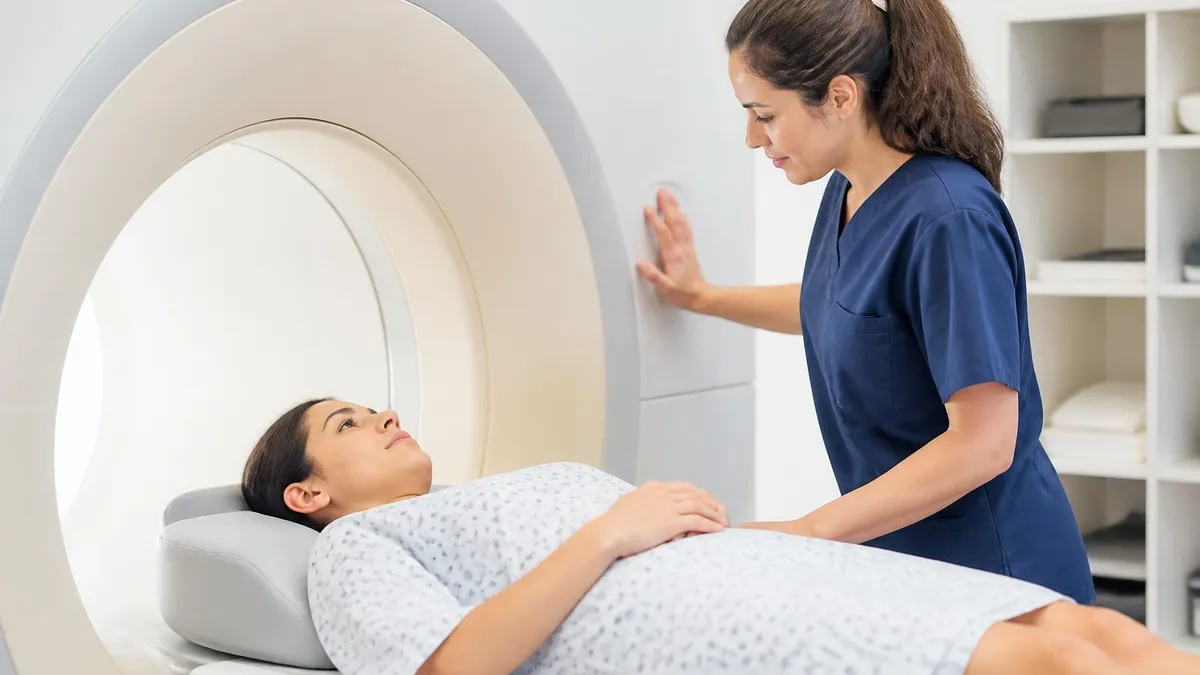
Some online MRI programs market aggressively but lack JRCERT accreditation or ARRT-recognition. Graduates may be unable to sit for the ARRT MRI exam, severely limiting employment options. Always verify accreditation directly at jrcert.org and arrt.org before enrolling.
Certification is the bridge between completing MRI school and landing your first technologist position. The two primary credentialing bodies in the United States are the ARRT, which offers the Magnetic Resonance Imaging credential through both primary and post-primary pathways, and the ARMRIT, which offers an independent registry recognized by many employers but not all. ARRT credentials are accepted in every state with licensure requirements and at virtually all major hospital systems, making it the gold standard for most graduates.
The ARRT MRI exam is a 200-question computer-based test covering patient care, imaging procedures, safety, and image production. Candidates have 3.5 hours to complete it, and a scaled score of 75 is required to pass. National pass rates hover between 80% and 87%, though top programs routinely produce cohorts at 95% or higher. Reviewing MRI MARS protocols and other advanced sequences before the exam helps with the imaging procedures section.
State licensure is a separate hurdle in many jurisdictions. California, Texas, Florida, New York, and Oregon all require state-specific licenses that may involve additional fees, background checks, and continuing education requirements. Some states recognize ARRT certification automatically, while others require a separate state exam. Always check your state radiologic technology board's website before assuming your ARRT credential is sufficient.
Continuing education keeps your credential active throughout your career. ARRT requires 24 continuing education credits every two years, with at least one credit in a directed reading on patient safety. Many MRI technologists exceed this minimum easily through annual ASRT membership benefits, conference attendance, vendor-sponsored applications training, and free online modules from radiology professional societies.
Career trajectories from MRI school are remarkably diverse. New graduates often start in outpatient imaging centers or community hospitals before moving into specialty roles like cardiac MRI, breast MRI, prostate MRI, neurointerventional support, or research imaging at academic medical centers. Lead technologist, MRI safety officer, applications specialist, clinical educator, and modality manager positions typically require three to seven years of bedside experience plus additional certifications or a bachelor's degree.
Travel MRI is a popular choice for graduates who want to see the country, accelerate debt payoff, or build experience across multiple scanner platforms. Travel contracts typically run 13 weeks and pay $2,400 to $3,500 per week including tax-free stipends for housing and meals. Most travel agencies require one to two years of full-time MRI experience before placing you on assignment, so plan accordingly during your first job search.
The history of MRI is also worth studying — understanding how Lauterbur, Mansfield, and Damadian shaped the field gives you context for interview questions and helps you appreciate the rapid pace of innovation still happening in pulse sequence design, hardware, and artificial intelligence reconstruction.
Practical preparation for MRI school success starts long before your first day of orientation. Begin building anatomy fluency now using free resources like Radiopaedia, the ASRT Learning Center, and YouTube channels dedicated to cross-sectional anatomy. Daily 30-minute review sessions in the months leading up to enrollment will put you weeks ahead of your classmates and reduce stress when the first anatomy exam arrives during week three of most programs.
Develop strong study habits before classes begin. MRI school moves fast — most programs cover 1.5T physics, k-space, and pulse sequences in the first eight weeks, with no time to revisit basics once new material arrives. Practice the Cornell note-taking method, build a flashcard deck early using Anki or Quizlet, and identify a quiet study location at home where you can reliably put in 15 to 20 hours per week outside of class.
Shadow technologists at multiple facilities before you enroll if possible. Observing scans at a community outpatient center, a Level I trauma hospital, and a specialty cardiac or neuro imaging center will give you a realistic picture of the patient populations, scanner capabilities, and workflow differences you'll encounter during clinicals. Ask technologists about claustrophobic patients, sedation procedures, and how they handle screening surprises like undocumented implants.
Build relationships with your clinical instructors and radiologists from day one. These connections often lead directly to job offers — many graduates report receiving their first full-time position from a clinical site where they completed rotations. Show up early, ask thoughtful questions, take initiative on patient care, and document your scanned exam log meticulously. Your competency checklist is the single most important paperwork you'll generate during school.
Start studying for the ARRT MRI registry during the second half of your program, not after graduation. Use a structured review book like Mosby's MRI Review or the Kettering Review, complete 50 practice questions per week, and track your performance by content area. Most failed candidates underestimated either patient care or image production sections — both are heavily tested and frequently overlooked in favor of physics, which feels harder but actually accounts for fewer questions.
Plan your job search strategically during the final semester. Update your resume to highlight clinical sites, scanner models, total exams logged, and any special procedures observed. Apply to outpatient centers and community hospitals first if you want a balanced schedule, or apply to academic medical centers if you want exposure to advanced procedures, research, and continuing education opportunities. Don't ignore travel agencies — many will pre-credential you so you can start a contract immediately after passing your registry.
Finally, take care of your physical and mental health throughout the program. MRI school is intense, and burnout is real. Build exercise into your weekly routine, maintain sleep hygiene, lean on classmates for support, and remember that one bad exam doesn't define your career. Graduates consistently report that resilience and self-care were as important to success as any clinical or didactic skill they learned in the classroom.
Sample MRI - Magnetic Resonance Imaging Practice Questions
Try these questions from our free MRI - Magnetic Resonance Imaging practice tests. The correct answer and an explanation follow each question.
Which organization accredits MRI education programs whose graduates may be eligible to sit for the ARRT MRI registry?
- A. American College of Radiology (ACR)
- B. Joint Review Committee on Education in Radiologic Technology (JRCERT)
- C. The Joint Commission (TJC)
- D. American Society of Radiologic Technologists (ASRT)
Answer: B. Joint Review Committee on Education in Radiologic Technology (JRCERT)
JRCERT accredits radiologic technology education programs, and graduation from an accredited program satisfies ARRT educational requirements.
Which positioning aid is used to maintain the ankle in a 90° neutral position during MRI to optimally visualize the Achilles tendon?
- A. Sand bag
- B. Vacuum immobilization device
- C. Ankle positioning block or foam wedge
- D. Compression bandage
Answer: C. Ankle positioning block or foam wedge
A foam wedge or ankle block holds the foot perpendicular to the leg, minimizing magic angle artifact and providing consistent Achilles tendon orientation.
Which of the following changes will increase spatial resolution without changing the FOV?
- A. Increasing the matrix size
- B. Decreasing the matrix size
- C. Increasing slice thickness
- D. Increasing NEX
Answer: A. Increasing the matrix size
Increasing matrix size means more phase and frequency encoding steps, reducing voxel size and improving spatial resolution within the same FOV.
Which sequence parameter directly controls the slice thickness in a 2D spin-echo acquisition?
- A. Bandwidth of the readout gradient
- B. Bandwidth of the RF pulse divided by the slice-select gradient amplitude
- C. TE duration
- D. TR duration
Answer: B. Bandwidth of the RF pulse divided by the slice-select gradient amplitude
Slice thickness = RF pulse bandwidth ÷ slice-select gradient amplitude; thicker slices can be produced by widening the RF bandwidth or reducing the gradient strength.
Take the full MRI - Magnetic Resonance Imaging practice test
MRI Questions and Answers
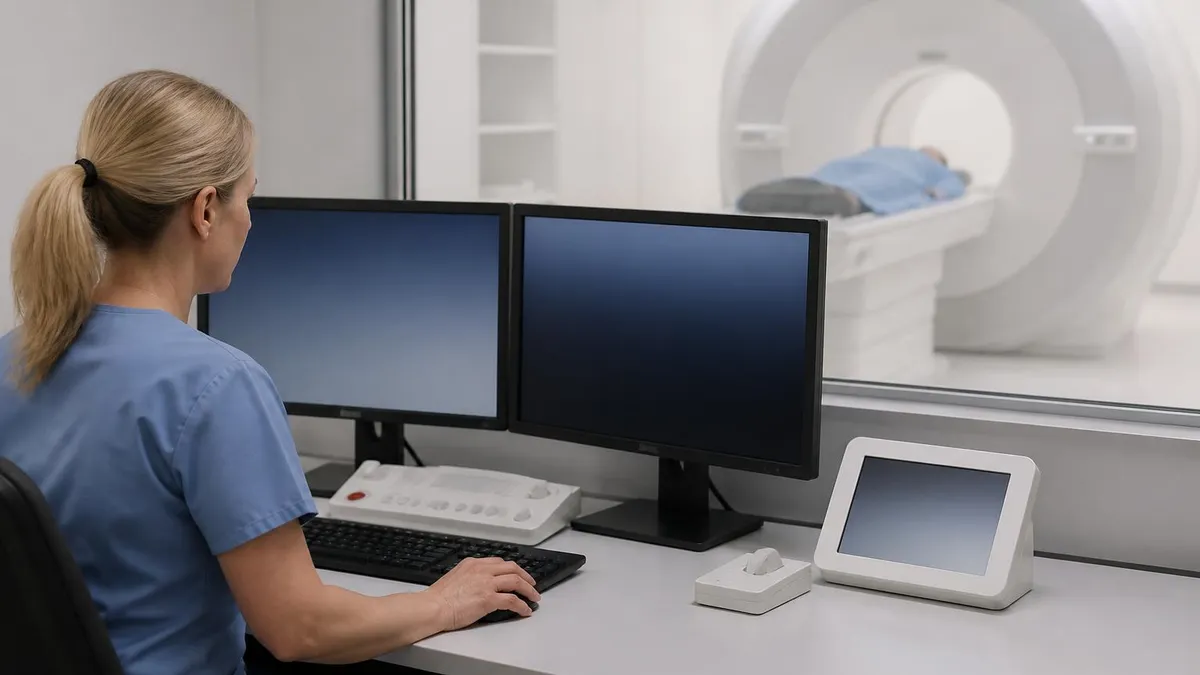
MRI MARS Protocol: Complete Guide to Metal Artifact Reduction Sequences for Orthopedic Imaging
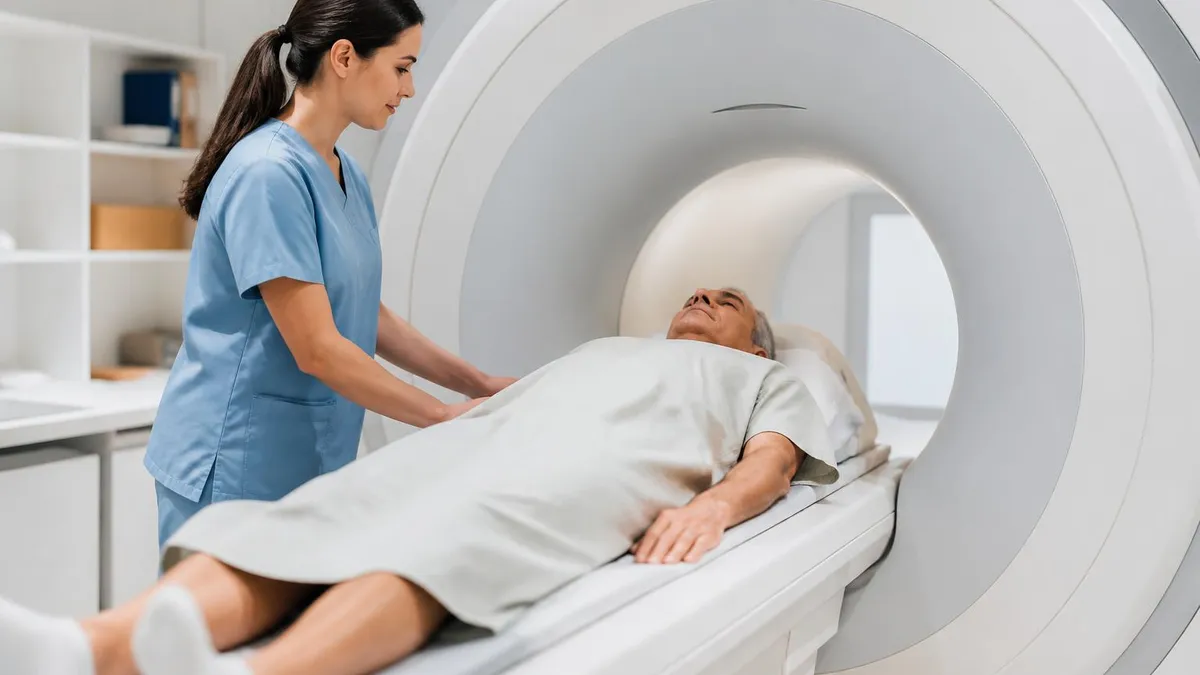
How Does an MRI Work: Magnetic Resonance Imaging Explained
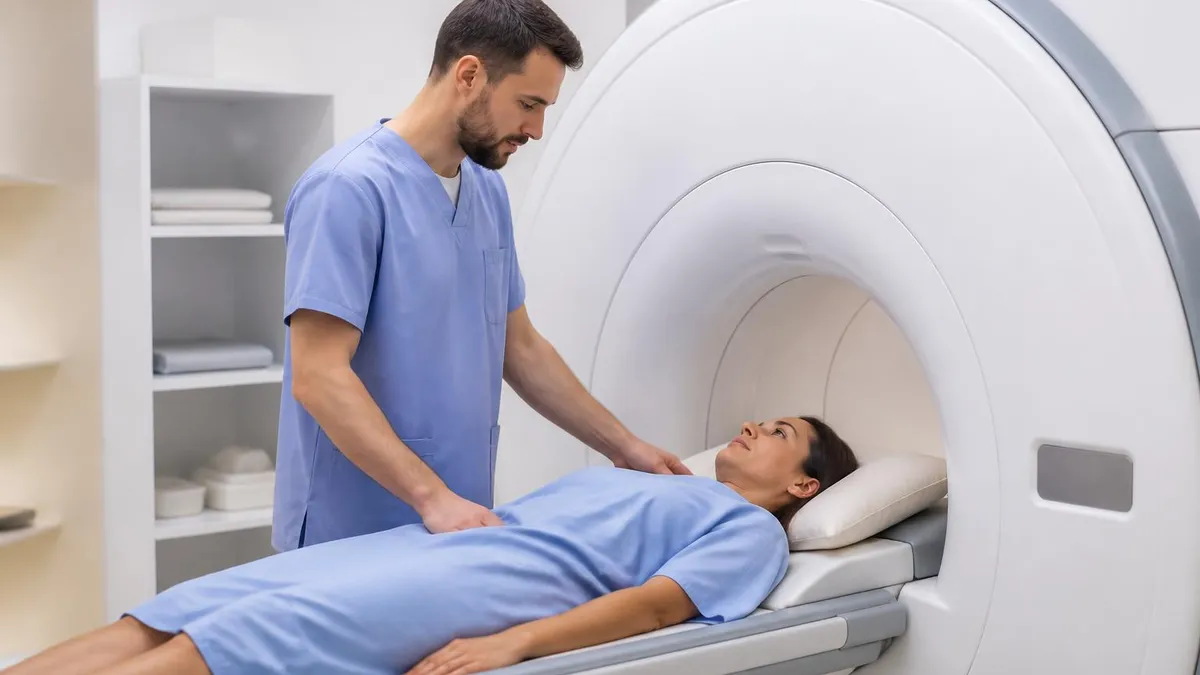
MRI With or Without Contrast: What to Expect
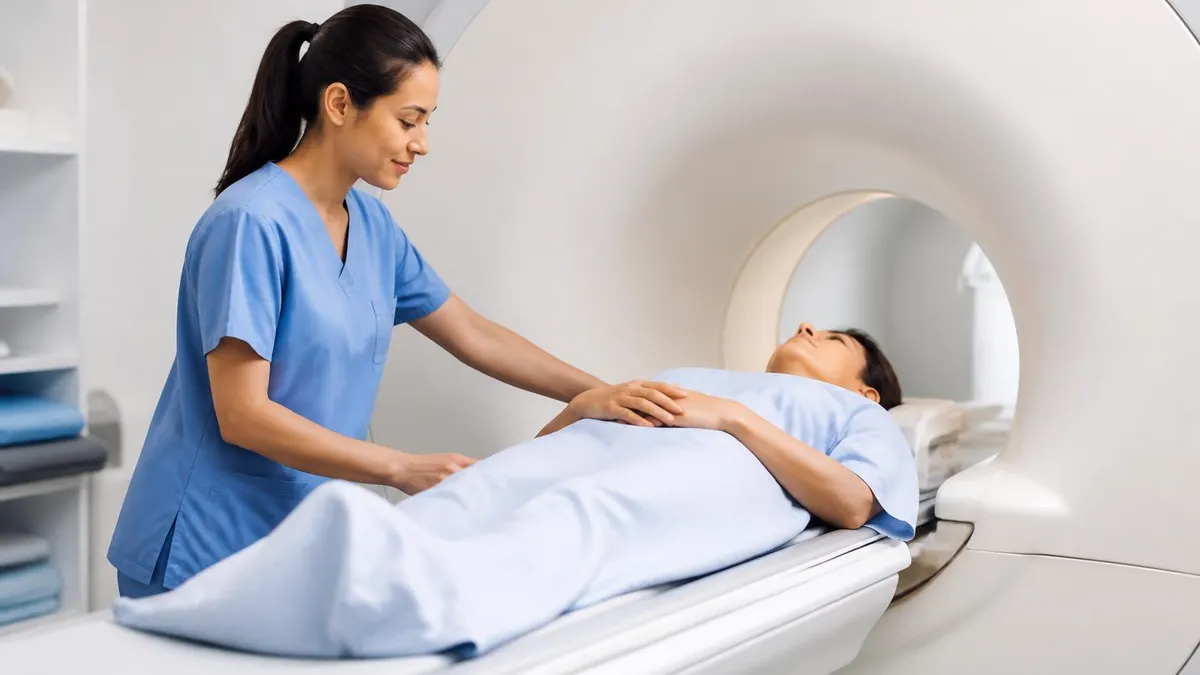
The History of MRI: From Discovery to Modern Medicine
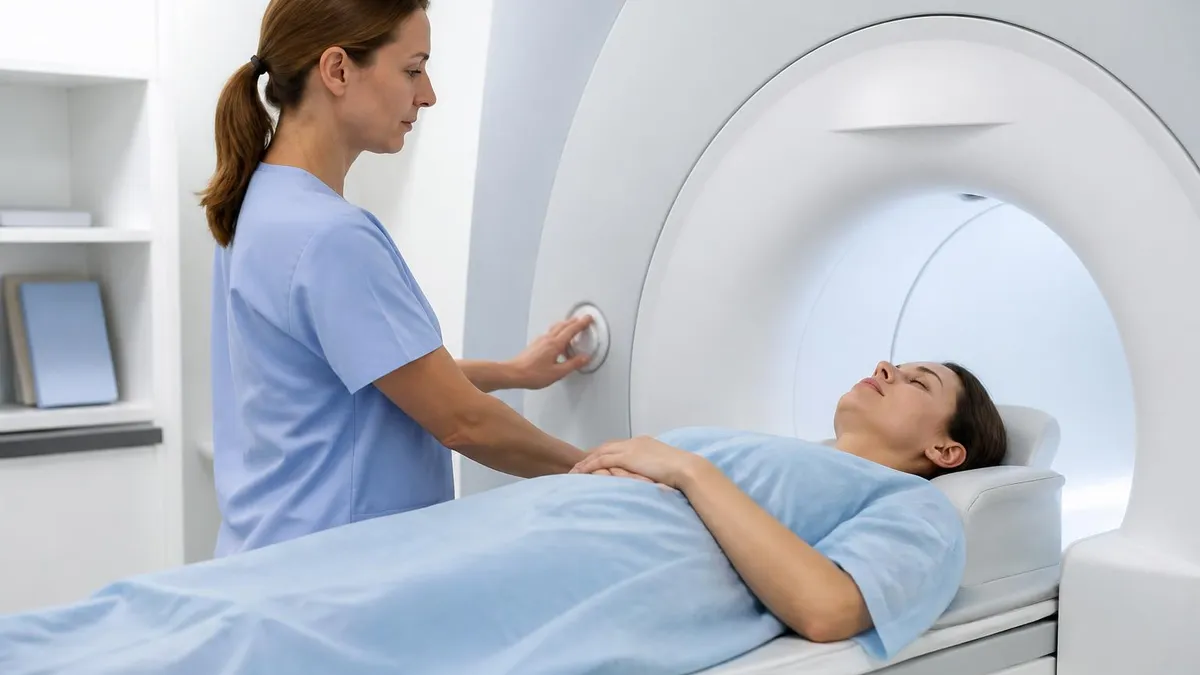
What's the Difference Between MRI and CT Scan? A Complete Comparison Guide
About the Author

Medical Laboratory Scientist & Clinical Certification Expert
Johns Hopkins UniversityDr. Sandra Kim holds a PhD in Clinical Laboratory Science from Johns Hopkins University and is certified as a Medical Technologist (MT) and Medical Laboratory Scientist (MLS) through ASCP. With 16 years of clinical laboratory experience spanning hematology, microbiology, and molecular diagnostics, she prepares candidates for ASCP board exams, MLT, MLS, and specialist certification tests.
Join the Discussion
Connect with other students preparing for this exam. Share tips, ask questions, and get advice from people who have been there.
View discussion (8 replies)