
MEPS — The Complete Guide to Military Entrance Processing Stations
MEPS — Military Entrance Processing Stations process every US military recruit. 65 locations, 2-day exam, ASVAB, medical, oath. Full guide and prep tips.
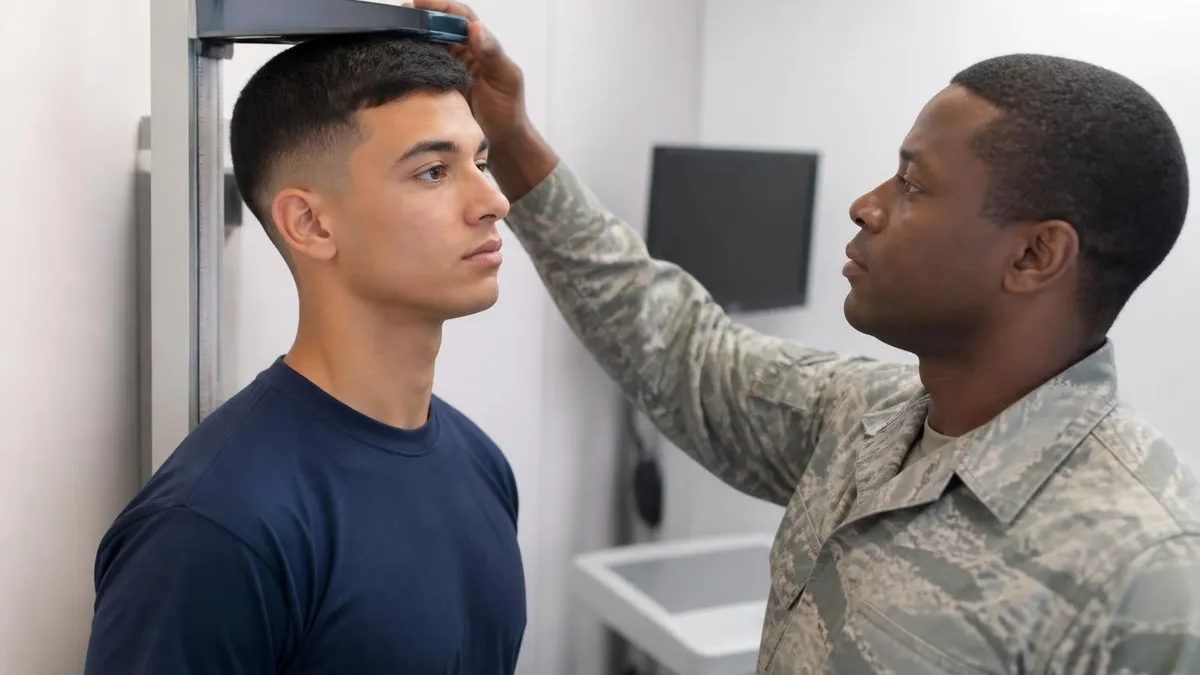
If you have decided to enlist in any branch of the United States military, you will pass through a Military Entrance Processing Station — better known as MEPS. There are 65 of them scattered across the country, and every recruit, regardless of service, walks through one before shipping out. That is not a coincidence; it is by design. MEPS is the single quality-control checkpoint between civilian life and active duty, and the Department of Defense built it that way for a reason.
What surprises most people is just how much happens in those two days. You will be poked, measured, scanned, and asked questions about your medical past going back to childhood. You sit for the ASVAB if you have not already taken it, you choose a job from the list your score qualifies you for, and finally you raise your right hand and swear the oath of enlistment. By the time you walk out, you are technically a service member of the United States Armed Forces.
Below is a complete, no-fluff guide to what MEPS actually is, why it exists, where the locations are, and exactly what to expect during the 36-hour process. We will also cover the medical disqualifiers that trip people up, the paperwork you must bring, and the small mistakes that send recruits home empty-handed. Read it, share it with whoever is shipping with you, and walk in prepared.
What MEPS Is — and Why the Military Cannot Skip It
MEPS stands for Military Entrance Processing Station. Each one is a joint-service installation staffed by uniformed members of the Army, Navy, Air Force, Marines, and Coast Guard, plus civilian doctors, lab technicians, and contractors. They report up to the United States Military Entrance Processing Command, or USMEPCOM, headquartered at Fort Knox, Kentucky.
The mission is simple on paper: confirm that every applicant meets the moral, physical, and mental standards Congress set for military service. In practice that means running every recruit through identical screening. A Marine recruit in Houston is held to the exact same medical bar as a sailor in Boston. The standards live in DoD Instruction 6130.03 — a 200-page rulebook every MEPS doctor knows by heart.
Skipping MEPS is not an option. Even if you sign with a recruiter and score perfect on the ASVAB, you cannot ship to basic training until MEPS has cleared you. Only USMEPCOM can stamp your file as qualified for enlistment.
MEPS By The Numbers
How Many MEPS Locations Are There, and Where?
There are 65 MEPS sites in the United States, including two in Puerto Rico (San Juan) and one in Honolulu, Hawaii. Every state with sizeable population centers has at least one, and high-recruit states like Texas, California, and Florida have three or four. The Army runs the largest share of stations, the Navy is the next largest, and the smaller branches operate fewer stations but share facilities at most sites.
You do not choose your MEPS — your recruiter does. The assignment is based on your home address and whichever station has open processing slots. If you live in upstate New York you might go to Albany or Buffalo. A recruit from El Paso would be sent to either El Paso MEPS or Albuquerque, depending on the day. There is no advantage to one location over another; the medical staff use the same checklists and the same DoDI 6130.03 disqualifier list at every site.
Some stations have a reputation for being faster or slower, but most of that comes down to staffing on a given week, not policy. The Los Angeles, Chicago, San Antonio, and Atlanta MEPS are the busiest in the country — expect crowded waiting rooms and longer wait times for the doctor.
The MEPS Two-Day Schedule
Arrive at contracted hotel by 18:00, eat dinner provided in the lobby, attend the welcome briefing, lights out by 22:00. Lockers and roommates assigned at check-in.
- ▸Sign hotel ledger and meet your service liaison
- ▸Mandatory dinner — no leaving the property
- ▸Lights out 22:00, wake-up call 04:00
Wake-up call, fast breakfast, shuttle to MEPS for 05:00 sharp. Anyone late stays behind. Phones and personal effects locked away on arrival.
- ▸Breakfast 04:15
- ▸Shuttle departs hotel 04:45
- ▸Check-in and badging 05:00–05:30
ASVAB testing (if not already taken), full medical exam, urinalysis, fingerprinting for FBI background check, vision and hearing screens.
- ▸ASVAB CAT-test if needed (~90 min)
- ▸Head-to-toe physical and duck walk
- ▸Urinalysis, fingerprints, dental check
Service counselor meets with you to review job openings based on your ASVAB score, you select an MOS or rating, sign the enlistment contract, and take the oath.
- ▸Job counseling and MOS selection
- ▸Contract review and signing
- ▸Oath of enlistment ceremony
The Two-Day MEPS Process, Hour by Hour
Most recruits arrive on a Sunday or Monday evening at a contracted hotel paid for by the government. You will be in a shared room with another applicant, and curfew is usually 22:00. Breakfast is at 04:00 the next morning. A shuttle drives you to MEPS by 05:00 sharp. Be late and your processing day is gone.
The first thing that happens is check-in and security screening. You will dump your phone and personal effects into a locker, get a badge, and meet your liaison — usually an NCO from your service. From that point on, you are on the clock and following directions in lock-step with everyone else.
Step one is the ASVAB if you have not already taken it. The computer-adaptive test runs about 90 minutes and covers ten subtests. Recruits who took the high-school P-iCAT version often retake it here because the score qualifies for a wider range of jobs.
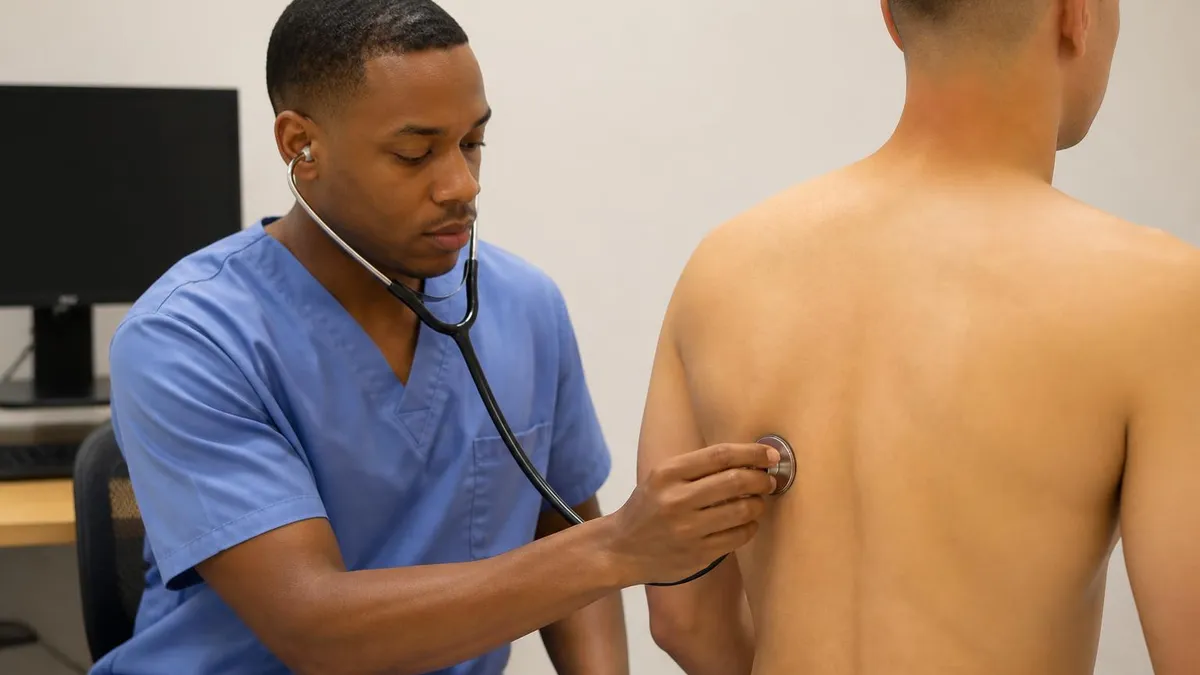
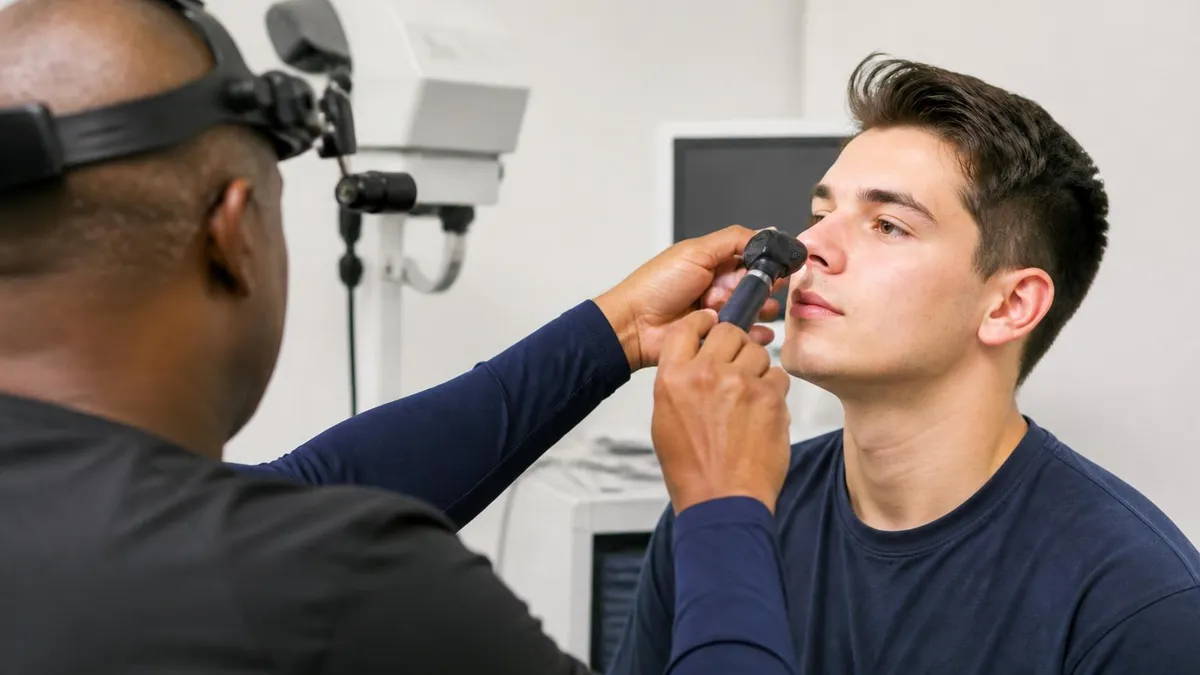
Medical screening begins with a height-weight check and a urinalysis. The urinalysis screens for protein, glucose, blood, and drugs. Then a doctor walks you through a head-to-toe physical: eyes, ears, nose, throat, heart, lungs, joints, reflexes, spine, hernia check, and what every recruit dreads — the duck walk to confirm full range of motion in the hips and knees.
By early afternoon you should be cleared medically, fingerprinted for the FBI background check, briefed by your service counselor, and presented with the available jobs your ASVAB score qualifies you for. The job — your Military Occupational Specialty, rating, or Air Force Specialty Code — is locked in here.
The final step is the oath of enlistment. An officer reads the words, you repeat them, and you are now a member of the Delayed Entry Program — or shipping to boot camp the same day if you are direct-ship. Most recruits are home by dinner on day two, contract in hand and ship date set.
MEPS Standards Across the Branches
The Army is the largest user of MEPS, processing the most recruits annually. Minimum ASVAB AFQT score is 31. Body fat caps are 28% for men and 36% for women. The Army has the largest waiver authority in the DoD — most borderline medical cases clear for the Army before any other branch will accept them.
What You Must Bring to MEPS
The single fastest way to fail MEPS is to forget paperwork. Bring your Social Security card and one form of photo identification — a driver's license or passport works. Bring your birth certificate, especially the long-form version. If you have ever seen a doctor for anything that might disqualify you, bring those records too. Pediatric notes, surgical reports, allergy diagnoses, prescription histories — all of it should travel with you in a folder you can hand to the doctor without rummaging.
Pack a small overnight bag with toiletries and a change of clothes. Dress professionally for the oath — slacks, collared shirt, closed-toe shoes. No revealing clothing, no offensive logos, no flip-flops. The dress code is strictly enforced and you will be sent home to change if you show up looking sloppy. Photos of the oath ceremony are often taken by your recruiter, so look the part.
Leave the following at home: tobacco products, vapes, alcohol, supplements you have not cleared with the recruiter, and anything you cannot explain in plain English to a stranger. Energy drinks and pre-workout the morning of MEPS will spike your blood pressure and get you sent home for a re-screen. Even something as innocent as a creatine loading dose can throw off the urinalysis enough to trigger a second test.
If you wear glasses or contacts, bring both plus your prescription card. If you take daily medication, bring the original bottle with your name on the label. MEPS will not let you self-medicate from a baggie or a pill box, and missing a documented dose mid-process can flag the medical record.
What to Bring to MEPS
- ✓Social Security card (original, not photocopy)
- ✓Government-issued photo ID (driver's license or passport)
- ✓Birth certificate, long-form preferred
- ✓Complete medical records for any condition you have disclosed
- ✓Eyeglasses or contacts, plus prescription paperwork
- ✓List of current medications and dosages
- ✓Marriage certificate and dependent records if applicable
- ✓Professional dress for the oath ceremony
Common MEPS Medical Disqualifiers
Roughly 30 percent of applicants are temporarily or permanently disqualified at MEPS, and almost all of those rejections come down to a small handful of issues. Vision and hearing problems are the most common — uncorrected visual acuity worse than 20/200, color blindness affecting safety-critical jobs, or hearing loss above 25 decibels at any tested frequency will flag you. Refractive surgery is allowed but must be at least six months healed.
Weight is the next biggest factor. Each branch has its own table — the Army allows up to 28 percent body fat for men and 36 percent for women, the Marines are stricter at 18 and 26 percent. The tape test happens at MEPS using neck and waist measurements (and hip for women). Failing means going home and coming back leaner, usually after at least 30 days of documented weight loss.
Asthma diagnosed or treated after age 13 is a permanent disqualifier without a waiver. Mental health history — ADHD treated with medication in the last 24 months, any history of self-harm, hospitalization for depression — usually requires a waiver and additional records. Hernias, scoliosis, flat feet, and recent surgeries within the last year all trigger automatic referrals to specialists.
The good news: waivers exist for almost everything. Roughly 60 percent of waiver requests are approved, especially for high-need MOS shortages. Your recruiter is the right person to push the paperwork. The more documentation you walk in with — pediatrician notes, treatment summaries, post-surgical clearances — the faster the waiver moves through the chain.
Tattoos and piercings get inspected too. Visible neck, hand, and face tattoos are restricted in every branch. Each service has its own measurement rules and photo requirements; the MEPS staff takes pictures and forwards them to your branch's review board. Most are approved, but expect questions about the imagery or text.
What Happens After You Pass MEPS
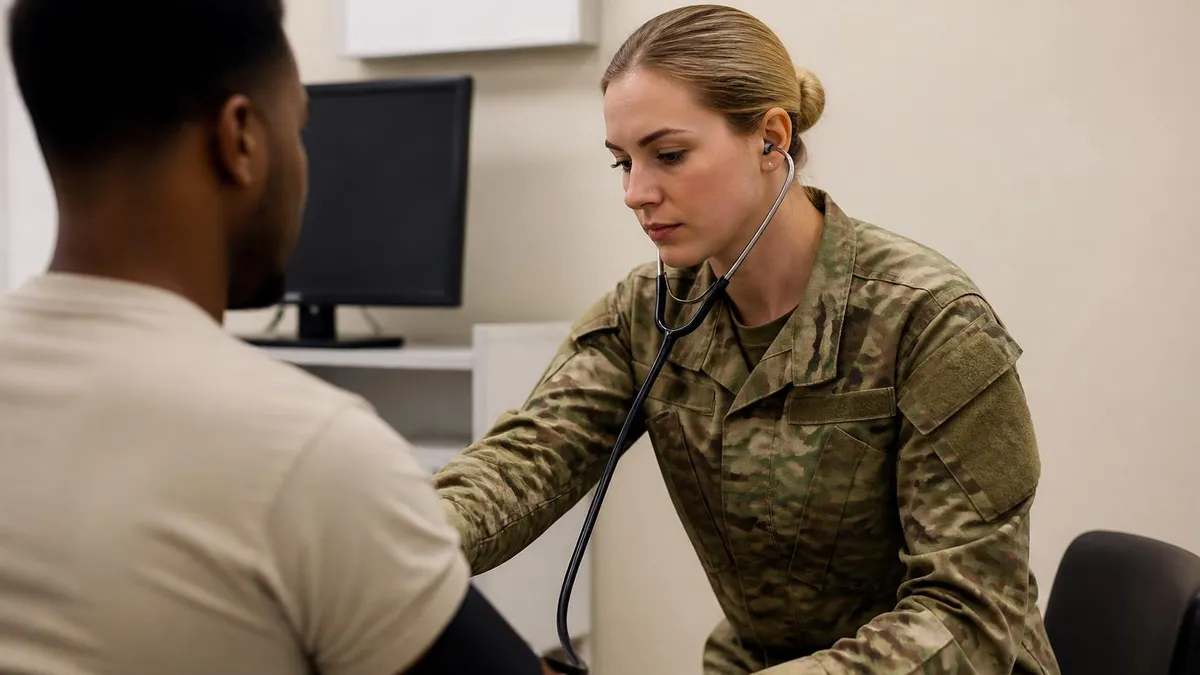
Once you have raised your right hand, one of two things happens. If you are direct-ship, you board a bus or plane the same evening to your service's basic training site — Fort Jackson, Great Lakes, Lackland, Parris Island, or Cape May depending on the branch. Direct ships are usually reserved for jobs in critical shortage, and the timing benefits from the recruit having no time to back out.
Most recruits enter the Delayed Entry Program, or DEP. You go home, keep doing what you were doing, and ship to basic training on a future date — typically anywhere from 30 days to 12 months out. While in DEP you must stay out of trouble, keep your weight in standards, and check in monthly with your recruiter. Any arrest, even a misdemeanor like underage drinking, can void your contract.
You will also receive your enlistment bonus paperwork and any college money commitments at MEPS — the GI Bill kickers, the Army Loan Repayment Program, or the Navy's College Fund. Read every page before signing. What is in your contract is what you are owed; verbal promises from recruiters do not survive boot camp. If a benefit was promised but is not in writing, push back at MEPS before you sign.
DEP also gives you a chance to attend pre-basic training meetings, learn the rank structure, and get familiar with the customs and courtesies your branch expects. Treat it as a head start. The recruits who arrive at basic training already knowing how to march in step, address officers, and recite the general orders get noticed in a good way.
How to Prepare So You Pass First Time
The ASVAB is the single biggest predictor of which jobs you qualify for. The minimum score for any branch is 31 (Army) to 36 (Coast Guard), but the high-paying technical jobs — nuclear engineer, cryptologist, military intelligence — require 90 or above. Spend at least two months studying with practice tests and you can add 15 to 25 points to a cold-start score.
Physically, dial in your weight and blood pressure for two weeks before MEPS. Cut sodium, sleep eight hours, no alcohol, no caffeine the morning of. If your blood pressure runs high under stress, lie on your back for ten minutes in the waiting area before they call you back — it works more often than people expect.
Be honest. The medical interview is the only place where lying will end your career before it starts. They cross-reference your answers against insurance records, Medicaid claims, and prescription databases. If you took Adderall in eleventh grade and you say no, they will find it. Disclose, request a waiver, and move on.
Get a good night's sleep before MEPS night one. Skip the late-night party with friends. Treat it like the most important job interview of your life — because it is. The shuttle leaves at 04:30 and there is no second chance if you miss it.
Going Through MEPS — Pros and Cons
- +Standardized — every recruit meets the same medical and moral bar
- +Lodging, meals, and transportation are paid by the government
- +ASVAB job counseling happens on-site with real-time openings
- +Most processing is complete in under 36 hours
- −Days are long, often 12+ hours of waiting and screening
- −Roughly 30% of recruits get flagged for additional medical review
- −No phones, no privacy, and no control over the schedule
- −A failed urinalysis or blood pressure check restarts the clock
Final Word on MEPS
MEPS is intimidating the first time. It is loud, the hallways are long, the briefings are dry, and the medical exam is more thorough than any civilian physical you will ever have. But it is also fair. Every single one of the 200,000 recruits who enter the military each year goes through the exact same process, answers the exact same questions, and meets the exact same standards. There are no shortcuts and no friend-of-a-friend who can bend the rules.
Treat it as the gateway it is, prepare honestly, bring your paperwork, score high on the ASVAB, and you will walk out two days later with a sworn oath, a job, a ship date, and the beginning of a military career. The hard part is not MEPS — it is what comes after. Get this step right and the rest gets easier.
If you have not started ASVAB prep yet, today is the day. The score you walk into MEPS with decides which jobs are even on the table. A 50 unlocks most of the military; a 70 opens technical fields with bonuses; a 90 puts you in the room for nuclear, intel, and special programs. The test is the same wherever you take it, but the prep is what changes your future.
MEPS Questions and Answers
About the Author
Attorney & Bar Exam Preparation Specialist
Yale Law SchoolJames R. Hargrove is a practicing attorney and legal educator with a Juris Doctor from Yale Law School and an LLM in Constitutional Law. With over a decade of experience coaching bar exam candidates across multiple jurisdictions, he specializes in MBE strategy, state-specific essay preparation, and multistate performance test techniques.
Join the Discussion
Connect with other students preparing for this exam. Share tips, ask questions, and get advice from people who have been there.
View discussion (1 reply)