

MHC Practice Test
Updated for September 2026Material handling plays a critical role in any manufacturing or distribution process, ensuring the efficient movement of goods and materials within a facility. A Material Handling Certification (MHC) provides workers and professionals with the necessary knowledge to handle equipment, materials, and safety protocols properly. This certification is beneficial for individuals working in warehouses, distribution centers, and production plants, as it equips them with essential skills in managing and organizing the movement of goods.
Obtaining an MHC not only enhances job prospects but also promotes safety and efficiency, reducing accidents and improving overall operations. With the rise in e-commerce and supply chain management, the demand for skilled workers with formal material handling training is on the rise. This article explores the importance of Material Handling Certification, the key aspects of the training, and the benefits of acquiring this certification for both employees and employers.
Free MHC Practice Test Online
Key Takeaways:
Importance of Material Handling: Material handling involves the efficient and safe movement of materials from one location to another within a facility. It includes practices such as loading, unloading, storage, and transportation of goods.
Certification Overview: Material Handling Certification ensures that employees have a thorough understanding of material handling equipment, workplace safety, and procedures.
Safety Protocols: Safety training is a core component of MHC, as improper material handling can lead to accidents and injuries.
Equipment Training: Workers learn how to properly use forklifts, conveyors, and other material handling tools and equipment to avoid mishaps.
Benefits of Certification: Certified professionals are better equipped to increase productivity, reduce risks, and improve operational efficiency in a work environment.
Career Advancement: Earning a Material Handling Certification opens up opportunities for career growth within industries that rely heavily on logistics and warehouse management.
MHC Practice Test Questions
Prepare for the MHC - Material Handling Certification exam with our free practice test modules. Each quiz covers key topics to help you pass on your first try.
MHC Communication & Stakeholder Management
MHC Exam Questions covering Communication & Stakeholder Management. Master MHC Test concepts for certification prep.
MHC Ergonomics & Human Factors
Free MHC Practice Test featuring Ergonomics & Human Factors. Improve your MHC Exam score with mock test prep.
MHC Logistics & Workflow Efficiency
MHC Mock Exam on Logistics & Workflow Efficiency. MHC Study Guide questions to pass on your first try.
MHC Material Handling Equipment Operation
MHC Test Prep for Material Handling Equipment Operation. Practice MHC Quiz questions and boost your score.
MHC Professional Standards & Ethics
MHC Questions and Answers on Professional Standards & Ethics. Free MHC practice for exam readiness.
MHC Quality Assurance & Continuous Improve...
MHC Mock Test covering Quality Assurance & Continuous Improvement. Online MHC Test practice with instant feedback.
MHC Regulatory Compliance & Legal Framework
Free MHC Quiz on Regulatory Compliance & Legal Framework. MHC Exam prep questions with detailed explanations.
What is Material Handling Certification?
Material Handling Certification (MHC) is a credential awarded to individuals who have demonstrated proficiency in the safe and efficient handling of materials within a warehouse, manufacturing plant, or distribution center. The certification process ensures that workers are trained in both the practical and theoretical aspects of material handling, including safety, equipment operation, and warehouse management systems.
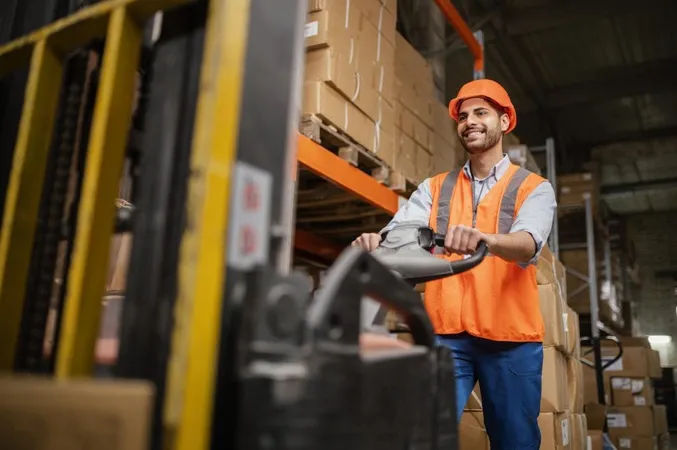
The primary goal of material handling is to improve the efficiency of operations while maintaining a safe working environment. With the increasing demand for skilled workers in industries that rely on material handling, such as manufacturing and logistics, MHC has become a valuable certification that adds to an employee's skill set.
Why is Material Handling Certification Important?
Material handling is a critical aspect of warehouse and supply chain operations. Whether it’s moving raw materials in a manufacturing facility or transporting finished products to a distribution center, improper material handling can lead to serious injuries, damaged goods, and wasted time. A Material Handling Certification ensures that workers are equipped with the knowledge and skills to:
Safely handle materials using the correct equipment
Operate forklifts, pallet jacks, and other handling equipment safely
Implement best practices to minimize damage to products
Understand and comply with Occupational Safety and Health Administration (OSHA) regulations
Improve efficiency by reducing time spent on unnecessary material movements
The certification helps improve safety and productivity by reducing the risk of accidents and streamlining processes. Employers who invest in MHC training often see a significant reduction in injuries and workplace accidents, leading to lower insurance premiums and improved employee morale.
Components of Material Handling Certification Training
Material Handling Certification training programs cover various topics that equip employees with the necessary skills to perform their job efficiently and safely. Some of the key components of the training include:
Safety Procedures:
Proper lifting techniques
Personal protective equipment (PPE) usage
Safe transportation methods
Hazardous material handling
Fire safety measures
Handling Equipment Training:
Forklift operation and safety
Automated guided vehicles (AGVs)
Conveyor systems
Pallet jacks and cranes
Warehouse Organization and Inventory Control:
Efficient use of space in warehouses
Stock rotation and FIFO (First In, First Out)
Inventory tracking and management systems
Health and Ergonomics:
Preventing back injuries
Reducing strain through proper techniques
Ergonomically designed workstations
Regulations and Standards:
Compliance with OSHA regulations
Industry standards for material handling
Environmental guidelines for sustainable practices
The Process of Obtaining Material Handling Certification
To obtain Material Handling Certification, candidates typically need to complete a training program that covers both classroom instruction and hands-on experience. The certification process generally involves:
Enrollment in a Certified Program: Workers can enroll in courses offered by accredited organizations, online training platforms, or educational institutions.
Completion of Training Modules: Candidates must successfully complete all training modules, which usually include a mix of theoretical lessons and practical training.
Passing the Certification Exam: After completing the training, candidates must pass a final exam that tests their knowledge and understanding of material handling procedures, equipment, and safety protocols.
Receiving the Certification: Upon passing the exam, candidates are awarded the Material Handling Certification, which is valid for a specified period, after which they may need to renew their certification.
How Material Handling Certification Benefits Employers
Employers benefit greatly from a workforce that is trained in safe and efficient material handling practices. Some key advantages include:
Reduced Accident Rates: A trained workforce is less likely to suffer injuries, which can lead to workers' compensation claims, lost productivity, and increased insurance costs.
Improved Operational Efficiency: Certified workers know how to operate equipment efficiently and follow best practices, leading to better use of time and resources.
Regulatory Compliance: Compliance with OSHA regulations and other industry standards is easier to maintain when employees are trained in material handling.
Higher Employee Retention: Employees who receive formal training and certification are more likely to stay with an employer, reducing turnover rates and associated hiring costs.
Conclusion
Material Handling Certification is essential for individuals working in industries that rely on the efficient and safe movement of goods and materials. It not only enhances employee skill sets but also improves workplace safety and productivity. With the growing importance of logistics and supply chain management, having a Material Handling Certification is a valuable asset that opens doors to career advancement and growth.
For employers, investing in MHC programs ensures that their workforce adheres to safety standards, reduces operational costs, and enhances overall efficiency. As the demand for skilled material handlers continues to rise, obtaining a certification is a smart career move that will pay dividends in the long run.
MHC: Pros and Cons
- +MHC certification validates expertise recognized by employers nationwide
- +Certified professionals typically earn 15-20% higher salaries
- +Opens doors to advanced positions and leadership roles
- +Demonstrates commitment to professional standards and ethics
- +Builds a strong professional network through certification communities
- −Exam preparation typically requires 2-4 months of dedicated study
- −Certification and exam fees can range from $150-$500+
- −Must complete continuing education to maintain active certification
- −Pass rates vary — thorough preparation is essential for success
- −Some certifications require prerequisite experience or education
About the Author

Certified Professional Development Expert & Niche Certification Advisor
University of Pennsylvania Graduate School of EducationDr. Alexandra Kim holds a PhD in Professional Studies from the University of Pennsylvania and is a Certified Professional in Learning and Performance (CPLP) and Certified Professional in Talent Development (CPTD). With 17 years of corporate training and professional certification advisory experience, she helps professionals navigate specialized, emerging, and cross-industry certification programs.
Join the Discussion
Connect with other students preparing for this exam. Share tips, ask questions, and get advice from people who have been there.
View discussion (9 replies)