
LPN Specialty Jobs: Your Complete Guide to Niche Nursing Careers 2026 September
Explore LPN plastic surgery jobs and top specialty careers. Salaries, requirements, and tips to land your ideal niche nursing role. ✅
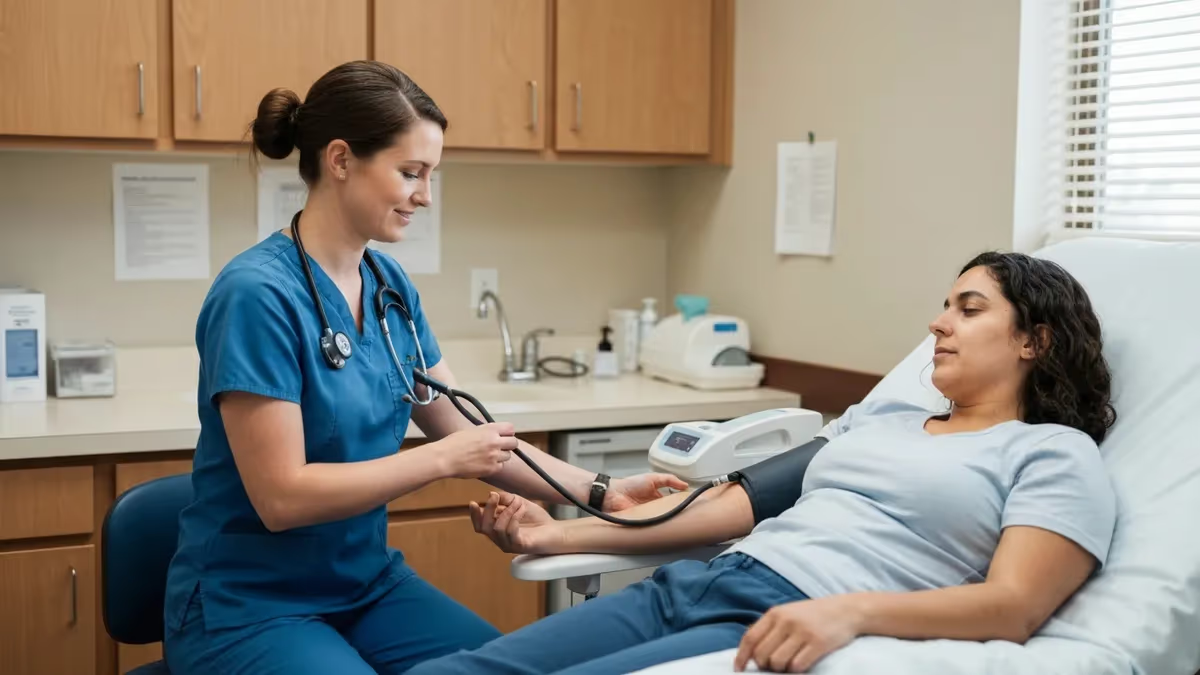
LPN plastic surgery jobs represent one of the most exciting and fast-growing niches in practical nursing today. As aesthetic medicine continues to expand across the United States, licensed practical nurses who specialize in cosmetic and reconstructive surgery settings are finding rewarding careers with competitive pay, predictable schedules, and a highly motivated patient population. Whether you are a newly licensed LPN exploring your options or an experienced nurse looking to pivot, understanding the full landscape of specialty jobs is the essential first step toward a more fulfilling career path.
Specialty nursing roles allow LPNs to develop deep expertise in a single clinical domain, making them invaluable members of focused care teams. Unlike general acute-care settings where patient acuity and task variety can be overwhelming, specialty practices typically offer a more defined scope of daily responsibilities. This predictability makes it easier to build procedural confidence, cultivate strong patient relationships, and achieve professional mastery over time. From dermatology clinics to correctional health facilities, the range of available specialty environments is far broader than most new graduates realize.
Salary potential is one of the clearest advantages of pursuing lpn specialty jobs. According to the Bureau of Labor Statistics, the median annual wage for LPNs across all settings is approximately $59,730, but specialty positions in surgical or aesthetic environments frequently push that figure well above $65,000, particularly in metropolitan markets. Bonuses, commission structures tied to patient volume, and benefits packages vary by employer, so researching compensation benchmarks before applying is time well spent.
Plastic surgery offices and medical spas typically require LPNs to demonstrate competency in pre-operative and post-operative patient education, wound care, suture removal, compression garment fitting, and documentation of healing progress. Some employers also value certification in laser safety or injectables assistance, though those credentials are always administered under physician supervision. Understanding what specific skills each specialty demands helps you target your continuing education and clinical experience to be a standout candidate.
Beyond plastic surgery, LPNs thrive in oncology clinics, pediatric offices, long-term care facilities, correctional institutions, school health programs, home health agencies, and dialysis centers. Each of these environments carries unique patient populations, emotional demands, and technical requirements. Taking time to shadow or volunteer in a new specialty before committing to a full position change can save months of frustration and accelerate your professional clarity significantly.
Preparation for specialty roles often begins well before the job search. Employers in competitive niches frequently look for LPNs who have already invested in relevant coursework, attended workshops, or obtained specialty certifications such as wound care, IV therapy, or gerontological nursing. Demonstrating proactive professional development signals to hiring managers that you are serious, self-motivated, and capable of adapting your skills to meet the demands of their specific patient population.
This guide covers the most in-demand LPN specialty jobs in the United States, explains the qualifications and salary expectations for each, and provides actionable strategies for breaking into niche nursing markets. By the time you finish reading, you will have a clear picture of which specialty aligns with your clinical strengths, personal values, and long-term career ambitions, along with a practical roadmap for making that transition as efficiently as possible.
LPN Specialty Jobs by the Numbers
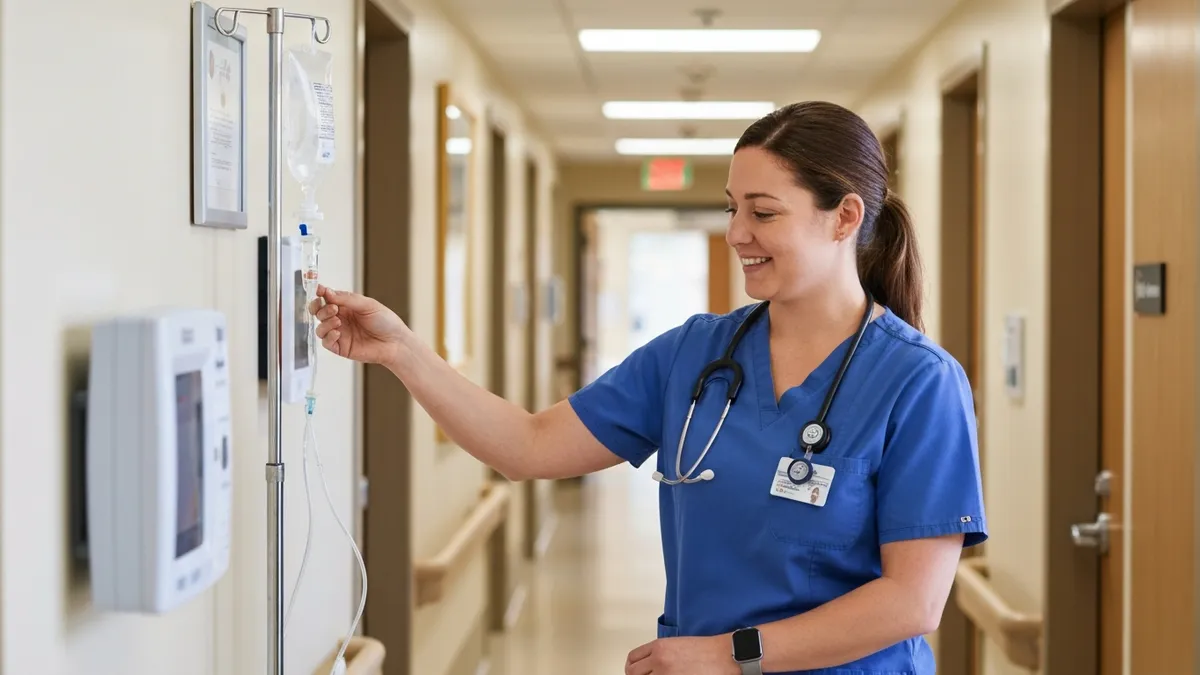
Most In-Demand LPN Specialty Areas
LPNs assist with pre- and post-operative care, wound assessment, suture removal, and patient education in cosmetic and reconstructive surgery clinics. Strong communication skills and attention to detail are essential in this high-satisfaction specialty.
Oncology LPNs support chemotherapy administration, manage infusion lines under RN supervision, monitor for adverse reactions, and provide compassionate education to patients navigating complex cancer treatment plans.
Dialysis LPNs monitor patients during kidney filtration treatments, manage access sites, document fluid balance, and educate patients on dietary restrictions. Stable, three-day work weeks are a common draw for this specialty.
Correctional LPNs deliver primary care, chronic disease management, and mental health triage in jails and prisons. This specialty offers strong pay, union benefits in many states, and a uniquely challenging patient population.
Pediatric LPNs provide well-child visits, immunizations, and illness management in physician offices or school settings. Patience, child development knowledge, and family-centered communication are key competencies for success.
Salary ranges for LPN specialty jobs vary considerably based on geographic location, employer type, years of experience, and the complexity of care delivered. In plastic surgery and medical spa environments, entry-level LPNs can expect starting salaries between $48,000 and $58,000 annually, with experienced nurses earning $65,000 to $75,000 or more in high-demand markets like Los Angeles, Miami, and New York City. Some private aesthetic practices also offer performance bonuses tied to patient volume or retail product sales, which can meaningfully supplement base compensation.
Oncology and infusion therapy positions tend to command slightly higher base salaries than outpatient offices because of the clinical complexity involved. LPNs working in hospital-based infusion centers or cancer treatment facilities often earn between $55,000 and $70,000 per year, with shift differentials available for evening or weekend coverage. The emotional intensity of oncology work is real, but many nurses report that the depth of therapeutic relationships formed with long-term patients makes the specialty profoundly rewarding despite the challenges.
Dialysis is one of the most financially competitive specialties for LPNs, with national dialysis chains such as DaVita and Fresenius Kidney Care offering starting wages above $25 per hour in many markets. Full-time dialysis LPNs who work three twelve-hour shifts per week can earn $55,000 to $68,000 annually while enjoying four days off each week. The predictable patient panel and controlled clinical environment make dialysis particularly attractive to LPNs who prefer structure and long-term patient relationships over the variety of acute care.
Correctional health nursing offers some of the most competitive total compensation packages available to LPNs, especially in state-run facilities that provide union membership, pension benefits, and generous paid leave. Base salaries for correctional LPNs frequently range from $55,000 to $72,000, and in states with strong public-sector unions such as California and New York, total compensation including overtime can exceed $80,000. The trade-off is a workplace environment that demands strong professional boundaries, situational awareness, and emotional resilience.
Home health LPNs occupy a unique niche where compensation depends heavily on visit volume, travel distance, and payer mix. Hourly rates typically fall between $22 and $32 per hour, but experienced home health nurses who carry full caseloads can earn $50,000 to $65,000 annually. The flexibility to set your own daily schedule and work independently appeals to many LPNs, particularly those with caregiving responsibilities at home or those who thrive without constant supervision in a clinic setting.
School nursing and occupational health positions offer lower average salaries than clinical specialties, typically ranging from $42,000 to $56,000, but they compensate with exceptional work-life balance. School LPNs often work ten-month contracts aligned with the academic calendar, providing summers and holidays off without sacrificing health insurance. Occupational health LPNs at corporate campuses or manufacturing facilities similarly enjoy daytime-only, Monday-through-Friday schedules that are rare in traditional nursing environments.
Long-term care and skilled nursing facilities remain the largest employer of LPNs nationwide, and specialty certifications within this sector, such as wound care or memory care dementia training, can translate into lead or charge nurse roles that pay $55,000 to $65,000 plus shift bonuses. Understanding how specialty certifications influence compensation across these diverse settings equips you to make data-driven decisions about where to invest your continuing education budget for maximum career return.
LPN Plastic Surgery Jobs: What to Expect
A typical day for an LPN in a plastic surgery practice begins with reviewing the schedule and preparing treatment rooms for consultations, minor procedures, and post-operative follow-up appointments. Core duties include taking vital signs, documenting patient histories, explaining pre-operative instructions, removing sutures or staples, assessing incision healing, and educating patients on wound care at home. LPNs also assist surgeons during in-office procedures such as injections, scar revisions, and drain management.
Patient communication is central to the plastic surgery LPN role. Patients in cosmetic settings often experience heightened anxiety around both their appearance and their recovery, so reassurance, clear explanations, and empathetic listening are daily clinical tools. LPNs frequently field calls from post-operative patients reporting swelling, bruising, or pain, triaging concerns and escalating appropriately to the supervising physician. Strong documentation habits and meticulous attention to pre- and post-procedure photography protocols are also standard expectations in this specialty environment.
Pros and Cons of LPN Specialty Nursing
- +Higher average salaries compared to general long-term care positions
- +Deeper clinical expertise developed through focused, repetitive practice
- +More predictable patient populations and daily routines in most specialties
- +Stronger professional identity and marketability as a specialized LPN
- +Opportunities to build long-term therapeutic relationships with patients
- +Access to specialized continuing education and professional associations
- −Narrower skill set may limit flexibility if returning to general nursing
- −Entry can be competitive, requiring extra certifications or experience
- −Some specialties like oncology carry significant emotional and psychological demands
- −Niche job markets in smaller cities may have fewer open positions
- −Correctional and home health specialties involve unique safety considerations
- −Specialty positions may require additional unpaid training or orientation periods
How to Break Into an LPN Specialty Job
- ✓Research the top five employers in your target specialty within a 30-mile radius.
- ✓Complete a specialty-relevant continuing education course to add to your resume.
- ✓Update your resume to highlight procedural skills relevant to your chosen specialty.
- ✓Join the professional nursing association tied to your target specialty.
- ✓Reach out to LPNs already working in the specialty for informational interviews.
- ✓Volunteer or shadow in the specialty setting before applying for paid positions.
- ✓Obtain or begin studying for a relevant specialty certification such as wound care or IV therapy.
- ✓Tailor your cover letter to the specific patient population of each employer.
- ✓Practice specialty-specific interview scenarios such as post-op patient education questions.
- ✓Follow up with hiring managers within five business days of submitting each application.
Certifications Multiply Your Market Value
LPNs who hold even one specialty certification report significantly faster hiring timelines and starting salaries 8–15% higher than uncertified peers applying for the same positions. Prioritize certifications aligned with your target specialty — wound care, IV therapy, or gerontological nursing — before your job search rather than after, and include certification pursuit dates on your resume to signal proactive professional growth to potential employers.
Certifications are the single most powerful tool LPNs can use to accelerate entry into competitive specialty jobs. Unlike RN programs that include clinical rotations across multiple specialties, practical nursing programs typically provide a generalist foundation that must be supplemented through targeted post-licensure education. Fortunately, the LPN certification landscape has expanded considerably over the past decade, giving nurses access to affordable, accredited programs in dozens of clinical niches without returning to school full-time for an additional degree.
Wound care certification is among the most universally valued credentials for LPNs pursuing specialty employment. The National Alliance of Wound Care and Ostomy (NAWCO) offers the Wound Care Certified (WCC) designation, which qualifies candidates who have completed required clinical hours and pass a standardized examination. Plastic surgery practices, long-term care facilities, and home health agencies all consider wound care certification a significant differentiator when evaluating similarly experienced candidates for open positions.
IV therapy certification is another high-value credential, particularly for LPNs in states that permit expanded IV scope of practice for practical nurses. The scope varies significantly by state — some allow LPNs to initiate IV lines and manage infusions under RN supervision, while others restrict IV practice to registered nurses entirely. Before investing in IV certification, verify your state's nurse practice act to confirm the scope of LPN IV authority, as the credential only translates to job market value in jurisdictions where the practice is permitted.
Gerontological nursing certification through the American Nurses Credentialing Center (ANCC) validates expertise in caring for older adults, a skill set in enormous demand given the aging of the baby boomer generation. LPNs who hold this credential are positioned strongly for roles in skilled nursing facilities, assisted living communities, memory care units, and home health agencies serving elderly clients. The credential requires passing an examination that tests knowledge of age-related physiological changes, polypharmacy management, fall prevention, and dementia care principles.
Dialysis technician and patient care technician certifications, while technically distinct from nursing credentials, can help LPNs transition into nephrology specialty environments more quickly. The Board of Nephrology Examiners Nursing and Technology (BONENT) and the Nephrology Nursing Certification Commission (NNCC) both offer credentials recognized by major dialysis employers. LPNs who enter dialysis already holding a relevant certification often bypass the lengthy on-the-job training requirement that uncertified applicants must complete before working independently.
Oncology and chemotherapy certifications require specific prerequisites, but LPNs in states with broader scope of practice can pursue credentials through the Oncology Nursing Society or by completing recognized chemotherapy administration courses. These credentials demonstrate commitment to patient safety, understanding of drug protocols, and readiness to work within structured infusion care teams. The investment in oncology credentialing often pays off quickly in the form of higher hourly rates and access to hospitals and cancer centers that otherwise limit LPN hiring to general floor positions.
Mental health and psychiatric nursing is another growing specialty for LPNs, particularly in community mental health centers, crisis stabilization units, and substance abuse treatment facilities. While no single universal certification governs LPN psychiatric practice, completing continuing education in motivational interviewing, trauma-informed care, and de-escalation techniques significantly strengthens candidacy for these positions. Several states also recognize specific psychiatric nursing competency training through continuing education providers, which can be documented on a resume to demonstrate serious preparation for the specialty.
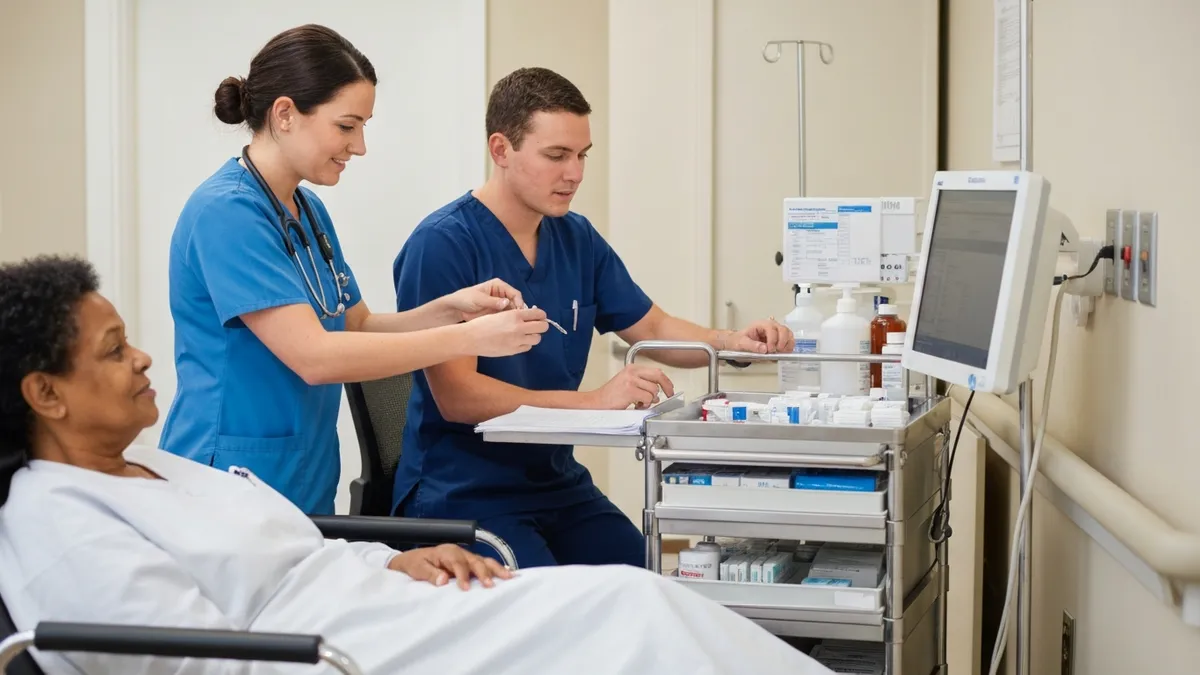
LPN scope of practice varies significantly from state to state, and specialty employers will verify that you are legally authorized to perform the tasks they require before extending an offer. Before investing in specialty certifications or targeting specific employers, download and carefully review your state board of nursing's current LPN scope of practice document to confirm that the procedures central to your target specialty fall within your legal authority as a licensed practical nurse.
A strategic job search is as important as clinical preparation when pursuing specialty LPN positions. Many of the most desirable specialty roles, particularly in private plastic surgery practices and boutique medical spas, are never posted on major job boards. Instead, they are filled through referrals, word of mouth, and direct outreach from candidates who have taken the time to research the practice and make a targeted, personalized application. Building genuine professional relationships before you need a job is the single most reliable strategy for accessing this hidden job market.
LinkedIn has become an indispensable tool for specialty nursing job seekers. A well-optimized LPN profile that clearly highlights your specialty interests, clinical skills, and certifications signals to recruiters and hiring managers that you are an active professional worth contacting. Following the pages of plastic surgery practices, dialysis chains, oncology networks, and other specialty employers in your target market keeps you informed of new openings the moment they are announced and demonstrates genuine interest in those organizations' work.
Staffing agencies that specialize in healthcare placements can be a valuable bridge into specialty environments. Travel LPN and per diem agency contracts allow you to gain experience in a specialty setting without committing to a permanent position, building your resume credentials while exploring whether the specialty truly matches your clinical preferences and working style. After completing an agency contract, many specialty employers extend direct-hire offers to LPNs who have performed well during temporary assignments, making agency work a proven pathway into competitive niches.
Preparing for specialty interviews requires research beyond the standard clinical competency questions. Specialty employers expect candidates to demonstrate knowledge of their specific patient population, the typical arc of patient encounters in that setting, and the most common clinical challenges their team faces daily. Researching the practice online, reviewing their patient education materials if publicly available, and preparing thoughtful questions about team culture and professional development opportunities demonstrates the level of preparation that distinguishes the most competitive candidates from the rest of the applicant pool.
Salary negotiation is a skill LPNs in specialty settings must be willing to exercise. Many specialty employers, particularly private practices and outpatient clinics, have more flexibility in compensation than hospital systems with rigid pay bands. Researching market rates using resources like the Bureau of Labor Statistics Occupational Employment and Wage Statistics tool, Salary.com, or the Indeed salary explorer gives you data to support a confident, evidence-based negotiation rather than simply accepting the first offer presented. Asking about sign-on bonuses, continuing education reimbursement, and performance review timelines is equally appropriate during salary discussions.
Professional development never stops in specialty nursing. Once you land a specialty position, continuing to invest in certifications, attend specialty conferences, and participate in your employer's quality improvement initiatives builds the track record that leads to charge nurse, supervisor, or clinical educator roles over time. Many specialty LPNs who commit to ongoing professional growth eventually reach compensation levels and career satisfaction that rival or exceed what they would have achieved by pursuing an RN bridge program, particularly when employer-paid tuition benefits are factored into the long-term financial equation.
Exploring the full range of available lpn specialty jobs before committing to a single path is the wisest approach for any LPN considering a career pivot. Shadowing multiple specialty settings, speaking with experienced nurses in those environments, and honestly evaluating your own clinical strengths, emotional resilience, and personal priorities will lead you to a specialty that sustains your engagement and motivation for years rather than months, creating a foundation for a genuinely fulfilling long-term career as a licensed practical nurse.
Landing your first specialty LPN position is a milestone, but excelling within that specialty over the long term requires deliberate skill-building and self-awareness. The LPNs who thrive in niche environments are those who actively seek feedback from supervising physicians and RNs, consistently review current clinical guidelines for their specialty, and bring intellectual curiosity to every patient encounter rather than treating daily work as purely routine. This mindset of continuous improvement sets specialty nurses apart and drives the kind of outcomes that build lasting professional reputations.
Patient education is one of the highest-leverage skills any specialty LPN can develop. In plastic surgery, dialysis, oncology, and virtually every other specialty environment, patients who understand their condition, their treatment plan, and their role in their own recovery consistently achieve better outcomes and express higher satisfaction with their care. LPNs who invest time in learning evidence-based patient education techniques, such as the teach-back method, are immediately more valuable to any specialty team and typically see faster career advancement as a result.
Cultural competence is increasingly recognized as a core clinical skill in specialty nursing, not an optional add-on. Specialty practices that serve diverse patient populations require LPNs who can communicate effectively across language barriers, recognize culturally influenced health beliefs that may affect treatment adherence, and approach each patient as an individual rather than a diagnosis. Completing continuing education in cultural humility and health equity prepares you to deliver the kind of inclusive, respectful care that defines excellence in specialty nursing practice.
Technology proficiency is a growing requirement across all specialty environments. Electronic health records, patient portal management, telehealth platforms, and specialty-specific software tools are now standard features of most outpatient specialty practices. LPNs who proactively develop comfort with digital health tools and can troubleshoot basic technical issues independently are more efficient, more valuable to their teams, and more competitive in the job market than peers who resist technology adoption. Volunteering to assist with EHR optimization projects or super-user training at your current employer is a low-cost way to build this credential.
Work-life integration looks different across specialty environments, and getting clear on your own priorities before committing to a specialty significantly increases long-term job satisfaction. Plastic surgery and outpatient specialty offices typically offer Monday-through-Friday daytime schedules with minimal on-call requirements, making them ideal for LPNs with family responsibilities or those pursuing part-time education. Dialysis and correctional health often involve rotating shifts or weekend coverage, which can be financially attractive but demands honest self-assessment about schedule tolerance before accepting those positions.
Mentorship accelerates specialty nursing development more than almost any other single factor. Finding an experienced LPN or RN in your target specialty who is willing to provide guidance, answer questions, and offer honest feedback on your clinical progress can compress years of learning into months of focused growth. Many specialty nursing associations facilitate formal mentorship programs, and simply reaching out directly to experienced nurses whose career paths you admire is often received more positively than new nurses expect. Most experienced clinicians are genuinely glad to support the next generation of specialty nurses.
Ultimately, building a specialty LPN career is a long game that rewards patience, persistence, and strategic investment. The nurses who succeed are not necessarily the most naturally talented clinicians in the room — they are the ones who stay curious, embrace feedback, maintain their professional networks, and consistently deliver compassionate care that makes patients feel seen and supported. Every specialty certification earned, every difficult patient encounter navigated with grace, and every professional relationship cultivated adds another brick to a career foundation that will serve you for decades in whatever niche you ultimately call your own.
LPN Questions and Answers

LPN Requirements 2026: Complete Guide to Becoming a Licensed Practical Nurse
LPN IV Certification: Complete 2026 Guide to Training, Requirements & Cost

LPN Programs in Florida: Complete 2026 Guide to Accredited Schools, Costs, Requirements & Licensure

LPN Salary Wisconsin 2026: Average Pay, Top Cities, and How to Earn More
LPN Duties: Complete Guide to Daily Responsibilities and Scope of Practice
About the Author

Registered Nurse & Healthcare Educator
Johns Hopkins University School of NursingDr. Sarah Mitchell is a board-certified registered nurse with over 15 years of clinical and academic experience. She completed her PhD in Nursing Science at Johns Hopkins University and has taught NCLEX preparation and clinical skills courses for nursing students across the United States. Her research focuses on evidence-based exam preparation strategies for healthcare certification candidates.
Join the Discussion
Connect with other students preparing for this exam. Share tips, ask questions, and get advice from people who have been there.
View discussion (7 replies)