
LPN Refresher Course Online Free: Complete Training Guide & Requirements
Find the best LPN refresher course online free options, requirements, and tips to reactivate your license in 2026 September. ✅ Full guide inside.
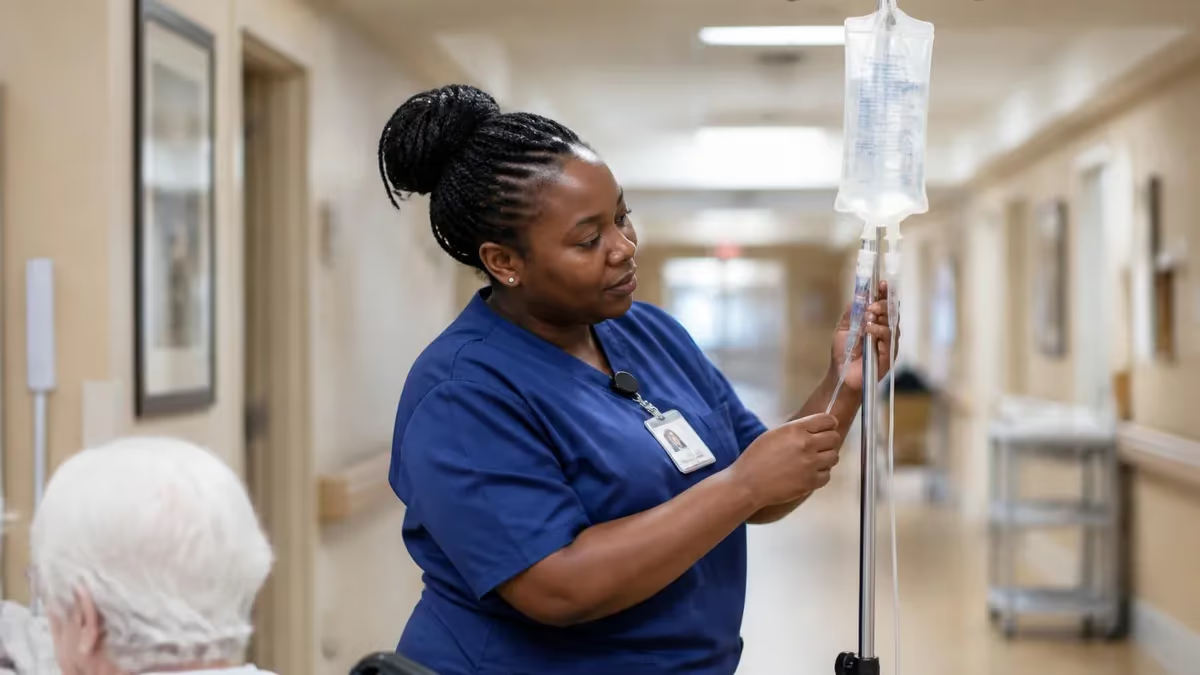
Finding a quality lpn refresher course online free is one of the most important steps a lapsed or returning Licensed Practical Nurse can take before stepping back into a clinical setting. Whether your license lapsed due to family obligations, a career pivot, or a simple administrative oversight, the good news is that structured refresher programs exist specifically to help LPNs rebuild competency, satisfy state board requirements, and walk back into patient care with renewed confidence.
The landscape of available programs has expanded dramatically in recent years, with many accredited schools and professional organizations now offering hybrid and fully online options that are either free or heavily subsidized.
Before you enroll in any program, it is worth understanding exactly what a refresher course is designed to accomplish. These programs are not the same as a full LPN training curriculum — they assume you already possess foundational nursing knowledge and are primarily focused on filling gaps that develop during an absence from practice.
A typical course reviews pharmacology, medication administration, infection control protocols, basic life support updates, documentation standards, and current scope-of-practice regulations. Some state boards mandate specific contact hours or clinical components, so reviewing your state's requirements before you register is essential to avoid investing time in a course that does not satisfy your board's criteria.
The demand for LPNs across the United States continues to climb, driven by an aging population, the expansion of long-term care facilities, and ongoing workforce shortages in rural and underserved communities. According to the U.S. Bureau of Labor Statistics, employment for LPNs and LVNs is projected to grow 5 percent through 2032, adding tens of thousands of new positions nationally.
For nurses who stepped away from the profession, this creates a genuine window of opportunity — boards and employers alike are motivated to smooth the path back to licensure, which is why many states have expanded access to refresher content and waived certain fees during high-demand periods.
The lpn refresher course landscape varies considerably from state to state. In some jurisdictions, a nurse whose license has been lapsed for fewer than two years may only need to complete continuing education units and pay a reinstatement fee. Others require a formal refresher program of 80 to 120 contact hours that includes both didactic instruction and supervised clinical practice.
A handful of states defer to the individual program's curriculum without mandating a specific hour requirement, instead relying on employer verification of competency. Always contact your State Board of Nursing directly to obtain written confirmation of what is required in your specific situation.
Online platforms have made accessing refresher content far more convenient than it was even a decade ago. Organizations such as the National League for Nursing, Nurse.com, and various state nursing associations publish free or low-cost modules covering high-yield topics like wound care, IV therapy, medication reconciliation, and patient safety frameworks. Some community colleges offer no-cost or grant-funded refresher courses to address local nursing shortages, particularly in states that have received workforce development funding. Searching your state's workforce development agency website alongside the Board of Nursing site can surface options you would not find through a simple internet search.
Preparing for a refresher course is itself a skill. Most experienced nurses find that reviewing NCLEX-PN style practice questions before the program begins helps them identify which clinical domains feel rusty and which remain sharp. This diagnostic self-assessment allows you to concentrate your study energy strategically rather than treating every topic with equal urgency. Setting aside two to three hours of focused review per week in the month leading up to your course start date can meaningfully improve your retention of the material once formal instruction begins.
Successfully completing a refresher course is about more than satisfying a bureaucratic checkbox — it is about rebuilding the clinical reflexes and critical thinking habits that patient safety depends on. Nurses who approach the process with genuine curiosity and a commitment to updating their practice tend to report higher confidence levels when they return to the floor. The following sections of this guide walk through program structures, costs, state-specific considerations, study strategies, and the most common mistakes returning LPNs make so that you can navigate the path back to licensure as efficiently as possible.
LPN Refresher Course by the Numbers
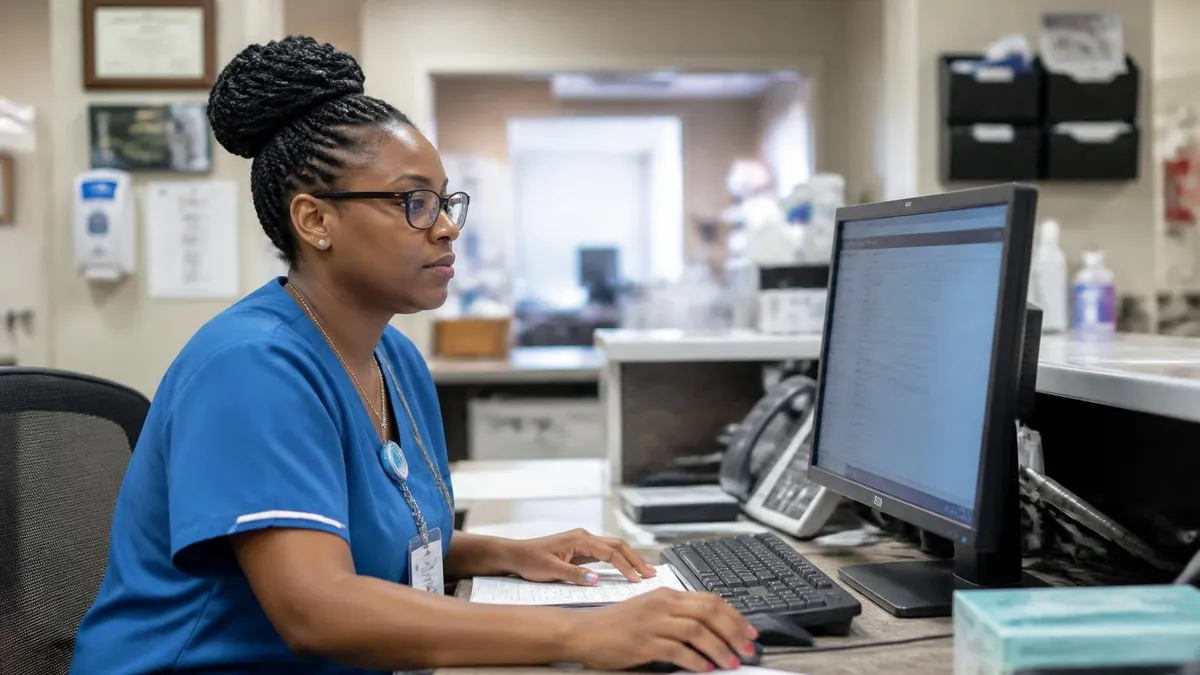
Types of LPN Refresher Course Formats
Modules completed entirely through a learning management system. Best for nurses with scheduling constraints. Topics are delivered via video lectures, interactive case studies, and knowledge-check quizzes. No mandatory clinical hours — suited for states with minimal board requirements.
Combines asynchronous online didactic content with in-person clinical rotations at a partnering facility. This format satisfies most state board requirements that mandate hands-on supervised practice hours alongside classroom instruction.
Traditional in-person format offered by local community colleges. Often the most affordable and sometimes free through workforce development grants. Provides peer interaction, immediate instructor feedback, and simulation lab access that online-only formats cannot replicate.
Some long-term care facilities, hospital systems, and home health agencies sponsor their own internal refresher programs for returning nurses. These are typically free to the nurse and may include a temporary staffing stipend during the training period.
Older but still valid format where nurses receive written materials, complete assignments, and submit them to the program coordinator. More common in rural states. Usually combined with a proctored final exam and a brief clinical validation component.
Finding a legitimate, board-approved lpn refresher course online free requires knowing where to look and which red flags to avoid. The first stop should always be your State Board of Nursing website, which typically publishes a list of pre-approved programs. Some boards distinguish between programs that satisfy reinstatement requirements and those that only count toward continuing education — make sure you are looking at the correct list for your situation. If your board does not maintain a published list, call the licensing division directly and ask for written guidance you can reference later.
National nursing organizations offer a surprising amount of free content that can supplement or partially fulfill refresher requirements. The American Nurses Association, the National League for Nursing, and the American Association of Colleges of Nursing all maintain member libraries with downloadable modules, competency checklists, and self-assessment tools. While these resources alone rarely satisfy a full board requirement, they provide an excellent foundation and can significantly reduce the paid component of a hybrid program. Many state nursing associations offer free access to their digital libraries as part of a low-cost annual membership that pays for itself quickly.
Government-funded workforce development programs represent one of the most underutilized paths to free or subsidized refresher training. The Workforce Innovation and Opportunity Act (WIOA) funds career training programs at state and local levels, and healthcare occupations — including LPN refresher coursework — frequently qualify for reimbursement. Contact your state's American Job Center to determine whether your situation qualifies. Veterans who hold an LPN license may additionally access refresher training through the VA's vocational rehabilitation programs, which can cover tuition, materials, and even transportation costs.
When evaluating any online program, verify accreditation carefully. A program affiliated with an accredited institution — one recognized by the Accreditation Commission for Education in Nursing (ACEN) or the Commission on Collegiate Nursing Education (CCNE) — carries significantly more weight with state boards and future employers than a proprietary certificate course with no institutional backing. Some online marketplaces advertise nursing refresher content that amounts to little more than a PDF download — these will not satisfy a board requirement and may actually delay your reinstatement if you submit them as proof of completion.
Free NCLEX-PN practice resources play a critical dual role for nurses preparing to re-enter the field. They help you assess your current knowledge level before the course begins, and they keep your test-taking stamina sharp if your refresher program culminates in a competency examination. Sites like PracticeTestGeeks offer organized, domain-specific practice sets covering the exact content areas most commonly tested in LPN competency evaluations. Building a daily practice habit of even 20 to 30 questions keeps recall mechanisms active and reduces the anxiety that often accompanies returning to formal assessment environments after a long break.
Scheduling is a frequently overlooked component of the search process. Many returning LPNs are managing full-time caregiving responsibilities or part-time employment while completing their refresher training. Programs that offer rolling enrollment — meaning you can start any week rather than waiting for a semester start date — are particularly valuable in this situation. Similarly, programs that allow you to pause enrollment for a defined period without losing your progress or forfeiting fees are worth the extra effort to identify upfront. Contact the program's student services department before enrolling to understand the exact policies around schedule flexibility, extensions, and withdrawal.
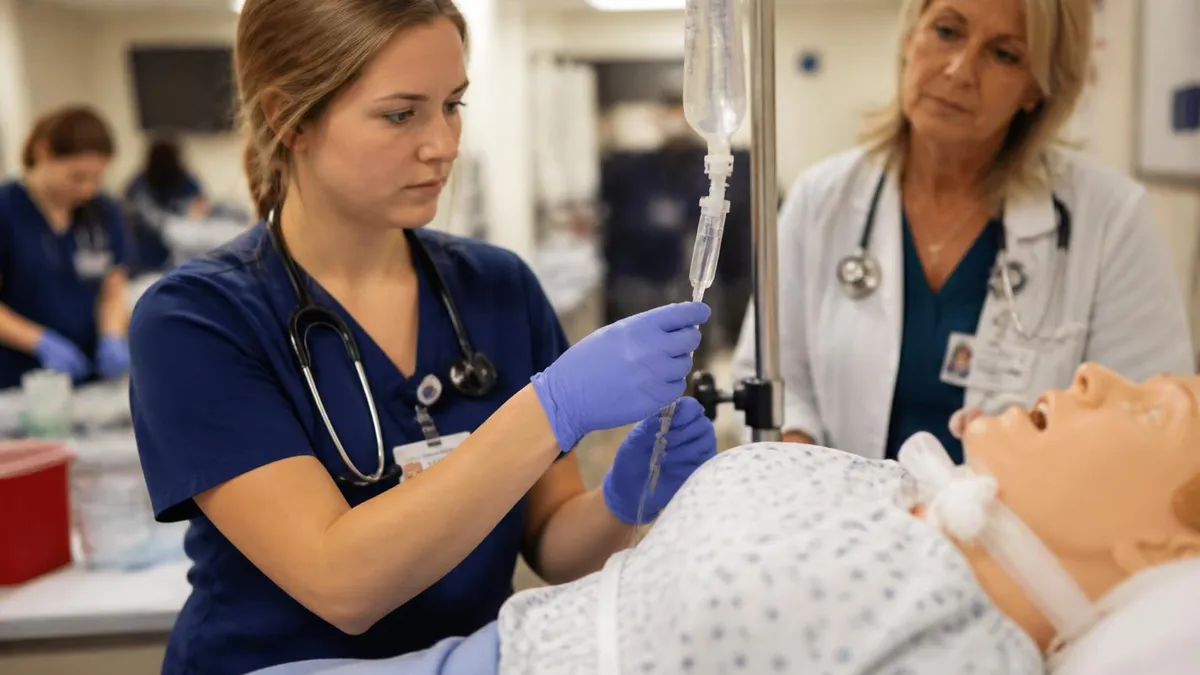
The clinical hours component of a hybrid refresher course deserves special attention. State boards that require supervised clinical practice usually specify that the supervising preceptor must hold a current RN license in good standing. Some boards further require that the clinical site be a board-approved facility type — meaning a long-term care facility might satisfy the requirement while a private physician's office might not.
Confirming these details before you begin a program prevents the frustrating scenario of completing clinical hours that your board subsequently refuses to accept. Your program coordinator should be able to provide a letter from the board confirming the clinical arrangement meets all requirements.
LPN Refresher Course Requirements by License Status
Nurses whose LPN license lapsed fewer than two years ago typically face the lightest reinstatement burden. Most states in this category require only a reinstatement application, a fee ranging from $50 to $150, proof of completed continuing education units (usually 20 to 30 hours), and a criminal background check. Some states additionally require a jurisprudence exam covering the state's nurse practice act. A full refresher course is rarely mandated at this stage, though many boards strongly recommend one if the nurse has not practiced during the lapse period.
Even when not required, completing a short competency module of 8 to 16 hours before returning to a clinical role is considered best practice by most nursing educators. Employers increasingly request this documentation during the hiring process, and having it on file demonstrates professional diligence. Free online modules from organizations like the NLN or your state's nurse association can satisfy this informal expectation without adding significant cost or time to the reinstatement process. Always retain certificates of completion for your personal records regardless of whether submission to the board is required.
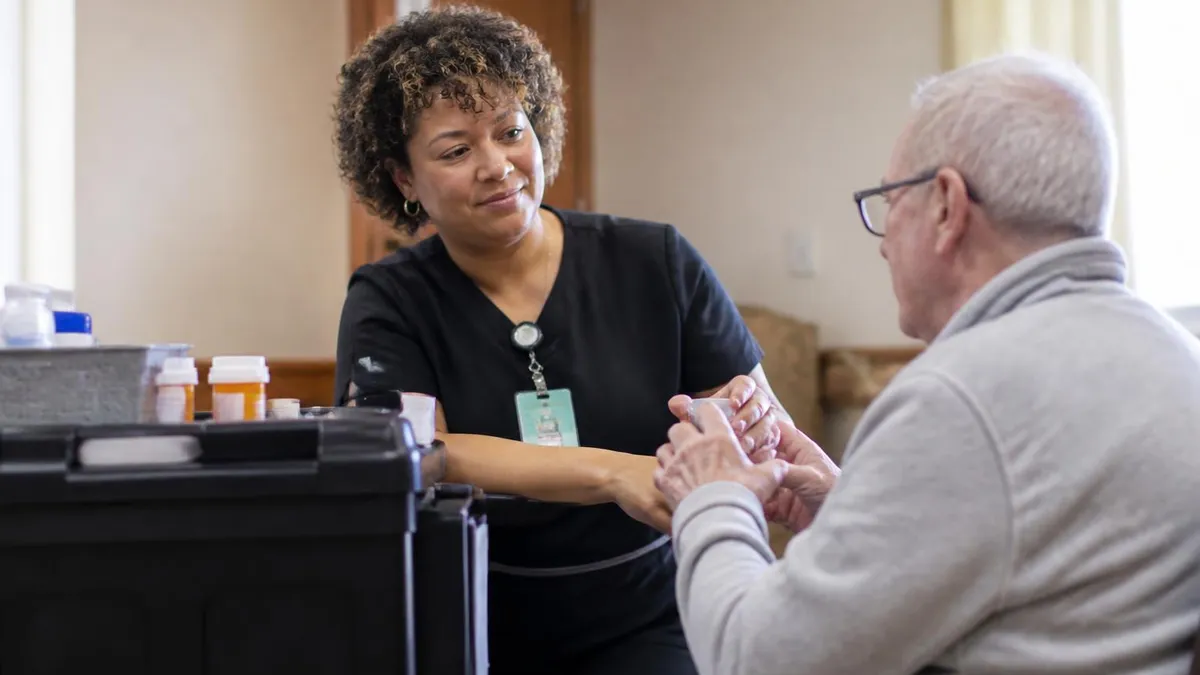
Online vs. In-Person LPN Refresher Course: Which Is Right for You?
- +Complete coursework on your own schedule without commuting to a campus
- +Many free or grant-funded online modules available through national nursing organizations
- +Self-paced formats allow deeper review of personally weak content areas
- +Reduces childcare and transportation costs that add up with in-person attendance
- +Access to programs in other states if your state's options are limited
- +Digital certificates are instantly available and easy to submit to the board
- −Online-only programs may not satisfy state board clinical hour requirements
- −Lack of hands-on simulation can leave skill gaps that become apparent on the floor
- −Self-discipline demands are high — many nurses underestimate the time commitment
- −Accreditation varies widely; low-quality online courses waste time and money
- −No peer interaction reduces exposure to how colleagues approach clinical reasoning
- −Technology barriers — poor internet access or outdated devices create obstacles
LPN Refresher Course Enrollment Checklist
- ✓Contact your State Board of Nursing to confirm current reinstatement requirements in writing.
- ✓Obtain a copy of your original nursing transcripts and prior license verification documents.
- ✓Verify that your chosen program is listed on your state board's approved refresher program roster.
- ✓Confirm whether the program's clinical hours are accepted by your board's approved facility types.
- ✓Check program accreditation status with ACEN or CCNE before paying any enrollment fees.
- ✓Explore WIOA funding through your state's American Job Center to offset or eliminate tuition costs.
- ✓Complete a self-assessment using NCLEX-PN practice questions to identify your weakest clinical domains.
- ✓Arrange childcare, scheduling accommodations, or flexible work hours before your program start date.
- ✓Set up a dedicated, distraction-free study space and a consistent weekly study schedule.
- ✓Gather all required submission documents — background check, CPR card, immunization records — early.
Start With Your State Board — Not a Search Engine
The single most costly mistake returning LPNs make is enrolling in a program they found through an online search without first confirming board approval. State boards update their approved program lists regularly, and a program that was valid two years ago may no longer qualify. A five-minute phone call to your State Board of Nursing before you register can save you hundreds of dollars and months of delay.
Succeeding in an LPN refresher course requires a different mindset than completing your original nursing education. You are not a first-time student building foundational knowledge from zero — you are an experienced clinician reactivating skills that are already encoded in your long-term memory. This distinction matters because it should change how you allocate your study time. Rather than moving through every module at the same pace, identify your personal knowledge gaps early and invest disproportionately in those areas. Your strong suits will resurface quickly; your gaps need deliberate, repeated reinforcement.
Pharmacology is the content area most frequently cited by returning nurses as the domain where they feel least current. Drug classifications, common interactions, safe dosage ranges, and high-alert medication protocols change over time, and new drug categories have emerged in recent years that were not part of the original LPN curriculum for nurses who trained more than five years ago.
Devote at least 30 percent of your independent study time to pharmacology review, focusing especially on the medication categories most commonly administered in the care settings you plan to work in — anticoagulants, insulin regimens, opioid analgesics, and antihypertensives are universally high-priority.
Infection control and standard precautions have received expanded attention in the post-pandemic clinical environment. Returning nurses sometimes discover that facility protocols around PPE donning and doffing sequences, transmission-based precaution categories, and hand hygiene auditing have become more rigorous than they remember. Your refresher program's infection control module may feel elementary if your memory of these procedures is strong, but the specific documentation requirements and reporting chains at modern facilities often differ meaningfully from earlier practice environments. Pay attention to these procedural updates even if the underlying science feels familiar.
Documentation standards represent another area where significant evolution has occurred. Electronic health records have become the norm across virtually all care settings, and the transition from paper-based documentation has introduced both efficiencies and new categories of error.
If your previous practice was entirely paper-based, allocating time to understanding EHR workflow concepts — even at a conceptual level — before your clinical rotation will reduce the cognitive load when you encounter a specific system for the first time. Most facilities provide system-specific training during new employee orientation, so you do not need to learn any particular platform in advance, but familiarity with the general logic of electronic documentation will accelerate your adaptation.
Building a study group with other nurses completing the same refresher program is an underutilized strategy that delivers outsized returns. Explaining a concept to a peer consolidates your own understanding in a way that passive reading cannot replicate. Discussing clinical scenarios together surfaces reasoning approaches you might not have independently generated, and the social accountability of a scheduled group session reduces the likelihood of falling behind in a self-paced program. Even a weekly one-hour video call with two or three cohort members creates a meaningful structure that most solo learners benefit from enormously.
Time management during the clinical component deserves specific attention. Many returning LPNs experience a phenomenon sometimes called clinical re-entry anxiety — a temporary spike in self-consciousness and second-guessing when performing procedures in front of a preceptor that they previously executed automatically. This is normal and typically resolves within the first week of supervised practice. Communicating openly with your preceptor about areas where you feel uncertain — rather than attempting to conceal gaps — creates a more productive preceptor relationship and results in targeted coaching that accelerates your competency restoration faster than attempting to appear fully proficient from day one.
Self-care during the refresher process is not a luxury — it is a performance variable. Nurses who attempt to complete a demanding refresher course while also managing full-time caregiving responsibilities without adequate sleep, exercise, and social support routinely report higher rates of burnout, slower skill acquisition, and lower scores on competency assessments. Building recovery time into your weekly schedule — even 30 minutes of physical activity three times per week — measurably improves cognitive performance on the material you are working to retain. Treat your own wellness with the same clinical seriousness you would apply to a patient's recovery plan.
Many state boards impose a reinstatement deadline beyond which your existing license number is permanently retired and you must apply as a new graduate. This threshold is commonly set at five or seven years of lapsed status. If you are approaching this boundary, submit your reinstatement application and refresher completion documentation immediately — processing times can range from four to twelve weeks and will not pause the clock on your eligibility window.
Once you have completed your refresher course and submitted all required documentation to the State Board of Nursing, the practical work of re-entering the LPN workforce begins. Most nurses in this position benefit from targeting their initial job search toward employers who have experience onboarding returning clinicians. Long-term care facilities, skilled nursing facilities, and home health agencies have historically been the most receptive to nurses re-entering after a gap, both because their workforce needs are acute and because the patient population and care rhythms provide a structured environment for rebuilding clinical confidence before moving into higher-acuity settings.
Updating your resume to accurately represent your refresher training without overstating or understating your readiness is an important skill. List your refresher program on your resume under a dedicated professional development or continuing education section, including the program name, the sponsoring institution, the number of contact hours completed, and the date of completion. If your refresher included a clinical component, note the facility type and specialty. This level of specificity signals to hiring managers that you completed a rigorous, board-compliant program rather than a brief online module that barely scratched the surface of clinical competency.
Salary expectations for returning LPNs vary by geography, care setting, and the length of the employment gap. Nurses re-entering after a gap of two to five years typically see compensation offers that reflect their experience level minus a modest discount for rustiness — in practice, this often means starting at the midpoint of the local pay scale rather than the top.
The good news is that demonstrated clinical performance in the first 90 days frequently results in rapid upward adjustment, particularly in facilities experiencing staffing shortages. Reviewing current LPN salary benchmarks for your specific state and city before beginning salary negotiations gives you a confident, evidence-based position to negotiate from.
Networking with former colleagues, clinical instructors, and professional contacts is one of the highest-return activities a returning LPN can engage in during the job search. Many positions in nursing — particularly those in desirable specialties or well-regarded facilities — are filled through referrals before they are ever posted publicly. Reconnecting with former colleagues via LinkedIn or through your state nursing association's professional events can surface opportunities that a standard job board search would never reveal. Former clinical instructors and program coordinators are also valuable contacts who may be aware of facilities actively seeking experienced nurses returning after a career break.
Joining your state's nursing association after completing your refresher is an investment that pays returns across multiple dimensions. Membership typically provides access to a professional liability insurance program, continuing education content at member pricing, legislative advocacy resources, and a professional community that supports career development at every stage. Many associations also maintain job boards and employer partner networks specifically designed to connect qualified LPNs with facilities seeking experienced staff. The annual membership fee is usually offset within the first few months by the value of discounted continuing education alone.
Maintaining licensure after reinstatement requires a proactive approach to continuing education that many nurses find easier to build into their routine while the refresher process is still fresh. Setting calendar reminders for your continuing education deadlines two to three months before they fall due — rather than scrambling in the final weeks — prevents the cycle of lapsing and reinstating that consumes time and money.
Most state boards provide an online portal where you can track your CE credits in real time; logging completed courses immediately after completion, rather than saving documentation for batch submission, eliminates the risk of losing certificates or misremembering course details under deadline pressure.
Consider using free NCLEX-PN practice resources on an ongoing basis even after your license is reinstated and you are back in clinical practice. Regular engagement with practice questions keeps your clinical reasoning sharp, exposes you to the type of scenario-based thinking that characterizes high-quality nursing care, and supports your readiness for any future career transitions — whether into a specialty certification, a supervisory role, or a bridge program toward an RN credential. The habits you build during your refresher process can serve your entire career if you choose to maintain them.
Practical preparation in the weeks leading up to your first shift after completing your refresher course can significantly reduce the anxiety that even experienced nurses feel when returning after a break. One of the most effective strategies is to perform a systematic mental walkthrough of the most common procedures you will be expected to execute independently from day one — urinary catheterization, nasogastric tube management, wound dressing changes, subcutaneous and intramuscular injections, and blood glucose monitoring.
Running through each procedure step by step in your mind, including the safety checks and documentation steps, primes your procedural memory in a way that translates directly to smoother execution in the clinical environment.
Familiarizing yourself with the specific care setting's admission and discharge processes before you begin is another high-value preparation step. Long-term care facilities, for instance, have regulatory documentation requirements under federal CMS guidelines that differ substantially from the documentation standards in an acute care hospital.
Home health settings involve care coordination documentation, visit note formats, and OASIS assessment tools that have their own learning curve. Asking your new employer for any orientation materials or policy documents you can review before your start date demonstrates professional initiative and allows you to identify questions to ask during formal orientation rather than during the chaos of your first clinical day.
Building a strong preceptor relationship during your initial weeks back in practice is arguably the most powerful accelerator of your clinical re-integration. A skilled preceptor does more than supervise procedures — they serve as a real-time resource for navigating the informal culture of the unit, understanding which protocols are strictly enforced versus where clinical judgment has the most latitude, and identifying the colleagues who are most willing to serve as resources during complex situations. Approaching the preceptor relationship with humility, curiosity, and a willingness to receive feedback creates the conditions under which this relationship delivers its maximum value.
Your first month back in clinical practice will almost certainly include moments of self-doubt that bear no relationship to your actual competency. The brain's process of re-automating clinical procedures — transitioning them from consciously effortful execution back to fluid, nearly automatic performance — takes time and repetition.
Experienced nurses who have navigated a return to practice consistently report that the re-automatization process is largely complete by the end of the first 60 to 90 days of consistent clinical work. Understanding this timeline in advance allows you to contextualize moments of hesitation or uncertainty as a normal neurological process rather than evidence of permanent skill loss.
Continuing education planning should begin before your first license renewal cycle arrives. Most state boards require between 20 and 30 continuing education hours per renewal period, and some specify that a portion of those hours must cover particular content areas — pain management, infection control, end-of-life care, and cultural competency are the most frequently mandated topics. Building a CE plan at the beginning of each renewal cycle, rather than accumulating credits reactively, ensures that you choose courses that genuinely advance your practice rather than simply satisfying requirements with the least engaging content available.
For nurses who aspire to advance beyond the LPN level, the refresher and reinstatement process can serve as a natural launching point for exploring bridge programs. LPN-to-RN bridge programs are offered at community colleges and online institutions across the country, many of them designed specifically for working LPNs who want to advance their credentials without interrupting their income.
The clinical competency and updated pharmacology knowledge you develop during your refresher course provides a foundation that makes bridge program coursework more manageable than starting an RN program without recent clinical practice. Some employers even offer tuition reimbursement for bridge programs as part of their retention strategy for experienced LPN staff.
The most important thing to carry into your return to LPN practice is a clear sense of why you chose nursing in the first place. The administrative hurdles of reinstatement, the academic demands of the refresher course, and the initial discomfort of re-entering a clinical environment are genuinely challenging — but they are temporary.
The relationships you will build with patients, the clinical problems you will solve, and the difference you will make in the daily lives of people who depend on skilled, compassionate nursing care are the enduring reasons this profession attracts people back after even the longest of career breaks. Your experience, updated knowledge, and renewed commitment are exactly what healthcare settings need right now.
LPN Questions and Answers

LPN Requirements 2026: Complete Guide to Becoming a Licensed Practical Nurse
LPN IV Certification: Complete 2026 Guide to Training, Requirements & Cost
LPN Programs in Florida: Complete 2026 Guide to Accredited Schools, Costs, Requirements & Licensure

LPN Salary Wisconsin 2026: Average Pay, Top Cities, and How to Earn More
LPN Duties: Complete Guide to Daily Responsibilities and Scope of Practice
About the Author

Registered Nurse & Healthcare Educator
Johns Hopkins University School of NursingDr. Sarah Mitchell is a board-certified registered nurse with over 15 years of clinical and academic experience. She completed her PhD in Nursing Science at Johns Hopkins University and has taught NCLEX preparation and clinical skills courses for nursing students across the United States. Her research focuses on evidence-based exam preparation strategies for healthcare certification candidates.
Join the Discussion
Connect with other students preparing for this exam. Share tips, ask questions, and get advice from people who have been there.
View discussion (7 replies)