
LPN Jobs Oklahoma 2026 July: Complete Guide to Finding Work, Salaries & Career Growth
LPN jobs Oklahoma: explore salaries, top employers, job search tips & career paths. Everything you need to land your next nursing role in OK. ✅
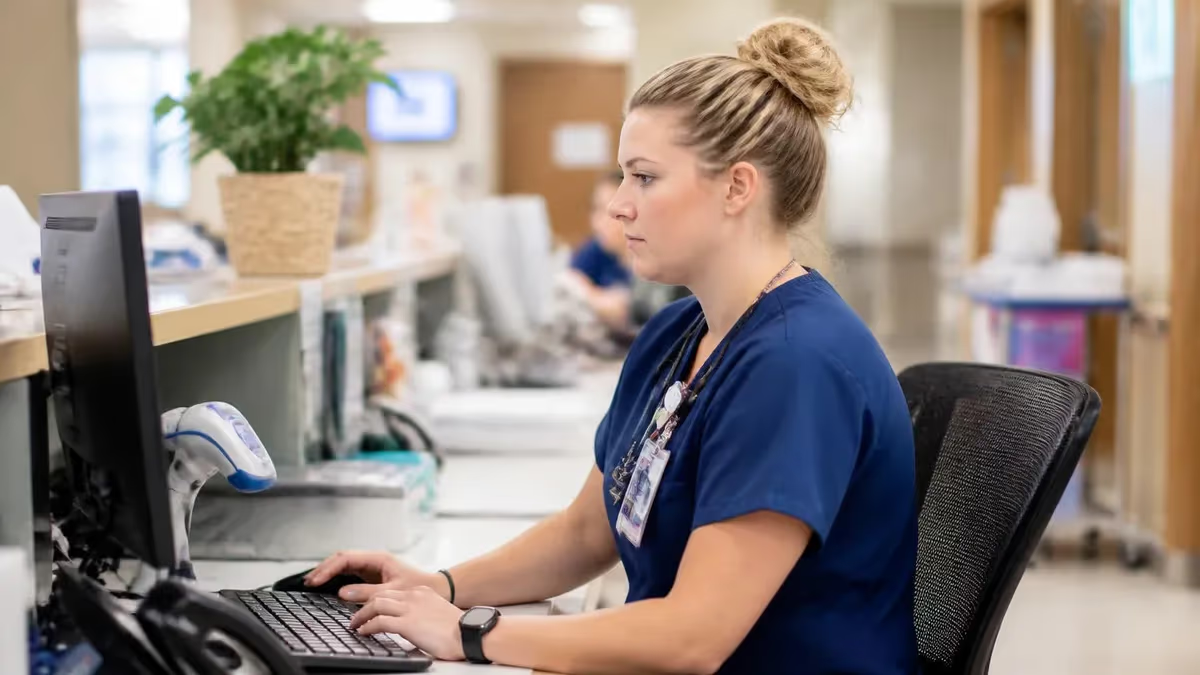
If you are searching for lpn jobs oklahoma, you are entering one of the most consistently in-demand healthcare labor markets in the south-central United States. Oklahoma's diverse economy — spanning rural agricultural communities, mid-sized cities, and the booming Oklahoma City and Tulsa metros — creates a broad spectrum of LPN employment settings. Whether you prefer the fast pace of an urgent care clinic or the relationship-building environment of a long-term care facility, the Sooner State offers meaningful, stable careers for licensed practical nurses at virtually every stage of their professional journey.
The demand for LPNs in Oklahoma has been driven by several converging forces. An aging population requires more chronic disease management, post-acute rehabilitation, and skilled nursing facility care — all areas where LPNs form the backbone of the clinical team. At the same time, Oklahoma continues to face a broader registered nurse shortage, which increases the value placed on LPNs who can handle a wide clinical scope under physician or RN supervision. Hospitals, home health agencies, correctional facilities, and tribal health clinics are all actively recruiting qualified candidates across the state.
Geographically, Oklahoma City and Tulsa anchor the highest concentration of LPN job postings, but opportunities extend well beyond these metros. Communities like Norman, Broken Arrow, Edmond, Lawton, and Enid all have active healthcare ecosystems with hospitals, specialty clinics, and senior living communities that post LPN openings regularly. Rural health centers, Indian Health Service sites, and federally qualified health centers add yet another layer of opportunity, particularly for LPNs who are open to serving underserved populations and may be eligible for loan repayment incentives.
Understanding the landscape of LPN employment in Oklahoma means looking at more than job boards. Factors like shift differentials, benefits packages, continuing education support, and advancement pathways all influence the true value of a position. Some employers offer tuition reimbursement that can fund an LPN-to-RN bridge program, effectively allowing you to grow your career while remaining employed. Others provide sign-on bonuses, especially in rural or high-demand specialty areas, that can meaningfully supplement your base compensation during the first year of employment.
Oklahoma's licensure environment is also worth understanding before you begin your job search. The state participates in the Nurse Licensure Compact (NLC), meaning that LPNs who hold a multistate license can work in Oklahoma without obtaining a separate state license, and Oklahoma LPNs can cross into other compact states with the same convenience. This dramatically expands your geographic flexibility and makes it easier to pursue travel LPN assignments or border-area positions that may offer higher wages or more varied clinical experiences.
Salary expectations for LPN jobs in Oklahoma vary by setting, experience level, and geography. According to Bureau of Labor Statistics data, the mean annual wage for LPNs in Oklahoma sits near $47,000 to $52,000, with experienced nurses in specialty settings or supervisory roles earning closer to $58,000 or above. Metro areas and facilities with strong union representation or competitive benefit packages tend to pay at the higher end of that range, while entry-level positions in rural settings may start in the low $40,000s but often compensate with lower cost of living and strong community ties.
This guide is designed to give you a comprehensive, actionable roadmap for finding and landing LPN jobs in Oklahoma. We cover the top employers, the highest-paying settings, the most effective job search strategies, and the career development steps that will help you advance once you are hired. Whether you are a newly licensed LPN looking for your first position or an experienced nurse exploring a move to a new specialty or city, the information here will help you make confident, well-informed decisions about your nursing career in Oklahoma.
LPN Jobs Oklahoma by the Numbers
Highest-Paying LPN Work Settings in Oklahoma
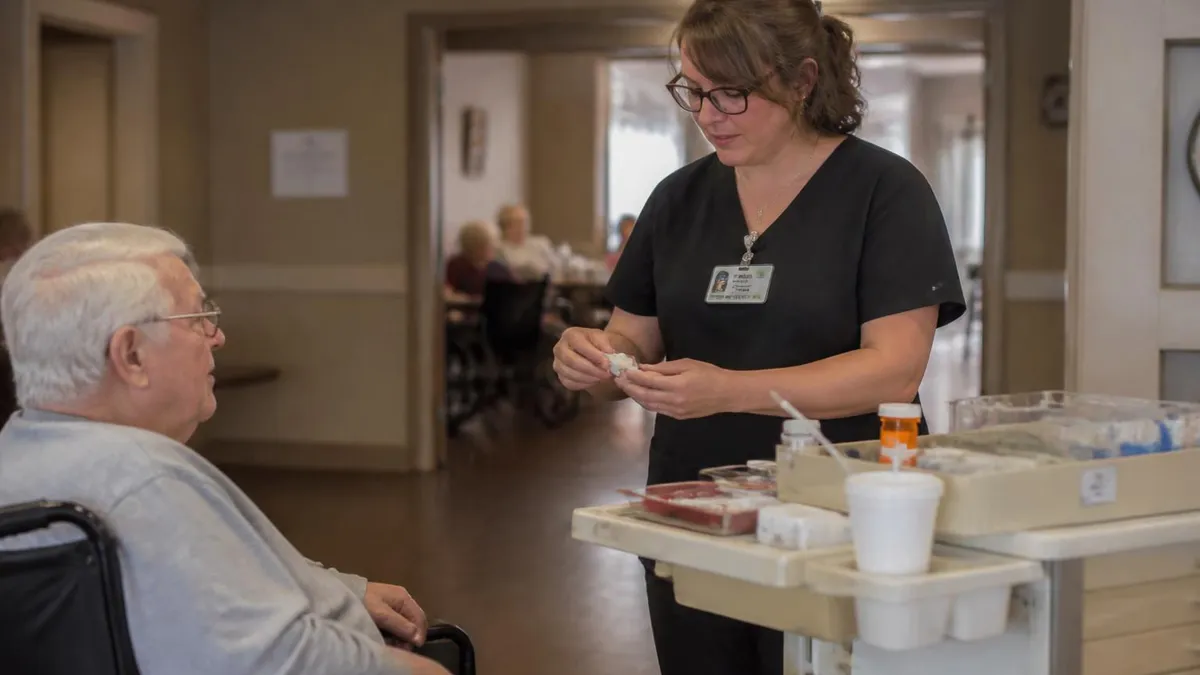
SNFs consistently rank among the top-paying LPN employers in Oklahoma. With a resident population that requires intensive daily care, medication administration, and wound management, experienced LPNs can earn $48,000–$56,000 annually plus shift differentials for nights and weekends.
Home health LPN roles offer flexibility and competitive per-visit or hourly rates. Oklahoma's rural geography creates strong demand for home visit nurses. Experienced home health LPNs often earn $22–$28 per hour, with mileage reimbursement adding meaningful supplemental income.
State and private correctional facilities in Oklahoma employ LPNs at competitive wages, often $25–$30 per hour, with excellent state benefits packages. Oklahoma Department of Corrections sites and private contractors like Wellpath regularly post openings statewide.
Oklahoma's 39 federally recognized tribes operate extensive health systems. Indian Health Service and tribal-run clinics offer strong salaries, federal benefits, and student loan repayment programs for LPNs willing to serve tribal communities across the state.
Cardiology, oncology, orthopedic, and primary care clinics in Oklahoma City and Tulsa offer stable day-shift LPN positions with predictable schedules. Pay ranges from $20–$26 per hour, with many clinics providing tuition assistance for RN bridge programs.
Oklahoma's top LPN employers span a wide range of healthcare systems, each offering distinct work cultures, benefit structures, and advancement opportunities. Understanding who is hiring — and what they offer beyond a base wage — is one of the most important steps you can take before submitting applications. The major health systems dominate job postings, but mid-sized regional hospitals, federally qualified health centers, and specialty practices collectively represent just as many openings across the state.
Integris Health, headquartered in Oklahoma City, is one of the state's largest not-for-profit health systems and a consistent top employer of LPNs. With hospitals, clinics, and outpatient centers spread across the metro and into western Oklahoma, Integris regularly posts LPN openings in medical-surgical, rehabilitation, behavioral health, and ambulatory care settings. The system offers competitive wages, a robust benefits package that includes retirement matching, and an educational assistance program that can support LPN-to-RN transitions for motivated nurses.
SSM Health St. Anthony and OU Health, both major Oklahoma City-based systems, similarly maintain large LPN workforces. OU Health, affiliated with the University of Oklahoma, is particularly notable for LPNs interested in academic medical center environments where complex cases, teaching interactions, and specialty exposure are daily realities. Both systems have posted sign-on bonuses for LPN positions in recent hiring cycles, reflecting the competitive nature of Oklahoma's healthcare labor market.
In Tulsa, Saint Francis Health System and Hillcrest Healthcare System are the dominant employers. Saint Francis, a faith-based system, operates multiple hospitals and an extensive network of clinics and outpatient services. LPN roles within Saint Francis often come with strong scheduling flexibility and a culture that emphasizes long-term employee retention. Hillcrest, which operates the OU Health Tulsa campus among other facilities, offers LPNs access to academic medicine resources and specialty rotations not commonly available at community hospitals.
Beyond the major systems, Oklahoma has a robust network of rural critical access hospitals, tribal health clinics, and community health centers that are perpetually seeking qualified LPNs. Organizations like CHAS Health, Cherokee Nation Health Services, and Chickasaw Nation Industries operate health systems that cover tens of thousands of patients across rural and semi-rural areas. These positions frequently come with federal loan repayment incentives, housing assistance, and the deep community satisfaction that comes from serving populations with limited access to care.
The long-term care sector — including nursing homes, assisted living communities, and post-acute rehabilitation centers — represents the single largest employer category for LPNs in Oklahoma. Companies like Consulate Health Care, Diversicare, and numerous independent operators collectively employ thousands of LPNs across the state. These roles often offer the most consistent full-time availability, with charge nurse opportunities that come with leadership stipends and faster pathways to supervisory experience.
Staffing agencies and travel nursing companies also play a significant role in Oklahoma's LPN job market. Medical staffing firms like Aya Healthcare, AMN Healthcare, and local Oklahoma-based agencies can place LPNs in temporary assignments across the state, often at hourly rates 15–25% higher than direct-hire positions. For LPNs who are flexible about location and assignment length, staffing agency work can be an excellent way to explore different settings, build a diverse clinical resume, and earn premium wages before settling into a permanent role.
Networking remains one of the most underutilized job search tools for LPNs in Oklahoma. The Oklahoma Nurses Association and the Oklahoma Board of Nursing both host events, continuing education offerings, and professional gatherings where connecting with hiring managers and fellow nurses can open doors that online applications cannot. Clinical instructors, former classmates, and preceptors from your LPN program are also valuable network contacts — many LPN positions in Oklahoma are filled through referrals before they ever appear on a public job board.
LPN Jobs Oklahoma: Navigating Your Job Search by Setting
Hospital-based LPN roles in Oklahoma are most concentrated in Oklahoma City and Tulsa, but community hospitals in cities like Lawton, Enid, Shawnee, and Muskogee also hire LPNs regularly. In acute care settings, LPNs typically work under RN supervision, handling medication administration, vital sign monitoring, patient education, and documentation. Night and weekend shift differentials can add $2–$5 per hour to your base wage, making these positions financially competitive even when the base rate appears modest.
To maximize your chances in hospital hiring, tailor your resume to highlight any acute care clinical rotations, BLS and ACLS certifications, and experience with electronic health records systems like Epic or Cerner. Many Oklahoma hospitals use structured behavioral interview formats, so prepare specific examples of patient advocacy, time management under pressure, and teamwork scenarios. Applying directly through the hospital system's career portal — rather than relying solely on Indeed or LinkedIn — often places your application in front of hiring managers faster.
LPN Jobs Oklahoma: Pros and Cons of Working in the State
- +Oklahoma participates in the Nurse Licensure Compact, allowing multistate license portability
- +Lower cost of living compared to coastal states means your salary stretches further
- +Strong demand across rural and urban settings creates consistent job availability
- +Tribal health systems offer federal benefits, loan repayment, and mission-driven work
- +Numerous LPN-to-RN bridge programs available at community colleges statewide
- +Sign-on bonuses and retention incentives are common in competitive hiring markets
- −Average LPN wages in Oklahoma are below national median, which is around $54,000
- −Rural assignments can involve long commutes and limited specialty exposure
- −Long-term care settings may have high patient-to-nurse ratios
- −Extreme weather (tornadoes, ice storms) can create hazardous commuting conditions
- −Some rural hospitals have faced financial pressure and staff reductions in recent years
- −Limited public transportation infrastructure makes car ownership essentially mandatory
LPN Job Search Checklist for Oklahoma
- ✓Verify your Oklahoma LPN license is active and in good standing at the Oklahoma Board of Nursing website.
- ✓Confirm whether you hold a single-state or multistate NLC license and upgrade if needed for flexibility.
- ✓Update your resume to include clinical hours, specific skills (IV therapy, wound care), and EHR systems used.
- ✓Obtain current BLS certification; add ACLS if targeting hospital or emergency settings.
- ✓Create profiles on Indeed, LinkedIn, and NurseRecruiter with Oklahoma as your target location.
- ✓Apply directly through major health system career portals (Integris, OU Health, Saint Francis, SSM Health).
- ✓Contact at least two Oklahoma medical staffing agencies to explore temporary and travel LPN placements.
- ✓Research facilities using CMS Care Compare to assess star ratings before accepting long-term care offers.
- ✓Prepare three behavioral interview examples covering patient safety, teamwork, and time management.
- ✓Investigate loan repayment programs through HRSA NHSC if interested in rural or underserved community positions.
Oklahoma's NLC Membership Multiplies Your Opportunities
Because Oklahoma is a Nurse Licensure Compact state, holding a multistate LPN license allows you to legally practice in 41+ compact states without additional licensure fees or applications. This is especially valuable for LPNs considering travel assignments, border-area jobs in Texas or Kansas, or contingency planning if you relocate. Check the National Council of State Boards of Nursing (NCSBN) website to confirm your license type and initiate a multistate upgrade if you currently hold a single-state Oklahoma license.
Career growth for LPNs in Oklahoma follows several well-established pathways, each offering meaningful increases in both compensation and professional responsibility. Understanding these pathways before you accept your first position will help you choose an employer who can support your long-term ambitions rather than one who simply offers the highest immediate wage. The decisions you make in your first one to two years — about setting, specialty, and continuing education — will shape the trajectory of your entire nursing career.
The most direct advancement path for Oklahoma LPNs is the transition to registered nursing through an LPN-to-RN bridge program. Oklahoma community colleges, including Rose State College, Tulsa Community College, and Western Oklahoma State College, all offer accelerated bridge programs that credit your LPN experience and allow you to complete an associate degree in nursing in as little as 12 to 18 months. Many Oklahoma employers — particularly major health systems and long-term care corporations — offer tuition reimbursement of $2,500 to $7,500 per year for LPNs enrolled in these programs, making the transition financially feasible while you remain employed.
Within the LPN role itself, the charge nurse position represents the most common first step in formal advancement. Charge LPNs in skilled nursing facilities and long-term care settings take on supervisory responsibility for CNAs and medication aides during their shift, manage facility logistics during off-hours, and serve as the primary clinical decision-maker for complex resident situations. Oklahoma SNFs typically pay charge nurses an additional $1 to $3 per hour above floor LPN rates, and this experience builds the leadership skills that support further advancement into director of nursing assistant roles or care management positions.
Specialty certifications offer another avenue for LPN career development in Oklahoma. The American Association of Office Nurses offers the Certified Medical Assistant — Advanced designation that demonstrates competency in outpatient clinical settings. The National Association of Practical Nurse Education and Service (NAPNES) offers certifications in pharmacology and long-term care that are recognized by many Oklahoma employers as indicators of clinical expertise. These credentials do not always come with immediate pay increases, but they strengthen your candidacy when applying for competitive positions and demonstrate a commitment to professional growth that hiring managers value.
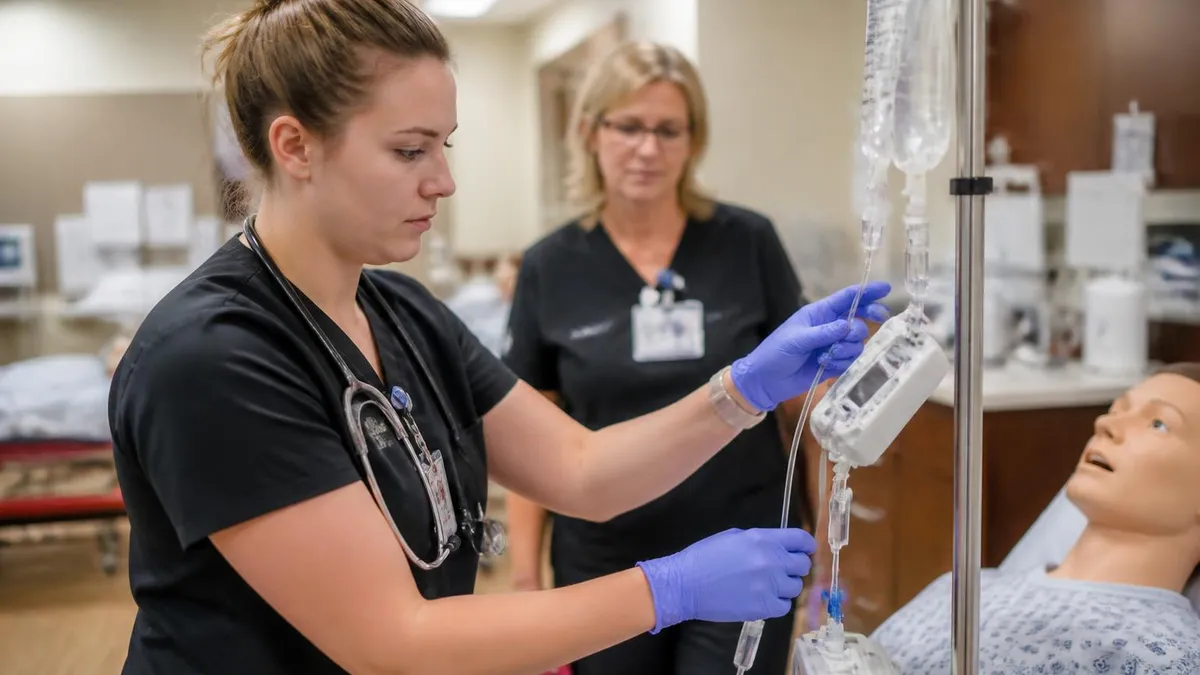
Home health and hospice nursing represent niche areas where experienced Oklahoma LPNs can build highly autonomous and financially rewarding careers. LPNs with three or more years of clinical experience who obtain wound care certification, infusion therapy credentials, or OASIS competency (for home health documentation) become significantly more valuable to home health agencies. These skill sets are in short supply statewide, and agencies will often negotiate premium hourly rates for LPNs who can handle complex wound care, PICC line maintenance, or high-acuity post-surgical patients in the home environment.
Travel nursing is an increasingly popular option for experienced Oklahoma LPNs who want to maximize their earnings without permanently relocating. Travel LPN assignments typically run 13 weeks and can pay $25 to $35 per hour plus tax-free housing stipends, meal allowances, and travel reimbursements. Oklahoma LPNs with a multistate NLC license can accept assignments across the country, then return home between contracts. The clinical variety gained through travel nursing also accelerates professional development in ways that single-employer careers cannot match, exposing you to different EHR systems, patient populations, and care protocols.
Entrepreneurial LPNs in Oklahoma have also found opportunities in private-duty nursing, medication management consulting for assisted living facilities, and clinical education and skills training for CNA programs. While these paths require business development effort beyond traditional nursing work, they offer schedule autonomy and income ceilings that salaried positions cannot provide. Oklahoma's healthcare entrepreneurship ecosystem is growing, and LPNs who combine clinical expertise with basic business acumen are well positioned to carve out sustainable independent practices.
Regardless of which advancement path you pursue, documenting your accomplishments throughout your career is essential. Maintain a professional portfolio that includes copies of your certifications, performance evaluations, any awards or recognition you receive, and concrete examples of quality improvement contributions you made in each role. This documentation becomes invaluable when negotiating salary increases, applying for promotions, or entering an LPN-to-RN bridge program where clinical experience letters from supervisors can strengthen your application significantly.
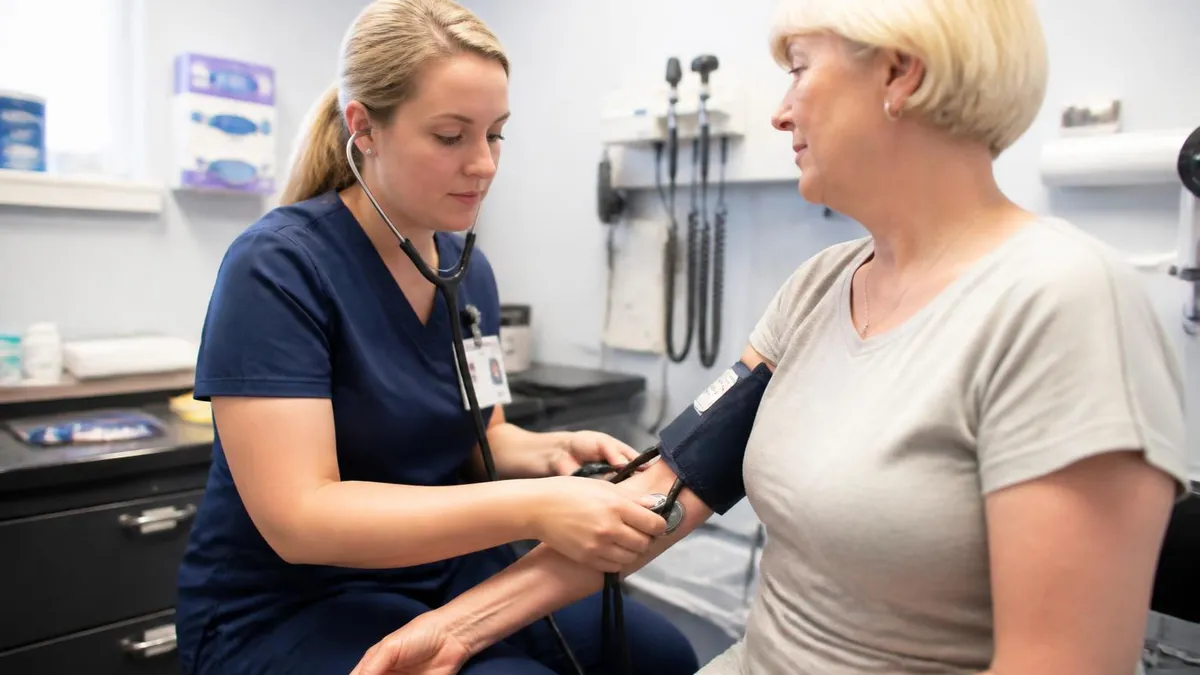
Oklahoma LPN licenses must be renewed every two years, with 24 continuing education hours required per renewal cycle. At least one hour must cover Oklahoma nursing law and rules. Failure to renew on time results in a lapsed license that must be reinstated before you can legally practice — which can disrupt your employment and delay job search timelines. Set a calendar reminder six months before your renewal date to complete CE requirements and submit your renewal application through the Oklahoma Board of Nursing online portal.
Landing the right LPN job in Oklahoma requires more than simply submitting applications — it demands a strategic approach to how you present yourself, which positions you target, and how you communicate your value to hiring managers. The most successful LPN job seekers treat their search as a professional project with defined goals, daily action items, and a willingness to follow up persistently without being intrusive. The tips in this section reflect what consistently works in Oklahoma's healthcare hiring environment.
Your resume is your first impression, and in healthcare hiring it is often screened by an applicant tracking system before a human ever reads it. Use keywords that match the job posting — phrases like medication administration, patient assessment, wound care management, care plan development, and electronic health records documentation are commonly parsed by ATS software.
Mirror the language of the job description in your resume wherever you honestly can, while keeping your formatting clean and your content specific. Quantify your experience wherever possible: the number of patients in your typical assignment, the size of the team you supervised, or the percentage improvement in a quality metric you contributed to.
Preparing thoroughly for interviews is particularly important in Oklahoma's LPN market, where many employers use structured behavioral interview formats. Practice your answers to common questions like describing a time you identified a medication error before it reached a patient, explaining how you prioritized competing tasks during a high-census shift, or discussing a difficult family communication situation and how you resolved it. These STAR-format answers (Situation, Task, Action, Result) are what interviewers are trained to extract, and delivering them fluently demonstrates the clinical judgment and professionalism that separates top candidates from average ones.
References matter more in healthcare hiring than in most other fields. Before you list former supervisors, clinical instructors, or charge nurses as references, contact them individually to confirm their willingness and to brief them on the specific position you are pursuing. A reference who can speak specifically to your clinical competence, reliability, and patient interaction quality is far more valuable than a generic character reference. If you are a new graduate, ask your LPN program clinical coordinator or a preceptor who supervised your clinical hours — their clinical assessment of your skills carries significant weight with hiring managers.
Follow-up after interviews is expected and appreciated in Oklahoma healthcare. Send a brief, professional thank-you email within 24 hours of your interview, referencing one specific topic from the conversation to demonstrate genuine engagement. If you have not heard back within the timeframe the interviewer indicated, a single polite follow-up email or phone call is appropriate. This level of professionalism signals to employers that you are organized, motivated, and serious about the opportunity — qualities they want in a clinical team member.
Salary negotiation is often overlooked by LPN candidates, but it is both expected and appropriate in Oklahoma's healthcare market. Research the Bureau of Labor Statistics wage data, review salary reports from Glassdoor and Salary.com for your target setting and location, and know your range before you enter any salary discussion.
Frame your negotiation around the value you bring — your years of experience, specific certifications, specialty skills, or willingness to work less desirable shifts. Even a $1 to $2 per hour increase in starting wage translates to $2,000 to $4,000 additional annual income, and most Oklahoma healthcare employers have at least some flexibility in their starting offers.
Finally, consider the full compensation package rather than focusing solely on base hourly wage. Employer contributions to health insurance, dental and vision coverage, paid time off accrual rates, retirement matching percentages, and continuing education reimbursement can collectively represent $8,000 to $15,000 in additional annual value beyond your base salary. A position with a $1 per hour lower wage but significantly better benefits may represent greater total compensation than a higher-wage offer with minimal benefits. Build a simple comparison spreadsheet when evaluating multiple offers to ensure you are making a decision based on complete information.
Once you have secured an LPN position in Oklahoma, the work of building a successful and sustainable career truly begins. The transition from job seeker to high-performing clinical team member requires deliberate habits around professional development, workplace relationship-building, and ongoing self-assessment. LPNs who thrive long-term in Oklahoma's healthcare settings share several common practices that distinguish them from nurses who simply clock in and out without growth intention.
Prioritizing continuing education beyond your biennial renewal requirements is one of the most impactful investments you can make in your Oklahoma LPN career. Attend workshops, webinars, and in-services offered by your employer — even those that are not mandatory. Volunteer to participate in quality improvement committees, wound care rounds, or infection control initiatives. This visibility accelerates your reputation as a clinically engaged, team-oriented nurse and puts you in front of the decision-makers who determine promotions, schedule preferences, and educational sponsorship.
Building strong relationships with your supervising RNs and physicians creates a clinical support network that makes you more effective and more protected when challenging situations arise. Ask questions during slow moments, request feedback after complex patient interactions, and demonstrate that you view your role as one of continuous learning. In Oklahoma's smaller healthcare communities especially, your professional reputation travels quickly — consistently positive interactions with colleagues across departments compound into career opportunities over time.
Documenting your clinical accomplishments and tracking your professional development throughout the year ensures you are prepared for annual performance reviews with concrete evidence of your contributions. Keep a private log of commendations from patients or families, challenging cases you managed successfully, quality metrics your unit improved while you were assigned, and any additional training or certifications you completed. This documentation supports salary increase requests, promotion applications, and LPN-to-RN program applications with specific, credible evidence of your clinical impact.
Mental health and self-care are clinical competencies as much as personal habits for nurses in any setting. Oklahoma's LPN workforce experiences the same compassion fatigue, burnout risk, and moral distress as nurses nationwide. Identifying your personal warning signs early — sleep disruption, emotional blunting, dreading shifts — and responding with intentional recovery strategies keeps you performing at a high level and prevents the career interruptions that unaddressed burnout causes. Oklahoma has EAP programs, the Oklahoma Nurses Association peer support resources, and the Peer Assistance Program for Impaired Healthcare Professionals available to nurses who need support.
Staying current with changes in Oklahoma nursing law and regulation protects your license and your career. The Oklahoma Board of Nursing updates its rules and position statements periodically, and LPNs are responsible for knowing their scope of practice boundaries even when employer instructions may push against them. Bookmark the OBON website, subscribe to their newsletter, and participate in any available regulatory education sessions. A single scope-of-practice violation can result in license discipline that follows you for years — protecting your license is worth every minute of regulatory education you invest.
Consider joining the Oklahoma Nurses Association or the National Association of Licensed Practical Nurses to access advocacy resources, legislative updates, and professional networking opportunities that purely employer-based career development cannot provide. Professional association members consistently report higher career satisfaction, stronger professional identities, and better awareness of emerging opportunities in their field. Annual membership fees are typically tax-deductible as a professional expense and often reimbursable through employer professional development funds.
Long-term career satisfaction as an Oklahoma LPN comes from aligning your daily work with the patient populations and clinical environments that energize rather than drain you. Some LPNs find deep fulfillment in geriatric care; others thrive in the variety and urgency of correctional health; still others are drawn to the autonomy of home health or the mission of tribal health systems.
Give yourself permission to explore different settings across your career, and treat each transition as a learning investment rather than an instability. The breadth of Oklahoma's healthcare ecosystem means there is genuinely a setting that fits every LPN's personality, values, and clinical strengths.
LPN Questions and Answers

LPN Requirements 2026: Complete Guide to Becoming a Licensed Practical Nurse

LPN IV Certification: Complete 2026 Guide to Training, Requirements & Cost

LPN Programs in Florida: Complete 2026 Guide to Accredited Schools, Costs, Requirements & Licensure

LPN Salary Wisconsin 2026: Average Pay, Top Cities, and How to Earn More

LPN Duties: Complete Guide to Daily Responsibilities and Scope of Practice
About the Author

Registered Nurse & Healthcare Educator
Johns Hopkins University School of NursingDr. Sarah Mitchell is a board-certified registered nurse with over 15 years of clinical and academic experience. She completed her PhD in Nursing Science at Johns Hopkins University and has taught NCLEX preparation and clinical skills courses for nursing students across the United States. Her research focuses on evidence-based exam preparation strategies for healthcare certification candidates.
Join the Discussion
Connect with other students preparing for this exam. Share tips, ask questions, and get advice from people who have been there.
View discussion (7 replies)