
LPN Full Form: What LPN Stands For and What It Means for Your Nursing Career
LPN full form explained: Licensed Practical Nurse. Learn what LPN means, how it differs from RN, and how to start your nursing career. 🎓
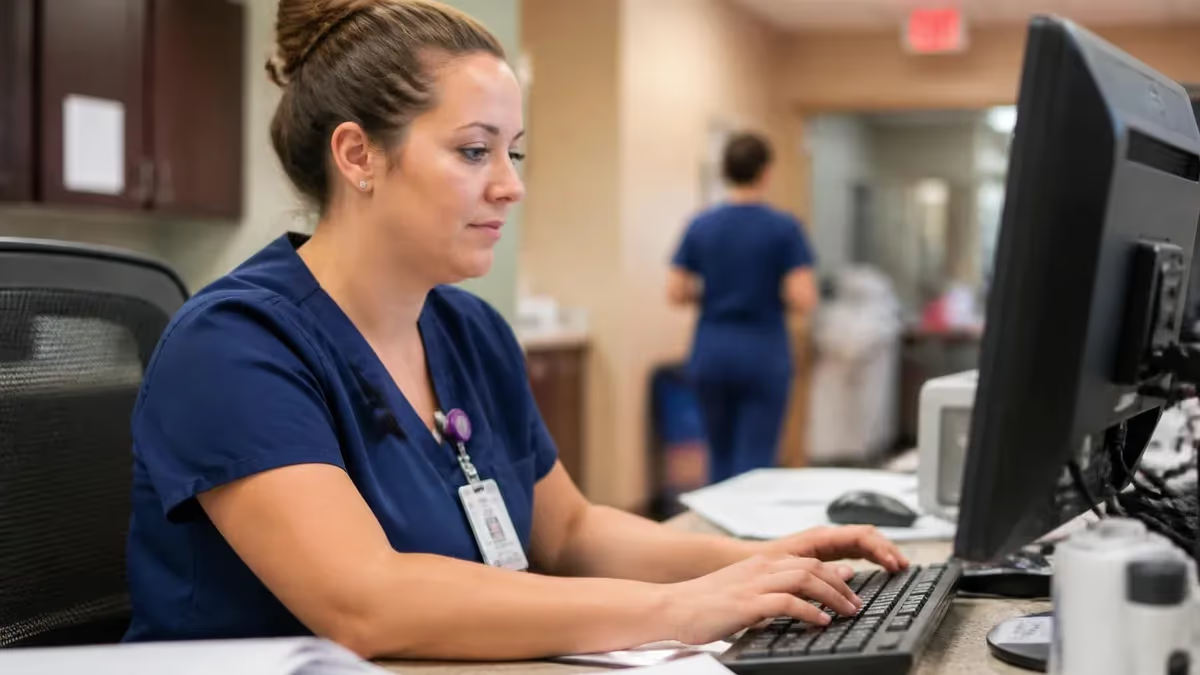
The LPN full form is Licensed Practical Nurse — a credential that represents one of the most accessible and rewarding entry points into the nursing profession in the United States. If you have been researching healthcare careers and wondering what the letters LPN stand for, you are not alone. Millions of Americans encounter this abbreviation every year in hospital hallways, job postings, and school brochures, yet surprisingly few understand the full weight of what those three letters actually represent. Understanding the lpn full form is the first step toward building a meaningful career in patient care.
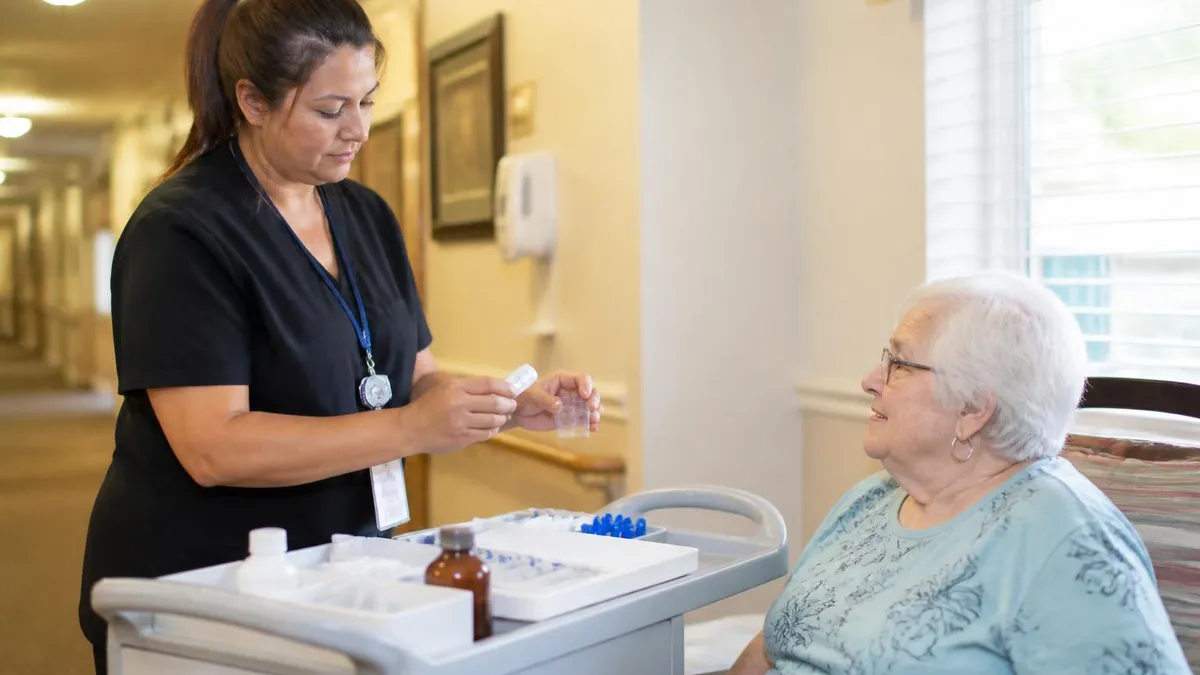
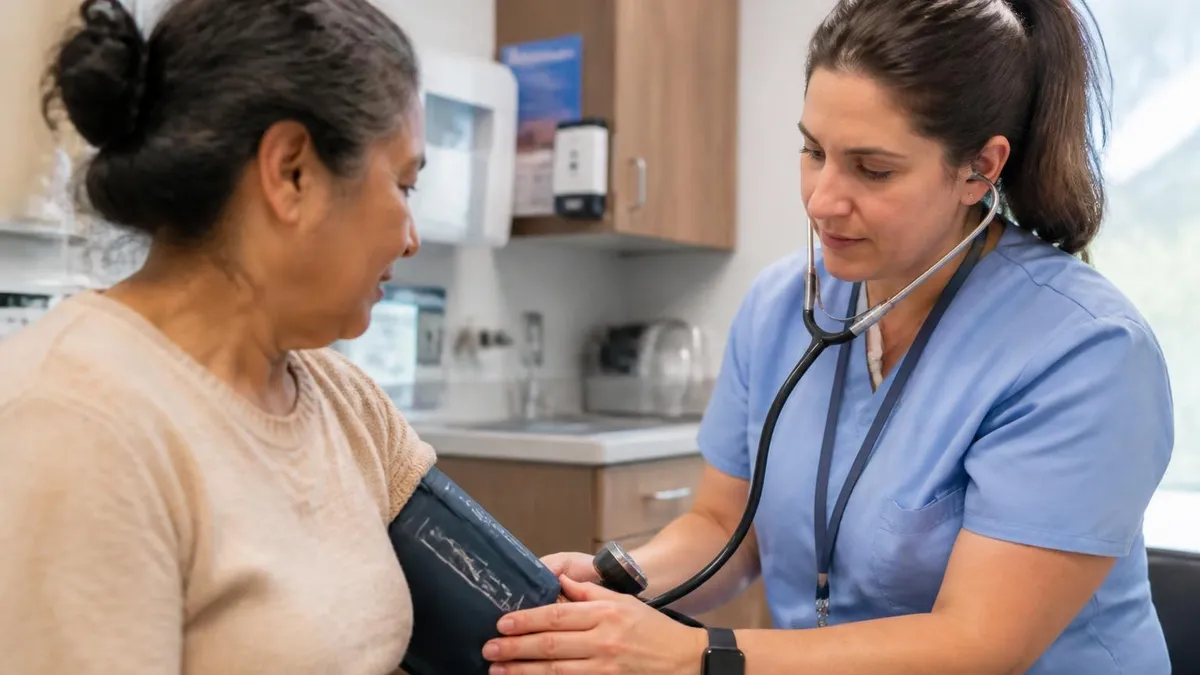
Licensed Practical Nurses play an essential, hands-on role in virtually every healthcare setting across the country. From long-term care facilities and rehabilitation centers to outpatient clinics, physician offices, and home health agencies, LPNs provide direct patient care under the supervision of Registered Nurses (RNs) and physicians. Their daily responsibilities include monitoring vital signs, administering medications, dressing wounds, collecting lab specimens, and documenting patient progress — all tasks that require both technical skill and genuine compassion for the people in their care.
The designation "Licensed" in the LPN full form is critically important. It signals that the nurse has met state-mandated educational requirements, passed a nationally standardized licensing examination known as the NCLEX-PN, and holds a valid license to practice nursing within a defined scope. Licensing is not merely a formality — it is the legal and ethical foundation that protects both patients and practitioners. Without a valid license, no individual may legally call themselves an LPN or perform the clinical duties associated with the title in any U.S. state or territory.
The word "Practical" in the LPN full form historically distinguished this category of nurse from the Registered Nurse credential, reflecting a curriculum that emphasized hands-on, bedside clinical skills over the broader theoretical and administrative scope taught in associate or bachelor's degree RN programs. In some states, most notably California and Texas, the credential carries a slightly different name — Licensed Vocational Nurse, or LVN — but the job description, scope of practice, and licensing exam are virtually identical. Whether you see LPN or LVN on a job posting, you are looking at the same role with the same foundational competencies.
"Nurse" is the core of the LPN identity, and it carries with it centuries of professional heritage. Nursing as a formal discipline emerged in the mid-19th century, and the practical nursing specialty developed as the healthcare system recognized the need for a workforce capable of delivering essential bedside care at scale. Today, the Bureau of Labor Statistics reports that there are approximately 669,000 Licensed Practical and Licensed Vocational Nurses employed across the United States, making the LPN one of the largest single nursing occupations in the country.
Understanding what LPN stands for also involves recognizing the career trajectory it enables. Many nurses begin their healthcare journey as LPNs and later advance to become Registered Nurses through bridge programs such as LPN-to-RN or LPN-to-BSN pathways. These accelerated programs typically grant credit for the knowledge and clinical hours already accumulated as an LPN, shortening the time required to reach the next level of licensure. The LPN credential is therefore not just a destination — for many nurses, it is a powerful, practical launching pad.
The growing demand for LPNs reflects broader demographic and healthcare trends in the United States. As the baby boomer generation continues to age and chronic disease management becomes increasingly central to the healthcare system, facilities of all types need more skilled frontline nurses. The LPN full form represents a profession that is not only growing in opportunity but also deepening in clinical complexity, with LPNs today taking on more specialized roles in areas such as IV therapy, wound care management, and telehealth support than ever before in the history of the profession.
LPN by the Numbers
LPN vs. LVN vs. RN: Understanding the Key Differences
Used in 48 U.S. states. Requires completion of a state-approved practical nursing program (typically 12–18 months) and passage of the NCLEX-PN. Works under the supervision of RNs and physicians to provide direct bedside care.
The official title used in California and Texas. Identical scope of practice, education pathway, and licensing exam as LPN. The name difference is historical and administrative — employers treat LPN and LVN credentials as interchangeable.
Requires an associate degree in nursing (ADN, 2 years) or a bachelor of science in nursing (BSN, 4 years) plus passage of the NCLEX-RN. Has a broader scope of practice, greater autonomy, and higher average salary than LPN/LVN.
The highest clinical nursing credential, encompassing Nurse Practitioners, Certified Nurse-Midwives, CRNAs, and CNSs. Requires a master's or doctoral degree. APRNs can diagnose conditions, prescribe medications, and practice independently in many states.
The history of the Licensed Practical Nurse credential is deeply intertwined with the broader evolution of American healthcare and nursing as a profession. The roots of practical nursing can be traced back to the late 19th and early 20th centuries, when hospitals began recognizing that trained bedside attendants could dramatically improve patient outcomes without requiring the full academic preparation of a graduate nurse. These early "attendant nurses" or "subsidiary nurses" performed essential care tasks and represented the first informal version of what we now call the LPN.
Formal recognition of the practical nurse as a distinct professional category accelerated significantly during and after World War II. The massive demand for healthcare workers created by wartime casualties and a growing civilian population made it clear that the nursing workforce needed rapid expansion. State legislatures responded by enacting practical nursing practice acts throughout the 1940s and 1950s, establishing the legal framework for licensing, scope of practice, and educational standards. Mississippi became the first state to enact a practical nurse licensing law in 1914, but wide adoption did not occur until the post-war period.
The National Association for Practical Nurse Education and Service (NAPNES), founded in 1941, played a pivotal role in standardizing practical nursing education across the country. NAPNES developed curriculum guidelines, advocated for state licensing laws, and helped define the professional identity of the LPN as distinct from both the untrained nursing aide and the fully credentialed registered nurse. This organizational advocacy helped transform practical nursing from an informal occupation into a recognized health profession with defined educational requirements and legal protections.
The development of the NCLEX-PN examination represented a watershed moment in the standardization of LPN licensure. Before computerized adaptive testing was introduced in 1994, LPN candidates took lengthy paper-and-pencil examinations that varied somewhat by state. The transition to the NCLEX-PN as a single national standard meant that an LPN licensed in one state held credentials that were more readily transferable to other states through endorsement, facilitating workforce mobility across state lines.
Throughout the latter half of the 20th century, the scope of LPN practice continued to evolve in response to changing healthcare needs and technological advances. Tasks that were once exclusively performed by RNs or physicians — such as IV catheter insertion, medication administration via complex routes, and tracheostomy care — gradually became part of the LPN scope in many states as educational programs incorporated more advanced clinical training. Today, LPN scope of practice varies by state, and individual facility policies further define what tasks LPNs may perform in specific settings.
The name shift from "practical nurse" to "Licensed Practical Nurse" reflected both professional pride and regulatory precision. Adding the word "Licensed" to the official title emphasized that this was a credentialed professional, not simply a trained assistant. This distinction became increasingly important as unlicensed assistive personnel, such as certified nursing assistants (CNAs), entered the healthcare workforce in growing numbers. The LPN title, with its explicit licensing requirement, clearly differentiated credentialed nurses from support staff who perform non-nursing tasks under nurse supervision.
Modern LPN education programs bear little resemblance to the abbreviated training courses of the 1940s and 1950s. Today's programs, typically offered by community colleges, vocational schools, and some hospital systems, include rigorous coursework in anatomy and physiology, pharmacology, medical-surgical nursing, pediatric nursing, maternal-newborn nursing, mental health nursing, and geriatric care. Clinical rotations in hospitals, long-term care facilities, and community health settings ensure that graduates enter the workforce with genuine hands-on competency. The evolution of LPN education reflects the profession's ongoing commitment to delivering safe, effective, evidence-based patient care.
LPN Education, Licensing, and Scope of Practice Explained
LPN programs typically run 12 to 18 months and are offered at community colleges, vocational schools, and technical institutes. Admission generally requires a high school diploma or GED, satisfactory scores on an entrance exam such as the TEAS or HESI, a background check, immunization records, and CPR certification. The curriculum combines classroom instruction in nursing theory with hands-on clinical practice in supervised healthcare settings, covering subjects including pharmacology, anatomy, medical-surgical nursing, pediatrics, and mental health nursing.
Most programs include between 600 and 900 clinical hours, ensuring graduates have direct patient care experience before they sit for the licensing exam. Some programs offer evening or weekend formats to accommodate working students, and a small but growing number are offered in hybrid or online formats with in-person clinical components. After completing the program, graduates must apply to their state board of nursing, submit their educational transcripts, pay an application fee, and schedule their NCLEX-PN examination through Pearson VUE, the official testing partner for the National Council of State Boards of Nursing (NCSBN).
Pros and Cons of Pursuing the LPN Credential
- +Faster entry into nursing: programs are 12–18 months versus 2–4 years for RN pathways
- +Lower upfront tuition cost compared to ADN or BSN programs
- +Strong job demand nationwide with consistent employment in multiple healthcare settings
- +Serves as a steppingstone to RN licensure through bridge programs that credit prior LPN experience
- +Immediate opportunity for meaningful patient care work after licensure
- +Licensing is portable through endorsement, allowing LPNs to work in multiple states
- −Narrower scope of practice than RNs limits the types of facilities and units where LPNs can work
- −Lower average salary than Registered Nurses at every career stage
- −Many hospital settings, especially acute care ICUs and emergency departments, prefer or require RN-level staff
- −Career advancement typically requires additional schooling to reach RN or APRN status
- −Scope restrictions vary by state, creating uncertainty when relocating for work
- −Some facilities have reduced LPN hiring in favor of all-RN staffing models in recent years
Pros and Cons at a Glance
| Pros | Cons |
|---|---|
| Lower upfront tuition cost compared to ADN or BSN programs | Narrower scope of practice than RNs limits the types of facilities and units where LPNs can work |
| Strong job demand nationwide with consistent employment in multiple healthcare settings | Lower average salary than Registered Nurses at every career stage |
| Serves as a steppingstone to RN licensure through bridge programs that credit prior LPN experience | Many hospital settings, especially acute care ICUs and emergency departments, prefer or require RN-level staff |
| Immediate opportunity for meaningful patient care work after licensure | Career advancement typically requires additional schooling to reach RN or APRN status |
| Licensing is portable through endorsement, allowing LPNs to work in multiple states | Scope restrictions vary by state, creating uncertainty when relocating for work |
Steps to Become a Licensed Practical Nurse
- ✓Earn a high school diploma or GED as the foundational prerequisite for LPN program admission
- ✓Research and compare accredited LPN programs at community colleges, vocational schools, or technical institutes in your state
- ✓Complete admission requirements including entrance exam, background check, immunizations, and CPR certification
- ✓Enroll in and complete the state-approved LPN program (typically 12–18 months of coursework and clinical rotations)
- ✓Apply to your state board of nursing for authorization to test after completing your program
- ✓Register for the NCLEX-PN through Pearson VUE and schedule your exam date
- ✓Study systematically for the NCLEX-PN using practice tests, content review books, and NGN-format question banks
- ✓Pass the NCLEX-PN examination and receive your official licensing results within 48 hours via the Quick Results service
- ✓Receive your LPN license from the state board of nursing and verify it appears on the public license lookup
- ✓Apply for LPN positions in your preferred setting and maintain your license through continuing education as required by your state
The LPN Credential Opens Doors — and Bridges Lead Higher
The LPN full form — Licensed Practical Nurse — is more than a job title. It is a recognized healthcare credential that provides immediate earning power and clinical experience while keeping the door open to advanced nursing roles. LPN-to-RN bridge programs at many community colleges and universities can be completed in as little as 12 additional months for qualified candidates, making LPN one of the most strategically efficient first steps in a long nursing career.
The career outlook for Licensed Practical Nurses in the United States remains consistently strong heading into the latter half of the 2020s. The Bureau of Labor Statistics projects 5 percent employment growth for LPNs and LVNs from 2022 through 2032, a rate the BLS classifies as faster than the average for all occupations.
This growth is driven primarily by the aging of the U.S. population — the number of Americans aged 65 and older is projected to reach 80 million by 2040 — and the corresponding increase in demand for long-term care, home health services, and chronic disease management across all healthcare settings.
In terms of compensation, the median annual wage for LPNs in the United States was approximately $54,620 as of the most recent BLS Occupational Employment and Wage Statistics survey, which translates to a median hourly rate of roughly $26.26. However, salary varies significantly by geographic location, practice setting, years of experience, and specialty focus. LPNs working in government settings — particularly for the federal government, the Department of Veterans Affairs, or state-run correctional facilities — often earn substantially above the national median, with some positions paying $65,000 to $75,000 annually.
Geographic variation in LPN compensation is significant enough that where you work can matter as much as what you do. States such as Alaska, Massachusetts, California, and Connecticut consistently rank among the highest-paying states for LPNs, with median annual wages exceeding $60,000.
Conversely, southern states such as Mississippi, Louisiana, and Arkansas typically offer lower median wages, though the cost of living in those states is also generally lower, which can affect the real-world purchasing power of the salary. LPNs who are willing to relocate or who hold multi-state licenses through the Nurse Licensure Compact can strategically position themselves in higher-paying markets.
Practice setting is another major determinant of LPN salary and working conditions. Long-term care and skilled nursing facilities employ the largest share of LPNs — approximately 35 percent of the total workforce — and while average salaries in these settings can be somewhat lower than in acute care hospitals, many facilities offer premium shift differentials for evening, overnight, and weekend work that can meaningfully boost take-home pay. Home health agencies, physician offices, outpatient clinics, and correctional facilities each offer distinct tradeoffs in terms of pay, schedule flexibility, patient acuity, and work environment.
Specialty certification is one of the most effective ways LPNs can increase their earning potential without returning to school full-time. The National Association for Practical Nurse Education and Service (NAPNES) offers specialty certifications in pharmacology and long-term care, while the American Association of Managed Care Nurses (AAMCN) offers a managed care certification accessible to LPNs. Wound care, IV therapy, and hospice and palliative care are other specialized practice areas where LPNs with demonstrated competency can command above-average compensation.
The Nurse Licensure Compact (NLC) has become an increasingly important consideration for LPN career planning. As of 2024, over 40 states participate in the NLC, which allows nurses who hold a license in their primary state of residence to practice in other member states without obtaining additional licenses. This multistate licensure privilege dramatically increases the employment flexibility of LPN license holders, enabling travel nursing, per diem work across state lines, and telehealth practice in ways that were previously administratively burdensome. Nurses considering travel assignments should verify their state's NLC membership status with the National Council of State Boards of Nursing.
For LPNs considering long-term career growth, understanding the financial and time investment required for advancement is essential. Transitioning from LPN to RN through an approved bridge program typically requires an additional 12 to 24 months of schooling and costs between $8,000 and $25,000 depending on the institution and program format.
However, the salary difference between the median RN ($81,220 annually) and the median LPN ($54,620 annually) means that the additional investment pays for itself within two to three years of licensure at the RN level. Many employers also offer tuition reimbursement programs that defray the cost of bridge education for employees who commit to staying with the organization after graduation.
LPN licenses must be renewed on a schedule set by your state board of nursing — most commonly every one or two years. Most states require completion of continuing education (CE) hours as a condition of renewal, with requirements typically ranging from 15 to 30 contact hours per renewal cycle. Some states also require specific CE topics such as pain management, infection control, or abuse recognition. Always verify your state's exact renewal requirements on the official state board of nursing website well before your license expiration date.
Advancing beyond the LPN credential is a natural goal for many nurses who enter the profession through the practical nursing pathway. The most common and well-supported advancement route is the LPN-to-RN bridge program, available at hundreds of community colleges and universities nationwide.
These programs are specifically designed for working nurses who already hold LPN licensure, granting academic credit for prior nursing education and clinical experience so that candidates can complete the requirements for an Associate Degree in Nursing (ADN) or Bachelor of Science in Nursing (BSN) in a compressed timeframe. Some LPN-to-BSN programs can be completed entirely online with local clinical placements, making them accessible to nurses who cannot relocate or stop working during their studies.
The financial case for advancing from LPN to RN is compelling. According to BLS data, the median annual wage for Registered Nurses is approximately $81,220, compared to $54,620 for LPNs — a difference of more than $26,000 per year.
Over a 20-year career, that gap compounds to well over half a million dollars in cumulative earnings, even before accounting for the typically broader benefit packages, retirement contributions, and career advancement opportunities available to RN-credentialed nurses. For most LPNs, the investment of time and tuition required for bridge education yields a return that far exceeds the cost within a relatively short period.
Beyond the traditional RN pathway, some LPNs pursue specialty certifications as a more immediate strategy for career development. Certifications in areas such as wound, ostomy, and continence nursing (WOCN), intravenous therapy, long-term care, and gerontological nursing are accessible to LPNs with relevant clinical experience and can command salary premiums of 5 to 15 percent above uncertified peers in the same setting. These certifications also demonstrate professional commitment and clinical expertise to employers, making certified LPNs more competitive candidates for charge nurse and supervisory roles within their practice setting.
Leadership opportunities within long-term care and home health settings represent another meaningful avenue for LPN career growth that does not necessarily require additional formal education. Experienced LPNs frequently advance into roles such as charge nurse, unit supervisor, medication aide trainer, or staff development coordinator, particularly in skilled nursing facilities where LPNs make up a substantial portion of the licensed nurse workforce. These roles bring additional compensation, administrative responsibility, and professional development opportunities while allowing the nurse to use their existing licensure rather than pursue a new one.
The expansion of telehealth has created a new and growing category of LPN employment that was essentially nonexistent a decade ago. Remote patient monitoring programs, chronic disease management call centers, and telehealth triage services are increasingly hiring LPNs to serve in documentation, patient education, and care coordination roles. While the clinical scope of telehealth LPN positions may be more limited than bedside nursing roles, these positions often offer schedule flexibility, the ability to work from home, and exposure to healthcare technology platforms that are increasingly relevant in the modern nursing landscape.
Graduate programs in healthcare administration, public health, and healthcare informatics are also options for LPNs who discover that their professional interests lean toward systems-level thinking, policy, or technology rather than direct patient care. While these programs do not lead to advanced clinical nursing credentials, they open doors to management, consulting, and healthcare IT careers where the LPN's firsthand knowledge of nursing workflows and patient care processes is a genuine and marketable asset. Nurses with both clinical experience and graduate business or informatics training are in growing demand as healthcare organizations navigate increasingly complex operational and regulatory environments.
Regardless of which advancement path an LPN chooses, staying informed about changes in nursing scope of practice, state licensing requirements, and healthcare policy is essential for long-term career success. Professional associations such as the National Federation of Licensed Practical Nurses (NFLPN) and NAPNES publish regular updates on scope of practice changes, legislative developments, and continuing education resources that can help LPNs navigate their careers with confidence and purpose.
Preparing to become a Licensed Practical Nurse requires more than completing coursework and passing the NCLEX-PN — it requires developing the habits of mind and clinical reasoning skills that define a safe, effective, and professional nurse.
One of the most important habits new LPN students can cultivate early is reflective practice: the ability to think critically about clinical experiences, identify what went well and what could be improved, and apply those lessons to future patient interactions. Nurses who develop strong reflective practice skills consistently outperform peers who rely solely on procedural memory during their licensing exam and in the first years of clinical practice.
Time management is another skill that distinguished LPN students from those who struggle. Practical nursing programs are academically intensive, and the combination of classroom hours, laboratory sessions, clinical rotations, and independent study can feel overwhelming to students who do not proactively structure their schedule. Experienced LPN program faculty consistently advise students to treat studying as a non-negotiable commitment — blocking specific hours each day for review, creating concept maps for complex topics, and using spaced repetition tools such as digital flashcard applications to retain pharmacology and pathophysiology content efficiently over the course of the program.
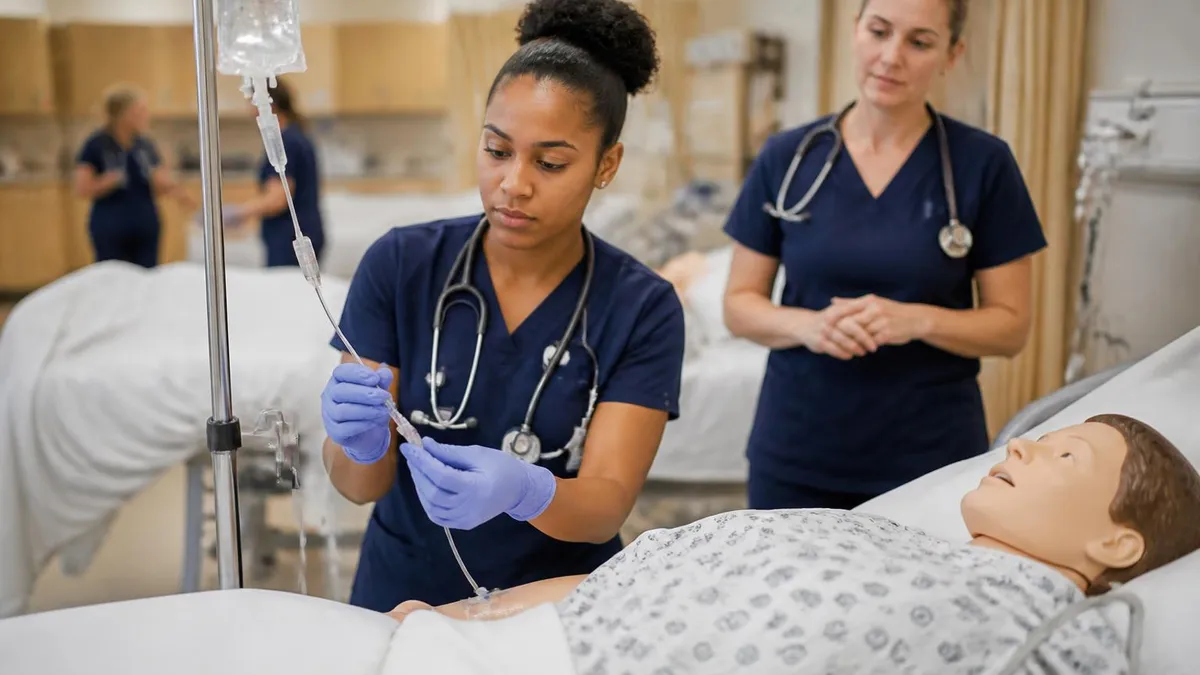
Clinical simulation is an increasingly important component of modern LPN education that bridges the gap between classroom theory and real patient care. High-fidelity mannequins, standardized patient actors, and virtual reality simulation platforms allow students to practice critical procedures — medication administration, urinary catheterization, nasogastric tube insertion, IV monitoring — in a safe environment where mistakes are learning opportunities rather than patient safety events. Students who approach simulation labs with the same seriousness they bring to clinical rotations develop procedural confidence and communication skills that translate directly to better performance in their actual clinical placements.
Building strong communication skills is essential for LPN success from day one of clinical practice. LPNs interact constantly with patients, family members, Registered Nurses, physicians, physical therapists, social workers, and pharmacy staff — and the quality of information they communicate affects patient safety at every level.
Clear verbal handoff reports, accurate and timely documentation, and professional advocacy for patient needs are all communication competencies that must be deliberately practiced and refined throughout the nursing program and carried into professional practice. Programs that incorporate structured communication exercises such as SBAR (Situation, Background, Assessment, Recommendation) reporting help students develop these skills before they enter the clinical setting.
Self-care and stress management are topics that nursing education programs are increasingly taking seriously, and for good reason. Nursing school is demanding, and the emotional weight of clinical work — caring for patients who are in pain, frightened, or dying — can take a genuine toll on students who are not equipped with healthy coping strategies.
Building a sustainable routine that includes adequate sleep, regular physical activity, and meaningful social connection is not a luxury for nursing students — it is a professional necessity that directly affects the quality of care they will provide to patients both during training and throughout their careers.
Networking within the nursing community begins in school and pays dividends throughout a career. Clinical instructors, preceptors, fellow students, and staff nurses encountered during rotations are all potential professional contacts who may one day provide a reference, share a job opportunity, or offer guidance during a difficult career transition. Joining student chapters of professional nursing organizations, attending local healthcare career fairs, and maintaining professional social media profiles on platforms such as LinkedIn are all practical ways for LPN students to begin building the professional network that will support their career growth long after graduation.
Finally, approaching the NCLEX-PN as a test of clinical reasoning rather than simple fact recall is perhaps the most important mindset shift new nursing graduates can make. The exam is designed to assess whether a candidate can think like a safe, entry-level nurse — not whether they have memorized every drug dosage or disease complication.
Practicing with high-quality question banks that explain the rationale behind correct and incorrect answers, and regularly asking yourself "Why is this the safest action in this situation?" rather than "What is the right answer?" will develop the test-taking instincts that separate candidates who pass on the first attempt from those who need to retake the exam.
Sample Certified Practical Nurse Practice Questions
Try these questions from our free Certified Practical Nurse practice tests. The correct answer and an explanation follow each question.
When performing a fundal assessment on a postpartum client, the nurse finds the fundus is boggy. What is the priority nursing action?
- A. Notify the physician immediately
- B. Perform uterine massage
- C. Increase IV fluid rate
- D. Administer oxytocin per protocol
Answer: B. Perform uterine massage
A boggy fundus indicates uterine atony, and the first intervention is uterine fundal massage to stimulate contraction.
What does patient confidentiality mean in nursing?
- A. To share with anyone in the hospital
- B. To keep patient information private and share it with authorized personnel
- C. To tell the patient’s family
- D. To share information with colleagues freely
Answer: B. To keep patient information private and share it with authorized personnel
Patient confidentiality in nursing means strictly keeping all patient information private and only sharing it with authorized personnel who have a legitimate need to know for the patient's care. This ethical and legal obligation protects sensitive health data, builds trust between patients and healthcare providers, and respects patient autonomy. Adhering to confidentiality guidelines, such as HIPAA, is fundamental to professional nursing practice.
A patient receiving IV potassium chloride reports burning at the IV site. What is the priority nursing action?
- A. Stop the infusion and remove the IV
- B. Slow the infusion rate
- C. Apply a warm compress over the site
- D. Dilute the solution further
Answer: B. Slow the infusion rate
Slowing the infusion rate reduces the burning sensation; potassium is irritating to veins and must never be given as an IV push.
A patient signs a consent form for surgery but tells the LPN, 'I don't really understand what they're going to do.' What is the LPN's priority action?
- A. Reassure the patient that the surgeon is competent
- B. Witness the signature since the form is already signed
- C. Notify the RN or surgeon that informed consent may not be adequate
- D. Explain the procedure in detail to the patient
Answer: C. Notify the RN or surgeon that informed consent may not be adequate
Valid informed consent requires patient understanding; the LPN must inform the RN or surgeon so they can re-explain before proceeding.
LPN Questions and Answers
LPN Requirements 2026: Complete Guide to Becoming a Licensed Practical Nurse
LPN IV Certification: Complete 2026 Guide to Training, Requirements & Cost
LPN Programs in Florida: Complete 2026 Guide to Accredited Schools, Costs, Requirements & Licensure

LPN Salary Wisconsin 2026: Average Pay, Top Cities, and How to Earn More
LPN Duties: Complete Guide to Daily Responsibilities and Scope of Practice
About the Author

Registered Nurse & Healthcare Educator
Johns Hopkins University School of NursingDr. Sarah Mitchell is a board-certified registered nurse with over 15 years of clinical and academic experience. She completed her PhD in Nursing Science at Johns Hopkins University and has taught NCLEX preparation and clinical skills courses for nursing students across the United States. Her research focuses on evidence-based exam preparation strategies for healthcare certification candidates.
Join the Discussion
Connect with other students preparing for this exam. Share tips, ask questions, and get advice from people who have been there.
View discussion (7 replies)