
Can LPN Do Wound Care? Complete Guide to LPN Duties and Scope of Practice
Can LPN do wound care? Explore LPN wound care duties, 📚 scope of practice by state, supervision requirements, and certifications to advance your
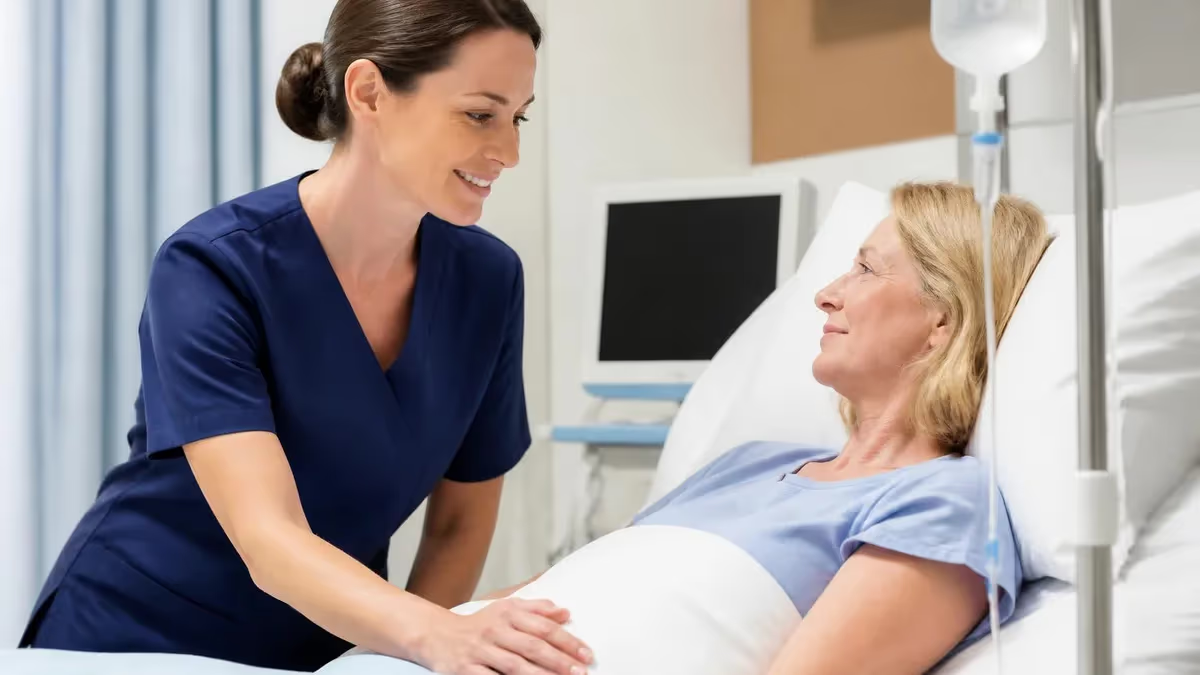
One of the most frequently asked questions in practical nursing is: can LPN do wound care? The answer depends on several factors, including your state's nurse practice act, employer policies, and the complexity of the wound itself. Licensed Practical Nurses handle a wide range of clinical tasks daily, and wound care often falls squarely within their authorized scope of practice. Understanding exactly what wound care duties you can legally perform is essential for protecting your license and delivering safe, competent patient outcomes across every healthcare setting.
LPNs work under the supervision of registered nurses or physicians, and wound care responsibilities typically fall within their delegated duties in most jurisdictions. Simple wound care tasks like changing sterile dressings, cleaning wounds with prescribed solutions, and applying topical medications are standard LPN functions in nearly every state. However, more complex procedures such as sharp wound debridement or negative pressure wound therapy management may require additional training, specialized certification, or direct RN supervision depending on your jurisdiction and individual facility protocols.
The scope of practice for Licensed Practical Nurses varies significantly from state to state, creating a patchwork of regulations that can be confusing for new graduates and experienced nurses alike. Some states grant LPNs broad wound care authority, allowing them to perform detailed wound assessments, apply advanced dressings, and document wound healing progress with minimal oversight. Other states restrict LPNs to basic dressing changes performed only under direct supervision. Before performing any wound care procedure, consult your state board of nursing guidelines and your facility's written policies to ensure compliance.
Wound care is just one component of the broader LPN scope of practice, which encompasses patient assessment within defined parameters, medication administration, vital sign monitoring, specimen collection, and patient education. Practical nurses serve as critical members of the healthcare team across diverse settings including hospitals, long-term care facilities, home health agencies, rehabilitation centers, and outpatient clinics. Each setting presents different wound care challenges and expectations, making it vital to understand how your practice environment shapes your daily clinical responsibilities.
The demand for LPNs with wound care competencies continues to grow as the aging population increases the prevalence of chronic wounds, pressure injuries, diabetic ulcers, and surgical site complications. According to the Bureau of Labor Statistics, employment of LPNs is projected to grow six percent through 2032, with wound care skills being particularly valued in long-term care and home health settings. Employers increasingly seek practical nurses who demonstrate proficiency in wound assessment, dressing techniques, infection prevention protocols, and accurate clinical documentation of healing progress.
This comprehensive guide covers everything you need to know about LPN wound care duties, scope of practice limitations, state-by-state regulatory variations, supervision requirements, and the additional certifications that can expand your clinical authority. Whether you are a nursing student preparing for the NCLEX-PN examination, a new graduate entering clinical practice, or an experienced LPN looking to advance your wound care skills, this article provides the detailed, actionable information you need to practice confidently and legally.
Throughout this guide, you will find practical checklists, comparison charts, and expert insights designed to help you navigate the sometimes confusing boundaries of LPN wound care practice. We explore specific wound care procedures authorized for LPNs, documentation requirements, supervision standards across different states, career advancement opportunities through wound care certification, and strategies for building the clinical expertise that employers value most in today's competitive healthcare job market.
LPN Wound Care by the Numbers
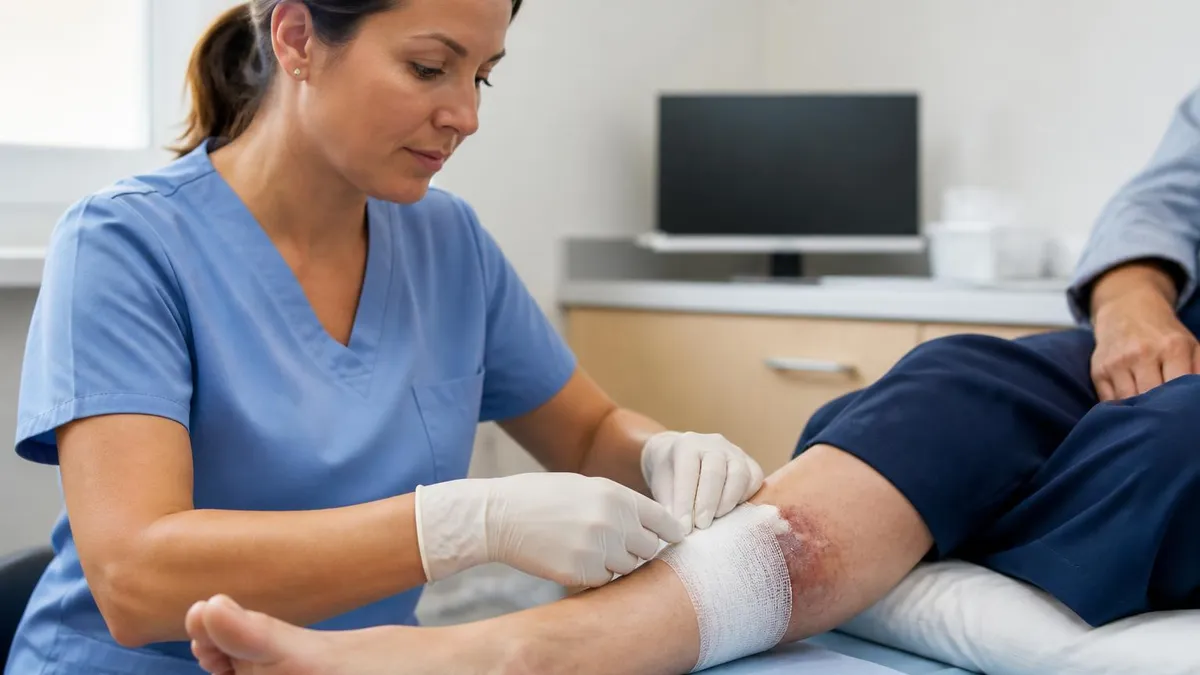
LPN Wound Care Procedures by Category
Includes sterile dressing changes, wound cleansing with normal saline or prescribed solutions, applying topical antimicrobial ointments, removing sutures and staples per physician order, and securing bandages. These foundational procedures are within LPN scope in virtually every state.
LPNs measure wound length, width, and depth using standardized tools, document wound bed characteristics, note drainage type and volume, photograph wounds per facility protocol, and complete wound tracking flowsheets. Clinical judgment about treatment plans remains with the RN.
Applying hydrocolloid, alginate, foam, and transparent film dressings as ordered by a physician. LPNs manage moisture balance, pack tunneling wounds with appropriate filler materials, and select correct dressing sizes. Additional competency validation may be required by your facility.
Maintaining strict aseptic technique during all wound care procedures, proper use of personal protective equipment, safe disposal of contaminated materials, hand hygiene compliance, and early recognition and reporting of wound infection signs including erythema, warmth, and purulent drainage.
Teaching patients and families proper home wound care techniques, signs requiring immediate medical attention, medication adherence for wound-related prescriptions, nutritional strategies supporting wound healing, and when to contact their healthcare provider about changes in wound appearance or symptoms.
Understanding the specific wound care procedures that fall within the LPN scope of practice requires examining both the clinical tasks themselves and the regulatory framework governing their performance. At the foundational level, LPNs are trained to perform basic wound care during their nursing education programs. These core skills include wound cleansing using sterile technique, applying and removing various types of dressings, monitoring wound healing progress through systematic observation, and reporting changes to the supervising RN or physician promptly and accurately for clinical decision-making.
Simple dressing changes represent the most common wound care task performed by LPNs in virtually every healthcare setting across the country. This includes removing soiled dressings using aseptic technique, irrigating wounds with normal saline or prescribed solutions at appropriate pressure, applying antimicrobial ointments as ordered by the physician, and securing new sterile dressings properly. LPNs typically perform these procedures multiple times per shift in long-term care facilities, where residents frequently present with pressure ulcers, skin tears, venous stasis ulcers, and post-surgical wounds requiring ongoing daily management.
Wound measurement and documentation constitute another critical LPN responsibility in wound care delivery. Practical nurses measure wound dimensions including length, width, and depth using standardized techniques with disposable rulers or measuring guides, and they document observations about wound bed characteristics such as granulation tissue percentage, slough presence, and eschar coverage. They also record drainage color, consistency, and amount, surrounding skin condition, and any signs of infection. Accurate wound documentation using tools like the Braden Scale for predicting pressure injury risk is essential for tracking healing trajectory.
The application of specialized wound care products has expanded significantly in recent years, and many advanced products now fall within the LPN scope of practice when applied according to physician orders. Hydrocolloid dressings for partial-thickness wounds, alginate wound fillers for heavily draining wounds, foam dressings for pressure redistribution, and transparent film dressings for superficial abrasions are commonly applied by LPNs during routine wound care encounters. However, some therapies like negative pressure wound therapy devices or biological skin substitutes may require additional competency verification before independent management.
Infection prevention during wound care represents a core competency that every LPN must master regardless of practice setting or years of experience. Beyond standard hand hygiene and appropriate personal protective equipment selection, LPNs must maintain sterile fields during dressing changes without contamination breaks, properly dispose of contaminated materials in designated biohazard containers, avoid cross-contamination between multiple wound sites on the same patient, and recognize early signs of wound infection such as increased erythema, localized warmth, purulent drainage, foul odor, or unexpected pain escalation.
Patient and family education about wound care is an often overlooked but critically important LPN responsibility that directly impacts outcomes after discharge. Practical nurses frequently teach patients and caregivers about proper wound care techniques for home management, signs and symptoms requiring immediate medical attention such as fever or rapidly spreading redness, medication compliance for wound-related prescriptions including antibiotics, and nutritional strategies that promote wound healing. Effective patient education demonstrably reduces hospital readmission rates and enables patients to participate actively in their own recovery process.
Documentation standards for wound care require LPNs to record detailed observations using objective, measurable terminology that meets both clinical and legal requirements. Each wound care encounter documentation should include the date and time of treatment, exact wound location using anatomical landmarks, current measurements compared to previous assessments, appearance of the wound bed and periwound tissue, type and amount of drainage observed, specific treatment performed including products used, patient tolerance and verbal response to the procedure, and any education provided during the visit. Thorough documentation protects both the patient and nurse legally.
LPN Practice Test Questions
Prepare for the LPN - Certified Practical Nurse exam with our free practice test modules. Each quiz covers key topics to help you pass on your first try.
LPN - Certified Practical Nurse Basic Care...
LPN Exam Questions covering - Certified Practical Nurse Basic Care and Comfort. Master LPN Test concepts for certification prep.
LPN - Certified Practical Nurse Coordinate...
Free LPN Practice Test featuring - Certified Practical Nurse Coordinated Care. Improve your LPN Exam score with mock test prep.
LPN - Certified Practical Nurse Health Pro...
LPN Mock Exam on - Certified Practical Nurse Health Promotion and Maintenance. LPN Study Guide questions to pass on your first try.
LPN - Certified Practical Nurse Pharmacolo...
LPN Test Prep for - Certified Practical Nurse Pharmacological Therapies. Practice LPN Quiz questions and boost your score.
LPN - Certified Practical Nurse Physiologi...
LPN Questions and Answers on - Certified Practical Nurse Physiological Adaptation. Free LPN practice for exam readiness.
LPN - Certified Practical Nurse Psychosoci...
LPN Mock Test covering - Certified Practical Nurse Psychosocial Integrity. Online LPN Test practice with instant feedback.
LPN - Certified Practical Nurse Reduction ...
Free LPN Quiz on - Certified Practical Nurse Reduction of Risk Potential. LPN Exam prep questions with detailed explanations.
LPN - Certified Practical Nurse Safety and...
LPN Practice Questions for - Certified Practical Nurse Safety and Infection Control. Build confidence for your LPN certification exam.
LPN Ethical, Legal & Professional Standards
LPN Test Online for Ethical, Legal & Professional Standards. Free practice with instant results and feedback.
LPN Health Evaluation & Monitoring
LPN Study Material on Health Evaluation & Monitoring. Prepare effectively with real exam-style questions.
LPN Wound Care Across Practice Settings
In acute care hospitals, LPNs perform wound care under close RN supervision with readily available physician consultation. Post-surgical wound management, drain site care, and incision monitoring are common daily tasks. Hospital LPNs follow strict protocols for sterile dressing changes and must document wound status in electronic health records after every intervention. The fast-paced environment demands efficient technique and strong communication skills for accurate shift-to-shift wound care handoffs between nursing staff members.
Hospital wound care often involves more complex wounds including surgical dehiscence, traumatic injuries, and infected surgical sites requiring frequent assessment and dressing changes. LPNs collaborate closely with wound care nurse specialists, surgical teams, and infectious disease consultants to deliver coordinated care. Competency validation for specialized wound care products is typically mandatory before LPNs can perform these procedures independently, and ongoing education about new wound care technologies is provided through regular hospital-based training programs and annual skills fairs.
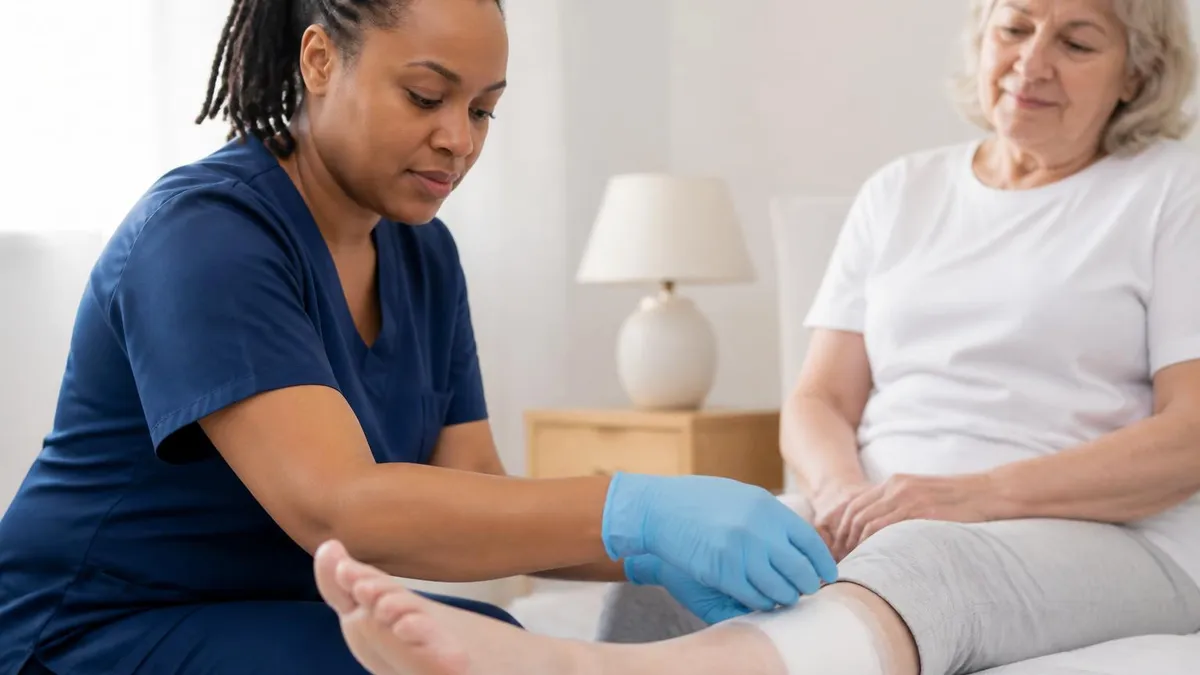
LPN Wound Care Practice: Advantages and Limitations
- +Wound care skills are in high demand across virtually every healthcare setting
- +LPNs with wound care expertise command higher wages than general practice LPNs
- +Wound care competency opens career advancement pathways to specialized positions
- +Daily wound care practice builds strong clinical assessment and critical thinking skills
- +Wound care certification is achievable without returning to school for an RN degree
- +Home health wound care roles offer schedule flexibility and professional autonomy
- −LPN wound care scope is more restricted than RN scope in most states
- −Complex wound assessment and care planning require RN or physician authorization
- −Sharp debridement is generally prohibited for LPNs without advanced certification
- −Supervision requirements vary by state and can limit independent wound care practice
- −Advanced wound care technologies may require additional facility-based competency validation
- −LPNs cannot independently modify wound care treatment plans without provider orders
LPN Wound Care Competency Checklist
- ✓Demonstrate proper hand hygiene technique before and after every wound care encounter.
- ✓Maintain sterile field integrity throughout dressing change procedures without contamination breaks.
- ✓Measure wound length, width, and depth accurately using standardized tools and techniques.
- ✓Document wound bed characteristics including granulation, slough, and eschar percentages.
- ✓Apply hydrocolloid, alginate, foam, and transparent film dressings according to physician orders.
- ✓Recognize and immediately report signs of wound infection to supervising RN or physician.
- ✓Perform wound irrigation at appropriate pressure using prescribed solutions and correct technique.
- ✓Educate patients and caregivers about home wound care, nutrition, and warning signs to report.
- ✓Complete photographic wound documentation following facility privacy and HIPAA compliance policies.
- ✓Implement pressure injury prevention interventions including repositioning and skin assessment protocols.
Always Verify Before You Perform
Before performing any wound care procedure you have not previously been authorized to do, verify three sources: your state nurse practice act, your facility's written policies, and your individual competency validation records. Performing procedures outside your documented scope can result in disciplinary action by your state board of nursing, facility termination, and potential legal liability even if the procedure was performed correctly and the patient outcome was positive.
State nurse practice acts serve as the primary legal authority governing what wound care procedures LPNs may perform, and these regulations differ substantially across the United States. Some states like Texas and Florida have relatively permissive scope of practice laws that allow LPNs to perform a wide range of wound care tasks with general supervision, meaning the RN does not need to be physically present. Conversely, states like California and New York maintain more restrictive regulatory frameworks that require direct RN supervision for many wound care activities beyond basic sterile dressing changes and wound cleansing.
The concept of supervision is central to understanding LPN wound care authority, and it takes different forms depending on your state's specific regulatory definitions. General supervision means the supervising RN or physician does not need to be physically present but must be available for consultation by telephone or electronic communication within a reasonable timeframe. Direct supervision requires the supervisor to be in the same building or unit and available to observe and intervene immediately if needed. Some states require direct supervision only for specific complex wound care procedures while permitting general supervision for routine daily tasks.
Facility-specific policies often impose additional restrictions beyond what state law requires, creating another important layer of regulation that LPNs must navigate carefully throughout their careers. A hospital may require documented competency validation before allowing LPNs to perform certain wound care procedures, even if the state board of nursing permits those procedures within the general LPN scope. These institutional policies are designed to ensure patient safety, manage organizational liability, and standardize care delivery. Violating facility policies can result in disciplinary action even when state law technically permits the activity.
The distinction between wound care assessment and wound care treatment is particularly important for LPNs to understand clearly. In most states, comprehensive wound assessment, which includes developing an individualized wound care plan, selecting appropriate dressing types based on clinical judgment, and making independent decisions about wound progression and treatment modifications, falls exclusively within the RN scope of practice. LPNs contribute valuable data to the assessment process by collecting objective measurements, documenting wound characteristics, and reporting findings, but the actual clinical decision-making about treatment plan development typically belongs to the registered nurse or physician.
Wound debridement represents one of the most contentious wound care procedures regarding LPN scope of practice across the country. Sharp debridement, which involves using surgical instruments like scalpels or scissors to remove necrotic tissue, is generally restricted to physicians, advanced practice registered nurses, and specially certified wound care professionals in most jurisdictions. Mechanical debridement through wet-to-dry dressing applications is more commonly within the LPN scope of practice, while autolytic debridement using moisture-retentive dressings typically falls within standard LPN wound care authority when specifically ordered by a physician or authorized provider.
LPNs who want to clarify their specific wound care authority should start by reviewing their state board of nursing website, which typically publishes scope of practice advisory opinions, official position statements, and frequently asked questions addressing specific clinical procedures in detail. Many state boards maintain wound care-specific advisory opinions that outline exactly which procedures LPNs may perform, under what type and level of supervision, what documentation is required, and what additional training or certification may be needed for advanced wound care techniques beyond basic competencies taught in LPN education programs.
Continuing education in wound care is strongly recommended for all LPNs, regardless of their current practice setting or years of clinical experience. Professional organizations like the Wound, Ostomy, and Continence Nurses Society and the National Alliance of Wound Care and Ostomy offer wound care courses specifically designed for practical nurses at various skill levels. Completing these accredited courses not only enhances clinical competency and confidence but may also expand the range of wound care procedures an LPN is authorized to perform, particularly in states that recognize additional training as a basis for expanded scope authorization.
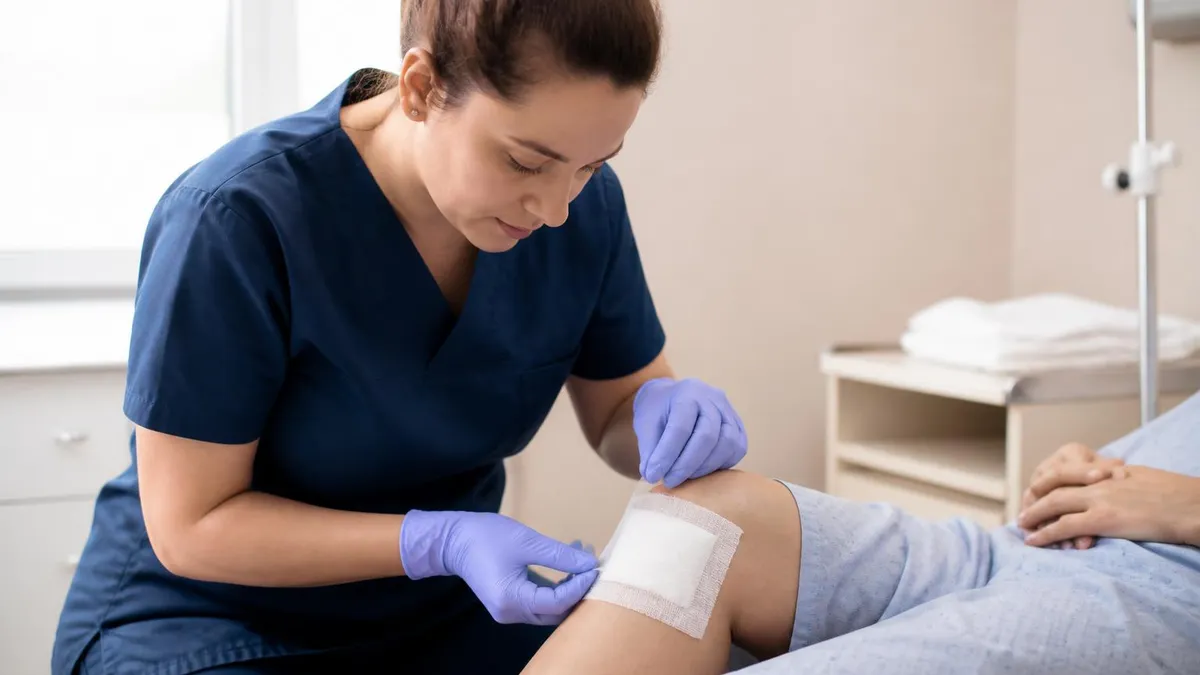
LPN wound care scope of practice differs in every state. Performing procedures outside your state-authorized scope can result in license suspension, fines, or criminal charges regardless of patient outcome. Always verify your authority through your state board of nursing before performing unfamiliar wound care procedures, especially when changing employers or relocating to a new state where regulations may differ significantly from your previous practice jurisdiction.
The delegation of wound care tasks to LPNs follows a specific legal and ethical framework that both the delegating registered nurse and the receiving LPN must understand thoroughly to ensure patient safety and regulatory compliance. When an RN delegates wound care procedures to an LPN, the RN retains overall accountability for the patient outcome while the LPN assumes direct responsibility for performing the delegated task competently and safely within their demonstrated skill level. This shared accountability model means both nurses have clear obligations to communicate effectively, document thoroughly, and escalate concerns promptly when wound care complications arise.
Competency validation for wound care procedures is increasingly required by healthcare facilities before LPNs can independently perform specific clinical tasks without direct observation. This validation process typically involves demonstrating proficiency through detailed skills checklists, high-fidelity simulation exercises, or supervised clinical performance evaluations observed by a wound care specialist or clinical educator. Common wound care competencies assessed include sterile dressing technique, wound irrigation at controlled pressure, wound measurement using standardized assessment tools, negative pressure wound therapy device management, and recognition of wound complications such as dehiscence, tunneling, undermining, and fistula formation.
The role of LPNs in wound care has expanded significantly in home health settings, where practical nurses often serve as the primary clinical professional visiting patients in their homes on a scheduled basis. In this increasingly important environment, LPNs may perform comprehensive wound care with telephone supervision from an RN case manager who has developed the patient's individualized care plan.
Home health LPNs must be particularly skilled in wound assessment documentation because their written clinical notes, wound measurements, and photographic records serve as the primary communication tool between the visiting nurse and the supervising RN who may never physically see the wound.
Pressure injury prevention represents a critically important wound care responsibility for LPNs working in long-term care facilities, where regulatory scrutiny of skin integrity outcomes has intensified significantly in recent years. Practical nurses implement evidence-based preventive interventions including individualized repositioning schedules based on risk assessment, thorough skin inspections during personal care and bathing activities, appropriate support surface selection recommendations, moisture management for incontinent residents, and nutritional monitoring to ensure adequate protein and caloric intake for skin integrity maintenance. The Centers for Medicare and Medicaid Services closely monitors facility pressure injury rates through quality reporting metrics.
Advanced wound care certifications offer LPNs a structured opportunity to formalize their wound care expertise, demonstrate clinical competency to employers, and potentially expand their authorized clinical scope. The Wound Care Certified credential offered through the National Alliance of Wound Care and Ostomy is specifically available to LPNs who meet defined education and clinical experience requirements. Additional certification options include the Certified Wound Specialist designation and various manufacturer-specific certifications for specialized wound care products and medical devices that validate an LPN's competency in safely using advanced technologies under appropriate supervision.
The financial impact of wound care competency on LPN careers is substantial and worth serious consideration for practical nurses strategically planning their professional development trajectory. LPNs with documented wound care expertise and relevant certifications typically command higher hourly wages than their generalist counterparts, with wound care-focused positions paying approximately ten to fifteen percent more than general LPN roles in comparable settings. Additionally, wound care specialization opens doors to positions in dedicated wound care clinics, home health agencies operating specialized wound care programs, and long-term care facilities actively seeking certified wound care professionals for quality improvement initiatives.
Technology is rapidly transforming wound care practice across all healthcare settings, and LPNs must stay current with emerging tools, techniques, and evidence-based protocols to remain competitive and effective. Digital wound measurement applications that calculate wound surface area from smartphone photographs, telehealth wound consultation platforms connecting patients with remote specialists, electronic wound documentation systems with standardized assessment templates, and advanced bioengineered wound care products all require ongoing continuing education and professional adaptability. Practical nurses who embrace these technological advances position themselves as highly valuable healthcare team members.
Developing strong wound care skills requires deliberate practice combined with a solid understanding of wound healing physiology, tissue repair mechanisms, and current evidence-based interventions. New LPNs should actively seek out wound care mentorship opportunities early in their careers, partnering with experienced wound care nurses who can guide skill development through supervised clinical practice and constructive feedback. Observing wound care rounds conducted by certified wound care specialists provides invaluable learning opportunities that textbook study alone cannot replicate, particularly for understanding how experts assess complex wounds and formulate treatment recommendations.
Creating a personal wound care reference guide is a practical strategy that many experienced LPNs recommend for managing the complexity of modern wound care products, protocols, and documentation requirements. This clinical reference should include commonly used wound care products with their specific indications and contraindications, recommended dressing change frequencies for different wound classifications, wound measurement techniques with visual diagrams, documentation templates aligned with facility requirements, and key contact information for wound care consultants. Having this information readily accessible during clinical practice reduces errors and increases confidence substantially.
Effective communication with supervising RNs and physicians about wound care findings is a skill that significantly impacts patient outcomes, treatment decisions, and professional relationships within the healthcare team. LPNs should consistently use standardized communication frameworks like SBAR when reporting wound care observations, providing a clear situation summary, relevant background information, current assessment data with specific measurements, and any recommendations or concerns in a concise organized format. Prompt and accurate reporting of wound deterioration, emerging signs of infection, or unexpected clinical findings ensures timely medical intervention.
Photographic wound documentation has become standard practice in many healthcare settings across the country, and LPNs should understand proper technique for capturing wound images that are both clinically useful for treatment planning and legally defensible for regulatory compliance. Best practices include using consistent lighting and camera positioning for serial comparisons, including a disposable measurement ruler in each photograph for scale reference, capturing images both before and after treatment to document interventions performed, maintaining patient privacy by avoiding identifying features in photographs, and following facility policies regarding secure image storage and electronic transmission.
Nutritional assessment and monitoring play a crucial supporting role in wound care that LPNs should actively integrate into their daily clinical practice routines for every patient with an active wound.
Adequate protein intake of at least 1.25 grams per kilogram of body weight daily, sufficient caloric consumption to prevent catabolism, proper hydration with a minimum of eight glasses of water daily, and key micronutrients including vitamin C for collagen synthesis, zinc for cell division, and iron for oxygen transport are all essential for optimal wound healing. LPNs should systematically monitor dietary intake, report nutritional deficits to the interdisciplinary care team promptly, and educate patients about healing-supportive foods.
Infection control practices specific to wound care deserve particular attention from LPNs because wound infections represent one of the most serious and potentially life-threatening complications that can occur during treatment and healing. Beyond standard hand hygiene protocols and appropriate personal protective equipment selection based on wound characteristics, LPNs should maintain strict aseptic technique during all dressing changes without contamination breaks, properly segregate and dispose of contaminated materials in designated biohazard containers, prevent cross-contamination between multiple wound sites on the same patient by using separate supply setups, and understand the important clinical distinction between wound colonization and true wound infection.
Preparing for wound care questions on the NCLEX-PN examination requires understanding both the clinical procedures themselves and the critical thinking frameworks that guide safe, legal nursing practice within the LPN scope. Test questions frequently assess the candidate's ability to differentiate between wound care tasks that are within the LPN scope versus those requiring RN intervention or physician orders, recognize complications requiring immediate reporting through the chain of command, apply sterile technique principles correctly in various clinical scenarios, and prioritize wound care interventions appropriately when managing multiple patients with competing needs simultaneously.
LPN Questions and Answers
CNA to LPN Programs: Complete 2026 Bridge Pathway Guide

LPN Practice Test PDF (Free Printable 2026)
LPN Programs Near Me 2026: Find Accredited Schools & Costs
Macomb LPN Program: Complete 2026 Guide to Specific LPN Programs, Admission Requirements, Cost & Career Outcomes
LPN Nursing Care & Clinical Skills Practice Test
About the Author

Registered Nurse & Healthcare Educator
Johns Hopkins University School of NursingDr. Sarah Mitchell is a board-certified registered nurse with over 15 years of clinical and academic experience. She completed her PhD in Nursing Science at Johns Hopkins University and has taught NCLEX preparation and clinical skills courses for nursing students across the United States. Her research focuses on evidence-based exam preparation strategies for healthcare certification candidates.
Join the Discussion
Connect with other students preparing for this exam. Share tips, ask questions, and get advice from people who have been there.
View discussion (7 replies)