
Erie 1 BOCES LPN Program: Complete Guide to Enrollment, Requirements & Career Outcomes
Erie 1 BOCES LPN program guide: admission requirements, curriculum, costs, and NCLEX prep tips for aspiring nurses in Western New York. 🎓
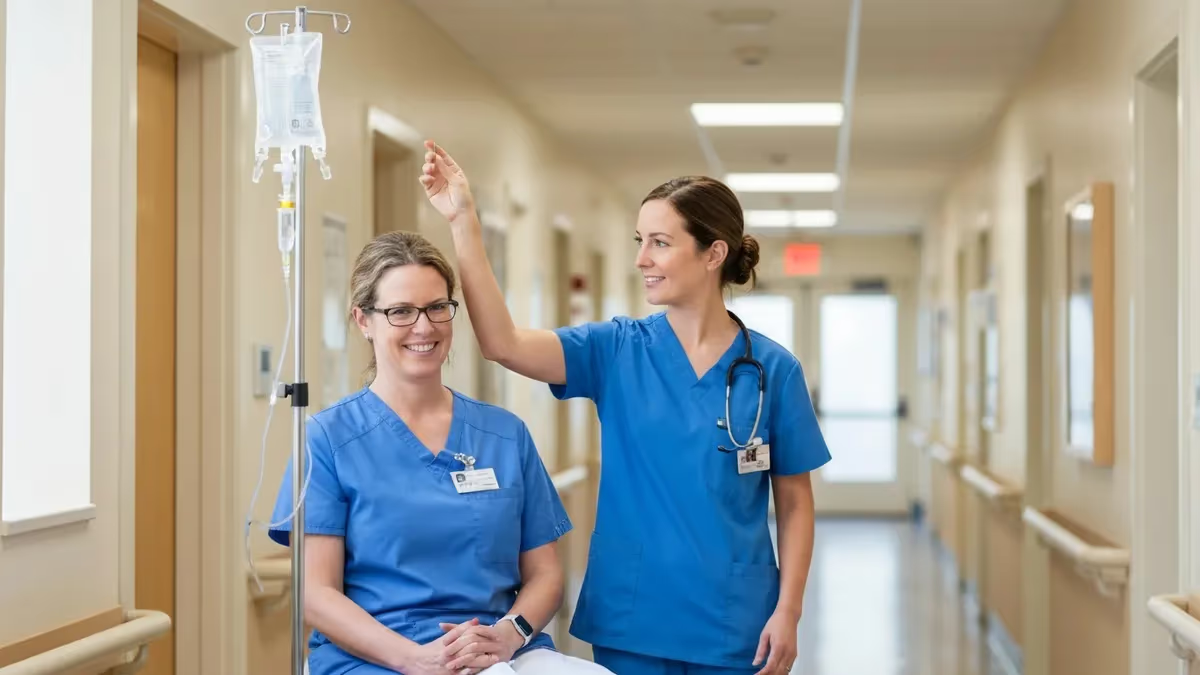
The Erie 1 BOCES LPN program is one of the most respected practical nursing pathways in Western New York, drawing students from Buffalo, Cheektowaga, Amherst, and surrounding communities who are ready to launch a meaningful healthcare career. Administered through Erie 1 BOCES (Board of Cooperative Educational Services), this program blends rigorous classroom instruction with real-world clinical rotations at partner hospitals, long-term care facilities, and community health centers across Erie County. Graduates leave fully prepared to sit for the NCLEX-PN examination and enter the workforce as licensed practical nurses.
Understanding what the Erie 1 BOCES LPN program entails before you apply can save you months of confusion and help you plan financially, academically, and professionally. The program typically runs approximately twelve months for full-time students and covers all major content areas tested on the NCLEX-PN: basic care and comfort, pharmacology, coordinated care, safety and infection control, physiological adaptation, and psychosocial integrity. Each content area is woven into both didactic coursework and supervised clinical hours, so students graduate with balanced theoretical knowledge and hands-on skill.
Erie County's healthcare sector continues to expand, and demand for LPNs across Western New York remains strong. Hospitals like Kaleida Health, Catholic Health, and numerous skilled nursing facilities regularly recruit from BOCES practical nursing cohorts because they trust the program's accreditation, clinical standards, and faculty expertise. Starting salaries for new LPN graduates in the Buffalo-Niagara Falls metropolitan area typically range from $42,000 to $52,000 annually, with experienced LPNs earning considerably more depending on specialty area and employer.
The application process for Erie 1 BOCES LPN requires meeting specific academic prerequisites, passing an entrance assessment, completing health clearance requirements, and demonstrating a genuine commitment to patient care. Applicants who have researched the erie 1 boces lpn program admission criteria thoroughly tend to submit stronger applications and transition more smoothly into the demanding first weeks of training. This article walks you through every aspect of the program, from prerequisites and costs to clinical rotations, NCLEX preparation, and long-term career advancement opportunities available to Erie County LPN graduates.
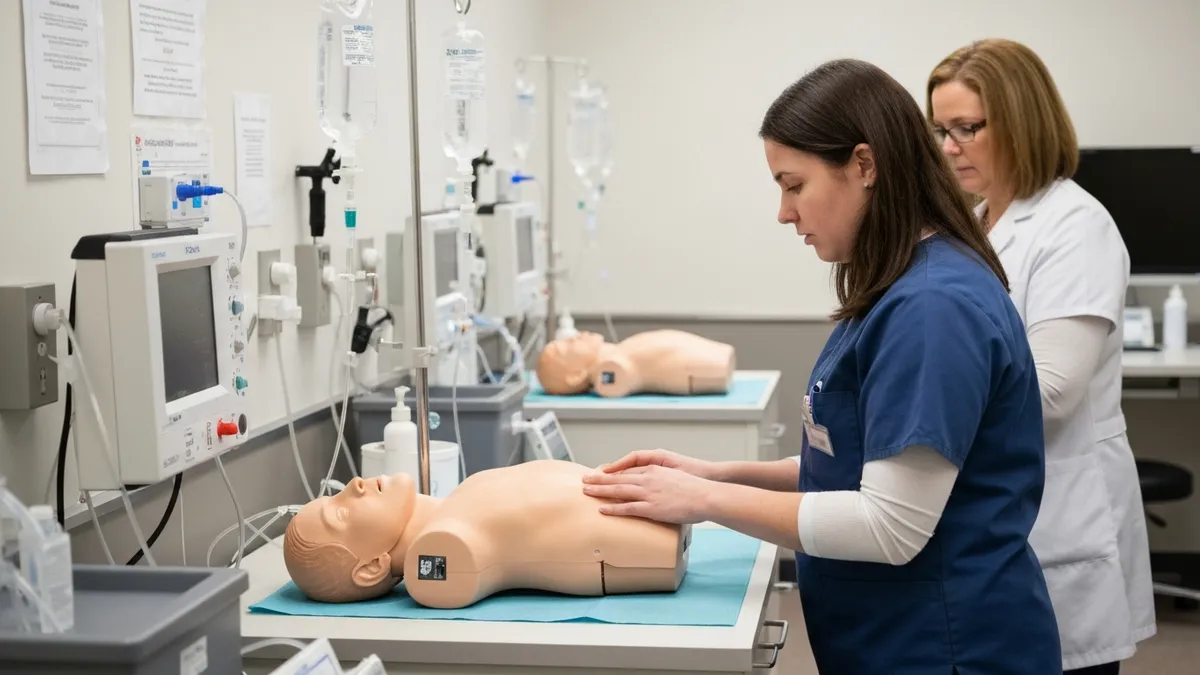
One of the most valuable aspects of training through BOCES rather than a private career school is the institutional support structure. Erie 1 BOCES has longstanding relationships with local healthcare employers, dedicated student services staff, and a faculty comprised of credentialed registered nurses and clinical educators who bring direct bedside experience into every lecture and lab. Students also benefit from modern simulation labs equipped with high-fidelity patient mannequins, IV training arms, medication dispensing practice stations, and wound care models that mirror the situations they will encounter during clinical rotations.
Whether you are a recent high school graduate exploring your first healthcare career, a certified nursing assistant ready to advance your credentials, or a career-changer drawn to nursing's stability and sense of purpose, the Erie 1 BOCES LPN program offers a structured, affordable, and professionally recognized pathway to licensure. This comprehensive guide covers everything you need to know to make an informed decision, prepare a competitive application, survive the curriculum, pass the NCLEX-PN, and launch a rewarding nursing career in Western New York's thriving healthcare market.
Erie 1 BOCES LPN Program by the Numbers
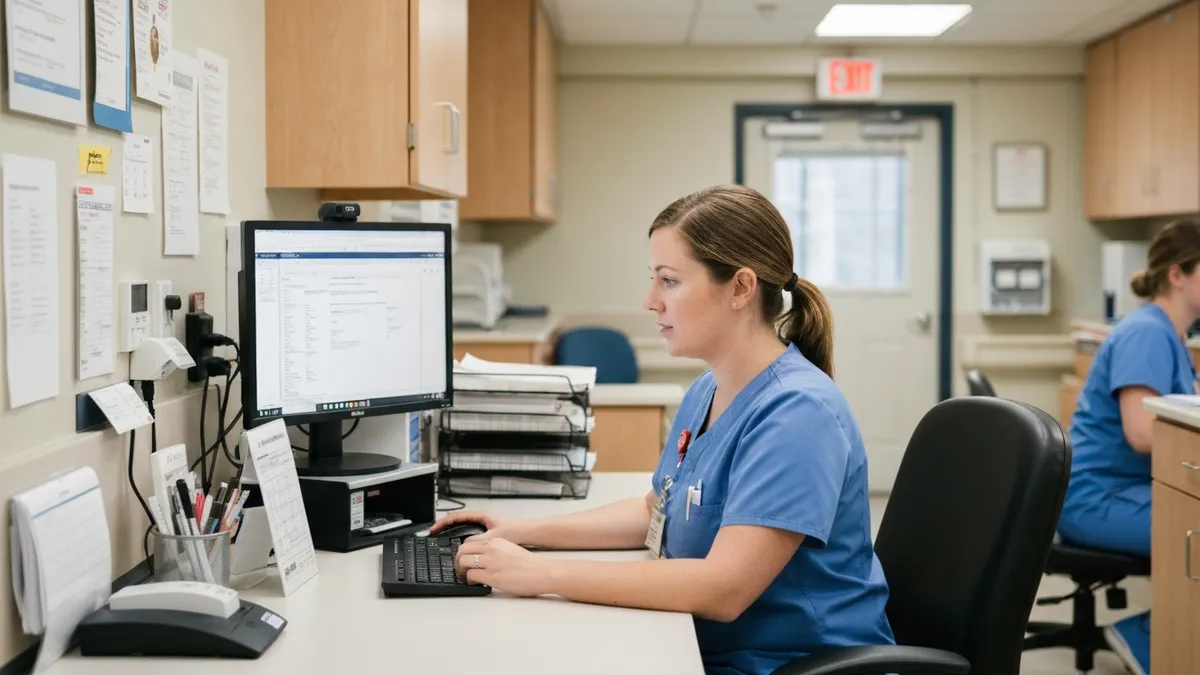
Erie 1 BOCES LPN Program Structure & Curriculum
Classroom and online instruction covers anatomy and physiology, nutrition, pharmacology, medical-surgical nursing, maternal-newborn concepts, mental health nursing, and pediatric care — all aligned with the NCLEX-PN test plan and New York State nursing standards.
Students practice catheterizations, IV access, wound care, medication administration, vital signs assessment, and patient transfers on simulation mannequins before entering live clinical settings, building confidence and reducing patient risk.
Supervised clinical hours are completed at Erie County hospitals, long-term care facilities, rehabilitation centers, and community health agencies, giving students exposure to adult medical-surgical, geriatric, maternal-newborn, and mental health patient populations.
Integrated test preparation begins in the first semester and intensifies near graduation, incorporating ATI, HESI, or Kaplan assessments, faculty-led review sessions, and practice question banks that mirror the Next Generation NCLEX format.
Admission to the Erie 1 BOCES LPN program is competitive, and understanding the requirements well before the application deadline gives you the best chance of securing a seat in the next cohort.
Most applicants are required to hold a high school diploma or GED equivalent, submit official transcripts, provide documentation of completed biology or health science coursework with a minimum grade of C or better, and pass an approved nursing entrance examination such as the TEAS, HESI A2, or PSB-PN. Strong performance on the entrance exam — particularly in reading comprehension, math, and science — is often the deciding factor when applications are otherwise comparable.
Health clearance requirements are non-negotiable and must be completed before the first day of class. These typically include proof of immunizations against hepatitis B, MMR, varicella, and influenza; a current negative TB skin test or chest X-ray; CPR certification at the BLS for Healthcare Providers level; and a clean criminal background check. Students who have prior convictions on their record should contact the New York State Board of Nursing directly to understand whether their history could affect licensure eligibility before investing time and money into the program.
English language proficiency is another important requirement. All instruction, written assessments, clinical documentation, and NCLEX-PN testing occur in English, so applicants whose primary language is not English must demonstrate proficiency through standardized testing or by showing completion of an English composition course at the college level. Erie 1 BOCES staff can advise prospective students on acceptable proficiency documentation during the pre-admission advising process, which is highly recommended for all first-time applicants.
Letters of recommendation, personal statements, and healthcare work experience such as employment as a CNA, home health aide, or medical assistant can strengthen an application significantly. Erie 1 BOCES admissions advisors look for applicants who can articulate why they want to become practical nurses, what patient populations they hope to serve, and how they will manage the academic and personal demands of a rigorous twelve-month program. Applicants who can demonstrate prior exposure to the healthcare environment — even through volunteer work or shadowing — consistently stand out from those with purely academic backgrounds.
Once accepted, students must maintain satisfactory academic progress throughout the program. Most practical nursing programs require students to achieve a minimum grade of 75% (a C) in all nursing courses, because grades below this threshold suggest that a student may not be ready to practice safely. Students who fall below the minimum in any course may be required to remediate, repeat the course, or in some cases withdraw from the program. Understanding this grading policy upfront helps students prioritize their study time and seek tutoring support early rather than waiting until an exam score becomes a crisis.
Attendance policies in clinical settings are especially strict. Missing a clinical day — even for illness — may require makeup arrangements, and excessive absences can result in clinical failure, which typically means repeating the entire clinical component. Students with family caregiving responsibilities, demanding jobs, or complicated schedules should honestly assess whether the full-time daytime program schedule is realistic for them or whether they should explore part-time evening options if available. Planning childcare, transportation, and work schedule adjustments before the program begins rather than scrambling after enrollment is always the wiser approach for adult learners entering healthcare training.
Costs, Financial Aid & Clinical Training Options
Tuition for the Erie 1 BOCES LPN program is generally lower than comparable programs at private career schools or community colleges in Western New York, making it one of the most cost-accessible routes to LPN licensure in the region. Total program costs — including tuition, fees, uniforms, textbooks, and supplies — typically range from $8,000 to $14,000 depending on the cohort year and any incremental fee increases. Students should also budget for NCLEX-PN registration fees, background check costs, immunization documentation, and NCLEX-PN prep materials, which can add $500 to $1,000 to overall expenses.
Payment plans are generally available for students who cannot pay tuition in full at enrollment, and Erie 1 BOCES financial services staff can assist applicants in identifying grant programs, workforce development funding, and employer tuition reimbursement opportunities. Some Erie County employers — especially long-term care facilities and home care agencies — offer partial or full tuition sponsorship for employees who commit to working for the facility after graduation. Exploring employer sponsorship before enrolling can dramatically reduce or even eliminate out-of-pocket training costs, so it is worth investigating this option early in the application process.
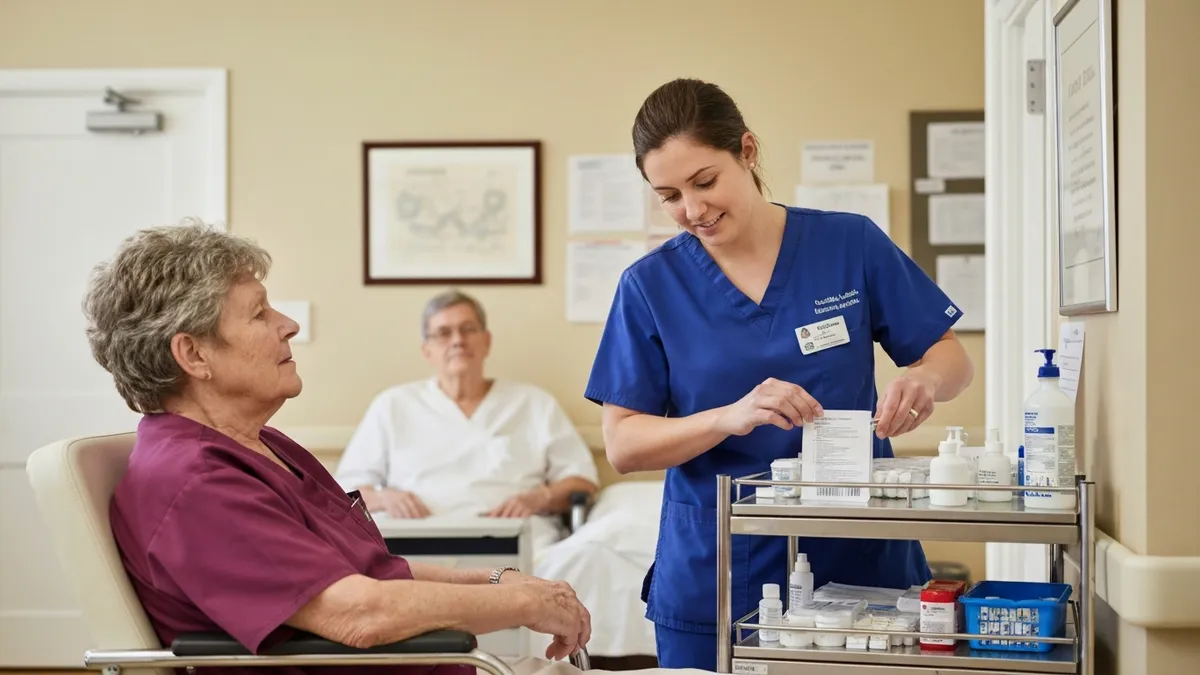
Is the Erie 1 BOCES LPN Program Right for You?
- +Affordable tuition compared to private nursing schools and community college alternatives
- +Strong employer relationships and clinical partnerships throughout Erie County
- +Twelve-month full-time pathway provides fast entry into the nursing workforce
- +Experienced faculty with direct clinical nursing backgrounds in the region
- +Modern simulation labs allow skill-building before patient contact
- +High local employer recognition and recruitment from BOCES practical nursing cohorts
- −Competitive admissions process with limited cohort seats available each year
- −Full-time daytime schedule is difficult to balance with full-time employment
- −Clinical placement sites and schedules are assigned — no personal selection
- −Minimum 75% grade requirement in all courses means no room for early academic struggles
- −LPN scope of practice is narrower than RN, limiting some specialty nursing roles
- −Program does not grant a college degree, which affects some advancement pathways
NCLEX-PN Exam Preparation Checklist for Erie 1 BOCES Graduates
- ✓Register for the NCLEX-PN through Pearson VUE immediately after receiving your Authorization to Test (ATT) letter from NYSED.
- ✓Complete at least 1,500 practice questions using an NCLEX-PN-specific question bank before your exam date.
- ✓Review all eight NCLEX-PN test plan client needs categories, noting your weakest content areas.
- ✓Practice Next Generation NCLEX (NGN) item types including case studies, extended multiple response, and matrix questions.
- ✓Use ATI, HESI, or Kaplan predictor scores to identify whether you are on track for first-attempt success.
- ✓Schedule your NCLEX-PN within 45 days of receiving your ATT to maintain study momentum and knowledge retention.
- ✓Take at least three full-length timed practice exams under test-day conditions to build endurance and pacing skills.
- ✓Join a study group with fellow Erie 1 BOCES graduates to review complex pharmacology and priority-setting questions.
- ✓Get 7-8 hours of sleep the night before the exam and eat a protein-rich meal the morning of your test.
- ✓Bring two valid forms of ID to the Pearson VUE testing center and arrive at least 30 minutes before your scheduled start time.
The NCLEX-PN Can End in as Few as 85 Questions — or Extend to 150
The Next Generation NCLEX-PN uses computerized adaptive testing (CAT), which means the exam adjusts its difficulty based on your performance. If you consistently answer above the passing standard, the exam may shut off close to the minimum question count. Hitting the minimum is not a sign of failure — it often indicates strong performance. Focus on demonstrating safe clinical judgment rather than trying to answer a target number of questions.
Career outcomes for Erie 1 BOCES LPN graduates are consistently strong, driven by the ongoing shortage of skilled nurses throughout Western New York and the broader upstate New York region. According to U.S. Bureau of Labor Statistics data, employment for licensed practical and licensed vocational nurses is projected to grow 5 to 6 percent nationally through 2032, with growth rates in underserved rural and suburban markets like Erie County often outpacing national averages. New LPN graduates from the BOCES program typically receive multiple job offers before or shortly after passing the NCLEX-PN.
Compensation for LPNs in the Buffalo-Niagara Falls metropolitan area reflects the competitive healthcare labor market in Western New York. Entry-level LPN salaries generally range from $42,000 to $52,000 per year for full-time positions, with experienced LPNs earning $55,000 to $65,000 or more depending on specialty, employer, and years of experience. Long-term care facilities and home health agencies often offer additional pay incentives including shift differentials for evening, overnight, and weekend shifts, which can meaningfully increase total annual compensation for LPNs willing to work non-standard hours.
Specialty areas represent another avenue for salary growth. LPNs who pursue additional certifications in IV therapy, wound care, gerontology, or dialysis typically command higher hourly rates and enjoy greater job flexibility. Employers in these specialty niches — particularly dialysis centers, hospice organizations, and wound care clinics — often provide in-house training for LPNs who demonstrate clinical competence and a willingness to expand their skills. Erie 1 BOCES graduates who pursue specialty certification within the first three to five years of licensure consistently report higher satisfaction with their compensation and career trajectory.
Geographic location within Erie County also influences earning potential. LPNs working in urban Buffalo hospitals and large health systems tend to earn slightly more than counterparts in suburban or rural settings, partly because large employer networks offer union contracts, defined benefit pension plans, and comprehensive benefits packages that add significant value beyond base salary. However, suburban long-term care employers often compete with premium hourly rates and signing bonuses to attract LPN candidates, making the overall compensation landscape throughout Erie County quite favorable for graduates with a clean licensure record and solid clinical skills.
Many BOCES LPN graduates use their initial work experience as a foundation for career advancement. The LPN credential is an excellent stepping stone for nurses who eventually want to return to school for an associate degree in nursing (ADN) or a bachelor of science in nursing (BSN). Several Western New York colleges — including Erie Community College, Niagara County Community College, and SUNY Buffalo State — offer LPN-to-RN bridge programs specifically designed for working LPNs who want to advance without returning to a full two-year or four-year nursing program from scratch.
These bridge programs typically credit prior nursing education and clinical experience, allowing students to complete the RN credential in twelve to eighteen months of additional study.
Employers throughout Erie County actively invest in their LPN workforce by sponsoring continuing education, tuition reimbursement for bridge programs, and specialty certification costs. LPNs who communicate career advancement goals during the hiring process and who demonstrate clinical excellence in their first year of employment often find that their employers become active partners in their professional development rather than passive observers. Building strong relationships with nursing supervisors, charge nurses, and nurse managers from the earliest days of employment creates a professional network that pays dividends throughout a nursing career — in the form of promotions, schedule accommodations, and enthusiastic professional references.
After passing the NCLEX-PN, New York State graduates must submit a licensure application to the New York State Education Department Office of the Professions. Processing times can range from two to eight weeks depending on application volume and document completeness. Do not begin working as an LPN under a temporary practice permit without confirming your employer has received the appropriate authorization documentation. Incomplete applications or missing immunization records are the most common causes of delay — review all checklist items carefully before submitting.
Advancing beyond the LPN credential is one of the most rewarding decisions a working nurse can make, and Erie 1 BOCES LPN graduates are exceptionally well-positioned to pursue that advancement because of the quality of their foundational training. The most common advancement pathway is the LPN-to-RN bridge program, which allows licensed practical nurses to complete the requirements for registered nurse licensure without repeating all of the nursing coursework they already mastered.
In Western New York, multiple colleges offer these bridge options in both traditional classroom and hybrid online formats, accommodating the schedules of working nurses who cannot step away from employment to attend school full time.
Beyond the RN credential, practical nurses in New York State can also pursue additional certifications that expand their scope of practice within the LPN role. IV therapy certification, for example, allows LPNs to initiate and manage intravenous infusions — a skill that significantly increases an LPN's value in acute care, home health, and infusion center settings.
The requirements and approval process for LPN IV certification in New York are specific to employer and practice setting, so interested nurses should review current state guidelines carefully. Learn more about expanding your nursing skill set through resources on LPN IV Certification to understand the steps involved.
Specialty certifications administered by national nursing organizations are another valuable advancement tool for practicing LPNs. The National Association for Practical Nurse Education and Service (NAPNES) and the National Federation of Licensed Practical Nurses (NFLPN) both offer specialty certification programs in areas such as pharmacology, gerontology, and long-term care nursing. Holding a nationally recognized specialty certification demonstrates a higher level of competency to employers and may qualify a nurse for pay increases, leadership responsibilities, or priority consideration during promotions and hiring processes at facilities that value credentialed staff.
Continuing education is mandatory for LPN license renewal in New York State, and BOCES graduates should develop the habit of accumulating continuing education units (CEUs) throughout each licensure cycle rather than scrambling to complete them at the last minute before renewal. Nursing CEUs are widely available through online platforms, professional nursing associations, hospital education departments, and community college continuing education programs. Some CEU providers offer free or low-cost content in topics like pharmacology updates, infection control, OSHA compliance, and patient safety — making it easy for working LPNs to stay current without significant financial investment.
Leadership is another dimension of career advancement that ambitious LPNs should explore early. Many long-term care facilities and home health agencies appoint experienced LPNs to charge nurse roles, team leader positions, or resident care coordinator positions that carry supervisory responsibilities and increased compensation. While RN licensure is required for some management roles in acute care settings, the long-term care and home health sectors offer genuine leadership pathways for LPNs who demonstrate clinical excellence, interpersonal professionalism, and a genuine interest in mentoring newer nursing staff and shaping care delivery at the unit or program level.
Professional associations provide career support, networking opportunities, and advocacy for practicing LPNs throughout their careers. The New York State Association of Licensed Practical Nurses and national organizations like NFLPN connect working LPNs with peers, legislative advocacy efforts, scholarship opportunities, and professional development resources that are not always available through individual employers.
Joining at least one professional nursing association within the first year of practice is a simple step that can open doors to scholarship funding for RN advancement, invitations to state and national conferences, and a broader professional identity as part of the nursing community rather than just an employee at a single facility.
Ultimately, the Erie 1 BOCES LPN program is not just a twelve-month training course — it is the beginning of a professional nursing career that can span decades and evolve through multiple levels of education, specialization, and leadership. The nurses who thrive long-term are those who enter the profession with curiosity, a commitment to lifelong learning, and the resilience to adapt as healthcare technology, patient care standards, and regulatory requirements continue to evolve. The foundation built in the BOCES program is strong; what you build on top of it is entirely up to you.
Practical exam preparation strategies matter enormously for Erie 1 BOCES LPN students approaching the NCLEX-PN. The most successful test-takers begin structured review early in the program rather than treating NCLEX preparation as a post-graduation sprint. Integrating daily practice questions into your study routine — even just 20 to 30 questions per day during the program — builds familiarity with NCLEX-style clinical reasoning and helps you identify weak content areas while there is still time to address them through coursework, tutoring, or self-directed study. By the time you graduate, you want NCLEX question formats to feel familiar rather than foreign.
Time management during the actual exam is a skill that must be practiced, not assumed. Many LPN candidates underestimate how mentally demanding it is to sustain focus and clinical reasoning over 85 to 150 adaptive questions without the natural breaks that classroom exams provide.
Taking full-length timed practice exams in the weeks before your scheduled NCLEX-PN date trains your brain to sustain performance under pressure, reveals pacing problems before they cost you on test day, and builds the psychological confidence that comes from having already proven to yourself that you can complete a full exam without running out of mental energy or time.
Pharmacology is consistently one of the most challenging content areas for practical nursing candidates, and Erie 1 BOCES students should treat drug knowledge as a priority topic throughout the entire program rather than a subject to cram before finals. Knowing drug classifications, common side effects, nursing implications, patient teaching points, and contraindications for the high-frequency medication categories — antihypertensives, anticoagulants, antibiotics, pain medications, psychiatric medications, and cardiac drugs — is essential for passing the NCLEX-PN and for delivering safe patient care. Flashcards, mnemonics, and pharmacology-specific practice questions are all effective tools for mastering this content area.
Prioritization and delegation questions are another high-frequency NCLEX-PN challenge area that often surprises candidates. These questions ask you to decide which patient to assess first, which task to delegate to a nursing assistant versus handle yourself as an LPN, and which change in patient status requires immediate reporting to the supervising RN. The answer to prioritization questions is almost always grounded in the principles of ABC (airway, breathing, circulation), Maslow's hierarchy of needs, and an understanding of which changes in patient status represent life-threatening emergencies versus expected clinical findings. Practicing these question types regularly is the best preparation strategy available.
Study groups — when organized effectively — can dramatically accelerate NCLEX preparation. The ideal study group for Erie 1 BOCES graduates consists of four to six peers who are all committed to serious preparation, meet consistently on a scheduled basis, and divide content review responsibilities so each member becomes the group expert on a specific clinical area.
Avoid study groups that turn into social gatherings or that allow one or two members to coast on the work of others. The shared accountability, peer teaching, and diverse clinical perspectives that a well-functioning study group provides are genuinely irreplaceable preparation resources, especially for complex case study and priority-setting question types.
Self-care during exam preparation is not optional — it is a clinical necessity for peak cognitive performance. Sleep deprivation, poor nutrition, and chronic stress all measurably impair working memory, clinical reasoning speed, and emotional regulation, which are exactly the cognitive functions the NCLEX-PN tests most heavily.
Erie 1 BOCES graduates who build structured rest, physical activity, and social support into their post-graduation preparation period consistently outperform those who adopt an all-study, no-sleep crash preparation approach. Treat your own wellbeing as seriously as you would treat a patient's physiological needs, and your NCLEX-PN preparation will be both more effective and more sustainable across the weeks leading up to your test date.
LPN Questions and Answers

LPN Requirements 2026: Complete Guide to Becoming a Licensed Practical Nurse
LPN IV Certification: Complete 2026 Guide to Training, Requirements & Cost

LPN Programs in Florida: Complete 2026 Guide to Accredited Schools, Costs, Requirements & Licensure

LPN Salary Wisconsin 2026: Average Pay, Top Cities, and How to Earn More
LPN Duties: Complete Guide to Daily Responsibilities and Scope of Practice
About the Author

Registered Nurse & Healthcare Educator
Johns Hopkins University School of NursingDr. Sarah Mitchell is a board-certified registered nurse with over 15 years of clinical and academic experience. She completed her PhD in Nursing Science at Johns Hopkins University and has taught NCLEX preparation and clinical skills courses for nursing students across the United States. Her research focuses on evidence-based exam preparation strategies for healthcare certification candidates.
Join the Discussion
Connect with other students preparing for this exam. Share tips, ask questions, and get advice from people who have been there.
View discussion (7 replies)