
LMSW New York: Complete Licensing Guide, Exam Requirements, and Career Outlook
Everything about LMSW in New York — licensing steps, exam format, salary data, and study tips. 🎯 Start your social work career today.

If you are pursuing an lmsw license in New York, you are entering one of the most rewarding and in-demand professions in the state. The Licensed Master Social Worker credential is the gateway to direct clinical practice, supervisory roles, and specialized social work positions across New York's extensive network of hospitals, nonprofits, government agencies, and private practices. Understanding every step of the LMSW New York licensing process before you begin can save you months of delays and thousands of dollars in avoidable fees.
The LMSW license in New York is awarded by the New York State Education Department's Office of the Professions. To qualify, candidates must hold a Master of Social Work degree from a CSWE-accredited program, complete the required supervised post-degree experience hours, and pass the ASWB Master-level examination. New York follows ASWB standards closely but adds its own state-specific supervised practice requirements that differ from several neighboring states, making it important to understand the local rules thoroughly before applying.
Understanding the lmsw meaning goes beyond a simple title. The LMSW designation signals that a social worker has completed graduate-level training, demonstrated competency through standardized testing, and met state-mandated experience requirements. In New York, LMSW holders are authorized to provide psychosocial assessments, develop service plans, coordinate care, and deliver evidence-based interventions under clinical supervision — a scope of practice that positions them as essential members of multidisciplinary health and human services teams throughout the five boroughs and beyond.
New York employs more licensed social workers than nearly any other state in the country, and demand continues to rise sharply. The New York State Department of Labor projects double-digit growth in social work occupations through 2030, driven by expanding mental health awareness, an aging population requiring elder care services, and increased funding for community-based behavioral health programs following the COVID-19 pandemic. For aspiring social workers, this labor market outlook means that investing in LMSW licensure today translates directly into strong career opportunities tomorrow.
One of the most common questions candidates have when starting this journey is how the LMSW compares to other licenses — particularly the LCSW. While both require a master's degree and passing a national exam, the LMSW is typically obtained first and allows supervised practice, whereas the LCSW enables fully independent clinical work. New York requires LMSW holders to accumulate a specific number of supervised hours before sitting for the LCSW exam, making the LMSW a critical stepping stone in every advanced clinical social work career in the state.
The LMSW exam, formally called the ASWB Master examination, tests knowledge across three content areas: Values and Ethics (35%), Assessment and Planning (33%), and Intervention and Practice (32%). With 122 items administered over four hours, the exam demands both comprehensive knowledge and strong test-taking strategy. Candidates in New York report that thorough preparation with realistic practice materials is the single most reliable predictor of first-attempt success on the licensure examination.
This guide covers everything you need to know about pursuing your LMSW in New York — from the exact application steps and supervised hours requirements, to salary benchmarks across different practice settings, to proven exam preparation strategies that have helped thousands of New York candidates pass on their first attempt. Whether you just graduated from your MSW program or have been working in the field for several years, this comprehensive resource will help you navigate the path to licensure with confidence and clarity.
LMSW New York by the Numbers

LMSW New York Licensing Requirements Step by Step
You must hold a Master of Social Work degree from a program accredited by the Council on Social Work Education (CSWE). New York does not accept degrees from non-accredited programs, regardless of GPA or work experience. Most accredited programs take two years of full-time study.
New York requires three years of post-MSW supervised experience, including at least 2,000 hours of direct supervised practice. The supervision must be provided by a licensed LCSW or equivalent, and must be documented on official forms submitted to the state education department.
All LMSW applicants in New York must pass the Association of Social Work Boards (ASWB) Master-level examination. The test has 122 items, lasts four hours, and covers human development, assessment, interventions, and ethics. ASWB reports results as pass/fail against one national standard; the passing score generally ranges from 66 to 78 correct answers out of the 110 scored questions, depending on the exam form.
Apply through the New York State Education Department's online licensing portal. You must submit official MSW transcripts, proof of supervised experience, exam scores, and a non-refundable application fee. Processing typically takes six to eight weeks after all materials are received.
Once licensed, New York LMSWs must complete 36 hours of continuing education every three years to renew their license. At least three of those hours must cover topics related to child abuse identification and reporting, as mandated by New York State law.
One of the first questions every MSW graduate in New York asks is: what exactly is the difference between an lmsw vs lcsw in terms of scope, requirements, and career implications? Understanding this distinction is not just academic — it directly shapes your career timeline, your job search strategy, and your long-term earning potential in New York's competitive social services job market. Both credentials require a master's degree and a passing score on an ASWB examination, but they represent different stages of professional development and authorize different levels of autonomous practice.
The LMSW is the entry-level master's license in New York State. It authorizes the holder to practice social work under supervision, which means every clinical case you handle must be reviewed and endorsed by a licensed supervisor — typically an LCSW, a licensed psychologist, or an authorized equivalent. In practical terms, this means that LMSW holders in New York cannot open private practices or accept insurance reimbursements as independent practitioners. They work within agencies, hospitals, schools, government offices, and other institutional settings where the required supervision structure already exists.
The LCSW — Licensed Clinical Social Worker — is the advanced license that authorizes fully independent clinical practice. To obtain an LCSW in New York, you must first hold an LMSW license, then complete an additional three years of post-degree supervised experience that includes at least 2,000 hours of direct clinical practice.
After meeting those requirements, you sit for the ASWB Clinical-level examination, which is significantly more advanced than the Master-level test and focuses heavily on diagnosis, treatment planning, and clinical theory. Many New York social workers complete this entire pathway within five to seven years of finishing their MSW program.
From a salary perspective, the distinction between LMSW and LCSW is meaningful. According to Bureau of Labor Statistics and state-level workforce data, LCSWs in New York earn substantially more than LMSWs on average, with the salary gap widening as clinical experience accumulates. Entry-level LMSWs in New York City typically earn between $55,000 and $68,000 per year, while experienced LCSWs in private practice or senior clinical roles often earn between $90,000 and $130,000 annually. The investment in obtaining LCSW licensure typically pays for itself within two to three years of increased earnings.
There is also an important functional distinction in what each license allows you to diagnose and treat. LMSWs in New York can conduct psychosocial assessments and contribute to treatment planning, but they cannot provide an independent DSM-5 diagnosis for billing purposes. LCSWs, by contrast, are fully authorized to diagnose mental health conditions and bill insurance companies independently under their own National Provider Identifier. This difference becomes especially important for social workers who want to specialize in mental health counseling, substance use treatment, or private outpatient therapy.
Despite these differences, the LMSW is far from a temporary placeholder. Many New York social workers build long, fulfilling careers at the LMSW level, particularly in macro practice settings such as community organizing, policy advocacy, program administration, and nonprofit management. In these roles, the clinical supervision requirement is less relevant because the work focuses on systems-level change rather than individual therapy. Additionally, some specialized positions in child welfare, school social work, and medical social work do not require LCSW-level licensure, making the LMSW fully sufficient for decades of meaningful career impact.
The lmsw meaning in New York extends beyond the regulatory definition — it represents a commitment to professional standards, ethical practice, and ongoing learning that the state takes seriously. New York's licensing framework is designed to protect consumers by ensuring that every person who holds a social work license has met rigorous academic and supervised practice standards. For clients seeking help during some of the most vulnerable moments of their lives, that assurance of professional competence is not a bureaucratic formality — it is a fundamental protection that the LMSW system exists to provide.
LMSW Exam: Format, Content, and Scoring Explained
The ASWB Master examination consists of 122 multiple-choice questions administered over four hours at a Pearson VUE testing center. Of those 122 questions, 110 are scored and 12 are unscored pilot items that ASWB uses to evaluate new questions for future exams. You will not know which questions are pilot items, so you must treat every question as if it counts toward your final score. The exam is computer-based, and you may navigate between questions and flag items for review.
New York uses a scaled scoring system rather than a simple percentage correct. A passing score is set at 93 on a 0-to-180 scale, which roughly corresponds to answering approximately 70% of scored items correctly — though this varies slightly by exam form due to equating adjustments. Candidates receive a pass/fail result immediately upon completing the exam, along with a diagnostic report showing performance across the three content areas. If you do not pass, New York requires a 90-day waiting period before you may retest.

Pursuing LMSW Licensure in New York: Pros and Cons
- +New York has one of the highest concentrations of social work jobs in the entire United States, giving LMSW holders exceptional employment options across diverse practice settings
- +The LMSW license serves as a direct pathway to LCSW licensure, which enables fully independent clinical practice and significantly higher earning potential in private practice
- +New York City offers LMSW salaries that are substantially higher than the national average, reflecting the high cost of living and strong demand for licensed social workers
- +The LMSW credential is fully portable and recognized nationally, allowing New York-licensed social workers to practice in other states through endorsement pathways
- +New York's social services infrastructure is among the most comprehensive in the country, exposing LMSW practitioners to a wide range of specialized populations and evidence-based practice models
- +The growing telehealth sector in New York has expanded remote social work opportunities for LMSWs, allowing flexible work arrangements while maintaining licensure compliance
- −New York's LMSW supervised experience requirement of three years and 2,000 hours is among the more demanding in the nation compared to states that require only two years
- −The LMSW license prohibits independent practice and insurance billing, which limits income potential and autonomy compared to LCSW-licensed colleagues in the same settings
- −New York State application processing times can be lengthy — often six to eight weeks — creating delays for newly graduated MSW candidates eager to begin working
- −The ASWB Master examination has a first-time pass rate of approximately 73.9% (2025)
- −The three-year LCSW supervised hours requirement after LMSW licensure means the full pathway from MSW graduation to independent practice in New York can take five or more years
- −Continuing education requirements, licensing fees, and exam costs represent a cumulative financial investment that can reach several thousand dollars over the course of a social work career
LMSW New York Exam Preparation Checklist
- ✓Confirm your MSW degree is from a CSWE-accredited program before submitting your New York licensure application
- ✓Create your account on the NYSED Office of the Professions portal and begin tracking your supervised hours documentation from day one of post-degree employment
- ✓Download the official ASWB Master examination content outline and use it as the foundation of your study plan
- ✓Take a full-length diagnostic practice exam early in your preparation to identify your weakest content domains before investing study time
- ✓Allocate the greatest study time to the Professional Values and Ethics content area, which carries approximately 35% of exam weight and is woven into scenario questions across every other area
- ✓Study the NASW Code of Ethics thoroughly — ethics questions appear across all three content areas and frequently appear as the deciding factor in borderline test questions
- ✓Practice with timed mock exams to build the endurance needed to maintain focus across a four-hour testing session with 122 questions
- ✓Review DSM-5 diagnostic criteria for the most commonly tested conditions: major depressive disorder, PTSD, schizophrenia, bipolar disorder, and anxiety disorders
- ✓Schedule your Pearson VUE exam appointment as soon as you receive your Authorization to Test letter to secure your preferred date and testing location in New York
- ✓Plan your test-day logistics in advance — confirm the Pearson VUE center address, parking, required identification documents, and the center's check-in procedures
Ethics Questions Appear on Every Domain — Not Just the Ethics Section
Many LMSW candidates in New York underestimate ethics content by treating it as a standalone topic limited to the Professional Relationships domain. In reality, NASW ethical principles are embedded throughout all three content areas. Questions about mandatory reporting, duty to warn, confidentiality limits, and dual relationships can appear anywhere on the exam. Study the NASW Code of Ethics as a lens for interpreting all clinical scenarios, not just as a separate content area to memorize.
The LMSW salary in New York varies significantly depending on geographic location, practice setting, years of experience, and whether the social worker holds additional certifications or specializations. According to the most recent data from the Bureau of Labor Statistics and New York State workforce surveys, the median annual wage for social workers with master's-level licenses in New York State is approximately $64,000, but this figure masks wide variation across the state's diverse labor markets and service sectors.
In New York City, LMSW salaries are substantially higher than the state median due to the city's cost of living adjustments and the concentration of large healthcare and social services organizations that offer competitive compensation packages. Entry-level LMSWs working in New York City hospitals, community mental health centers, and child welfare agencies typically earn between $55,000 and $72,000 per year.
Social workers at mid-level positions with three to seven years of experience commonly earn between $70,000 and $88,000 in the five boroughs, with those in unionized public sector roles often reaching the higher end of that range through step increases and negotiated contracts.
Practice setting is one of the strongest predictors of LMSW salary in New York. Medical social workers employed by large hospital systems such as NewYork-Presbyterian, Mount Sinai, or NYU Langone often receive salaries in the upper quartile, supplemented by comprehensive benefits packages that include health insurance, pension or retirement contributions, tuition reimbursement, and generous paid time off. School social workers employed by the New York City Department of Education follow the UFT salary schedule, which starts at approximately $61,000 for new hires with a master's degree and increases substantially with years of service and additional graduate credits.
Government and public sector positions — including roles at the New York City Human Resources Administration, the Administration for Children's Services, or the New York State Office of Mental Health — offer LMSW holders a combination of competitive base salaries and excellent long-term benefits including defined-benefit pension plans, retiree health insurance, and job security that is difficult to find in the nonprofit sector. Entry-level LMSW positions in these agencies typically start between $58,000 and $67,000 and increase predictably through civil service step schedules over a career spanning decades.
Nonprofit organizations represent the largest single employer of LMSWs in New York, but they also tend to offer the widest salary variance. Large, well-funded nonprofits serving populations with complex needs — such as housing-focused organizations, substance use treatment providers, and domestic violence shelters — often pay LMSWs comparably to government agencies. Smaller community-based organizations operating on thin margins, however, may offer starting salaries as low as $48,000 to $55,000, which can make loan repayment challenging for graduates with significant student debt from their MSW programs.
Geographic variation outside New York City is also notable. LMSW salaries in suburban counties such as Westchester, Nassau, and Suffolk tend to track closely to New York City levels due to similar cost-of-living pressures and proximity to the city's labor market. In contrast, LMSWs working in upstate New York cities like Albany, Buffalo, Rochester, and Syracuse typically earn between $48,000 and $62,000 — lower in absolute terms but often more competitive on a cost-adjusted basis given significantly lower housing and living costs compared to the metro area.
The long-term salary trajectory for social workers who begin as LMSWs in New York is genuinely promising, particularly for those who commit to obtaining their LCSW and developing specialized clinical expertise. LCSWs in New York City who operate private practices or work as senior clinical supervisors routinely earn between $95,000 and $140,000 annually, with some highly specialized practitioners billing at rates that yield even higher incomes.
The financial case for completing the full LCSW pathway — starting with LMSW licensure, accumulating supervised hours, and passing the clinical examination — is compelling for nearly every New York social worker with long-term career ambitions.

New York State requires that all supervised practice hours be documented and submitted to the New York State Education Department before you will be deemed eligible to sit for the LMSW examination. Do not wait until you have completed all hours to begin gathering documentation — collect signed supervision logs from your supervisor on a monthly or quarterly basis throughout your post-degree experience period. Missing or incomplete documentation is one of the most common reasons for delays in New York LMSW applications, and retroactive documentation can be extremely difficult to obtain if a supervisor has left the organization.
Effective preparation for the LMSW exam requires a structured, evidence-informed study approach rather than passive reading or last-minute cramming. Candidates who pass the exam on their first attempt in New York consistently report that they began studying at least eight to twelve weeks before their scheduled test date, used multiple study resources, and completed numerous full-length practice examinations under timed conditions. The single most important investment you can make in your exam preparation is consistent, active engagement with high-quality lmsw practice exam materials that mirror the actual format and difficulty level of the ASWB Master test.
Understanding how the ASWB writes exam questions is as important as mastering the content itself. The Master examination is not designed to test rote memorization of facts — it is designed to test your ability to apply social work knowledge to realistic, nuanced clinical scenarios.
Questions typically present a case vignette of two to four sentences describing a client situation, then ask you to identify the most appropriate next step, the best intervention, or the most ethical course of action. The correct answer is rarely the most dramatic option; it is almost always the response that prioritizes client autonomy, follows ethical guidelines, and reflects evidence-based best practices.
A particularly effective study strategy is to practice the process of elimination rather than trying to identify the correct answer directly. On the LMSW exam, two of the four answer choices are typically clearly incorrect — they may violate ethical principles, skip an important assessment step, or reflect a misunderstanding of social work theory. The real challenge is distinguishing between the two remaining plausible options. When you practice this process consistently, you develop the analytical habits that transform borderline questions into manageable decisions rather than anxiety-inducing guesses that erode your confidence during the test.
Content review should be organized according to the three ASWB content areas, with study time allocated proportionally to each area's weight. Professional Values and Ethics, which carries approximately 35% of exam weight, deserves the most attention and should be woven into review of every other area rather than treated as an isolated topic — expect ethical reasoning embedded in assessment and intervention scenarios alike. Assessment and Planning content (33%) should be reviewed with particular attention to lifespan stages, attachment theory, systems theory, and the biopsychosocial assessment framework, while Intervention and Practice content (32%) should cover cognitive-behavioral therapy, motivational interviewing, solution-focused brief therapy, trauma-informed care, and crisis intervention models.
Many New York LMSW candidates find significant value in forming or joining structured study groups that meet weekly during the preparation period. Study groups provide accountability, allow for shared resources and insights, and create opportunities to discuss ambiguous exam questions with peers who may have different clinical backgrounds or perspectives. When group members bring different specialty areas to the table — one person with a background in child welfare, another with hospital social work experience, and another from community mental health — the collective knowledge base is substantially richer than any individual's preparation alone.
Self-care during the exam preparation period deserves serious attention, particularly for social workers who are simultaneously working full-time in demanding clinical or community practice settings. Sleep deprivation, chronic stress, and burnout are known to impair cognitive performance, memory consolidation, and decision-making — exactly the capacities that the LMSW exam requires in abundance. Social workers who model the self-care principles they teach to clients by maintaining reasonable study schedules, getting adequate sleep in the weeks before their exam, and engaging in stress-management practices consistently report feeling more confident and performing better on test day.
In the final two weeks before your scheduled exam date, shift your focus from content acquisition to practice and review. Take at least two to three full-length timed practice exams, carefully review every incorrect answer, and spend the final few days before the test doing light review rather than attempting to learn new material.
The night before the exam, lay out your required identification documents, confirm your test center location and arrival time, and get a full night of sleep. On exam day, trust the preparation you have done — anxiety is natural, but candidates who walk into the test center having completed thorough, structured preparation have every reason to approach the LMSW exam with genuine confidence.
Once you have obtained your LMSW license in New York, the professional development journey is far from over. The transition from MSW graduate to licensed social worker marks the beginning of a supervised practice period that, if approached intentionally, builds the clinical skills and professional networks that will define your long-term career trajectory. Quality clinical supervision is not just a licensing requirement — it is a professional development investment that shapes how you conceptualize cases, manage ethical dilemmas, and grow as a practitioner throughout your LMSW years.
Seeking quality supervision should be treated as a deliberate career decision rather than an administrative checkbox. In New York, your LMSW supervisor must hold specific credentials and be approved by NYSED, but within those parameters, you have meaningful choices about who supervises you and how the supervision relationship is structured.
Actively seek supervisors who have expertise in the population you serve, who are willing to engage deeply with your clinical questions, and whose practice philosophy aligns with your own professional values. Poor supervision is one of the most commonly cited sources of burnout and professional stagnation among early-career social workers in New York.
Building a professional network within New York's social work community accelerates both career advancement and clinical development. The New York City Chapter of NASW, the New York State Social Work Education Association, and numerous specialty practice organizations offer networking events, continuing education opportunities, and peer consultation groups that can supplement your agency-based supervision. Attending conferences, joining special interest groups, and connecting with peers on professional platforms helps you stay current with emerging practice models and creates relationships that often lead to career opportunities that are never formally advertised.
Pursuing specialty certifications during your LMSW years can significantly enhance your marketability and clinical expertise in New York's competitive social work job market. Certifications such as the Certified Clinical Trauma Professional (CCTP), Motivational Interviewing Network of Trainers (MINT) certification, or specialized training in evidence-based models like Cognitive Processing Therapy or Dialectical Behavior Therapy add demonstrable value to your clinical profile. These credentials signal to employers that you have invested in your professional development beyond the minimum licensing requirements and that you are committed to delivering evidence-based care.
Financial planning during your LMSW years — when salaries are typically lower than they will be after LCSW licensure — requires thoughtful attention to student loan repayment options. New York social workers employed by nonprofit organizations or government agencies may qualify for the federal Public Service Loan Forgiveness program, which forgives remaining loan balances after ten years of qualifying payments and employment.
Many New York social workers in public service roles have had tens of thousands of dollars in student loan debt forgiven through this program, making strategic employer selection during the LMSW period potentially worth more financially than chasing a slightly higher salary at a for-profit organization.
Documentation skills are a professional competency that many social workers underestimate until they face an audit, a legal challenge, or a quality improvement review. New York has specific documentation standards for licensed social workers, and LMSW holders who develop rigorous, timely, and clinically meaningful documentation habits early in their careers avoid the stressful scramble of retroactive documentation that can compromise client care and create professional liability. Learn your employer's documentation systems thoroughly, document within 24 hours whenever possible, and treat written records as clinical tools rather than administrative burdens.
The LMSW years in New York can be simultaneously challenging and professionally formative. The combination of demanding caseloads, supervised practice requirements, and the pressure of the LCSW pathway can feel overwhelming at times. But the social workers who thrive in this phase are those who approach it with curiosity rather than simply endurance — who use every challenging case, every difficult supervision session, and every ethical dilemma as raw material for professional growth. The foundation you build during your LMSW years in New York will shape the kind of practitioner you become for the duration of your career.
LMSW Questions and Answers

LMSW Questions & Answers Video

LMSW Remote Jobs: How to Find, Qualify, and Thrive in Remote Social Work Roles

LMSW Requirements: Everything You Need to Know to Get Licensed

LMSW - Licensed Master Social Worker: Complete Study Guide 2026

LMSW Jobs NYC: Salaries, Top Employers, and How to Land Your First Role
About the Author
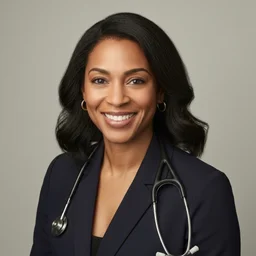
Licensed Social Worker & ASWB Exam Preparation Expert
Columbia University School of Social WorkDr. Maya Brooks holds a PhD in Social Work and is a Licensed Clinical Social Worker (LCSW) with an ASWB-approved supervision practice at Columbia University School of Social Work. With 14 years of clinical practice in mental health, child welfare, and community services, she coaches social work graduates through the ASWB Bachelor, Master, Advanced Generalist, and Clinical licensing examinations.
Join the Discussion
Connect with other students preparing for this exam. Share tips, ask questions, and get advice from people who have been there.
View discussion (8 replies)