

Lineman Practice Test
Updated for September 2026The lineman profession is critical to maintaining and repairing the electrical systems that power our communities. As a lineman, you’ll work with complex electrical networks, often under challenging conditions, ensuring a reliable energy supply.
This guide will provide you with the tools and knowledge needed to achieve certification and excel in this dynamic field.
Lineman Practice Test Questions
Prepare for the Lineman - Lineman Certification exam with our free practice test modules. Each quiz covers key topics to help you pass on your first try.
Lineman Accreditation and Licensing Requir...
Lineman Exam Questions covering Accreditation and Licensing Requirements. Master Lineman Test concepts for certification prep.
Lineman Career Opportunities and Advancement
Free Lineman Practice Test featuring Career Opportunities and Advancement. Improve your Lineman Exam score with mock test prep.
Lineman Documentation and Reporting
Lineman Mock Exam on Documentation and Reporting. Lineman Study Guide questions to pass on your first try.
Lineman Electrical Theory and Principles
Lineman Test Prep for Electrical Theory and Principles. Practice Lineman Quiz questions and boost your score.
Lineman Environmental Compliance
Lineman Questions and Answers on Environmental Compliance. Free Lineman practice for exam readiness.
Lineman Equipment and Tools Knowledge
Lineman Mock Test covering Equipment and Tools Knowledge. Online Lineman Test practice with instant feedback.
Lineman Project Planning and Management
Free Lineman Quiz on Project Planning and Management. Lineman Exam prep questions with detailed explanations.
Lineman Quality Control Procedures
Lineman Practice Questions for Quality Control Procedures. Build confidence for your Lineman certification exam.
Lineman Risk Assessment and Mitigation
Lineman Test Online for Risk Assessment and Mitigation. Free practice with instant results and feedback.
Lineman Safety and Technical Skills
Lineman Study Material on Safety and Technical Skills. Prepare effectively with real exam-style questions.
Lineman Safety Regulations and Compliance
Free Lineman Test covering Safety Regulations and Compliance. Practice and track your Lineman exam readiness.
Key Takeaways
Free Lineman Practice Test Online
- Linemen play a critical role in maintaining electrical and telecommunications systems, ensuring reliable service for communities.
- The path to becoming a lineman includes education, training, apprenticeships, and certification.
- Physical fitness, technical knowledge, and a commitment to safety are essential qualities for aspiring linemen.
- Lineman apprenticeships provide hands-on experience and mentorship from industry professionals.
- Comprehensive training programs equip linemen with the skills to excel in this challenging and rewarding profession.
What Is a Lineman?
A lineman, also known as a line worker or electrical line technician, is a skilled professional responsible for installing, maintaining, and repairing electrical power systems and telecommunication lines.
Key Responsibilities of a Lineman:
- Constructing and maintaining overhead and underground power lines.
- Troubleshooting electrical issues and restoring power during outages.
- Installing transformers, circuit breakers, and other equipment.
- Ensuring compliance with safety protocols and regulations.
Types of Linemen:
- Electrical Linemen: Focus on high-voltage electrical transmission and distribution systems.
- Telecommunications Linemen: Specialize in fiber-optic cables and communication systems.
Lineman roles are physically demanding and require a commitment to safety, precision, and teamwork.
Lineman Study Tips
What's the best study strategy for Lineman?
Focus on weak areas first. Use practice tests to identify gaps, then study those topics intensively.
How far in advance should I start studying?
Most successful candidates begin 4-8 weeks before the exam. Create a structured study schedule.
Should I retake practice tests?
Yes! Take each practice test 2-3 times. Focus on understanding why answers are correct, not memorizing.
What should I do on exam day?
Arrive 30 min early, bring required ID, read questions carefully, flag difficult ones, and review before submitting.
How to Become a Lineman
Becoming a lineman involves a combination of education, hands-on training, and certification.
Steps to Become a Lineman:
Earn a High School Diploma or GED: Basic education in math, science, and technical subjects is essential for the profession.
Attend a Lineman Training School: Specialized training programs provide foundational knowledge and practical skills in electrical systems and safety practices.
Complete an Apprenticeship Program: Hands-on experience under the guidance of experienced linemen is a crucial part of the training process.
Pass the Certification Exam: Certification ensures you meet industry standards and are equipped for the job.
Obtain Additional Licenses: Some states or employers may require a commercial driver’s license (CDL) or additional certifications in areas like pole climbing or first aid.
This structured path prepares aspiring linemen for the physical and technical demands of the role.
Lineman Requirements
Lineman candidates must meet specific physical, educational, and technical qualifications to enter the profession.
Essential Qualifications for Linemen:
- Physical Fitness: The job requires strength, endurance, and the ability to work at heights and in varying weather conditions.
- Technical Skills: Knowledge of electrical systems, problem-solving abilities, and proficiency in using tools and equipment are essential.
- Safety Awareness: A strong focus on safety practices is crucial to minimize risks associated with high-voltage systems.
Additional Requirements:
- Completion of a lineman apprenticeship program.
- Passing a pre-employment physical and drug screening.
- Basic first aid and CPR certification.
Meeting these requirements demonstrates your readiness for the challenges and responsibilities of the profession.
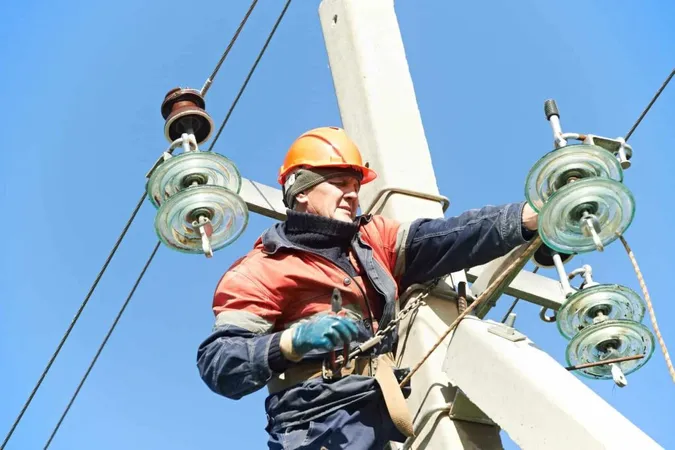
Lineman Apprenticeship Program
The apprenticeship program is a cornerstone of lineman training, combining on-the-job learning with classroom instruction.
Features of a Lineman Apprenticeship:
Duration: Typically lasts 3-4 years, allowing apprentices to gain comprehensive experience.
Hands-On Training: Apprentices learn to climb poles, operate bucket trucks, and work with high-voltage equipment.
Classroom Instruction: Courses cover electrical theory, safety protocols, and industry standards.
Mentorship: Apprentices work under the supervision of experienced journeymen, gaining valuable insights and skills.
How to Apply for an Apprenticeship:
- Research programs offered by utility companies, trade unions, and technical schools.
- Meet eligibility requirements, including education and physical fitness standards.
- Submit an application and pass any required aptitude tests or interviews.
Completing an apprenticeship is an essential step in becoming a certified lineman.
Lineman Training
Lineman training programs provide the foundation for a successful career, combining theoretical knowledge with practical skills.
Core Components of Lineman Training:
Electrical Theory: Understanding voltage, current, and resistance is fundamental to the job.
Safety Practices: Training emphasizes personal protective equipment (PPE), fall protection, and emergency response.
Pole Climbing and Rigging: Linemen must master climbing techniques and the use of rigging systems.
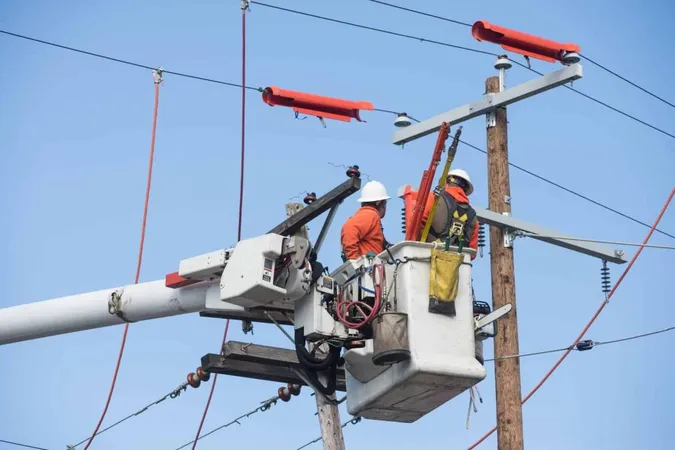
Equipment Operation: Trainees learn to operate bucket trucks, winches, and other specialized tools.
High-Voltage Systems: Training includes working with transmission lines and transformers.
Best Practices for Lineman Training:
- Enroll in an accredited program to ensure quality instruction.
- Take advantage of online resources and study materials for additional learning.
- Seek opportunities for real-world experience through internships or apprenticeships.
Comprehensive training is vital to building the skills and confidence needed for success in the field.
Conclusion
The lineman certification process is rigorous but immensely rewarding. As a certified lineman, you’ll join a respected profession dedicated to supporting the infrastructure that powers our daily lives. By understanding the requirements, pursuing quality training, and gaining practical experience through apprenticeships, you can build a successful career in this dynamic field.
Whether you’re just starting your journey or looking to advance your skills, the steps outlined in this guide will help you navigate the path to certification with confidence and clarity.
- +Validates your knowledge and skills objectively
- +Increases job market competitiveness
- +Provides structured learning goals
- +Networking opportunities with other certified professionals
- −Study materials can be expensive
- −Exam anxiety can affect performance
- −Requires dedicated preparation time
- −Retake fees apply if you don't pass
Lineman Questions and Answers
About the Author

Certified Professional Development Expert & Niche Certification Advisor
University of Pennsylvania Graduate School of EducationDr. Alexandra Kim holds a PhD in Professional Studies from the University of Pennsylvania and is a Certified Professional in Learning and Performance (CPLP) and Certified Professional in Talent Development (CPTD). With 17 years of corporate training and professional certification advisory experience, she helps professionals navigate specialized, emerging, and cross-industry certification programs.
Join the Discussion
Connect with other students preparing for this exam. Share tips, ask questions, and get advice from people who have been there.
View discussion (8 replies)