
Law Enforcement Employment in Florida: Jobs, Pay, Requirements, and How to Get Hired
🎯 Law enforcement employment in Florida requires age 19+, citizenship, ~770 training hours and state certification. See jobs, pay and steps.
Law enforcement employment in Florida means working as a certified officer, deputy, or state agent after meeting Florida Criminal Justice Standards and Training Commission rules: be at least 19, be a U.S. citizen, hold a high school diploma, pass a background check, finish roughly 770 hours of basic recruit training, and pass the State Officer Certification Exam.
Law Enforcement Employment in Florida: Key Facts (Updated October 2026)
| Fact | Details | Source |
|---|---|---|
| Certifying body | Criminal Justice Standards and Training Commission (CJSTC), staffed by the Florida Department of Law Enforcement | Florida Department of Law Enforcement |
| Minimum age | 19 for law enforcement officer certification | Florida CJSTC |
| Citizenship and education | U.S. citizen with a high school diploma or GED | Florida CJSTC |
| Basic recruit training | Approximately 770 hours at a CJSTC-certified training school | Florida CJSTC |
| Entry testing | Basic abilities test before academy admission, then the State Officer Certification Exam after training | Florida CJSTC |
| National mean annual wage | About $76,550 for police and sheriff's patrol officers (median about $72,280) | U.S. Bureau of Labor Statistics |
| Disqualifiers | Felony convictions, certain misdemeanors involving false statements, and dishonorable military discharge | Florida CJSTC |
Those facts are the floor, not the whole picture. Florida has 67 counties, each with an elected sheriff, plus hundreds of municipal police departments, university police forces, school district departments, and state agencies. Every one of them hires from the same certified pool, so your first job is understanding the licensing path. For a national comparison, our state law enforcement division hub explains how agencies, certification, and testing fit together across the country.
Florida is one of the largest law enforcement job markets in the country. The state's population exceeds 22 million, and tourism pushes the number of people needing protection far higher during peak seasons. That demand supports sheriff's offices in Miami-Dade, Orange, Hillsborough, and Duval counties with thousands of sworn members each, while rural counties hire a few dozen. Agencies compete for qualified candidates and often advertise sign-on bonuses, take-home vehicles, and tuition help to fill academy seats.
Pay depends on the agency, the county, and your rank. The Bureau of Labor Statistics reports a national mean annual wage near $76,550 for police and sheriff's patrol officers, with a median around $72,280. Florida starting salaries often sit below that in rural counties and above it in large metro departments once overtime and special-assignment pay are added. Always compare the full package, including retirement through the Florida Retirement System, health coverage, and paid training time, before accepting any offer.
The hiring process is lengthy, and candidates who understand it early move faster. Most agencies run an application, a written or basic abilities test, a physical agility test, a polygraph or voice stress analysis, a background investigation, a psychological screening, and a medical exam. Expect the whole sequence to take three to six months. Applicants who tidy up finances, social media, and driving records before applying avoid the delays that knock many otherwise qualified people out of the pool.
There are two main routes into certification. You can enroll in a Florida criminal justice academy at a state college or technical center on your own, which makes you self-sponsored, or you can be hired first and sponsored by an agency that pays for your training. Self-sponsored students usually cover tuition, fees, uniforms, and equipment, often several thousand dollars, but gain the flexibility to apply to many agencies once they pass the state exam.
This guide walks through the requirements, the training path, the job categories, realistic pay, and practical preparation steps. It also covers second careers for retired officers, since many Floridians move into new roles after twenty or more years of service. Use the free practice questions linked throughout to test your knowledge of law enforcement codes, criminal law, patrol procedure, and ethics before you sit for any entrance exam or certification test.
National Law Enforcement Appreciation Day, observed every January 9, is a useful reminder of why the profession draws people. Many Florida agencies hold open houses and recruiting events around that date, which gives prospective applicants a chance to speak with recruiters, tour facilities, and ask about openings without the pressure of a formal interview or application deadline. Watch agency social media pages in early January for these events.
You can continue preparing with the police phonetic alphabet test, which includes answer explanations for every question.
Florida Law Enforcement Employment by the Numbers
How Do You Become a Law Enforcement Officer in Florida?
Confirm You Meet the Minimums
Pass the Basic Abilities Test
Complete Medical and Fitness Screening
Attend a Certified Training School
Pass the State Officer Certification Exam
Get Hired and Complete Field Training
What Law Enforcement Careers Are Available in Florida?
Florida offers more law enforcement careers than most states because authority is split across local, state, and federal levels. The main choices are municipal police officer, sheriff's deputy, state trooper, state agent, wildlife officer, and campus or school police. Each requires the same basic certification but differs in daily work, hours, and culture. Understanding those differences helps you target applications instead of sending identical résumés everywhere and hoping for a callback from any department that happens to be hiring.
Sheriff's offices are the largest employers. Florida has 67 elected sheriffs, and their deputies handle patrol, investigations, court security, and often jail operations. Deputies in rural counties cover wide areas with little backup and develop broad skills quickly, while metro deputies may specialize early in K-9, marine, aviation, or SWAT. Municipal police departments, by contrast, focus on city limits, offer defined shifts, and often provide more neighborhood-level community policing work with predictable assignments and familiar faces.
State-level positions carry their own prestige. The Florida Highway Patrol enforces traffic laws and investigates crashes on state roads, while special agents with the florida department of law enforcement investigate public corruption, organized crime, and violent offenses and support local agencies with crime labs and criminal history records. Fish and Wildlife Conservation Commission officers patrol waterways and forests. State agencies generally prefer experienced officers, so many people start locally and move up after three to five years.
Specialty enforcement offers niche paths. Florida's Division of Alcoholic Beverages and Tobacco, part of the Department of Business and Professional Regulation, employs sworn agents who inspect licensed establishments, investigate underage sales, and conduct undercover operations. This kind of alcohol law enforcement blends regulatory knowledge with street-level policing. Other specialty roles include financial fraud investigators, state attorney investigators, airport police, port police, and county park rangers, each with distinct hiring standards and separately posted openings.
Federal careers are strong in Florida thanks to its ports, airports, and coastline. The FBI, DEA, ATF, Homeland Security Investigations, Secret Service, Customs and Border Protection, and the Coast Guard all maintain large Florida offices. Many federal officers attend FLETC law enforcement training in Glynco, Georgia. Our overview of federal law enforcement training centers explains those programs and is also a handy place to learn codes for law enforcement that federal and local officers share on the radio.
Corrections and court roles are a separate track. Florida certifies correctional officers and correctional probation officers through the same commission but under different basic training programs. Many people begin in a county jail, earn seniority, and then cross-train into law enforcement certification, which typically requires an additional academy. Jail experience is valued because it builds report writing, de-escalation skills, and legal knowledge, and some sheriff's offices offer deputies a defined path after a minimum service period.
When comparing law enforcement positions in Florida, look at four things: starting pay, agency size, promotion opportunities, and community expectations. A small-town department may offer a quiet beat and quick field training, whereas a large sheriff's office may offer overtime, specialized units, and tuition support. Visit agency websites, request ride-alongs, and speak with current officers. Choosing a fit you can sustain for twenty-five years beats chasing the highest starting salary alone.
What Are Law Enforcement Codes and the Phonetic Alphabet Used in Florida?
The 10 codes for law enforcement began in the 1930s as short radio signals so dispatchers could send brief messages. Common examples include 10-4 for acknowledged, 10-7 for out of service, 10-8 for in service, 10-20 for location, and 10-33 for an emergency. Florida recruits hear these codes during academy radio training and again during field training with a veteran officer.
There is no single universal list, because agencies customize their own. Since federal incident management guidance encouraged plain language for multi-agency responses, many Florida departments now use clear speech for major events and keep ten-codes only for routine traffic. When you start a job, ask for the agency's current code sheet and memorize it before your first solo shift.
Is a Law Enforcement Career in Florida Worth It?
- +Large job market with 67 sheriffs and hundreds of local agencies
- +Statewide certification lets you move between agencies without retraining
- +Florida Retirement System pension and health benefits for career officers
- +Many specialty units, from marine and aviation to K-9 and cybercrime
- +No state income tax increases your take-home pay
- +Strong community respect and meaningful, varied daily work
- −Starting pay in some counties trails the cost of living
- −Shift work, overtime, and holiday duty disrupt family life
- −Hiring process is long and invasive, often three to six months
- −Exposure to trauma and danger affects mental health
- −Summer heat and hurricane response add physical strain
- −Disqualifiers such as felonies or false statements are permanent barriers
How Do You Get Hired for Law Enforcement Positions in Florida? A Checklist
- ✓Confirm you are at least 19 and a U.S. citizen.
- ✓Gather your diploma or GED, birth certificate, and discharge papers.
- ✓Pull your driving record and credit report to spot problems early.
- ✓Clean up public social media posts before agencies review them.
- ✓Pass the basic abilities test and keep your score report.
- ✓Build fitness with a weekly running and strength plan.
- ✓Choose between self-sponsoring an academy and agency sponsorship.
- ✓Apply to several agencies at once to avoid long gaps.
- ✓Practice interview answers about ethics, conflict, and judgment.
- ✓Answer every polygraph and background question honestly and completely.
Yes: Many Agencies Hire First and Sponsor Training
Many Florida agencies hire candidates before they attend a basic recruit program and pay salary during training. Self-sponsored students pay their own way but can apply anywhere once certified. Ask each recruiter which route they prefer, since sponsored seats can be limited and competitive.
What Careers Are Available for Retired Law Enforcement Officers?
Retired officers have many options, and the best ones turn field experience into a second paycheck. Common careers for retired law enforcement officers include private investigation, corporate and campus security management, criminal justice teaching, federal contracting, court security, and consulting. Most Florida officers retire in their forties or fifties with a pension, so a second career is often about purpose and income growth rather than necessity. Start planning at least a year before your retirement date.
Private investigation is a natural fit. In Florida, the Division of Licensing within the Department of Agriculture and Consumer Services issues the Class C private investigator license, typically requiring documented experience or an internship plus an exam. Retired detectives often do insurance fraud, civil litigation support, background checks, and missing-person work. Security consulting and Class D or G licenses for armed and unarmed guards offer other entry points, and veterans of law enforcement often move quickly into supervisory roles.
Teaching and training pay well for experienced officers. Florida colleges, technical centers, and agency academies hire certified instructors for firearms, defensive tactics, driving, and criminal law. Becoming a CJSTC-certified instructor requires completing an instructor course and maintaining your own certification. Many retirees teach part time while pursuing other work, and community colleges also hire adjunct faculty with a bachelor's degree and years of service. Teaching lets you shape the next generation of Florida recruits.
The private sector hires heavily in Central Florida. Law enforcement companies in Orlando include large attractions and resorts, convention centers, airports, hospitals, and defense and simulation contractors that need security directors, investigators, and emergency planners. Titles such as loss prevention manager, corporate investigator, or director of safety are common. Search company career pages directly, and highlight leadership, incident command, and report writing on your résumé, since employers value those skills more than rank.
Returning to public service is possible but rules matter. The Florida Retirement System limits re-employment with an FRS employer for a set separation period after you retire, and violating those rules can cost you benefits. Contact the Division of Retirement before accepting any government job, including part-time reserve or court roles. Some officers choose federal positions or private employers specifically to avoid those restrictions while continuing to collect their pension and building additional income.
Retirement also brings perks that stretch your budget. Many retailers, travel companies, and attractions offer law enforcement discounts to active and retired officers, and some require only a retirement ID or badge photo. Combine those savings with your pension, and a modest part-time job can cover travel and hobbies comfortably. Keep your ID current, and check each company's policy, because eligibility for retired officers varies from one program to another.
Finally, translate your experience for civilian employers. Replace jargon with results: managed a squad of twelve, reduced response times, trained forty recruits, or investigated two hundred cases a year. Update your LinkedIn profile, request references from supervisors, and network with former colleagues now in the private sector. Attend job fairs on or near Law Enforcement Appreciation Day, when employers actively court officers and veterans and are often most willing to discuss openings.
Felony convictions, certain misdemeanors involving perjury or false statements, and a dishonorable military discharge can bar certification in Florida. Rules change, so confirm the current standards with the Criminal Justice Standards and Training Commission before paying for an academy.
How Hard Is the Law Enforcement Written Exam, and How Do You Practice?
The law enforcement written exam is moderately difficult, mainly because it covers a wide range of topics rather than one deep subject. Candidates take a basic abilities test to enter an academy and a State Officer Certification Exam after training. Both reward steady preparation. Most people who fail either one did not practice enough under timed conditions. Plan on at least four to eight weeks of focused study before each test, depending on how recently you left school.
The entry test measures reading comprehension, written communication, and reasoning skills. Questions include short passages, grammar and report-writing choices, and logic problems based on police scenarios. Practice reading incident narratives and identifying the clearest, most accurate summary. Time yourself, because pacing is as important as knowledge. Free law enforcement written exam practice is available online, and working through several full-length sets will reveal weak areas you can target before test day.
The state certification exam is content-heavy. Topics include criminal law, arrest and search rules, traffic enforcement, patrol procedures, use of force, interviews and investigations, first aid, and professional ethics. Your academy instructors teach these blocks, but retention fades without review. Create flashcards for definitions, statute numbers, and elements of common crimes, and practice with realistic scenario questions. Our criminal law and procedure quiz is a good place to check that you can apply rules, not just memorize them.
Understanding authority helps across the exam. To enforce the law, officers must act within statute, constitutional limits, and agency policy. A question might ask whether a warrantless search is lawful or whether a policy violation is enforceable by law against a citizen. Learn the difference between laws, rules, and policies, and be able to explain each in plain words. Similar knowledge is tested in other states, including through the south carolina law enforcement division certification process.
Ethics questions test judgment, not trivia. Expect scenarios about accepting gifts, reporting a colleague's misconduct, using social media, and handling confidential information. The right answer usually protects public trust, follows policy, and documents facts honestly. Review the law enforcement code of ethics adopted by most agencies and compare it with the standards taught in Florida academies. Strong ethical reasoning also helps during oral boards and polygraph interviews.
Build a simple weekly plan. Spend two sessions on reading and writing, two on criminal law, one on traffic and patrol, and one on ethics and use of force. Finish each week with a timed mixed quiz and record your score. If a category stays below 80 percent, give it extra time the next week. Tracking progress keeps motivation high and prevents the last-minute cramming that often leads to avoidable mistakes on exam day.
Consider retake rules before you sit for the exam. Florida limits how many times you may attempt the state exam within a set period after finishing training, and failing too many times can require repeating the academy. That makes your first attempt valuable. Schedule the test soon after graduation while material is fresh, sleep well the night before, and arrive early with the required identification. Calm, prepared candidates usually perform noticeably better than those who rush.
How Should You Prepare for Law Enforcement Employment in Florida?
Start with fitness, because it is the easiest area to control. Most academies and agencies test running, push-ups, sit-ups, and sometimes obstacle courses or a dummy drag. Train three to four days a week for at least twelve weeks, building from a one-mile jog toward a one-and-a-half-mile run at a steady pace. Add bodyweight strength work and stretching. Arriving fit lowers injury risk and lets you focus on learning rather than surviving the physical demands.
Next, organize your finances and records. Background investigators examine credit reports, unpaid debts, tax filings, prior employers, and traffic citations. Small problems rarely disqualify you, but dishonesty about them does. Pay overdue accounts where possible, document payment plans, and gather proof of employment history, addresses for the past ten years, and references. Having a complete packet ready shows organization and speeds up the investigator's work, which can shorten your overall hiring timeline by weeks.
Treat your online presence as part of your application. Investigators routinely review public posts, photos, and comments for evidence of bias, drug use, violence, or poor judgment. Remove or archive anything you would not want a supervisor to read, and tighten privacy settings, but do not delete accounts in a way that looks like concealment. Be honest if asked about old content. Candor and growth are viewed far more favorably than denial when an investigator finds something questionable.
Prepare for the interview and polygraph with honesty as your guiding principle. Oral boards ask about conflict, integrity, stress, and why you want the job in that specific community. Use concrete stories with a situation, action, and result. The polygraph or voice stress analysis covers drug use, crimes, and application accuracy. Disclose everything, even minor issues, because omissions are the most common reason qualified applicants are rejected during this stage of the process.
Apply broadly but thoughtfully. Submit applications to several agencies of different sizes so one delay does not stall your career. Tailor each cover letter to the agency's mission, mention community involvement, and highlight skills such as bilingual ability, military service, college coursework, or customer service. Track deadlines and testing dates in a spreadsheet. Follow up politely with recruiters after each step, because persistence and professionalism are noticed and often influence who is called back first.
Care for your mental health before you start. Law enforcement exposes officers to stress, trauma, and irregular schedules. Build habits now: regular sleep, exercise, supportive friends, and openness to counseling. Many Florida agencies offer peer support and employee assistance programs, and asking about them during interviews signals maturity. Officers who manage stress early tend to last longer in the career, advance further, and enjoy stronger relationships at home throughout their service years.
On exam week, review rather than cram. Run through flashcards, retake one full practice test, and confirm your testing location, identification, and travel time. Eat a solid breakfast, arrive early, and read each question fully before answering. After you pass, keep learning: field training, in-service courses, and mandatory continuing education will sharpen your skills. Employment in Florida law enforcement rewards people who keep studying long after the first certificate is framed on the wall.
Law Enforcement Questions and Answers
Law Enforcement Practice Test 2026

Florida Department of Law Enforcement (FDLE): The Complete Guide

Law Enforcement Discounts 2026: Complete Guide for Active Duty and Retired Officers

South Carolina Law Enforcement Division (SLED): Complete 2026 Guide to Agents, Background Checks, CWP & Services
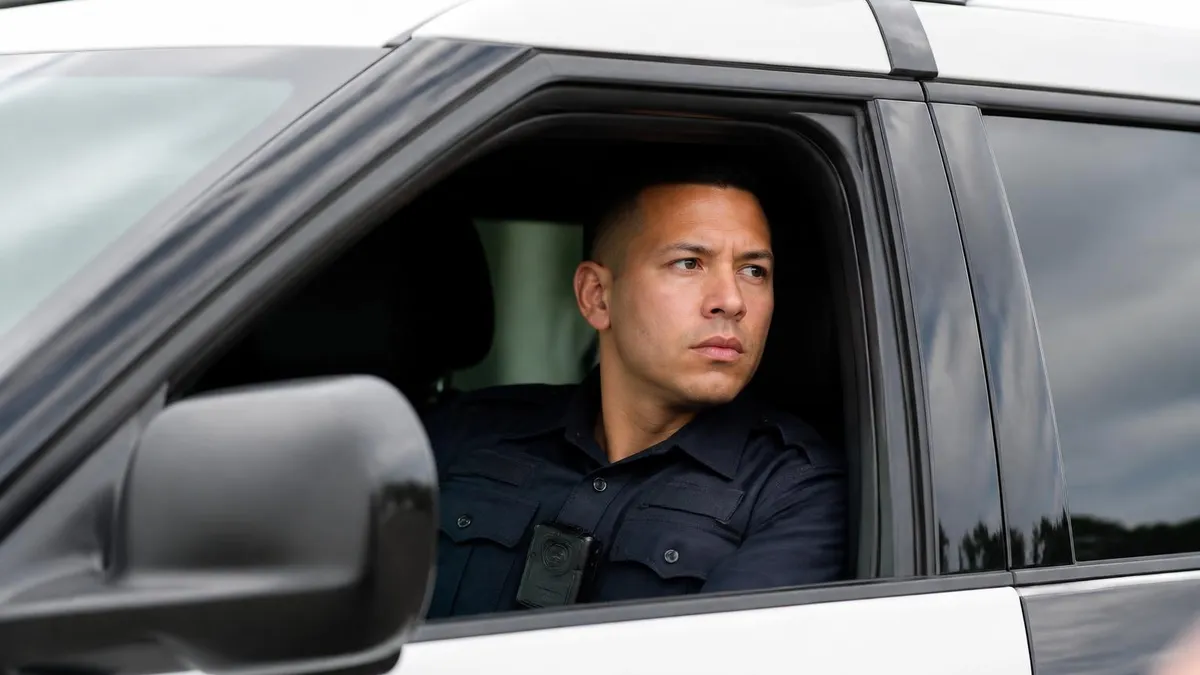
Women in Law Enforcement: Careers, History, Pay, and Path Forward in 2026

Federal Law Enforcement Training Centers (FLETC): Programs and Sites

San Diego Regional Law Enforcement Academy: Requirements, Training Hours, Pay, and How to Apply

Wake Tech Continuing Education Law Enforcement: Complete Training Guide
How this page was made: written with AI tools. We have not yet matched this exam's facts to an official source, so confirm fees, dates and rules with the exam body. Not reviewed by a subject-matter expert. Editorial policy