
LAPD Police Officer: Complete Career Guide to Duties, Salary, Ranks, and Daily Life on the Force
LAPD police officer career guide covering lapd salary, ranks, swat, gear, daily duties, training, and what life is really like on patrol in Los Angeles. 💯

An LAPD police officer wears one of the most recognizable badges in American policing, serving roughly four million residents across 469 square miles of Los Angeles. The job blends community problem-solving, criminal investigation, traffic enforcement, and emergency response into a single shift that can swing from a noise complaint in Hollywood to a barricaded suspect call in South Bureau within minutes. Understanding what the role actually demands is the first step for anyone weighing a career on the force in 2026.
The department employs approximately 8,900 sworn officers organized into four geographic bureaus, twenty-one community police stations, and dozens of specialized units. Whether you are drawn to motorcycle patrol, K-9 handling, narcotics, gang enforcement, or eventually lapd salary data tied to specialized assignments, the career path begins the same way: passing the written exam, the physical qualifier, a background investigation, and six months at the Police Academy in Elysian Park.
Starting pay sits near the top of municipal departments in California, with first-year officers earning a base salary that rises steeply through five steps. Bilingual pay, motor pay, K-9 pay, and SWAT pay can layer onto the base, pushing total compensation well above the published charts. Pension benefits through LACERS and the LAFPP system remain a major draw, particularly for candidates comparing LAPD against sheriff agencies, federal jobs, or smaller suburban departments around the Southland.
The day-to-day work is heavily call-driven. Patrol officers respond to dispatched radio calls, handle walk-in reports, conduct traffic stops, document crimes, and write detailed reports that must hold up in court. Officers also generate self-initiated activity, from pedestrian stops on probable cause to community contacts at neighborhood meetings. Strong report writing, defensive tactics, and de-escalation skills matter just as much as marksmanship or driving ability when supervisors evaluate probationary performance.
Becoming an LAPD officer is also a lifestyle commitment. New hires often work nights, weekends, and holidays for years before earning a daytime watch or a coveted specialized spot. Court appearances on days off, mandatory overtime during civil unrest, and the emotional weight of trauma calls add up. The reward, for many, is a career with genuine variety, strong union representation through the Los Angeles Police Protective League, and a clear promotional ladder from Police Officer I through Chief of Police.
This guide walks through every major element of the role: compensation, ranks, daily duties, specialized units like Metropolitan Division and SWAT, equipment, hiring standards, training, and the realities of patrol work. It also points readers toward the practice questions and study materials that current applicants are using to clear the written exam and oral interview on the first attempt, so the badge stops being a goal and starts being a uniform you actually put on.
LAPD Police Officer by the Numbers

LAPD Salary Steps and Specialty Pay
A typical LAPD patrol shift runs ten hours on the popular 4/10 schedule, giving officers three days off each week. Most patrol officers ride two-to-a-car in marked black-and-white units, rotating between calls dispatched by Communications Division and self-initiated activity. The first hour is spent in roll call at the station, where the watch commander reviews crime trends, briefs officers on wanted suspects, distributes flyers, and reads the latest lapd news bulletins relevant to the basic car area.
After roll call, partners check out their kit room equipment, inspect the shop, and clear into service. Calls are prioritized from Code 3 emergencies, like shootings or in-progress robberies, down to Code 2 routine reports such as cold burglary or vandalism. Officers are expected to handle their assigned calls efficiently, document them in the Records Management System, and remain available for backup when neighboring units request help on hot calls inside or outside their reporting district.
Report writing consumes a surprising share of the shift. A single domestic violence call can produce a fifteen-page report covering victim statements, suspect history, photographs of injuries, body-worn video log entries, and probable cause for arrest. Officers learn the department's preferred narrative style during the Academy and refine it through field training. A clean, chronological, fact-based report is what makes the difference between a filed case and a returned package from the District Attorney's office.
Officers also spend time on community-oriented policing. This may mean walking a foot beat in a transit corridor, attending a neighborhood council meeting, conducting a school visit, or following up with a victim from a previous shift. Senior lead officers are assigned to specific reporting districts and act as the public face of the department, taking quality-of-life complaints from residents and coordinating with city services, businesses, and homeless outreach teams.
Traffic enforcement is another core function. Officers run radar in school zones, work DUI saturation patrols on weekend nights, and investigate collisions ranging from minor fender-benders to fatal traffic incidents requiring South or Valley Traffic Division specialists. Each citation issued must be defensible in court, and officers frequently appear before traffic commissioners to testify about what they observed and why the stop was lawful.
Officer safety drives every tactical decision. Approaches to vehicle stops, building searches, and unknown trouble calls follow trained patterns: positioning, cover, contact and cover roles, and constant communication. Body-worn cameras activate on every enforcement contact, and supervisors review footage routinely. Officers who repeatedly skip activation, take poor tactical positions, or fail to call for cover before high-risk contacts find themselves in training meetings quickly.
Shift end rarely means going straight home. Reports must be approved by a sergeant, evidence booked, prisoners transported and processed at jail, and equipment cleaned. Officers often stay one to two hours past end-of-watch to wrap loose ends. Court subpoenas can pull officers in on their off days, and citywide tactical alerts during major events or unrest can extend ten-hour shifts into twelve or sixteen.

LAPD Practice Test Questions
Prepare for the LAPD - Los Angeles Police Department exam with our free practice test modules. Each quiz covers key topics to help you pass on your first try.
LAPD - Los Angeles Police Department Backg...
Free LAPD Practice Test featuring - Los Angeles Police Department Background Investigation Standards. Improve your LAPD Exam score with mock test prep.
LAPD - Los Angeles Police Department Basic...
LAPD Mock Exam on - Los Angeles Police Department Basic Police Terminology. LAPD Study Guide questions to pass on your first try.
LAPD - Los Angeles Police Department Depar...
LAPD Test Prep for - Los Angeles Police Department Department Interview Procedures. Practice LAPD Quiz questions and boost your score.
LAPD - Los Angeles Police Department Logic...
LAPD Questions and Answers on - Los Angeles Police Department Logical and Deductive Reasoning. Free LAPD practice for exam readiness.
LAPD - Los Angeles Police Department Obser...
LAPD Mock Test covering - Los Angeles Police Department Observation and Memory Recall. Online LAPD Test practice with instant feedback.
LAPD - Los Angeles Police Department Physi...
Free LAPD Quiz on - Los Angeles Police Department Physical Fitness Qualifier. LAPD Exam prep questions with detailed explanations.
LAPD - Los Angeles Police Department Readi...
LAPD Practice Questions for - Los Angeles Police Department Reading Comprehension Skills. Build confidence for your LAPD certification exam.
LAPD - Los Angeles Police Department Situa...
LAPD Test Online for - Los Angeles Police Department Situational Judgment and Ethics. Free practice with instant results and feedback.
Specialized Units, LAPD SWAT, and Career Detours
Metropolitan Division is the elite tactical and specialized response unit of the department, made up of seven platoons including the famous D Platoon, which is the lapd swat team. Metro officers are deployed citywide to high-crime corridors, conduct dignitary protection, and serve high-risk search warrants for detectives. The selection process is rigorous, requiring strong patrol experience, a clean disciplinary record, and successful completion of physical and tactical assessments before transfer is approved.
Joining lapd s.w.a.t specifically requires several years on Metro first, followed by a separate selection school that includes long-distance ruck marches, marksmanship tests, scenario-based problem solving, and an oral board. SWAT operators respond to barricaded suspects, hostage rescues, and the most dangerous warrant services. The unit trains constantly, and operators are expected to maintain elite fitness levels and qualify on multiple weapons systems throughout the year.
Is LAPD Police Officer the Right Career for You?
- +Top-tier municipal salary with steep raises through five steps in the first six years
- +Strong defined-benefit pension through LAFPP after 20+ years of service
- +Genuine variety with dozens of specialized units and clear lateral moves
- +World-class training facilities and instructors at the Police Academy
- +Union representation through the Los Angeles Police Protective League
- +Predictable schedule options like 3/12 or 4/10 once seniority allows it
- +Pathways to federal task forces, instructor roles, and command staff promotion
- −First several years almost always involve nights, weekends, and holidays
- −High call volume and dense urban policing produce real physical and emotional strain
- −Mandatory overtime during civil unrest or major events can derail personal plans
- −Cost of living in Los Angeles eats into the published salary advantage
- −Disciplinary system is detailed and unforgiving of avoidable mistakes
- −Public scrutiny and media coverage are constants in a city this size

LAPD Police Officer Hiring Requirements Checklist
- ✓Be at least 20.5 years old when you apply and 21 by Academy graduation
- ✓Hold U.S. citizenship or have applied for citizenship before testing
- ✓Possess a high school diploma, GED, or California High School Proficiency certificate
- ✓Maintain a valid driver license with an acceptable driving record
- ✓Pass the online Personal Qualifications Essay (PQE) reading and writing screen
- ✓Clear the Physical Abilities Test (PAT) including 1.5-mile run and obstacle wall
- ✓Pass a comprehensive background investigation covering employment, finances, and drug use
- ✓Pass the polygraph examination and psychological evaluation by a department clinician
- ✓Pass the medical examination including vision, hearing, and cardiovascular screening
- ✓Disclose all prior law enforcement contacts, traffic citations, and out-of-state residency
- ✓Complete the Chief's Interview as the final hiring step before academy assignment
- ✓Be willing to relocate within reasonable commuting distance of Los Angeles
Be radically honest from the first form to the polygraph chair
Background investigators have seen every story. Lying about a teenage drug use incident, an old credit card in collections, or a fired-for-cause job will end your candidacy faster than the underlying issue ever would. Disclose everything on the Personal History Statement, bring documentation, and treat every contact with your investigator as part of the interview.
The Los Angeles Police Academy in Elysian Park runs approximately six months and is widely regarded as one of the most demanding municipal academies in the country. Recruits earn full Police Officer I pay during training and receive instruction in California Penal Code, Vehicle Code, search and seizure, defensive tactics, firearms, emergency vehicle operations, first aid, and report writing. Days start before sunrise with physical training and end with academic study, uniform preparation, and gear maintenance well into the evening.
Physical training is progressive and unrelenting. Recruits run distance, sprint intervals, climb the wall at the obstacle course repeatedly, and grind through circuit workouts designed to simulate the cumulative fatigue of foot pursuits and use-of-force incidents. Defensive tactics covers ground control, weapon retention, baton, taser, and arrest techniques. Boxing is a long-standing tradition that builds composure under physical stress, a quality field training officers value above almost everything else later.
Firearms training takes recruits from basic safety to qualifying on handgun, shotgun, and patrol rifle. Recruits learn the department's use-of-force policy in detail and run dozens of force-option simulator scenarios that branch based on their decisions. Instructors stress decision-making under stress, articulation of what officers saw before pulling the trigger, and the importance of de-escalation and tactical positioning to avoid using force whenever feasible.
Classroom academics are graded throughout. Recruits take weekly tests on penal code, evidence handling, and constitutional law, and must maintain a minimum average to remain in the class. Report writing is taught early and assessed continuously. Recruits write practice reports from scripted scenarios, receive marked-up feedback from instructors, and rewrite until the structure and articulation meet department standards used in the field.
After graduation, the new officer is assigned to a Field Training Officer at a designated training division such as Newton, Mission, or 77th. The Field Training Program lasts roughly twelve months and is divided into phases at three different divisions, giving the probationer exposure to different crime profiles, geographies, and supervisory styles. Daily Observation Reports document performance, and weak areas are flagged for remediation before they become disqualifying.
Probation is a high-pressure period. Officers can be released from employment during the eighteen-month probationary window without the full disciplinary process that protects tenured officers. The most common reasons for separation are poor officer safety, inability to write acceptable reports, or repeated failures to take appropriate action on calls. Officers who finish probation strong are eligible to bid for permanent watch assignments and start planning longer-term career goals.
Continuous training does not end at the academy. Officers complete quarterly firearms qualifications, annual perishable skills training, mandated Peace Officer Standards and Training updates, and rotating in-service blocks on subjects like crisis intervention, hate crimes, and human trafficking. Officers seeking promotion or specialized assignments often take college courses, attend outside schools, and pursue instructor certifications to round out their resumes.
LAPD has specific policies on visible tattoos, recent drug use timelines, and online conduct. Marijuana use within one year, hard-drug use within three years, or visible neck/face tattoos that cannot be covered can stop your candidacy. Review the current standards before testing and clean up your social media profiles before background begins.
The lapd ranks structure is straightforward but offers significant pay growth at each step. Police Officer I is the entry rank held during the Academy and immediate probation. Officers promote to Police Officer II after passing probation, then to Police Officer III, which includes senior lead officers, training officers, and specialized assignment officers. Promotions beyond Officer III require competitive civil service examinations administered by the Personnel Department on a regular schedule.
Above the officer ranks sit Detective I, II, and III, then Sergeant I and II, Lieutenant I and II, Captain I, II, and III, Commander, Deputy Chief, Assistant Chief, and Chief of Police. The lapd chief is appointed by the Mayor and confirmed by the City Council, and serves a five-year term renewable once. Below the chief, the command staff oversees the four geographic bureaus, specialized divisions, and administrative offices that keep the department running across the city.
Promotion to sergeant is the most common goal for ambitious patrol officers. The sergeants exam consists of a written test on policy, supervision, and law, followed by an oral interview that simulates real supervisory scenarios. Candidates are ranked on a band list, and divisions request promotions as vacancies arise. Newly promoted sergeants typically return to patrol as field supervisors, riding solo and overseeing six to eight officers on a watch in a busy reporting district.
Detective work is a parallel path. Officers test for Detective Trainee, then promote through Detective I, II, and III as they take on more complex caseloads and supervisory duties within a table. Senior detectives often handle the most serious cases in a division and mentor newer detectives. Some detectives transfer to the Robbery-Homicide Division, Major Crimes Division, or federal task forces, building reputations that follow them across the rest of their careers.
Lateral moves between specialized units, geographic divisions, and bureaus happen throughout a career. An officer might spend three years on patrol at Hollywood, two years on a gang enforcement detail at 77th, a stint as a motor officer in West Traffic, and finally a detective spot at Robbery-Homicide. Each move broadens the resume and creates relationships that pay dividends during promotion competitions. The lapd headquarters at 100 West 1st Street houses command staff, internal affairs, and many specialized units worth knowing by location.
Pay grows substantially with rank. Sergeants earn well into the six figures with overtime, lieutenants and above transition to exempt salary schedules with bigger base numbers but no overtime, and command staff salaries are publicly listed in the city budget. Retirement at twenty years yields a pension based on a percentage of final compensation, and officers who serve longer multiply that percentage higher, often retiring in their late forties or early fifties with substantial benefits intact.
Career planning matters from day one. Officers who keep clean records, document accomplishments, build strong evaluations, and seek diverse experience tend to promote faster. Officers who coast on patrol for fifteen years before deciding to test for sergeant often find the climb steeper than they expected. Mentors, study groups, and outside leadership courses make a real difference in how quickly an officer moves from Officer I to a position of meaningful command.
If you are preparing to apply, treat the written examination and the Personal Qualifications Essay as the first checkpoint that filters thousands of candidates each year. The PQE measures reading comprehension and writing through scenario-based prompts. Practice writing clear, well-organized short essays under time pressure, and read sample LAPD reports to absorb the structure investigators expect. Strong writing alone separates serious candidates from the casual applicant pool.
For the physical qualifier, train specifically. The 1.5-mile run, the six-foot wall, the body drag, and the obstacle course reward sport-specific preparation more than general gym fitness. Mix interval running with strength work focused on grip, posterior chain, and core, and rehearse the wall climb at a local high school track. Showing up to the PAT in good shape but having never practiced the wall is a common reason promising candidates fail and reapply later.
During the background interview, bring every document the investigator could possibly request: tax returns, pay stubs, residency history, prior employer addresses, traffic court records, and a written timeline of any past drug use. Investigators value organization and candor. Memorize your own history so that polygraph answers match what is on the Personal History Statement, because inconsistency is the single most common reason for disqualification at this stage of the process.
The oral interview rewards composed, structured answers. Practice the classic prompts about why you want to be an officer, how you handle conflict, examples of leadership, and what you would do in a hypothetical ethical dilemma involving a fellow officer. Use the STAR method, keep answers under two minutes, and have a clear story for any red flag in your application. Mock interviews with current officers or retired hiring panelists are worth their weight in gold.
Learn the radio language before academy starts. Studying the lapd phonetic alphabet, ten-codes, and common penal code section numbers gives recruits a head start over classmates who arrive cold. Field training officers notice when probationers can listen to the radio and quickly orient to what is happening on the air, and the confidence boost matters during the stressful first weeks at the academy.
Take care of your finances before testing. Background investigators review credit reports closely, and unresolved collections, defaulted loans, or recurring late payments raise concerns about judgment and integrity. Settle outstanding accounts, set up payment plans where needed, and document the steps you have taken. Investigators are looking for responsibility, not perfection, but they want to see momentum in the right direction by the time your packet is reviewed.
Finally, get familiar with the equipment, vocabulary, and culture before day one. Read department press releases, listen to interviews with current officers, and study lapd gear from approved vendors so the duty belt, body armor, and uniform inspections at the academy feel routine. The candidates who walk in already speaking the language and dressed sharp tend to settle in quickly, build instructor confidence, and graduate near the top of their class.
LAPD Questions and Answers

LAPD Cars: Complete Guide to Los Angeles Police Department Vehicles, Fleet History, and Modern Patrol Units

LAPD Police Report Online: How to File for Theft, Vandalism, Lost Property, and Hit-and-Run Incidents
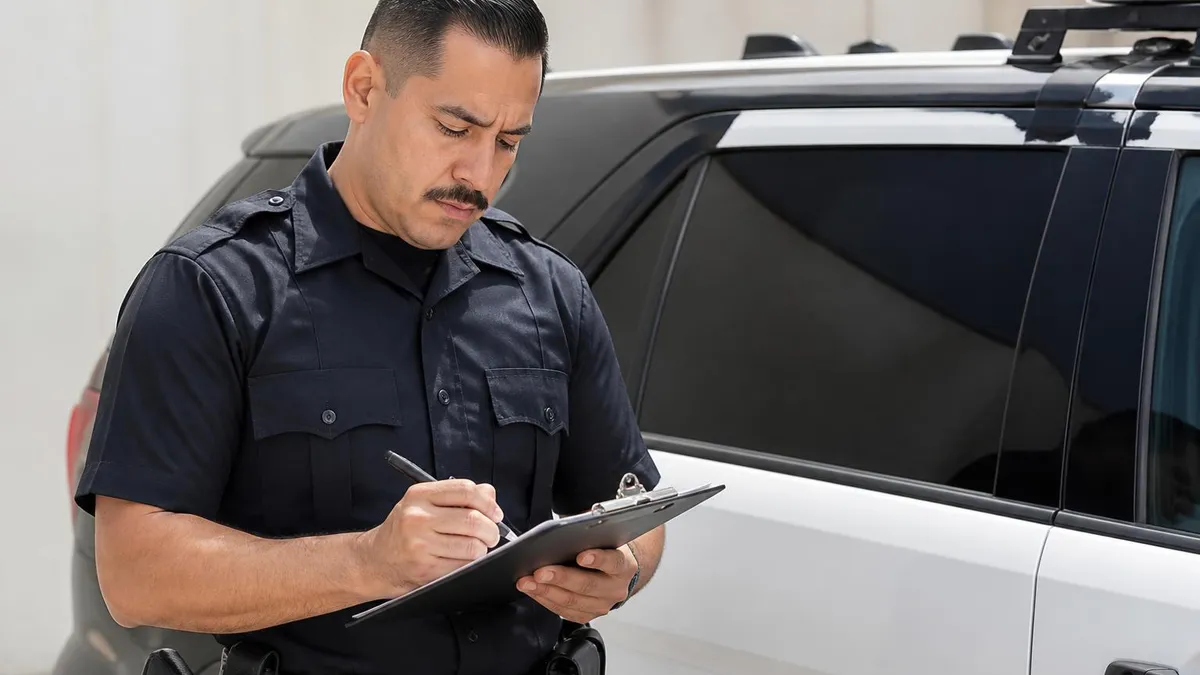
Join LAPD: Complete 2026 Guide to Becoming a Los Angeles Police Officer
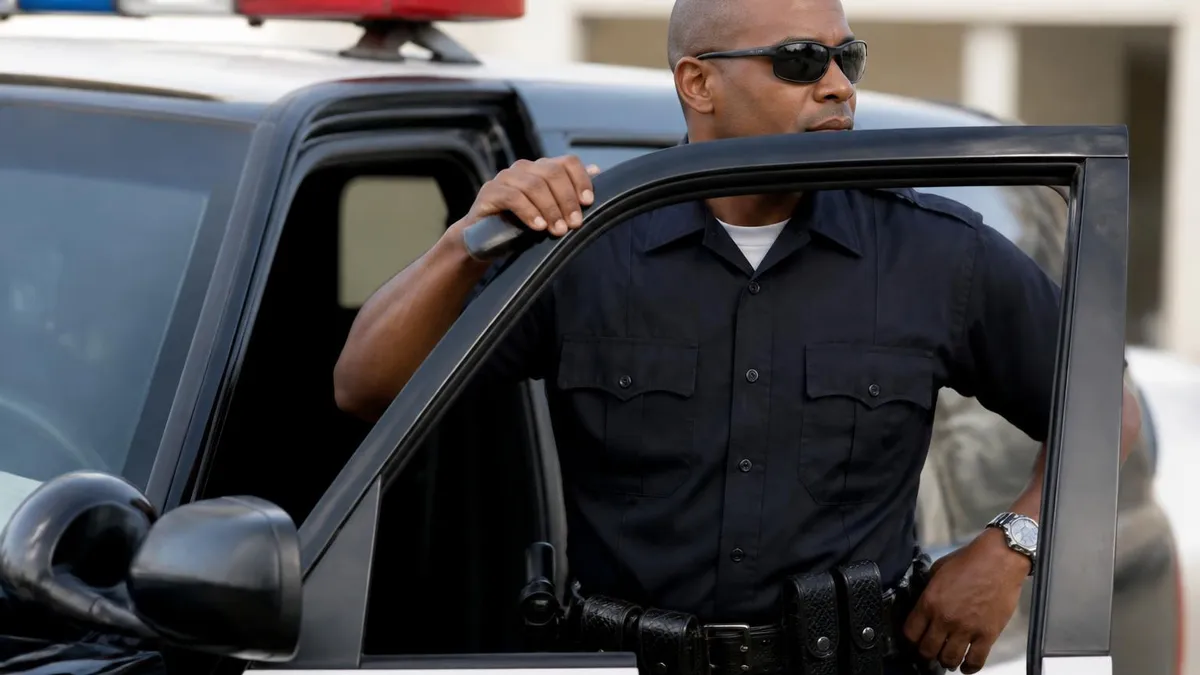
Los Angeles Police Department Divisions and Stations: Every Area Office Mapped
LAPD Practice Test Video Answers
About the Author

Law Enforcement Trainer & Civil Service Exam Specialist
John Jay College of Criminal JusticeMarcus B. Thompson earned his Master of Arts in Criminal Justice from John Jay College of Criminal Justice and served 12 years as a law enforcement officer before transitioning to full-time academy instruction. He is a POST-certified instructor who has prepared candidates for police entrance exams, firefighter assessments, and civil service examinations across dozens of agencies.
Join the Discussion
Connect with other students preparing for this exam. Share tips, ask questions, and get advice from people who have been there.
View discussion (9 replies)