

IICRC WRT Practice Test
Updated for July 2026Key Takeaways
- The IICRC WRT certification is a widely recognized credential for water damage restoration professionals in the United States.
- The certification ensures that restoration professionals have the necessary knowledge and skills to effectively address water-related emergencies, from water extraction to mold remediation.
- Achieving the IICRC WRT certification can significantly enhance a restoration professional’s career by demonstrating their expertise and commitment to the industry.
- IICRC standards play a crucial role in guiding the water damage restoration industry, ensuring consistent and effective practices are followed.
- The IICRC WRT certification covers a range of water damage restoration techniques, including water extraction methods, dehumidification processes, and drying techniques.
IICRC WRT Practice Test: What to Expect on the Water Damage Restoration Exam
The IICRC WRT practice test mirrors the 50-question, multiple-choice format of the actual Water Damage Restoration Technician exam, which requires a 70% passing score and is administered after completing the 14-hour approved course. Questions pull directly from the ANSI/IICRC S500 Standard, covering psychrometry, Category 1-3 water classifications, and Class 1-4 evaporation loads.
Score-Boosting Focus Areas
Prioritize drying chamber calculations, dehumidifier sizing (refrigerant vs. LGR vs. desiccant), and the four principles of drying: extraction, evaporation, dehumidification, and temperature control. Expect scenario-based questions on initial moisture readings, antimicrobial application, and documentation per S500 Section 12.
IICRC WRT Practice Test Questions
Prepare for the IICRC WRT - Institute of Inspection, Cleaning and Restoration Certification Water Damage Restoration Technician exam with our free practice test modules. Each quiz covers key topics to help you pass on your first try.
IICRC WRT Basic
IICRC WRT Exam Questions covering Basic. Master IICRC WRT Test concepts for certification prep.
IICRC WRT Documentation and Industry Stand...
Free IICRC WRT Practice Test featuring Documentation and Industry Standards. Improve your IICRC WRT Exam score with mock test prep.
IICRC WRT Drying Equipment and Procedures
IICRC WRT Mock Exam on Drying Equipment and Procedures. IICRC WRT Study Guide questions to pass on your first try.
IICRC WRT Health and Safety
IICRC WRT Test Prep for Health and Safety. Practice IICRC WRT Quiz questions and boost your score.
IICRC WRT Moisture Inspection and Monitoring
IICRC WRT Questions and Answers on Moisture Inspection and Monitoring. Free IICRC WRT practice for exam readiness.
IICRC WRT Psychrometrics and Drying Science
IICRC WRT Mock Test covering Psychrometrics and Drying Science. Online IICRC WRT Test practice with instant feedback.
IICRC WRT Restoration Health and Safety
Free IICRC WRT Quiz on Restoration Health and Safety. IICRC WRT Exam prep questions with detailed explanations.
IICRC WRT Restorative Cleaning
IICRC WRT Practice Questions for Restorative Cleaning. Build confidence for your IICRC WRT certification exam.
IICRC WRT Water Categories and Classification
IICRC WRT Test Online for Water Categories and Classification. Free practice with instant results and feedback.
IICRC WRT Water Damage Restoration
IICRC WRT Study Material on Water Damage Restoration. Prepare effectively with real exam-style questions.
What is the IICRC WRT Certification?
Understanding the IICRC WRT Institute of Inspection, Cleaning and Restoration Certification Water
The IICRC WRT (Water Restoration Technician) certification is key for water damage restoration pros. It gives them the skills to tackle various water emergencies. This includes flood cleanup, sewage removal, and stopping mold before it starts.
The IICRC WRT certification is a top mark in water damage restoration. It shows a technician knows the latest iicrc standards and how to extract water, dry structures, and control moisture. This ensures projects are done right, protecting your property and health.
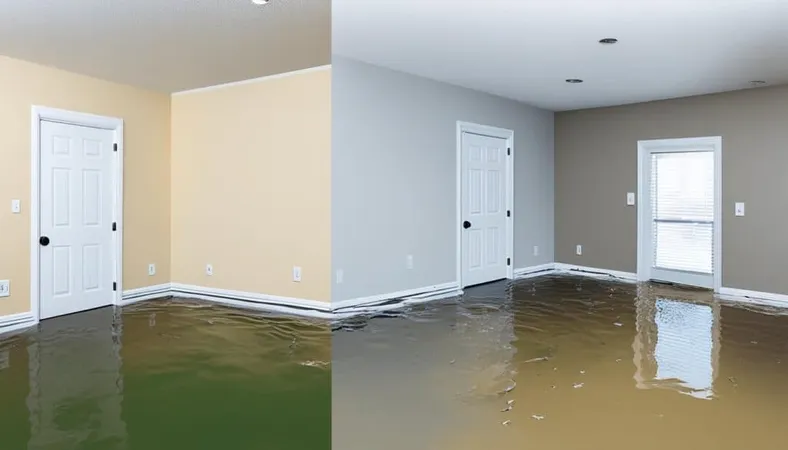
Importance of IICRC Standards in Water Damage Restoration
IICRC standards are vital in water damage restoration. They set the bar for quality and safety. They cover everything from dehumidification techniques to flood remediation and sewage cleanup. Following these standards means reliable and safe service for clients.
Having the IICRC WRT certification shows a technician’s skill and dedication. It means they offer top-notch water damage restoration. Knowing about this certification and IICRC standards helps property owners and insurance folks trust certified technicians.
- ✓Review the official IICRC WRT exam content outline
- ✓Take a diagnostic practice test to identify weak areas
- ✓Create a study schedule (4-8 weeks recommended)
- ✓Focus on your weakest domains first
- ✓Complete at least 3 full-length practice exams
- ✓Review all incorrect answers with detailed explanations
- ✓Take a final practice test 1 week before exam day
Water Extraction Methods and Equipment
Key Components of the Water Restoration Technician Training
The IICRC Water Restoration Technician (WRT) certification program teaches vital skills for fixing water damage. It focuses on learning how to remove water and dry out areas. This includes mastering how to use equipment and understand drying and dehumidification.
Learning how to remove water is key in the WRT program. Students get to use special equipment like truck-mounted or portable extractors. They also learn about moisture mapping to find where the water is.
Dehumidification Processes and Drying Techniques
The training also covers drying and dehumidification. Students learn to use big dehumidifiers and air movers to dry out areas. They study psychrometry, the science of air and moisture, to make sure everything dries right.
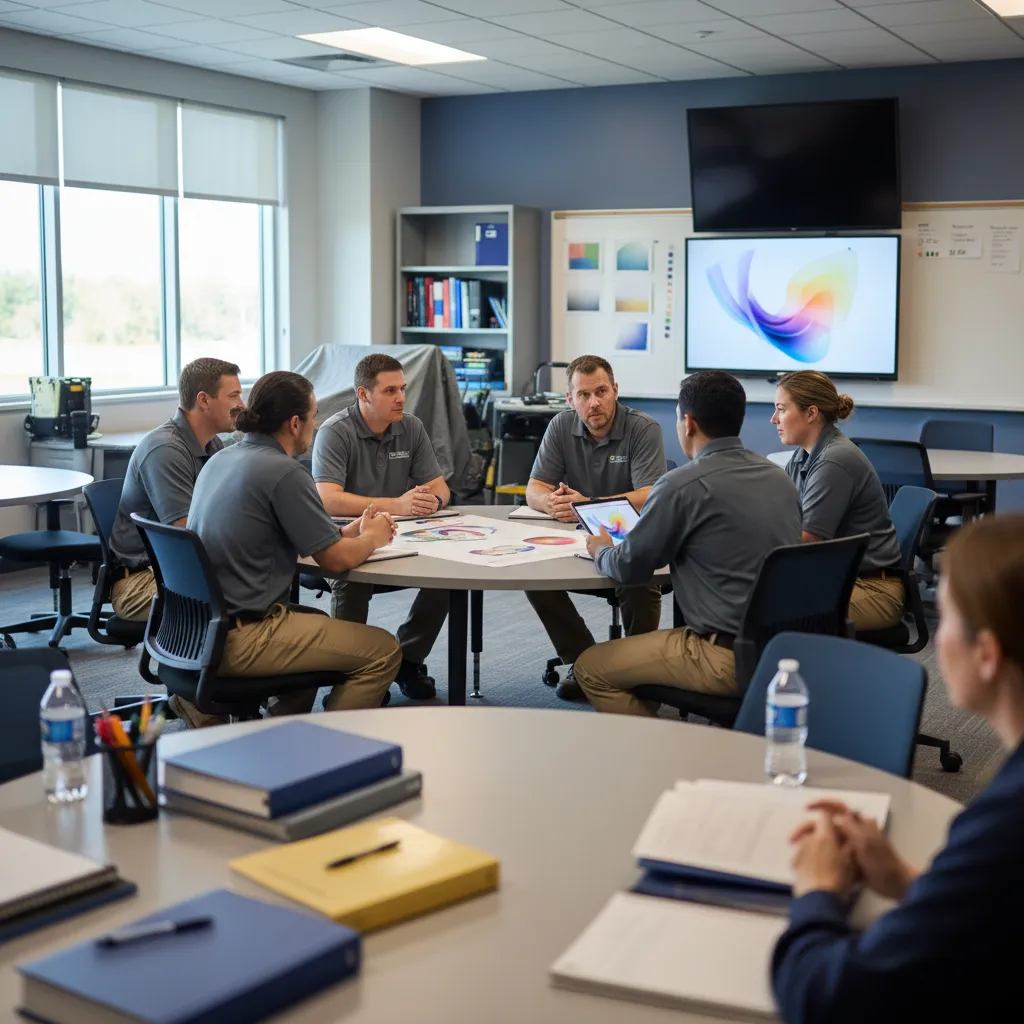
IICRC WRT: Pros and Cons
- +iicrc wrt — iICRC WRT certification validates expertise recognized by employers nationwide
- +Certified professionals typically earn 15-20% higher salaries
- +Opens doors to advanced positions and leadership roles
- +Demonstrates commitment to professional standards and ethics
- +Builds a strong professional network through certification communities
- −Exam preparation typically requires 2-4 months of dedicated study
- −Certification and exam fees can range from $150-$500+
- −Must complete continuing education to maintain active certification
- −Pass rates vary — thorough preparation is essential for success
- −Some certifications require prerequisite experience or education
IICRC WRT Questions and Answers
About the Author

Manufacturing Engineer & Quality Certification Expert
Purdue University School of Industrial EngineeringDr. James Park is a licensed Professional Engineer and Six Sigma Black Belt with a Master of Science in Industrial Engineering from Purdue University. He has 17 years of manufacturing operations and quality management experience across automotive and aerospace industries. Dr. Park coaches manufacturing professionals through Six Sigma, Lean Manufacturing, CPIM, and quality engineering certification exams.
Join the Discussion
Connect with other students preparing for this exam. Share tips, ask questions, and get advice from people who have been there.
View discussion (7 replies)