
HVAC Tech Day: What It Is, Why It Matters, and How to Celebrate and Advance Your HVAC Career
What is HVAC Tech Day? Learn how to celebrate, grow your skills, and honor the trade. Real tips for technicians at every level. 🏆
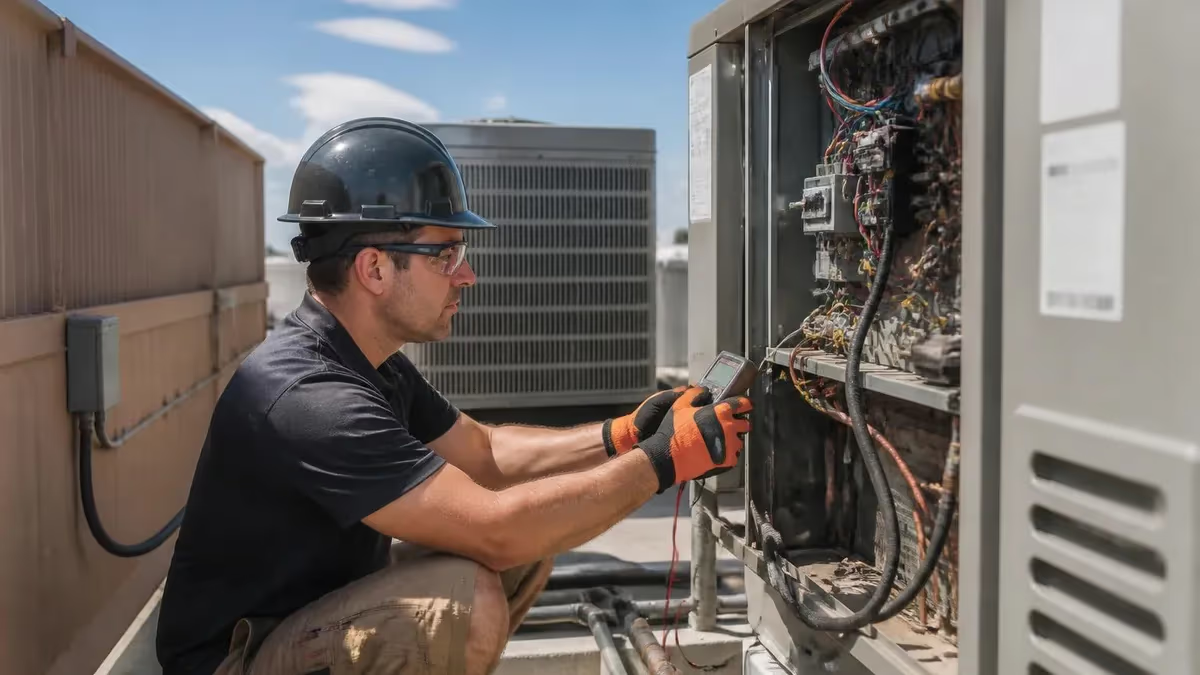
Every year, the HVAC industry sets aside a dedicated moment to honor the skilled professionals who keep homes cool in the summer, warm in the winter, and breathing clean air all year long. HVAC Tech Day is a growing recognition movement that celebrates the technicians, installers, and engineers behind one of America's most essential trades. Whether you are a seasoned veteran with twenty years under your belt or a first-year apprentice still mastering refrigerant recovery, this day is your opportunity to be seen, appreciated, and motivated to keep pushing forward in a career that truly matters.
The origins of hvac tech day awareness trace back to grassroots efforts within trade associations and manufacturer communities who recognized that HVAC professionals were chronically underappreciated compared to other skilled trades. Unlike electricians or plumbers, HVAC technicians often work invisibly — inside attics, crawl spaces, and mechanical rooms — solving complex problems that most homeowners never fully understand. The growing recognition movement aims to change that narrative by spotlighting the technical expertise, physical demands, and genuine societal value that every HVAC professional brings to work each day.
HVAC technicians in the United States number more than 400,000 according to Bureau of Labor Statistics data, and that workforce is projected to grow by 9 percent through 2032 — faster than most other occupations. This growth reflects increasing demand for energy-efficient systems, refrigerant transitions driven by new environmental regulations, and the continued expansion of smart-home climate control technologies. HVAC Tech Day taps into this momentum by encouraging industry stakeholders — from manufacturers to employers to customers — to actively acknowledge the people making that growth possible on job sites every single day.
Celebrations take many forms depending on your employer, your region, and your local trade community. Some HVAC companies use the occasion to host team lunches, recognize top performers with bonuses or awards, or invest in continuing education opportunities for their crews. Others organize community outreach events where technicians volunteer skills for nonprofit organizations, schools, or low-income households. Manufacturers and distributors frequently run special promotions tied to the day, offering discounted tools, training vouchers, or free certification prep resources that help technicians level up their credentials without breaking the bank.
For individual technicians, HVAC Tech Day is also a powerful moment for personal reflection and professional goal-setting. The industry evolves rapidly — new refrigerants like R-454B are replacing legacy blends, variable-speed technology is becoming standard rather than premium, and indoor air quality has moved from a niche concern to a mainstream selling point following the COVID-19 pandemic. Taking time each year to assess where your skills stand, what certifications you still need, and what salary benchmarks you should be targeting can make the difference between a stagnant career and genuine upward mobility in one of America's most recession-resistant trades.
Employers who actively celebrate HVAC Tech Day report meaningful improvements in technician retention and morale. A 2024 industry survey found that companies hosting recognition events saw 18 percent lower voluntary turnover among their service technicians compared to companies that did not. In an era where the skilled-labor shortage is forcing some HVAC contractors to turn away profitable work due to staffing gaps, retention investments tied to recognition and appreciation are no longer optional extras — they are strategic business decisions that directly affect revenue and customer satisfaction scores.
Whether you are a technician looking for ways to make the most of this annual recognition, a shop owner wondering how to structure a meaningful celebration for your team, or a newcomer to the trade wanting to understand the culture you are entering, this guide covers everything you need to know about HVAC Tech Day, why it matters, and how to use it as a launchpad for a stronger, more rewarding career in one of the most vital skilled trades in the country.
HVAC Trade by the Numbers
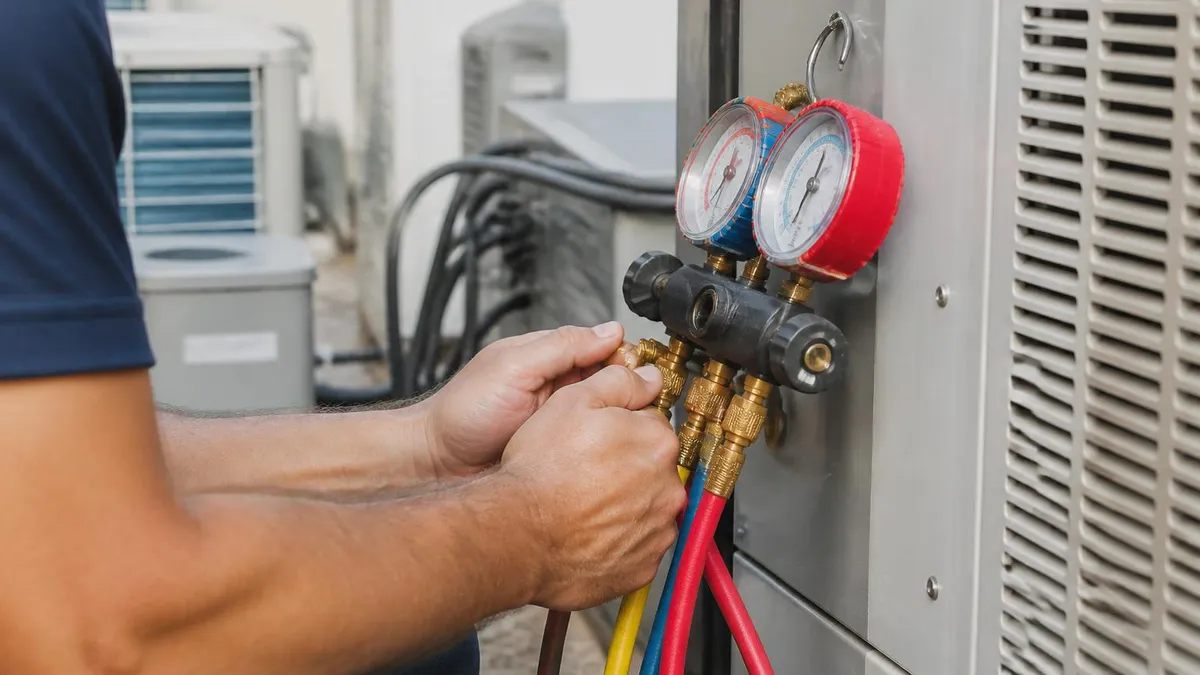
What HVAC Tech Day Actually Celebrates
HVAC techs master thermodynamics, electrical systems, refrigerant chemistry, and airflow engineering simultaneously. Tech Day recognizes the years of training and hands-on experience required to diagnose and repair complex climate systems safely and correctly.
The job demands crawling through attics in 130-degree summer heat, working in freezing mechanical rooms, and lifting heavy equipment under time pressure. HVAC Tech Day acknowledges the physical sacrifice that rarely appears in job descriptions but defines the daily reality.
Properly functioning HVAC systems prevent heat-related illness, mold growth, carbon monoxide poisoning, and poor indoor air quality. Technicians protecting these systems are, in effect, protecting public health — a contribution that HVAC Tech Day brings into the spotlight.
Modern HVAC professionals manage refrigerant transitions, optimize system efficiency, and install heat pumps that reduce carbon footprints. Tech Day honors their growing role in the fight against climate change through smarter, greener climate control systems.
When extreme weather hits — whether a summer heat wave or a winter freeze — HVAC technicians are on emergency call, ensuring vulnerable populations have safe temperatures. Tech Day highlights this unsung community service role that extends far beyond ordinary business hours.
Organizing a meaningful HVAC Tech Day celebration does not require a large budget or an elaborate event. For shop owners and service managers, the most impactful gestures are often the simplest: a handwritten recognition note paired with a gift card, a team meal where leadership openly acknowledges specific contributions, or an afternoon off following a brutally busy service season. Technicians consistently report that feeling genuinely seen and valued by leadership matters more than the monetary value of any reward. Authenticity drives retention far more effectively than generic gift baskets ever could.
For employers who want to invest more substantially, HVAC Tech Day is an ideal occasion to announce or fund training opportunities. Sponsoring a technician's NATE certification exam fees, covering the cost of an EPA 608 prep course, or sending a promising apprentice to a regional trade show are investments that pay dividends for years.
Technicians who receive employer-funded education are significantly more likely to remain with that company and to recommend it as a great place to work — a critical advantage when recruiting in a market where qualified HVAC professionals are in chronically short supply across virtually every region of the country.
Community engagement is another powerful avenue for celebrating the trade. Partnering with a local nonprofit to provide free HVAC inspections for elderly residents, donating a tune-up service to a school or community center, or hosting a career day at a vocational school are all ways to turn HVAC Tech Day into something larger than an internal office celebration. These community-facing activities generate positive press coverage, reinforce your company brand, and give technicians a tangible sense of pride in the social value their skills create beyond standard service calls and installation jobs.
Individual technicians can make the most of HVAC Tech Day by using it as a personal benchmark moment. Review your certifications: are any expiring soon? Map out which additional credentials would qualify you for higher-paying work or supervisory roles. Research salary data for your region and experience level — are you being compensated fairly relative to market rates? Tools like the BLS Occupational Outlook Handbook and industry salary surveys from ACCA or PHCC provide reliable benchmarks that can inform a productive conversation with your employer about compensation adjustments or advancement timelines.
Social media offers HVAC technicians an increasingly powerful platform for participating in Tech Day recognition on a broader scale. Sharing a photo of your service van, a particularly challenging job you completed, or a before-and-after of a system upgrade with hashtags tied to HVAC Tech Day builds community among technicians nationwide and helps educate the general public about what the trade actually involves. Several HVAC manufacturers and distributors run social media contests tied to the day, offering tool prizes, training vouchers, or merchandise to technicians who share their stories compellingly and authentically.
Apprentices and entry-level technicians should view HVAC Tech Day as more than a feel-good occasion — it is a networking opportunity. Many trade events, webinars, and manufacturer open houses are scheduled around the recognition period. Attending these events connects you with experienced mentors, exposes you to new product technologies, and helps you build relationships with suppliers and distributors whose knowledge and resources can accelerate your professional development. The HVAC industry is highly relationship-driven, and the connections made at industry events often translate directly into job referrals, business partnerships, and mentorship arrangements that shape careers for decades.
For those transitioning into HVAC from other trades or from unrelated fields, HVAC Tech Day sends an important signal: this industry welcomes and values people who bring diverse skills and life experience. Former military personnel, automotive technicians, plumbers, and electricians frequently find that their existing technical foundations translate powerfully into HVAC competence, often accelerating their learning curve significantly. The industry's current labor shortage means that motivated career-changers who pursue proper training and certification can enter mid-level roles faster than in many other skilled trades.
Career Growth on HVAC Tech Day and Beyond
EPA Section 608 certification is federally mandated for any technician who purchases or handles refrigerants, making it the non-negotiable baseline credential for the industry. Beyond the EPA requirement, NATE (North American Technician Excellence) certification is widely regarded as the industry's premier voluntary credential, recognized by manufacturers, utilities, and contractors as a mark of genuine technical competence. Technicians with NATE credentials command salary premiums of $3,000 to $8,000 annually compared to uncertified peers in similar roles.
State licensure requirements add another layer of credential planning for HVAC professionals. Some states — including California, Texas, Florida, and New York — require separate state contractor or journeyman licenses beyond federal EPA certification. HVAC Tech Day is an ideal time to audit your credential portfolio: check expiration dates, identify gaps for your target market, and map out a timeline for completing any missing certifications. Manufacturers like Lennox, Carrier, and Trane also offer factory certification programs that qualify technicians for warranty work and preferred installer status, which can significantly expand your service territory and customer base.
Is HVAC the Right Long-Term Career for You?
- +Strong job security with 9% projected growth through 2032 — recession-resistant demand
- +Competitive median salary of $64K with significant upside for experienced specialists
- +No four-year degree required — apprenticeship pathways offer earn-while-you-learn entry
- +Diverse daily work with constantly evolving technology keeps the job intellectually engaging
- +Genuine societal impact — keeping homes and businesses safe, comfortable, and efficient
- +Clear certification ladder provides structured pathway for advancement and higher pay
- −Physically demanding work — heat, confined spaces, heavy lifting, and awkward postures
- −On-call requirements during extreme weather events disrupt personal schedules significantly
- −Ongoing education required as refrigerant regulations, codes, and technology evolve constantly
- −Startup costs for tools and a service vehicle can reach $10,000 or more for independent techs
- −Seasonal income fluctuations can challenge cash flow planning for independent contractors
- −Customer-facing service role means absorbing frustration from homeowners during system emergencies
HVAC Tech Day Action Checklist
- ✓Audit all current certifications for expiration dates and renew any lapsing within 12 months.
- ✓Research current median HVAC salaries in your metro area using BLS and ACCA survey data.
- ✓Schedule at least one continuing education course or manufacturer training for the coming quarter.
- ✓Connect with at least three other HVAC professionals through trade association events or LinkedIn.
- ✓Review your tool inventory and identify any gaps that limit your service capabilities.
- ✓Take at least one HVAC practice test to benchmark your current technical knowledge.
- ✓Ask your employer about available training subsidies, certification reimbursements, or advancement paths.
- ✓Volunteer one service hour for a nonprofit, school, or low-income household HVAC inspection.
- ✓Post about your HVAC career on social media to help normalize and improve trade professions.
- ✓Set three specific, measurable career goals to accomplish before next HVAC Tech Day.
Certification Pays — Literally
NATE-certified HVAC technicians earn an average of $5,500 more per year than non-certified peers in equivalent roles. Over a 30-year career, that premium compounds to more than $165,000 in additional earnings — making the investment in certification prep one of the highest-return financial decisions any HVAC professional can make at any stage of their career.
Understanding the full landscape of HVAC certifications is essential for any technician who wants to maximize earning potential and career mobility. The EPA Section 608 certification is divided into four types: Type I covers small appliances, Type II addresses high-pressure systems, Type III covers low-pressure systems, and the Universal certification encompasses all three categories. Most technicians pursuing a complete career should aim for Universal certification, which eliminates any restrictions on the types of equipment they can service and makes them attractive to the widest range of employers.
NATE certification, offered by the North American Technician Excellence organization, is structured around specific knowledge areas including air conditioning, air distribution, heat pumps, gas heating, oil heating, and commercial refrigeration. Technicians can pursue single-specialty certification or stack multiple specialty credentials over time. The exams are challenging — NATE reports that roughly 60 percent of first-time test-takers pass — which is precisely why earning the credential carries real market value. Preparation matters enormously, and technicians who invest in systematic study and practice testing dramatically improve their pass rates compared to those who attempt the exam cold.
State contractor licensing represents another credential tier that is increasingly important as technicians move toward running their own businesses or taking on supervisory roles. Requirements vary dramatically by state — some require only passing a written exam, while others mandate specific years of documented work experience, proof of insurance, and continuing education hours for license renewal. Researching your specific state's HVAC licensing board requirements early in your career allows you to plan your experience accumulation and education investments in ways that will eventually qualify you for licensure without wasted detours.
Manufacturer certification programs offered by companies like Carrier, Lennox, Trane, Mitsubishi Electric, and Daikin provide additional market differentiation for technicians willing to invest time in product-specific training. These programs typically involve completing online coursework, attending hands-on training sessions at regional training centers, and passing product knowledge assessments. The payoff is being listed on manufacturer dealer locator websites as a preferred or certified installer, generating customer referrals that competitors without the designation cannot access. For technicians building independent businesses, manufacturer certifications can be a significant customer acquisition advantage.
Indoor air quality (IAQ) credentials are becoming increasingly relevant as residential and commercial customers prioritize air filtration, humidity control, UV purification, and ventilation auditing in the wake of heightened awareness about airborne health risks. Organizations including the Indoor Air Quality Association (IAQA) and ASHRAE offer specialized credentials in indoor environment assessment and management. Technicians who can credibly discuss IAQ solutions — ERVs, HRVs, whole-home dehumidifiers, HEPA filtration systems — and back those conversations with formal credentials close more premium upgrades and build deeper customer trust than competitors who rely solely on mechanical repair skills.
Refrigerant transition credentials are an emerging and urgent priority for the industry as the phasedown of HFC refrigerants like R-410A accelerates under the American Innovation and Manufacturing Act. The replacement refrigerants — primarily A2L mildly flammable blends like R-454B and R-32 — require updated handling procedures, safety awareness, and equipment compatibility knowledge. Several training organizations and manufacturers are offering early-transition courses that position participating technicians as A2L-ready well ahead of the broader workforce, creating a temporary expertise gap that early adopters can monetize through premium service positioning.
Building automation and HVAC controls training rounds out the advanced credential picture for technicians interested in the commercial sector. Building Management Systems (BMS) and Building Automation Systems (BAS) integrate HVAC, lighting, fire safety, and access control into unified digital platforms that require specialized programming and commissioning skills. Technicians who combine traditional HVAC mechanical expertise with controls programming knowledge — platforms like Johnson Controls Metasys, Siemens Desigo, or Honeywell Niagara — command some of the highest compensation in the entire industry, often transitioning into hybrid roles that blend field service with project management and engineering consultation.
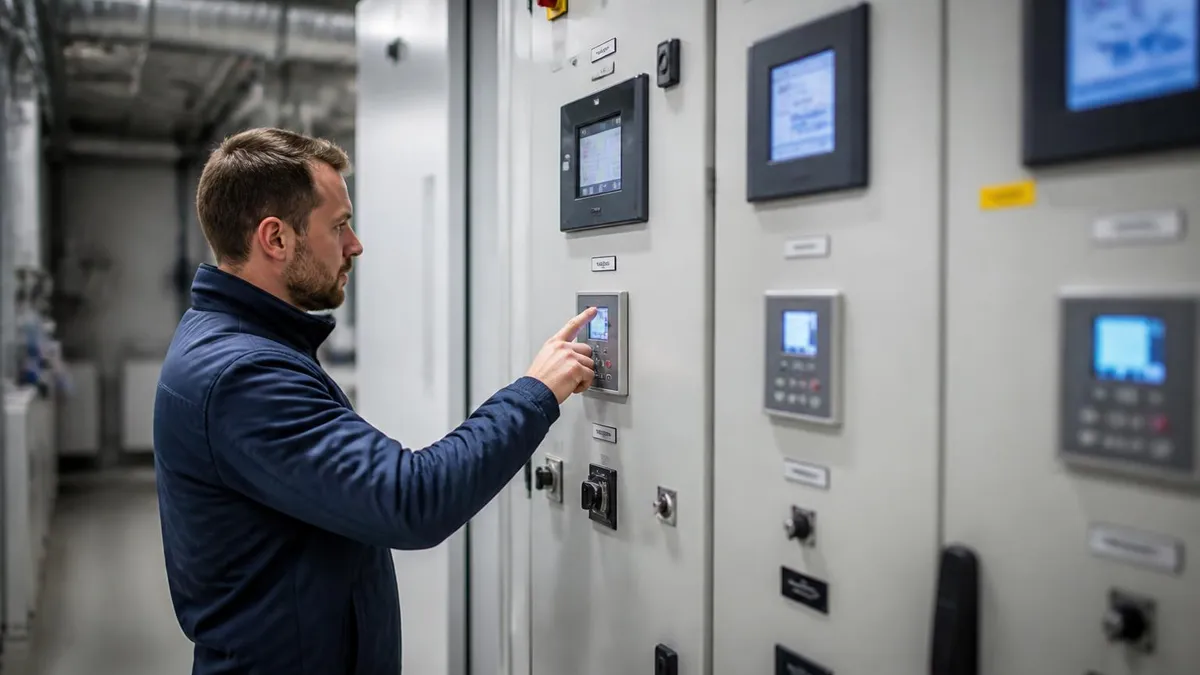
New HVAC equipment manufactured after January 1, 2025 must use next-generation A2L refrigerants rather than R-410A under EPA regulations implementing the AIM Act. Technicians who have not yet completed A2L safety training may be unable to service new equipment legally or safely. Check with your state licensing board and equipment suppliers for approved A2L training resources before servicing new systems.
For HVAC employers, HVAC Tech Day provides a structured annual moment to evaluate company culture honestly and make targeted improvements. The HVAC industry's most persistent business challenge is not equipment supply or customer acquisition — it is finding and retaining skilled technicians in a market where competition for qualified labor is fierce and growing. Companies that build genuine recognition cultures, invest in ongoing education, provide clear advancement pathways, and treat their technicians as valued professionals rather than interchangeable labor consistently outperform competitors on every business metric from revenue growth to customer satisfaction scores.
Structured mentorship programs are one of the highest-impact investments HVAC companies can make, and HVAC Tech Day is a natural launch point for initiating or expanding a mentorship initiative. Pairing experienced technicians with apprentices or entry-level technicians creates a knowledge transfer mechanism that accelerates skill development, reduces costly mistakes on service calls, and builds loyalty from both the mentor — who feels trusted and recognized as an expert — and the mentee, who receives personalized guidance that classroom training alone cannot provide. Many companies find that mentor-mentee pairs develop into long-term professional relationships that anchor both individuals to the organization.
Customer communication around HVAC Tech Day is an underutilized marketing opportunity for service companies. Sending a customer email or postcard that explains the occasion, highlights the certifications and training your team holds, and thanks customers for trusting your technicians with their comfort systems reinforces brand trust in a way that generic promotional offers cannot replicate. Customers who understand the expertise behind their service relationship are more likely to renew maintenance agreements, accept system upgrade recommendations, and refer neighbors — all revenue outcomes that compound significantly over time for service-oriented HVAC businesses.
Trade schools and vocational programs play a crucial supporting role in the HVAC Tech Day ecosystem by creating the next generation of qualified technicians. Industry professionals who volunteer to speak at trade school career days, judge student competitions, or donate tools to school training labs invest directly in the labor supply that will sustain the industry over the next decade. These outreach activities also benefit individual technicians by building their public speaking confidence, their professional reputation, and their networks within the educational institutions that produce future colleagues and employees.
The growth of online communities and social media groups dedicated to HVAC professionals has created new dimensions for Tech Day participation that did not exist a decade ago. Facebook groups like HVAC School Community and Reddit forums focused on the trade attract tens of thousands of working technicians who share diagnostic tips, tool recommendations, code interpretation questions, and career advice daily. On HVAC Tech Day, these communities amplify recognition efforts organically, with technicians sharing stories, images, and advice that collectively build public appreciation for the trade in ways that no single employer campaign could achieve independently.
Compensation benchmarking is a specific action that both employers and employees should prioritize around HVAC Tech Day. For employers, conducting an annual pay equity review ensures that your compensation structure remains competitive with the market — falling behind even modestly in a tight labor market can trigger a departure cascade when a better-paying competitor recruits one or two of your top performers. For individual technicians, benchmarking confirms whether your current pay reflects your skill level, certifications, and local cost of living, and provides objective data for salary negotiation conversations that might otherwise feel uncomfortably confrontational or subjective.
Finally, HVAC Tech Day is a moment to appreciate the broader ecosystem of professionals who support the trade. Distributors who stock critical parts, technical support specialists who help diagnose unusual system failures over the phone, training instructors who generously share their expertise, and office staff who schedule calls and manage customer relationships all contribute to the success of every HVAC technician in the field.
Acknowledging these relationships — with a genuine thank-you, a positive online review, or a small gesture of appreciation — builds the collaborative professional culture that makes the HVAC industry resilient, innovative, and ultimately rewarding for everyone who is part of it.
Preparing for HVAC certification exams requires a disciplined, structured approach that goes well beyond reviewing textbook material passively. Successful technicians who consistently pass first-time report that active practice testing is the single most effective study strategy available. Working through realistic practice questions forces your brain to retrieve and apply knowledge under time pressure — which mirrors actual exam conditions far more accurately than re-reading notes or watching instructional videos, both of which create an illusion of competence without building the retrieval pathways that lead to correct answers under pressure.
Spaced repetition is the scientifically validated learning technique most aligned with HVAC exam content mastery. Rather than cramming all your study into a single marathon session before exam day, distributing practice sessions across multiple weeks — with increasing intervals between reviews of material you have already mastered — builds durable long-term retention rather than fragile short-term memory. Flashcard apps that implement spaced repetition algorithms can be particularly effective for memorizing refrigerant properties, pressure-temperature relationships, electrical code requirements, and load calculation formulas that form the factual backbone of most HVAC certification exams.
Understanding exam structure helps you allocate study time efficiently. The NATE exams weight different knowledge domains differently — for example, the Air Conditioning specialty exam emphasizes refrigeration fundamentals, system diagnostics, and electrical troubleshooting more heavily than ductwork design or administrative topics. Reviewing the official NATE candidate handbook, which details the specific knowledge areas and their relative weights, allows you to concentrate your preparation energy where it will yield the highest return on the actual scored exam rather than spreading effort uniformly across all topics regardless of their tested importance.
Hands-on practice complements written study in ways that no amount of reading can replace. If your employer or training program provides access to HVAC training boards — systems specifically configured for educational diagnosis practice — use that access as intensively as possible in the weeks before your exam. Being able to physically trace a refrigerant circuit, measure superheat and subcooling on a running system, or identify an electrical fault using a multimeter builds the procedural memory and pattern recognition that experienced technicians rely on automatically in the field and that exam questions frequently test in scenario-based formats.
Study groups of three to five peers can dramatically accelerate exam preparation by combining diverse knowledge bases, creating accountability, and making the study process socially engaging enough to sustain through weeks of preparation. Explaining concepts to peers is a particularly powerful learning strategy — if you can teach refrigerant cycle theory or psychrometrics clearly to a colleague who is struggling with it, you have genuinely mastered the material yourself.
Finding or forming a study group through your apprenticeship program, trade school, or local HVAC union chapter can transform preparation from an isolated grind into a collaborative process that many technicians describe as one of the most valuable professional development experiences of their early careers.
Practice tests specifically designed to mirror the format, difficulty level, and content distribution of your target certification exam are among the most efficient preparation tools available. Quality practice tests expose you to question types you have not encountered before, reveal knowledge gaps you did not know existed, and build exam-day confidence through repeated successful performance. Taking a full-length timed practice test under realistic conditions — no breaks, no reference materials, strict time limit — at least two or three times in the final weeks before your exam closely simulates the psychological and cognitive demands of the actual testing experience.
Post-exam reflection, whether you pass or need to retake, extracts maximum learning value from every testing experience. If you pass, identify which topics you found most challenging and invest in deepening that knowledge before it creates problems in the field. If you need to retake, request your score report, analyze which domains need improvement, adjust your study plan accordingly, and approach the next attempt with greater precision and confidence.
Most HVAC technicians who become true industry experts report that their early certification struggles were ultimately formative experiences that forced them to build the deep, systematic understanding that distinguishes excellent technicians from merely adequate ones.
HVAC Questions and Answers

Finance a New HVAC System: 2026 Loans, 0% APR, and Rebates

HVAC Installer Duties: Complete Guide to Daily Responsibilities, Required Skills, Certifications, and Career Growth
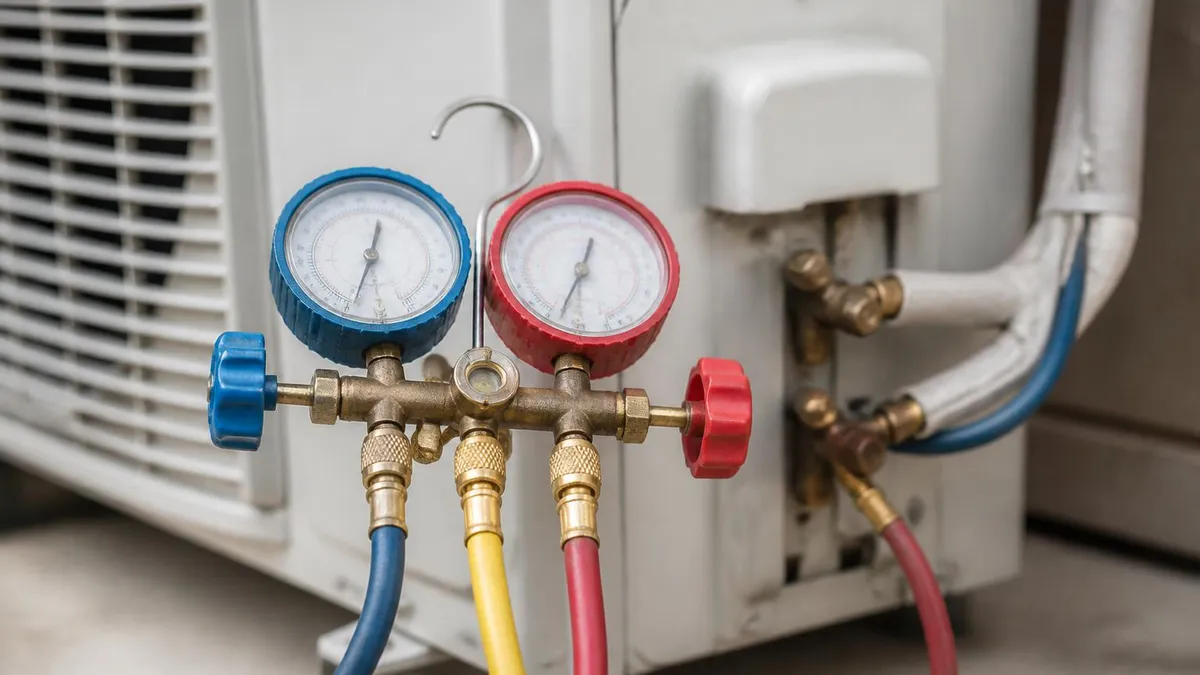
HVAC Design: The Complete Guide to Heating, Ventilation, and Air Conditioning System Planning for Homes and Commercial Buildings
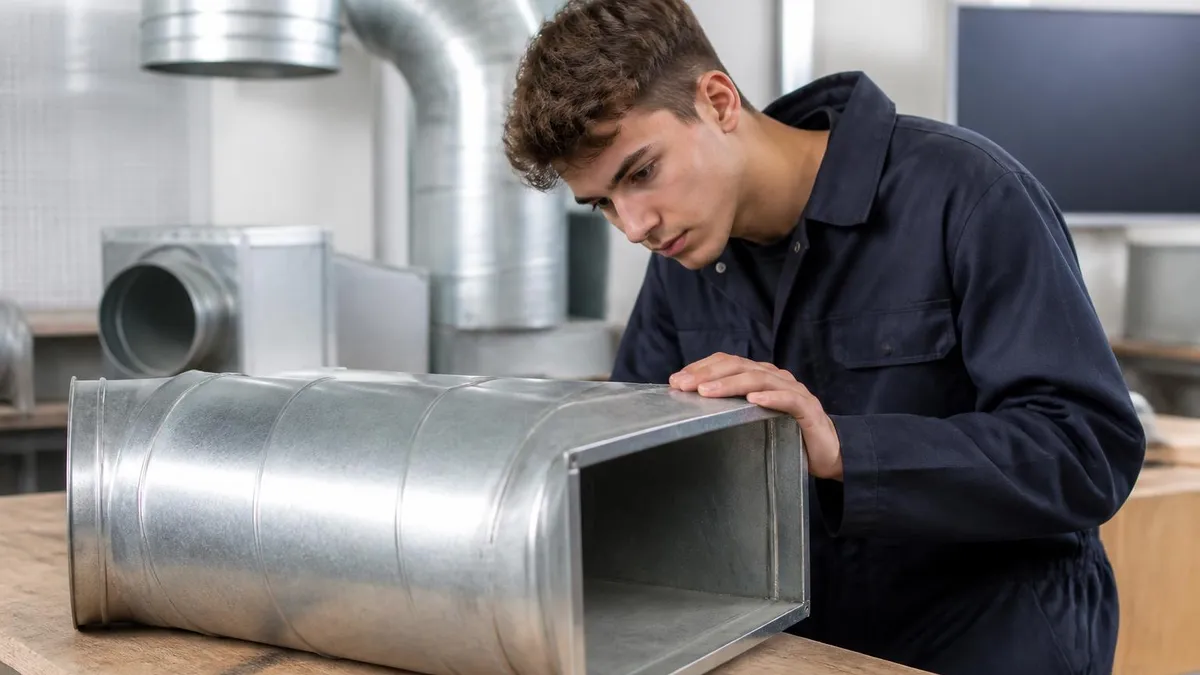
HVAC Duct Repair: Common Issues, Costs, and DIY vs Professional

HVAC and Plumbing: How These Two Trades Intersect, What Technicians Need to Know, and How to Build a Career in Both
About the Author

NATE Certified HVAC Technician & Licensing Exam Trainer
Universal Technical InstituteMike Johnson is a NATE-certified HVAC technician and EPA 608 universal-certified refrigerant handler with a Bachelor of Science in HVAC/R Technology. He has 19 years of commercial and residential HVAC installation and service experience and specializes in preparing technicians for NATE certification, EPA 608, A2L refrigerant safety, and state HVAC contractor licensing examinations.