Ductless HVAC Installation: The Complete Homeowner's Guide to Mini-Split Systems, Costs, and Professional Setup
🏆 Ductless HVAC installation guide covering costs, sizing, mini-split setup steps, code requirements, and contractor selection for efficient home comfort.
Ductless HVAC installation has transformed how American homeowners heat and cool their homes, offering an efficient alternative to traditional central systems that require extensive ductwork running through walls, ceilings, and crawl spaces. A ductless system, often called a mini-split, consists of an outdoor compressor unit connected to one or more indoor air handlers through a small conduit carrying refrigerant lines, power wiring, and a condensate drain. This compact arrangement makes mini-splits ideal for additions, garages, sunrooms, and older homes that lack existing duct runs.
The technology behind ductless systems has matured dramatically over the past fifteen years, with inverter-driven compressors now achieving SEER2 ratings above 30 and HSPF2 numbers that rival geothermal heat pumps in mild climates. Modern units modulate their output continuously rather than cycling on and off, which reduces energy consumption, eliminates the temperature swings common with single-stage equipment, and dramatically extends compressor life. Homeowners frequently report 30 to 40 percent reductions in heating and cooling bills after replacing window units or aging central systems.
Installation complexity varies significantly based on the configuration chosen. A single-zone system serving one room may take a skilled technician four to six hours from start to finish, while a multi-zone installation with four or five indoor heads in a two-story home can stretch across two or three days. The work requires refrigeration certification, electrical knowledge, mounting precision, vacuum testing, and a thorough understanding of load calculations. Cutting corners on any of these steps creates problems that surface months or years later as efficiency losses or compressor failures.
Before any equipment arrives on site, a proper installation begins with a Manual J load calculation that accounts for insulation values, window orientation, infiltration rates, internal heat gains, and local climate data. Oversizing a mini-split is one of the most common installer mistakes, leading to short cycling, poor humidity control, and reduced equipment life. Right-sizing matters more with ductless equipment than with traditional systems because each indoor head is independently controlled and must match the specific load of its zone.
Permitting requirements vary by jurisdiction, but most US municipalities require an electrical permit for the dedicated 240-volt circuit feeding the outdoor unit and a mechanical permit for the refrigerant work. Some areas also mandate inspection of condensate drainage and exterior penetrations.
Homeowners considering DIY installation should review local codes carefully because unpermitted work can void manufacturer warranties, complicate homeowners insurance claims, and cause issues during future home sales. For broader context on system selection, our guide to HVAC Solutions: The Complete Guide to Heating, Cooling, and Indoor Air Quality Systems for Homes and Buildings compares ductless against central and hybrid setups.
This guide walks through the complete ductless HVAC installation process from initial assessment through commissioning, covering equipment selection, code compliance, electrical requirements, refrigerant handling, and post-install testing. Whether you're planning a single-zone garage retrofit or a whole-house multi-zone replacement, understanding what professional installation actually involves will help you make smarter decisions, ask better questions, and recognize quality workmanship when you see it.
The financial investment is substantial—typically $3,500 to $5,500 for a single-zone system and $8,000 to $18,000 for multi-zone configurations—but federal tax credits under the Inflation Reduction Act, state rebates, and utility incentives can offset 30 to 50 percent of the total cost for qualifying high-efficiency equipment. Combined with long-term energy savings, the payback period for most installations falls between five and nine years, depending on what equipment the new system replaces and local energy prices.
Ductless HVAC Installation by the Numbers
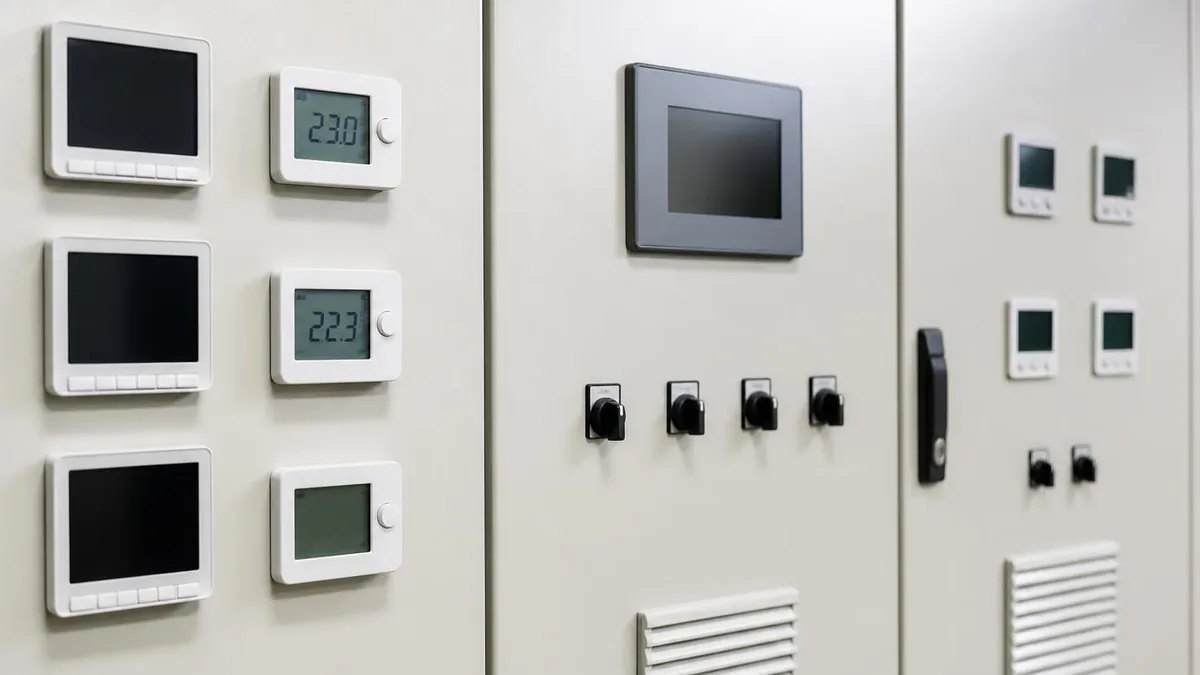
Installation Process Overview
Site Assessment & Load Calculation
Permit & Equipment Procurement
Mounting & Line Set Routing
Electrical Connection
Vacuum, Charge & Commissioning
Selecting the right equipment for a ductless HVAC installation starts with understanding the difference between BTU capacity and matched performance. A 12,000 BTU outdoor unit paired with a 12,000 BTU indoor head looks balanced on paper, but real-world performance depends on the inverter compressor's modulation range, the indoor coil's heat transfer characteristics, and how the manufacturer rates the system at part-load conditions. Look beyond nominal capacity to the AHRI certified ratings sheet, which shows actual performance at multiple operating points and external static pressures.
Single-zone systems serve one room with one indoor head and are the most efficient configuration available because the compressor matches one specific load. They work best for additions, sunrooms, garages, master bedrooms, or any space that operates on a different schedule from the rest of the home. The simplicity also makes them more reliable—fewer components means fewer failure points, and refrigerant charge calculations remain straightforward. Most single-zone systems use 1/4 inch liquid lines and 3/8 or 1/2 inch suction lines depending on capacity.
Multi-zone systems connect two to eight indoor heads to a single outdoor condenser, sharing one compressor across multiple spaces. This reduces the visual impact of outdoor equipment and simplifies electrical work, but it introduces efficiency penalties because the compressor must run whenever any single zone calls for conditioning. Multi-zone units also struggle when only one small zone is active because the compressor cannot modulate below its minimum capacity. For whole-house installations, several smaller multi-zone systems often outperform one large unit.
Indoor head styles range from the familiar wall-mounted cassette to ceiling-recessed four-way units, floor-mounted consoles, and concealed ducted air handlers that serve two or three rooms through short duct runs. Wall units are cheapest and easiest to service but dominate the room visually. Ceiling cassettes distribute air evenly across larger spaces but require attic or ceiling cavity access. Concealed ducted heads offer the cleanest aesthetic and work well in bedrooms grouped along one hallway.
Sizing each zone correctly requires the Manual J calculation discussed earlier, but also requires judgment about how the space will be used. A bedroom rated for 6,000 BTU based on construction and orientation may need 9,000 BTU if a homeowner runs computers, has multiple occupants sleeping there, or keeps the door closed during the day when sun loads peak. Conversely, a north-facing office that's only occupied a few hours daily can accept undersizing without comfort consequences.
Climate zone matters enormously for equipment selection in cold regions. Standard mini-splits lose significant capacity below 17°F outdoor temperature, but cold-climate models from manufacturers like Mitsubishi Hyper-Heat, Fujitsu Halcyon XLTH, and Daikin Aurora maintain 100 percent rated capacity down to 5°F and continue operating effectively to -15°F or lower.
These cold-climate units cost roughly 20 percent more but eliminate the need for backup heat strips or auxiliary heating in most US climates. For airflow distribution from these units into adjacent spaces, our guide on HVAC Vents: The Complete Homeowner's Guide to Types, Sizing, Placement, and Airflow Optimization covers transfer grilles and return strategies.
Brand selection involves balancing initial cost, parts availability, warranty terms, and contractor familiarity. Premium brands like Mitsubishi and Daikin typically command higher prices but offer 12-year compressor warranties when professionally installed and have extensive service networks. Mid-tier brands like LG, Samsung, and Fujitsu deliver comparable performance at lower costs. Budget brands available online often have limited US service support, which becomes critical when a compressor fails outside the homeowner's electrical or mechanical expertise.
HVAC Practice Test Questions
Prepare for the HVAC - Heating Ventilation and Air Conditioning exam with our free practice test modules. Each quiz covers key topics to help you pass on your first try.
HVAC Air Conditioning
HVAC Exam Questions covering Air Conditioning. Master HVAC Test concepts for certification prep.
HVAC Code Compliance
Free HVAC Practice Test featuring Code Compliance. Improve your HVAC Exam score with mock test prep.
HVAC Electrical Controls
HVAC Test Prep for Electrical Controls. Practice HVAC Quiz questions and boost your score.
HVAC Energy Efficiency
HVAC Questions and Answers on Energy Efficiency. Free HVAC practice for exam readiness.
HVAC Heating Systems
HVAC Mock Test covering Heating Systems. Online HVAC Test practice with instant feedback.
HVAC Load Calculations
Free HVAC Quiz on HVAC Load Calculations. HVAC Exam prep questions with detailed explanations.
HVAC Tools and Equipment
HVAC Practice Questions for HVAC Tools and Equipment. Build confidence for your HVAC certification exam.
HVAC Refrigeration
HVAC Test Online for Refrigeration. Free practice with instant results and feedback.
HVAC Safety Practices
HVAC Study Material on Safety Practices. Prepare effectively with real exam-style questions.
HVAC System Design
Free HVAC Test covering System Design. Practice and track your HVAC exam readiness.
HVAC Thermodynamics
HVAC Exam Questions covering Thermodynamics. Master HVAC Test concepts for certification prep.
Electrical, Refrigerant, and Mounting Requirements
Most ductless systems require a dedicated 240-volt circuit running from the main electrical panel to a disconnect within sight of the outdoor unit. Circuit size depends on the minimum circuit ampacity printed on the equipment nameplate, typically 15 to 30 amps for residential systems. The disconnect must be weatherproof if mounted outdoors and accessible without tools for emergency service. Wire gauge follows standard NEC tables, with 12 AWG for 20-amp circuits and 10 AWG for 30-amp circuits at typical residential distances.
Communication wiring between the outdoor condenser and indoor heads carries low-voltage signals that control compressor speed, fan operation, and error reporting. Most manufacturers specify 14 AWG four-conductor stranded cable, though some newer systems use shielded twisted-pair similar to thermostat wire. Running this cable in the same conduit as line voltage is permitted only when both are rated for the same insulation class. Grounding bonds the outdoor unit chassis to the home's grounding electrode system, providing fault path and lightning protection.

Ductless vs Traditional Central HVAC Installation
- +No ductwork required, eliminating major construction in finished homes
- +Zoning is inherent—each indoor head operates independently with its own thermostat
- +Higher efficiency ratings, with SEER2 numbers reaching 30+ on premium models
- +Quieter indoor operation, typically 19 to 30 decibels at low fan speeds
- +Federal tax credits up to $2,000 available under Inflation Reduction Act provisions
- +Faster installation timeline of 1-3 days versus 1-2 weeks for new central systems
- +Cold-climate models maintain full capacity to -15°F without backup heat strips
- −Higher upfront cost per ton compared to ducted central systems in new construction
- −Indoor head aesthetics not universally loved, especially wall-mounted styles
- −Multi-zone units lose efficiency when only one small zone operates
- −Filter cleaning required monthly on each indoor head versus one central filter
- −Refrigerant line set routing can require creative paths in finished homes
- −Limited whole-house air filtration without separate ventilation system
- −Outdoor unit visibility on home exterior may conflict with HOA restrictions
Pre-Installation Checklist for Ductless HVAC
- ✓Obtain Manual J load calculation for each room receiving an indoor head
- ✓Verify electrical panel has capacity for new 240V circuit before equipment purchase
- ✓Confirm mechanical and electrical permits required by your local jurisdiction
- ✓Identify outdoor unit location with proper clearance and acceptable noise distance
- ✓Plan refrigerant line set routing minimizing length and total elevation change
- ✓Review HOA covenants regarding outdoor equipment visibility and exterior modifications
- ✓Schedule contractor walkthrough at least three weeks before desired installation date
- ✓Verify equipment availability and lead times for cold-climate models if applicable
- ✓Confirm EPA 608 certification and state licensing of installation contractor
- ✓Document existing wall conditions with photos before any drilling or penetrations
Vacuum testing is non-negotiable
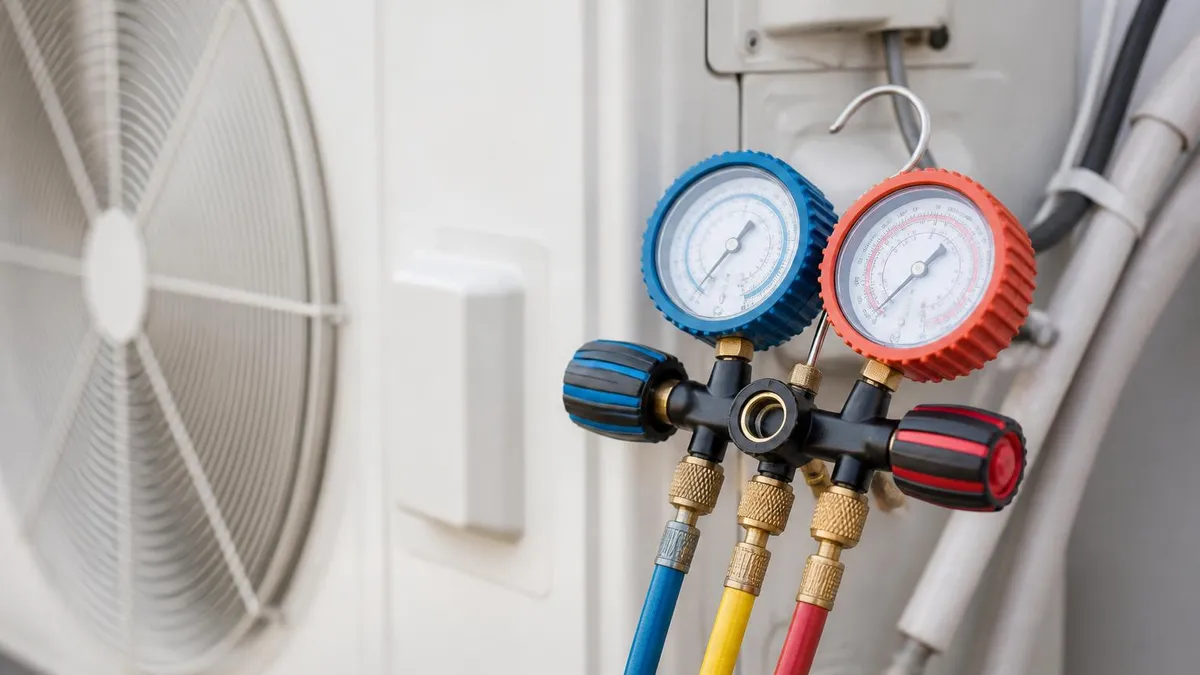
The single most important step in ductless HVAC installation is proper evacuation to below 500 microns and verifying the system holds vacuum for at least 15 minutes. Skipping or shortcutting this step traps moisture and non-condensables in the refrigerant circuit, which destroys compressors within 2 to 5 years. Demand to see micron gauge readings before your installer opens the service valves.
The total cost of a ductless HVAC installation breaks down into equipment, labor, electrical work, permits, and optional accessories like line set covers and condensate pumps. For a typical single-zone 12,000 BTU system in a 400 to 600 square foot space, expect equipment costs between $1,800 and $3,500 for the matched outdoor and indoor pair, plus $1,500 to $2,500 in labor and materials. Total installed pricing in most US markets falls between $3,500 and $5,500 for straightforward installations without significant electrical upgrades.
Multi-zone systems scale up substantially based on the number and size of indoor heads. A two-zone system serving a master bedroom and adjacent office typically runs $6,500 to $9,500 installed. Four-zone systems covering a small whole-house application range from $12,000 to $18,000. Five and six-zone configurations climb above $20,000 quickly, particularly when premium brands and cold-climate equipment are specified. At these prices, multiple smaller systems often deliver better economics and performance than one large multi-zone.
The Inflation Reduction Act expanded federal tax credits for high-efficiency heat pumps, including ductless systems meeting CEE Tier 2 efficiency requirements. Homeowners can claim 30 percent of installation costs up to $2,000 annually for qualifying equipment, with no income limits on this particular credit. The Section 25C credit also covers up to $600 in electrical panel upgrades when needed to support the new equipment, which helps offset costs for older homes requiring service upgrades.
State and utility rebates stack on top of federal credits and can substantially reduce out-of-pocket costs. Massachusetts MassSave offers up to $10,000 per home for whole-house heat pump conversions. New York NYSERDA provides $1,000 to $3,000 per ton of cooling capacity installed. California TECH Clean offers prescriptive rebates between $1,500 and $4,000 depending on the local utility. Check your state energy office and utility websites three months before installation to verify current programs and reservation requirements.
Operating cost savings depend heavily on what equipment the ductless system replaces. Replacing electric resistance baseboard heaters typically yields 50 to 70 percent reductions in winter heating bills, with payback periods of 4 to 6 years even before rebates. Replacing aging central air with window units yields 30 to 40 percent cooling savings. Replacing modern central AC and gas furnaces shows smaller savings—usually 15 to 25 percent—and payback stretches to 8 to 12 years without significant rebates.
Maintenance costs run substantially lower than central systems because there's no ductwork to clean, no major filter replacements, and far fewer mechanical components to fail. Annual maintenance typically costs $150 to $250 per outdoor unit, covering condenser coil cleaning, refrigerant pressure verification, condensate drain inspection, and indoor coil and filter cleaning on each head. Most manufacturers require documented annual maintenance to keep extended warranties valid, so keep service records throughout the warranty period.
Resale value impact varies by region and home type. In Northeast and Pacific Northwest markets where energy efficiency is highly valued, professional ductless installations frequently return 60 to 80 percent of their installed cost at resale, particularly when paired with documentation of energy savings and remaining warranty coverage. In Southern markets where central air is universal expectation, ductless systems are sometimes perceived as supplemental rather than primary HVAC, reducing their value impact at resale.
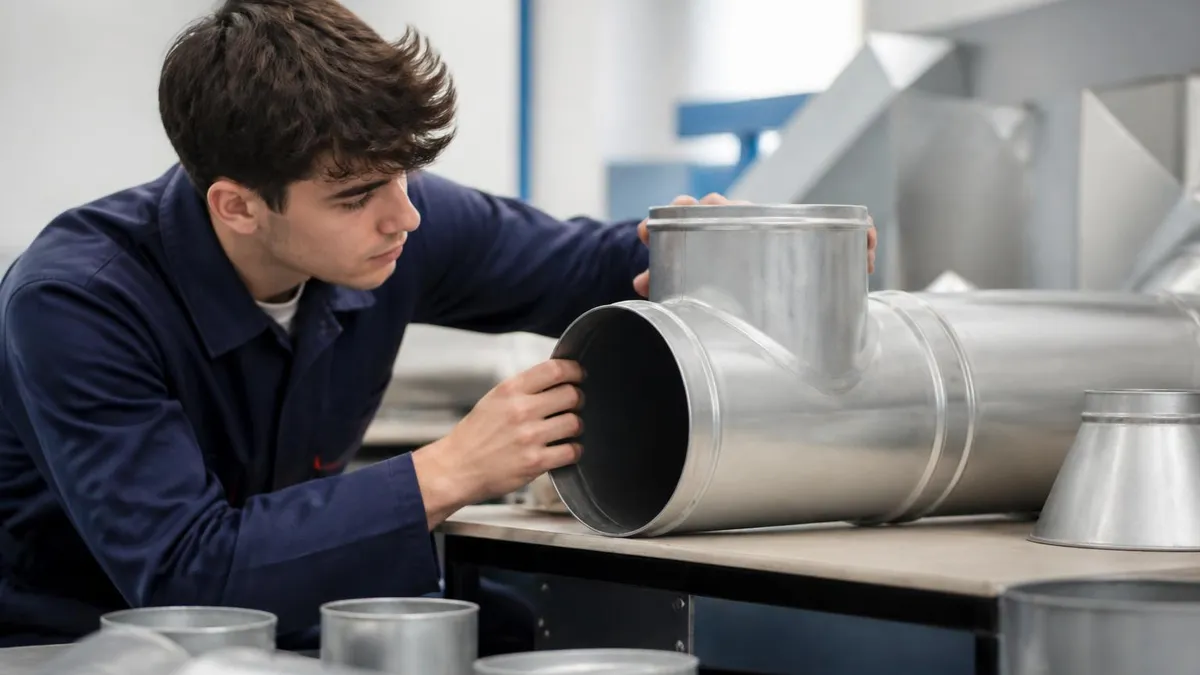
Many homeowners purchase mini-split equipment from online retailers to save money, then hire a contractor for installation only. This approach voids manufacturer warranties at most major brands because they require purchase from authorized distributors and installation by certified contractors. Verify the warranty terms in writing before buying equipment yourself—a $300 compressor warranty becomes a $4,500 problem if it fails outside coverage.
Selecting the right contractor for your ductless HVAC installation determines whether the system delivers its rated performance for 15 years or fails prematurely from improper commissioning. Begin by gathering at least three written estimates from licensed contractors who specialize in ductless equipment, not generalists who occasionally install mini-splits between traditional jobs. Manufacturer training matters here—Mitsubishi Diamond Contractors, Daikin Comfort Pros, and Fujitsu Elite Contractors complete factory training and meet quality standards that translate directly to better installations.
Verify state mechanical contractor licensing and EPA Section 608 Universal certification for refrigerant handling. Both should be displayed on company vehicles, business cards, and proposals. Ask to see proof of general liability insurance with at least $1 million coverage and workers' compensation coverage for all employees. Bond requirements vary by state but provide additional homeowner protection if work must be redone or completed by another contractor after default. Our resource on Certified HVAC Contractors: How to Find, Vet, and Hire the Right Professional for Your Home or Business details the vetting process step by step.
A quality proposal includes detailed equipment specifications by model number, Manual J load calculation results, line set lengths, electrical work scope, permit responsibility, warranty terms, payment schedule, and project timeline. Vague proposals quoting only total price and brand name conceal the details that determine installation quality. Walk away from contractors who refuse to provide Manual J calculations or who insist on rule-of-thumb sizing like 400 square feet per ton, which routinely produces oversized equipment.
References from recent customers with similar installation scope provide the best window into actual workmanship and post-installation service. Ask for three references from jobs completed in the past 12 months, then call them and ask specific questions about timeline adherence, jobsite cleanup, post-installation issues, and how the contractor responded to warranty claims. Online reviews supplement but don't replace direct reference calls because installation quality issues often don't appear in reviews until years after the work is complete.
Payment terms reveal a contractor's financial stability and confidence in their work. Reasonable terms include 10 to 20 percent at contract signing, 30 to 40 percent at equipment delivery, and the balance within 30 days of commissioning and inspection. Contractors demanding 50 percent or more upfront often have cash flow problems that lead to abandoned jobs or rushed work. Never pay the full balance until the system passes inspection, has been commissioned with documented startup data, and you have copies of warranty registration confirmations.
Post-installation responsibilities should be documented in writing before work begins. This includes who registers the warranty, who schedules and pays for first-year maintenance, response time guarantees for warranty service calls, and what happens if performance doesn't match estimates. Contractors confident in their work offer satisfaction guarantees and warranty their labor for one to two years beyond manufacturer coverage. Question contractors who provide only the manufacturer's basic parts warranty with no labor coverage.
Red flags include door-to-door solicitation, pressure to sign immediately for special pricing, lack of physical business address, no manufacturer training documentation, requests for cash-only payment, and proposals significantly below other estimates. The lowest bid frequently signals corner-cutting on sizing calculations, vacuum testing, refrigerant charge verification, or commissioning documentation—all of which produce systems that fail to meet rated performance and develop expensive problems within the first five years of operation.
Once installation is complete, proper commissioning and ongoing maintenance protect your investment and ensure the system operates at rated efficiency for its full service life. Commissioning involves more than simply turning the system on and feeling cool air—it requires logging operational data including superheat at the indoor coil, subcooling at the outdoor unit, suction and liquid line temperatures, voltage and amperage draws at multiple operating points, and airflow measurements at each indoor head. This baseline data becomes critical for troubleshooting any future performance issues.
The first 30 days after installation are the critical break-in period when most installation defects surface. Watch for water dripping from indoor heads, which indicates condensate drain problems. Listen for refrigerant noise from indoor coils, which can indicate undercharge or restriction issues. Note any error codes displayed on the indoor units and report them immediately—modern inverter systems log fault history electronically, and patterns appearing in the first month often signal commissioning errors that are easy to correct early.
Filter cleaning frequency depends on home dust load, pets, and seasonal use. Most manufacturers recommend monthly cleaning during heavy-use seasons, with the washable filter media simply rinsed in lukewarm water and air-dried before reinstallation. Dirty filters reduce airflow, which forces the indoor coil temperature lower than designed, increases compressor work, and reduces both efficiency and capacity. A neglected filter program can cut system efficiency by 15 to 20 percent within a single season.
Annual professional maintenance should occur in spring before cooling season and optionally in fall for cold-climate heat pumps. Spring service includes condenser coil cleaning with appropriate coil cleaner and rinse, condensate pan and drain inspection and cleaning, refrigerant pressure verification at standard operating conditions, electrical connection torque verification, and capacitor testing on units that still use them. Document each service visit with the same operational data logged during commissioning to track performance trends over time.
Beyond installation and maintenance, understanding your ductless system's controls maximizes both comfort and efficiency. Most modern systems offer Wi-Fi integration through manufacturer apps that allow scheduling, geofencing, energy monitoring, and remote diagnostics. Set sleep modes that gradually adjust temperature overnight to save energy without comfort impact. Use vacation modes that maintain minimum conditioning to prevent freeze damage or humidity problems without conditioning unoccupied spaces to full comfort levels.
Troubleshooting common issues starts with recognizing error codes specific to your equipment brand. Mitsubishi codes appear as letter-number combinations like P8 or U2. Daikin uses similar coding, while Fujitsu displays codes as flashing light patterns. The owner's manual lists every code and basic diagnostic steps. Most communication errors between indoor and outdoor units result from loose terminal connections that vibrate over the first months, while most refrigerant codes indicate either undercharge from minor leaks or restriction from contamination.
Long-term reliability depends as much on system selection and installation quality as on ongoing care. Systems installed by certified contractors with proper sizing, vacuum testing, and commissioning regularly deliver 15 to 20 years of service. Systems installed by undertrained contractors using rule-of-thumb sizing and shortcut commissioning frequently fail within 5 to 8 years, regardless of equipment quality. The single best decision you can make for long-term value is investing in the contractor selection process before committing to any equipment or installation timeline.
HVAC Questions and Answers
HVAC Solutions: The Complete Guide to Heating, Cooling, and Indoor Air Quality Systems for Homes and Buildings
HVAC Vents: The Complete Homeowner's Guide to Types, Sizing, Placement, and Airflow Optimization

HVAC Duct Calculator: The Complete Guide to Sizing Ductwork for Airflow, Static Pressure, and System Efficiency
Certified HVAC Contractors: How to Find, Vet, and Hire the Right Professional for Your Home or Business