
HHA Medical Abbreviation Explained: What HHA Means in Healthcare and Home Care
📗 What does the HHA medical abbreviation mean? Learn how HHA is used in healthcare, plus HHA Exchange, certification, training, and login basics.
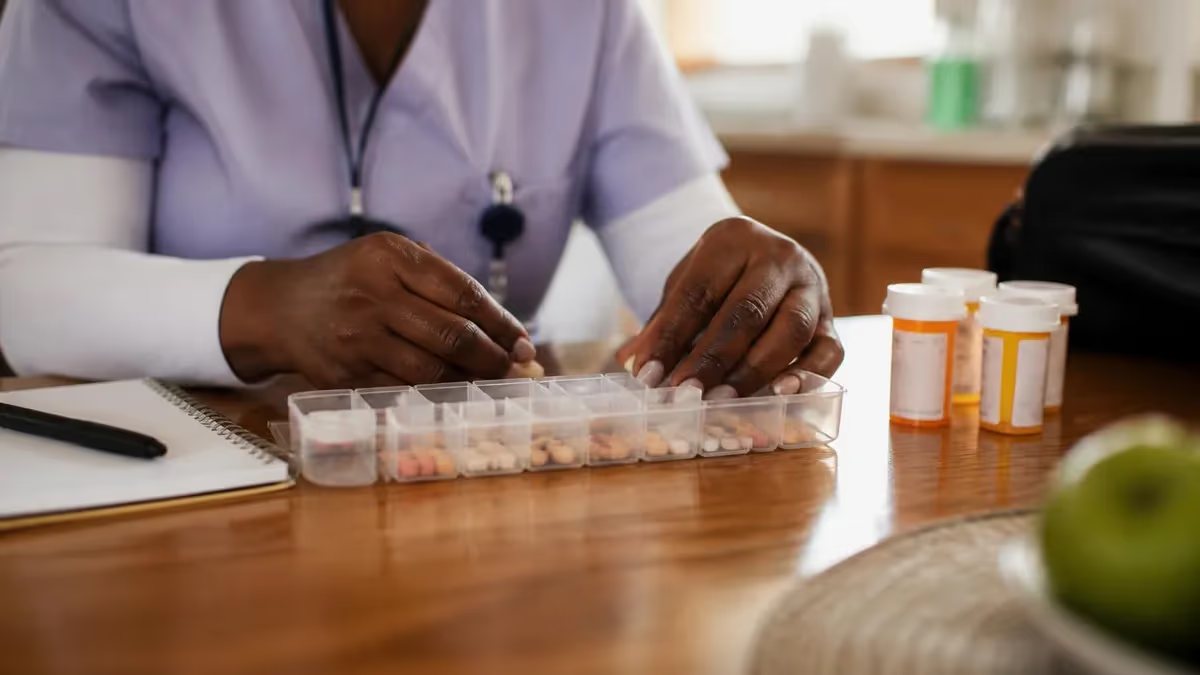
If you have ever read a care plan, a hospital discharge summary, or a Medicaid billing record and seen three letters that puzzled you, you are not alone. The hha medical abbreviation stands for Home Health Aide, one of the most common roles in the entire home-based care system. Understanding what the abbreviation means matters because it appears everywhere: payroll software, state registries, agency schedules, and clinical documentation that families rely on every single day.
In plain terms, an HHA is a trained caregiver who helps people live safely at home instead of in a hospital or nursing facility. The same three letters also show up inside software platforms, most famously HHA Exchange, the electronic visit verification system that thousands of agencies use to track shifts and submit Medicaid claims. So when someone mentions "hha" they could mean the person, the job title, or the program managing that person's hours.
That double meaning causes real confusion for new caregivers. You might search for "hha exchange login" expecting career advice and instead land on a clock-in portal. You might look up "hha certification" and discover an entirely separate world of state-approved training. This guide untangles all of it so the abbreviation stops being a mystery and starts being something you can confidently use in conversation, on a resume, and on the job.
We will walk through every layer: what HHA means clinically, how the title differs from a CNA or a personal care aide, what a home health aide actually does during a shift, and how the HHA Exchange platform fits into the picture. We will also cover how to read the abbreviation when it appears alongside other shorthand like ADL, POC, and EVV, which almost always travel together in real documents.
Whether you are a future caregiver, a family member coordinating care for a parent, or a student studying for a certification exam, knowing the meaning behind these letters builds genuine confidence. The role is growing fast, the pay is rising, and the demand for qualified aides is projected to climb sharply through the rest of the decade as the population ages and more care shifts into the home.
Searches for terms like "hha," "hha exchange," and "hha login" run into the tens of thousands every month, which tells you just how many people are trying to decode these same three letters right now.
By the end of this article you will know exactly what the abbreviation means, where it comes from, and how it connects to training, certification, daily duties, and the technology that keeps the whole system running. If you want a deeper breakdown of the duties and qualifications tied to the role, our guide on hha medical abbreviation walks through everything an employer expects before your first shift.
The HHA Role by the Numbers
What HHA Stands For in Healthcare
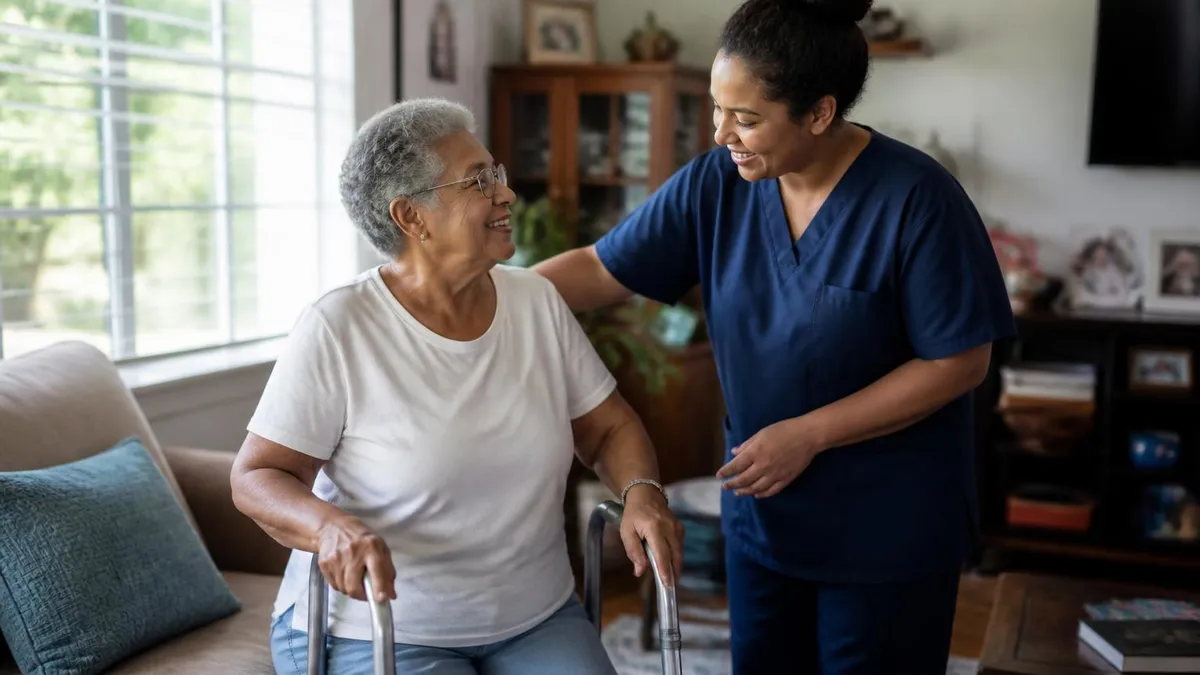
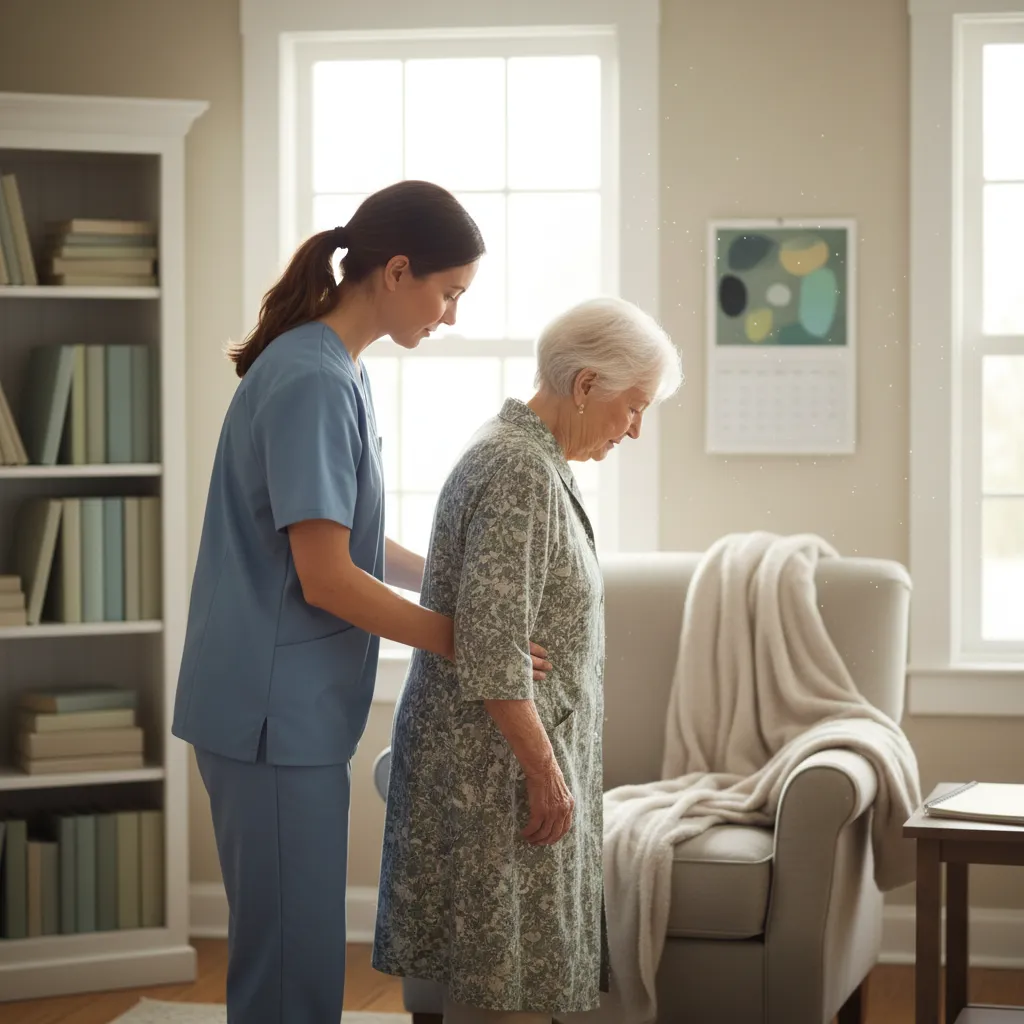
The most common meaning. An HHA is a trained caregiver who assists clients with daily living tasks inside their own home, supporting independence and safety under a nurse's supervision.
In some billing and Medicare contexts, HHA refers to the Home Health Agency itself — the licensed organization that employs aides and submits claims for covered services.
A widely used electronic visit verification platform. When agencies say "log into HHA," they usually mean this system for clocking shifts and confirming Medicaid-billable visits.
On care plans and registries, HHA marks the credential level of the worker assigned, distinguishing aides from nurses (RN, LPN) and from certified nursing assistants (CNA).
The first question most people ask after learning the meaning is how an HHA differs from similar roles. A home health aide is not the same as a certified nursing assistant, even though their duties overlap. A CNA typically works in a facility such as a nursing home or hospital, while a home health aid works in private residences. The settings shape the training, the supervision, and the kinds of tasks each worker is legally allowed to perform during a shift.
A personal care aide, sometimes abbreviated PCA, sits one notch lower in clinical scope. PCAs help with companionship, light housekeeping, and basic personal care, but they often work without the formal federal training that a Medicare-certified home health aide must complete. That distinction matters for pay and for the types of clients you can serve, since Medicare-funded care almost always requires the higher HHA credential rather than the lighter PCA designation.
So why do the letters get mixed up so often? Because state rules vary enormously. In one state a person doing the same daily work might be called an HHA, in another a PCA, and in a third a home care worker. The job is similar, but the title, the required hours, and the supervising authority change at the state line. Reading the abbreviation correctly means knowing which state and which payer you are dealing with.
Clinically, the role centers on what the industry calls ADLs, or activities of daily living. These are the fundamental tasks of self-care: bathing, dressing, grooming, toileting, transferring from bed to chair, and eating. An aide also supports IADLs, instrumental activities like meal preparation, medication reminders, and light cleaning. When you see HHA on a care plan next to these terms, it signals exactly which worker is responsible for which task each day.
The supervision structure is another defining feature. A registered nurse usually creates the plan of care, abbreviated POC, and the home health aide carries out the approved tasks while reporting changes back up the chain. This means an aide is never working alone in a clinical vacuum. There is always a nurse accountable for the overall plan, and the aide functions as the daily eyes, ears, and hands inside the client's home environment.
Understanding these boundaries protects both the aide and the client. An HHA cannot administer injections, change sterile dressings, or make independent medical decisions, because those tasks fall outside the credential. Knowing the limit is part of the job, and it is heavily tested on certification exams. If you are weighing this path against becoming a certified home health care aide, the difference often comes down to training hours and the payer mix in your state.
Once you internalize the scope, the abbreviation stops being abstract. You can look at a document, see HHA, and immediately know the worker's credential level, their likely employer, the tasks they handle, and who supervises them. That fluency is what separates someone fumbling through paperwork from someone who genuinely understands how home-based care is organized and delivered across the country.
HHA Exchange Login and the Software Side of HHA
HHA Exchange is an electronic visit verification platform that many home care agencies use to manage scheduling, clock-ins, and Medicaid billing. When a caregiver searches for "hha exchange" they are usually trying to reach a portal for their employer, not learn about the job title. The system confirms that a visit actually happened, recording the time, location, and tasks completed for each shift.
For agencies, the platform reduces fraud and speeds up reimbursement because every visit is electronically documented. For aides, it is the daily tool that turns worked hours into a paycheck. The federal 21st Century Cures Act pushed widespread adoption of electronic visit verification, which is exactly why HHA Exchange became so common across so many states and payer programs.
Is Becoming an HHA the Right Move? Pros and Cons
- +Fast entry — most training takes weeks, not years
- +Strong, recession-resistant demand projected through 2032
- +Meaningful, relationship-driven work helping people stay home
- +Flexible scheduling options including part-time shifts
- +A clear stepping stone toward CNA, LPN, or RN careers
- +Low upfront cost compared to most healthcare credentials
- −Median pay remains modest in many states
- −Physically demanding work with lifting and transfers
- −Emotional strain when working with declining clients
- −Travel between client homes is often unpaid time
- −Limited benefits at some smaller agencies
- −Scope restrictions mean no clinical procedures allowed
Pros and Cons at a Glance
| Pros | Cons |
|---|---|
| Fast entry — most training takes weeks, not years | Median pay remains modest in many states |
| Meaningful, relationship-driven work helping people stay home | Physically demanding work with lifting and transfers |
| Flexible scheduling options including part-time shifts | Emotional strain when working with declining clients |
| A clear stepping stone toward CNA, LPN, or RN careers | Travel between client homes is often unpaid time |
| Low upfront cost compared to most healthcare credentials | Limited benefits at some smaller agencies |
HHA Certification Checklist: What You Need
- ✓Confirm you are at least 18 years old in most states
- ✓Verify a high school diploma or GED if your state requires it
- ✓Pass a criminal background check and fingerprinting
- ✓Complete state-approved home health aide training program hours
- ✓Finish the required supervised clinical practice hours
- ✓Show proof of TB testing and required immunizations
- ✓Pass the written competency exam for HHA certification
- ✓Pass the hands-on skills demonstration with an evaluator
- ✓Register on your state's official aide registry
- ✓Keep documentation of continuing education for renewal
The abbreviation has three meanings — always read the context
Before you react to the letters HHA, check the setting. On a care plan it means the caregiver and their credential. In a billing system it often means the agency or the HHA Exchange software. Matching the meaning to the context prevents costly miscommunication on the job.
The path to wearing the HHA title legitimately runs through training, and the requirements are more structured than many newcomers expect. For agencies that bill Medicare, federal rules set a floor of 75 hours of home health aide training, including at least 16 hours of supervised hands-on clinical practice. States are free to require more, and several do, layering additional classroom hours or extra skills checks on top of the federal minimum before they grant a credential.
A typical home health aide training program blends classroom instruction with lab practice and supervised fieldwork. In the classroom you learn the theory: infection control, body mechanics, nutrition, client rights, emergency procedures, and the documentation habits that keep agencies compliant. In the lab you practice the physical skills on mannequins and classmates, rehearsing transfers, bed baths, and vital signs until the movements become second nature rather than something you have to think through.
The supervised clinical portion is where everything comes together. Under the watch of a registered nurse or qualified instructor, you perform real tasks and receive immediate feedback. This stage is required precisely because home care is hands-on and unforgiving of guesswork. An evaluator confirms that you can transfer a client safely, recognize warning signs, and maintain dignity throughout personal care before signing off on your competency for the credential.
Cost and length vary widely. Many programs run four to eight weeks and cost anywhere from a few hundred dollars to well over a thousand, though community colleges, workforce grants, and agency-sponsored programs frequently reduce or eliminate that price. Some agencies will even train you for free in exchange for a commitment to work, which is one of the lowest-barrier entry points anywhere in healthcare for someone needing a quick start.
After training, you face the home health aide certification exam, which has two parts: a written knowledge test and a practical skills demonstration. The written portion covers safety, communication, basic body systems, and the limits of your scope. The skills portion asks you to perform several randomly selected tasks correctly while an evaluator observes. Passing both earns your place on the state registry, the official list employers check before hiring.
It is worth emphasizing how transferable this foundation is. Many aides use the credential as a launchpad, moving on to become a certified nursing assistant, then perhaps an LPN or RN, with each step building on the last. The communication, documentation, and patient-care instincts you develop as an aide carry directly into those advanced roles, which is why so many nurses describe their HHA months as the most formative training of their entire careers.
If you are mapping out your route, comparing local options early saves time and money. Program quality, scheduling flexibility, and job-placement support differ dramatically between providers, and the right fit depends heavily on your timeline and budget. Doing a little homework before you enroll almost always pays off in a smoother experience and a faster path to your first paid shift in someone's home.
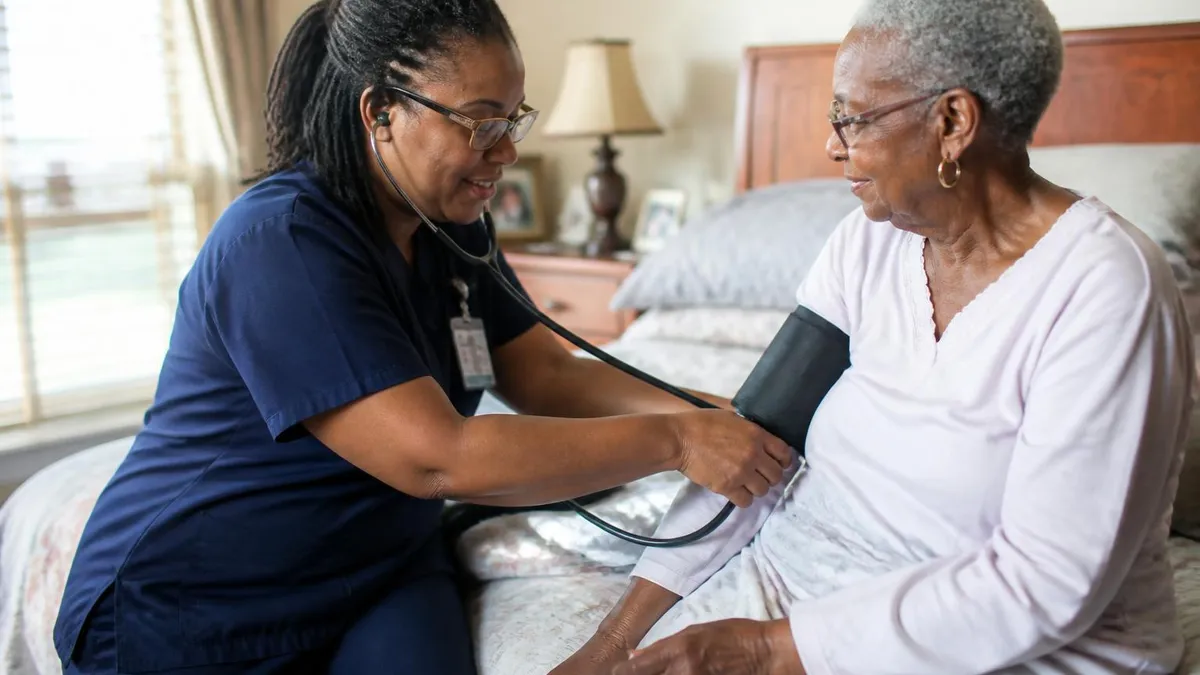
Federal rules set a 75-hour minimum for Medicare-certified agencies, but individual states often require more hours, extra exams, or registry renewal on a fixed schedule. Always confirm your own state's current rules before enrolling, because a program that qualifies in one state may not transfer to another.
Once certified, the daily reality of the role revolves around routine, observation, and documentation. A typical shift begins with reviewing the plan of care, confirming what tasks are authorized, and clocking in through electronic visit verification. From there the aide moves through personal care, mobility support, light housekeeping, and meal preparation, all while watching for any change in the client's condition that the supervising nurse needs to know about promptly.
Documentation is the quiet backbone of the job. Every meaningful observation — a skipped meal, a new bruise, increased confusion, swelling in the legs — gets recorded because that record protects the client, the aide, and the agency. Good aides treat documentation as a clinical skill rather than paperwork, and exams reward that mindset heavily. Sloppy notes can delay care and create liability, while precise notes catch problems before they become emergencies for vulnerable clients.
Communication ties the whole shift together. An aide constantly communicates with the client, with family members, and with the nursing team, often serving as the first person to notice when something is wrong. Because aides spend more time in the home than any nurse or doctor, their reports carry real clinical weight. Strong interpersonal skills are not a soft extra here; they are central to keeping a fragile client safe and stable over time.
Safety and infection control run through everything. Proper handwashing, correct body mechanics during transfers, and careful management of any equipment in the home prevent injuries to both the client and the aide. Back injuries from improper lifting are one of the most common reasons aides leave the field, which is exactly why training devotes so much time to body mechanics and why exams test these principles so persistently across multiple questions.
Boundaries matter just as much as tasks. A skilled aide knows what falls inside the scope and what must be escalated to a nurse. You support medication reminders but do not administer prescriptions independently. You report a wound but do not perform sterile dressing changes. Respecting these limits is not timidity; it is professionalism, and it keeps both your credential and your client protected from avoidable harm during care.
The emotional dimension is real and should not be underestimated. Aides build genuine relationships with clients, sometimes over months or years, and that closeness is both the reward and the challenge of the work. Watching a client decline is hard, and managing your own emotional health is part of lasting in the field. The aides who thrive learn to balance compassion with professional distance, staying warm without burning out over time.
Put all of this together and the abbreviation takes on its full meaning. An HHA is not just three letters on a document; it is a trained professional carrying out a supervised plan, documenting carefully, communicating constantly, and protecting a vulnerable person's independence and dignity. For a complete look at the qualifications and expectations before you start, our guide on home health aide certification connects the role to what Medicare will and will not pay for.
If you are preparing to step into the role, a few practical habits make the difference between scraping by and genuinely succeeding. Start by treating the abbreviation fluency we covered as a study tool: when you read any care document, pause and identify whether HHA refers to the person, the agency, or the software. That single habit will make your clinical reading faster and your communication with the nursing team noticeably clearer from your very first shift onward.
For exam preparation, practice questions beat passive reading every time. The written competency test rewards recognition under mild pressure, and the only reliable way to build that is by answering realistic questions repeatedly until the patterns feel familiar. Focus especially on safety, infection control, body mechanics, and scope-of-practice limits, because those four areas appear disproportionately often and are also the ones that protect you most on the actual job.
Rehearse the hands-on skills out loud and physically, not just in your head. The practical exam asks you to perform tasks like handwashing, transfers, and measuring vital signs while an evaluator watches, and nerves can erase memory fast. Narrating each step as you practice — explaining what you are doing and why — locks the sequence into muscle memory and happens to mirror exactly how you should communicate with real clients during care.
Build your documentation instinct early. Practice writing short, objective observations: what you saw, when, and what you did about it, without guessing at diagnoses. Avoid vague words like "seemed fine" and reach for specifics such as "ate half of breakfast" or "steady on feet during transfer." This precision is a learnable skill, and demonstrating it on the exam and on the job marks you immediately as a careful, trustworthy aide.
Get comfortable with the technology before you need it. Ask your agency to walk you through the visit verification app, confirm your login works, and practice a test clock-in if possible. A surprising number of new aides lose pay or trigger billing problems simply because they were unfamiliar with the software on day one. Five minutes of preparation here prevents a great deal of frustration during your first busy week of real shifts.
Finally, protect your own body and mind from the start. Use proper lifting technique every single time, even when you are rushed, because one careless transfer can sideline you for months. Pace yourself emotionally too, and lean on your nursing supervisor and coworkers when a case is heavy. The aides who build sustainable habits early are the ones still thriving years later, growing into advanced roles and mentoring the next wave of caregivers.
With the abbreviation demystified, the training mapped, the software explained, and these habits in place, you are ready to approach the role with real confidence. The path is short, the demand is strong, and the work genuinely matters. Use the free practice questions throughout this page to test yourself, and you will walk into your exam and your first shift far better prepared than most people ever are.
Sample HHA Practice Questions
Try these questions from our free HHA practice tests. The correct answer and an explanation follow each question.
What is the importance of oral care in home health care?
- A. It is only necessary for patients with dental problems.
- B. It prevents infections and promotes health
- C. It is unnecessary if the patient is not eating solid food.
- D. It is only needed once a week.
Answer: B. It prevents infections and promotes health
Proper oral care prevents infections, promotes overall health, and ensures the patient maintains comfort and dignity while also preventing conditions like gum disease.
Post-mortem care (care after death) in the home setting includes:
- A. The aide independently declaring time of death
- B. Treating the deceased with dignity — positioning body per family/cultural wishes, contacting the supervisor and appropriate authorities, and supporting the family
- C. Removing all medical equipment before notifying anyone
- D. Performing an autopsy
Answer: B. Treating the deceased with dignity — positioning body per family/cultural wishes, contacting the supervisor and appropriate authorities, and supporting the family
After a patient dies at home, the aide notifies the supervisor and on-call nurse immediately. The body is treated respectfully, and the supervisor coordinates death notification procedures and family support.
What is the importance of documenting patient care in home health aide practice?
- A. It is only required for insurance purposes.
- B. It helps track progress and serves as a legal reference
- C. It is unnecessary as long as the patient is satisfied.
- D. It reduces the amount of work for the healthcare team.
Answer: B. It helps track progress and serves as a legal reference
Documenting patient care ensures accurate records, helps track progress, and provides a legal and ethical reference for future care decisions.
When providing care in a patient's home, the aide is legally considered a guest. This means:
- A. The aide can rearrange the home as desired for efficiency
- B. The aide must respect the patient's privacy, property, and household rules, and may not stay beyond scheduled care hours without permission
- C. The aide has authority to deny family visitors
- D. The aide can bring personal guests to the patient's home
Answer: B. The aide must respect the patient's privacy, property, and household rules, and may not stay beyond scheduled care hours without permission
The home is the patient's personal space. The aide is there by invitation and must respect all household norms, property, and privacy. Overstepping these boundaries violates professional ethics and potentially the law.
HHA Questions and Answers

HHA Job Requirements 2026 — What You Need to Become a Home Health Aide

HHA Classes Near Me 2026 — How to Find and Enroll in Training

Medicare Coverage for Home Health Aide Services — What's Covered and What Isn't
How to Become a Home Health Aide — Training, Certification & Requirements
30-Day HHA Study Plan — Pass on Your First Try
About the Author

Registered Nurse & Healthcare Educator
Johns Hopkins University School of NursingDr. Sarah Mitchell is a board-certified registered nurse with over 15 years of clinical and academic experience. She completed her PhD in Nursing Science at Johns Hopkins University and has taught NCLEX preparation and clinical skills courses for nursing students across the United States. Her research focuses on evidence-based exam preparation strategies for healthcare certification candidates.
Join the Discussion
Connect with other students preparing for this exam. Share tips, ask questions, and get advice from people who have been there.
View discussion (8 replies)