
HHA Jobs Near Me: Your Complete Guide to Finding Home Health Aide Work in 2026 October
Find hha jobs near me with this complete guide to certification, pay, applications, agencies, and how to land your first home health aide role fast. 💡

Searching for hha jobs near me has become one of the most common career queries in the United States, and for good reason. The home health aide field is expanding faster than almost any other healthcare role, with the Bureau of Labor Statistics projecting more than 800,000 new openings through 2032. Whether you are switching careers, returning to work after raising children, or starting your first paid role, becoming an hha opens doors quickly because demand is everywhere and entry barriers remain low compared to nursing or therapy roles.
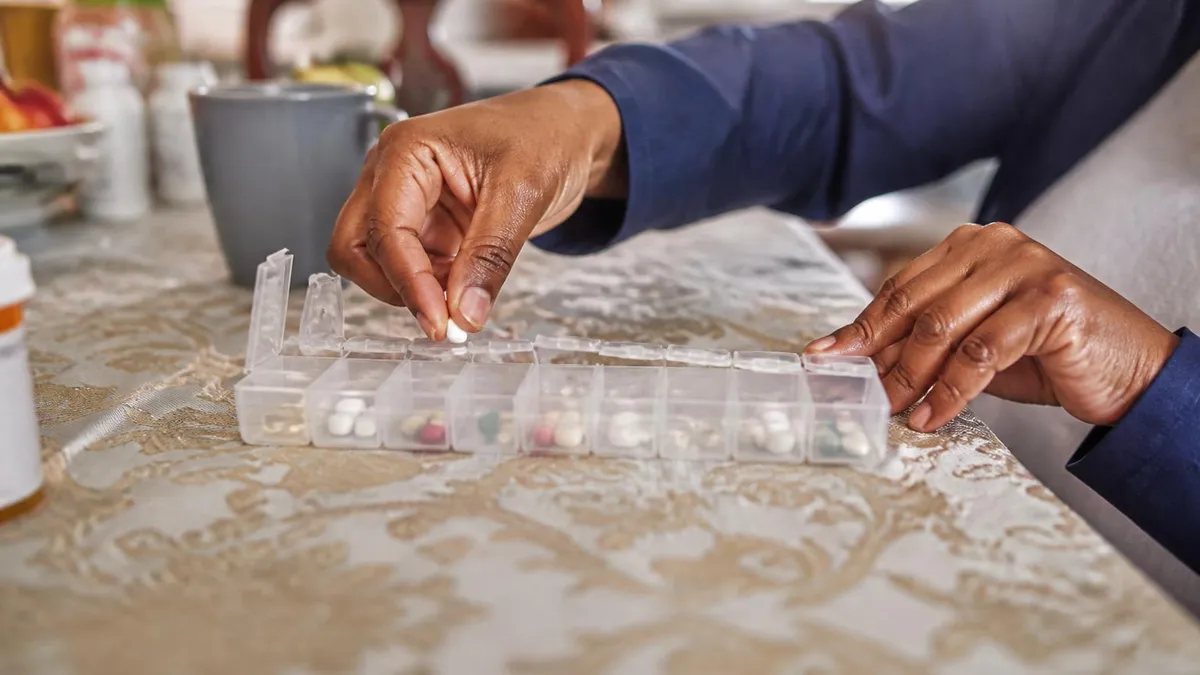
An HHA, short for home health aide, supports clients with daily living activities inside their own homes. Tasks include bathing, dressing, light meal preparation, medication reminders, mobility help, and emotional companionship. Unlike a nursing home aide, an HHA usually works one-on-one with a single client during a shift, which creates closer relationships and a calmer environment. Agencies hire continuously because turnover is high and the aging baby boomer population keeps growing, so finding local openings rarely takes more than a few days of focused searching.
The phrase hha jobs near me is searched roughly 60,000 times a month nationally, and that volume tells you something important: candidates with even basic preparation stand out fast. Most agencies will hire you the same week you apply if you have a current certificate, a clean background check, and reliable transportation. Pay ranges from $14 to $22 per hour depending on your state, with New York, California, Massachusetts, and Washington consistently paying near the top of that band. Overtime, holiday differentials, and live-in stipends can push annual earnings above $45,000.
This guide walks you through every step of finding HHA work in your local area. We cover certification rules, the best job boards, what to expect during interviews, how to evaluate agencies, what red flags to avoid, and how to negotiate your hourly rate once you have offers. We also explain the difference between agency employment, registry placement, and private hire, because each path has different tax implications, benefits, and scheduling flexibility that affect your take-home pay more than you might expect.
You do not need a college degree, prior healthcare experience, or even a high school diploma in most states to begin. What you do need is a state-approved training program of 40 to 120 hours, a competency exam, and a willingness to show up consistently. Agencies value reliability above almost everything else, because a no-show aide leaves a vulnerable client without care. If you can demonstrate dependability during your first 90 days, you will receive more hours, better assignments, and pay increases faster than you expect.
The home health field also offers strong upward mobility for those who want it. Many HHAs move into Certified Nursing Assistant roles within a year, then transition to Licensed Practical Nurse or Registered Nurse programs while working part-time. Employers frequently subsidize this education because they desperately need a clinical pipeline. So while an HHA position is an excellent destination by itself, it can also serve as the first rung on a healthcare ladder that pays $70,000 to $90,000 within five to seven years if you choose to climb.
By the end of this guide, you will know exactly how to filter local listings, which questions to ask recruiters, how to spot scam postings on Craigslist or Indeed, and how to prepare for the brief skills demonstration that most agencies require during hiring. Let's begin with the numbers that define this market right now, then move into practical action steps you can take this week to land your first paid HHA shift.
HHA Jobs Market by the Numbers (2026)
Where to Find Local HHA Jobs
Indeed, ZipRecruiter, Snagajob, and LinkedIn list thousands of HHA openings updated daily. Filter by ZIP code, set distance to 15 miles, and enable email alerts so new postings reach you within hours instead of days.
Visiting Visiting Angels, BAYADA, Right at Home, Home Instead, and Comfort Keepers career pages often surfaces openings that never reach aggregators. Direct applications also bypass third-party screening delays.
Every state runs free job centers that partner with healthcare employers. Many offer free certification refreshers, resume help, and direct hiring events that put you face-to-face with agency recruiters in a single afternoon.
Hospitals contract with preferred home care agencies. Ask the discharge planner or social worker at your nearest hospital who they refer patients to, then apply with those agencies first because they receive steady client flow.
Current HHAs often earn $200 to $500 referral bonuses when they bring in new hires. Tell friends, neighbors, church members, and parents at your children's school that you are entering the field — referrals close in days.
Certification rules for home health aides vary by state, but federal law sets a minimum floor of 75 training hours for any HHA whose agency receives Medicare or Medicaid reimbursement. Out of those 75 hours, at least 16 must be supervised practical training where you actually perform skills on a real person rather than reading from a textbook. Most states stack additional requirements on top: New York requires 75 hours plus a separate competency exam, California requires 120 hours, and Washington pushes it to 75 hours with an additional state background check fingerprinted through the FBI database.
The training itself covers personal care basics, infection control, body mechanics, nutrition, communication, recognizing abuse, observation and reporting, and emergency response. Programs typically run four to eight weeks if attended full-time, or eight to twelve weeks part-time in the evenings. Community colleges, Red Cross chapters, vocational schools, and many home care agencies themselves run approved programs. Agency-run programs are particularly attractive because they often pay you a small stipend during training and guarantee a job offer upon successful completion of the final skills demonstration.
Cost ranges widely. Community college programs can cost $400 to $800 including textbooks and uniform. Private vocational schools sometimes charge $1,200 to $2,000. Agency-sponsored programs are frequently free in exchange for a six to twelve month employment commitment, which is the best deal if you are certain about the career. Some states fund training entirely through workforce development grants, WIOA dollars, or Medicaid demonstration programs — call your state department of health to ask which programs in your ZIP code qualify for full tuition coverage before you pay out of pocket.
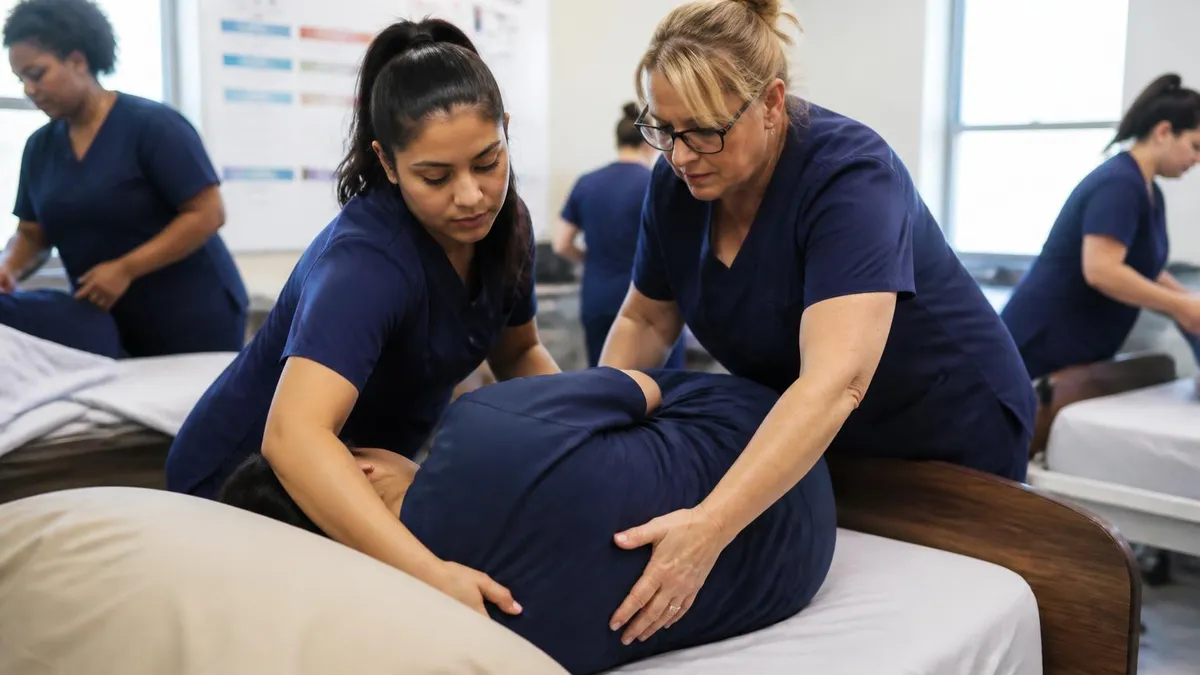
After completing classroom and clinical hours, you take a competency evaluation that typically includes a written multiple-choice exam and a hands-on skills demonstration. The written portion covers safety, ethics, basic medical knowledge, and communication, while the skills test asks you to perform tasks like handwashing, transferring a client from bed to chair, measuring vital signs, and assisting with personal hygiene. Practicing with free question banks and reviewing structured home health aide training materials dramatically improves first-attempt pass rates from roughly 70% to over 90%.
Once certified, you are listed on your state's nurse aide registry, which is the database employers check to verify your credentials. Maintaining good standing on the registry requires working at least eight paid hours every two years and keeping your contact information current. A lapse longer than 24 months without paid work usually forces you to repeat competency testing or even retake the entire training program, so even part-time HHA work after certification protects your investment in the credential.
Many states now offer reciprocity that lets you transfer your certification when you move. If you trained in Florida and relocate to Georgia, your Florida certificate typically transfers after a short application and background check, often within two weeks. However, a few states — notably New York and California — require additional testing or supplemental training hours even with reciprocity, so always confirm requirements with the receiving state registry before assuming your credential carries over without paperwork or fees.
Certificates from online-only programs are not accepted in most states for federal HHA work because federal rules require supervised in-person clinical hours. Be cautious about online programs that promise full certification in two weeks without an in-person component. Always verify a program's state approval by searching your state department of health website for the official list of approved training providers before you enroll or pay any tuition deposits.
HHA Practice Test Questions
Prepare for the HHA - Home Health Aide exam with our free practice test modules. Each quiz covers key topics to help you pass on your first try.
HHA Basic Care and Comfort
HHA Exam Questions covering Basic Care and Comfort. Master HHA Test concepts for certification prep.
HHA Basic Care and Comfort Questions and A...
Free HHA Practice Test featuring Basic Care and Comfort Questions and Answers. Improve your HHA Exam score with mock test prep.
HHA Communication and Interpersonal Skills
HHA Mock Exam on Communication and Interpersonal Skills. HHA Study Guide questions to pass on your first try.
HHA Communication and Interpersonal Skills...
HHA Test Prep for Communication and Interpersonal Skills Questions and Answers. Practice HHA Quiz questions and boost your score.
HHA Infection Control and Safety
HHA Questions and Answers on Infection Control and Safety. Free HHA practice for exam readiness.
HHA Infection Control and Safety Questions...
HHA Mock Test covering Infection Control and Safety Questions and Answers. Online HHA Test practice with instant feedback.
HHA Mental and Emotional Support
Free HHA Quiz on Mental and Emotional Support. HHA Exam prep questions with detailed explanations.
HHA Mental and Emotional Support Questions...
HHA Practice Questions for Mental and Emotional Support Questions and Answers. Build confidence for your HHA certification exam.
HHA Mobility and Transfer Techniques
HHA Test Online for Mobility and Transfer Techniques. Free practice with instant results and feedback.
HHA Mobility and Transfer Techniques Quest...
HHA Study Material on Mobility and Transfer Techniques Questions and Answers. Prepare effectively with real exam-style questions.
HHA Nutrition and Hydration
Free HHA Test covering Nutrition and Hydration. Practice and track your HHA exam readiness.
HHA Nutrition and Hydration Questions and ...
HHA Exam Questions covering Nutrition and Hydration Questions and Answers. Master HHA Test concepts for certification prep.
HHA Observation and Reporting
Free HHA Practice Test featuring Observation and Reporting. Improve your HHA Exam score with mock test prep.
HHA Observation and Reporting Questions an...
HHA Mock Exam on Observation and Reporting Questions and Answers. HHA Study Guide questions to pass on your first try.
HHA Patient Rights and Ethics
HHA Test Prep for Patient Rights and Ethics. Practice HHA Quiz questions and boost your score.
HHA Patient Rights and Ethics Questions an...
HHA Questions and Answers on Patient Rights and Ethics Questions and Answers. Free HHA practice for exam readiness.
HHA Personal Care and Hygiene
HHA Mock Test covering Personal Care and Hygiene. Online HHA Test practice with instant feedback.
HHA Personal Care and Hygiene Questions an...
Free HHA Quiz on Personal Care and Hygiene Questions and Answers. HHA Exam prep questions with detailed explanations.
HHA Home Health Aide Certification Practic...
HHA Practice Questions for Home Health Aide Certification Practice Test. Build confidence for your HHA certification exam.
HHA Home Health Aide Certification Practic...
HHA Test Online for Home Health Aide Certification Practice Test #1. Free practice with instant results and feedback.
HHA Home Health Aide Certification Practic...
HHA Study Material on Home Health Aide Certification Practice Test #2. Prepare effectively with real exam-style questions.
HHA Home Health Aide Certification Practic...
Free HHA Test covering Home Health Aide Certification Practice Test #3. Practice and track your HHA exam readiness.
HHA Home Health Aide Certification Practic...
HHA Exam Questions covering Home Health Aide Certification Practice Test #4. Master HHA Test concepts for certification prep.
HHA HOME HEALTH AIDE COMPETENCY TEST
Free HHA Practice Test featuring HOME HEALTH AIDE COMPETENCY TEST. Improve your HHA Exam score with mock test prep.
HHA HOME HEALTH AIDE COMPETENCY TEST #1
HHA Mock Exam on HOME HEALTH AIDE COMPETENCY TEST #1. HHA Study Guide questions to pass on your first try.
HHA Home Health Aide Competency Test
HHA Test Prep for Home Health Aide Competency Test. Practice HHA Quiz questions and boost your score.
HHA Home Health Aide Competency Test #2
HHA Questions and Answers on Home Health Aide Competency Test #2. Free HHA practice for exam readiness.
Agency vs Registry vs Private Hire for HHA Certification Holders
Agency employment is the most common path. You become a W-2 employee of a home care company that handles scheduling, payroll taxes, workers compensation, and liability insurance. The agency assigns clients, manages billing, and provides supplies. Hourly rates run lower than private hire because the agency keeps a margin, but the trade-off is steady hours and zero administrative work for you.
Major agencies like BAYADA, Visiting Angels, and Comfort Keepers offer paid time off after 90 days, partial health insurance, and tuition assistance for CNA or LPN advancement. For new HHAs without an established client base, agency work is almost always the right starting point because it provides on-the-job mentorship and protects you from billing disputes with vulnerable clients or their families.
Pros and Cons of Working as an HHA
- +Quick entry — most candidates start paid work within 30 to 60 days of beginning training
- +Stable demand that grows every year due to aging baby boomer population
- +Flexible schedules including part-time, weekend-only, overnight, and live-in options
- +Pathway into nursing through tuition assistance and CNA bridge programs
- +Meaningful one-on-one relationships rather than impersonal facility work
- +Low barrier to entry — no degree, no prior healthcare experience required
- +Geographic mobility because every county in the United States needs HHAs
- −Hourly pay below registered nursing and other clinical roles
- −Physical demands including lifting, transferring, and long periods standing
- −Emotional weight when serving terminally ill or declining clients
- −Mileage between client homes is rarely fully reimbursed by agencies
- −Inconsistent hours when clients are hospitalized or pass away unexpectedly
- −Limited benefits at smaller agencies that lack group insurance plans
- −Risk of injury from improper transfers if training was rushed or incomplete
Pros and Cons at a Glance
| Pros | Cons |
|---|---|
| Stable demand that grows every year due to aging baby boomer population | Hourly pay below registered nursing and other clinical roles |
| Flexible schedules including part-time, weekend-only, overnight, and live-in options | Physical demands including lifting, transferring, and long periods standing |
| Pathway into nursing through tuition assistance and CNA bridge programs | Emotional weight when serving terminally ill or declining clients |
| Meaningful one-on-one relationships rather than impersonal facility work | Mileage between client homes is rarely fully reimbursed by agencies |
| Low barrier to entry — no degree, no prior healthcare experience required | Inconsistent hours when clients are hospitalized or pass away unexpectedly |
| Geographic mobility because every county in the United States needs HHAs | Limited benefits at smaller agencies that lack group insurance plans |

HHA Job Application Checklist Before You Apply
- ✓Current HHA certificate or proof of enrollment in a state-approved training program
- ✓Valid government-issued photo ID such as driver license or state ID card
- ✓Social Security card or work authorization document for I-9 verification
- ✓Two professional or character references with current phone numbers
- ✓Updated resume listing any caregiving, customer service, or healthcare experience
- ✓Reliable transportation documented with insurance card and registration if driving to clients
- ✓Recent TB test results from within the past 12 months
- ✓Physical exam clearance signed by a licensed medical provider
- ✓Background check authorization form completed and ready to submit
- ✓Bank account information for direct deposit setup on first day
Apply to five agencies on the same day, not one
The fastest path to a paid shift is breadth, not depth. Recruiters move slowly even when they need workers urgently, so applying to a single agency and waiting is the most common mistake new HHAs make. Submit five complete applications on the same morning, then follow up by phone within 48 hours. You will typically have two interview offers within a week, which also gives you use to negotiate your starting rate by 50 cents to a dollar per hour.
HHA pay varies more than most candidates realize, and understanding the structure helps you negotiate confidently. The national median sits around $16.80 per hour in 2026, but state averages range from $11.50 in Louisiana and Mississippi to over $22 in New York, Massachusetts, Washington, and California. Metro areas inside high-paying states push even higher, with New York City, San Francisco, Seattle, and Boston routinely offering $24 to $28 per hour for experienced aides on weekend or overnight shifts. Cost of living adjusts these numbers somewhat, but real take-home pay in major cities still beats rural rates significantly.
Pay differentials matter more than base rate when calculating annual income. Weekend hours often pay $1 to $3 more per hour. Overnight shifts from 11 PM to 7 AM can add another $2. Holiday rates are typically 1.5 times base pay, and major holidays like Christmas Day and Thanksgiving sometimes pay double. An HHA who deliberately schedules into weekend nights and holidays can earn $5 to $7 more per hour than colleagues who work standard weekday daytime shifts, which compounds into $10,000 to $14,000 more per year on a 40 hour schedule.
Live-in care is a separate compensation model that confuses many new HHAs. Live-in shifts typically last 24 hours, but federal labor rules allow agencies to deduct 8 hours for sleep and 3 hours for meals, leaving 13 paid hours per day. Pay rates per hour are usually lower for live-in than hourly work, but daily totals of $180 to $260 are common, and many live-in HHAs work three to four days then take three to four days off. This schedule appeals to caregivers who want concentrated work blocks rather than scattered shifts across seven days.
Benefits separate good agencies from great ones. Full-time HHAs at established agencies receive paid time off accruing at one to two weeks per year, partial health insurance with employer contribution of $200 to $400 monthly, dental and vision riders, retirement plans with small matches, and tuition assistance for CNA, LPN, or RN programs. Smaller agencies and registries rarely offer these benefits, so weigh total compensation rather than headline hourly rate when comparing offers from different employers in your area.
Negotiation works in this market because agencies are desperate for reliable workers. When you receive an offer, politely ask if there is flexibility on the rate given your training, references, or willingness to work undesirable shifts. Even adding 50 cents per hour translates to $1,000 per year on full-time hours, which compounds substantially over your career. Always negotiate before signing paperwork because raises after onboarding typically follow rigid schedules and small percentages rather than discretionary boosts.
Mileage reimbursement is the most overlooked compensation item. The IRS standard rate for 2026 is 70 cents per mile, but most agencies only reimburse for travel between clients during a shift, not from your home to the first client or from the last client back home. If your route covers 40 miles per day between clients, you should receive roughly $28 daily in mileage on top of hourly pay. Agencies that refuse to reimburse client-to-client mileage are essentially cutting your effective wage by $2 to $4 per hour depending on vehicle operating costs.
Tax considerations differ between W-2 and 1099 work. As a W-2 agency employee, your employer withholds federal and state income tax, Social Security, and Medicare automatically, and you receive workers compensation if injured. As a 1099 contractor through a registry or private hire, you must set aside roughly 25 to 30 percent of every paycheck for quarterly estimated taxes, pay the full 15.3 percent self-employment tax yourself, and purchase private disability and liability insurance. New HHAs should almost always start as W-2 employees to avoid tax surprises that derail their first year.
Be cautious of HHA listings on Craigslist or Facebook Marketplace that promise $30 to $50 per hour for inexperienced aides with no agency name attached. Many are scams designed to harvest your Social Security number and banking information. Legitimate agencies always conduct in-person interviews, never charge application fees, never request bank account information before you complete an I-9, and never pay you before you have worked a verified shift documented in their system.
Preparing for your first HHA interview requires less polish than you might think but more specificity than most candidates bring. Recruiters know you are new to healthcare. What they really want to see is reliability, common sense, and genuine warmth toward older or disabled clients. Bring printed copies of your certificate, ID, references, and resume even if you uploaded them online, because hiring managers often skim physical documents during the conversation. Arrive 15 minutes early and dress in scrubs or business casual — never jeans, even if the office looks informal when you walk in.
Expect three categories of questions during the interview. First, behavioral scenarios such as how you would handle a client who refuses a bath, falls during a transfer, or accuses you of stealing. Second, technical knowledge including handwashing technique, signs of pressure ulcers, and infection control basics. Third, scheduling and reliability questions that probe whether you can work weekends, holidays, and on short notice when another aide calls out sick. Honest answers always beat rehearsed ones, especially when explaining gaps in your work history or transportation limitations.
Many agencies use a software platform called hha exchange to manage scheduling, electronic visit verification, and client documentation. During your interview, ask whether the agency uses HHAExchange, ClearCare, AlayaCare, or another platform and request a brief overview. Familiarity with these systems before your first shift dramatically reduces first-week stress because you will not be learning patient care and software simultaneously. Most platforms offer free tutorial videos on YouTube that walk you through clock-in, task documentation, and shift notes in under an hour.
The skills demonstration during hiring is straightforward but anxiety-inducing for new aides. Practice handwashing using the full 20-second technique with running water before turning off the faucet with a paper towel. Practice transferring a willing family member from a seated to standing position using a gait belt. Practice taking a manual radial pulse for a full 60 seconds rather than 15 and multiplying. Hiring managers want to see deliberate, safe technique even if it is slow — speed comes with experience and never matters during a competency check.
Your first day on a real client assignment will feel overwhelming, and that is normal. Bring a small notebook to write down preferences, allergies, medications, emergency contacts, and the daily routine the client expects. Ask the family or supervisor to walk you through one full cycle of tasks before they leave. Take photos of medication labels with permission. Most importantly, when you do not know how to do something, ask immediately rather than guessing. Clients and families respect honest questions far more than confident mistakes.
Documentation matters as much as direct care. Every shift requires accurate notes covering tasks completed, observations about the client's condition, food and fluid intake, bowel and bladder activity, mood, and any incidents or refusals. Skimping on documentation creates legal and billing problems for your agency, and sloppy notes are the single most common reason new HHAs are pulled off assignments or terminated. Treat charting as part of the job, not an afterthought, and set aside the final 10 minutes of every shift specifically for completing notes thoroughly.
Building strong relationships with your supervisor and scheduler accelerates your career more than almost any other action. Schedulers control which shifts you receive, and they reward predictable, friendly aides with the most desirable assignments. Send a quick text message confirming your shift the night before. Call out only in genuine emergencies. Volunteer for last-minute coverage when you genuinely can. Within six months of consistent behavior, you will be the aide schedulers call first when premium clients open up, which raises both your hourly rate and your job satisfaction substantially.
Practical tips for thriving long-term as an HHA come down to protecting your body, your time, and your mental health. Body mechanics are not optional. Every transfer, every lift, every reach into a bathtub puts strain on your lower back if you do not use proper technique.
Always keep loads close to your body, bend at the knees rather than the waist, never twist while lifting, and use gait belts and slide sheets every single time. Aides who skip equipment to save 30 seconds end up with injuries that end careers — disability claims among HHAs are higher than in most physically demanding professions.
Time management between clients separates aides who burn out from those who thrive for decades. Build buffer time of at least 15 minutes between back-to-back shifts to account for traffic, last-minute requests from families, and necessary breaks for food and bathroom. Refusing the temptation to stack shifts back to back is one of the most important boundary skills you will develop. Agencies will book you tighter than is sustainable if you allow it, so push back politely but firmly when scheduling crosses into territory that compromises your safety or quality of care.
Mental health protection deserves equal attention. You will become close to clients who eventually pass away, and grief is real even in a professional setting. Talk to colleagues, your supervisor, or a counselor through your agency's employee assistance program when a death affects you. Take bereavement days when offered. Do not skip directly into a new client assignment after losing a long-term client without a brief pause to reset emotionally. Caregivers who suppress grief tend to leave the field within two to three years; those who process it stay for decades.
Continuing education keeps you sharp and increases your pay. Most states require 12 hours of annual continuing education for HHAs to maintain certification, but high performers complete far more. Free CE is available through the National Association for Home Care and Hospice, the Red Cross, and many state nurse aide associations. Topics like dementia care, end-of-life support, wound observation, and trauma-informed care make you significantly more valuable to agencies serving complex clients, and these specialty skills often unlock $2 to $4 per hour rate increases.
Building a professional network in your area pays dividends throughout your career. Join your state's home care association, attend free continuing education events even when they are optional, and connect with other HHAs on LinkedIn and Facebook caregiver groups. When you eventually want to switch agencies, advance to CNA training, or take on private clients, your network will surface opportunities faster than any job board. Word of mouth still drives the majority of caregiving placements, especially at the upper end of the pay scale.
Familiarize yourself with the documentation systems before you start. The hha exchange login portal is used by thousands of agencies and clients across multiple states for shift verification and care plans. Spend 30 minutes exploring its interface before your first shift, watching a tutorial video, and practicing the clock-in process so you are not fumbling in front of a client on day one. Confidence with technology marks you as a professional rather than someone learning the basics while caring for a vulnerable person.
Finally, plan your next career move even while you are happy in your current role. The healthcare field rewards forward planning, and the path from HHA to CNA to LPN to RN to BSN is well-traveled with each step adding $5 to $15 per hour. Even if you never want to leave hands-on caregiving, certifications in dementia care, hospice support, and rehabilitation services make you more valuable. Treat your HHA role not as a destination but as a foundation, and the field will return your investment generously over the next decade as demand continues to grow.
Sample HHA Practice Questions
Try these questions from our free HHA practice tests. The correct answer and an explanation follow each question.
Mrs. Wayne, a home health aide, leaves the home of Mr. Davis, a terminally ill client. A neighbor stops her and says, Mr. Davis is very sick, isn’t he? I hear he is near death.” What is it best for Mrs. Wayne to say?
- A. “Yes, Mr. Davis is very ill.”
- B. “How do you know Mr. Davis is so sick?”
- C. “I’m sorry, I can’t discuss Mr. Davis.”
- D. “Mr. Davis is doing as well as can be expected.”
Answer: C. “I’m sorry, I can’t discuss Mr. Davis.”
This question addresses patient confidentiality, a cornerstone of healthcare ethics and legal requirements like HIPAA. Home health aides are bound by strict rules to protect patient privacy and cannot disclose any personal health information to unauthorized individuals, even if they are neighbors or seem well-intentioned. A polite but firm refusal to discuss the client's condition is the only appropriate response to maintain confidentiality.
A home health aide works in the home of their client Mrs. Thompson, who is terminally ill. One day a neighbor asks the health aide if Mrs. Thompson is very ill. How should the health aide respons?
- A. "How do you know Mrs. Thompson is so sick?"
- B. "I'm sorry, I cannot discuss Mrs. Thompson."
- C. "Mrs. Thompson is doing as well as can be expected."
- D. "Yes, Mrs. Thompson is very ill."
Answer: B. "I'm sorry, I cannot discuss Mrs. Thompson."
Maintaining client confidentiality is a fundamental ethical and legal responsibility for home health aides. Discussing a client's health status with neighbors or anyone not directly involved in their care violates their privacy rights. The correct response is to politely decline to discuss the client's personal information, reinforcing professional boundaries and trust.
How should a home health aide handle unusual or abnormal findings during patient care?
- A. By ignoring the findings if the patient appears fine.
- B. By reporting them immediately and clearly to the appropriate professional
- C. By waiting to report the findings at a later time.
- D. By assuming the findings are not important.
Answer: B. By reporting them immediately and clearly to the appropriate professional
Unusual or abnormal findings should be reported immediately, documented in detail, and communicated clearly to the appropriate healthcare provider.
A home health aide notices that an elderly patient has not eaten or drunk anything in the past 24 hours and appears confused. The aide should:
- A. Prepare a large meal to encourage the patient to eat
- B. Document the observation and immediately report it to the supervising nurse
- C. Assume the patient is tired and let them rest without disturbing them
- D. Administer oral fluids forcefully to prevent dehydration
Answer: B. Document the observation and immediately report it to the supervising nurse
Changes in eating, drinking, or mental status can signal serious medical deterioration. The aide's role is to observe, document, and report findings to the nurse promptly — not to diagnose or independently intervene.
HHA Questions and Answers


About the Author

Registered Nurse & Healthcare Educator
Johns Hopkins University School of NursingDr. Sarah Mitchell is a board-certified registered nurse with over 15 years of clinical and academic experience. She completed her PhD in Nursing Science at Johns Hopkins University and has taught NCLEX preparation and clinical skills courses for nursing students across the United States. Her research focuses on evidence-based exam preparation strategies for healthcare certification candidates.
Join the Discussion
Connect with other students preparing for this exam. Share tips, ask questions, and get advice from people who have been there.
View discussion (8 replies)