

HERS Practice Test
Updated for September 2026The HERS (Certified Home Energy Rating System Rater) is a national program designed to assess and improve the energy efficiency of homes. The HERS Index, a scale developed by the Residential Energy Services Network (RESNET), enables certified HERS Raters to evaluate a home's energy performance, providing valuable insights for homeowners looking to reduce energy costs and environmental impact. A HERS rating not only identifies energy efficiency improvements but also plays a crucial role in real estate, as energy-efficient homes can command higher market values. This guide covers everything you need to know about becoming a HERS Rater, including program details, benefits, certification requirements, and testing costs.
HERS Practice Test Questions
Prepare for the HERS - Certified Home Energy Rating System Rater exam with our free practice test modules. Each quiz covers key topics to help you pass on your first try.
HERS Blower Door & Duct Testing
HERS Exam Questions covering Blower Door & Duct Testing. Master HERS Test concepts for certification prep.
HERS Building Science Principles
Free HERS Practice Test featuring Building Science Principles. Improve your HERS Exam score with mock test prep.
HERS - Certified Home Energy Rating System...
HERS Mock Exam on - Certified Home Energy Rating System Rater Blower Door & Duct Testing. HERS Study Guide questions to pass on your first try.
HERS - Certified Home Energy Rating System...
HERS Test Prep for - Certified Home Energy Rating System Rater Combustion Safety Principles. Practice HERS Quiz questions and boost your score.
HERS Combustion Safety
HERS Questions and Answers on Combustion Safety. Free HERS practice for exam readiness.
HERS Combustion Safety Principles
HERS Mock Test covering Combustion Safety Principles. Online HERS Test practice with instant feedback.
HERS Diagnostic and Field Testing
Free HERS Quiz on Diagnostic and Field Testing. HERS Exam prep questions with detailed explanations.
HERS Energy Modeling & Analysis
HERS Practice Questions for Energy Modeling & Analysis. Build confidence for your HERS certification exam.
HERS Energy Modeling and Analysis
HERS Test Online for Energy Modeling and Analysis. Free practice with instant results and feedback.
HERS Field Inspection & Testing
HERS Study Material on Field Inspection & Testing. Prepare effectively with real exam-style questions.
HERS HVAC Systems and Equipment Evaluation
Free HERS Test covering HERS HVAC Systems and Equipment Evaluation. Practice and track your HERS exam readiness.
HERS Index and Ratings
HERS Exam Questions covering HERS Index and Ratings. Master HERS Test concepts for certification prep.
HERS Thermal Envelope Insulation and Air S...
Free HERS Practice Test featuring HERS Thermal Envelope Insulation and Air Sealing. Improve your HERS Exam score with mock test prep.
HERS Index and Ratings
HERS Mock Exam on Index and Ratings. HERS Study Guide questions to pass on your first try.
HERS Rater Building Science Fundamentals
HERS Test Prep for Rater Building Science Fundamentals. Practice HERS Quiz questions and boost your score.
HERS Rater Energy Modeling & Analysis
HERS Questions and Answers on Rater Energy Modeling & Analysis. Free HERS practice for exam readiness.
HERS Rater Field Inspection & Testing
HERS Mock Test covering Rater Field Inspection & Testing. Online HERS Test practice with instant feedback.
HERS Rater Rating Standards & Compliance
Free HERS Quiz on Rater Rating Standards & Compliance. HERS Exam prep questions with detailed explanations.
HERS Rating Standards & Compliance
HERS Practice Questions for Rating Standards & Compliance. Build confidence for your HERS certification exam.
Key Takeaways
Free HERS Rater Practice Test Online
- The HERS Index: A standardized scoring system for home energy efficiency developed by RESNET.
- Certification Process: Certified HERS Raters conduct inspections, including blower door and duct leakage tests, to determine a home’s energy efficiency.
- Cost of Testing: HERS ratings generally range from $300 to $600, depending on the home’s size and the scope of testing.
- Benefits: Homes with lower HERS scores use less energy, save money, and contribute to environmental sustainability.
What is HERS?
The HERS (Certified Home Energy Rating System Rater) is an established method for measuring and improving a home's energy efficiency. Created by RESNET (Residential Energy Services Network), the HERS Index is widely used to calculate energy ratings, with lower scores indicating greater efficiency. This system evaluates various components, including insulation levels, HVAC performance, windows, and doors, and provides a standardized score based on the home's energy consumption.
Key benefits of the HERS rating system include:
- Cost Savings: Homeowners can lower energy bills by addressing inefficiencies identified in the HERS report.
- Increased Market Value: Homes with better HERS scores are often more attractive to buyers, leading to potential property value increases.
- Environmental Impact: By reducing energy waste, homes contribute to reduced greenhouse gas emissions, supporting environmental sustainability.
- ✓Confirm your exam appointment and location
- ✓Bring required identification documents
- ✓Arrive 30 minutes early to check in
- ✓Read each question carefully before answering
- ✓Flag difficult questions and return to them later
- ✓Manage your time — don't spend too long on one question
- ✓Review flagged questions before submitting
How Does HERS Work?
The HERS rating process begins with an inspection conducted by a certified HERS Rater, who evaluates the home’s energy-related features. This includes measuring insulation thickness, testing for air leaks, assessing ventilation, and checking heating and cooling efficiency. The rater then uses this data to calculate the home’s HERS Index Score, which may range from 0 (for a net-zero energy home) to 150 or more (for inefficient homes).
During the HERS inspection, the rater performs various diagnostic tests:
- Blower Door Test: This test measures the tightness of a home's envelope, identifying air leaks that contribute to energy loss.
- Duct Leakage Test: Used to evaluate the efficiency of a home’s HVAC ducts, which can greatly impact heating and cooling costs.
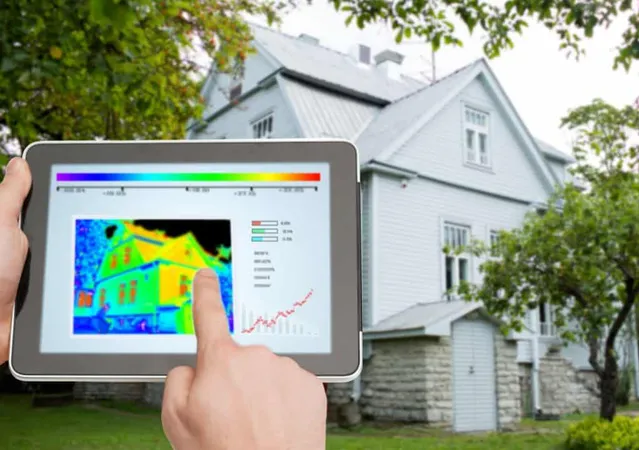
- Thermal Imaging: Infrared technology identifies areas of heat loss through walls, windows, and insulation.
The result is a comprehensive report detailing the home’s energy performance, which homeowners can use to prioritize improvements. A low HERS score signifies an efficient home, while a high score indicates the need for energy-saving upgrades.
Does HERS Work?
Yes, the HERS Index is a reliable and industry-standard measurement for assessing home energy efficiency. It has gained widespread recognition in real estate and home construction due to its ability to accurately predict energy performance and pinpoint areas for improvement. Homes with lower HERS scores typically have lower energy costs, while homes with higher scores may face increased utility expenses. The success of the HERS system can be attributed to its:
- Detailed Testing: HERS Raters use scientific methods and industry-standard tools to measure energy efficiency, ensuring accurate results.
- Standardization: The HERS Index provides a consistent and comparable measure of home efficiency, making it useful for buyers, sellers, and real estate professionals.
- Improvement Recommendations: The HERS report doesn’t just score a home; it also offers actionable recommendations for increasing energy efficiency, which homeowners can implement to reduce costs.
Many homeowners who invest in improvements based on HERS ratings experience significant savings over time, making it an effective solution for energy conservation and cost reduction.
Finding a HERS Rater Near Me
Finding a certified HERS Rater in your area is a straightforward process. RESNET provides a directory of certified professionals who are qualified to perform HERS ratings. To find a local HERS Rater:
- Visit the RESNET Website: The RESNET directory allows users to search for certified raters by location.
- Contact Local Energy Organizations: Local energy efficiency programs or utility companies may provide information about nearby HERS Raters.
- Ask for Recommendations: Homeowners, builders, or real estate professionals in your network may be able to recommend a reputable HERS Rater.
Choosing a certified HERS Rater ensures that your home’s energy evaluation is conducted by a qualified professional, leading to reliable results and recommendations.

How Much Does HERS Testing Cost?
The cost of a HERS rating can vary based on the size of the home, its location, and the complexity of the evaluation. On average, homeowners can expect to pay between $300 and $600 for a standard HERS rating. Factors that influence the cost include:
- Home Size: Larger homes require more testing and analysis, potentially increasing the fee.
- Complexity: Homes with more complicated HVAC systems, insulation, and structural designs may need a more detailed inspection.
- Additional Testing: Some HERS Raters offer optional testing, such as thermal imaging, which can increase the total cost.
While the initial fee may seem significant, the energy savings resulting from a HERS evaluation often offset the cost over time. Additionally, some state programs or utility providers offer rebates or incentives for energy-efficient improvements, which can help lower overall expenses.
Conclusion
Obtaining a HERS rating for your home is an excellent way to identify energy inefficiencies and reduce utility costs. Certified HERS Raters use advanced methods to assess home performance, providing homeowners with a reliable efficiency score and actionable recommendations. By pursuing improvements based on the HERS report, homeowners can benefit from long-term energy savings and an enhanced home value. Whether you're a homeowner, builder, or real estate professional, understanding the HERS Index and the benefits of a low score can play a pivotal role in supporting energy-efficient living.

HERS: Pros and Cons
- +HERS certification validates expertise recognized by employers nationwide
- +Certified professionals typically earn 15-20% higher salaries
- +Opens doors to advanced positions and leadership roles
- +Demonstrates commitment to professional standards and ethics
- +Builds a strong professional network through certification communities
- −Exam preparation typically requires 2-4 months of dedicated study
- −Certification and exam fees can range from $150-$500+
- −Must complete continuing education to maintain active certification
- −Pass rates vary — thorough preparation is essential for success
- −Some certifications require prerequisite experience or education
About the Author

Professional Engineer & Energy Certification Specialist
Georgia Institute of TechnologyDr. Steven Park is a licensed Professional Engineer and Certified Energy Manager with a PhD in Energy Engineering from Georgia Tech. He has 16 years of experience in power systems, utility management, and renewable energy project development. Dr. Park coaches engineers and technicians preparing for the PE exam, CEM certification, and electrical utility licensing tests.
Join the Discussion
Connect with other students preparing for this exam. Share tips, ask questions, and get advice from people who have been there.
View discussion (9 replies)