
Texas General Contractor License: What You Actually Need in 2026 September
Does Texas require a general contractor license? The surprising answer, plus what you actually need to contract legally in Texas—local rules and trade licenses. 🏆
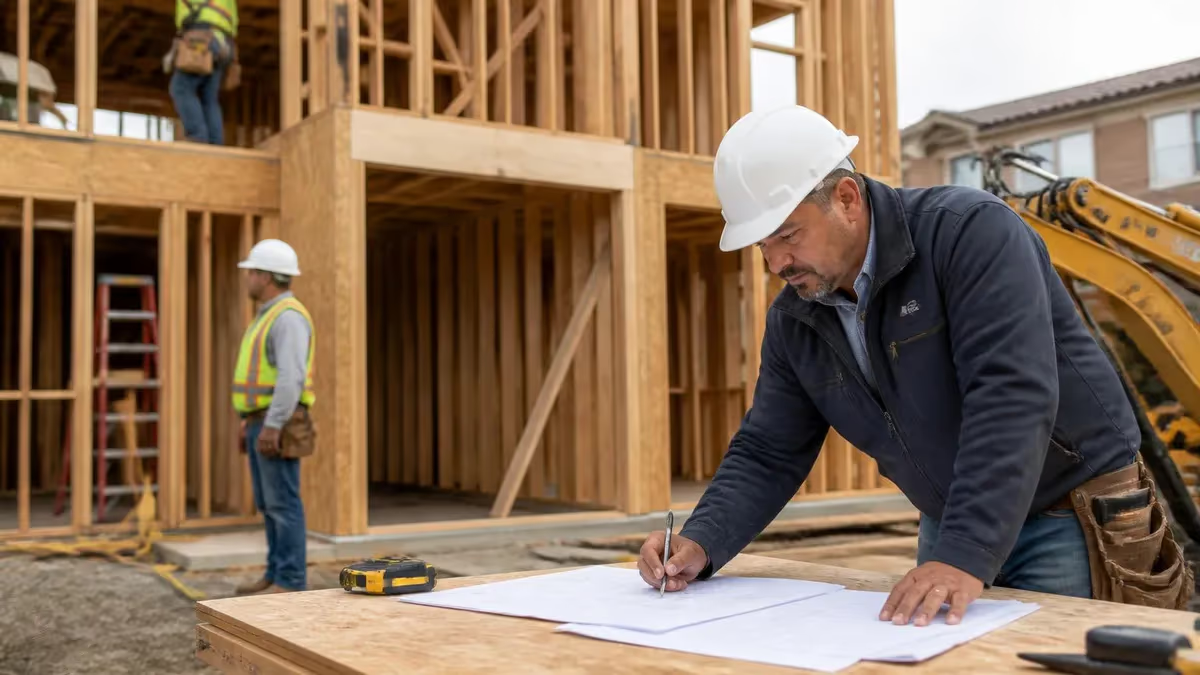
If you're searching for how to get a Texas general contractor license, you're about to learn something that surprises most people: Texas does not require a statewide general contractor license. Unlike many states that mandate a contractor license through a state board, Texas has no such requirement for general contractors at the state level. This makes Texas one of the more contractor-friendly states for getting started—but it doesn't mean there are no rules at all.
This is a genuinely important distinction, because plenty of people assume every state works like Florida or California, where you must pass exams and obtain a state license before contracting. Texas takes a different approach, leaving general contractor licensing largely to local jurisdictions and focusing state-level licensing on specific specialty trades. Understanding this saves you from searching for a state license that doesn't exist and points you toward what you actually need.
This guide explains the real situation: that Texas has no statewide GC license, what local and practical requirements do apply, which trades require state licenses, and how to set yourself up to contract legally in Texas. It's a useful contrast to states that do require licensure—for example, the strict process for a general contractor license florida looks nothing like Texas, despite both being huge construction markets.
One framing point to set expectations: "no state license required" is not the same as "no requirements." You'll still likely need local registration or permits, the right insurance, a properly set-up business, and state licenses for any specialty trade work. So while Texas lowers the licensing barrier for general contracting, doing it right still involves real steps, which this guide lays out.
Texas General Contractor Licensing at a Glance
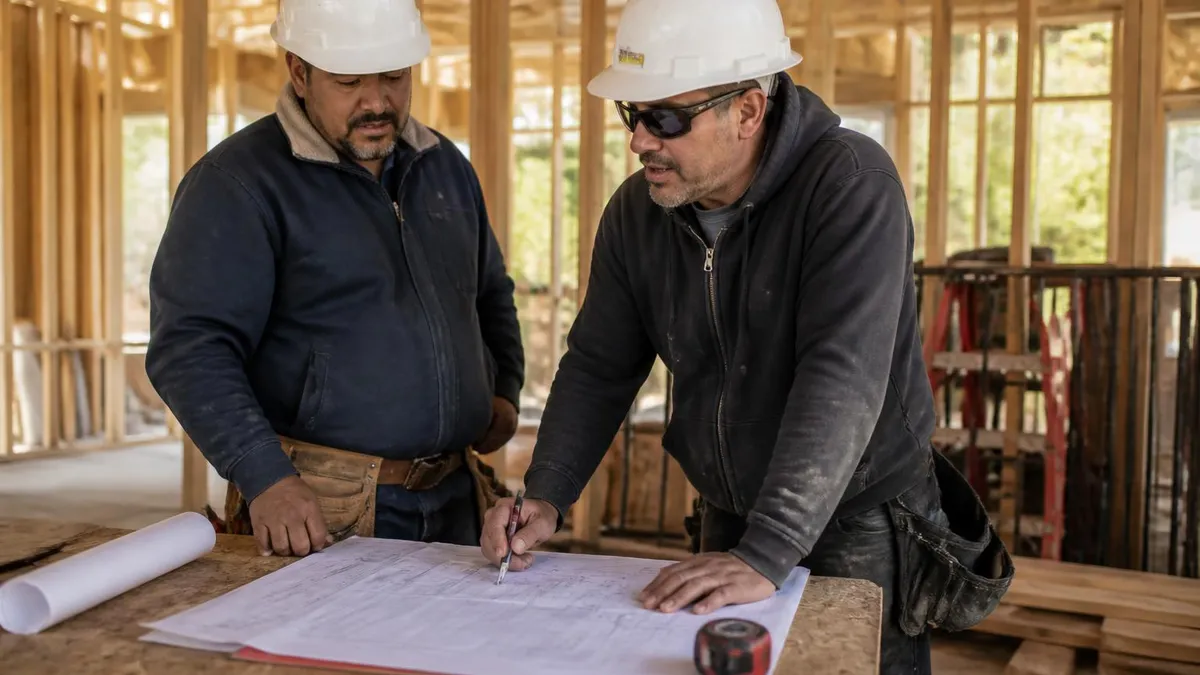
The Real Texas Licensing Picture
Texas has no statewide licensing requirement for general contractors. You don't pass a state exam or get a state GC license to do general contracting work, unlike many other states.
Cities and counties may have their own registration, permitting, or requirements for contractors operating in their jurisdiction. Local rules vary widely, so you must check where you'll work.
Specialty trades—electrical, plumbing, HVAC—do require state licenses in Texas. A general contractor must ensure that licensed tradespeople handle this work.
You still need to set up a business properly, carry appropriate insurance, pull permits, and follow building codes. 'No license' doesn't mean no responsibilities.
Let's establish the central fact clearly: Texas does not have a statewide general contractor license. There is no state board that issues a general contractor license, no state exam you must pass to work as a general contractor, and no state credential required to legally offer general contracting services. This is the opposite of states like Florida, where licensure is a strict, multi-step prerequisite, and it's the single most important thing to understand about contracting in Texas.
This surprises many people precisely because so many states do require GC licenses, creating an assumption that all do. But contractor licensing in the United States is handled state by state, and the requirements vary enormously—some states have rigorous licensing, others have minimal or no general contractor requirements. Texas falls toward the less-regulated end for general contracting specifically, which is why your search for a "Texas GC license" turns up confusion rather than a clear application process.
The reason this matters practically is that it changes what you should be doing. Instead of preparing for and taking a state licensing exam, an aspiring Texas general contractor should focus on the things that actually apply: local jurisdiction rules, business setup, insurance, and ensuring proper licensing for any specialty trade work. Redirecting your energy from a nonexistent state license to these real requirements is the key takeaway.
It's worth being precise that this applies to general contracting. Texas does require state licenses for certain specialty trades, which we'll cover—so it's not that Texas licenses no construction work, but specifically that it doesn't license general contractors at the state level. A general contractor coordinates and oversees projects, and that coordinating role itself isn't state-licensed in Texas, even though some of the trade work within a project is.
This contractor-friendly stance has pros and cons. On the upside, it lowers the barrier to entering general contracting in Texas—you can start more easily than in heavily-licensed states. On the downside, the lighter regulation means consumers must do more due diligence when hiring, since a "licensed GC" credential they could check doesn't exist at the state level. Both contractors and clients should understand this reality.
For comparison, understanding how a strict state handles it illuminates the contrast. The detailed exams, experience requirements, and applications involved in a general contractor license requirements process elsewhere simply don't exist for Texas general contractors at the state level. That contrast is instructive: the same job that requires a rigorous license in one state requires no state license in another, underscoring how much licensing depends on where you work.
So if there's no state license, what does a Texas general contractor actually need to operate legally and successfully? That's the practical question, and the answer involves local requirements, specialty trade licensing, proper business formation, insurance, and compliance with permits and codes. The rest of this guide walks through each of these real requirements that fill the space where a state license would otherwise be.
Setting Up as a Texas General Contractor
Check local requirements
Set up your business
Get insurance
Line up licensed trades
Pull permits and build to code

Although there's no state license, local requirements are where the real rules live, and they vary across Texas. Cities and counties may require general contractors to register with the local government, obtain a local license or permit, or meet specific conditions to work within their jurisdiction. Some municipalities have meaningful requirements; others have very little. Because there's no statewide standard, you must check the specific rules of every city and county where you intend to work.
This local variation is the most important practical complexity. A general contractor working across the Dallas, Houston, Austin, and San Antonio metro areas, plus smaller towns, could face different local requirements in each. What's required in one city may not be required in the next. The responsible approach is to contact the building or permitting department of each jurisdiction you'll operate in and confirm exactly what they require of contractors.
Permitting is the most universal local requirement. Regardless of licensing, construction projects almost always require building permits pulled from the local authority, and the general contractor typically handles this. Permits ensure the work is reviewed for code compliance and inspected, and working without required permits can lead to serious problems—stop-work orders, fines, and issues when a property is later sold. Pulling proper permits is non-negotiable on real projects.
Some larger jurisdictions effectively create a local licensing layer even without a state one. They may require contractors to register, show proof of insurance, or meet other conditions before pulling permits or operating. This functions somewhat like a local license, so in practice a Texas GC may still need to satisfy local credentialing in certain cities—just not a uniform statewide one. Treating each jurisdiction as having its own rulebook is the right mindset.
Because the rules are local and changeable, the single most important step is direct verification. Before working in any area, contact that jurisdiction's relevant department and ask exactly what's required of a general contractor: registration, permits, insurance proof, fees, and any local exams or conditions. Relying on general assumptions—or on what was true in another city—is how contractors run into compliance problems. Local confirmation is the foundation of operating legally in Texas.
This local-first reality is genuinely different from licensed states, where a single state credential covers you statewide. In Texas, your compliance is assembled jurisdiction by jurisdiction. That's more legwork in some ways, but also more flexible, and it's the actual landscape a Texas general contractor navigates in place of a state licensing process. Mapping the local requirements for your service area is essentially the Texas equivalent of getting licensed.
For contractors planning to work across many jurisdictions, building a clear record of each area's requirements pays off. Keeping track of which cities require registration, what insurance proof they want, and their permitting processes turns the patchwork into a manageable system. This organized, local-by-local approach is how successful Texas general contractors stay compliant across a large, varied service area without a unifying state license to lean on.
Texas Contractor Requirements, Explained
There isn't one for general contractors. Texas has no statewide GC license, exam, or state board credential required to do general contracting work—unlike many other states. This is the central, surprising fact about contracting in Texas.
What a Texas General Contractor Actually Needs
- ✓Check local registration and permit rules in every city/county you serve.
- ✓Form and register a proper business entity.
- ✓Carry general liability and other appropriate insurance.
- ✓Ensure electrical, plumbing, and HVAC work uses state-licensed trades.
- ✓Pull the required building permits for each project.
- ✓Build to applicable codes and pass inspections.
- ✓Verify current requirements directly with each local jurisdiction.
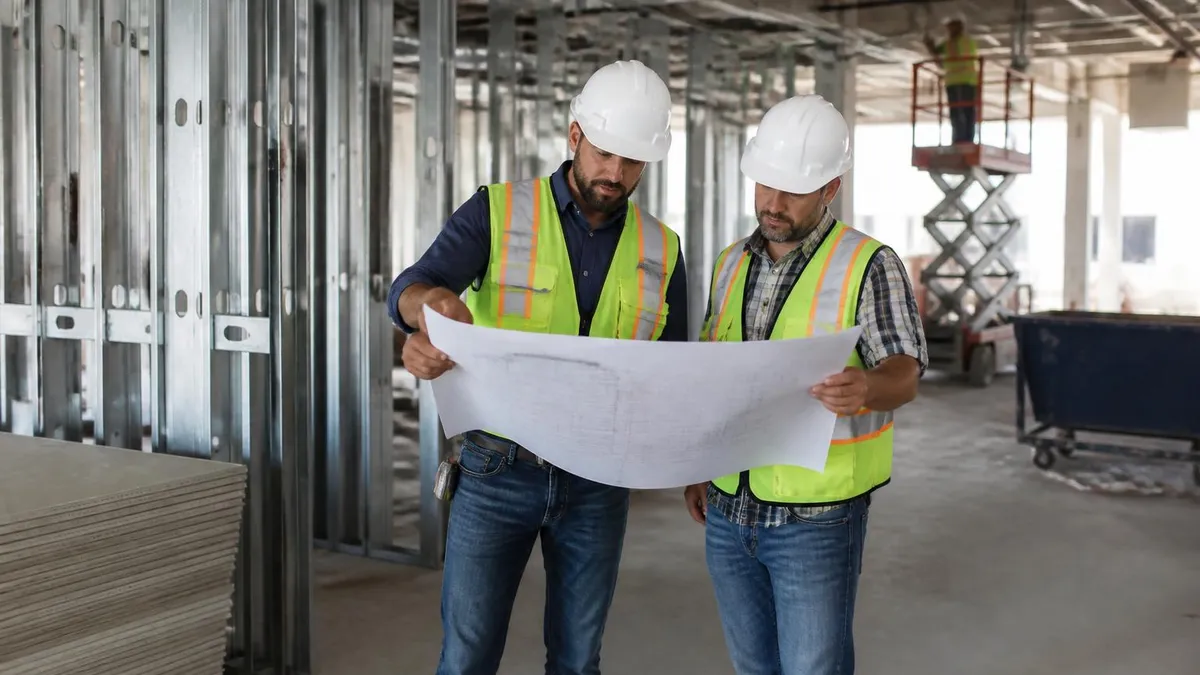
While general contractors aren't state-licensed in Texas, the specialty trades are, and this is a critical distinction. Texas requires state licenses for electricians, plumbers, and HVAC (air conditioning and refrigeration) contractors and technicians. This work is regulated at the state level for safety reasons, so even though the overarching general contractor needs no state license, the trade work within a project must be performed by appropriately state-licensed professionals.
This means a Texas general contractor's responsibility is to ensure proper licensing of the trades, not to hold a GC license themselves. When a GC coordinates a project involving electrical, plumbing, or HVAC work, they must use licensed electricians, plumbers, and HVAC contractors for that work. Using unlicensed individuals for these regulated trades is illegal and dangerous, and the GC bears responsibility for ensuring the right licensed pros handle it.
Electrical work is licensed through the state, requiring electricians and electrical contractors to hold the appropriate Texas license. Plumbing is similarly regulated, with plumbers needing state licensure. HVAC—air conditioning and refrigeration—also requires state licensing for contractors and technicians. These three trades are the main state-licensed construction trades in Texas, and any project touching them must route that work through properly licensed professionals.
For a general contractor, this shapes how you build your team and subcontractor relationships. You'll either employ or subcontract licensed tradespeople for the regulated work, verifying their licenses are valid. Building relationships with reliable licensed electricians, plumbers, and HVAC contractors is part of operating a legitimate Texas general contracting business, since you'll depend on them for the licensed portions of nearly every substantial project.
It's worth noting that some individuals do pursue these trade licenses themselves to expand what they can offer. A contractor who is also a licensed electrician or plumber, for instance, can perform that trade work directly. But this is separate from general contracting—it's holding a specific trade license in addition to operating as a GC. For pure general contracting and coordination, no such license is needed.
This trade-licensing layer is why "Texas has no contractor license" is an oversimplification that can mislead. The accurate statement is that Texas has no general contractor license, but does license specific trades. A general contractor operating legally must understand both halves: they personally need no state GC license, but they must ensure the licensed trades are handled by licensed people. Getting this right is essential to running a compliant operation.
Understanding the full licensing landscape—no GC license, but real trade licenses—lets a Texas general contractor operate correctly. It's a different structure than the all-in-one state GC license of other states, distributing the licensing to the trades that most affect safety while leaving the general coordinating role unlicensed at the state level. Grasping this structure is central to understanding how construction licensing actually works in Texas.
Texas has no statewide GC license
Stop searching for a Texas general contractor license application—there isn't one. Texas requires no statewide license, exam, or state credential to work as a general contractor. Instead, focus on what actually applies: local jurisdiction requirements, proper business setup and insurance, pulling permits, and ensuring electrical, plumbing, and HVAC work is done by state-licensed trades. That's the real Texas requirement set.
Contracting in Texas: The Trade-offs
- +No statewide GC license, exam, or state board to satisfy
- +Lower barrier to entry than heavily-licensed states
- +More flexibility to start a general contracting business
- +No state licensing fees or renewal for general contracting
- +Trade-licensing structure keeps safety-critical work regulated
- −Local rules vary widely and must be checked jurisdiction by jurisdiction
- −No state credential means clients must vet contractors carefully
- −You must still ensure licensed trades handle electrical/plumbing/HVAC
- −Business setup, insurance, permits, and codes still apply
- −Easy to assume 'no license' means 'no requirements'—a costly mistake
Texas not requiring a statewide general contractor license is real, but it doesn't mean you can operate without requirements. Local jurisdictions may mandate registration, permits, and insurance; specialty trades require state licenses; and business formation, insurance, permits, and code compliance all still apply. Always verify the current rules in each city and county where you work directly with that jurisdiction.
Beyond licensing, the practical foundations of a legitimate Texas general contracting business deserve attention, starting with proper business setup. You'll want to form a legal business entity, register it with the state as required, obtain any necessary tax registrations, and handle the administrative basics of running a company. This isn't licensing, but it's the legal foundation of operating, and skipping it creates liability and tax problems regardless of contractor licensing rules.
Insurance is practically essential even where not strictly mandated, and it's often required by clients or local jurisdictions anyway. General liability insurance protects you and your clients if something goes wrong, and depending on your operation you may need additional coverage like workers' compensation if you have employees. Carrying appropriate insurance is both a protection and a credibility signal, and many clients won't hire an uninsured contractor regardless of licensing.
Permits and code compliance are where day-to-day legality lives. For each project, the general contractor typically pulls the required local building permits and ensures the work meets applicable building codes, passing inspections along the way. This process is how construction is regulated for safety in the absence of a GC license, and getting it right—rather than skipping permits—is essential to legitimate operation and avoiding stop-work orders and penalties.
Building credibility takes on extra importance precisely because Texas lacks a state license clients can check. Without a state credential to point to, Texas contractors build trust through insurance, references, a strong portfolio, proper business standing, and reputation. Demonstrating professionalism and reliability matters even more when there's no license to serve as a baseline signal, so investing in your reputation is part of succeeding as a Texas GC.
For consumers hiring a general contractor in Texas, this same reality means doing more due diligence. Since you can't simply verify a state GC license, you should check insurance, ask for and contact references, review past work, confirm proper business registration, and ensure licensed trades will handle electrical, plumbing, and HVAC work. The absence of state licensing puts more responsibility on clients to vet contractors carefully before hiring.
It's also worth knowing that the no-license situation can evolve, and specifics can vary, so verification matters. Local requirements change, and the details of what each jurisdiction requires should be confirmed directly. While the core fact—no statewide Texas GC license—has been stable, treating local requirements as something to verify currently, rather than assume, keeps both contractors and clients on solid ground as they navigate the system.
To sum up the Texas general contractor situation: there is no statewide general contractor license in Texas, which surprises many but is genuinely the case. What you actually need is to satisfy local jurisdiction requirements, set up a proper business with appropriate insurance, pull permits and build to code, and ensure state-licensed trades handle electrical, plumbing, and HVAC work. Get those right, and you can operate legally and successfully as a general contractor in Texas without a state license that simply doesn't exist.
Texas General Contractor License Questions and Answers



About the Author

Educational Psychologist & Academic Test Preparation Expert
Columbia University Teachers CollegeDr. Lisa Patel holds a Doctorate in Education from Columbia University Teachers College and has spent 17 years researching standardized test design and academic assessment. She has developed preparation programs for SAT, ACT, GRE, LSAT, UCAT, and numerous professional licensing exams, helping students of all backgrounds achieve their target scores.
Join the Discussion
Connect with other students preparing for this exam. Share tips, ask questions, and get advice from people who have been there.
View discussion (7 replies)