

FMF Practice Test
Updated for September 2026The Fleet Marine Force (FMF) is a critical component of the U.S. Marine Corps, tasked with providing rapid response and operational flexibility to meet the diverse challenges of modern warfare. As an integral part of the U.S. military, the FMF combines the expertise of the Marine Corps with the agility of a naval force, enabling it to deploy quickly across global hotspots. This article will delve into the structure, function, and importance of the Fleet Marine Force in the broader context of military operations and readiness.
FMF Practice Test Questions
Prepare for the FMF - Fleet Marine Force exam with our free practice test modules. Each quiz covers key topics to help you pass on your first try.
FMF CBRN Defense Procedures
FMF Exam Questions covering CBRN Defense Procedures. Master FMF Test concepts for certification prep.
FMF Combat Communications
Free FMF Practice Test featuring Combat Communications. Improve your FMF Exam score with mock test prep.
FMF Combat & Tactical Training
FMF Mock Exam on Combat & Tactical Training. FMF Study Guide questions to pass on your first try.
FMF - Fleet Marine Force CBRN Defense Proc...
FMF Questions and Answers on - Fleet Marine Force CBRN Defense Procedures. Free FMF practice for exam readiness.
FMF - Fleet Marine Force Combat Communicat...
FMF Mock Test covering - Fleet Marine Force Combat Communications. Online FMF Test practice with instant feedback.
FMF - Fleet Marine Force Infantry Weapons ...
Free FMF Quiz on - Fleet Marine Force Infantry Weapons Fundamentals. FMF Exam prep questions with detailed explanations.
FMF - Fleet Marine Force Land Navigation a...
FMF Practice Questions for - Fleet Marine Force Land Navigation and Patrolling. Build confidence for your FMF certification exam.
FMF - Fleet Marine Force MAGTF Organizatio...
FMF Test Online for - Fleet Marine Force MAGTF Organization and Mission. Free practice with instant results and feedback.
FMF - Fleet Marine Force Marine Corps History
FMF Study Material on - Fleet Marine Force Marine Corps History. Prepare effectively with real exam-style questions.
FMF - Fleet Marine Force Tactical Combat C...
Free FMF Test covering - Fleet Marine Force Tactical Combat Casualty Care. Practice and track your FMF exam readiness.
FMF - Fleet Marine Force Marine Corps Law ...
FMF Exam Questions covering FMF - Fleet Marine Force Marine Corps Law and Military Justice. Master FMF Test concepts for certification prep.
FMF - Fleet Marine Force Naval Integration...
Free FMF Practice Test featuring FMF - Fleet Marine Force Naval Integration and Amphibious Operations. Improve your FMF Exam score with mock test prep.
FMF - Fleet Marine Force Physical Fitness ...
FMF Mock Exam on FMF - Fleet Marine Force Physical Fitness and Readiness Standards. FMF Study Guide questions to pass on your first try.
FMF Infantry Weapons Fundamentals
FMF Test Prep for Infantry Weapons Fundamentals. Practice FMF Quiz questions and boost your score.
FMF Land Navigation and Patrolling
FMF Questions and Answers on Land Navigation and Patrolling. Free FMF practice for exam readiness.
FMF Leadership & Command Structure
FMF Mock Test covering Leadership & Command Structure. Online FMF Test practice with instant feedback.
FMF Logistics & Supply Chain Management
Free FMF Quiz on Logistics & Supply Chain Management. FMF Exam prep questions with detailed explanations.
FMF MAGTF Organization and Mission
FMF Practice Questions for MAGTF Organization and Mission. Build confidence for your FMF certification exam.
FMF Marine Corps Customs, Courtesies, and ...
FMF Test Online for Marine Corps Customs, Courtesies, and Traditions. Free practice with instant results and feedback.
Key Takeaways:
Free FMF Practice Test Online
The Fleet Marine Force plays a vital role in the U.S. military’s readiness to respond to crises.
It is a key force projection capability that combines the strengths of the Navy and the Marine Corps.
The FMF's primary mission is to provide rapid deployment and effective force presence in global operations.
Understanding the FMF's operational readiness and structure is crucial for evaluating its significance in modern military strategy.
What is the Fleet Marine Force?
The Fleet Marine Force (FMF) is a specialized and integrated operational unit within the U.S. Marine Corps. It combines naval assets with infantry, armor, and artillery support to create a highly mobile and versatile force capable of quick deployment. FMF units are specifically designed for amphibious warfare, a key capability for securing beachheads and establishing a presence in areas of conflict. They work closely with naval forces to provide rapid response during crises or conflicts.
- ✓Confirm your exam appointment and location
- ✓Bring required identification documents
- ✓Arrive 30 minutes early to check in
- ✓Read each question carefully before answering
- ✓Flag difficult questions and return to them later
- ✓Manage your time — don't spend too long on one question
- ✓Review flagged questions before submitting
Structure of the Fleet Marine Force
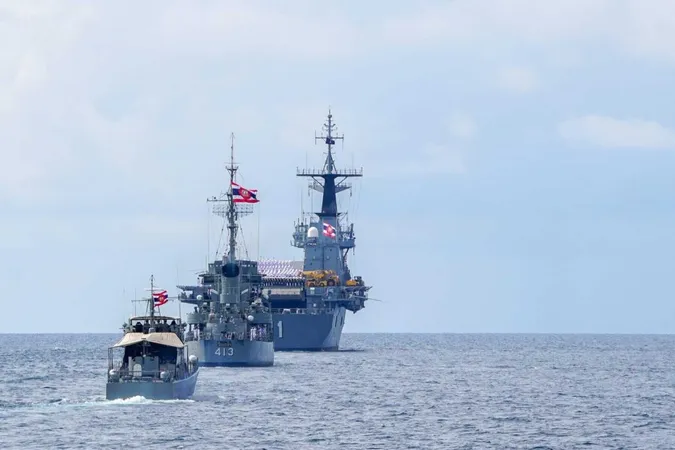
The Fleet Marine Force operates under the command of the U.S. Navy and Marine Corps leadership. It is typically composed of a Marine Division, Wing, and Logistics Group. Each element of the FMF brings a different set of skills and equipment to the table:
Marine Division: The primary fighting force consisting of infantry, tanks, artillery, and other combat units.
Marine Aircraft Wing: Provides air support, logistics, and reconnaissance through a wide array of aircraft, including helicopters and fighter jets.
Marine Logistics Group: Ensures that the necessary supplies, equipment, and reinforcements are readily available for sustained operations.
The coordination of these units is essential for the success of FMF missions, which often require quick, coordinated responses to changing battle conditions.
Key Roles and Functions of the Fleet Marine Force
Amphibious Assault Operations: FMF units are trained to launch amphibious operations, enabling them to land on hostile shores and quickly secure vital locations. Their capabilities in amphibious warfare allow the U.S. military to respond to crises in littoral (coastal) environments.
Humanitarian Assistance and Disaster Relief: In addition to combat operations, the Fleet Marine Force is often deployed for humanitarian aid and disaster relief efforts. Their ability to deploy rapidly and operate in austere conditions makes them invaluable in responding to natural disasters.
Deterrence and Force Projection: The FMF serves as a powerful deterrent to adversaries by demonstrating the U.S. military's capability to project force across the globe. Their mere presence in a region signals U.S. commitment to peace and stability.
Expeditionary Warfare: The Fleet Marine Force is the U.S. military’s go-to force for expeditionary missions, often deployed in forward-operating bases to respond to emerging threats and secure U.S. interests abroad.
Training and Readiness
The FMF’s effectiveness is built upon continuous training and high levels of readiness. Marines undergo rigorous training, which includes amphibious assault tactics, combat skills, and specialized courses for leadership and logistics. This ensures that FMF units are always prepared to respond swiftly and efficiently to any mission, whether in combat or humanitarian assistance.
Conclusion
The Fleet Marine Force is a dynamic and integral part of the U.S. military’s capabilities. Its ability to deploy rapidly, conduct amphibious assaults, and provide humanitarian assistance makes it one of the most versatile military units in the world. As global security challenges continue to evolve, the Fleet Marine Force remains a critical asset for the U.S. Navy and Marine Corps, ensuring they are always ready to meet the demands of modern warfare.
- +Validates your knowledge and skills objectively
- +Increases job market competitiveness
- +Provides structured learning goals
- +Networking opportunities with other certified professionals
- −Study materials can be expensive
- −Exam anxiety can affect performance
- −Requires dedicated preparation time
- −Retake fees apply if you don't pass
(FMF) Fleet Marine Force Questions and Answers
About the Author

Master Mariner & Maritime Certification Specialist
Massachusetts Maritime AcademyCaptain David Harrington is a US Coast Guard licensed Master Mariner with a Bachelor of Science in Marine Transportation from Massachusetts Maritime Academy. He has 22 years of deep-sea and coastal navigation experience aboard commercial vessels and specializes in preparing maritime candidates for USCG licensing exams, STCW certification, dynamic positioning (DPO), and officer-of-the-watch qualifications.
Join the Discussion
Connect with other students preparing for this exam. Share tips, ask questions, and get advice from people who have been there.
View discussion (7 replies)