
Theory Test Pass Rate: The Complete 2026 September UK Guide to Beating the Odds and Passing First Time
Theory test pass rate explained for 2026 September: ✏️ current DVSA figures, why so many fail, and a proven study plan to pass the multiple-choice and hazard test
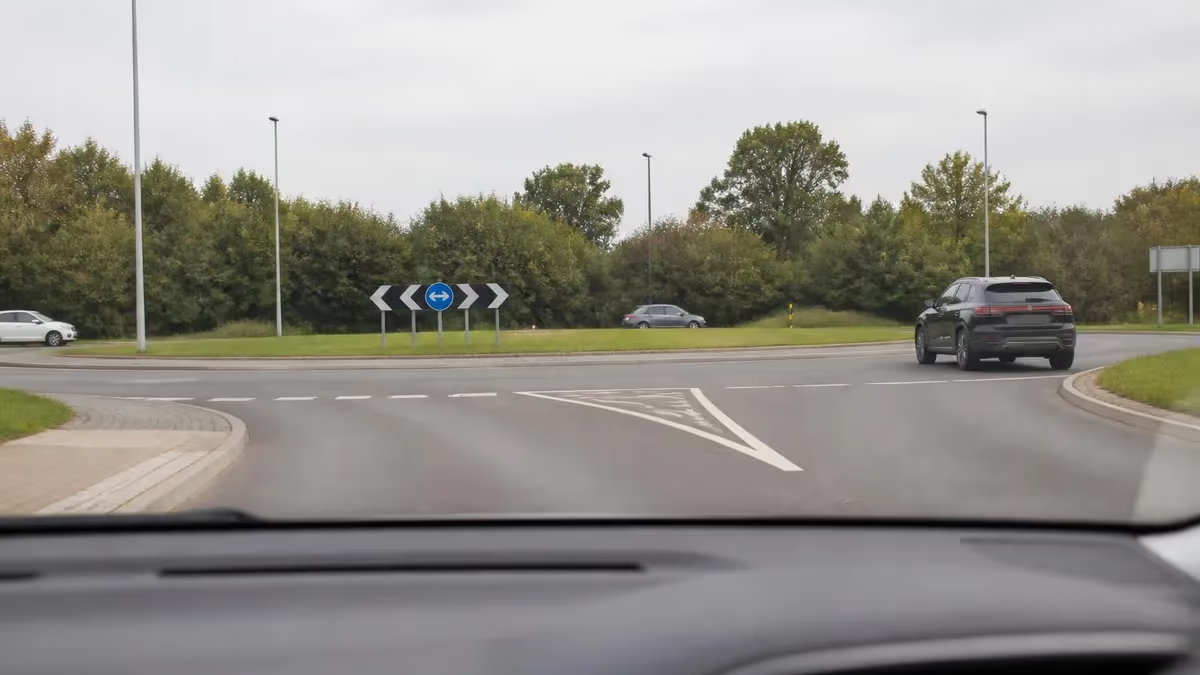
The theory test pass rate is one of the most searched figures by UK learner drivers, and for good reason: it tells you exactly how steep the climb is before you ever sit down at a DVSA test centre. The current car theory test pass rate hovers at roughly 44 to 45 percent, meaning more than half of all candidates walk away without a pass on the day. That single statistic shapes how seriously you should treat your preparation, how many practice questions you should attempt, and how much time you should set aside before booking.
Understanding the theory test pass rate matters because it reframes the exam from a formality into a genuine hurdle. Many learners assume the theory test is the easy part and that the practical driving test is where the real challenge lies. The data tells a different story. With nearly 1.8 million theory tests sat each year and fewer than half resulting in a pass, the theory test quietly fails almost a million people annually. Knowing this changes your mindset from casual to committed.
The test itself splits into two distinct parts that you must pass together in the same sitting. The first is a 50-question multiple-choice section where you need 43 correct answers to pass. The second is the hazard perception test, a video-based section scored out of 75 where the pass mark is 44. Failing either component means failing the whole test, which is one of the biggest reasons the overall theory test pass rate stays stubbornly below 50 percent year after year.
What pushes so many candidates into the failing half? A mix of underestimating the breadth of material, relying on memory tricks instead of genuine understanding, and walking in cold to the hazard perception clips without ever practising the unique clicking technique they demand. The Highway Code alone contains hundreds of rules, signs, and legal requirements, and the DVSA question bank draws from all of them. Skimming the night before simply does not work for most people.
This guide pulls together the official figures, explains why the pass rate sits where it does, and lays out a structured, week-by-week approach that consistently lifts learners into the passing group. We will cover the exact format, the scoring breakdown, the most common mistakes, and a realistic study schedule. Whether you have just turned 17 or you are returning to driving after years away, the principles here apply equally and are built around how the DVSA actually marks the test.
By the end, you will understand not just what the theory test pass rate is, but how to position yourself firmly on the right side of it. The learners who pass first time are rarely the most naturally gifted; they are the ones who treated the statistics as a warning, prepared methodically, and practised under realistic conditions. Treat the figures below as your starting point, and let them guide how much effort you commit before you click the button to book your slot.
The Theory Test Pass Rate by the Numbers

Theory Test Format & Pass Marks
| Section | Questions | Time | Weight | Notes |
|---|---|---|---|---|
| Multiple-Choice Questions | 50 | 57 min | Pass: 43/50 | Includes an optional 3-minute practice run-through before the timed section begins |
| Break (optional) | 0 | 3 min | — | Short rest between the two sections |
| Hazard Perception Clips | 14 | ~15 min | Pass: 44/75 | 14 video clips, 15 scoring hazards, one clip has two hazards |
| Total | 50 | 57 minutes | 100% |
To genuinely improve your odds, you first have to understand why the theory test pass rate sits below 50 percent. The single biggest factor is that the test combines two very different skills, and weakness in either one sinks the whole attempt. A learner can score a flawless 50 out of 50 on the multiple-choice questions and still fail outright if the hazard perception score lands at 43 or below. This all-or-nothing structure is unforgiving and catches out thousands of otherwise well-prepared candidates every single month.
The second factor is the sheer breadth of the question bank. The DVSA draws from the entire Highway Code, plus guidance on vehicle safety, documents, attitude, motorway rules, and dealing with incidents. Many learners study a narrow slice — usually road signs — and assume that covers most of it. In reality, signs are only a fraction of the material. Topics like stopping distances, vulnerable road users, and eco-friendly driving appear frequently and trip up anyone who only revised the obvious areas.
A third reason is overconfidence rooted in age and assumptions. Younger candidates sometimes treat the theory test as a box to tick on the way to the practical, while older returning drivers assume their years of passenger experience translate into passing knowledge. Neither group tends to perform as well as they expect. The figures show that pass rates do not climb dramatically with age, which proves that life experience alone is no substitute for deliberate, question-bank-focused revision.
The hazard perception section deserves special blame for the low pass rate. It uses a scoring window that rewards clicking as a hazard begins to develop, not when it becomes obvious. Click too early and the system suspects you are guessing; click too late and the window has closed. Clicking continuously to game the system triggers an anti-cheat rule that scores that clip zero. Without practising the timing on realistic clips, most first-timers either over-click or react far too slowly.
Language and reading speed also play a quiet role. The multiple-choice questions are written precisely, and a misread word can flip the correct answer. Candidates who rush, who struggle with English, or who panic under the clock often lose marks on questions they actually understood. The test does offer accessibility support, including extra time and voiceovers, but many eligible candidates never request it because they do not realise it exists, which subtly drags the overall pass rate down.
Finally, inadequate preparation time is the most common thread running through failures. Learners who book the test before they are ready, or who cram a single weekend of revision, consistently underperform. If your circumstances change and you are not prepared, it is far wiser to how to change theory test date than to walk in hoping for luck. The pass rate rewards preparation, and the candidates who treat it as a serious exam are the ones who reliably end up in the passing 44 percent.
DVSA Practice Test Questions
Prepare for the DVSA - UK Driving Theory Test exam with our free practice test modules. Each quiz covers key topics to help you pass on your first try.
DVSA Eco-Friendly Driving and Vehicle Loading
DVSA Exam Questions covering Eco-Friendly Driving and Vehicle Loading. Master DVSA Test concepts for certification prep.
DVSA Hazard Awareness
Free DVSA Practice Test featuring Hazard Awareness. Improve your DVSA Exam score with mock test prep.
DVSA Incidents, Accidents and First Aid
DVSA Mock Exam on Incidents, Accidents and First Aid. DVSA Study Guide questions to pass on your first try.
DVSA Motorway Rules and Smart Motorways
DVSA Test Prep for Motorway Rules and Smart Motorways. Practice DVSA Quiz questions and boost your score.
DVSA Rules of the Road (Highway Code)
DVSA Questions and Answers on Rules of the Road (Highway Code). Free DVSA practice for exam readiness.
DVSA - UK Driving Theory Hazard Awareness ...
DVSA Mock Test covering - UK Driving Theory Hazard Awareness and Perception. Online DVSA Test practice with instant feedback.
DVSA - UK Driving Theory Motorway Rules an...
Free DVSA Quiz on - UK Driving Theory Motorway Rules and Regulations. DVSA Exam prep questions with detailed explanations.
DVSA - UK Driving Theory Road and Traffic ...
DVSA Practice Questions for - UK Driving Theory Road and Traffic Signs. Build confidence for your DVSA certification exam.
DVSA - UK Driving Theory Rules of the Road
DVSA Test Online for - UK Driving Theory Rules of the Road. Free practice with instant results and feedback.
Multiple-Choice vs Hazard Perception
The first section presents 50 questions drawn from the official DVSA bank, and you need 43 correct to pass — a demanding 86 percent threshold. Each question shows possible answers on a touchscreen, with some asking you to select more than one option. You have 57 minutes, which is generous enough that running out of time is rare for prepared candidates.
Questions cover road signs, the Highway Code, vehicle handling, safety margins, attitude, and documents. A handful are delivered as a short case study, where a scenario is followed by five linked questions. Reading each question carefully is essential, because the wording is precise and a single misread word can change the correct answer entirely.

Self-Study vs a Structured Theory Course: Which Lifts Your Pass Rate?
- +Official DVSA apps give you direct access to the real question bank
- +Self-study is low-cost and lets you revise around work or school
- +You can repeat weak topics as many times as you need
- +Mock tests replicate the exact 50-question, 57-minute format
- +Hazard perception practice clips build the clicking timing you need
- +Flexible pacing suits both teenagers and returning adult learners
- −Self-study requires discipline that many learners underestimate
- −Free apps vary in quality and some use outdated questions
- −Without a schedule it is easy to neglect hazard perception
- −No instructor feedback means blind spots can go unnoticed
- −Cramming a single weekend rarely produces a first-time pass
- −Some learners need accountability that solo revision cannot provide
Pre-Test Preparation Checklist to Beat the Pass Rate
- ✓Read the official Highway Code from cover to cover at least once.
- ✓Work through the full DVSA multiple-choice question bank using an app.
- ✓Score 45/50 or higher on at least five consecutive mock tests.
- ✓Practise hazard perception clips until you reliably score above 50/75.
- ✓Revise stopping distances and convert them into a memorable rule.
- ✓Learn the meaning of every shape and colour of road sign.
- ✓Study vulnerable road user and motorway rules specifically.
- ✓Book your test only once your mock scores are consistently passing.
- ✓Confirm the test centre location and plan your travel in advance.
- ✓Bring your valid photocard provisional driving licence on the day.
Consistent mock scores predict real results
Learners who score 45 or more on at least five mock tests in a row pass the real multiple-choice section the vast majority of the time. The mock test is the closest legal preview of the exam you will get, so treat a string of strong mocks — not a gut feeling — as your green light to book.
Knowing the theory test pass rate is useful, but converting that knowledge into a pass requires a deliberate study method. The most effective approach is active recall combined with spaced repetition. Rather than passively reading the Highway Code over and over, quiz yourself, get questions wrong, and revisit the ones you missed a day or two later. This forces your brain to retrieve information under pressure, which is exactly what the test demands. Passive reading creates a false sense of familiarity that collapses the moment a timed question appears on screen.
Start by working through the entire DVSA question bank at least once so you can see the full scope of what might appear. As you go, tag the topics where you score poorly — for many learners these are stopping distances, eco-friendly driving, and the precise meanings of less common signs. Build dedicated revision sessions around those weak areas instead of repeatedly drilling the topics you already know. Targeting weaknesses is the fastest way to lift your overall score and move into the passing half.
Hazard perception requires its own training, and it is the section most learners neglect. Watch practice clips daily in the two weeks before your test, focusing on identifying the moment a hazard begins to develop rather than when it becomes obvious. Click once as the threat emerges and again to confirm if it escalates, but never click in a continuous rhythm. Build the habit of scanning the whole scene — mirrors, pavements, side roads, and parked cars — exactly as you would when driving for real.
Simulate test conditions whenever you take a mock. Sit somewhere quiet, set the full 57-minute timer, and complete all 50 questions in one uninterrupted sitting without checking answers as you go. This builds the stamina and focus you will need on the day and reveals whether nerves or fatigue cause you to slip on the later questions. A mock taken casually on your phone between other tasks tells you very little about how you will perform under genuine exam pressure.
Spacing your revision across several weeks beats cramming every time. Aim for shorter, frequent sessions — perhaps 30 to 45 minutes daily — rather than a single marathon. Memory consolidates during the gaps between sessions, so a learner who studies for two weeks at half an hour a day will typically outperform one who crams ten hours into a single weekend. If you are pursuing your licence quickly through an intensive driving course with test, build the theory revision in well before the practical week so it is not rushed.
Finally, track your progress with numbers, not feelings. Keep a simple log of your mock scores and hazard perception results so you can see the trend rising over time. Confidence built on data is far more reliable than vague optimism. When your multiple-choice mocks consistently exceed 45 and your hazard clips reliably clear 50, you have objectively prepared yourself to sit comfortably above the average theory test pass rate — and that is the moment to book with conviction.
The theory test currently costs £23, and there is no refund if you fail — you simply pay again to rebook. With more than half of candidates failing, booking before your mock scores are consistently passing is an expensive gamble. Wait until your data says you are ready.
On test day itself, your tactics matter almost as much as your preparation, and small mistakes can pull a prepared learner below the line. Arrive at the test centre at least 15 minutes early with your valid photocard provisional licence in hand — without it, you will be turned away and lose your fee entirely. Use the spare time to settle your nerves rather than frantically cramming, because last-minute revision tends to increase anxiety and rarely changes your score in a meaningful way.
Before the timed multiple-choice section begins, you are offered an optional three-minute practice run. Take it. It familiarises you with the touchscreen interface, the flagging tool, and the navigation buttons, so you waste no time figuring out the mechanics once the real clock starts. The few minutes you invest here remove a layer of unfamiliarity that can otherwise rattle anxious candidates during the opening questions of the real section.
During the multiple-choice section, read every question twice and watch for words like 'not', 'except', and 'most'. These small qualifiers completely change what is being asked and are responsible for a surprising number of avoidable errors. If a question stumps you, use the flag feature to mark it and move on, then return once you have answered everything you are sure of. With 57 minutes for 50 questions, you have ample time for a thorough second pass over the flagged items.
When the hazard perception clips begin, watch the short introductory video carefully, because it explains the scoring window one final time. Treat each clip as if you are genuinely driving: scan continuously and click the moment a potential hazard starts to develop. A second confirming click as the hazard grows is sensible, but resist the urge to click rapidly or rhythmically. The system flags suspicious clicking patterns and will award zero for any clip where it suspects you are simply guessing.
Manage your nerves with steady breathing and remember that you do not need a perfect score — only 43 of 50 and 44 of 75. Reframing the test as 'I can afford to miss a few' rather than 'I must get everything right' reduces the panic that causes careless mistakes. Many capable learners fail not from lack of knowledge but from anxiety that scrambles their reading and rushes their clicking. A calm, methodical pace beats frantic speed every time.
If the result does not go your way, treat it as information rather than failure. The feedback shows which topic bands you struggled with, so you can target those areas before rebooking, which you can do after a three-working-day wait. Plenty of learners pass comfortably on a second attempt once they address their specific gaps. The theory test pass rate reflects the population as a whole; your personal odds are entirely within your control once you prepare with intent and walk in calm.
With your preparation in place, a few final practical tips will help you cross the line on the day. First, in the days leading up to the test, prioritise sleep over last-minute cramming. A rested brain recalls information faster and resists the panic that causes misreads. Pulling a late night to squeeze in extra revision almost always backfires, leaving you slower and more anxious during the timed sections. Treat the night before like the night before any important exam: wind down, prepare your documents, and go to bed early.
Second, plan your journey to the test centre with a generous buffer. Check parking, public transport times, and traffic, then add at least 20 minutes of slack. Arriving flustered because you got lost or stuck in traffic starts you on the back foot, and that stress carries straight into the multiple-choice section. Knowing exactly where you are going removes one easily avoidable source of anxiety on an already nerve-heavy morning.
Third, keep practising hazard perception clips right up to the final day. Unlike the multiple-choice content, hazard timing is a perishable skill that stays sharp with daily reinforcement. Even ten minutes of clips on the morning of your test keeps your clicking instinct primed. Just avoid introducing brand-new study material at this stage — late-stage learning should reinforce what you know, not pile on unfamiliar content that breeds doubt.
Fourth, eat something sensible beforehand. A 57-minute test plus the hazard section demands sustained concentration, and sitting an exam hungry or on a sugar crash dulls your focus exactly when you need it most. A balanced meal with some protein and slow-release carbohydrates keeps your energy steady through both sections. Hydrate too, but not so much that you are distracted partway through.
Fifth, remember that passing the theory test is your gateway to the next stage, so keep momentum afterwards. Many learners let weeks drift by before starting serious practical preparation, and your theory certificate is only valid for two years from the date you pass. Plan your practical lessons to align with your theory pass so the knowledge stays fresh and you do not risk the certificate expiring before you take your DVSA car practical test.
Finally, approach the whole process with the right mindset. The theory test pass rate is a population statistic, not a prediction about you. Learners who prepare methodically, practise both sections under realistic conditions, and walk in calm consistently land well above the average. The figures are daunting precisely because so many people under-prepare — which means disciplined preparation is your genuine edge. Trust your mock scores, follow your plan, and you give yourself every reasonable chance of passing first time and moving confidently towards your full licence.
DVSA Questions and Answers

DVSA Car Practical Test: Complete Guide to Passing First Time
How to Change Theory Test Date: Complete DVSA Rebooking Guide for 2026
Learn to Drive UK: The Complete 2026 Beginner's Guide to Lessons, Tests and Licence Success
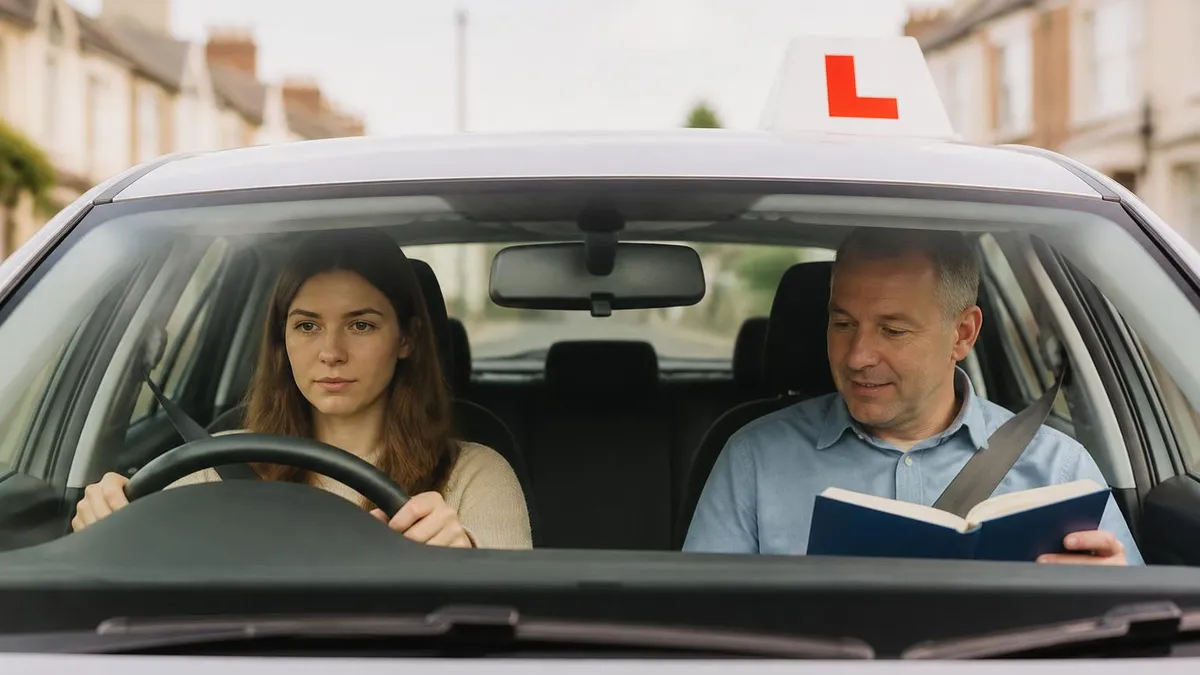
Intensive Driving Course With Test: Complete UK Guide to Fast-Track Your Licence in 2026

Hazard Perception Pass Mark: The Complete UK Guide to Scoring 44/75 in 2026
About the Author

Licensed Driving Instructor & DMV Test Specialist
Penn State UniversityRobert J. Williams graduated from Penn State University with a degree in Transportation Management and has spent 20 years as a certified driving instructor and DMV examiner consultant. He has personally coached thousands of applicants through written knowledge tests, skills assessments, and commercial driver licensing programs across more than 30 states.