

DSP Practice Test
Updated October 2026Facts verified Oct 17, 2026 against National Alliance for Direct Support Professionals
Direct Support Professionals (DSPs) are vital in providing assistance and support to individuals with disabilities, mental health issues, and other personal challenges. They play a crucial role in helping individuals live independently and improve their quality of life. If you’re considering a career in this field, obtaining a Direct Support Professional (DSP) certification is an essential step in ensuring that you are prepared and qualified to support those in need. This guide will explore what it takes to become a DSP, the training required, the skills necessary for success, and the process of getting certified. Practice with the free Direct Support Professional Certification practice test on PracticeTestGeeks (9 questions with answer explanations).
- Access to the NADSP E-Badge Academy, which leads to DSP Certification, is an annual agency subscription that costs $95 to $150 per user under the pricing in effect from January 1, 2026. (National Alliance for Direct Support Professionals)
- NADSP DSP Certification at the DSP-I, DSP-II and DSP-III levels is valid for two years before recertification is required. (National Alliance for Direct Support Professionals)
- NADSP DSP Certification (DSP-I, DSP-II, DSP-III) must be renewed every two years with at least 20 hours of training and a $50 renewal application fee. (National Alliance for Direct Support Professionals)
- NADSP DSP Certification is earned online by submitting E-Badge evidence on the Web Courseworks platform after an employer enrolls the candidate, not by sitting a proctored exam. (National Alliance for Direct Support Professionals)
- To earn NADSP's DSP-I Direct Support Professional Certification, a candidate must earn 15 E-Badges in total through the NADSP E-Badge Academy, including a 50-hour Accredited Education E-Badge. (National Alliance for Direct Support Professionals)
- To earn NADSP's DSP-II Direct Support Professional Certification, a candidate must earn 30 E-Badges in total, including a 100-hour Accredited Education E-Badge. (National Alliance for Direct Support Professionals)
Facts verified Oct 17, 2026 against National Alliance for Direct Support Professionals. Dates that have passed are removed automatically.
DSP Exam at a Glance
| Item | Detail | Official source |
|---|---|---|
| Exam fee | $95–$150 per user per year (agency subscription) | National Alliance for Direct Support Professionals |
| Validity | 2 years | National Alliance for Direct Support Professionals |
| Renewal | Every 2 years; $50 application fee; 20 training hours | National Alliance for Direct Support Professionals |
| Delivery | Online E-Badge portfolio (Web Courseworks), agency-enrolled | National Alliance for Direct Support Professionals |
| Eligibility (DSP-I) | 15 total E-Badges | National Alliance for Direct Support Professionals |
| Eligibility (DSP-II) | 30 total E-Badges | National Alliance for Direct Support Professionals |
| Eligibility (DSP-III) | 50 total E-Badges | National Alliance for Direct Support Professionals |
Facts verified Oct 17, 2026 against National Alliance for Direct Support Professionals. Dates that have passed are removed automatically.
Free Direct Support Professional Certification Study Tools
Interactive Direct Support Professional Certification resources on PracticeTestGeeks, free to start:
- Direct Support Professional Certification flashcards — review key terms and concepts card by card
- Direct Support Professional Certification study guide — topic-by-topic overview of what the exam covers
- Direct Support Professional Certification cheat sheet — one-page printable summary for last-minute review
DSP Practice Test Questions
Prepare for the DSP - Direct Support Professional Certification exam with our free practice test modules. Each quiz covers key topics to help you pass on your first try.
DSP Accredited Direct Support Professional...
DSP Exam Questions covering Accredited Direct Support Professional Courses. Master DSP Test concepts for certification prep.
DSP Certified Direct Support Professional ...
Free DSP Practice Test featuring Certified Direct Support Professional Training. Improve your DSP Exam score with mock test prep.
DSP Direct Support Professional Certificat...
DSP Mock Exam on Direct Support Professional Certification Programs. DSP Study Guide questions to pass on your first try.
DSP Direct Support Professional Certificat...
DSP Test Prep for Direct Support Professional Certification Requirements. Practice DSP Quiz questions and boost your score.
DSP Abuse, Neglect, and Exploitation Preve...
DSP Questions and Answers on Abuse, Neglect, and Exploitation Prevention. Free DSP practice for exam readiness.
DSP - Direct Support Professional Crisis P...
Free DSP Quiz on - Direct Support Professional Crisis Prevention and Intervention. DSP Exam prep questions with detailed explanations.
DSP - Direct Support Professional Effectiv...
DSP Practice Questions for - Direct Support Professional Effective Communication and Documentation. Build confidence for your DSP certification exam.
DSP - Direct Support Professional Health a...
DSP Test Online for - Direct Support Professional Health and Wellness Support. Free practice with instant results and feedback.
DSP - Direct Support Professional Individu...
DSP Study Material on - Direct Support Professional Individual Rights and Advocacy. Prepare effectively with real exam-style questions.
DSP - Direct Support Professional Person-C...
Free DSP Test covering - Direct Support Professional Person-Centered Planning and Support. Practice and track your DSP exam readiness.
DSP - Direct Support Professional Positive...
DSP Exam Questions covering - Direct Support Professional Positive Behavioral Supports. Master DSP Test concepts for certification prep.
DSP - Direct Support Professional Professi...
Free DSP Practice Test featuring - Direct Support Professional Professionalism and Ethics. Improve your DSP Exam score with mock test prep.
DSP - Direct Support Professional Promotin...
DSP Mock Exam on - Direct Support Professional Promoting Community Inclusion. DSP Study Guide questions to pass on your first try.
Key Takeaways
Free DSP Practice Test Online
Direct Support Professionals (DSPs) provide essential support to individuals with disabilities, helping them live independently and improve their quality of life.
DSP training covers a wide range of topics, including personal care, behavioral support, communication, and advocacy.
Successful DSPs possess key skills such as patience, empathy, problem-solving, communication, and physical endurance.
To become a certified DSP, candidates must complete accredited training, gain work experience, pass an exam, and maintain certification through ongoing education.
What is a Direct Support Professional?
A Direct Support Professional (DSP) is someone who provides direct care, guidance, and support to individuals with disabilities or special needs. DSPs work in a variety of settings, including group homes, residential facilities, schools, or day programs, and may assist clients with daily tasks, personal hygiene, mobility, communication, and socialization.
The role of a DSP extends beyond just caregiving. They serve as advocates, mentors, and companions, helping their clients develop important life skills and encouraging them to live independently. DSPs also offer emotional support and ensure that individuals in their care feel valued and empowered.
The work of a DSP is both rewarding and challenging, requiring a deep understanding of the needs of the people they serve, as well as a commitment to promoting dignity and respect.
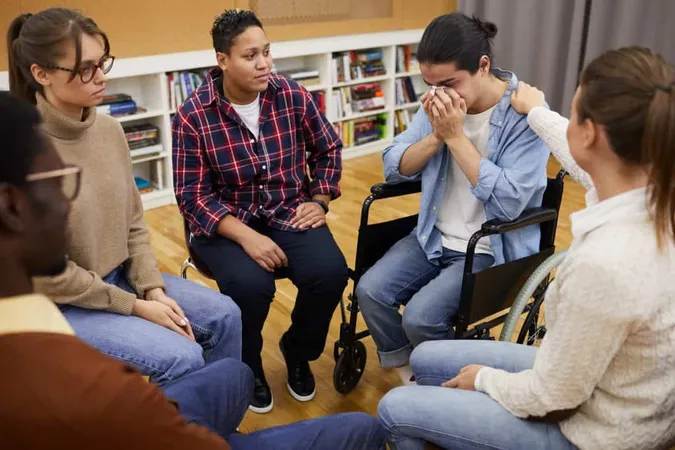
Direct Support Professional Training: The Foundation of a Successful Career
Becoming a Direct Support Professional requires specialized training that prepares individuals for the responsibilities of the job. Training programs focus on a wide array of topics, ensuring that DSPs can effectively address the needs of people with disabilities and other challenges. The training is typically hands-on and may be offered through community colleges, vocational schools, or employers themselves.
Key areas of focus in direct support professional training include:
Personal Care Skills: Learning how to assist clients with daily activities such as bathing, dressing, and grooming.
Behavioral Support: Understanding how to manage challenging behaviors and implement strategies to promote positive change.
Communication: Developing effective communication skills to interact with individuals who may have difficulty expressing themselves.
Health and Safety: Acquiring knowledge of proper medical and safety protocols, including CPR and first aid.
Advocacy: Learning how to advocate for the needs and rights of individuals with disabilities.
Training often includes both classroom learning and practical experience, which allows future DSPs to develop the skills necessary to provide high-quality care in real-life scenarios.
Essential Skills of a Direct Support Professional
Direct Support Professionals require a unique set of skills to be successful in their roles. These skills of a direct support professional go beyond basic caregiving and focus on empowering individuals with disabilities to lead independent lives. Some of the key skills include:
Patience: Working with individuals who may have complex needs requires a high degree of patience and understanding. DSPs must be able to remain calm and composed, even in challenging situations.
Empathy: DSPs must be able to understand and relate to the feelings and experiences of those they support. Empathy helps build trust and fosters positive relationships with clients.
Problem-Solving: DSPs often encounter unexpected challenges and must be able to think on their feet, develop solutions, and adapt to changing circumstances.
Communication: Clear and effective communication is essential for DSPs to provide care and support, especially when working with individuals who have limited verbal communication abilities.
Physical Endurance: Depending on the setting, DSPs may need to assist individuals with mobility, which can require physical strength and stamina.
These skills, combined with a deep understanding of the needs of individuals with disabilities, are essential for DSPs to perform their roles effectively and to create a positive, supportive environment.
How to Get a Direct Support Professional Certification
Getting a Direct Support Professional Certification is a key step in advancing your career in this field. The certification process varies by state or region but generally includes the following steps:
1. Complete a Training Program
Before applying for certification, most candidates must complete an accredited DSP training program. This program typically covers the basics of caregiving, health and safety procedures, communication skills, and behavioral management techniques.
2. Gain Work Experience
Many certification programs require candidates to have some hands-on experience working as a DSP. This experience helps you apply the concepts and techniques learned during training in real-world settings.
3. Pass the Certification Exam
After completing the required training and gaining practical experience, candidates must pass a certification exam. The exam tests knowledge of key areas such as healthcare, behavioral support, and personal care.
4. Submit Your Application
Once you pass the certification exam, you can submit your application to the certifying body. The application will include proof of your training, work experience, and exam results.

5. Maintain Certification
Many DSP certification programs require ongoing professional development to maintain certification. This may include attending workshops, taking continuing education courses, and staying updated on best practices in the field.

Conclusion
Becoming a Direct Support Professional offers the opportunity to make a meaningful difference in the lives of individuals with disabilities. By completing proper training and certification, DSPs are better equipped to provide high-quality care and support. The certification process ensures that DSPs are well-prepared to handle the challenges of the job and to help individuals lead fulfilling, independent lives.
Whether you’re looking to start your career or advance in the field, obtaining a Direct Support Professional Certification is a significant step in demonstrating your commitment to providing excellent care and advocacy for individuals with disabilities.
DSP: Pros and Cons
- +DSP certification validates expertise recognized by employers nationwide
- +Certified professionals typically earn 15-20% higher salaries
- +Opens doors to advanced positions and leadership roles
- +Demonstrates commitment to professional standards and ethics
- +Builds a strong professional network through certification communities
- −Exam preparation typically requires 2-4 months of dedicated study
- −Certification and exam fees can range from $150-$500+
- −Must complete continuing education to maintain active certification
- −Pass rates vary — thorough preparation is essential for success
- −Some certifications require prerequisite experience or education
Pros and Cons at a Glance
| Pros | Cons |
|---|---|
| DSP certification validates expertise recognized by employers nationwide | Must complete continuing education to maintain active certification |
| Opens doors to advanced positions and leadership roles | Pass rates vary — thorough preparation is essential for success |
| Demonstrates commitment to professional standards and ethics | Some certifications require prerequisite experience or education |
Sample Direct Support Professional Certification Practice Questions
Try these questions from our free Direct Support Professional Certification practice tests. The correct answer and an explanation follow each question.
What is the main responsibility of a Direct Support Professional (DSP)?
- A. Providing medical diagnoses.
- B. Assisting with daily activities and promoting independence.
- C. Managing financial investments.
- D. Performing surgeries.
Answer: B. Assisting with daily activities and promoting independence.
The main responsibility of a Direct Support Professional (DSP) is to empower individuals with disabilities to live as independently and fully as possible. This involves providing respectful assistance with daily living activities, fostering skill development, and encouraging participation in community life. The ultimate goal is to enhance the individual's quality of life and self-sufficiency, rather than performing medical or financial roles.
What is the minimum age requirement to work as a Direct Support Professional in most U.S. states?
- A. 16 years old
- B. 18 years old
- C. 21 years old
- D. 25 years old
Answer: B. 18 years old
Most states require DSPs to be at least 18 years old due to the legal responsibilities involved in caring for vulnerable individuals.
What type of assistance might a Direct Support Professional provide to an individual?
- A. Only providing medical treatments.
- B. Assisting with daily activities like meal preparation, transportation, and personal care.
- C. Administering medications without medical supervision.
- D. Managing the individual’s finances.
Answer: B. Assisting with daily activities like meal preparation, transportation, and personal care.
DSPs provide a wide range of practical assistance to individuals with disabilities, focusing on daily living activities. This includes support with personal hygiene, cooking, managing household tasks, facilitating transportation, and engaging in community activities, all aimed at promoting independence and quality of life.
What is a common ethical guideline in Direct Support Professional work?
- A. Providing services without obtaining consent from the individual.
- B. Respecting the confidentiality and privacy of the individuals being supported.
- C. Making decisions without considering the individual's preferences.
- D. Providing services based on personal beliefs and values.
Answer: B. Respecting the confidentiality and privacy of the individuals being supported.
A core ethical guideline for DSPs is to uphold the confidentiality and privacy of the individuals they support. This involves protecting personal information, respecting boundaries, and ensuring that sensitive details are only shared with authorized personnel, thereby building trust and maintaining the individual's dignity.
Take the full Direct Support Professional Certification practice test
How this page was made: written with AI tools and published by Nathan Beja, founder of Practice Test Geeks, who is responsible for its content. Exam facts are checked against the official sources listed below. Not reviewed by a subject-matter expert. Editorial policy
Sources & references
Exam facts on this page (fees, format, dates, passing scores) are checked against these official sources; the date is our last check. Editorial policy
- nadsp.org — Score validity, test delivery, eligibility · verified Oct 2026