
CSCS Jobs Near Me: Certified Strength Coach Career Guide 2026 October
📝 Prepare for the CSCS Jobs Near Me: Certified Strength certification. Practice questions with answer explanations covering all exam domains.

CSCS Jobs Near Me: What the Job Market Looks Like for Certified Strength Coaches
If you're holding the CSCS (Certified Strength and Conditioning Specialist) credential or actively working toward it, you're pursuing one of the most specialized and respected certifications in the sports performance world. Unlike many fitness credentials, the CSCS is primarily employer-driven rather than client-driven — meaning the people who require it are athletic directors, professional team performance departments, and military human performance programs, not individual gym-goers.
That distinction shapes everything about the job search. Employers who hire certified strength and conditioning specialists aren't just looking for someone who knows how to run a weight room — they want evidence-based programming expertise, injury prevention knowledge, and the credibility that comes with NSCA certification.
The job market for CSCS-credentialed professionals is real, but it's more competitive and niche than broader fitness certifications. You're not competing for the same pool of gym floor positions as a CPT — you're targeting collegiate athletic departments, professional sports teams, military performance centers, private sports training facilities, and high-performance clinics. Those environments have genuine demand for the CSCS credential, and most post exclusively for it.
When people search for "certified professional jobs near me" across different fields — whether they're looking for certified medical assistant jobs, certified nursing assistant positions, or certified strength coaches — the geography factor is real in every case. Where you're located matters for your job search. CSCS positions tend to cluster around major university athletic programs, professional sports markets (New York, Los Angeles, Dallas, Chicago, Boston), and military installations. That geographic reality is worth factoring into your career planning early.
Let's break down the types of CSCS jobs available, what they pay, and how to find them — whether you're searching locally or willing to relocate for the right opportunity. The job market here rewards preparation and honest self-assessment, and understanding the full landscape before you start applying saves significant time and substantially improves your targeting accuracy. You can also use the CSCS training programs guide to understand what employers typically look for in a credentialed strength coach's background before you start applying.
Who Hires CSCS Certified Professionals?
Professional and collegiate sports organizations are the most competitive and desirable employers in this field. NFL, NBA, MLB, NHL, and MLS teams all hire full-time strength and conditioning staff who typically hold the CSCS credential. Collegiate athletic departments at Division I schools are significant employers — many run full-time S&C departments with multiple staff positions. These roles are highly competitive, often requiring 2–4 years of graduate assistant or internship experience before a full-time hire is considered.
Private sports performance facilities are growing fast. These are the facilities that train high school athletes preparing for college recruitment, professional athletes in the off-season, and serious adult athletes. They're more accessible early-career because they hire faster and have less competition from candidates with insider university connections. They pay less than professional sports, but the experience they provide — programming autonomy, client variety, and operational exposure — is genuinely valuable.
Military and tactical populations are another employer category. Special operations units, law enforcement agencies, and tactical training programs hire S&C specialists to improve operational readiness. The CSCS credential is widely recognized in this sector, and it pairs well with additional tactical fitness certifications like the NSCA's TSAC-F (Tactical Strength and Conditioning Facilitator). This is one of the less competitive employer tracks in the CSCS job market — fewer coaches pursue it, which means the credential goes further and opportunities are more accessible than in professional sports or Division I athletics.
CSCS Job Types by Employer
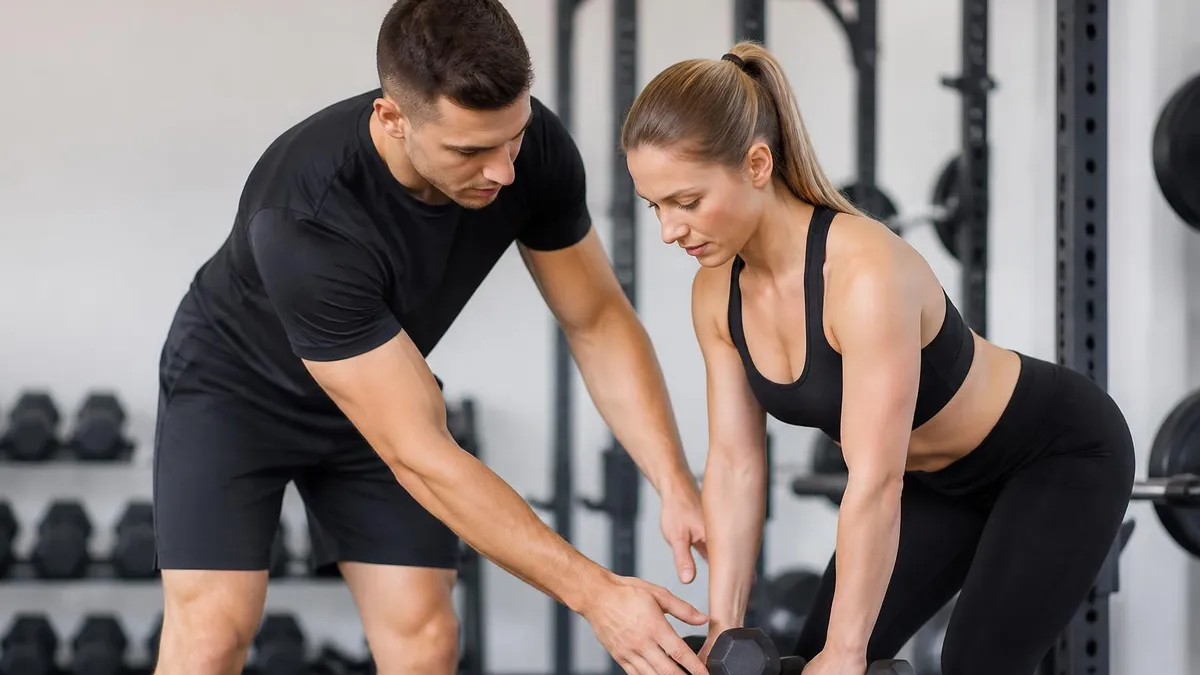
Roles: Assistant Strength Coach, Head Strength & Conditioning Coach, Director of Performance
Typical salary: $40,000–$60,000 (assistant) up to $120,000+ (head S&C at Power Five schools)
Requirements: CSCS required, 1–3 years graduate assistant experience, often a master's degree
Competition level: Very high — hundreds of qualified applicants per opening at D-I programs
Best path in: Graduate assistantship at an NCAA school, then assistant coach roles at smaller programs before moving up
CSCS Salaries: What You Can Actually Earn
Salary ranges for CSCS-credentialed professionals vary significantly based on setting, sport, experience level, and geography. Here's what the data shows — along with the context that makes those numbers interpretable for where you are in your career right now.
Entry-level and graduate assistant positions typically run $20,000–$40,000, sometimes structured as stipends rather than salaries. These positions often include tuition benefits if you're completing a master's degree simultaneously — which is essentially part of the compensation package. Don't evaluate these solely on base pay; the experience, mentorship, and credential accumulation are the actual return on investment in early-career positions. A GA role at a respected program is worth accepting even when the stipend feels insufficient, because it's what unlocks the next step.
Full-time assistant coaches at NCAA Division I programs earn $42,000–$65,000 in most markets. High-revenue sports (football, basketball) at major programs pay on the higher end. Division II and III programs pay less — typically $36,000–$50,000 — but the experience is often broader. You might work with 10–15 sports instead of one, which builds a more versatile coaching resume and makes you more competitive when applying to higher-tier programs later.
Private sector and performance center roles sit at $45,000–$80,000 for full-time coaches, with some high-volume facilities in major markets paying more. Revenue-sharing arrangements exist at some facilities where experienced coaches who bring in clients can significantly exceed base salary. This is essentially the commissioned sales model applied to performance coaching — it works well for coaches who are strong at client retention, athlete retention, and referral generation.
Head strength and conditioning coaches at major collegiate programs earn $80,000–$150,000+. Professional sports S&C salaries range widely — some assistant positions pay in the $60,000s while head coaches at elite pro teams can earn $200,000 or more. These roles are among the most competitive in the field and typically require a decade or more of progressive experience before they become realistic targets. Setting your expectations correctly for the timeline prevents the disillusionment that causes coaches to leave the field prematurely.
Benefits and Total Compensation
Government and military S&C positions often come with defined-benefit pensions, health insurance, and leave policies that private sector facilities don't offer. The base salary at a military installation might look lower than a comparable private performance center, but total compensation frequently favors the government position for coaches prioritizing stability and long-term financial security. Collegiate positions at state universities similarly often include access to state benefits systems and retirement programs worth factoring into any compensation comparison.
Salary by Location
Geography creates real salary variance. Major sports markets — New York, Los Angeles, Dallas, Chicago, Boston — pay meaningfully more than smaller markets, but cost of living adjusts the real value. Remote work is essentially unavailable for in-person S&C roles, so geographic flexibility is a genuine career asset in this profession. Coaches who are willing to relocate for opportunities have access to a much larger job market than those geographically restricted to one metro area. This is one of the structural realities of the field that's worth accepting and planning around early rather than resisting later.
For a useful comparison point, the CSCS certification guide covers how the credential compares in employer value to adjacent certifications like the NASM-CPT, and why the NSCA's CSCS specifically carries employer weight in athletic department hiring decisions — something that matters when negotiating your first full-time offer.
CSCS Practice Test Questions
Prepare for the Certified Strength and Conditioning Specialist exam with our free practice test modules. Each quiz covers key topics to help you pass on your first try.
CSCS Certified Strength and Conditioning S...
CSCS Exam Questions covering Certified Strength and Conditioning Specialist Communication & Stakeholder Relations. Master CSCS Test concepts for certification prep.
CSCS Certified Strength and Conditioning S...
Free CSCS Practice Test featuring Certified Strength and Conditioning Specialist Data Analysis & Reporting. Improve your CSCS Exam score with mock test prep.
CSCS Certified Strength and Conditioning S...
CSCS Mock Exam on Certified Strength and Conditioning Specialist Exercise Technique & Program Design. CSCS Study Guide questions to pass on your first try.
CSCS Certified Strength and Conditioning S...
CSCS Test Prep for Certified Strength and Conditioning Specialist Financial Management & Budgeting. Practice CSCS Quiz questions and boost your score.
CSCS Certified Strength and Conditioning S...
CSCS Questions and Answers on Certified Strength and Conditioning Specialist Professional Standards & Ethics. Free CSCS practice for exam readiness.
CSCS Certified Strength and Conditioning S...
CSCS Mock Test covering Certified Strength and Conditioning Specialist Project Planning & Execution. Online CSCS Test practice with instant feedback.
CSCS Certified Strength and Conditioning S...
Free CSCS Quiz on Certified Strength and Conditioning Specialist Quality Assurance & Improvement. CSCS Exam prep questions with detailed explanations.
CSCS Certified Strength and Conditioning S...
CSCS Practice Questions for Certified Strength and Conditioning Specialist Regulatory Compliance & Legal Framework. Build confidence for your CSCS certification exam.
CSCS Certified Strength and Conditioning S...
CSCS Test Online for Certified Strength and Conditioning Specialist Risk Assessment & Management. Free practice with instant results and feedback.
CSCS Certified Strength and Conditioning S...
CSCS Study Material on Certified Strength and Conditioning Specialist Technology & Digital Tools. Prepare effectively with real exam-style questions.
CSCS Certified Strength and Conditioning S...
Free CSCS Test covering Certified Strength and Conditioning Specialist Testing, Evaluation & Needs Analysis. Practice and track your CSCS exam readiness.
CSCS: Bioenergetics of Exercise & Training
CSCS Exam Questions covering CSCS: Bioenergetics of Exercise & Training. Master CSCS Test concepts for certification prep.
CSCS Career: Pros and Cons
- +One of the most respected credentials in sports performance — recognized by professional and collegiate employers
- +High job satisfaction — working with athletes in competitive environments is intrinsically motivating
- +Clear credential pathway: CSCS → RSCC → RSCC*D (distinguished) for career-long progression
- +Growing demand as sports science and athlete development receive more organizational investment
- +Private sector path offers entrepreneurial upside for coaches who build their own client base
- +Military and tactical positions offer competitive compensation with federal benefits
- −Entry-level positions are low-paying — GA and intern stipends rarely exceed $30,000
- −Geographic restrictions — major S&C opportunities cluster in specific markets and university towns
- −Highly competitive for top collegiate and professional roles — hundreds of qualified applicants per opening
- −Career advancement often requires relocation multiple times to climb the program tier ladder
- −Long hours, especially during in-season periods with early morning and evening session schedules
- −Private sector income can be unpredictable for coaches building their own client base
Pros and Cons at a Glance
| Pros | Cons |
|---|---|
| One of the most respected credentials in sports performance — recognized by professional and collegiate employers | Geographic restrictions — major S&C opportunities cluster in specific markets and university towns |
| High job satisfaction — working with athletes in competitive environments is intrinsically motivating | Highly competitive for top collegiate and professional roles — hundreds of qualified applicants per opening |
| Clear credential pathway: CSCS → RSCC → RSCC*D (distinguished) for career-long progression | Career advancement often requires relocation multiple times to climb the program tier ladder |
| Growing demand as sports science and athlete development receive more organizational investment | Long hours, especially during in-season periods with early morning and evening session schedules |
| Private sector path offers entrepreneurial upside for coaches who build their own client base | Private sector income can be unpredictable for coaches building their own client base |
How to Land Your First CSCS Job
Breaking into strength and conditioning professionally is genuinely competitive — more so than most fitness certifications. But there's a clear playbook that works if you execute it consistently and set realistic timelines from the start.
Start with Experience, Not Just the Credential
The CSCS credential is necessary but not sufficient. Employers hiring for full-time roles want coaching hours, program design examples, and references from coaches in the field. Start accumulating this during your undergraduate years if possible — volunteer with your university's S&C department, reach out to local performance facilities about internship hours, and document every program you design. A strong portfolio of real athlete programming is worth more in an interview than a perfect CSCS exam score. Show your thinking, not just your result.
Graduate assistantships are the primary pathway into collegiate strength coaching. They pay little (often $18,000–$25,000 as a stipend plus tuition waiver) but provide the mentorship, coaching experience, and credential development that full-time employers want to see. If you're serious about working in collegiate or professional sports S&C, a GA position is essentially required. Apply broadly — you need to find one that works, not the ideal one. Take the offer from a program with a good mentor, even if it's not the school you dreamed about.
Build Your NSCA Network Actively
The NSCA (National Strength and Conditioning Association) is the central professional organization for this credential. Their annual national conference, regional clinics, and online community are where coaches hire each other. Join your local NSCA chapter, volunteer at events, and introduce yourself to head coaches in programs you'd want to work in. Job postings in collegiate athletics often go to coaches who were referred by someone already in the program — public postings are often a formality after referrals have already been exhausted.
LinkedIn has become more relevant in this field over the last five years. Follow head strength coaches at programs you're targeting. Engage genuinely with their content. When you do reach out directly, reference something specific they've published or presented on — not a generic "I'm looking for opportunities" message. Coaches in this space respond to people who demonstrate they're actually thinking deeply about the craft of strength and conditioning, not just about finding employment.
Targeting the Right Level for Your Experience
Most people early in their career aim too high too fast. If you have no professional coaching experience, applying to Power Five head coach positions won't work — focus instead on assistant roles at smaller programs or entry-level positions at private performance facilities. Build your resume with those, then use them as stepping stones. The realistic path to a major D-I or professional S&C position for someone starting today is 8–12 years of progressive experience, multiple relocations, and consistent credential and network development.
It sounds long. It is. But coaches who follow this trajectory and maintain their CSCS certification — using resources like the CSCS practice tests for ongoing exam prep and the NASM certification as a complement for coaches who also train general population clients — build careers that last 20+ years in competitive environments most professionals never access. The credential and the career are both worth the investment of time.

CSCS Job Search Checklist
- ✓Pass the CSCS exam and keep the credential current with CEUs
- ✓Accumulate 800+ coaching hours with documented athlete populations
- ✓Build a portfolio of 3–5 complete annual training programs you've designed
- ✓Create or update your LinkedIn with coaching philosophy and programming highlights
- ✓Join NSCA and attend at least one regional or national event annually
- ✓Set up job alerts on NSCA Career Center, NCAA Market, Indeed, and WorkinSports
- ✓Identify 10 target employers and research their current S&C staff structure
- ✓Request informational interviews with 2–3 coaches at programs you'd want to work for
- ✓Apply to at least 15–20 positions — S&C job search requires volume
- ✓Have 2 current references from coaches or athletic directors who can speak to your work
CSCS Career Advancement Beyond the Entry Level
Once you're in the field with 3–5 years of experience, the next steps in your career depend on which direction you want to take the credential. There's no single right path — but understanding your options early lets you make more deliberate decisions about experience, credentials, and geography along the way.
The Collegiate Ladder
In collegiate strength and conditioning, the career path is fairly linear: assistant coach → associate coach → director of strength and conditioning → head S&C coach. Moving up typically means moving to a higher-tier program — from Division III to Division II, from D-II to mid-major D-I, from mid-major to Power Five.
Each move involves a search, relocation, and a step up in competitive environment and compensation. The coaches who make these moves successfully do it by producing measurable outcomes (athlete performance improvements, injury rate reductions) and maintaining a strong professional network that knows and advocates for their work. Reputation in this field moves faster than resumes do.
Branching into Sports Science
A growing subset of CSCS-credentialed coaches move toward the sports science side of athlete development — integrating wearable technology data, GPS load monitoring, heart rate variability, and force plate analysis into training decisions. This track is growing rapidly at the professional level and top D-I programs.
If you're analytically inclined and interested in the data side of performance, developing this skill set alongside your coaching credential positions you well for emerging sports scientist roles that simply didn't exist a decade ago. Some of the most interesting positions being created at professional sports organizations right now blend S&C coaching with performance analytics in ways that require both coaching and data fluency.
Private Sector Ownership
Some coaches eventually open their own training facilities. This is the highest-ceiling option in terms of income potential, but also the most operationally complex. Successful facility owners are equal parts performance coaches and small business operators — they manage staff, marketing, facility operations, and client retention alongside the actual programming and coaching work.
The path to facility ownership is best taken after 5–8 years of coaching experience that gives you both a professional network and a clear enough programming philosophy to differentiate your facility from competitors. Opening a facility too early, before you've developed the reputation and network that drives client acquisition, is one of the more common mistakes in this field.
For coaches comparing the CSCS to other advanced credentials — particularly if you work with a broader population that includes general fitness clients in addition to athletes — the NASM certification guide provides useful context on how the two credentials complement each other rather than compete. Many working S&C coaches hold both, using CSCS for athletic performance work and a CPT credential for general population programming. The CSCS training programs through the NSCA pathway include resources specifically for coaches at each stage of their career development, from exam preparation through advanced performance coaching concepts.
Sample Certified Strength and Conditioning Specialist Practice Questions
Try these questions from our free Certified Strength and Conditioning Specialist practice tests. The correct answer and an explanation follow each question.
A strength coach notices a wet floor near the squat rack area before practice. What is the FIRST action to take?
- A. Continue training while monitoring the hazard
- B. Verbally warn athletes to avoid that area
- C. Immediately restrict access and address the hazard
- D. File an incident report after training
Answer: C. Immediately restrict access and address the hazard
Immediate restriction of access and hazard remediation is the correct first step to prevent injury.
A CSCS discovers that an athlete's training goals conflict with the team coach's scheduling demands. What is the BEST approach?
- A. Ignore the coach's schedule and follow the training plan
- B. Communicate openly with the coach to find a compromise that addresses both athletic development and team needs
- C. Cancel the training program until schedules align
- D. Train the athlete at maximum intensity on available days only
Answer: B. Communicate openly with the coach to find a compromise that addresses both athletic development and team needs
Effective collaboration and communication between the CSCS and coaching staff ensures athlete development goals are integrated with team schedules.
A CSCS is employed by a university and is pressured by a head coach to exceed safe training loads to improve team performance before a major event. What should the CSCS do?
- A. Comply fully to retain their position
- B. Advocate for athlete safety and document concerns in writing if overridden
- C. Anonymously sabotage the coach's instructions
- D. Immediately resign without documentation
Answer: B. Advocate for athlete safety and document concerns in writing if overridden
The CSCS must prioritize athlete safety and use professional channels to document and escalate unsafe directives.
A strength coach is accused of negligence. Which element does NOT need to be proven by the plaintiff?
- A. The coach intended to cause harm
- B. The coach owed a duty of care
- C. The coach breached the standard of care
- D. The breach caused the plaintiff's injury
Answer: A. The coach intended to cause harm
Negligence does not require intent; it only requires establishing duty, breach, causation, and damages.
Take the full Certified Strength and Conditioning Specialist practice test
CSCS Questions and Answers
About the Author

Educational Psychologist & Academic Test Preparation Expert
Columbia University Teachers CollegeDr. Lisa Patel holds a Doctorate in Education from Columbia University Teachers College and has spent 17 years researching standardized test design and academic assessment. She has developed preparation programs for SAT, ACT, GRE, LSAT, UCAT, and numerous professional licensing exams, helping students of all backgrounds achieve their target scores.