
CPR Certification Guide 2026 September: How to Get Certified and Stay Current
Prepare for the CPR Certification Guide 2026 September: 📝 How to certification. Practice questions with answer explanations covering all exam domains.
What Is CPR Certification?
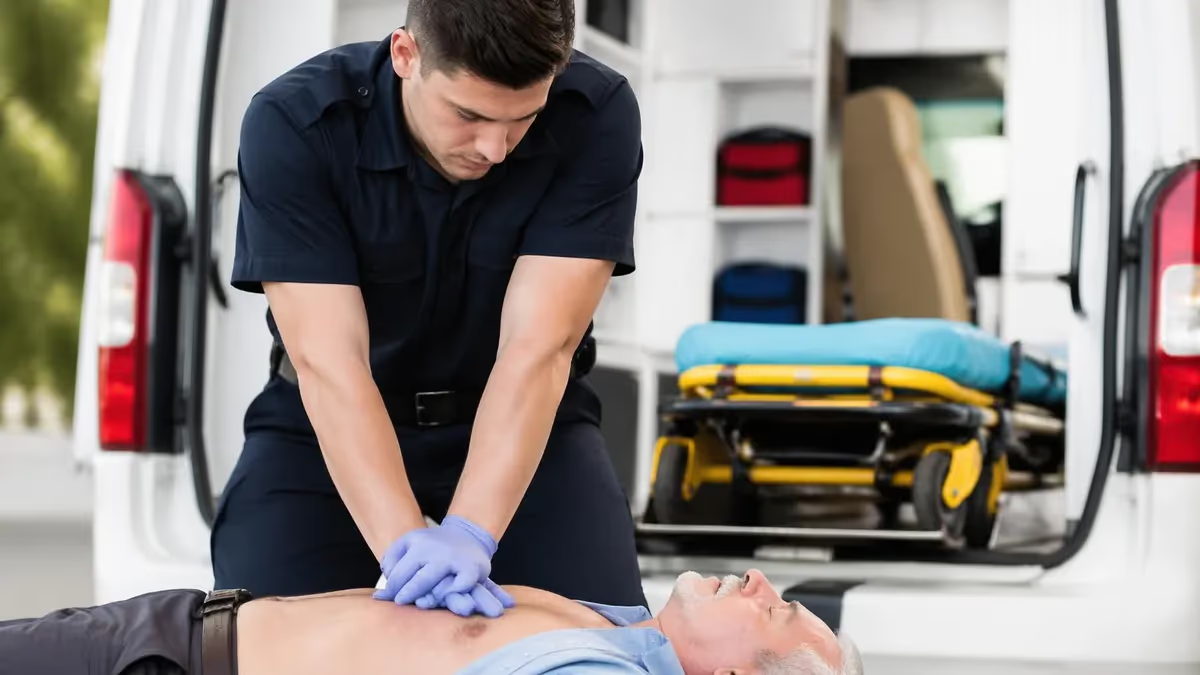
CPR certification is a credential that validates your ability to perform Cardiopulmonary Resuscitation — an emergency procedure that combines chest compressions with rescue breathing to manually maintain circulation and oxygenation in a person whose heart has stopped beating. A certified individual has completed a structured course, demonstrated the required skills in a hands-on setting, and passed a written or skills assessment.
CPR certification is required for many healthcare, education, and emergency response professions, and is strongly recommended for everyone — cardiac arrest can occur anywhere, and immediate bystander CPR significantly increases survival rates. According to the American Heart Association (AHA), bystander CPR can double or triple survival rates for out-of-hospital cardiac arrest. The more people who are trained and confident to act, the more lives can be saved.
Most CPR certifications are issued by nationally recognized organizations including the American Heart Association (AHA), the American Red Cross, the National Safety Council (NSC), and ProCPR/HSI. Each organization's curriculum is based on current evidence-based guidelines published by the International Liaison Committee on Resuscitation (ILCOR), which updates guidelines every five years. The most recent update occurred in 2020.

Types of CPR Courses
CPR training is not one-size-fits-all. Different courses are designed for different audiences, skill levels, and professional requirements. Choosing the right course ensures you receive training appropriate for your role and earns a certification that is accepted by your employer or licensing board.
Heartsaver CPR AED (Lay Rescuer)
The Heartsaver CPR AED course (AHA) is designed for the general public and non-healthcare professionals who need certification for work or want to be prepared for emergencies at home or in the community. It covers adult, child, and infant CPR, AED use, and relief of choking. The course takes approximately 3.5 hours and is available in-person, blended (online learning + skills session), and in some cases fully online with a skills check-off component. This course satisfies certification requirements for teachers, coaches, childcare providers, fitness professionals, and many other roles that require CPR without full healthcare BLS training.
Basic Life Support (BLS)
The Basic Life Support (BLS) course is designed specifically for healthcare providers including nurses, doctors, EMTs, medical assistants, dental hygienists, and other clinical staff. BLS covers high-performance team CPR, bag-valve mask use, two-rescuer CPR, and more advanced scenarios than the lay rescuer course. Most healthcare employers and licensing boards require BLS certification (not just Heartsaver). The BLS course is offered in-person and as a blended learning option; a physical skills session is always required for BLS certification regardless of the training format.
Pediatric Advanced Life Support (PALS) and Advanced Cardiac Life Support (ACLS)
PALS and ACLS are advanced certifications for emergency care providers who manage cardiac and respiratory emergencies in hospital settings. PALS focuses on pediatric patients; ACLS focuses on adult emergency cardiac care including rhythm recognition, advanced airway management, and medication algorithms. Both require BLS certification as a prerequisite. These courses are required for emergency nurses, ER physicians, intensive care staff, and advanced EMTs/paramedics.
Hands-Only CPR (Non-Certification)
Hands-Only CPR training teaches compression-only technique for lay bystanders — no mouth-to-mouth required. While not a formal certification, Hands-Only CPR courses are offered by the AHA and Red Cross as brief, accessible training for community members. Research shows that for adult cardiac arrest in public settings, hands-only CPR is as effective as conventional CPR for the first few minutes.
How to Get CPR Certified
Getting CPR certified is straightforward and takes only a few hours. Here is the step-by-step process:
Step 1: Choose the Right Course
Determine which certification type you need. If you are a healthcare professional, you need BLS. If you work in childcare, education, fitness, or another non-clinical role, Heartsaver CPR AED is typically appropriate. Check with your employer or licensing board if you are unsure — mismatched certifications often are not accepted, requiring you to retake training.
Step 2: Select a Provider and Format
Major CPR certification providers include the American Heart Association (AHA), American Red Cross, and National Safety Council (NSC). All offer equivalent training based on the same ILCOR guidelines. Choose a provider accepted by your employer. Most offer in-person classes, blended learning (online content + in-person skills session), and in some cases fully online courses for lay rescuers. Healthcare providers must complete an in-person or blended course — online-only certifications are generally not accepted for BLS.
Step 3: Complete the Course
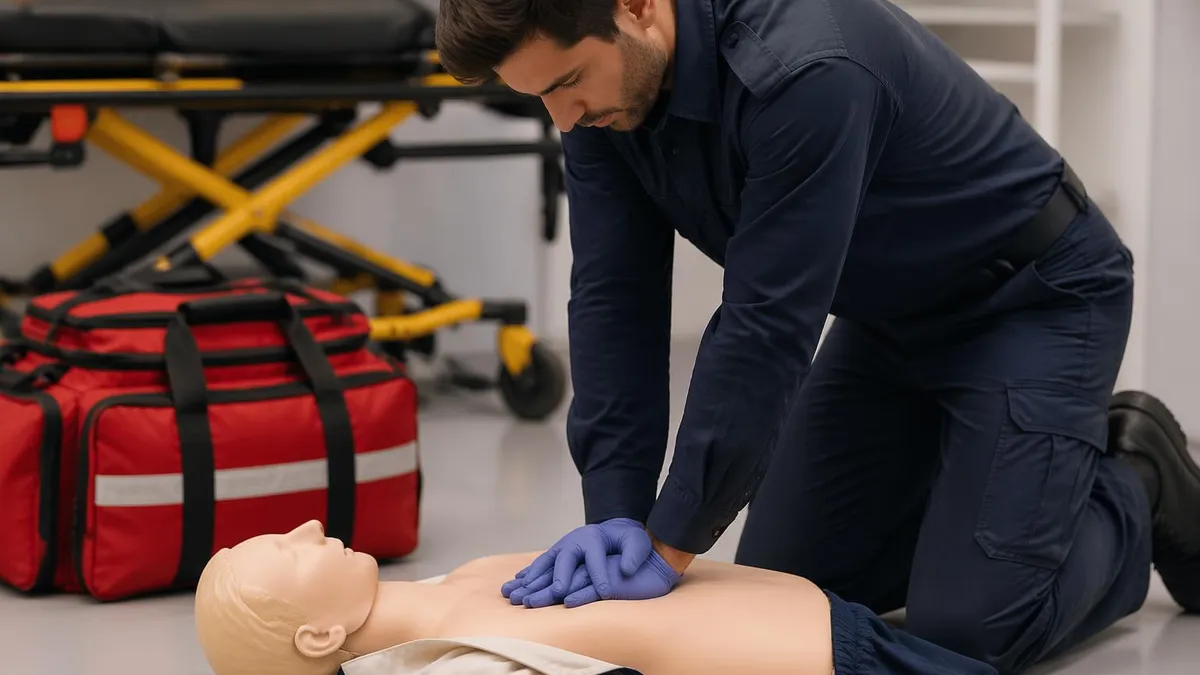
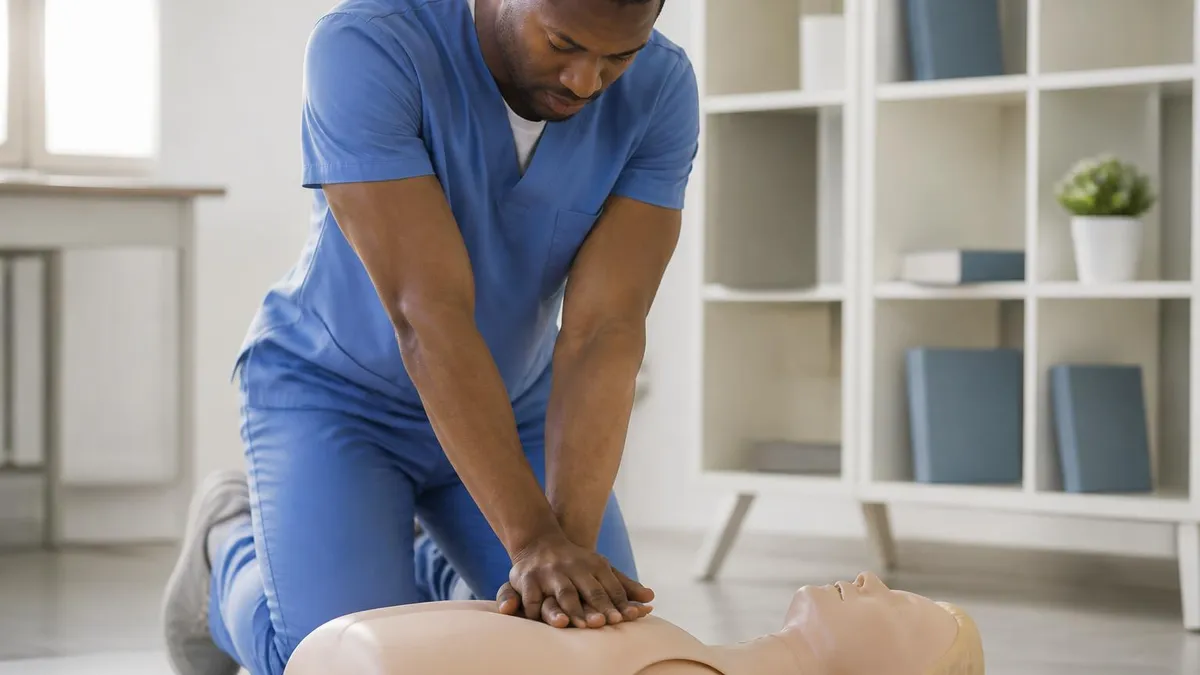
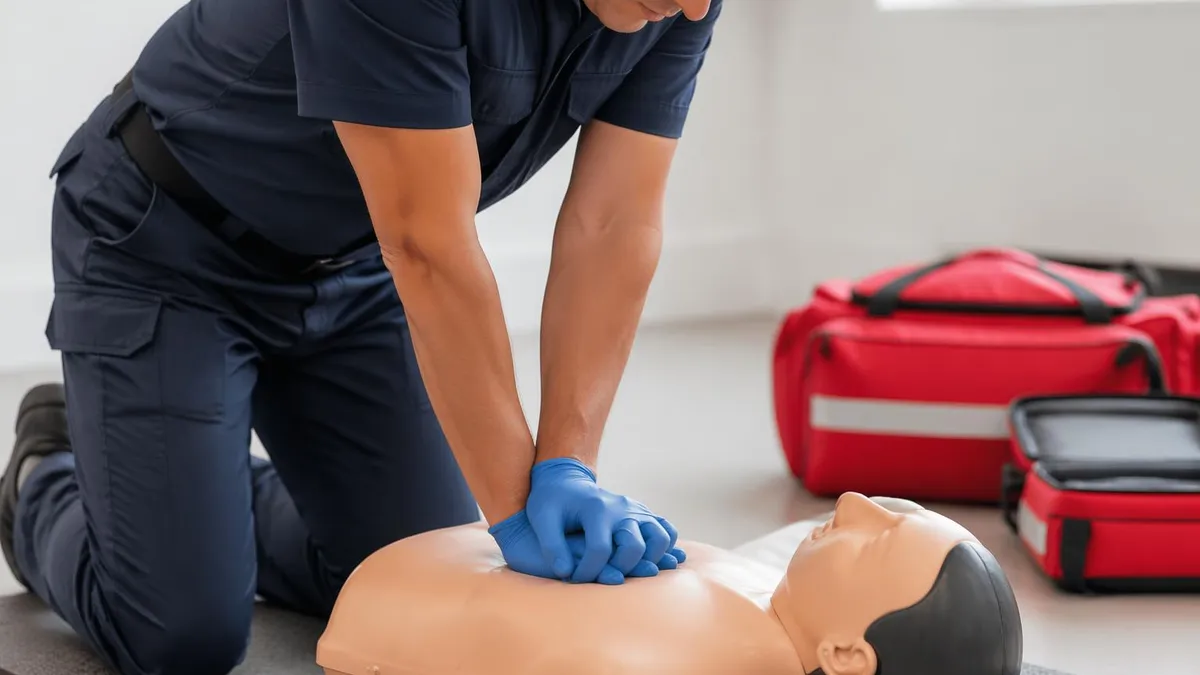
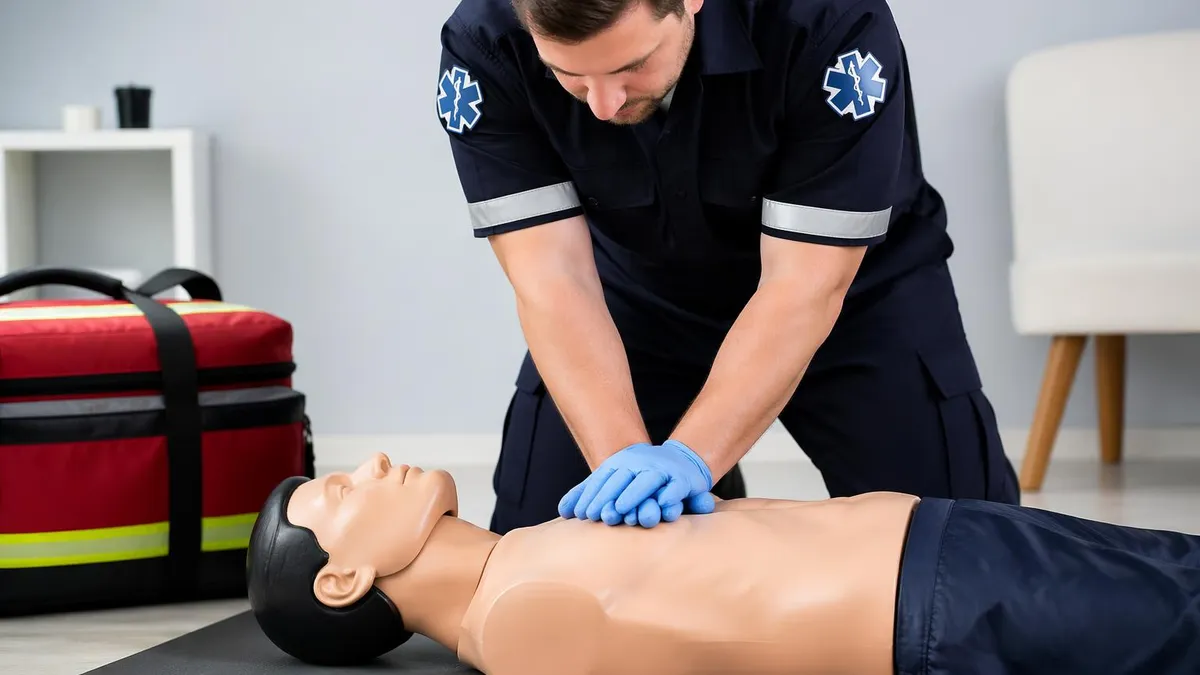
Attend the training session. Bring a photo ID and any required registration materials. Courses typically involve: video instruction and discussion, mannequin practice for chest compressions and rescue breaths, AED use demonstration, and a written or verbal knowledge check. The skills check-off requires you to demonstrate correct technique in front of an instructor. For BLS, you will also practice team scenarios with other participants.
Step 4: Receive Your Certification Card
Upon successful completion, you receive a CPR certification card (physical or digital) from the certifying organization. AHA certifications are valid for two years. Keep your card accessible — employers often require proof of current certification at hiring and during regular audits. Digital certificates can be stored in the AHA's eCard system and verified online.

CPR Certification Renewal
Standard CPR and BLS certifications from the AHA, Red Cross, and NSC are valid for two years. Renewal is required before your certification expires — most employers will not accept an expired certification and may place you on administrative leave until you recertify.
Renewal vs. Refresher
Renewal courses are typically shorter than initial certification courses because participants already have baseline knowledge and skills. AHA BLS Renewal can often be completed in 2 to 2.5 hours (compared to 4 to 4.5 hours for initial BLS). Renewal courses still require a hands-on skills session — you cannot renew BLS certification through an online-only format any more than you can earn it online-only.
CPR Guidelines Updates
ILCOR updates CPR guidelines every five years, with the most recent comprehensive update in 2020. When major guideline updates occur, even currently certified providers may be required to complete updated training to ensure their technique reflects current best practices. Your certifying organization will notify you of any required updates. The 2020 guidelines emphasized high-quality compressions, minimizing interruptions, and early defibrillation as the most critical factors in survival.
Planning Ahead
Schedule your renewal at least 30 days before your certification expires to allow for scheduling flexibility. Many hospitals and healthcare employers track expiration dates and send automatic reminders. If your certification lapses, you will need to complete the full initial course again rather than the shorter renewal course in most cases.
Who Needs CPR Certification?
CPR certification is required for a wide range of professions and is beneficial for virtually everyone. Here is a breakdown of who commonly needs it:
Healthcare Professionals (BLS Required)
Registered nurses, licensed practical nurses, physicians, dentists, dental hygienists, medical assistants, pharmacists, emergency medical technicians, paramedics, respiratory therapists, physical therapists, and other licensed clinical professionals are generally required to hold current BLS certification. Hospitals, clinics, and health systems audit certifications regularly, and clinical staff found to have lapsed certification may be removed from patient care areas until recertified.
Non-Clinical Professionals (Heartsaver or Equivalent)
Many non-healthcare professions require CPR certification as a condition of employment or licensing: teachers and school staff, childcare workers and daycare providers, coaches and athletic trainers, lifeguards, personal trainers and fitness instructors, flight attendants, security personnel, and first responders. State licensing boards for childcare and education frequently mandate current CPR certification for all staff working with minors.
Parents and Caregivers
While not legally required for most parents, CPR training is strongly recommended for anyone who cares for infants or young children. Infant CPR technique differs from adult CPR — compressions are performed with two fingers on the sternum rather than two hands — and the Heartsaver Infant CPR course covers this specifically. Grandparents, siblings, and regular babysitters can also benefit from basic training.

CPR Checklist
- ✓Determine which certification level you need (Heartsaver, BLS, PALS, ACLS)
- ✓Confirm which providers are accepted by your employer or licensing board
- ✓Choose in-person or blended learning (online-only not accepted for healthcare BLS)
- ✓Register for a class and confirm it includes a hands-on skills session
- ✓Bring a valid photo ID to your training session
- ✓Complete the written and skills assessments to receive your certification card
- ✓Save your digital eCard or keep your physical card accessible for work
- ✓Schedule renewal before your certification expires (every 2 years)
CPR Practice Test Questions
Prepare for the CPR - Certified Paramedic Response exam with our free practice test modules. Each quiz covers key topics to help you pass on your first try.
CPR - Certified Paramedic Response Advance...
CPR Exam Questions covering - Certified Paramedic Response Advanced Airway Management. Master CPR Test concepts for certification prep.
CPR - Certified Paramedic Response Cardiac...
Free CPR Practice Test featuring - Certified Paramedic Response Cardiac Arrest Pharmacology. Improve your CPR Exam score with mock test prep.
CPR - Certified Paramedic Response ECG Rhy...
CPR Mock Exam on - Certified Paramedic Response ECG Rhythm Interpretation. CPR Study Guide questions to pass on your first try.
CPR - Certified Paramedic Response Electri...
CPR Test Prep for - Certified Paramedic Response Electrical Therapy Principles. Practice CPR Quiz questions and boost your score.
CPR - Certified Paramedic Response Pediatr...
CPR Questions and Answers on - Certified Paramedic Response Pediatric and Neonatal Resuscitation. Free CPR practice for exam readiness.
CPR - Certified Paramedic Response Post-Ca...
CPR Mock Test covering - Certified Paramedic Response Post-Cardiac Arrest Care. Online CPR Test practice with instant feedback.
CPR - Certified Paramedic Response Resusci...
Free CPR Quiz on - Certified Paramedic Response Resuscitation Team Dynamics. CPR Exam prep questions with detailed explanations.
CPR - Certified Paramedic Response Special...
CPR Practice Questions for - Certified Paramedic Response Special Resuscitation Circumstances. Build confidence for your CPR certification exam.
CPR - Certified Paramedic Response Hemorrh...
CPR Test Online for CPR - Certified Paramedic Response Hemorrhage Control and Vascular Access. Free practice with instant results and feedback.
CPR - Certified Paramedic Response Hemorrh...
CPR Study Material on CPR - Certified Paramedic Response Hemorrhage Control and Vascular Access Questions and Answers. Prepare effectively with real exam-style questions.
CPR - Certified Paramedic Response Respira...
Free CPR Test covering CPR - Certified Paramedic Response Respiratory Emergencies and Management. Practice and track your CPR exam readiness.
CPR - Certified Paramedic Response Respira...
CPR Exam Questions covering CPR - Certified Paramedic Response Respiratory Emergencies and Management Questions and Answers. Master CPR Test concepts for certification prep.
CPR Emergency Medical Procedures & Protocols
Free CPR Practice Test featuring Emergency Medical Procedures & Protocols. Improve your CPR Exam score with mock test prep.
CPR Medical Equipment & Response Operations
CPR Mock Exam on Medical Equipment & Response Operations. CPR Study Guide questions to pass on your first try.
CPR Pros and Cons
- +CPR has a defined, publicly available content blueprint — candidates know exactly what to prepare for
- +Multiple preparation pathways (self-study, courses, coaching) accommodate different learning styles and schedules
- +A growing ecosystem of study resources means candidates at any budget level can access quality preparation materials
- +Clear score reporting allows candidates to identify specific strengths and weaknesses for targeted remediation
- +Professional recognition associated with strong performance provides tangible career and academic benefits
- −The scope of tested content requires substantial preparation time that competes with existing professional or academic commitments
- −No single resource covers the full content scope — candidates typically need multiple study tools for comprehensive preparation
- −Test anxiety and exam-day performance variability mean preparation effort does not always translate linearly to scores
- −Registration, preparation, and potential retake costs accumulate into a significant financial investment
- −Content and format can change between exam versions, making older preparation materials less reliable
CPR Questions and Answers
About the Author

Registered Nurse & Healthcare Educator
Johns Hopkins University School of NursingDr. Sarah Mitchell is a board-certified registered nurse with over 15 years of clinical and academic experience. She completed her PhD in Nursing Science at Johns Hopkins University and has taught NCLEX preparation and clinical skills courses for nursing students across the United States. Her research focuses on evidence-based exam preparation strategies for healthcare certification candidates.
Join the Discussion
Connect with other students preparing for this exam. Share tips, ask questions, and get advice from people who have been there.
View discussion (9 replies)