
CNA License — How to Get Licensed in Your State (2026 September)
How to get your CNA license. State requirements, application steps, costs, and timelines for CNA certification and licensure in 2026 September. 🎯

CNA License Overview
A CNA license (also called CNA certification) is required to work as a Certified Nursing Assistant in all 50 states. The licensing process involves completing an approved training program and passing a competency exam.
CNA vs. Certification vs. License
The terms are often used interchangeably, but there's a technical difference:
- CNA Certification: Earned by passing the state competency exam (written + skills). This is what most people mean by 'CNA license.'
- State Registry: Your name is added to the state Nurse Aide Registry upon certification. This is your official credential.
- License: Some states technically issue a 'license' while others issue 'certification.' The requirements are the same.
Regardless of terminology, you need to complete training, pass the exam, and be listed on your state's registry to work legally as a CNA.
Learn more in our guide on bank of missouri. Learn more in our guide on registered nurse salary by state. Learn more in our guide on wisconsin dmv. Learn more in our guide on first national bank of pennsylvania. Learn more in our guide on cruise terminal cape liberty new jersey.
If you want more targeted practice, the point link care cna page covers the same material with additional questions and explanations.
If you want more targeted practice, the cna written exam practice test page covers the same material with additional questions and explanations.
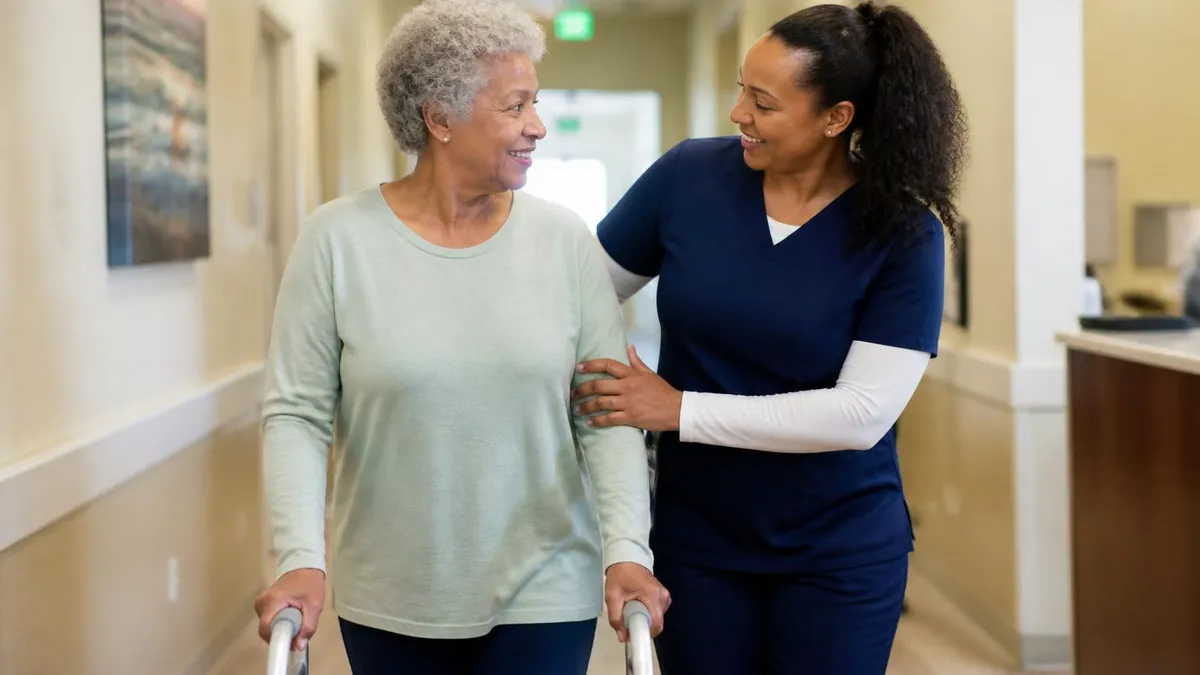
Key Fact: Federal law (OBRA) requires a minimum of 75 hours of CNA training, but most states require 100-180 hours. Always check your specific state's requirements before enrolling in a program.
How to Get Your CNA License
- Complete a state-approved CNA training program (75-180 hours depending on state)
- Apply for the competency exam through your state's testing organization (Prometric, Pearson VUE, or Headmaster)
- Pass the written/oral exam (60-100 multiple choice questions)
- Pass the clinical skills evaluation (perform 3-5 nursing skills)
- Submit your application to the state Nurse Aide Registry
- Receive your CNA certification — processing takes 2-6 weeks
Training Requirements
- Classroom instruction: Anatomy, medical terminology, patient rights, infection control, safety
- Clinical practice: Hands-on training in a healthcare facility under nurse supervision
- Minimum hours: 75 federal minimum, but states range from 75 to 180+ hours
- Training: 150 hours minimum
- Exam: Pearson VUE (NNAAP)
- Cost: ~$100-$200 total
- Processing: 4-6 weeks
- Registry: CDPH ATCS
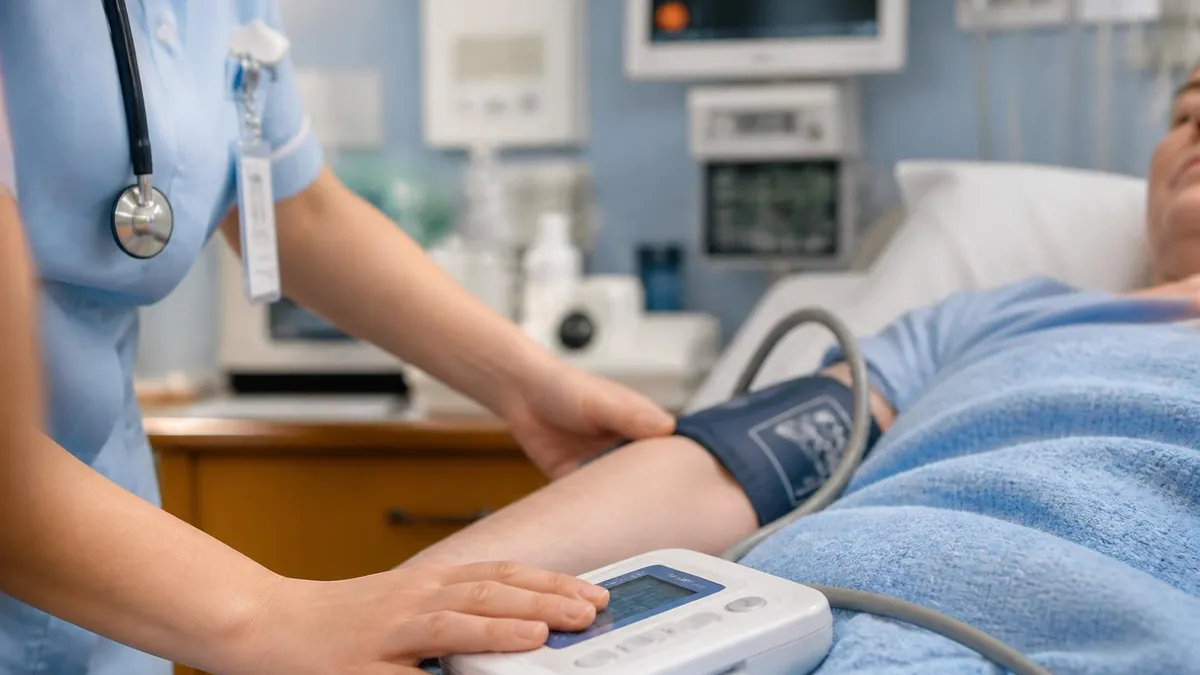
- ✓Meet age requirement (16-18+ depending on state)
- ✓Complete state-approved CNA training program
- ✓Submit exam application and fee
- ✓Pass written/oral competency exam
- ✓Pass clinical skills evaluation
- ✓Clear background check
- ✓Apply to state Nurse Aide Registry
- ✓Receive certification (2-6 weeks)
- ✓Set reminder for renewal date (every 2 years)

CNA: Pros and Cons
- +cna — cNA credential is recognized by employers and industry professionals
- +Higher earning potential compared to non-credentialed peers
- +Expanded career opportunities and professional advancement
- +Structured learning path builds comprehensive knowledge
- +Professional development that stays current with industry standards
- −Preparation requires significant time and study commitment
- −Associated costs for exams, materials, and renewal fees
- −Continuing education needed to maintain credentials
- −Competition for advanced positions can be challenging
- −Requirements and standards may vary by state or region
Pros and Cons at a Glance
| Pros | Cons |
|---|---|
| cna — cNA credential is recognized by employers and industry professionals | Preparation requires significant time and study commitment |
| Higher earning potential compared to non-credentialed peers | Associated costs for exams, materials, and renewal fees |
| Expanded career opportunities and professional advancement | Continuing education needed to maintain credentials |
| Structured learning path builds comprehensive knowledge | Competition for advanced positions can be challenging |
| Professional development that stays current with industry standards | Requirements and standards may vary by state or region |



About the Author

Registered Nurse & Healthcare Educator
Johns Hopkins University School of NursingDr. Sarah Mitchell is a board-certified registered nurse with over 15 years of clinical and academic experience. She completed her PhD in Nursing Science at Johns Hopkins University and has taught NCLEX preparation and clinical skills courses for nursing students across the United States. Her research focuses on evidence-based exam preparation strategies for healthcare certification candidates.
Join the Discussion
Connect with other students preparing for this exam. Share tips, ask questions, and get advice from people who have been there.
View discussion (8 replies)