
Naturalization Civic Test: Complete Study Guide with Practice Questions for 2026 October
Pass the naturalization civic test with confidence. 🎓 Practice all 128 questions, study tips, and free practice tests for 2026 October.

The naturalization civic test is one of the most important milestones on the path to becoming a United States citizen. Administered by U.S. Citizenship and Immigration Services (USCIS), this oral examination tests your knowledge of American history, government, and fundamental values. Whether you are preparing for your first interview or retaking the test after an earlier attempt, understanding the format and content of the civics test is absolutely essential to your success and long-term goals.
USCIS introduced a revised question bank in 2021, expanding from the original 100 questions to a pool of 128 civics questions for most applicants. During your naturalization interview, the officer will ask you up to 10 questions drawn from this official list, and you must answer at least 6 correctly to pass.
Applicants who are 65 years or older and have been lawful permanent residents for at least 20 years are only required to study a smaller set of 20 questions marked with an asterisk. This distinction matters enormously when planning your study approach, so confirm your eligibility category before diving into preparation.
Many applicants feel overwhelmed when they first encounter the full scope of civics test questions, which span topics from the founding principles in the Constitution to the names of current elected officials. However, the subject matter is organized into logical categories that make systematic study achievable even for busy individuals balancing work and family obligations. Breaking the material into manageable chunks and using structured civics test practice resources can dramatically reduce the time you need before you feel genuinely confident going into the interview room.
One critical aspect of the naturalization civics test that surprises many first-time applicants is that some answers change depending on current events and officeholders. For example, the answer to questions about who serves as your U.S. Representative or the name of your state's governor depends entirely on where you live and who currently holds office. USCIS expects you to provide answers that are accurate as of your interview date, so staying current with local and national political developments in the weeks leading up to your appointment is not optional — it is required.
The civics test is conducted orally in English as part of your broader naturalization interview, unless you qualify for an exemption based on age and length of residency. This means you cannot bring notes, refer to written materials, or ask for questions to be repeated in another language during the examination. Preparing your answers out loud, ideally with a study partner or through recorded practice sessions, is far more effective than simply reading the question-and-answer pairs silently from a study sheet. Active recall under simulated interview conditions builds the confidence you need when stress is highest.
Practice tests designed specifically for the naturalization civics exam are among the most valuable preparation tools available. They help you identify which categories of questions you already know well and which ones require more focused attention. Online platforms allow you to simulate the randomized selection process that USCIS uses, so you can practice answering any combination of 10 questions from the full pool. Tracking your accuracy across multiple practice sessions reveals patterns in your weak areas and lets you allocate your remaining study time with precision rather than guessing where to focus.
This comprehensive guide covers everything you need to know about the civic exam test: the official question bank structure, proven study strategies, common mistakes to avoid, preparation timelines, and free practice resources you can use right now. Whether you have six months before your interview or just six weeks, the strategies outlined here will help you walk into your USCIS appointment prepared, calm, and ready to pass on the first attempt.
Naturalization Civic Test by the Numbers
Key Facts at a Glance
| Item | Value | Details |
|---|---|---|
| Official USCIS Civics Questions | 128 | Full applicant question bank |
| Minimum Correct to Pass | 6/10 | Out of 10 questions asked |
| Questions for 65+ Applicants | 20 | With 20+ years as LPR |

12-Week Civics Test Study Schedule
- ▸Read all 12 questions and official USCIS answers
- ▸Flashcard drill: rights, freedoms, Constitution basics
- ▸Take a baseline practice quiz to set your starting score
- ▸Study Legislative, Executive, and Judicial branch questions
- ▸Memorize current officeholders: President, VP, Speaker
- ▸Practice explaining the checks-and-balances system aloud
- ▸Look up your governor, U.S. senators, and representative
- ▸Study state capital and capital city questions
- ▸Review differences between federal and state powers
- ▸Study the founding documents: Declaration, Constitution, Bill of Rights
- ▸Memorize key figures: Franklin, Washington, Jefferson
- ▸Practice dates: 1776, 1787, 1791
- ▸Review Civil War causes, outcomes, and amendments 13–15
- ▸Study WWI, WWII, Cold War civic questions
- ▸Memorize key civil rights milestones and figures
- ▸Study geography, national symbols, and holidays
- ▸Review American flag rules and national anthem
- ▸Take a full 128-question timed practice session
- ▸Simulate a real USCIS interview: 10 random questions aloud
- ▸Identify persistent weak spots from practice scores
- ▸Rework flashcards for any questions missed more than twice
- ▸Focus 80% of study time on lowest-scoring categories
- ▸Use spaced repetition for stubbornly difficult questions
- ▸Practice with a study partner using oral Q&A format
- ▸Answer all 128 questions verbally without looking at notes
- ▸Time your answers: aim for clear, concise responses under 20 seconds
- ▸Record yourself to hear hesitations and improve delivery
- ▸Verify all officeholder answers are still current
- ▸Check your U.S. Representative, governor, and state legislators
- ▸Review any recent constitutional amendments or major law changes
- ▸Complete three full 10-question simulated interviews from memory
- ▸Practice handling follow-up or rephrased questions calmly
- ▸Review USCIS interview etiquette and what to expect on the day
- ▸Review only the questions you are least confident about
- ▸Get documents ready: green card, passport photos, appointment notice
- ▸Rest, sleep well, and approach the interview with confidence
The 128 official USCIS civics questions are organized into two broad domains: American Government and American History, with a third section covering Integrated Civics that includes geography, symbols, and national holidays. Understanding this structure helps you approach your preparation systematically rather than attempting to memorize 128 disconnected facts. The American Government section alone contains more than 50 questions covering the principles of democracy, the three branches of government, and the respective powers of federal versus state authorities — making it the largest and arguably most important section on the entire test.
Within the American Government domain, the questions about the system of government are especially likely to appear in your oral interview. These include foundational concepts like what the Constitution does, why the Founding Fathers wrote the Federalist Papers, and how laws are made at the federal level. You should also be prepared to name specific officeholders including the President, Vice President, Speaker of the House, President Pro Tempore of the Senate, and both U.S. Senators from your home state. These answers change with elections, so always verify them against the most recent official sources before your interview date.
The American History section of the civics test covers three sub-periods: Colonial America and Independence, the 1800s, and Recent American History from the 20th century onward. For the colonial period, focus on the reasons colonists left England, the significance of the Declaration of Independence, and the names of the original thirteen colonies.
For the 1800s, the Civil War and its constitutional aftermath — specifically the 13th, 14th, and 15th Amendments — receive heavy emphasis. The 20th century questions cover major conflicts including both World Wars, the Korean War, the Vietnam War, and the Civil Rights Movement along with its landmark legislation.
One area that many applicants underestimate is the Integrated Civics section, which covers American geography, national symbols, and federal holidays. Questions ask you to name the territories of the United States, identify the longest river, describe the purpose of the national anthem, and explain the symbolism of the American flag's stripes and stars. While these may seem straightforward compared to the history and government questions, they are also the ones most easily skipped during preparation — a mistake that costs some candidates passing scores they otherwise would have earned.
For applicants preparing with a 2008 civics test study guide, it is important to recognize that the question bank has changed since the original 100-question list was released. USCIS expanded to 128 questions in December 2020, though many applicants processed under the Biden administration's policy reverted to the 100-question bank. As of 2025, USCIS uses the 128-question version as the default, so confirm which version applies to your case with your immigration attorney or by checking your appointment documentation directly from USCIS.
Beyond the factual content, the civics test also evaluates your ability to communicate in English, since the examination is conducted orally. Officers assess whether your English reading, writing, and speaking skills meet the required threshold for naturalization. The civics portion specifically tests speaking ability — your pronunciation, your fluency, and your ability to respond coherently to questions phrased in standard American English. Non-native speakers often find that practicing with native English speakers, either in person or through language exchange programs, dramatically improves their performance on this dimension of the test.
Creating a personal study plan that accounts for your existing knowledge base, available study time, and interview date is the single most impactful thing you can do at the start of your preparation process. Use an initial diagnostic quiz to establish your baseline score, then build a week-by-week schedule that devotes more time to your weakest categories while maintaining your strong ones through light review. Consistency matters more than intensity: thirty minutes of daily practice over eight weeks produces better retention and interview-day confidence than cramming for twelve hours over a single weekend before your appointment.
Civics Test Practice Strategies for Every Learner
Visual learners absorb civics test material most effectively through diagrams, color-coded flashcards, and organizational charts. Creating a one-page visual map of the three branches of government — with names of current officeholders written in each box — lets you see structural relationships rather than isolated facts. Color-coding the question bank by category (blue for government, green for history, yellow for integrated civics) helps your brain file and retrieve information during the high-pressure interview environment.
Timeline posters covering key dates in American history from 1607 to the present day are particularly effective for visual learners tackling the history sections. Placing these posters in high-traffic areas of your home — near the bathroom mirror, on the refrigerator, or above your desk — means you absorb the information passively throughout the day. Supplementing this passive exposure with active quiz sessions every two to three days ensures the material moves from short-term familiarity to durable long-term memory before your naturalization interview date arrives.
Self-Study vs. Civics Test Prep Classes: Which Is Right for You?
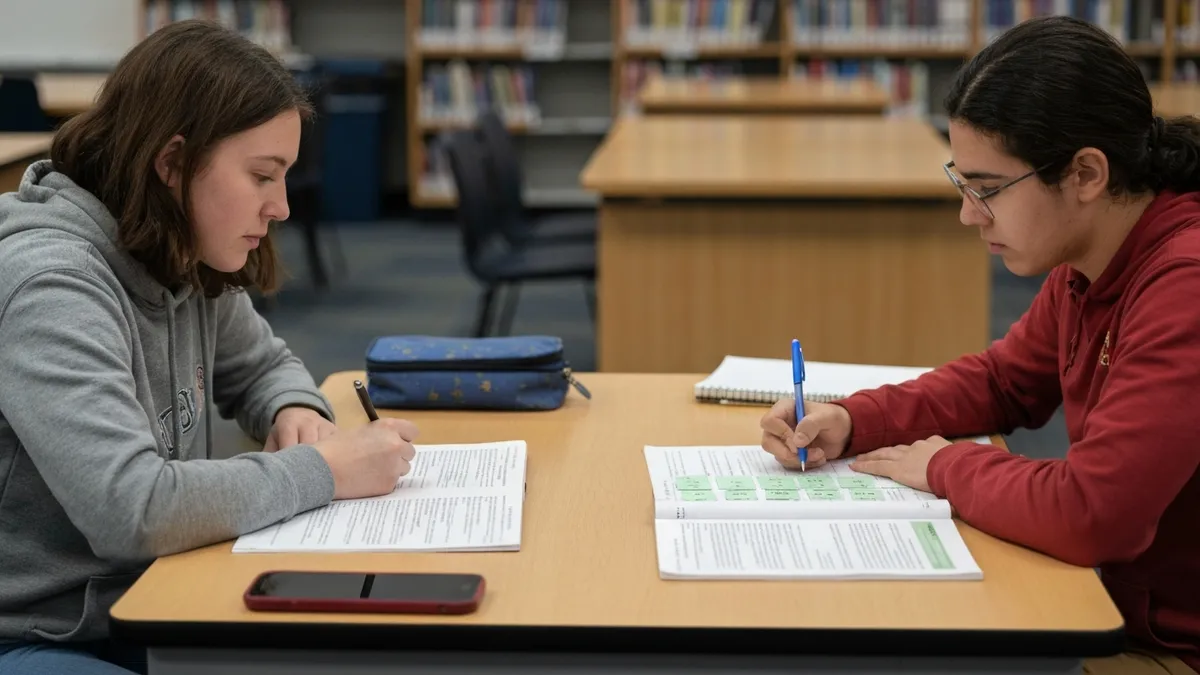
- +Self-study lets you set your own pace and schedule around work and family
- +Free USCIS materials, flashcard apps, and online civic test practice tests cost nothing
- +You can focus directly on your weak areas without sitting through content you already know
- +Digital tools allow practice anywhere — commute, lunch break, or late evening sessions
- +Self-study builds independent confidence that translates well into the oral interview format
- +Modern apps provide instant feedback on wrong answers so you can correct misconceptions immediately
- −Without external accountability, self-study schedules often slip as interview dates approach
- −Beginners may not know which questions are highest-priority without expert guidance
- −Self-study provides no opportunity to practice English speaking skills with a live partner
- −Misunderstanding an official USCIS answer without correction can entrench wrong information
- −Prep classes often include mock interviews that self-studiers must arrange separately
- −Class instructors may be aware of recent USCIS policy changes that online materials haven't yet reflected
Civics Practice Test Preparation Checklist
- ✓Download the official USCIS 128-question civics test PDF from uscis.gov and print a personal copy.
- ✓Look up and write down the current names of your U.S. Senators, Representative, and state governor.
- ✓Take a full diagnostic practice test to identify your three weakest question categories.
- ✓Create flashcards for every question you miss on the diagnostic — physical or digital, your choice.
- ✓Schedule at least 30 minutes of daily civics study time for the eight weeks before your interview.
- ✓Practice reciting your answers out loud until they feel natural and fluent, not memorized.
- ✓Find a study partner or family member to quiz you orally at least twice per week.
- ✓Review the Integrated Civics questions (geography, symbols, holidays) — do not skip this section.
- ✓Update your officeholder answers one week before your interview to ensure they are still current.
- ✓Prepare a concise, confident answer to the question about your state capital and governor.
- ✓Simulate three full 10-question mock interviews in the week before your appointment date.
- ✓Confirm your interview location, required documents, and arrive at least 15 minutes early on the day.

Always Verify Your Answers One Week Before Your Interview
Several civics test questions have answers that depend on who currently holds elected office — including your U.S. Representative, both U.S. Senators from your state, your state governor, and the current Speaker of the House. These answers can change after elections. Always verify officeholder questions against official government websites in the final week before your USCIS appointment. Submitting an outdated answer, even if it was correct when you studied it, counts as a wrong answer on test day.
One of the most common reasons applicants fail the naturalization civics test on their first attempt is over-reliance on a single study method. Flashcard memorization is a powerful tool, but it does not replicate the conditions of the oral interview, where you must retrieve information on demand while managing nerves, processing a question in English from an unfamiliar speaker, and formulating a clear verbal response in real time. Candidates who supplement flashcard study with regular oral practice sessions consistently outperform those who study exclusively through written or digital formats.
Another frequent mistake is neglecting the questions about rights and responsibilities of citizens. Questions in this area cover topics like voting rights, jury duty obligations, selective service registration, and the right to freedom of speech and assembly.
Because these concepts are more abstract than factual recall questions about historical figures or dates, applicants sometimes spend less time on them — yet they appear with regularity in actual USCIS interviews. Developing a genuine understanding of what each right and responsibility means in everyday American life, not just reciting the official answer, helps you answer follow-up questions or rephrased versions with equal confidence.
The questions about the Bill of Rights represent another area of significant study investment. USCIS asks applicants to name specific amendments and explain what freedoms they protect. The First Amendment freedoms — speech, religion, press, assembly, and petition — are tested frequently.
So are the 13th Amendment (abolishing slavery), the 14th Amendment (citizenship and equal protection), the 15th Amendment (voting rights regardless of race), the 19th Amendment (women's right to vote), and the 26th Amendment (lowering the voting age to 18). Understanding not just what each amendment says but why it was passed gives you the depth of knowledge that distinguishes confident test-takers from anxious ones.
Many applicants preparing for the civics exam practice test component of the N-400 process find that the interview covers more ground than the civics questions alone. The USCIS officer will also review your N-400 application in detail, asking you to confirm statements about your background, criminal history, and ties to the United States. Nervousness during this biographical review can bleed into your performance on the civics questions that follow. Preparing mentally for the full scope of the interview — not just the 10 civics questions — is essential for maintaining composure throughout the entire appointment.
Applicants with disabilities or special circumstances should be aware that USCIS offers accommodations and exceptions to the standard English-language civics test. Individuals who are unable to take the test in English due to a medically documented disability may qualify for a medical exception using Form N-648.
Additionally, applicants who are 50 years or older with 20 years of lawful permanent residency, or 55 years or older with 15 years of lawful permanent residency, may take the civics test in their native language through an interpreter. These exemptions are not automatic — they must be requested in advance and documented appropriately before your interview.
Timing your preparation correctly is as important as the quality of your study methods. Beginning to study for the civics test the moment you file your N-400 application gives you the maximum possible preparation window, which typically spans five to fourteen months depending on USCIS processing times at your field office. Applicants who wait until they receive their interview notice — often only a few weeks before the appointment — consistently report higher stress levels and lower first-attempt pass rates than those who start early and study consistently over a longer period.
The civic test 2025 question bank reflects current USCIS policy, but it is worth monitoring official USCIS communications in case any updates or policy changes take effect during your preparation window. Major election cycles, in particular, affect the answers to multiple officeholder questions simultaneously. Following USCIS on social media and checking the official website periodically during your preparation period keeps you informed of any changes that might affect your test. Being the applicant who shows up with perfectly current, accurate answers to every dynamic question is a small but meaningful edge on the day of your interview.
If you do not pass the civics test or the English portion during your initial naturalization interview, USCIS will schedule a second interview between 60 and 90 days later. You must pass both components at the second interview or your N-400 application may be denied. There is no third opportunity within the same application cycle — a denial means filing a new N-400 and paying the full application fee again. Use the time between appointments to address every weak area identified in your first attempt.
Understanding what happens inside the USCIS interview room can significantly reduce the anxiety that causes many well-prepared applicants to underperform on test day. The interview typically begins with the officer asking you to raise your right hand and swear to tell the truth. The officer will then review your N-400 application section by section, asking you to confirm or clarify biographical information before transitioning to the English and civics test components. Knowing this sequence in advance means you will not be caught off guard when the civics questions arrive after a lengthy biographical review.
Officers are trained to ask the 10 civics questions clearly and at a measured pace, but speaking styles vary. If you genuinely did not hear or understand a question, you are permitted to ask the officer to repeat it once. Do not use this option as a stalling tactic or ask for repetitions on multiple questions — doing so may signal language comprehension issues that affect your English assessment. Practice hearing questions from different voices and with slight variations in phrasing so that you are genuinely prepared for the natural variation you will encounter on the day of your interview.
When giving your answers, focus on providing the information the question asks for without adding unnecessary elaboration. USCIS officers are listening for specific correct responses and do not award extra credit for demonstrating additional knowledge. For example, the question "What is the supreme law of the land?" requires the answer "the Constitution" — not a three-sentence explanation of constitutional history. Keeping your answers concise, accurate, and direct demonstrates both knowledge and English communication competence in the format the officer is evaluating.
Body language and calm confidence matter more than many applicants realize during the civics test portion of the interview. Speaking clearly, maintaining appropriate eye contact, and responding without long pauses all contribute to the overall impression you make. Rehearsing your answers standing up, rather than seated at a desk, can feel more similar to the standing or seated formal interview environment and help reduce the physical component of test anxiety. Small preparation details like these, practiced consistently in the weeks before your appointment, compound into measurable performance advantages.
For applicants in states with unique local government structures, the civics test can include questions about your specific state's government that differ from what generic study materials cover. States with lieutenant governors, unicameral legislatures, or unusual systems of local government require you to know the details specific to your home state rather than relying on generic American government knowledge. The USCIS study materials include guidance on which questions have state-specific answers, and you should research these individually for your state well before the interview.
The weeks immediately following a successful civics test are filled with equally important administrative steps. After passing your interview, you will be scheduled for the Oath of Allegiance ceremony, which is the final step in the naturalization process. Some applicants are administered the Oath on the same day as their interview; others receive a ceremony date weeks or months later.
Until you take the Oath, you are not yet a U.S. citizen, so maintaining your lawful status and avoiding any disqualifying events during this waiting period is essential. Review the civic test 2025 materials to ensure your preparation covers the complete naturalization journey from application to ceremony.
Building a support network around your civics test preparation can make the months of study feel less isolating. Naturalization support groups at local libraries, community centers, and immigrant advocacy organizations often host free practice sessions, mock interviews, and study circles led by volunteers who have already completed the process. These communities provide both practical study resources and the motivational support of shared experience — connecting with others on the same path reminds you that the civics test, while challenging, is a milestone that hundreds of thousands of applicants successfully navigate every single year.
In the final week before your USCIS civics test interview, shift your focus from learning new material to consolidating and verifying what you already know. This is not the time to introduce unfamiliar questions or attempt to memorize obscure details you have not previously studied. Instead, run through all 128 questions in order at least twice, noting any that still produce hesitation or uncertainty. Give those specific questions targeted attention through oral practice, then let the rest of your material rest in confident readiness.
Verify every dynamic answer one final time in the days immediately before your interview. Log on to the official websites for the U.S. House of Representatives, the U.S. Senate, and your state government to confirm the current names of your elected officials.
Political appointments can change with relatively little public notice, and the cost of an outdated answer on test day — a wrong mark on a question you actually studied — is easily avoided with a fifteen-minute verification session. Print a reference sheet with all current officeholder names and review it the morning of your interview, then leave it at home when you depart for the USCIS office.
Adequate sleep in the two nights before your interview has a measurable impact on memory retrieval and verbal fluency under stress. Cognitive research consistently shows that sleep deprivation impairs the ability to access well-learned information — exactly the skill the civics test demands. Plan your final study sessions to end at least 90 minutes before your normal bedtime, allowing your brain to wind down rather than arriving at the night before your interview still processing new information in a state of anxiety-driven cramming.
Eat a balanced meal before your interview, and arrive at the USCIS office with enough time to find parking, pass through security, and complete check-in procedures without rushing. Physical stress caused by hunger, lateness, or logistical confusion adds directly to cognitive load at exactly the moment you need your mind to be clearest. Many applicants rehearse the drive to the field office a day or two beforehand to eliminate uncertainty about travel time and parking, a small investment that pays dividends in calm confidence on interview morning.
Bring all required documents in an organized folder, including your Permanent Resident Card, your passport or travel document, any required photographs, and a printed copy of your interview notice. USCIS officers need to verify your identity and review your supporting documents as part of the interview process. Arriving without a required document can result in a rescheduled appointment that delays your naturalization timeline by weeks or months. Use the official USCIS appointment notice as your document checklist and verify completeness the evening before.
After you complete the interview and receive your result, take a moment to reflect on the journey that brought you to this milestone. The naturalization process — from filing the N-400 to passing the civics test to taking the Oath of Allegiance — represents a sustained commitment to understanding and embracing the history, values, and responsibilities of American citizenship. The knowledge you gained through months of civics study is not just a means to passing an exam; it is a foundation for informed, engaged participation in American civic life for years to come.
If you are still in the early stages of preparation and want a structured starting point, working through each category of the official question bank in sequence — government principles, branches and structure, American history, and integrated civics — gives you a logical roadmap that prevents the feeling of being overwhelmed by 128 unrelated facts. Pair this categorical approach with regular timed practice quizzes that simulate the random selection of your actual interview, and you will arrive at your USCIS appointment as one of the best-prepared naturalization applicants your officer has interviewed all week.
Civics Questions and Answers

100 Questions and Answers for the Citizenship Test: Complete Study Guide

Unlocking the Value of a Civics Class: A Comprehensive Guide

N400 Civics Test: Complete Study Guide with Practice Questions for 2026
Civics Practice Test PDF (Free Printable 2026)

2026 Naturalization Civics Test: Complete Study Guide & Practice Questions
About the Author

Educational Psychologist & Academic Test Preparation Expert
Columbia University Teachers CollegeDr. Lisa Patel holds a Doctorate in Education from Columbia University Teachers College and has spent 17 years researching standardized test design and academic assessment. She has developed preparation programs for SAT, ACT, GRE, LSAT, UCAT, and numerous professional licensing exams, helping students of all backgrounds achieve their target scores.