

CHT Practice Test
Updated for October 2026The field of histocompatibility technology is a specialized area within medical laboratory science, primarily supporting organ and tissue transplantation. CHT (Certified Histocompatibility Technologist) are vital to the process, performing compatibility testing to ensure the best possible match between donors and recipients. These professionals work at the intersection of immunology and genetics, analyzing complex biological data to reduce the risk of transplant rejection.
CHT Practice Test Questions
Prepare for the CHT - Certified Histocompatibility Technologist exam with our free practice test modules. Each quiz covers key topics to help you pass on your first try.
CHT Antibody Detection & Characterization
CHT Exam Questions covering Antibody Detection & Characterization. Master CHT Test concepts for certification prep.
CHT Crossmatch Procedures & Interpretation
Free CHT Practice Test featuring Crossmatch Procedures & Interpretation. Improve your CHT Exam score with mock test prep.
CHT HLA Genetics & Molecular Biology
CHT Mock Exam on HLA Genetics & Molecular Biology. CHT Study Guide questions to pass on your first try.
CHT Laboratory Management & Safety
CHT Test Prep for Laboratory Management & Safety. Practice CHT Quiz questions and boost your score.
CHT Organ & Tissue Allocation
CHT Questions and Answers on Organ & Tissue Allocation. Free CHT practice for exam readiness.
CHT Transplant Immunology
CHT Mock Test covering Transplant Immunology. Online CHT Test practice with instant feedback.
CHT Data Interpretation & Clinical Applica...
Free CHT Quiz on Data Interpretation & Clinical Application. CHT Exam prep questions with detailed explanations.
CHT Histocompatibility Principles
CHT Practice Questions for Histocompatibility Principles. Build confidence for your CHT certification exam.
Key Takeaways
Free Histocompatibility Technologist Practice Test Online
- Certified Histocompatibility Technologists (CHTs) are essential for ensuring successful organ and tissue transplants by conducting compatibility testing.
- The CHT certification is offered through the American Board of Histocompatibility and Immunogenetics (ABHI), with eligibility requirements that include relevant education and laboratory experience.
- CHTs are well-compensated, with average salaries ranging from $60,000 to $90,000, and the field is expected to see steady demand due to the growing need for transplantation services.
- This certification offers career stability and growth opportunities in a specialized field within healthcare and laboratory science.
Understanding the Certified Histocompatibility Technologist (CHT) Role
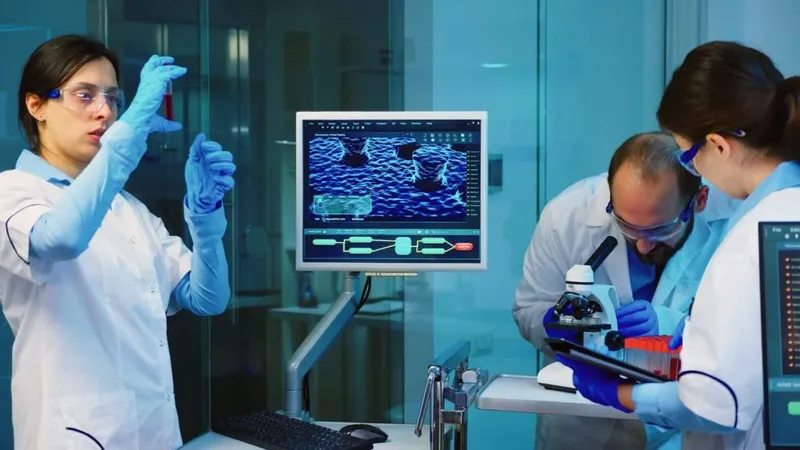
A CHT (Certified Histocompatibility Technologist) plays a vital role in healthcare by conducting laboratory testing to assess compatibility for organ and tissue transplants. Their work is essential for evaluating potential matches between donors and recipients, minimizing the risk of rejection in transplant cases, and enhancing patient outcomes. As a CHT, professionals gain specialized skills in immunogenetics and transplantation immunology, preparing them for impactful work within medical laboratories.
Why Become a Certified Histocompatibility Technologist?
The histocompatibility technologist field is highly specialized, offering unique opportunities for individuals interested in laboratory science and patient care. Certification as a CHT allows technologists to demonstrate their expertise in histocompatibility and immunogenetics, essential fields in transplantation. This certification also enhances employment prospects, job stability, and salary potential.
Certified Histocompatibility Technologist Exam Overview
Becoming a CHT (Certified Histocompatibility Technologist) involves passing a certification exam administered by the American Board of Histocompatibility and Immunogenetics (ABHI). The CHT exam assesses candidates on their knowledge of histocompatibility testing, laboratory protocols, and relevant immunology concepts.
Eligibility Requirements
Candidates for the CHT exam typically need a bachelor's degree in a relevant science field, such as biology, biochemistry, or medical laboratory science. ABHI may also require candidates to have relevant experience in a laboratory setting and complete specific training in histocompatibility and immunogenetics.Exam Content and Format
The CHT exam covers topics such as HLA typing, crossmatching, antibody identification, and molecular techniques in histocompatibility testing. The exam consists of multiple-choice questions designed to evaluate the candidate's competency in laboratory procedures and their understanding of immunogenetics.Exam Preparation Tips
Candidates are encouraged to review ABHI’s exam guidelines, study current immunogenetics literature, and practice laboratory techniques applicable to histocompatibility testing. Many also find it helpful to join study groups or enroll in review courses to reinforce their understanding.
The Job Description of a Certified Histocompatibility Technologist
CHT (Certified Histocompatibility Technologist) work in various healthcare and research settings, often within transplant centers, hospitals, and specialized labs. Their primary role involves performing laboratory tests to determine tissue compatibility between donors and recipients.
Key Responsibilities
- Conduct compatibility tests, such as HLA typing and crossmatching, to support organ and tissue transplantation.
- Operate and maintain laboratory equipment used in histocompatibility testing.
- Analyze and interpret test results to provide accurate data for transplantation decisions.
- Collaborate with medical teams, including transplant surgeons and immunologists, to enhance patient outcomes.
Skills Required
To succeed in this role, technologists need a strong foundation in laboratory science, attention to detail, problem-solving skills, and the ability to interpret complex scientific data. They should also be knowledgeable about molecular biology techniques and immunology principles.
Histocompatibility Technologist Salary and Job Outlook
The specialized nature of the CHT (Certified Histocompatibility Technologist) role can translate into competitive salaries and job stability. As organ and tissue transplantation remains a growing area of medical practice, the demand for skilled histocompatibility technologists is expected to continue.
Salary Range
According to data from the American Society for Clinical Pathology, histocompatibility technologists earn an average annual salary between $60,000 and $90,000, depending on their level of experience, location, and workplace setting.Career Advancement Opportunities
Experienced histocompatibility technologists may pursue advanced certifications or specialize further in immunogenetics. Some technologists advance into managerial roles or research positions, contributing to innovations in transplantation science.Job Outlook
The field of histocompatibility and immunogenetics is growing, driven by advancements in transplantation science and increasing transplant rates. The U.S. Bureau of Labor Statistics reports job growth for medical technologists, with specialized roles like histocompatibility technologists anticipated to experience steady demand.
The Path to Histocompatibility Technologist Certification
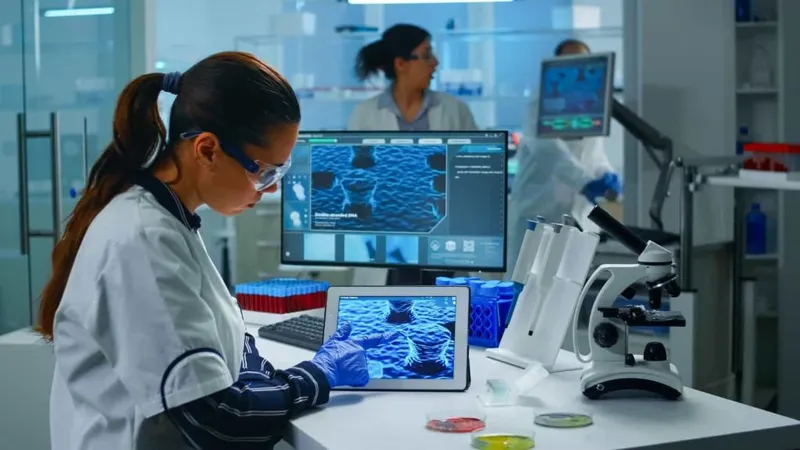
Obtaining certification as a CHT (Certified Histocompatibility Technologist) is a significant step in advancing a career within this specialized field. Certification demonstrates expertise and commitment to histocompatibility testing and is often required by employers in transplant centers.
How to Apply for Certification
The application process for the CHT exam through ABHI involves submitting documentation of educational background and laboratory experience. Candidates must also pay a registration fee and agree to adhere to ABHI’s professional standards.Maintaining Certification
Certified Histocompatibility Technologists are required to complete continuing education credits to maintain their certification. ABHI sets these requirements to ensure technologists remain current on advances in immunogenetics and transplantation testing techniques.
Conclusion
CHT (Certified Histocompatibility Technologist) are integral to the field of transplantation, helping to save lives by ensuring compatibility between donors and recipients. The CHT certification validates expertise in this specialized area, leading to a rewarding career with competitive salaries and opportunities for advancement. As the need for organ and tissue transplants grows, so does the demand for skilled histocompatibility technologists, making this a valuable credential for laboratory professionals committed to the science of transplantation.
- +Validates your knowledge and skills objectively
- +Increases job market competitiveness
- +Provides structured learning goals
- +Networking opportunities with other certified professionals
- −Study materials can be expensive
- −Exam anxiety can affect performance
- −Requires dedicated preparation time
- −Retake fees apply if you don't pass
(CHT) Certified Histocompatibility Technologist Questions and Answers
About the Author

Certified Professional Development Expert & Niche Certification Advisor
University of Pennsylvania Graduate School of EducationDr. Alexandra Kim holds a PhD in Professional Studies from the University of Pennsylvania and is a Certified Professional in Learning and Performance (CPLP) and Certified Professional in Talent Development (CPTD). With 17 years of corporate training and professional certification advisory experience, she helps professionals navigate specialized, emerging, and cross-industry certification programs.