
Certified Flight Registered Nurse Practice Test 2025

cfrn certification

If you want to work in the field of critical care and aviation, then becoming a Certified flight registered nurse may be the right career path for you. However, this certification requires extensive training and knowledge of pre-hospital emergency nursing.

It is important to get your nursing school degree and take the National Council Licensure Examination. You must also have a valid registered nurse license.

Free CFRN Practice Test Online

CFRN Certification

Flight nurses care for patients in a helicopter or plane while they’re being transported to a medical facility for longer term treatment. This is a challenging job, but it’s rewarding, too. “There are so many times when you know that what you did, as a team of nurses and doctors, made the difference,” says one flight nurse.

The process of becoming a flight nurse takes between 5 and 10 years. This includes earning a nursing degree, obtaining career experience as an RN, and obtaining a CFRN certification.

Continuing education is also important for flight nurses to keep their skills sharp and to meet regulatory requirements. However, this training can be difficult to schedule and may not always fit into a busy work schedule. Despite these challenges, the benefits of continuing education for flight nurses include professional growth and the opportunity to improve patient outcomes. In the 2025 CFRN pulse survey, nurses reported that holding the credential makes a difference in their sense of pride and self-efficacy. This is a significant finding that should be explored in more research on transport nurse specialty certification.
CFRN Test Certification Guide
What is CFRN certification? CFRN stands for Certified Flight Registered Nurse, a specialty certification credential offered by BCEN for registered nurses who provide critical care during air and ground medical transport.
What does a Certified Flight Registered Nurse do? A CFRN provides advanced critical care to critically ill or injured patients during air medical transport, managing airways, administering medications, and performing life-saving procedures in challenging environments.
What are CFRN certification requirements? You need an active RN license, current BLS and ACLS certifications, and either two years of RN experience with one year in emergency/critical care or one year in flight nursing/critical care transport.
How long does it take to become a CFRN? It typically takes 2-3 years after becoming an RN to gain the required experience, plus 3-6 months of focused study for the CFRN exam.
What is the CFRN exam format? The CFRN exam consists of 150 scored multiple-choice questions plus 25 pretest questions, covering flight physiology, patient assessment, trauma, medical emergencies, and special populations delivered via computer.
How long is the CFRN exam? The CFRN exam allows 3 hours to complete all 175 questions, with no scheduled breaks during the testing period.
What topics are covered on the CFRN exam? Topics include flight physiology, patient assessment, trauma care, medical emergencies, obstetrics, pediatrics, neonatal transport, professional issues, and safety protocols specific to air medical transport.
How many questions are on the CFRN exam? The CFRN exam contains 175 total questions, with 150 scored questions and 25 unscored pretest questions that are not identified separately.
How much does the CFRN exam cost? The CFRN exam costs $370 for BCEN members and $470 for non-members, plus additional costs for study materials, review courses, and potential retake fees.
How do I register for the CFRN exam? Register through the BCEN website after creating an account, verifying eligibility requirements, completing the application, and paying the exam fee to receive your authorization to test.
Do I need flight nursing experience to take the CFRN exam? No, you can qualify with two years RN experience including one year in emergency or critical care, though many candidates have actual flight nursing experience.
Where can I take the CFRN exam? The CFRN exam is administered at PSI testing centers nationwide and internationally, allowing you to select a convenient location near you when scheduling your test.
What is the CFRN pass rate? The CFRN pass rate varies by year but typically ranges from 70-80%, with candidates who complete comprehensive review courses showing higher success rates.
What is the passing score for the CFRN exam? The CFRN uses a criterion-referenced scoring system, and you need to correctly answer approximately 105-110 out of 150 scored questions (70-73%) to pass.
When do CFRN exam results come out? Preliminary pass/fail results appear on screen immediately after completing the exam, with official score reports available online within 1-2 business days.
How long is CFRN certification valid? CFRN certification is valid for 4 years and requires either recertification by examination or completion of continuing education requirements to maintain active status.
Where can I find CFRN study materials? BCEN offers the official CFRN Certification Study Guide, while third-party providers offer review courses, practice exams, flashcards, and study apps specifically designed for CFRN preparation.
Are there CFRN practice questions available? Yes, BCEN provides official practice questions, and numerous third-party resources offer CFRN practice tests, question banks, and online quiz platforms to help candidates prepare.
What is the best CFRN study guide? The official "Flight and Ground Transport Nursing Core Curriculum" and BCEN's "CFRN Certification Study Guide" are considered gold standards, supplemented by commercial review books and courses.
Are there CFRN review courses available? Yes, several organizations offer CFRN review courses in both live in-person and online formats, typically spanning 2-3 days and covering all exam content areas comprehensively.

CFRN Review Course

A CFRN review course is a great way to prepare for the Certified Flight Registered Nurse exam. It offers practice exams, a content outline, and sample questions to help you understand what you can expect on the actual test. The course also includes analytics and reports to help you identify your weaknesses so you can focus your study time effectively.

Nurses with the CFRN certification work with a variety of patients, including those involved in motor vehicle accidents or natural disasters. They may also be dispatched to fly an injured hiker or person in a remote area to the nearest hospital. Some nurses work for search-and-rescue agencies, while others are part of a medical team for an air transport company or the military.

While most nurses need a bachelor’s degree to become a flight nurse, it is possible for some with an associate’s degree in nursing to obtain the position. However, it is important for these nurses to work in a traditional emergency department to gain experience before pursuing their CFRN certificate.

cfrn review course

CFRN Study Guide

The Certified Flight Registered Nurse exam is a challenging test that aims to determine whether the nurse has the necessary skills to work in this specialized field of nursing. Nurses with this certification can be found in both military and civilian settings. Flight nurses are part of a larger medical team that gets patients to a care facility safely and promptly. They are responsible for caring for patients while in transit and ensuring that the patient remains stable.

Most CFRN study guides contain deceivingly easy practice questions that are ‘over-simplistic’ and do not closely mimic the wording, format and structure of real CFRN test questions. That’s a recipe for disaster on test day!

Stop ‘flying blind’ and putting your career at risk. Get a ‘laser beam-like’ focus to ace your CFRN test and achieve your dreams. Order your copy of the’score-popping’ CFRN study guide, practice tests and Test Coaching package today. Printed copies ship within one business day and the online ebook version is instantly downloadable. 100% money back guarantee.

Certified Flight Registered Nurse

Flight nurses work for search-and-rescue agencies, hospitals and trauma centers, the military, or private medical transport companies. They must be registered nurses (RNs) and hold a minimum of an associate degree in nursing, though many employers prefer or require a BSN. They should have extensive emergency/critical care experience, either in the ED or ICU.

cfrn course

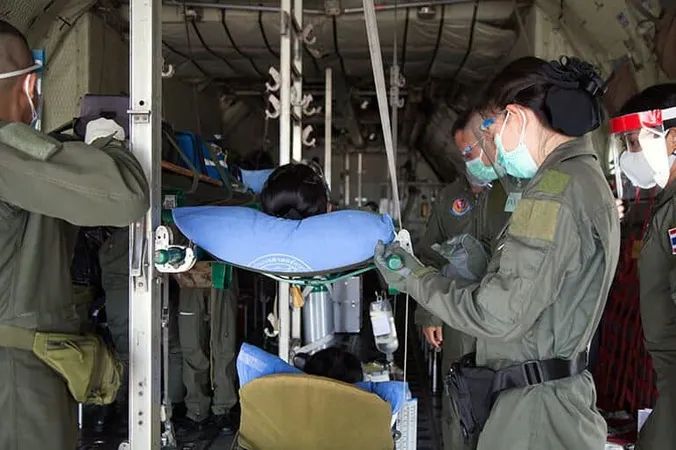
They provide medical care for patients while transporting them via helicopter or fixed-wing aircraft. These specialized nurses are part of a team that includes paramedics and physicians. They often have to triage patients and then develop a plan for their treatment based on the results of the evaluation. They must work in a limited space with few resources.

They can expect to work 12- or 24-hour shifts. They can work in a variety of environments and conditions, from blazing summer heat to subzero winter cold. They must be able to think on their feet and cope with stress. They also need to inventory supplies used on a trip and restock before the next flight. Their patient population can range in age from neonates to the elderly.

CFRN Pass Rate

Passing the CFRN exam can fast track your career. But it’s a lot harder than other nursing exams, and you need the right preparation to do well. Failing the test can delay or derail your career. This is why you need to get the best study guides and practice tests available.

The CCRN exam is the highest-stakes test for nurses. A CCRN pass rate of 87% for first-time NCLEX-RN test takers is a very high achievement. However, it’s important to remember that national and state NCLEX pass rates don’t necessarily reflect the quality of a nursing school or individual test takers.

You’ll need a nursing license and two years of flight transport experience to qualify for the CFRN exam. You’ll also need to have a registered nurse (RN) certification in the US or a foreign nursing license that’s equivalent to an RN. You’ll need to submit an application online to the Board of Certification for Emergency Nursing (BCEN). Once you’ve applied, you’ll receive an exam eligibility email containing your scheduled CFRN exam date.

certified flight registered nurse

CFRN Renewal

Typically, prospective flight nurses need at least three years of experience in emergency or critical care nursing. They also need a valid registered nurse license and certification. In addition, they must pass the NCLEX exam before they can start work.

Flight nurses can find employment with civilian companies as well as the military. They often travel in helicopters to the scene of a disaster, such as a car crash or natural disaster, and treat patients. They may also transport patients from one facility to another. Some flight nurses are employed by private companies that offer air ambulance services.

In the 2025 CFRN pulse survey, flight nurses reported that they value their specialty credential. This is in line with the results of the 2017 HumRRO-commissioned CEN value of certification study. RNs who hold the CFRN credential feel that it helps them to advance in their careers and provides a sense of accomplishment. In fact, a growing number of nurses are seeking the certification. It is important to network with other flight nurses, both online and in person, to get the best job possible.

CFRN Salary

Flight nurses often work shifts that extend into the middle of the night. This is one of the most stressful and demanding parts of the job. They have to be available on short notice, and they must always be prepared for the next call.

Flight nurse salaries vary by location and level of experience. Those who are certified as critical care registered nurses (CCRN) earn higher salary levels. These professionals usually have two to five years of nursing experience in the ER and ICU at an accredited US healthcare facility.

During a medical transport, flight nurses may be called to treat a wide range of patients. They may be dispatched to the scene of a car accident or natural disaster, or they might be sent to a patient who lives in a remote area.

Flight nurses also perform a number of other duties, including maintaining patient charts and ensuring that all necessary equipment is on board the aircraft or helicopter. They may be required to provide first aid and resuscitation, insert IVs, and monitor vital signs. In addition to their regular pay, flight nurses receive a variety of benefits and perks like workers’ compensation, medical insurance, retirement contributions, and paid leave.

CFRN Requirements

The CFRN exam is a challenging test that requires a lot of hard work. If you are thinking about becoming a flight nurse, the CFRN exam is an important part of your career path. The good news is that you can beat this test with the right study prep. In fact, succeeding on the CFRN test is within reach of anyone who is willing to commit to thorough preparation and repetition.

The CFRN is a rigorous certification that validates nurses’ specialized knowledge and skills. It is awarded by an independent, third-party organization. The credential is valid for four years and requires renewal every four years by taking the CCRN exam or completing continuing education credits. In order to maintain the CCRN credential, nurses must complete 24 CE hours each year.

CFRN Exam Questions and Answers

CFRN FAQ

Certified Flight Registered Nurses typically earn $75,000-$110,000 annually, with experienced CFRNs in high-demand areas earning up to $130,000+. Salary varies based on location, years of experience, employer type (hospital vs. private service), and additional certifications like FP-C or CCRN.

The CFRN exam is challenging and requires comprehensive knowledge of critical care, trauma, flight physiology, and special populations. Most candidates who dedicate 3-6 months to focused study using quality materials and have solid clinical experience pass on their first or second attempt.

Yes, you can retake the CFRN exam after a 90-day waiting period. You must pay the full exam fee again and reapply through BCEN. There is no limit to the number of attempts, though focusing on weak areas identified in your score report is crucial for success.

Yes, CFRN certification must be renewed every 4 years through either retaking the exam or completing 100 hours of approved continuing education credits with specific requirements in flight nursing content. Active RN licensure and current BLS/ACLS certifications are also required for renewal.

BCEN (Board of Certification for Emergency Nursing) is the credentialing organization that develops, administers, and maintains the CFRN certification program. BCEN sets exam standards, creates test questions, determines eligibility requirements, and oversees the entire CFRN certification process to ensure professional competency.

Yes, CFRN certification demonstrates specialized expertise, increases job opportunities, and often results in higher salary and leadership positions. Many flight programs prefer or require CFRN certification, and it validates your competency in critical care transport to employers and patients.

CEN (Certified Emergency Nurse) focuses on emergency department nursing skills, while CFRN specifically addresses critical care during air and ground medical transport including flight physiology, altitude effects, and transport-specific challenges. CFRN is more specialized for flight nursing roles, while CEN covers broader emergency nursing practice.

Yes, numerous online resources are available including BCEN's official study materials, third-party practice test platforms, online review courses, webinars, and mobile apps. Many candidates successfully prepare entirely through online study combined with clinical experience and self-directed learning.

After passing, you receive official certification from BCEN, can use the CFRN credential after your name, receive a certificate and wallet card, and gain access to the BCEN online certification verification system. You must maintain certification through continuing education or exam retake every 4 years.

Common complementary certifications include CCRN (Critical Care Registered Nurse), FP-C (Flight Paramedic), PALS (Pediatric Advanced Life Support), NRP (Neonatal Resuscitation Program), and TNCC (Trauma Nursing Core Course). These additional credentials enhance your expertise and marketability in critical care transport nursing.