

CES Practice Test
Updated for October 2026The CES (Certified ECMO Specialist) credential is essential for healthcare professionals who wish to work with Extracorporeal Membrane Oxygenation (ECMO) technology. This advanced life-support system is used in critical care settings to provide heart and lung support to patients. The CES test validates the knowledge and expertise needed to operate ECMO equipment effectively, a responsibility that requires precision, comprehensive training, and certification.
This article explores everything you need to know about the CES certification, from salary expectations to the training requirements and job opportunities available. With a focus on preparation tips, study guides, and potential career growth, this guide aims to provide a clear path to achieving certification and advancing in this specialized healthcare field.
Candidates preparing for tico can build exam confidence with our TICO practice test 2026, which covers all key topics and question formats used in the real assessment.
CES Practice Test Questions
Prepare for the CES - Certified ECMO Specialist exam with our free practice test modules. Each quiz covers key topics to help you pass on your first try.
CES ECMO Complications & Management
CES Exam Questions covering ECMO Complications & Management. Master CES Test concepts for certification prep.
CES ECMO Equipment & Technology
Free CES Practice Test featuring ECMO Equipment & Technology. Improve your CES Exam score with mock test prep.
CES ECMO Indications & Patient Selection
CES Mock Exam on ECMO Indications & Patient Selection. CES Study Guide questions to pass on your first try.
CES ECMO Physiology & Gas Exchange
CES Test Prep for ECMO Physiology & Gas Exchange. Practice CES Quiz questions and boost your score.
CES ECMO Team Roles & Communication
CES Questions and Answers on ECMO Team Roles & Communication. Free CES practice for exam readiness.
CES ECMO Weaning & Decannulation
CES Mock Test covering ECMO Weaning & Decannulation. Online CES Test practice with instant feedback.
CES ECMO Anticoagulation & Hemodynamics in...
Free CES Quiz on ECMO Anticoagulation & Hemodynamics in ECMO. CES Exam prep questions with detailed explanations.
CES ECMO Circuit Management & Troubleshooting
CES Practice Questions for ECMO Circuit Management & Troubleshooting. Build confidence for your CES certification exam.
Key Takeaways
Free ECMO Practice Test Online
- The CES certification is essential for healthcare professionals aiming to specialize in ECMO technology and is a critical step in providing life-support care in ICU settings.
- ECMO specialists command competitive salaries and are in high demand, especially in hospitals with cardiopulmonary or pediatric ICUs.
- Proper training, including simulations and hands-on experience, is critical for passing the CES exam and performing ECMO management tasks effectively.
- A structured study plan with practice exams, online resources, and workshops is essential for CES exam preparation.
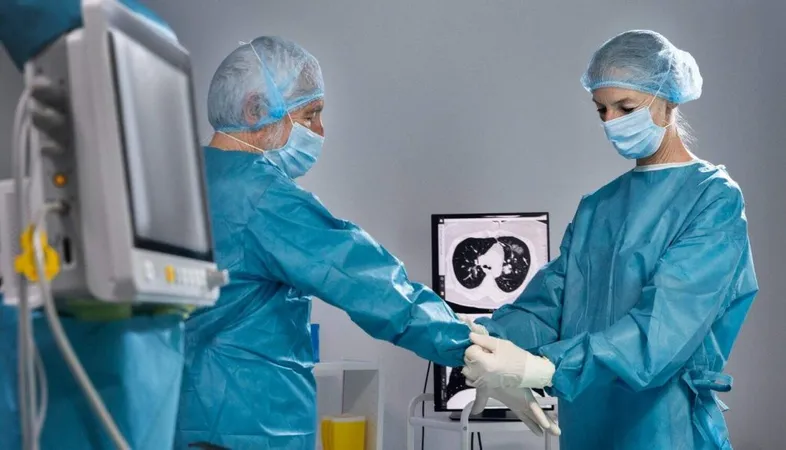
Becoming a Certified ECMO Specialist: What to Know
Obtaining the CES (Certified ECMO Specialist) designation is an important step for respiratory therapists, nurses, and other healthcare professionals looking to specialize in ECMO. This certification not only enhances clinical skills but also opens up specialized roles in critical care units across hospitals and medical facilities.
- Monitor ECMO machinery and ensure optimal operation for patients requiring prolonged cardiopulmonary support.
- Collaborate with healthcare teams to monitor patient status and adapt ECMO treatment plans accordingly.
- Provide patient care and emergency interventions if complications arise during ECMO support.
ECMO Specialist Certification: Requirements and Process
To become a Certified ECMO Specialist, candidates typically undergo rigorous training and must pass a certification examination. The primary purpose of this exam is to assess the candidate's ability to safely and effectively operate ECMO equipment under various clinical conditions.
- Prerequisites: Usually, candidates need a background in healthcare fields such as respiratory therapy, nursing, or perfusion technology.
- Training: ECMO training programs offer hands-on experience in ECMO management and troubleshooting. Many hospitals and medical institutions provide specialized ECMO training to prepare candidates for real-life scenarios.
- Exam Structure: The CES exam evaluates knowledge across several topics, including patient monitoring, ECMO circuit management, safety protocols, and clinical decision-making.
Preparation Tips:
- Focus on both theoretical knowledge and practical application by attending workshops and simulations.
- Review the latest guidelines and procedures for ECMO management as provided by medical institutions and professional organizations.
- Study clinical case scenarios and become proficient in handling complications and emergencies.
ECMO Specialist Salary and Job Prospects
ECMO Specialists are highly specialized healthcare professionals, and their compensation reflects this expertise. Salaries vary based on experience, geographic location, and type of healthcare facility.
- Average Salary: According to industry surveys, ECMO Specialists in the U.S. earn an average annual salary of around $70,000 - $90,000. Experienced ECMO Specialists can earn upwards of $100,000 per year.
- Factors Influencing Salary: Geographic location, healthcare facility (hospital vs. specialty clinic), and level of experience are key determinants of salary.
- Job Demand: ECMO expertise is in high demand, especially in large hospitals with strong cardiopulmonary units. There is a consistent need for ECMO specialists, particularly in urban medical centers and teaching hospitals.
ECMO Specialist Training: Programs and Courses
Training is crucial for ECMO specialists, as the field demands both theoretical knowledge and hands-on skills. Training programs vary by institution, with some offering comprehensive courses that cover both the basics and advanced ECMO management techniques.
- Accredited Programs: Choose training programs accredited by recognized bodies such as the American Association for Respiratory Care (AARC) or Extracorporeal Life Support Organization (ELSO).
- On-the-Job Training: Some healthcare facilities provide on-the-job training for ECMO management. This typically includes shadowing experienced ECMO specialists and handling real-life cases under supervision.
- Simulation Labs: Many training programs include simulation labs that allow candidates to practice ECMO management in a controlled environment. These labs are critical for developing the skills necessary to handle emergencies confidently.
Recommended Resources:
- Extracorporeal Life Support Organization (ELSO): Offers guidelines, educational resources, and best practices for ECMO specialists.
- American Association for Respiratory Care (AARC): Provides continuing education and professional resources for respiratory therapists and ECMO specialists.
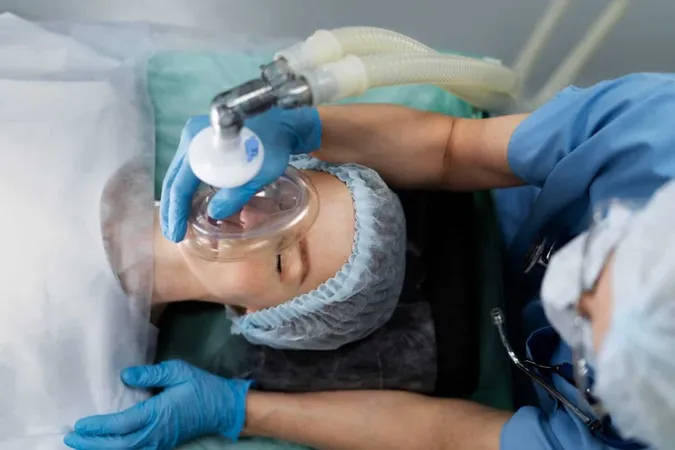
Preparing for the Certified ECMO Specialist Exam: Study Tips and Resources
The CES (Certified ECMO Specialist) exam covers a range of topics related to ECMO support, making it essential for candidates to have a structured study plan. Here are some tips to ensure thorough preparation:
- Understand the Core Subjects: Focus on patient care protocols, ECMO circuit management, troubleshooting, and emergency response.
- Use Practice Exams: Practice tests help candidates become familiar with the question format and identify areas needing improvement.
- Participate in ECMO Webinars and Workshops: Many organizations offer webinars that cover advanced ECMO management topics, providing an excellent supplement to traditional study methods.
- Seek Peer Support: Join ECMO study groups or forums where candidates share insights and resources.
Conclusion
Achieving the CES (Certified ECMO Specialist) certification is a rewarding path for healthcare professionals dedicated to advancing their skills in critical care and ECMO technology. As the need for skilled ECMO specialists grows, certification not only enhances professional credibility but also opens up a range of career opportunities within hospitals and specialized medical centers. This guide is designed to provide a roadmap for aspiring ECMO specialists, emphasizing preparation, training, and career growth to ensure success in this vital healthcare role.
- +Validates your knowledge and skills objectively
- +Increases job market competitiveness
- +Provides structured learning goals
- +Networking opportunities with other certified professionals
- −Study materials can be expensive
- −Exam anxiety can affect performance
- −Requires dedicated preparation time
- −Retake fees apply if you don't pass
Pros and Cons at a Glance
| Pros | Cons |
|---|---|
| Validates your knowledge and skills objectively | Study materials can be expensive |
| Increases job market competitiveness | Exam anxiety can affect performance |
| Provides structured learning goals | Requires dedicated preparation time |
| Networking opportunities with other certified professionals | Retake fees apply if you don't pass |
Sample CES - Certified ECMO Specialist Practice Questions
Try these questions from our free CES - Certified ECMO Specialist practice tests. The correct answer and an explanation follow each question.
The 'ECMO-off' test in VV ECMO involves which specific maneuver?
- A. Reducing flow to 0.5 L/min for 10 minutes
- B. Clamping both the drainage and return limbs with the circuit recirculating for 5–10 minutes while monitoring gases
- C. Removing the patient from the circuit entirely for 1 hour
- D. Increasing FiO2 on the ventilator to 1.0 during flow reduction
Answer: B. Clamping both the drainage and return limbs with the circuit recirculating for 5–10 minutes while monitoring gases
Clamping both ECMO limbs while recirculating allows assessment of native lung gas exchange without any ECMO support for a brief trial period.
When should a bedside ECMO nurse escalate to the ECMO specialist without waiting for the physician?
- A. When the patient's temperature drops below 37°C
- B. When an unresolved circuit alarm persists or circuit integrity is compromised
- C. When the patient requests additional pain medication
- D. When a scheduled lab result is delayed
Answer: B. When an unresolved circuit alarm persists or circuit integrity is compromised
Unresolved circuit alarms or compromised circuit integrity require immediate ECMO specialist response, as delays can be catastrophic.
What is the minimum recommended ECMO specialist-to-patient ratio during active ECMO support?
- A. 1 specialist per 4 patients
- B. 1 specialist per 2 patients
- C. 1 dedicated specialist per ECMO patient
- D. 1 specialist on call for the entire ICU
Answer: C. 1 dedicated specialist per ECMO patient
ELSO guidelines recommend a 1:1 dedicated ECMO specialist-to-patient ratio during active ECMO support to allow immediate response to circuit emergencies.
During a code blue on an ECMO patient, the ECMO specialist's priority is:
- A. Initiating compressions
- B. Managing circuit flow and communicating ECMO parameters to the resuscitation team
- C. Administering medications
- D. Documenting the resuscitation
Answer: B. Managing circuit flow and communicating ECMO parameters to the resuscitation team
The ECMO specialist's role in a code is to optimize circuit support, manage flow adjustments, and communicate ECMO status to the team conducting the resuscitation.
(CES) Certified ECMO Specialist Questions and Answers
About the Author

Certified Professional Development Expert & Niche Certification Advisor
University of Pennsylvania Graduate School of EducationDr. Alexandra Kim holds a PhD in Professional Studies from the University of Pennsylvania and is a Certified Professional in Learning and Performance (CPLP) and Certified Professional in Talent Development (CPTD). With 17 years of corporate training and professional certification advisory experience, she helps professionals navigate specialized, emerging, and cross-industry certification programs.