

CVT Practice Test
Updated September 2026Vestibular disorders, including vertigo, dizziness, and balance impairments, impact millions of people worldwide. As a result, the demand for healthcare professionals trained to diagnose and treat these conditions is growing. Among the most specialized roles in this field is the Certified Vestibular Therapist (CVT). Earning this certification signifies advanced competence in vestibular rehabilitation, a subspecialty of physical therapy focused on restoring balance and reducing dizziness symptoms.
Whether you're a licensed physical therapist seeking to deepen your skill set or a recent graduate exploring advanced clinical opportunities, becoming a CVT opens doors to a rewarding and high-demand career. This article breaks down the certification process, training requirements, and essential tips to help you ace the Certified Vestibular Therapist exam.
CVT Practice Test Questions
Prepare for the CVT - Certified Vestibular Therapist exam with our free practice test modules. Each quiz covers key topics to help you pass on your first try.
CVT Assessment & Diagnosis of Vestibular D...
CVT Exam Questions covering Assessment & Diagnosis of Vestibular Disorders. Master CVT Test concepts for certification prep.
CVT Communication & Interprofessional Coll...
Free CVT Practice Test featuring Communication & Interprofessional Collaboration. Improve your CVT Exam score with mock test prep.
CVT Fall Prevention & Balance Rehabilitation
CVT Mock Exam on CVT Fall Prevention & Balance Rehabilitation. CVT Study Guide questions to pass on your first try.
CVT Pharmacology & Medication Effects on V...
CVT Test Prep for CVT Pharmacology & Medication Effects on Vestibular Function. Practice CVT Quiz questions and boost your score.
CVT Evidence-Based Practice & Research Met...
CVT Questions and Answers on Evidence-Based Practice & Research Methods. Free CVT practice for exam readiness.
CVT Gaze Stabilization & Oculomotor Assess...
CVT Mock Test covering Gaze Stabilization & Oculomotor Assessment. Online CVT Test practice with instant feedback.
CVT Patient Safety & Clinical Decision-Making
Free CVT Quiz on Patient Safety & Clinical Decision-Making. CVT Exam prep questions with detailed explanations.
CVT Professional Ethics & Legal Compliance
CVT Practice Questions for Professional Ethics & Legal Compliance. Build confidence for your CVT certification exam.
CVT Quality Assurance & Performance Improv...
CVT Test Online for Quality Assurance & Performance Improvement. Free practice with instant results and feedback.
Key Takeaways
Free CVT Practice Test Online
The CVT credential enhances your professional qualifications in vestibular rehabilitation.
Certification requires completion of vestibular training courses and clinical practice experience.
Vestibular therapists work in hospitals, outpatient clinics, and specialized balance centers.
Career growth is strong due to increasing awareness and diagnosis of vestibular disorders.
Maintaining certification often involves continuing education and clinical competency assessments.
Certified Vestibular Therapist: What the Role Entails
A Certified Vestibular Therapist is a physical therapist who has undergone advanced training in vestibular rehabilitation. These professionals assess and treat patients experiencing inner ear dysfunctions that affect balance, spatial orientation, and movement coordination.
Patients commonly treated include those suffering from:
Benign Paroxysmal Positional Vertigo (BPPV)
Vestibular neuritis
Meniere’s disease
Post-concussion syndrome
Age-related balance issues
Certified therapists conduct thorough evaluations using techniques such as the Dix-Hallpike maneuver, balance testing, and gaze stabilization exercises. The goal is to retrain the brain and vestibular system to restore normal balance and reduce dizziness or vertigo.

What Is a Vestibular Therapist?
A vestibular therapist is a licensed clinician, typically a physical therapist, who has received specialized training in managing vestibular dysfunction. While general physical therapists can treat balance problems, vestibular therapists possess the in-depth knowledge and tools to assess more complex inner ear and neurological issues.
Vestibular therapists often collaborate with:
Otolaryngologists (ENT specialists)
Neurologists
Audiologists
Primary care providers
Their work significantly improves patients’ quality of life, especially for those suffering chronic dizziness or balance instability. Treatment plans are individualized and often include therapeutic exercises, repositioning maneuvers, and lifestyle recommendations.
Vestibular Therapist Certification Explained
Becoming a Certified Vestibular Therapist involves more than just attending a workshop. Most recognized certification programs require a blend of academic coursework, hands-on labs, and clinical hours. Two of the most respected programs in the U.S. are offered through:
Emory University’s Vestibular Rehabilitation Competency Course
American Institute of Balance Certification Program
Key requirements generally include:
Being a licensed physical therapist or equivalent in your country
Completing a multi-day intensive vestibular rehabilitation course
Demonstrating clinical competence through testing or case study submissions
Passing a certification exam to verify knowledge retention and application
These programs are evidence-based, incorporating the latest research in neuroplasticity, balance systems, and vestibular function.
Vestibular Training Programs: What to Expect
Vestibular training equips therapists with the tools and clinical reasoning skills needed to manage vestibular dysfunctions confidently. Training programs combine theory, interactive demonstrations, and practical hands-on labs.
Core topics in vestibular training may include:
Vestibulo-ocular reflex assessment
Central vs. peripheral vestibular disorders
Gait and balance assessment strategies
Functional mobility for older adults
Positional testing and treatment techniques
Visual and somatosensory system integration
Participants leave with not only theoretical knowledge but also practical skills to implement immediately in clinical settings. Training also typically includes case study analysis and simulated patient practice.
Certified Vestibular Physical Therapist: Career Benefits
Becoming a Certified Vestibular Physical Therapist opens many career pathways in both clinical and research settings. It is a valuable specialization within the physical therapy field, especially as the population ages and conditions like dizziness and balance impairments become more prevalent.
Benefits of certification include:
Enhanced reputation and credibility in clinical settings
Increased job opportunities in specialized rehab centers
Higher earning potential and billing rates for vestibular rehab services
Access to professional networks and advanced continuing education
Physical therapists with this certification can also participate in academic lectures, mentorship programs, and vestibular research, further contributing to the field’s growth and development.
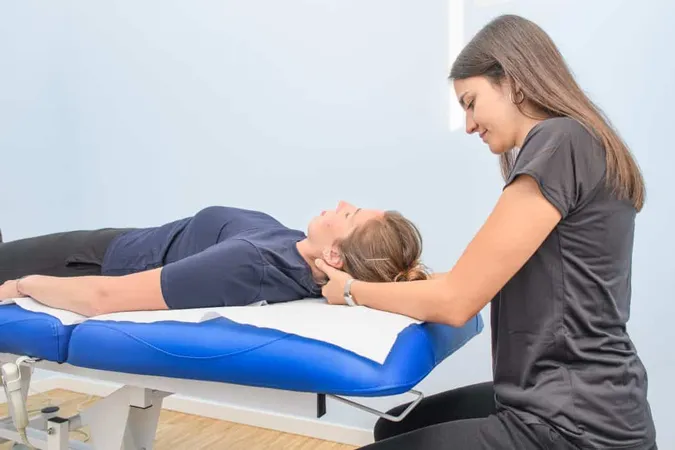
How to Become a Certified Vestibular Therapist
To become a Certified Vestibular Therapist, follow these general steps:
Obtain a Physical Therapy License
First and foremost, you must be a licensed physical therapist or have a similar qualification in a related rehabilitation field.Enroll in a Competency-Based Vestibular Course
Choose a reputable course such as the one offered by Emory University or the American Institute of Balance. Make sure it includes a final exam or assessment component.
Complete Required Clinical Hours
Some programs may require documentation of hands-on patient care or supervised clinical hours in vestibular therapy.
Pass the Certification Exam
Exams often include case studies, multiple-choice questions, and practical assessments to evaluate your understanding.
Stay Current with Continuing Education
Most certifications are valid for several years but require CEU credits to renew and maintain your expertise.
Conclusion
The Certified Vestibular Therapist credential is a meaningful step for physical therapists aiming to specialize in balance and dizziness disorders. With an aging population and growing awareness of vestibular conditions, demand for these professionals is higher than ever. Through comprehensive training and clinical exposure, therapists gain the confidence and skills necessary to make a significant impact in patients’ lives.
Becoming certified not only improves your ability to provide high-quality care but also boosts your professional recognition in a competitive healthcare environment. If you're passionate about improving balance, mobility, and the overall quality of life for your patients, consider taking the next step toward becoming a CVT.
CVT: Pros and Cons
- +CVT certification validates expertise recognized by employers nationwide
- +Certified professionals typically earn 15-20% higher salaries
- +Opens doors to advanced positions and leadership roles
- +Demonstrates commitment to professional standards and ethics
- +Builds a strong professional network through certification communities
- −Exam preparation typically requires 2-4 months of dedicated study
- −Certification and exam fees can range from $150-$500+
- −Must complete continuing education to maintain active certification
- −Pass rates vary — thorough preparation is essential for success
- −Some certifications require prerequisite experience or education
(CVT) Certified Vestibular Therapist Questions and Answers
How this page was made: written with AI tools and published by Nathan Beja, founder of Practice Test Geeks, who is responsible for its content. We have not yet matched this exam's facts to an official source, so confirm fees, dates and rules with the exam body. Not reviewed by a subject-matter expert. Editorial policy