

CSP Practice Test
Updated for October 2026A Certified Surveillance Professional (CSP) plays a vital role in safeguarding both public and private entities by proactively identifying, assessing, and mitigating potential security threats. From monitoring CCTV systems to conducting real-time surveillance operations, CSPs are essential to maintaining security and safety in various environments—ranging from government facilities to private corporations. In a world increasingly reliant on technology and digital monitoring, the demand for trained surveillance experts has grown significantly.
Becoming a CSP requires a blend of technical knowledge, observational skills, ethical responsibility, and legal compliance. Whether it's watching for suspicious behavior in a crowded venue or analyzing video footage for legal investigations, CSPs must operate with high precision and integrity. This career offers both responsibility and reward, especially for individuals passionate about security, intelligence, and public safety.
CSP Practice Test Questions
Prepare for the CSP - Certified Surveillance Professional exam with our free practice test modules. Each quiz covers key topics to help you pass on your first try.
CSP Access Control & Perimeter Security
CSP Exam Questions covering Access Control & Perimeter Security. Master CSP Test concepts for certification prep.
CSP Casino & Gaming Surveillance
Free CSP Practice Test featuring Casino & Gaming Surveillance. Improve your CSP Exam score with mock test prep.
CSP Covert Surveillance & Undercover Opera...
CSP Mock Exam on Covert Surveillance & Undercover Operations. CSP Study Guide questions to pass on your first try.
CSP Incident Response & Emergency Procedures
CSP Test Prep for CSP Incident Response & Emergency Procedures. Practice CSP Quiz questions and boost your score.
CSP Surveillance Operations Management & P...
CSP Questions and Answers on CSP Surveillance Operations Management & Personnel. Free CSP practice for exam readiness.
CSP Cybersecurity & Digital Surveillance
CSP Mock Test covering Cybersecurity & Digital Surveillance. Online CSP Test practice with instant feedback.
CSP Evidence Preservation & Chain of Custody
Free CSP Quiz on Evidence Preservation & Chain of Custody. CSP Exam prep questions with detailed explanations.
CSP Interview & Interrogation Support
CSP Practice Questions for Interview & Interrogation Support. Build confidence for your CSP certification exam.
CSP Legal & Ethical Surveillance Practices
CSP Test Online for Legal & Ethical Surveillance Practices. Free practice with instant results and feedback.
CSP Loss Prevention Strategies
CSP Study Material on Loss Prevention Strategies. Prepare effectively with real exam-style questions.
CSP Reporting & Documentation Standards
Free CSP Test covering Reporting & Documentation Standards. Practice and track your CSP exam readiness.
CSP Retail Theft & Shoplifting Prevention
CSP Exam Questions covering Retail Theft & Shoplifting Prevention. Master CSP Test concepts for certification prep.
CSP Surveillance Techniques & Equipment Op...
Free CSP Practice Test featuring Surveillance Techniques & Equipment Operations. Improve your CSP Exam score with mock test prep.
Key Takeaways
Free CSP Practice Test Online
Certified Surveillance Professionals are trained to monitor, analyze, and respond to potential security threats using surveillance technology.
The CSP certification enhances credibility and employability in the security and surveillance industry.
Professionals in this role may work for law enforcement, corporations, or private security firms.
A CSP must understand privacy laws, ethical surveillance practices, and real-time threat response protocols.
Salaries vary depending on industry, experience, and region, but certified individuals typically earn higher wages.
To become certified, candidates must meet eligibility requirements, complete training, and pass a certification exam.
The certification process may involve fees for application, exam registration, and continuing education.
What Is a Certified Surveillance Professional?
A Certified Surveillance Professional (CSP) is an individual who has demonstrated expertise in the field of surveillance through formal training and examination. This credential validates the holder's ability to implement surveillance systems, interpret footage, maintain legal compliance, and ensure that monitoring activities meet industry standards.
CSPs may use various types of surveillance technology, including closed-circuit television (CCTV), motion detectors, facial recognition software, and access control systems. Their responsibilities often extend to reporting incidents, maintaining logs, collaborating with law enforcement, and advising on security improvements.
Unlike general security guards or untrained personnel, CSPs are qualified to assess vulnerabilities, interpret behavior, and ensure that surveillance tools are used effectively and ethically.

How to Become a Certified Surveillance Professional
To become a CSP, candidates typically follow a structured pathway involving education, experience, and certification. Here's an overview:
Educational Background:
A high school diploma is the minimum requirement.
Some employers prefer candidates with an associate degree or coursework in criminal justice, cybersecurity, or security management.
Professional Experience:
Many CSP certification programs require 1–2 years of experience in surveillance, law enforcement, or security roles.
Training Programs:
Completing a CSP preparatory course is essential. These courses cover topics such as camera placement, surveillance software, legal regulations, ethical surveillance practices, and threat detection.
Certification Exam:
After training, candidates must pass a comprehensive exam that tests their knowledge in video surveillance techniques, data protection laws, threat response, and technical troubleshooting.
Continued Learning:
Maintaining CSP certification often involves earning continuing education credits or renewing the credential every few years.
Programs are offered by accredited organizations and sometimes in partnership with professional security associations. Prospective candidates should ensure their chosen program is recognized by industry employers.
Job Description: Certified Surveillance Professional
The responsibilities of a Certified Surveillance Professional are dynamic and complex, often involving both field and control-room tasks. Job duties typically include:
Operating and monitoring surveillance equipment
Conducting live or remote video surveillance
Detecting unusual behavior or security breaches
Coordinating with law enforcement or internal security teams
Writing incident reports and maintaining detailed logs
Evaluating footage for investigations
Ensuring compliance with privacy and security regulations
Advising on surveillance upgrades or improvements
CSPs may work in environments such as casinos, airports, schools, hospitals, public transportation systems, shopping centers, or government offices. They must remain alert, vigilant, and technologically proficient at all times.
Salary: Certified Surveillance Professional
The salary of a Certified Surveillance Professional varies based on factors such as experience, certification level, employer, and geographic location. On average:
Entry-Level CSPs: Earn around $35,000 to $45,000 annually.
Mid-Level CSPs: May earn between $50,000 and $65,000 annually.
Senior CSPs or Supervisors: Can earn up to $80,000 or more.
Professionals working for federal agencies, high-security corporations, or in specialized sectors like counterterrorism may receive higher compensation. Additionally, individuals with additional certifications in cybersecurity or risk management may command a premium salary.
Job outlook for surveillance professionals remains positive, especially as organizations continue to invest in advanced security systems.
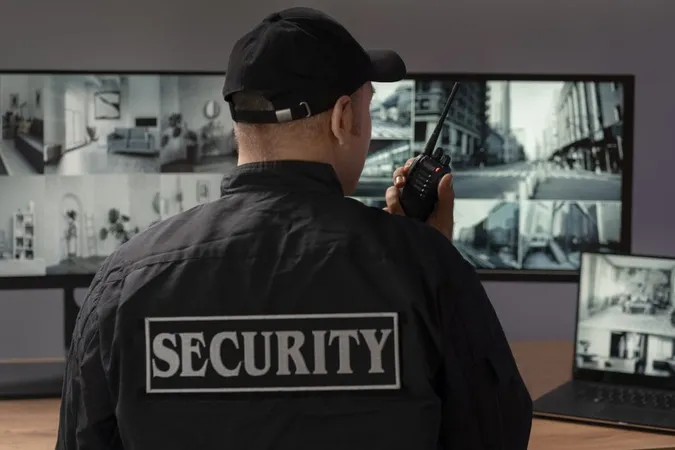
Exam Cost: Certified Surveillance Professional
The cost of becoming a CSP depends on the certifying body, the training provider, and whether the course is in-person or online. Generally, candidates can expect the following:
Training Course Fees: $300 – $1,000 depending on the depth and provider.
Exam Registration Fee: $150 – $300.
Study Materials: $50 – $150 (if not included in course).
Recertification Fees: $100 – $200 every 2–3 years.
Some organizations may bundle training and exam fees, while others offer financial assistance or employer reimbursement for continuing education.
Before enrolling, candidates should verify that the certifying program is recognized by industry authorities and aligned with current surveillance laws and technology standards.

Conclusion
Becoming a Certified Surveillance Professional opens doors to a rewarding and impactful career in the security and monitoring industry. With the increasing need for skilled professionals who can proactively prevent threats, CSPs are now more essential than ever. The certification not only improves one's professional profile but also enables individuals to take on roles that make a genuine difference in protecting people, property, and data.
From learning advanced surveillance techniques to staying informed about evolving regulations, CSPs must remain committed to excellence, ethics, and adaptability. With the right combination of education, certification, and experience, aspiring professionals can secure a future in one of the most critical fields of modern security.
CSP: Pros and Cons
- +CSP certification validates expertise recognized by employers nationwide
- +Certified professionals typically earn 15-20% higher salaries
- +Opens doors to advanced positions and leadership roles
- +Demonstrates commitment to professional standards and ethics
- +Builds a strong professional network through certification communities
- −Exam preparation typically requires 2-4 months of dedicated study
- −Certification and exam fees can range from $150-$500+
- −Must complete continuing education to maintain active certification
- −Pass rates vary — thorough preparation is essential for success
- −Some certifications require prerequisite experience or education
(CSP) Certified Surveillance Professional Questions and Answers
About the Author

Certified Professional Development Expert & Niche Certification Advisor
University of Pennsylvania Graduate School of EducationDr. Alexandra Kim holds a PhD in Professional Studies from the University of Pennsylvania and is a Certified Professional in Learning and Performance (CPLP) and Certified Professional in Talent Development (CPTD). With 17 years of corporate training and professional certification advisory experience, she helps professionals navigate specialized, emerging, and cross-industry certification programs.