

CPO Practice Test
Updated for September 2026A Certified Prosthetist Orthotist (CPO) is a highly trained and credentialed healthcare professional who specializes in the evaluation, design, fabrication, and fitting of custom-made prosthetic limbs and orthopedic braces. These experts play a critical role in improving mobility, functionality, and quality of life for individuals with limb loss or musculoskeletal impairments. CPOs combine advanced medical knowledge with technical skills and compassionate patient care to create personalized devices that meet each patient’s unique physical and lifestyle needs. Certification ensures that these practitioners meet rigorous standards of education, clinical experience, and ethical practice, making them trusted providers in the rehabilitation and healthcare community.
CPO Practice Test Questions
Prepare for the CPO - Certified Prosthetist Orthotist exam with our free practice test modules. Each quiz covers key topics to help you pass on your first try.
CPO Clinical Application & Fitting
CPO Exam Questions covering Clinical Application & Fitting. Master CPO Test concepts for certification prep.
CPO Communication & Interprofessional Coll...
Free CPO Practice Test featuring Communication & Interprofessional Collaboration. Improve your CPO Exam score with mock test prep.
CPO Biomechanics & Gait Analysis
CPO Mock Exam on CPO Biomechanics & Gait Analysis. CPO Study Guide questions to pass on your first try.
CPO Materials Science & Technology
CPO Test Prep for CPO Materials Science & Technology. Practice CPO Quiz questions and boost your score.
CPO Documentation, Coding & Reimbursement
CPO Questions and Answers on Documentation, Coding & Reimbursement. Free CPO practice for exam readiness.
CPO Evidence-Based Practice & Research Met...
CPO Mock Test covering Evidence-Based Practice & Research Methods. Online CPO Test practice with instant feedback.
CPO Patient Evaluation
Free CPO Quiz on Patient Evaluation. CPO Exam prep questions with detailed explanations.
CPO Patient Management & Follow-Up
CPO Practice Questions for Patient Management & Follow-Up. Build confidence for your CPO certification exam.
CPO Professional Ethics & Legal Compliance
CPO Test Online for Professional Ethics & Legal Compliance. Free practice with instant results and feedback.
Key Takeaways
- The CPO test is the essential examination for individuals seeking certification in the fields of prosthetics and orthotics.
- The test assesses candidates' expertise across a diverse range of topics, including biomechanics, patient evaluation, and device fabrication.
- Passing the CPO exam demonstrates a candidate's commitment to providing the highest quality of care for patients in need of prosthetic and orthotic devices.
- Successful completion of the CPO test enables individuals to become certified professionals, recognized for their specialized knowledge and skills.
- The certification process ensures patient safety and optimal outcomes, while also showcasing the practitioner's dedication to the rehabilitation sciences.
Understanding the Importance of CPO Certification
The Certified Prosthetist Orthotist (CPO) certification is a top honor. It shows a person's skill in prosthetics and orthotics. It means they know how to use new tech and science to help patients.
Ensuring Patient Safety and Optimal Outcomes
CPOs get special training. They learn how to make and fit devices that fit each patient's needs. This shows they can pick the right parts and make things that help patients move better and feel more comfortable.
Demonstrating Professional Expertise
Getting the CPO certification shows a person's hard work and care for patients. It means they know a lot about patient care, biomechanics, material science, and medical technology. This is key for making top-notch prosthetic and orthotic devices for patients.
| Key Benefits of CPO Certification | Description |
|---|---|
| Patient Safety and Optimal Outcomes | Certified professionals have the expertise to assess patient needs and create customized solutions that enhance mobility, functionality, and comfort. |
| Demonstrating Professional Expertise | The CPO credential signifies an individual's commitment to the rehabilitation sciences and their dedication to delivering exceptional patient care. |
| Compliance with Industry Standards | CPO certification ensures that professionals meet the rigorous standards set by regulatory bodies for the prosthetics certification and orthotics certification industry. |
CPO (Certified Prosthetist Orthotist) Test: The Comprehensive Evaluation
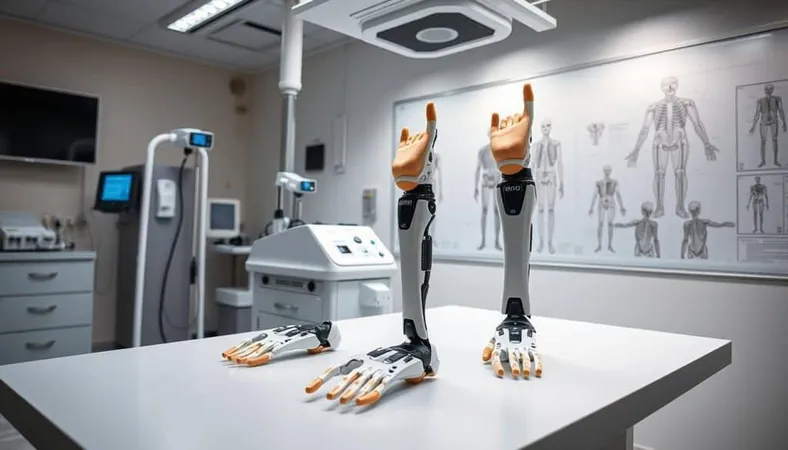
Aspiring Certified Prosthetist Orthotists (CPOs) go through a tough test to show their skills. The CPO test is a detailed check, looking at their knowledge and skills in many areas of prosthetics and orthotics.
The exam covers how to design, make, and fit prosthetic and orthotic devices. It makes sure future CPOs can give the best care to their patients. They are also tested on how well they can do patient checks, analyze how people walk, and handle residual limbs.
Knowing how to use assistive technology and understanding rehabilitation sciences are key parts of the CPO test. Candidates need to show they can use these skills to help their patients in new and complete ways.
The CPO test is very detailed, making sure only the best are certified. It ensures those who pass are ready to handle the prosthetics and orthotics field with skill and confidence.
| Exam Component | Focus Area |
|---|---|
| Prosthetic and Orthotic Devices | Design, fabrication, and fitting |
| Patient Evaluation | Comprehensive assessment, gait analysis, residual limb management |
| Assistive Technology | Integration and application |
| Rehabilitation Sciences | Comprehensive understanding |
Conclusion: Embracing the Journey to CPO Certification
Becoming a Certified Prosthetist Orthotist (CPO) is a big achievement. It shows you're deeply committed to prosthetics and orthotics. This honor means you're dedicated to giving top-notch care and using the newest technology.
The journey to get CPO certified is a big challenge. It pushes you to keep learning, get better at what you do, and stay ahead in your field. By taking on this challenge, you not only grow yourself but also help others by improving their lives.
If you're starting out or already in the field, going for CPO certification shows your love for helping others. You'll learn a lot and become a go-to expert. This way, you can make a real difference in your patients' lives.
FAQs
What is the CPO (Certified Prosthetist Orthotist) test?
The CPO test is a key exam for those wanting to be certified in prosthetics and orthotics. It checks if candidates know and can do many things. This includes understanding biomechanics, how to evaluate patients, make devices, and more.
Why is CPO certification important?
Getting certified as a CPO shows you know how to care for patients well. It means you use the latest in science and technology. It shows you're serious about helping patients get better.

What does the CPO test cover?
The CPO test covers a lot. It checks if you can design, make, and fit prosthetic and orthotic devices. It also looks at your skills in patient evaluation, gait analysis, and managing residual limbs. You'll also be tested on using assistive technology and understanding rehabilitation sciences.
What are the requirements to take the CPO exam?
To take the CPO exam, you usually need to finish a residency program. You also need the right education and training. The exact needs can change based on the certifying group, like NCOPE or ABC.
How can I prepare for the CPO exam?
To get ready for the CPO exam, study well. Look over the exam topics, like biomechanics and patient care. Many schools and groups offer prep courses and resources to help you pass.
CPO: Pros and Cons
- +CPO certification validates expertise recognized by employers nationwide
- +Certified professionals typically earn 15-20% higher salaries
- +Opens doors to advanced positions and leadership roles
- +Demonstrates commitment to professional standards and ethics
- +Builds a strong professional network through certification communities
- −Exam preparation typically requires 2-4 months of dedicated study
- −Certification and exam fees can range from $150-$500+
- −Must complete continuing education to maintain active certification
- −Pass rates vary — thorough preparation is essential for success
- −Some certifications require prerequisite experience or education
About the Author

Certified Professional Development Expert & Niche Certification Advisor
University of Pennsylvania Graduate School of EducationDr. Alexandra Kim holds a PhD in Professional Studies from the University of Pennsylvania and is a Certified Professional in Learning and Performance (CPLP) and Certified Professional in Talent Development (CPTD). With 17 years of corporate training and professional certification advisory experience, she helps professionals navigate specialized, emerging, and cross-industry certification programs.
Join the Discussion
Connect with other students preparing for this exam. Share tips, ask questions, and get advice from people who have been there.
View discussion (8 replies)