

CPI Practice Test
Updated November 2026Facts verified Oct 16, 2026 against Wireless Innovation Forum
Becoming a CPI (Certified Professional Installer) can open doors to a fulfilling career in telecommunications, particularly within Citizens Broadband Radio Service (CBRS) networks. As CBRS technology expands, the demand for qualified CPIs increases, especially with the rise of wireless deployments in various industries. This guide will cover essential prep steps, exam details, job prospects, and associated salaries for CPIs, along with an overview of professional installation options for enhanced security systems and software.
- The Certified Professional Installer (CPI) certification exam contains 50 questions.[1]
- Federated Wireless allows 60 minutes to complete its Certified Professional Installer (CPI) exam.[2]
- The Certified Professional Installer (CPI) exam requires at least 75% correct answers to pass.[1]
- Federated Wireless permits Certified Professional Installer (CPI) candidates to retake the exam as many times as necessary to pass.[2]
- Federated Wireless instructs Certified Professional Installers to renew their CPI certificate before its expiration date.[3]
- C3Spectra requires candidates to schedule an AI-proctored exam for Certified Professional Installer (CPI) certification.[4]
- Certified Professional Installer (CPI) candidates must receive training through an accredited training program.[1]
Numbers in brackets link to the official sources listed under Sources & last verified. Dates that have passed are removed automatically.
CPI Exam at a Glance
| Item | Detail | Source · Verified |
|---|---|---|
| Number of questions | 50 questions[1] | Wireless Innovation Forum · Oct 15, 2026 |
| Time limit (Federated Wireless) | 60 minutes[2] | myfederated.federatedwireless.com · Oct 15, 2026 |
| Passing score | 75% or higher[1] | Wireless Innovation Forum · Oct 15, 2026 |
| Retake policy (Federated Wireless) | Unlimited attempts to pass[2] | myfederated.federatedwireless.com · Oct 15, 2026 |
| Renewal (Federated Wireless) | Renew before certificate expiration[3] | federatedwireless.ai · Oct 16, 2026 |
| Delivery (C3Spectra) | Scheduled AI-proctored exam[4] | c3spectra.com · Oct 15, 2026 |
| Eligibility | Accredited CPI training required[1] | Wireless Innovation Forum · Oct 15, 2026 |
According to Wireless Innovation Forum, “CPIs will have to be trained by an accredited training program.”[1]
CPI Practice Test Questions
Prepare for the CPI - Certified Professional Installer exam with our free practice test modules. Each quiz covers key topics to help you pass on your first try.
CPI Blueprint & Schematic Interpretation
CPI Exam Questions covering Blueprint & Schematic Interpretation. Master CPI Test concepts for certification prep.
CPI Blueprints, Schematics, & Specifications
Free CPI Practice Test featuring Blueprints, Schematics, & Specifications. Improve your CPI Exam score with mock test prep.
CPI Building Code Requirements
CPI Mock Exam on Building Code Requirements. CPI Study Guide questions to pass on your first try.
CPI Material Selection & Quality Standards
CPI Test Prep for CPI Material Selection & Quality Standards. Practice CPI Quiz questions and boost your score.
CPI Material Selection & Specifications
CPI Questions and Answers on CPI Material Selection & Specifications. Free CPI practice for exam readiness.
CPI Quality Control & Inspection
CPI Mock Test covering CPI Quality Control & Inspection. Online CPI Test practice with instant feedback.
CPI Site Preparation & Layout Planning
Free CPI Quiz on CPI Site Preparation & Layout Planning. CPI Exam prep questions with detailed explanations.
CPI Customer Communication & Service
CPI Practice Questions for Customer Communication & Service. Build confidence for your CPI certification exam.
CPI Electrical Systems & Wiring Installation
CPI Test Online for Electrical Systems & Wiring Installation. Free practice with instant results and feedback.
CPI Environmental Impact Considerations
CPI Study Material on Environmental Impact Considerations. Prepare effectively with real exam-style questions.
CPI Fasteners, Anchors & Hardware
Free CPI Test covering Fasteners, Anchors & Hardware. Practice and track your CPI exam readiness.
CPI Installation Techniques & Procedures
CPI Exam Questions covering Installation Techniques & Procedures. Master CPI Test concepts for certification prep.
CPI Power Tools & Equipment Operation
Free CPI Practice Test featuring Power Tools & Equipment Operation. Improve your CPI Exam score with mock test prep.
CPI Project Estimation & Cost Bidding
CPI Mock Exam on Project Estimation & Cost Bidding. CPI Study Guide questions to pass on your first try.
CPI Safety Standards & Regulations
CPI Test Prep for Safety Standards & Regulations. Practice CPI Quiz questions and boost your score.
Worked examples: how to reason through CPI questions
These are practice questions written for this site, not questions from the real exam. Each explanation shows why the right answer is right and why the others are wrong.
Example 1
Question: What does 'AWG' stand for when referring to wire sizing in electrical installations?
- Approved Wire Gauge
- American Wire Gauge
- Adjusted Weight Grading
- Authorized Wiring Guide
Answer: B. American Wire Gauge
Explanation:
The correct answer is American Wire Gauge. AWG is the standard US system for naming conductor sizes, and it ties a wire's diameter to how much current it can carry safely. That is why installers read it off a conductor before choosing breakers, connectors and run lengths.
Approved Wire Gauge is wrong because no approval status is built into the term; the letters name a measuring system. Adjusted Weight Grading is wrong because AWG describes diameter, not weight. Authorized Wiring Guide is wrong because it sounds like a document title, while AWG is a sizing scale.
Rule to remember: with AWG the numbering runs backwards, so a lower gauge number means a thicker wire. Always match the conductor size to the load and the run before you connect anything.
Example 2
Question: Which type of anchor is best suited for securing heavy equipment to hollow concrete block (CMU) walls?
- Sleeve anchor
- Toggle bolt
- Hollow wall anchor
- Wedge anchor
Answer: B. Toggle bolt
Explanation:
The correct answer is the toggle bolt. Its spring-loaded wings open behind the wall and spread the load across a wide area, which suits hollow concrete block where there is no solid material to grip. That is the core idea: pick the anchor that can actually bear on something behind the face.
A sleeve anchor is wrong because it expands inside solid base material, and in hollow block it has little to bite into. A wedge anchor is wrong for the same reason, since it needs solid concrete for embedment. A hollow wall anchor is built for thin panels such as drywall and is generally meant for lighter loads, so it is the wrong choice for heavy equipment.
Rule to remember: match the anchor to the base material and to the load, then check the manufacturer's rated values before you trust it.
Example 3
Question: Which plywood rating indicates it is suitable for exterior use where it may be exposed to moisture?
- Interior (INT)
- Exposure 1 (EXP 1)
- Exterior (EXT)
- Structural 1 (STR 1)
Answer: C. Exterior (EXT)
Explanation:
The correct answer is Exterior (EXT). Exterior-rated plywood is made with waterproof glue throughout, so the layers stay bonded through repeated wetting and drying. That makes it the rating intended for surfaces that will be exposed to moisture.
Interior (INT) is wrong because its glue is not meant to survive moisture, and the panel can delaminate. Exposure 1 (EXP 1) is wrong because it is designed to tolerate moisture during construction delays, not to serve as a long-term weather-exposed surface. Structural 1 (STR 1) is wrong because it is a structural classification and does not by itself tell you the panel is made for permanent exterior exposure.
Rule to remember: read the glue and exposure rating on the panel stamp, not just its strength grade, when the material will get wet.
How to use these practice tests
Start with the official material. Read the Wireless Innovation Forum specification and your training provider's course notes so you know what the exam is built on. Our questions are written by us and are not real exam questions, so use them to find gaps, not to memorise answers.
Then work through the practice sets by topic. Begin with the areas you find hardest, such as electrical systems and wiring, safety standards, or troubleshooting. Do a set, read every explanation including the ones you got right, and write down the rule behind each miss. A short note in your own words sticks better than rereading.
Next, mix topics. Pick sets from different areas back to back so you practise switching between blueprint reading, materials, installation steps and customer communication, as the real exam will.
Practise pace too. You have 60 minutes for 50 questions, so time yourself on a long run of questions and skip and return to anything that stalls you. Aim to finish with a few minutes left to review flagged items.
In the final days, redo only the sets where you were weakest and reread your rule notes. Confirm your booking details with your training provider so test day has no surprises.
Key Takeaways
Free CPI Practice Test Online
- CBRS Certification: CPI certification is essential for professionals working with CBRS networks, where FCC compliance and precise installation are crucial.
- Growing Demand: CPIs are in high demand across sectors adopting private LTE and 5G networks.
- Salary Potential: CBRS CPI salaries range based on experience, industry, and location, with high earning potential for advanced roles.
- Professional Installation: Professional installations in both industrial and home settings ensure secure and reliable setups.
- Windows 10 Pro: Installing Windows 10 Professional offers business-level security and functionality, ideal for professional environments.
Understanding the CBRS Certified Professional Installer
The Citizens Broadband Radio Service (CBRS) operates on the 3.5 GHz frequency band in the United States, and deploying its network requires knowledgeable installers to ensure legal compliance and operational efficiency. CPIs certified in CBRS specialize in these installations, ensuring the safe and legal operation of networks, especially as CBRS deployments continue to expand across industries.

Key responsibilities of CBRS Certified Professional Installers include:
- Conducting accurate site surveys and RF analysis.
- Ensuring compliance with FCC requirements.
- Using technical skills to install and manage CBRS devices.
- Coordinating with network operators to confirm operational efficiency.
For a CBRS CPI, accuracy and regulatory knowledge are essential since they handle critical aspects of frequency coordination and interference management.
Preparing for the CBRS CPI Certification Exam
The CBRS CPI (Certified Professional Installer) certification exam is a crucial step in becoming a qualified installer. This certification demonstrates an installer’s capability in handling CBRS deployments accurately and in line with federal guidelines. Here are several effective preparation strategies:
- Familiarize with the CBRS Band and Regulations: Understand FCC rules, spectrum allocation, and interference management.
- Study Installation Protocols: CBRS CPIs are expected to perform comprehensive site assessments and install networks per regulatory guidelines.
- Use Practice Exams: Many training providers offer practice exams simulating real test conditions, enhancing confidence and competence.
- Enroll in Online Courses: Several accredited institutions offer courses designed to build knowledge in RF engineering, regulatory compliance, and wireless network deployment.
CBRS Certified Professional Installer Jobs
Demand for CBRS CPIs is growing as private LTE and 5G networks expand. Industries, including manufacturing, utilities, healthcare, and smart cities, are adopting CBRS technology to enhance communication infrastructures.
Typical employers of CBRS CPIs include:
- Telecommunications companies and Internet Service Providers (ISPs).
- Enterprises establishing private LTE networks.
- Government organizations implementing CBRS-based communication systems.
- Technology consulting firms specializing in wireless solutions.
Skills required for CBRS CPI jobs include strong technical knowledge of wireless systems, FCC compliance expertise, and experience with RF site surveys. As CBRS deployments rise, CPIs will find increasing opportunities across sectors.
CBRS Certified Professional Installer Salary Expectations
The salary for CBRS CPI (Certified Professional Installer) varies based on experience, location, and industry. On average, CBRS CPIs earn between $60,000 and $90,000 annually. Entry-level positions may start around $50,000, while experienced CPIs with additional certifications may earn upwards of $100,000, especially when working in specialized industries or consulting roles.
Factors influencing salary include:
- Certification Level and Experience: Advanced certifications or experience with complex networks can increase earning potential.
- Location: Demand in metropolitan or tech-centric areas typically yields higher salaries.
- Industry Demand: Certain sectors, like healthcare or critical infrastructure, may offer premium salaries due to the specialized nature of the work.
For industry-specific salary averages, visit the Bureau of Labor Statistics' website on telecommunications careers.
The Role of Professional Installations in Home Security
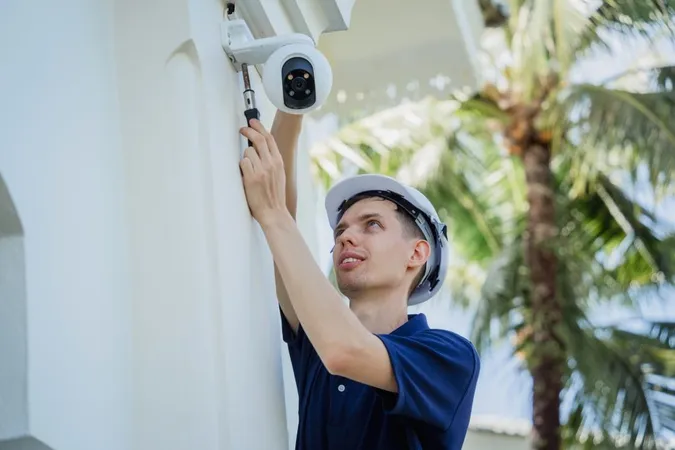
While CPI (Certified Professional Installer) focus on large-scale, often industrial wireless installations, professional installation is also essential in consumer settings. Services like SimpliSafe offer professional security system installations, ensuring proper placement and optimal performance of home security equipment. This approach helps consumers gain peace of mind through a secure setup without needing technical expertise.
Benefits of professional installation for home security systems include:
- Accurate Device Placement: Professional installers understand optimal placements for cameras and sensors.
- Secure Connections: Network connections are set up to reduce vulnerabilities.
- System Testing: Professionals thoroughly test systems to ensure functionality before completion.

Windows 10 Professional Installation for Secure Business Environments
For businesses, installing Windows 10 Professional offers features that enhance security, productivity, and network management. Windows 10 Pro includes strong encryption, advanced identity management, and remote desktop access, making it ideal for organizations needing a secure OS for professional environments.
Key benefits of Windows 10 Professional installation:
- Data Encryption: BitLocker encryption helps safeguard sensitive information.
- Enhanced Authentication: Windows Hello and other secure login options protect user data.
- Remote Access: Remote Desktop helps secure connections to work environments from remote locations.
Consider professional installation for Windows 10 to ensure optimal setup, configuration, and data protection in line with organizational needs.
Conclusion
CPI (Certified Professional Installer) in the CBRS field play a vital role in the evolving wireless landscape, with significant career opportunities and attractive salaries. As demand for private LTE networks grows, qualified CPIs are in higher demand across industries. Additionally, professional installation remains critical in both home and business settings, ensuring secure, compliant setups in line with industry standards. Whether aspiring to be a CPI or looking to understand the benefits of professional installation, individuals can find promising career pathways and opportunities for advancement in this field.
CPI: Pros and Cons
- +CPI certification validates expertise recognized by employers nationwide
- +Certified professionals typically earn 15-20% higher salaries
- +Opens doors to advanced positions and leadership roles
- +Demonstrates commitment to professional standards and ethics
- +Builds a strong professional network through certification communities
- −Exam preparation typically requires 2-4 months of dedicated study
- −Certification and exam fees can range from $150-$500+
- −Must complete continuing education to maintain active certification
- −Pass rates vary — thorough preparation is essential for success
- −Some certifications require prerequisite experience or education
Sources & last verified
- Wireless Innovation Forum — number of questions, passing score, eligibility (official source). “50-question exam” Verified Oct 15, 2026.
- myfederated.federatedwireless.com — time limit, retake policy (official source). “completed within 60 minutes” Verified Oct 15, 2026.
- federatedwireless.ai — renewal (official source). “Check your certificate’s Not Valid After date and renew it in advance of its expiration.” Verified Oct 16, 2026 · source checked Oct 16, 2026.
- c3spectra.com — delivery (official source). “Schedule your AI proctored exam to proceed towards your CPI certification.” Verified Oct 15, 2026.
How we verify: editorial & fact-checking policy. Report an error: contact us.
How this page was made: written with AI tools and published by Nathan Beja, founder of Practice Test Geeks, who is responsible for its content. Exam facts are checked against the official sources listed below. Not reviewed by a subject-matter expert. Editorial policy
Sources & references
Exam facts on this page (fees, format, dates, passing scores) are checked against these official sources; the date is our last check. Editorial policy
- federatedwireless.ai — Renewal · verified Oct 2026
- c3spectra.com — Test delivery · verified Oct 2026
- myfederated.federatedwireless.com — Retake policy, time limit · verified Oct 2026
- winnforum.org — Eligibility, exam format, passing score · verified Oct 2026