

CPWM Practice Test
Updated for September 2026Managing society’s growing stream of solid, hazardous, and recyclable materials demands expertise, regulatory insight, and an unwavering commitment to sustainability. The Certified Professional in Waste Management (CPWM) credential validates that expertise. Designed for environmental managers, public-works supervisors, and sustainability consultants, CPWM demonstrates mastery of best practices ranging from collection logistics to post-closure landfill care. Earning the certification positions you as a trusted leader capable of reducing costs, cutting greenhouse-gas emissions, and ensuring compliance with state and federal waste regulations.
Modern organizations—municipalities, manufacturing plants, healthcare systems, and universities—seek credentialed professionals to steer their zero-waste or circular-economy goals. As stricter legislation and public scrutiny accelerate the need for forward-thinking waste programs, CPWM holders find themselves uniquely qualified to design innovative solutions while protecting public health and the environment.
CPWM Practice Test Questions
Prepare for the CPWM - Certified Professional in Waste Management exam with our free practice test modules. Each quiz covers key topics to help you pass on your first try.
CPWM - Certified Professional in Waste Man...
CPWM Exam Questions covering - Certified Professional in Waste Management Collection and Transportation Logistics. Master CPWM Test concepts for certification prep.
CPWM - Certified Professional in Waste Man...
Free CPWM Practice Test featuring - Certified Professional in Waste Management Hazardous Waste Management. Improve your CPWM Exam score with mock test prep.
CPWM - Certified Professional in Waste Man...
CPWM Mock Exam on - Certified Professional in Waste Management Landfill Design and Operations. CPWM Study Guide questions to pass on your first try.
CPWM - Certified Professional in Waste Man...
CPWM Test Prep for - Certified Professional in Waste Management Recycling and Resource Recovery. Practice CPWM Quiz questions and boost your score.
CPWM - Certified Professional in Waste Man...
CPWM Questions and Answers on - Certified Professional in Waste Management Regulatory Compliance and Safety. Free CPWM practice for exam readiness.
CPWM - Certified Professional in Waste Man...
CPWM Mock Test covering - Certified Professional in Waste Management Sustainable Materials Management. Online CPWM Test practice with instant feedback.
CPWM - Certified Professional in Waste Man...
Free CPWM Quiz on - Certified Professional in Waste Management Waste Characterization and Classification. CPWM Exam prep questions with detailed explanations.
CPWM - Certified Professional in Waste Man...
CPWM Practice Questions for - Certified Professional in Waste Management Waste Treatment Technologies. Build confidence for your CPWM certification exam.
CPWM Collection and Transportation Logistics
CPWM Test Online for Collection and Transportation Logistics. Free practice with instant results and feedback.
CPWM Composting and Organic Waste Manageme...
CPWM Study Material on CPWM Composting and Organic Waste Management Questions and Answers. Prepare effectively with real exam-style questions.
CPWM Waste Management Planning and Program...
Free CPWM Test covering CPWM Waste Management Planning and Program Economics Questions and Answers. Practice and track your CPWM exam readiness.
CPWM Hazardous Waste Management
CPWM Exam Questions covering Hazardous Waste Management. Master CPWM Test concepts for certification prep.
CPWM Landfill Design and Operations
Free CPWM Practice Test featuring Landfill Design and Operations. Improve your CPWM Exam score with mock test prep.
CPWM Landfill Gas Management and Energy Re...
CPWM Mock Exam on Landfill Gas Management and Energy Recovery. CPWM Study Guide questions to pass on your first try.
CPWM Recycling and Resource Recovery
CPWM Test Prep for Recycling and Resource Recovery. Practice CPWM Quiz questions and boost your score.
CPWM Regulatory Compliance and Environment...
CPWM Questions and Answers on Regulatory Compliance and Environmental Safety. Free CPWM practice for exam readiness.
CPWM Regulatory Compliance and Safety
CPWM Mock Test covering Regulatory Compliance and Safety. Online CPWM Test practice with instant feedback.
CPWM Regulatory Compliance & Environmental...
Free CPWM Quiz on Regulatory Compliance & Environmental Safety. CPWM Exam prep questions with detailed explanations.
CPWM Sustainable Materials Management
CPWM Practice Questions for Sustainable Materials Management. Build confidence for your CPWM certification exam.
CPWM Sustainable Waste Management and Reso...
CPWM Test Online for Sustainable Waste Management and Resource Recovery. Free practice with instant results and feedback.
CPWM Sustainable Waste Management & Resour...
CPWM Study Material on Sustainable Waste Management & Resource Recovery. Prepare effectively with real exam-style questions.
CPWM Waste Characterization and Classifica...
Free CPWM Test covering Waste Characterization and Classification. Practice and track your CPWM exam readiness.
CPWM Waste Collection and Transportation P...
CPWM Exam Questions covering Waste Collection and Transportation Practices. Master CPWM Test concepts for certification prep.
CPWM Waste Collection & Transportation Pra...
Free CPWM Practice Test featuring Waste Collection & Transportation Practices. Improve your CPWM Exam score with mock test prep.
CPWM Waste Treatment Technologies
CPWM Mock Exam on Waste Treatment Technologies. CPWM Study Guide questions to pass on your first try.
Key Takeaways
Free CPWM Practice Test Online
CPWM verifies advanced knowledge in solid and hazardous waste regulations, sustainable materials management, and safety protocols.
Eligibility generally requires a bachelor’s degree (or equivalent experience) plus documented field hours in waste-related operations.
The exam typically spans waste characterization, collection & transport, treatment technologies, disposal, recycling markets, and program finance.
Certification elevates career prospects, boosts salary potential, and signals commitment to environmental stewardship.
Successful candidates combine formal study, on-the-job problem-solving, and reputable practice tests or review courses.
The CPWM Certification Framework
Eligibility Requirements
A bachelor’s degree in environmental science, civil engineering, public administration, or a related field—or seven years of progressive experience in waste operations.
Documented completion of at least 35 hours of continuing education in waste or environmental health within the past three years.
Verification of professional responsibility over waste contracts, facility operations, or regulatory reporting.
Exam Structure
180 multiple-choice questions delivered over four hours.
Core domains include regulatory context (25 %), technical operations—collection, transfer, treatment (30 %), sustainability & resource recovery (20 %), health & safety (15 %), and program management & finance (10 %).
Passing score is statistically scaled each cycle to reflect question difficulty.
Maintenance & Renewal
Certification remains valid for five years.
Renewal involves earning 45 continuing-education credits and documenting at least 1,000 hours of relevant professional practice during the cycle.
- ✓Review the official CPWM exam content outline
- ✓Take a diagnostic practice test to identify weak areas
- ✓Create a study schedule (4-8 weeks recommended)
- ✓Focus on your weakest domains first
- ✓Complete at least 3 full-length practice exams
- ✓Review all incorrect answers with detailed explanations
- ✓Take a final practice test 1 week before exam day
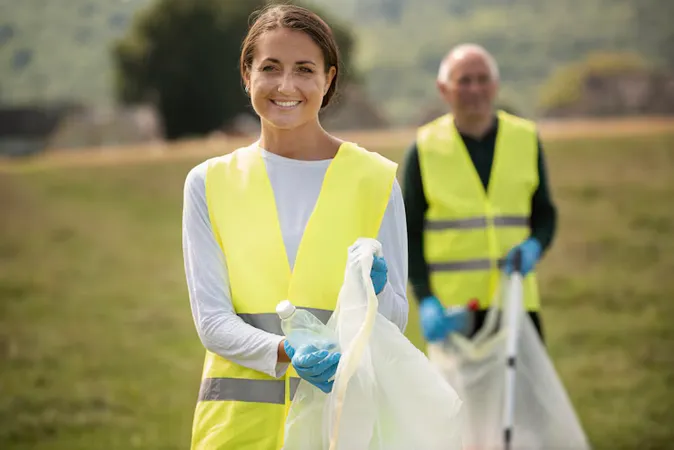
Why CPWM Matters in Today’s Environmental Landscape
Regulatory Confidence – Agencies such as the U.S. Environmental Protection Agency continuously update rules governing hazardous-waste manifests, landfill emissions, and recycling targets. CPWM holders confidently interpret and implement those standards.
Cost Optimization – By applying life-cycle cost analysis, certified professionals identify diversion programs and vendor contracts that cut disposal fees and generate revenue from recovered materials.
Risk Reduction – Proper waste segregation and safe handling minimize liability, protect workers, and avert fines or litigation.
Public Image & ESG Goals – Corporations cite CPWM-led waste minimization when disclosing environmental, social, and governance (ESG) performance, improving investor confidence.
Preparing for the CPWM Exam
Review the Body of Knowledge published by the certifying board to map study priorities.
Enroll in accredited training—many universities and professional associations offer intensive CPWM review workshops.
Leverage practice tests to pinpoint weak areas and build time-management skills.
Shadow experienced practitioners on facility tours to connect theory with real-world operations.
Stay informed on evolving regulations through resources such as the U.S. EPA Sustainable Materials Management and industry journals.
Career Paths and Salary Potential
CPWM unlocks diverse roles:
Waste Program Manager for municipalities or regional authorities
Corporate Sustainability Director overseeing zero-waste initiatives
Environmental Compliance Officer specializing in hazardous waste logistics
Circular-Economy Consultant advising manufacturers on material reuse
According to recent industry surveys, certified waste-management professionals can command 15 – 25 % higher salaries than non-credentialed peers, reflecting their strategic value in lowering operational costs and ensuring compliance.
Integrating Circular-Economy Thinking
Competency in waste management now extends well beyond disposal. CPWM coursework emphasizes life-cycle design, extended producer responsibility schemes, and innovative recovery technologies such as anaerobic digestion and chemical recycling. By embedding circular-economy principles, CPWM holders help organizations reduce virgin-material demand and align with climate-action roadmaps highlighted in international frameworks.
Continuing Education and Networking
Professional growth continues after initial certification. Engage in:
Annual conferences hosted by the Solid Waste Association of North America for cutting-edge research and policy updates.
Online courses from leading institutions like the University of California’s Integrated Waste Management curriculum (example .edu source).
Peer discussion forums that dissect case studies on landfill gas-to-energy projects or municipal composting rollouts.
These communities foster collaboration, mentorship, and job leads that accelerate career advancement.

Sustainable Waste Management and Public Health
Waste professionals safeguard communities by mitigating pollution pathways. Pathogen control in medical-waste treatment, leachate containment at landfills, and proper e-waste recycling all reduce toxic exposures. The National Institute of Environmental Health Sciences underscores how evidence-based waste practices protect vulnerable populations and ecosystems alike. CPWM training equips practitioners to translate such science into on-the-ground action plans.
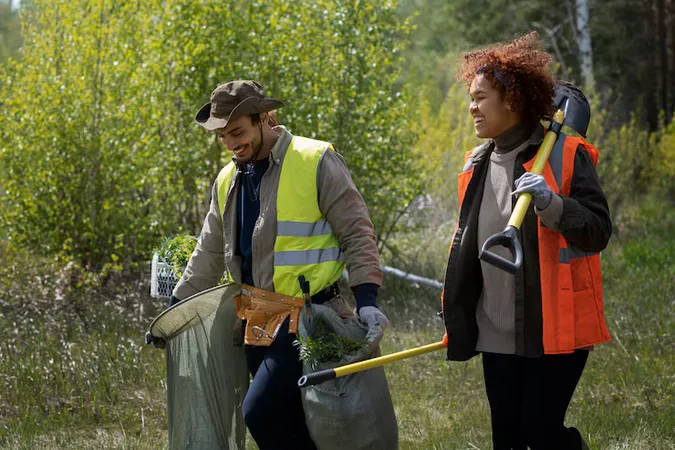
Conclusions
The CPWM credential signifies comprehensive mastery of modern waste-management challenges—from regulatory compliance to net-zero resource recovery. Certified professionals drive measurable environmental and financial performance, making them indispensable to public agencies and private enterprises navigating an era of heightened sustainability expectations. As the global waste stream expands and circular-economy policies gain momentum, CPWM holders will remain at the forefront of innovation, safeguarding both the planet and organizational bottom lines.
CPWM: Pros and Cons
- +CPWM certification validates expertise recognized by employers nationwide
- +Certified professionals typically earn 15-20% higher salaries
- +Opens doors to advanced positions and leadership roles
- +Demonstrates commitment to professional standards and ethics
- +Builds a strong professional network through certification communities
- −Exam preparation typically requires 2-4 months of dedicated study
- −Certification and exam fees can range from $150-$500+
- −Must complete continuing education to maintain active certification
- −Pass rates vary — thorough preparation is essential for success
- −Some certifications require prerequisite experience or education
(CPWM) Certified Professional in Waste Management Questions and Answers
About the Author

Business Consultant & Professional Certification Advisor
Wharton School, University of PennsylvaniaKatherine Lee earned her MBA from the Wharton School at the University of Pennsylvania and holds CPA, PHR, and PMP certifications. With a background spanning corporate finance, human resources, and project management, she has coached professionals preparing for CPA, CMA, PHR/SPHR, PMP, and financial services licensing exams.
Join the Discussion
Connect with other students preparing for this exam. Share tips, ask questions, and get advice from people who have been there.
View discussion (9 replies)